2027 Return on Investment of an Online Project Management Bachelor's Degree: Salary vs Cost

Co-Founder and Chief Data Scientist
Consider a professional with a bachelor's degree in an unrelated field who wants to switch careers into project management but faces budget constraints and uncertainty about potential salary gains. The question arises-does investing in an online project management bachelor's degree justify the cost? In 2023, the median annual salary for project management professionals with a bachelor's degree exceeded $85,000, reflecting strong industry demand and earning potential.
This article examines the financial trade-offs between tuition costs and expected income increases, offering data-driven insights to help readers evaluate the true return on investment of an online project management bachelor's degree.
Key Things to Know About the Return on Investment of an Online Project Management Bachelor's Degree
- Average tuition for online project management bachelor's programs ranges from $15,000 to $40,000-significantly lower than on-campus alternatives, improving affordability for budget-conscious students.
- Graduates report median salaries around $75,000 annually, a 20% increase over those without a degree, reflecting strong financial returns within five years post-completion.
- The degree enhances career advancement, job security, and access to professional certifications-non-financial factors critical for long-term growth in competitive fields.
What Is the True Cost of Earning an Online Project Management Bachelor's Degree From Enrollment to Graduation?
Costs associated with earning an online project management bachelor degree extend beyond tuition, and prospective students must consider all expenses to understand the full financial commitment. Reliable data from IPEDS, individual university net price calculators, and the National Center for Education Statistics allow realistic cost estimates based on both published rates and net prices after aid.
- Tuition Sticker Price: Published tuition rates for online project management degrees typically range from $15,000 to $40,000 for the entire program, varying by institution type. These published rates represent the sticker price, which many students never actually pay due to financial aid.
- Net Price After Aid: Grants, scholarships, and employer tuition assistance often lower the actual cost. On average, net prices can be 20 to 40 percent less than sticker prices, making the final cost closer to $10,000 to $25,000 for many students pursuing this degree.
- Technology and Platform Fees: Additional fees for technology use, online learning platforms, and proctoring services add between $500 and $1,200 over the course of the degree, covering essential infrastructure and exam monitoring.
- Textbooks and Course Materials: Even with digital resources, expenses for textbooks, software licenses, and other materials remain significant, typically totaling $1,000 to $2,000 over the program duration.
Summing these components, the overall cost of earning a project management degree online ranges roughly from $11,500 at the lower end-factoring in aid and fees-to $43,000 without substantial scholarships.
This range provides a practical baseline for first-generation college students, working professionals, or career changers to gauge the return on investment compared to potential salary increases and career growth. Exploring options among the easiest online degrees can also help identify programs that balance cost with accessibility.
How Does the Starting Salary for Project Management Bachelor's Degree Graduates Compare to the Total Cost of the Degree?
The starting salary for graduates with a bachelor's degree in project management typically ranges between $55,000 and $70,000 annually, according to Bureau of Labor Statistics (BLS) Occupational Outlook Handbook data. Common entry-level positions such as project coordinators and junior project managers align with these median salaries.
When comparing these starting salaries to the total cost of an online bachelor's degree in project management-which can vary from $20,000 for more affordable programs to $60,000 for higher-priced options-students can better evaluate their financial investment. In the best-case scenario, where tuition is low and financial aid is substantial, it may take roughly 4 to 7 months of gross starting salary to cover the degree's full cost. Conversely, expensive programs with limited financial assistance could require a full year or more of starting income to recoup this investment.
It is important to consider that starting salary is only part of the financial picture. Salary growth potential and career advancement can significantly improve the return on investment over time. As graduates gain experience, certifications, and leadership roles, their earnings tend to rise steadily. This dynamic shortens the payback period and enhances the overall financial value of the degree.
For those exploring options, it is worth comparing costs with programs such as an online bachelor's in engineering, where affordability and ROI insights may also apply. Understanding total cost versus salary outcomes for project management bachelor's degree graduates is critical for making informed decisions that align with both budget and career goals.
- Starting Salary Range: Entry-level graduates in project management earn between $55,000 and $70,000 per year, based on the BLS median wage figures for relevant roles.
- Degree Cost Variation: The total cost of an online project management bachelor's degree ranges widely from $20,000 to $60,000, depending on the institution and availability of financial aid.
- Payback Period: Covering degree expenses may require 4 to 7 months of starting salary in best-case scenarios, while costly programs without aid may need 12 months or more.
- Salary Growth Potential: Earnings typically increase over time with experience and credentials, making the initial salary only the starting point in financial evaluation.
- Non-Financial Benefits: Degree holders often gain enhanced career advancement prospects, job security, and valuable professional development beyond the salary figures.
What Is the Average Return on Investment (ROI) for an Online Project Management Bachelor's Degree Over a 10-Year Career?
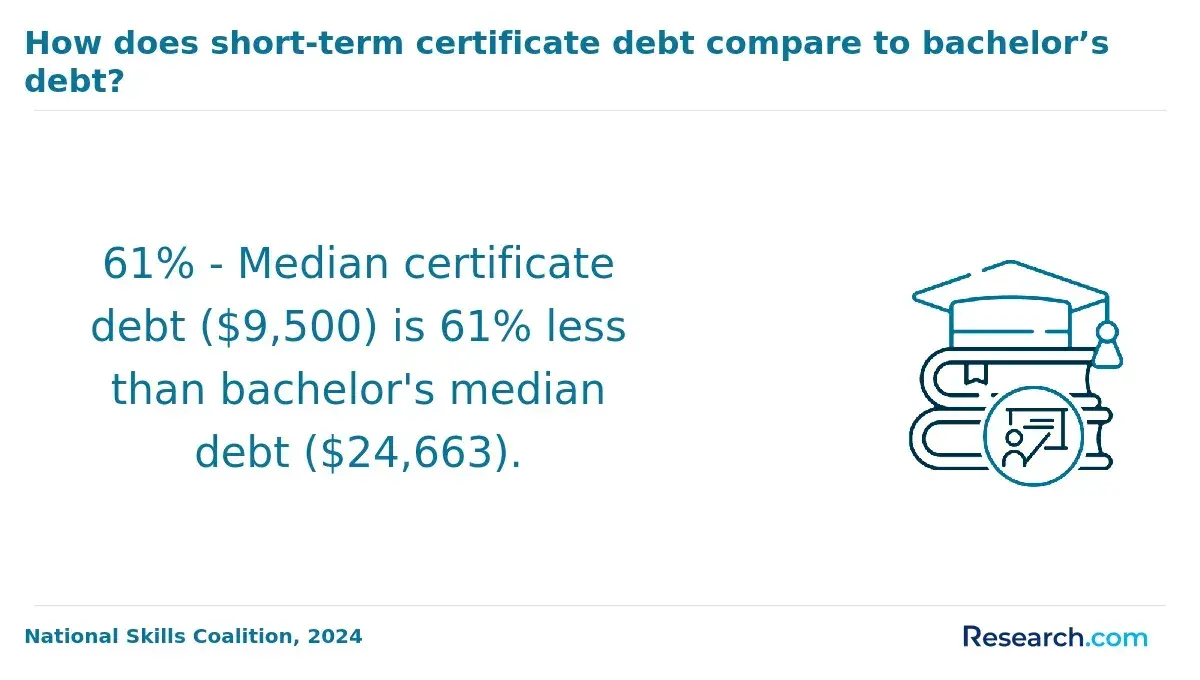
Return on investment (ROI) in higher education is typically understood as the difference between the total cost of a degree and the additional income earned over a decade by graduates compared to those with only a high school diploma or an associate degree. Research from Georgetown University's Center on Education and the Workforce and PayScale's College ROI Report reinforces this approach, highlighting net financial returns after subtracting tuition, fees, and other expenses from cumulative salary growth.
Using data from the Bureau of Labor Statistics, median annual earnings for project management professionals hover around $75,000, with an average yearly increase of 3%. Over 10 years, this salary progression results in cumulative earnings near $825,000 for degree holders. In contrast, individuals earning only a high school diploma typically receive about $40,000 annually, totaling approximately $440,000 during the same period.
Factoring in estimated costs of $40,000 for an online project management bachelor's degree, the net financial gain equates to roughly $345,000 over ten years. This figure aligns well with national ROI averages for bachelor's degrees and signals a strong financial incentive for investment in this field.
- Clear Definition Of ROI: ROI compares the total cost of acquiring a degree with the added earnings graduates generate versus lower qualification holders in the same profession.
- Sample Earnings Calculation: Project management graduates earn about $385,000 more than those with only a high school diploma over a decade when including degree expenses.
- Annual Salary Growth: A 3% yearly raise compounds income over time, significantly enhancing total lifetime earnings.
- Cost Considerations: Although the degree cost impacts ROI, increased salary potential outweighs education expenses in the long run.
- ROI Compared To National Average: Project management degrees generally meet or surpass typical bachelor's degree ROI benchmarks nationwide, signaling solid financial returns.
A professional who enrolled in an online project management bachelor's degree program after carefully assessing its cost and potential ROI shared his experience. Initially, he felt uncertain about balancing work, study, and finances, given the significant upfront expense. "I kept wondering if it would really pay off," he recalled.
However, he found the structured online format manageable and praised his ability to apply coursework directly to his job, which accelerated promotions. He described the decision as "a calculated risk that paid off," emphasizing the value of research and realistic expectations in making such an important career investment.
How Do Online Project Management Program Tuition Rates Compare Across Public, Private, and For-Profit Institutions?
Private nonprofits often charge more but provide strong career support and networking. Public universities offer affordable, recognized degrees for in-state students, while for-profits may be cheaper upfront yet carry risks like lower graduation rates and employer skepticism. Evaluating tuition alongside career outcomes ensures better long-term ROI.
- Private Nonprofit Institutions: These schools often charge more than public counterparts, reflecting smaller class sizes or specialized curricula. However, they typically offer robust career support and networking resources, which can enhance graduation rates and employment prospects. Financial aid is frequently available to ease sticker shock.
- Public Institutions: Public universities generally provide the most affordable online project management tuition cost comparison for in-state students. Many have adopted flat-rate tuition models for online programs, enabling more predictable budgeting. This affordability appeals to residents, though out-of-state learners may encounter higher fees.
- For-Profit Colleges: For-profit schools promote some of the lowest tuition costs for online project management degree fees public vs private institutions, catering to budget-conscious students. Yet, data from IPEDS highlights concerns such as lower graduation rates-which may extend educational expenses-and employer skepticism toward these credentials that can impact long-term salary growth.
- Return on Investment Considerations: While for-profit options look cheapest upfront, the overall value depends on graduation success and career outcomes. Public universities strike a balance by offering recognized credentials with reasonable fees for residents. Private nonprofits, despite higher costs, often provide greater job security and advancement potential through quality programming. First-generation college students and working professionals should examine these factors closely alongside tuition costs.
For those exploring alternatives-including the cheapest PsyD programs-evaluating the full spectrum of educational and career benefits ensures smarter decisions beyond initial price tags.
What Long-Term Salary Growth Can Project Management Bachelor's Degree Holders Expect Over a 20- to 30-Year Career?
Salary growth for those with a bachelor's degree in project management typically follows clear milestones over a 20- to 30-year career. Early on, within the first five years, professionals often see notable raises-around 20-30%-as they build essential skills and manage smaller projects successfully. This period marks rapid advancement in compensation as they prove their capability.
- Mid-Career Boost: Around a decade of experience, salary increases usually accelerate due to earning certifications like PMP or Agile, which allow managers to take on larger, more complex initiatives. Data indicates pay at this stage often rises by 40% to 60% compared to starting salaries.
- Senior Leadership Premium: After 15 years, many project management graduates move into senior or executive roles, where wages typically outpace inflation and industry averages, reflecting the higher responsibility and strategic influence.
- Lifetime Earnings Advantage: Over the entire career span, degree holders earn roughly 15% to 25% more than peers without a degree in equivalent positions.
- This advantage stems from faster promotions, higher initial pay, and enhanced job stability linked to professional credentials.
A professional who established her career after completing an online project management bachelor's degree shared that despite initial challenges balancing work and study, the structured program helped her steadily increase responsibilities.
She recalls that "earning the degree felt like overcoming a steep learning curve, but each promotion afterward made that effort worthwhile." The combination of practical coursework and credentialing opportunities gave her confidence to pursue leadership roles that were previously out of reach, reinforcing the long-term financial and career growth this degree can support.
How Does the ROI of an Online Project Management Bachelor's Degree Compare to an Associate Degree or a Professional Certificate?
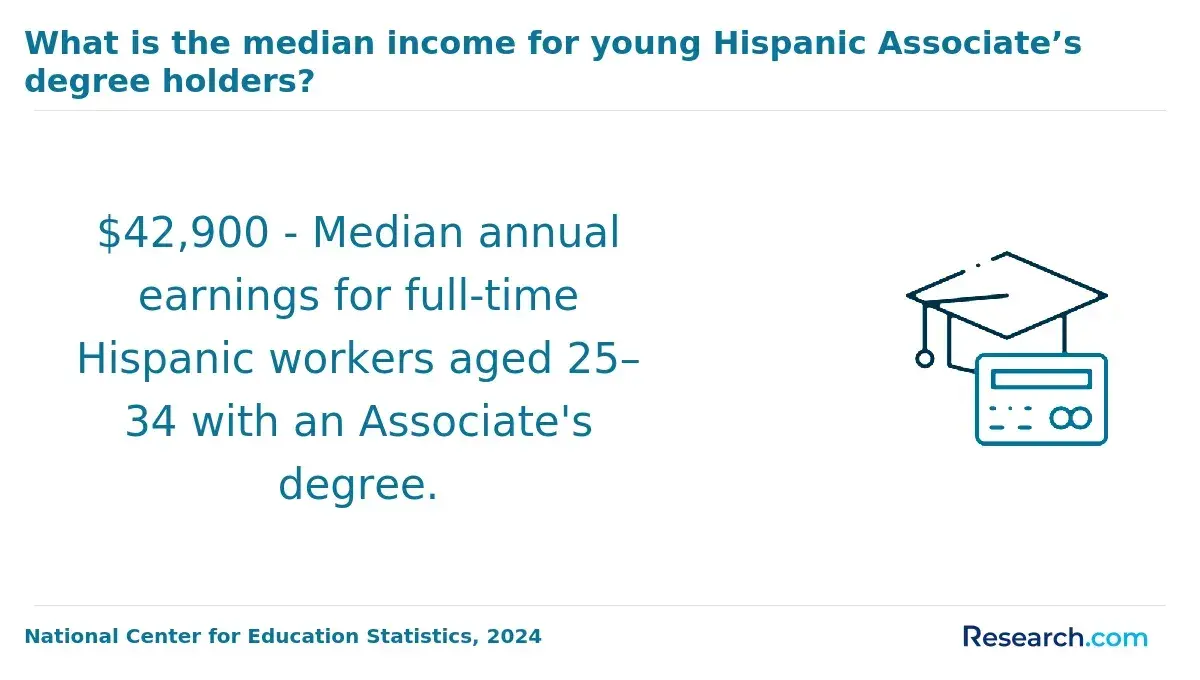
Investing in an online project management degree requires weighing cost against long-term benefits. Certificates and associate degrees offer quicker, more affordable paths into the field, while a bachelor's degree demands higher upfront tuition but opens doors to leadership roles, greater job stability, and higher lifetime earnings. Considering both financial and professional outcomes helps students choose the credential that aligns best with their career goals.
Cost Efficiency: Associate degrees generally require an investment between $12,000 and $15,000, while professional certificates cost significantly less, typically ranging from $2,000 to $7,000. In comparison, pursuing an online bachelor's degree in project management usually demands a higher upfront payment, from $40,000 to $60,000.
Salary Outcomes: Median income for bachelor's degree holders in project management surpasses that of associate degree graduates by approximately 20% to 30%, as reported by the Bureau of Labor Statistics. Certificates tend to lead to modest salary increases-often under 10% above earnings with just a high school diploma-but they provide important access points into the field.
Short-Term Benefits: Professionals seeking quick entry or skill upgrades find certificates to be the most cost-effective path. These programs minimize time away from work and enable faster wage growth in entry-level roles, making them ideal for those prioritizing immediate returns.
Long-Term Advantages: Bachelor's degrees enhance prospects for higher-level leadership positions, greater job stability, and increased lifetime earnings. Data from the National Center for Education Statistics emphasize that bachelor's degree holders face lower unemployment rates and better career growth compared to those with associate degrees or certificates.
Decision Framework:
- Budget Constraints: Candidates with limited financial resources may prefer certificates or associate degrees for quicker financial return.
- Career Advancement: Individuals aiming for senior or strategic roles benefit most from the skills and recognition provided by a bachelor's degree.
- Time Horizon: Those who can invest 3 to 4 years in education are positioned to realize stronger long-term gains, whereas those needing faster credentials may find certificates more practical.
Non-Financial Returns: Beyond salary, bachelor's programs offer greater professional development and networking opportunities, influencing employer preference and increasing chances for job longevity and satisfaction.
Which Online Project Management Specializations or Concentrations Yield the Highest Earning Potential After Graduation?
Specializing within an online project management bachelor's degree can significantly enhance salary prospects compared to generalist roles. According to the Bureau of Labor Statistics (BLS) and labor market research, certain concentrations provide substantial earning premiums while influencing the total educational investment due to required certifications or licenses.
- Construction Project Management: Earns median salaries exceeding $95,000, surpassing the approximately $75,000 typical for general project managers. This field demands expertise in budgeting, safety regulations, and contract negotiation.
- Information Technology (IT) Project Management: Offers some of the highest median salaries-often above $100,000. Managing software development, network upgrades, and cybersecurity projects requires advanced skills, with certifications like PMP or Agile increasing both costs and earning potential.
- Healthcare Project Management: Focused on compliance with strict regulatory standards, this specialization yields salaries near $85,000. Additional certifications in healthcare compliance or quality management may raise enrollment costs.
- Engineering Project Management: Typically commands salaries above $90,000 due to the need for technical coordination and often requires licensure or industry-specific certifications that add to overall investment.
- Supply Chain Management: Provides salaries generally around $80,000. Optional certification, such as APICS, can improve advancement opportunities and earnings.
When choosing a specialization, it is important to weigh both median salary data and the need for extra education or credentialing, as these affect how quickly students can recover their tuition investment. For those with prior experience, targeting fields like IT or construction project management may accelerate return on investment and maximize long-term financial growth.
How Do Employer Tuition Reimbursement and Financial Aid Reduce the Net Cost of an Online Project Management Bachelor's Degree?
Employer tuition reimbursement programs can play a critical role in lowering the net cost of an online project management bachelor's degree by offsetting substantial portions of tuition expenses. Under IRS Section 127, employees may receive up to $5,250 annually in tax-free tuition assistance, frequently offered as part of professional development benefits.
According to the Society for Human Resource Management (SHRM), nearly 50% of U.S. employers provide some form of tuition aid, making these employer tuition reimbursement benefits for online project management degrees a common advantage for working students.
Federal financial aid also greatly influences the net cost of project management bachelor's programs. Grants like the Pell Grant, scholarships from colleges or external organizations, and subsidized federal loans reduce the financial burden by offering funds that do not require repayment or feature favorable terms. Combining these sources with employer assistance can significantly reduce out-of-pocket expenses.
For example, a student facing a $30,000 tuition bill might receive $15,750 in tax-free aid after three years of employer reimbursement at $5,250 per year. Adding federal grants of $5,000 and a $3,000 scholarship lowers the net tuition to under $10,000, with remaining costs manageable via subsidized loans or direct payments. This layered support system eases financial strain and debt risk while promoting degree completion.
Those pursuing affordable project management options may also explore flexible programs such as a social media marketing online degree to diversify skills and enhance marketability alongside project management expertise.
- Employer Tuition Reimbursement: IRS Section 127 allows up to $5,250 per year in tax-free support from employers, cutting tuition costs sharply for students balancing work and education.
- Federal Financial Aid: Grants and subsidized loans reduce repayment pressure by providing low-cost or no-cost funding for eligible students in project management bachelor's programs.
- Scholarships and Institutional Aid: Additional awards from colleges or third parties further lower net tuition, making degree completion more attainable.
- Widespread Availability: Nearly half of all U.S. employers offer tuition assistance, highlighting this as a key financial aid avenue for working professionals.
- Example of Cost Reduction: When combined, employer benefits, grants, and scholarships can slash a $30,000 tuition bill to less than $10,000, dramatically reducing financial barriers.
What Hidden Costs Should Students Factor Into the Total Investment of an Online Project Management Bachelor's Degree?
When calculating the true cost of an online project management bachelor's degree, students must consider more than just tuition. Additional expenses often overlooked can include technology fees, exam proctoring, software licenses, graduation charges, and professional memberships. These hidden financial factors in online project management education cost frequently extend the timeline to achieve a positive return on investment by delaying salary growth that offsets educational expenses.
For example, technology fees for platform access and maintenance generally range from $100 to $500 annually. Remote exam proctoring adds roughly $30 to $60 per test, accumulating over the course duration. Graduation fees-covering diploma and administrative processing-commonly fall between $100 and $200, and are rarely included in initial tuition estimates.
Course-specific software licenses required for project management tools may add $50 to $100 per semester. Additionally, joining associations like the Project Management Institute involves annual professional membership fees of approximately $129, providing important career development benefits but increasing upfront costs.
According to institutional disclosures and College Board data, these hidden costs can increase total expenses by 10 to 20 percent beyond published tuition figures, affecting the break-even timeline for many students. Prospective candidates should always request a comprehensive cost-of-attendance breakdown to ensure all fees-beyond tuition-are accounted for in their budgeting.
To explore options in related fields, students may also consider reviewing the best online graphic design programs, which offer their own distinct financial considerations.
- Technology Fees: Online platforms typically charge annual fees between $100 and $500 for maintenance and access, expenses many students neglect when budgeting.
- Proctoring Services: Remote exam monitoring usually costs $30 to $60 per test, adding up significantly over multiple assessments.
- Graduation Costs: Diplomas and administrative fees range from $100 to $200, fees often excluded from advertised tuition prices.
- Software Licenses: Specialized project management tools required for coursework can cost $50 to $100 per semester, increasing semester expenses beyond tuition.
- Professional Memberships: Joining organizations like PMI involves annual fees around $129 but offers networking and career development advantages, contributing to long-term ROI.
How Does the Accreditation Status of an Online Project Management Program Affect Graduate Salary and Employability?
Regional accreditation is considered the highest standard for U.S. colleges, confirming that an institution meets extensive academic and administrative quality measures. Programmatic accreditation provides targeted validation, focusing specifically on the quality and relevance of project management or business curricula.
These distinctions matter because employers consistently prioritize degrees from regionally accredited schools, associating them with solid foundational knowledge and practical skills.
Surveys by the National Association of Colleges and Employers (NACE) and the Society for Human Resource Management (SHRM) highlight that hiring managers view candidates from regionally accredited programs more favorably.
These graduates often receive better starting salaries and enhanced opportunities for career progression. In contrast, those holding degrees exclusively from nationally accredited or non-accredited schools may encounter doubts about the rigor of their education, which can weaken their salary negotiation leverage.
Furthermore, attending a non-accredited institution can restrict eligibility for licensure exams, graduate programs, and employment in public-sector or healthcare roles requiring recognized credentials. This often translates into limited career advancement and slower earnings growth over time.
- Regional Accreditation: Confirms overall institutional quality and adherence to rigorous standards, boosting employer confidence and salary potential.
- Programmatic Accreditation: Specializes in validating curriculum quality, enhancing the program's professional credibility.
- Employer Preferences: Data shows hiring managers strongly favor degrees from accredited programs, promoting higher job placement rates and better pay.
- Restrictions of Non-Accreditation: Can bar access to important licensure, advanced education, and government or healthcare careers.
- Verification Tools: Prospective students should consult the U.S. Department of Education and Council for Higher Education Accreditation to confirm a program's legitimacy before enrollment.
What Entry-Level Job Titles and Salary Ranges Are Available to Graduates of Online Project Management Bachelor's Programs?
Graduates with online project management bachelor's degrees typically enter diverse fields where their skills adapt to varying industry demands and pay scales. Starting salaries vary but often reflect the sector's emphasis on project coordination, analysis, and team leadership.
- Project Coordinator: Median entry pay ranges from $45,000 to $60,000, with technology and healthcare employers frequently offering the highest wages.
- Assistant Project Manager: Earning between $50,000 and $65,000, this role garners stronger salaries in finance and government sectors due to added supervisory duties.
- Project Analyst: Typically paid from $48,000 to $62,000, these professionals focus on data-driven insights, with technology and finance industries leading compensation.
- Junior Project Manager: Starting salaries lie between $55,000 and $70,000, especially elevated in construction and tech firms where early leadership is critical.
- Operations Coordinator: This role usually earns $43,000 to $58,000, with healthcare and education sectors valuing process optimization skills.
- Risk Management Assistant: Salaries range from $50,000 to $65,000, commonly found in finance and insurance companies emphasizing risk assessment.
- Business Analyst: With earnings between $55,000 and $70,000, technology and finance industries prioritize this versatile skill set.
- Quality Assurance Coordinator: Entry-level pay generally spans $45,000 to $60,000, predominantly in healthcare and manufacturing sectors.
Internships, industry-recognized credentials such as PMP or CAPM, and specialized focuses like Agile methodology frequently boost initial salaries toward the higher end. These enhancements accelerate financial returns and improve career trajectories. Understanding the range of entry points and sector-specific pay helps prospective students align program choices with personal budget constraints and long-term professional goals.
What Graduates Say About the Return on Investment of Their Online Project Management Bachelor's Degree
- Jaime: "After comparing several programs, I chose the online project management bachelor's degree because its ROI outweighed the cost significantly-affordable tuition paired with flexible scheduling made it a smart investment. Beyond the financial aspect, completing the degree opened doors to leadership roles I hadn't considered possible before. It truly enhanced my career growth and gave me a sense of job security in an ever-changing market."
- Enzo: "Reflecting on my decision, the non-financial returns of the online project management degree stand out the most-networking opportunities and skill development boosted my confidence and professional presence. The program's rigorous curriculum prepared me to handle complex projects, which accelerated my career advancement. In terms of ROI, the degree proved invaluable, not just as a credential but as a catalyst for meaningful change in my work life."
- Rowan: "From a professional standpoint, investing in the online project management bachelor's degree has been a game-changer-my salary increase and promotions validate the investment's worth. Choosing the online format allowed me to balance work and study without sacrificing income, which maximized the financial returns. Ultimately, the program gave me a competitive edge and peace of mind about my career's long-term stability."
Other Things You Should Know About Project Management Degrees
Most graduates of online project management bachelor's degree programs can expect to recoup their tuition costs within 3 to 5 years through higher salary earnings. Entry-level roles often offer average salaries between $60,000 and $75,000 annually, which typically increase with experience and certification. This timeline accounts for costs including tuition, materials, and any lost wages if studying part-time. Factors such as program cost and individual career growth rates will influence the exact period.
Salary potential for project management graduates varies significantly by location and industry. For example, graduates working in technology or construction sectors in metropolitan areas like New York, San Francisco, or Chicago often earn salaries 15% to 30% higher than those in rural regions. Additionally, industries such as aerospace and defense typically offer higher compensation compared to nonprofit or public sectors. These variations can affect the return on investment by influencing annual income growth.
Employer surveys consistently rate project management bachelor's degrees as valuable credentials that demonstrate critical skills in planning, communication, and leadership. Labor market data from the Bureau of Labor Statistics show faster employment growth and lower unemployment rates for degree holders compared to those without formal project management education. Many employers prioritize candidates with accredited online degrees combined with professional certifications, reflecting a strong demand for qualified project managers.
In 2027, the return on investment of an online project management bachelor's degree varies. Graduates entering the job market can expect an average starting salary of approximately $70,000, depending on factors like location and industry. With tuition costs averaging $30,000, the degree pays for itself in roughly 3-4 years, provided the graduate maintains this income level or higher.
References
- ROI of Online Degrees in 2025: Cost, Benefits, Career Impact https://www.pwmedharthi.com/blogs/guide/roi-of-online-degrees
- PMP Exam Prep: Return on Investment (ROI) - Project Management Academy Resources https://projectmanagementacademy.net/resources/blog/return-on-investment/
- 2025 Most Affordable Online Master's Degrees in Project Management https://www.onlineu.com/most-affordable-colleges/project-management-masters-degrees
- Salary Guide for Project Managers https://www.allbusinessschools.com/project-management/salary/
- PMP Certification Your Key to Career Success https://ofoq-edu.com/en/blog/how-project-management-certification-can-open-doors-in-the-job-market/
- Tuition Reimbursement: How Do Employers Benefit from It? | KBI Benefits https://www.kbibenefits.com/tuition-reimbursement-benefits
- University Students’ Money Management Practices in an Island Province https://rsisinternational.org/journals/ijriss/articles/university-students-money-management-practices-in-an-island-province/
- Average Private vs Public College Tuition [2025]: Data Analysis https://educationdata.org/private-vs-public-college-tuition
- Exploring the Value of a Project Management Degree https://xmind.com/blog/project-management-degree
- Certificate vs. Degree: Pros, Cons, and Career Outcomes | National University https://www.nu.edu/blog/certificate-vs-degree/