2027 Return on Investment of an Online Organizational Leadership Bachelor's Degree: Salary vs Cost

Co-Founder and Chief Data Scientist
Imagine a mid-career professional aiming to transition into management without sacrificing current job hours-a scenario where an online organizational leadership bachelor's degree seems ideal. However, the question remains: does the degree's cost justify the salary boost it promises?
Recent data shows graduates in this field earn a median annual salary approximately 15% higher than those with unrelated bachelor's degrees. This article analyzes the true return on investment by comparing tuition costs against salary increases, helping prospective students decide if the online organizational leadership degree aligns with their financial and career goals.
Key Things to Know About the Return on Investment of an Online Organizational Leadership Bachelor's Degree
- Average tuition for online organizational leadership bachelor's degrees ranges from $15,000 to $35,000-significantly lower than on-campus options, improving affordability for budget-conscious students.
- Graduates report median salaries between $60,000 and $75,000, reflecting a salary boost of 20% to 30% compared to non-degree holders in related fields.
- Beyond finances, the degree supports career advancement, enhances job security, and fosters professional development, making it a comprehensive investment for long-term growth.
What Is the True Cost of Earning an Online Organizational Leadership Bachelor's Degree From Enrollment to Graduation?
Tuition sticker price: Published tuition rates for online organizational leadership bachelor's degree programs typically range from $15,000 to $50,000 for the complete degree. Public institutions often offer reduced tuition for in-state students, while private colleges may set higher sticker prices.
Understanding these differences is essential when comparing programs based on online organizational leadership bachelor's degree tuition costs and fees.
- Net Price After Aid: Many students receive scholarships, grants, or other financial aid, lowering the average net price to between $10,000 and $30,000. According to IPEDS, around 85% of undergraduates benefit from some form of aid, significantly reducing out-of-pocket expenses for eligible students.
- Technology and Fees: Online learners typically pay technology fees averaging $100 to $300 per semester. These fees cover software licenses, learning platforms, and tech support. Additional charges such as registration, library access, or graduation fees may total $500 to $1,000 over the duration of the program.
- Textbooks and Course Materials: Required textbooks and digital resources can cost between $1,200 and $2,000 throughout the program. While some courses use open educational resources to lower costs, traditional materials remain a significant expense in the total cost of earning an online organizational leadership degree.
- Proctoring and Exam Fees: Many online courses require proctored exams, which may cost $30 to $100 per exam. These fees add up depending on the number of assessments required for degree completion.
Taking all factors into account, the total estimated investment for completing an online organizational leadership bachelor's degree ranges from about $12,000 with strong financial aid to upward of $55,000 when paying full sticker price without aid.
This range helps prospective students evaluate the return on investment by comparing these expenses with potential earnings post-graduation.
For those seeking affordable options, exploring resources on a cheap MBA online programs may offer useful insights and alternatives for budget-conscious learners.
How Does the Starting Salary for Organizational Leadership Bachelor's Degree Graduates Compare to the Total Cost of the Degree?
The median annual salary for entry-level roles common among graduates with an online organizational leadership bachelor's degree typically ranges between $50,000 and $60,000, based on Bureau of Labor Statistics (BLS) data for relevant occupations such as administrative services managers and human resources specialists.
The total cost of earning this degree online varies widely-from about $20,000 at affordable institutions with financial aid to $60,000 or more at less affordable schools before aid. This variation is crucial when evaluating total cost versus salary for organizational leadership degree holders.
In a best-case scenario, a student benefiting from low tuition rates and substantial financial aid might pay close to $20,000. With a starting salary near $55,000, it would take about four to five months of gross income to recoup this investment.
Conversely, if costs reach $60,000 and the starting salary is closer to $50,000, the payback period extends to roughly 14 months. These calculations are based on gross income before taxes and living expenses, underscoring the importance of financial aid and affordable tuition.
Early salary is just the start-BLS projections show that median salaries for management and leadership roles can grow 20 to 30 percent or more within five to ten years, significantly enhancing long-term ROI.
For those curious about comparative earning potential by field, it's helpful to explore what degrees make the most money to frame organizational leadership's position in the broader market.
- Entry-Level Salaries: Median starting salaries for organizational leadership graduates range from $50,000 to $60,000 depending on role and industry.
- Total Degree Cost: Costs vary dramatically-from $20,000 with aid to $60,000 without-affecting the time needed to recoup investment.
- Payback Period: In optimal scenarios, degree expenses are offset in under six months of salary; in less favorable ones, it can take over a year.
- Salary Growth: Career advancement typically leads to 20%-30% salary increases over 5 to 10 years, increasing the degree's overall value.
- Financial Aid Impact: Scholarships and grants significantly reduce payback time and improve affordability.
What Is the Average Return on Investment (ROI) for an Online Organizational Leadership Bachelor's Degree Over a 10-Year Career?
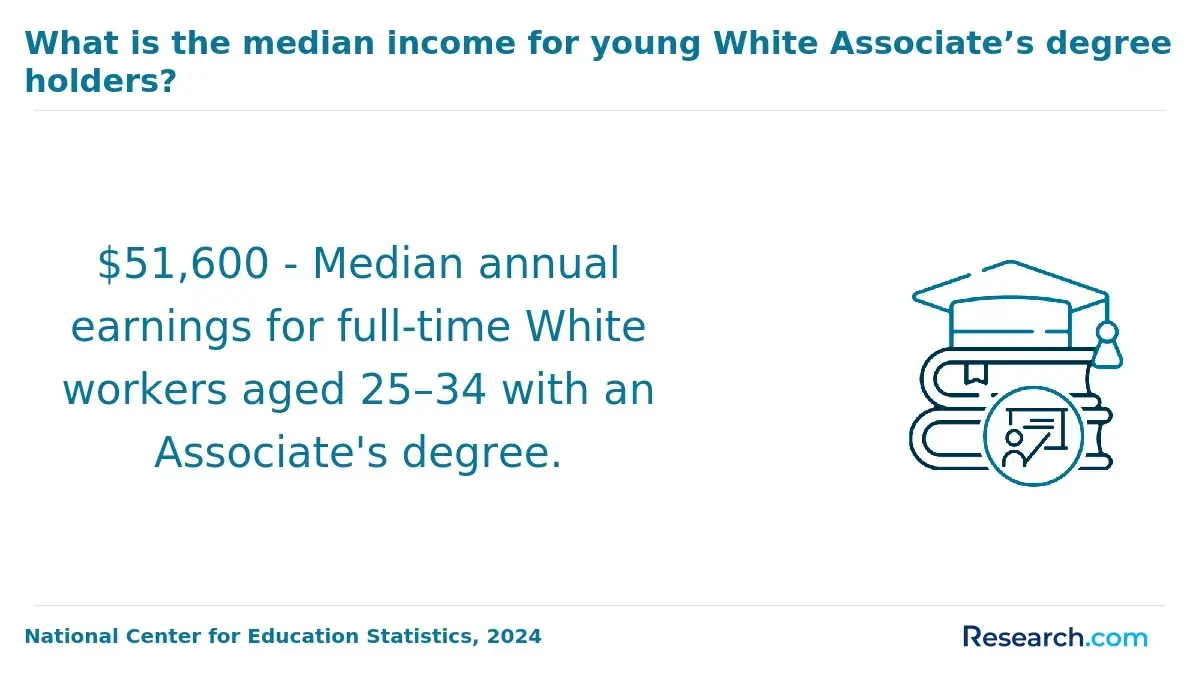
Return on investment (ROI) in higher education calculates the net financial benefit a graduate gains by comparing cumulative earnings over 10 years with the total cost of their degree.
Specifically, ROI is found by subtracting the full program cost from the additional income earned by degree holders versus peers with only a high school diploma or associate degree in the same field.
According to research by the Georgetown University Center on Education and the Workforce, this method helps students make data-driven financial decisions about pursuing a degree.
Using Bureau of Labor Statistics data, the median annual salary for organizational leadership positions is about $75,000. Assuming a modest 3% yearly increase, total earnings over a decade could reach roughly $825,000.
Meanwhile, a comparable high school graduate earns around $45,000 annually with the same raise assumptions, totaling approximately $495,000 over 10 years. The resulting $330,000 difference represents the additional earnings linked to the bachelor's degree.
Online programs for organizational leadership typically cost between $30,000 and $60,000, with an average near $45,000. Deducting this from the $330,000 earnings gap yields an estimated 10-year ROI of $285,000-well above the national average ROI of about $240,000 for all bachelor's degrees.
- Clear ROI Definition: ROI measures the financial advantage of a degree by subtracting its cost from the extra income earned compared to non-degree holders over 10 years.
- Earnings Calculation: Median wages for organizational leadership start at $75,000 with 3% annual raises, contrasted with $45,000 for high school graduates.
- Degree Cost Impact: Average online degree costs around $45,000, significantly less than the increased lifetime earnings it supports.
- National Comparison: The ROI for organizational leadership degrees surpasses the typical bachelor's degree ROI, highlighting favorable returns.
- Beyond Income: ROI also captures benefits like career progression, job security, and skill development that extend value beyond salary.
A professional who enrolled in an online organizational leadership bachelor's program shared how carefully calculating the cost versus expected earnings influenced his decision.
Balancing full-time work and studies came with challenges, including managing time and finances, but he found the flexibility vital. "Evaluating the financial outlook upfront gave me confidence," he explained.
"It wasn't just about tuition but about where this degree would take me long-term." His experience highlights that, beyond numbers, the perceived career growth and stability made the investment worthwhile.
How Do Online Organizational Leadership Program Tuition Rates Compare Across Public, Private, and For-Profit Institutions?
Tuition costs for online organizational leadership degree programs differ significantly among public, private nonprofit, and for-profit colleges, influencing students' overall investment returns.
Public institutions usually offer the most affordable options-particularly for in-state learners-with many schools charging a flat-rate online tuition between $300 and $500 per credit hour. This consistency benefits students managing tight budgets, though out-of-state rates can be substantially higher.
- Private Nonprofit Schools: Tuition tends to range from $400 to $700 or more per credit hour. Despite higher costs, these programs often provide strong reputations, better graduation rates, and extensive alumni connections that may enhance career prospects and salary growth over time.
- For-Profit Colleges: These institutions may advertise lower tuition rates and flexible payments, sometimes even below public in-state prices. Yet, according to IPEDS data, they generally have reduced graduation rates and face employer doubts about educational quality-factors that can hurt job opportunities and long-term earnings.
Choosing the cheapest tuition does not always lead to the best financial outcome. For-profit programs might lower upfront expenses but could increase the time to completion and offer less career support.
Public and private nonprofit schools may demand more upfront investment but often deliver better career advancement and job security, improving the return on investment for students pursuing online organizational leadership degrees. For more details on the most affordable options, see the EDD degree listings.
What Long-Term Salary Growth Can Organizational Leadership Bachelor's Degree Holders Expect Over a 20- to 30-Year Career?
Salary progression for those holding an online organizational leadership bachelor's degree typically shows steady advancement supported by data from the Bureau of Labor Statistics and American Community Survey.
Early career years bring moderate raises as individuals move into supervisor roles, with annual earnings around $50,000 to $60,000 while developing foundational leadership skills.
- Early Career Growth: The initial five years mark gradual salary increases that align with gaining experience and assuming entry-level management responsibilities.
- Mid-Career Acceleration: By the 10-year point, many professionals step into mid-level management roles-such as department heads-with median incomes climbing to roughly $75,000 to $90,000, reflecting enhanced leadership duties and proven effectiveness.
- Advanced Career Milestones: After 15 years, graduates often attain senior leadership positions like operations managers or executive directors, where salaries frequently reach or surpass $100,000 due to higher-level decision-making responsibilities.
- Lifetime Earnings Premium: Over a 30-year trajectory, holders of this degree can expect to earn more than $1 million extra compared to peers without a degree, thanks to higher starting salaries, quicker promotions, and improved job stability.
One professional who advanced her career via an online organizational leadership program shared that balancing work, study, and family was challenging but rewarding. She described moments of doubt, especially juggling deadlines and online course expectations, yet emphasized that the program's flexibility was crucial.
Reflecting on her journey, she noted that the skills gained directly opened doors to leadership roles she hadn't anticipated, stating, "It wasn't just about the salary increase-it was about the confidence to lead and the trust my organization placed in me."
This personal experience highlights the practical and financial impact of the degree beyond raw numbers.
How Does the ROI of an Online Organizational Leadership Bachelor's Degree Compare to an Associate Degree or a Professional Certificate?
Financial and career outcomes vary significantly among online organizational leadership credentials, influencing their return on investment.
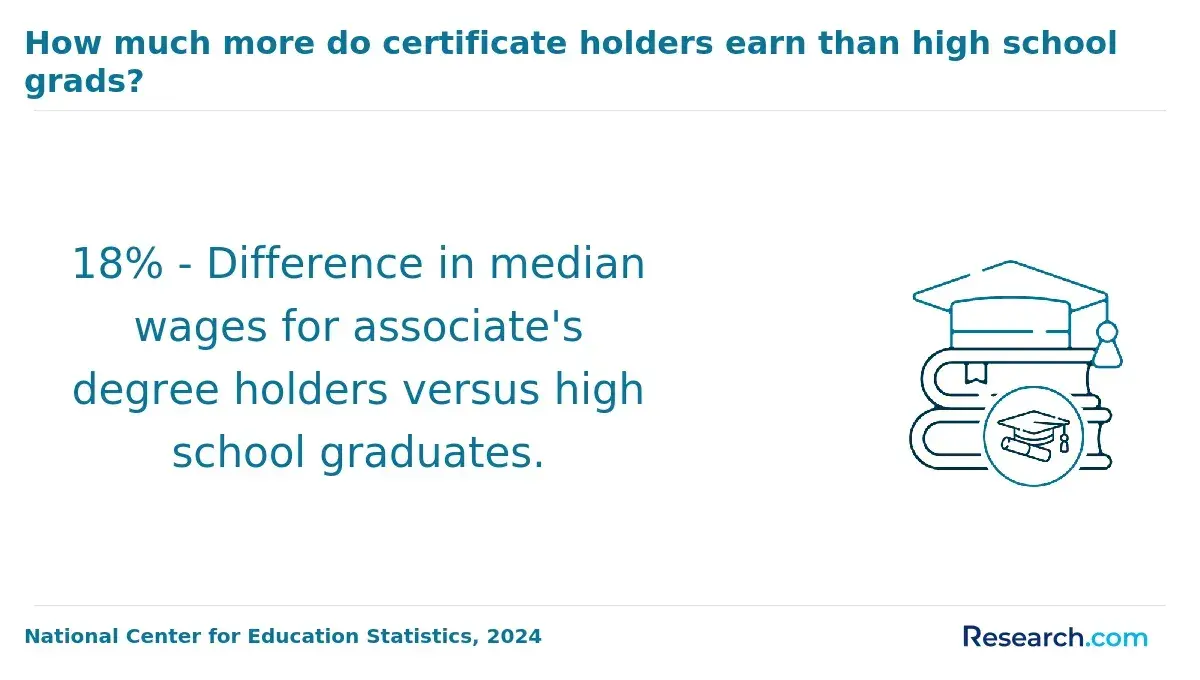
An associate degree usually demands a lower upfront cost-approximately $12,000 to $18,000-compared to bachelor's programs, which can range from $30,000 to $60,000 depending on the school. Certificates are often the most affordable, sometimes priced below $5,000.
- Salary: Graduates with a bachelor's degree in organizational leadership typically earn median annual wages between $65,000 and $75,000. Those with associate degrees tend to make around $45,000 to $55,000, while certificate holders see median salaries near $40,000.
- Short-Term Investment: For learners seeking rapid workforce entry or reentry with limited resources, certificates and associate degrees offer advantages through lower costs and shorter completion times. These credentials often lead to entry-level supervisory or specialized roles.
- Long-Term Returns: Bachelor's degrees generally deliver higher lifetime earnings and enhanced access to advanced career opportunities. Mid- to senior-level management positions frequently require a bachelor's degree, which also supports greater job stability and promotion potential.
- Career Timeline Considerations: Those prioritizing swift employment and affordability may favor certificates or associate degrees. Individuals targeting sustained career growth benefit from the bachelor's degree's broader earning potential and network expansion.
- Non-Financial Benefits: The bachelor's program typically provides more comprehensive leadership training, bolsters critical thinking skills, and connects students to professional development resources often absent in shorter programs.
Personal circumstances such as budget constraints, professional ambitions, and available time play crucial roles in deciding the best credential path. Though an online organizational leadership bachelor's degree requires a larger initial investment, it frequently yields greater salaries and career advancement over the long run.
Conversely, certificates and associate degrees offer quicker, more affordable routes into the workforce, serving well those balancing work, study, or changing career directions.
Which Online Organizational Leadership Specializations or Concentrations Yield the Highest Earning Potential After Graduation?
Salary data from the Bureau of Labor Statistics (BLS) highlights significant earning differences for graduates specializing within online organizational leadership bachelor's programs compared to generalists.
Specializing often leads to a notable salary premium and faster career advancement in aligned industries.
- Healthcare Leadership: Graduates focusing on healthcare administration report median salaries between $70,000 and $100,000 annually. These roles demand knowledge of healthcare regulations and might require certifications like Certified Professional in Healthcare Quality (CPHQ), increasing upfront costs but enhancing future earnings.
- Human Resources Management: Specializing in HR leadership results in median earnings of $65,000 to $90,000 per year in positions such as HR managers and training specialists. Optional certifications like SHRM-CP or PHR can substantially improve salary prospects and career growth.
- Project Management: Project management specialists earn median salaries from $75,000 to $95,000 in occupations including management analysts and project coordinators. Pursuing a Project Management Professional (PMP) credential post-graduation can boost income, though it requires extra study time and fees.
- Business Analytics and Data Leadership: Concentrations emphasizing data-driven leadership attract salaries usually ranging from $70,000 to $100,000. These roles often need supplementary coursework in statistics or software, adding to the total educational investment.
- Generalist Organizational Leadership: Graduates without a specialization typically start with $50,000 to $65,000 salaries. They might reach parity with specialized peers over time but generally need more experience and additional training.
Choosing the right specialization requires balancing certification requirements, cost, and time-to-ROI. Healthcare and data analytics tracks tend to offer quicker returns due to high demand, while project management benefits from widely recognized credentials.
HR leadership provides solid mid-range salaries with flexible certification options, good for working professionals. Aligning your background with a specialization that commands higher salaries can maximize both financial returns and career progression after graduation.
How Do Employer Tuition Reimbursement and Financial Aid Reduce the Net Cost of an Online Organizational Leadership Bachelor's Degree?
Employer tuition reimbursement programs can drastically reduce the out-of-pocket cost of earning an online organizational leadership bachelor's degree by covering a large portion of tuition fees. Under IRS Section 127, employers may provide up to $5,250 annually in tax-free education benefits to employees.
This makes tuition reimbursement a highly attractive option for working adults seeking to advance their education without incurring heavy debt. According to data from the Society for Human Resource Management (SHRM), around 56% of U.S. employers offer some form of tuition assistance, often as an integral part of employee benefits packages.
These programs usually require students to maintain a minimum grade or continue employment for a set time after coursework completion but remain one of the most effective ways to lower college costs.
Federal financial aid options further alleviate tuition expenses for online organizational leadership bachelor's programs. Pell Grants and other grants provide non-repayable funds that can cover thousands of dollars each year.
Subsidized federal loans offer low-interest financing, with repayment deferred until after graduation. Many institutions also award scholarships based on merit or financial need. Together, these resources lessen the financial burden and improve degree affordability.
For example, a student with $15,000 in annual tuition might receive $5,250 from employer reimbursement, $4,000 from federal grants, and $3,000 in scholarships.
The remaining balance can then be managed through subsidized loans. This combination can reduce the net cost to roughly $3,000 per year, making degree completion significantly more feasible while balancing work.
Students exploring educational pathways might also consider complementary fields such as art therapy graduate programs for diverse career advancement opportunities outside traditional leadership roles.
- Employer Tuition Reimbursement: Many employers offer up to $5,250 annually in tuition benefits, which are tax-free under IRS Section 127, significantly reducing college costs for employees.
- Prevalence of Benefits: Over half of U.S. employers provide tuition assistance, making this a widespread and accessible form of educational support for working adults.
- Federal Financial Aid: Grants and subsidized loans reduce out-of-pocket expenses by covering tuition or offering low-cost borrowing that delays repayment until after graduation.
- Institutional Scholarships: Additional funding sources from schools or organizations can further decrease the net price of completing an online organizational leadership degree.
- Combined Cost Reduction Example: Using employer reimbursement, federal aid, and scholarships together can lower an annual tuition of $15,000 to approximately $3,000, easing financial pressure for students balancing work and study.
What Hidden Costs Should Students Factor Into the Total Investment of an Online Organizational Leadership Bachelor's Degree?
When budgeting for an online organizational leadership bachelor's degree, many students focus solely on tuition without accounting for additional expenses that increase the total cost of earning an online organizational leadership bachelor's degree.
These hidden fees can notably affect the return on investment (ROI) timeline by extending how long it takes to financially break even after graduation.
Common additional costs include annual technology fees-usually between $100 and $500-that support digital platforms and technical assistance. Proctoring services also add $20 to $50 per exam, which accumulates over multiple tests.
Graduation fees, often $100 or more, are typically excluded from published tuition prices. Some courses require special software licenses or subscriptions, costing $100 to $300 per class, especially for project management or data analysis tools.
Joining professional organizations related to organizational leadership, while optional, is frequently recommended for networking and professional growth, with fees ranging from $50 to $200 annually.
Based on institutional cost-of-attendance disclosures and College Board data, these hidden expenses can add 10% to 20% on top of base tuition.
For students on a tight budget or those working while studying, this increased investment can delay when salary gains offset the degree's full cost. Always request a detailed cost-of-attendance breakdown-including all mandatory and optional fees-from prospective schools before enrolling to fully understand your financial commitment.
- Technology Fees: Annual charges cover online learning platforms and support services, often totaling several hundred dollars across the program.
- Proctoring Costs: Payments required per remote exam can add significant costs depending on course load.
- Graduation and Course Fees: Graduation expenses and software licenses for specific classes raise overall investment beyond advertised tuition.
- Professional Memberships: Optional but beneficial memberships support career advancement and networking, adding yearly fees.
- Impact on ROI Timeline: These additional expenses increase total spending and may extend the period before higher salaries recoup the investment.
For students interested in related transitional programs, exploring SLP bridge programs can provide insight into cost and career pathways beyond organizational leadership.
How Does the Accreditation Status of an Online Organizational Leadership Program Affect Graduate Salary and Employability?
Regional accreditation evaluates an entire institution's quality, while programmatic accreditation assesses specific academic programs. Employers typically value regional accreditation more highly because it signals broader academic rigor and institutional credibility.
According to surveys by the National Association of Colleges and Employers (NACE), hiring managers express greater trust in candidates with degrees from regionally accredited schools, often offering them higher starting salaries and better job prospects.
In contrast, degrees from nationally accredited or non-accredited institutions may be viewed less favorably, limiting career opportunities and negotiation power.
Choosing a non-accredited program can also restrict eligibility for professional licensure exams, graduate programs, and jobs in government or healthcare sectors where accreditation is mandatory.
Prospective students should carefully check a program's accreditation status through trusted sources like the U.S. Department of Education's accreditation database or the Council for Higher Education Accreditation (CHEA) before enrolling to safeguard their career path.
- Regional Vs. Programmatic Accreditation: Regional accreditation covers the entire institution's standards and is generally preferred by employers. Programmatic accreditation applies to specific disciplines but may not carry equal weight.
- Employer Hiring Preferences: NACE data highlights that employers favor graduates from regionally accredited institutions, which often results in better compensation packages and stronger career starts.
- Restrictions Without Proper Accreditation: Attending non-accredited programs can limit access to licensure exams, graduate education, and certain careers in public and healthcare sectors.
- Verification Importance: Use official U.S. government databases and CHEA resources to confirm accreditation status before committing financially and academically.
What Entry-Level Job Titles and Salary Ranges Are Available to Graduates of Online Organizational Leadership Bachelor's Programs?
Graduates with online organizational leadership bachelor's degrees typically enter diverse roles that vary widely in starting pay and industry. These entry-level jobs set the pace for recouping educational investments, with salaries influenced by sector and job function.
- Human Resources Coordinator: Median starting salary ranges from $45,000 to $55,000, with healthcare usually leading in pay, followed by government and finance.
- Project Coordinator: Salaries typically fall between $48,000 and $58,000, especially in tech and finance sectors where project complexity commands higher wages.
- Management Trainee: Starting pay ranges from $40,000 to $50,000, common in retail, manufacturing, and education, offering growth prospects despite modest initial earnings.
- Operations Analyst: Entry-level salaries generally run from $50,000 to $60,000, often tied to roles in finance and technology that value analytical expertise.
- Training and Development Specialist: Salary ranges between $44,000 and $54,000, mostly in healthcare and education, where workforce development is key.
- Administrative Services Manager (Assistant): Starting pay varies from $46,000 to $56,000, with government and corporate fields providing stronger compensation for leadership support roles.
- Customer Success Analyst: Typically offers $42,000 to $52,000 starting salaries in tech and service industries focused on client relations.
- Compliance Analyst: Starting wages fall between $50,000 and $60,000, often higher in finance and healthcare because of regulatory demands.
Internships, certifications such as CAPM or SHRM-CP, and concentrations like healthcare administration or tech leadership can elevate initial salary offers.
Industries like technology and finance reward specialized skills with faster returns on investment, while sectors such as education and government provide steadier but lower entry pay.
Beyond salary, organizational leadership degrees also open doors for career growth, job security, and ongoing professional development, essential factors in evaluating your educational ROI.
What Graduates Say About the Return on Investment of Their Online Organizational Leadership Bachelor's Degree
- Aries: "Choosing the online organizational leadership bachelor's degree was a strategic decision after comparing its cost to potential career benefits. I found the program's flexibility invaluable for balancing work and study, which made the investment worthwhile beyond just financial gains. Since graduating, I've experienced a clearer path to promotion and greater job stability-proof that the ROI extends well into my professional growth."
- Massimo: "Reflecting on my time in the online organizational leadership bachelor's program, the non-financial returns stand out the most. The knowledge and skills I gained boosted my confidence and opened doors to leadership roles I hadn't considered before. This degree didn't just improve my paycheck-it enhanced my career resilience and brought meaningful advancement opportunities."
- Angel: "From a professional standpoint, the online organizational leadership bachelor's degree significantly impacted my career trajectory. Prior to enrolling, I weighed the expenses against the prospects carefully, and it proved to be a smart investment. Beyond the salary increase, the program helped me develop crucial management skills that have made me indispensable within my company."
Other Things You Should Know About Organizational Leadership Degrees
Geographic location significantly impacts salary outcomes for organizational leadership graduates, with urban areas and regions with higher costs of living offering larger salaries.
Industry sectors such as healthcare, technology, and finance tend to pay more for leadership roles than retail or non-profit sectors. Graduates should consider their desired location and industry when evaluating potential returns on their degree.
Employer surveys consistently rank a bachelor's degree in organizational leadership as valuable for middle-management and team leader positions.
Labor market data shows steady demand for graduates with these skills, especially in companies emphasizing employee development and operational efficiency. The degree is seen as providing practical leadership training aligned with current workplace needs.
Prospective students can use cost-benefit analysis tools by comparing total program costs-including tuition, fees, and opportunity costs-with expected salary increases and career advancement opportunities.
These tools allow a clear calculation of the return on investment by factoring in program length, graduation rates, and employment statistics. Using data from trusted sources, students can make informed decisions aligned with their financial and career goals.
References
- Top 40 Low-Cost Online Master's in Educational Leadership https://www.greatvaluecolleges.net/affordable/online-masters-organizational-leadership/
- The ROI of a Leadership Degree: Is It Worth the Investment? https://endzoneleadership.com/programs-and-degree/roi-of-a-leadership-degree/
- Online Associate Degree in Leadership - Best Programs of 2026 | UniversityHQ https://universityhq.org/business/organizational-leadership/associate-degree/
- Is a Bachelor’s Degree in Organizational Leadership Worth It? | CSU Global https://csuglobal.edu/blog/is-a-bachelors-degree-in-organizational-leadership-really-worth-it
- Skills Employers Actually Want: How an Online Leadership Degree Builds What Modern Organizations Need https://www.marian.edu/blog/2026/01/skills-employers-actually-want-how-an-online-leadership-degree-builds-what-modern-organizations-need.php
- ROI of Online Degrees in 2025: Cost, Benefits, Career Impact https://www.pwmedharthi.com/blogs/guide/roi-of-online-degrees
- The Hidden Costs of Higher Education http://perspectives.acct.org/stories/the-hidden-costs-of-higher-education-0
- Tuition Reimbursement: How Do Employers Benefit from It? | KBI Benefits https://www.kbibenefits.com/tuition-reimbursement-benefits
- Organizational Leadership Degree Salary Guide https://online.maryville.edu/online-bachelors-degrees/organizational-leadership/careers/organizational-leadership-degree-salary-guide/
- Is There Still a Meaningful Difference Between For-Profit and Public Higher Ed? - EdSurge News https://www.edsurge.com/news/2019-05-30-is-there-still-a-meaningful-difference-between-for-profit-and-public-higher-ed