2027 Return on Investment of an Online Health Psychology Bachelor's Degree: Salary vs Cost

Co-Founder and Chief Data Scientist
Consider a working professional eager to switch careers into health psychology but unsure whether investing in an online bachelor's degree offers worthwhile financial returns. With average early-career salaries around $45,000 for graduates, the question arises-does the degree's cost justify this salary potential, especially amid growing tuition fees?
According to recent data, students completing online health psychology programs report a 15% higher employment rate within six months compared to those without degrees. This article examines the balance between salary prospects and educational expenses to guide readers in evaluating the true return on investment of an online health psychology bachelor's degree.
Key Things to Know About the Return on Investment of an Online Health Psychology Bachelor's Degree
- Real tuition costs for online health psychology bachelor's degrees range widely but average around $20,000-significantly lower than traditional on-campus programs, improving accessibility for budget-conscious students.
- Graduates report median starting salaries near $50,000-with career growth potential exceeding 10% annually-illustrating strong earnings relative to investment in tuition and time.
- Non-financial returns include enhanced job security, increased professional development opportunities, and career advancement in healthcare and counseling sectors, emphasizing long-term value beyond immediate salary.
What is the true cost of earning an online health psychology bachelor's degree from enrollment to graduation?
The total cost of earning an online health psychology bachelor's degree includes both direct and indirect expenses that go beyond tuition alone. These costs should be carefully considered when assessing the return on investment, especially for students seeking affordable online health psychology undergraduate tuition options.
- Tuition Sticker Price: Published tuition rates for online health psychology programs generally range from $15,000 to more than $50,000 for the entire degree. These prices reflect the highest potential cost before financial aid is applied, often deterring prospective students from enrolling at face value.
- Net Price After Aid: Thanks to scholarships, grants, and federal aid, most students pay significantly less than the sticker price. On average, net costs fall between $10,000 and $30,000, representing a 30 to 60 percent reduction from published tuition rates.
- Technology Fees: Many online programs impose yearly technology fees ranging from $100 to $500 to cover digital platforms, software access, and IT support vital for remote learning environments.
- Textbooks and Course Materials: While online courses reduce some physical costs, required textbooks and materials typically amount to $500 to $1,500 over the duration of study. Digital textbooks can lower expenses but may not always be available.
- Proctoring and Exam Fees: Some courses require paid online proctoring services, usually costing between $30 and $100 per exam. These fees can add up depending on the number of exams taken.
- Indirect Costs: Time commitment, potential lost income if work hours are reduced, and reliable internet access are additional indirect costs that impact the overall financial burden.
Combining these factors, students should plan for a total investment between roughly $11,000 and $35,000 when pursuing an online health psychology bachelor's degree. For those seeking guidance on cheap online colleges or comparing costs, these figures provide a critical baseline for determining financial feasibility and long-term benefits.
How does the starting salary for health psychology bachelor's degree graduates compare to the total cost of the degree?
Graduates with a bachelor's degree in health psychology often pursue roles such as mental health support, public health assistants, or research assistants. According to the Bureau of Labor Statistics (BLS) Occupational Outlook Handbook, the starting salary for health psychology bachelor's degree graduates typically ranges from a median annual income of $38,000 to $45,000.
Comparing this against the total cost of an online health psychology degree-which generally varies between $20,000 and $60,000 depending on tuition and available financial aid-provides a clear view of the return on investment (ROI).
In a best-case scenario, where tuition costs are low and financial aid is substantial, graduates may offset their degree costs within approximately 6 to 7 months of starting salary. Conversely, a worst-case scenario could require 15 to 18 months or more to break even.
It's important to note that starting salary is only one part of the financial picture; as graduates gain experience or pursue further certifications and graduate education, their earning potential tends to increase significantly over time.
Beyond tuition and earnings, the degree also offers career advancement opportunities, job stability, and professional growth. For those exploring related pathways, programs such as a family therapy degree may also be of interest.
- Starting Salary Range: Entry-level salaries typically fall between $38,000 and $45,000 annually for health psychology graduates, according to BLS data.
- Cost Variability: The total cost of an online health psychology degree varies from $20,000 to $60,000, influenced by tuition rates and financial aid availability.
- Payoff Period: Degree costs can be recouped in as little as 6 to 7 months under ideal conditions, but may take up to 18 months in less favorable situations.
- Long-Term Growth: Salary potential generally increases with experience, additional certifications, or graduate studies, enhancing overall ROI.
- Beyond Salary: The degree offers non-financial benefits like improved career prospects, job security, and ongoing professional development.
What is the average return on investment (ROI) for an online health psychology bachelor's degree over a 10-year career?
Return on investment (ROI) in higher education calculates the net financial gain from earning a degree by subtracting the total education costs from the extra income generated over 10 years compared to someone with only a high school diploma or associate degree in the same field.
Data from the Georgetown University Center on Education and the Workforce shows that bachelor's degree holders earn about 84% more over their lifetime than high school graduates, providing a solid reference point.
The Bureau of Labor Statistics reports that median salaries for health psychology-related jobs start near $70,000 annually. Assuming a modest 3% yearly raise, total earnings over 10 years would reach approximately $775,000.
In contrast, a high school graduate's earnings, starting around $40,000 with the same raise pattern, accumulate to roughly $443,000 in that period. The difference-about $332,000-represents the gross financial benefit a bachelor's degree can provide.
Considering typical online health psychology bachelor's tuition ranges from $20,000 to $40,000, the net ROI after educational expenses often exceeds $290,000. This calculation excludes incidental costs like textbooks or potential lost wages during study but establishes a clear baseline.
The ROI for this degree aligns well with or surpasses the national average for all bachelor's degrees, estimated by PayScale at $300,000 to $350,000 over 10 years.
- Earnings Premium: Graduates with health psychology degrees can expect a substantial wage increase, with a 10-year cumulative earnings advantage approaching $330,000 based on median data and typical raises.
- Affordable Tuition: Program costs generally fall between $20,000 and $40,000, a relatively small investment compared to the financial gains over a decade.
- Competitive ROI: The financial return is on par with or exceeds average bachelor's degree ROI figures nationwide.
- Beyond Income: Graduates gain improved job stability, career growth chances, and enhanced professional skills in a dynamic labor market.
A professional who enrolled in the online health psychology bachelor's program after carefully evaluating the cost versus ROI described the decision as challenging but necessary. "Balancing work, family, and classes was intense, and I constantly questioned if the investment was worth it," he said.
However, having mapped out the expected salary growth and job opportunities beforehand helped him stay committed. He reflected that seeing tangible progress in his career and increased confidence in his role reaffirmed that the financial and personal sacrifices during the course were justified. This experience highlights the importance of thorough planning and realistic expectations when pursuing such a degree.
How do online health psychology program tuition rates compare across public, private, and for-profit institutions ?
Tuition rates for online health psychology programs remain highly diverse.
- Public Institutions: Public universities typically offer the most cost-effective tuition rates for in-state students, often featuring flat-rate online pricing that provides predictability regardless of residency. Out-of-state tuition, however, can be substantially higher. These schools tend to maintain strong reputations and higher graduation rates, which support better employment outcomes and enhance long-term financial returns.
- Private Nonprofit Institutions: These colleges generally charge more than public universities but may deliver richer academic resources and stronger professional networks. Despite higher tuition, graduates from respected private nonprofits often benefit from improved job placement and salary growth, boosting overall return on investment.
- For-Profit Colleges: Often presenting lower or competitive tuition compared to private nonprofits, for-profit programs usually offer flexible schedules tailored to working adults. Yet, they typically have lower graduation rates and face skepticism from some employers about program rigor. This can lead to reduced career advancement and salary gains, which may diminish the value of the initial savings.
When weighing online health psychology program tuition comparison across institution types, students must consider more than just sticker costs. Factors like graduation rates, employer attitudes, and career growth opportunities significantly impact return on investment. For more detailed insight into related fields, explore masters in social work online programs.
What long-term salary growth can health psychology bachelor's degree holders expect over a 20- to 30-year career?
In the first five years, individuals with a health psychology bachelor's degree tend to experience steady wage increases of 10% to 15% as they enter roles like research assistants, clinical support, or community health workers, gaining foundational skills and experience.
Around the 10-year point, salary growth speeds up as professionals move into specialized roles such as behavioral health coordinators and case managers. Earnings typically rise 20% to 30% in this period, with typical salaries ranging from $55,000 to $65,000 annually, depending on position and location.
After 15 to 20 years, health psychology graduates frequently reach senior-level positions-program director, consultant, or health services manager-often seeing salary bumps exceeding 25% as leadership responsibilities and expertise increase.
Over a 20- to 30-year career, a bachelor's degree in health psychology yields a substantial cumulative earnings premium estimated between $400,000 and $600,000 compared to similar roles filled by non-degree holders. This advantage reflects both higher entry salaries and ongoing career growth tied to job security and expanded opportunities.
A professional who built her career after completing an online health psychology bachelor's program shared that navigating early professional roles while balancing family obligations was challenging. She described how applying concepts learned online helped her adapt quickly and stand out in entry-level jobs.
Over time, "the steady progress felt rewarding," especially when she stepped into coordinator roles that allowed greater influence on health initiatives. Her experience emphasized that persistence and leveraging the program's flexible structure made long-term advancement possible, highlighting how degree completion opened doors she never expected early on.
How does the ROI of an online health psychology bachelor's degree compare to an associate degree or a professional certificate?
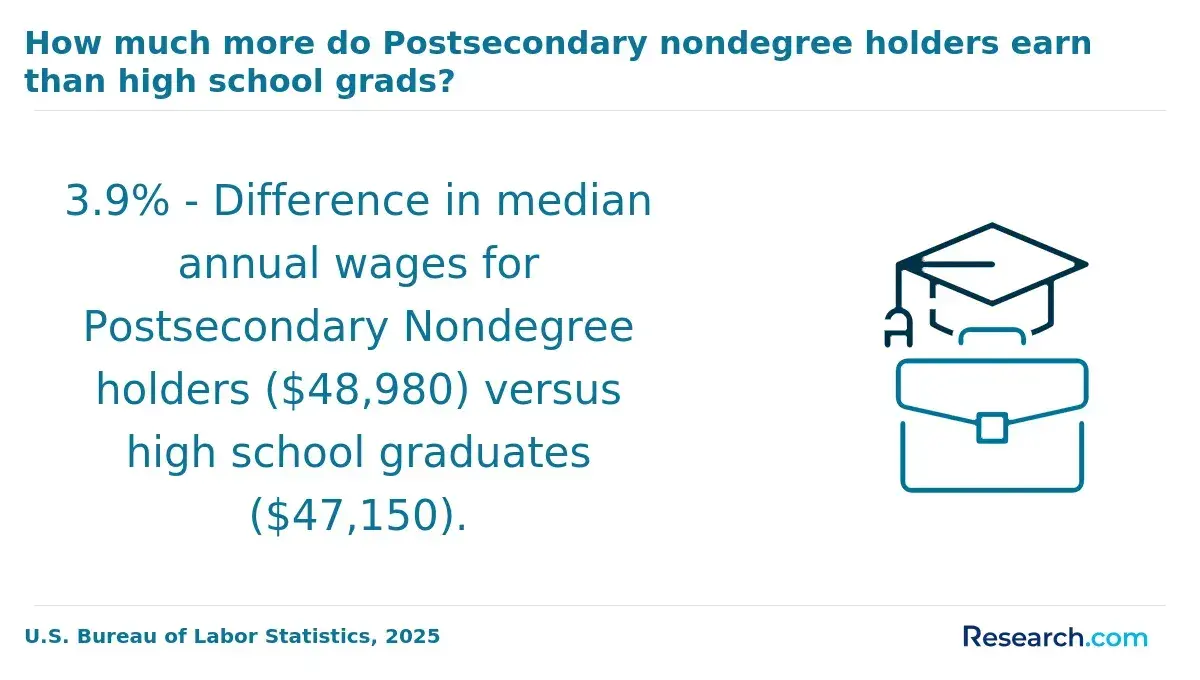
Tuition for an online health psychology bachelor's degree typically falls between $20,000 and $40,000, varying by school. By comparison, an associate degree usually costs from $6,000 to $15,000, while professional certificates are more affordable, often ranging from $1,000 to $5,000.
- Salary Outcomes: Graduates with a bachelor's degree in health psychology earn median annual wages around $60,000 based on data from the Bureau of Labor Statistics. Those holding associate degrees tend to make about $40,000, while certificate holders generally earn between $30,000 and $35,000.
- Short-Term ROI: Certificates and associate degrees provide faster pathways to employment due to shorter program lengths, making them favorable for individuals seeking quick income or skill upgrades.
- Long-Term ROI: Bachelor's degree holders often benefit from greater job growth, increased stability, and eligibility for supervisory or specialized positions that offer higher salaries, which can justify the higher initial education costs.
- Career Advancement: Many employers prioritize a bachelor's credential for advanced roles in health psychology, helping improve job security and enabling leadership opportunities.
- Decision Framework:
- For students constrained by budget or time, certificates or associate degrees can serve as practical entry points into the workforce while providing a solid foundation.
- Those aiming for long-term career growth and higher earnings potential may find investing in a bachelor's degree worthwhile despite its greater upfront expenses.
This evaluation supports first-generation students, working professionals, and career changers by aligning educational costs with earning potential and career objectives in health psychology.
Which online health psychology specializations or concentrations yield the highest earning potential after graduation?
The highest-paying specializations within online health psychology bachelor's programs tend to align closely with Bureau of Labor Statistics (BLS) data on median salaries and occupational demand. Graduates who focus on in-demand concentrations often see a salary premium compared to those entering the field as generalists.
- Clinical Health Psychology: These graduates typically work in healthcare environments and earn median salaries ranging from $60,000 to $85,000 annually depending on location and experience. Additional licensure, such as becoming a licensed psychological associate, is commonly required and adds to both cost and time before reaching full earning potential.
- Behavioral Health Intervention: Preparing students for roles in public health or private behavioral health firms, median pay ranges from $55,000 to $75,000. Certifications like Certified Health Education Specialist (CHES) often require continuing education investments but improve job prospects and compensation.
- Occupational Health Psychology: Focused on workplace wellness and organizational health, salaries usually fall between $65,000 and $80,000. Certifications related to occupational health or safety may be necessary, increasing upfront costs while enhancing job security and career growth.
- Health Informatics and Technology: Graduates blending psychology with data management and technology typically start with salaries of $60,000 to $85,000. Additional training in informatics tools can speed up return on investment by strengthening competitiveness in this growing niche.
- Generalist Health Psychology: Those without a specialization often earn between $50,000 and $65,000, working broadly within public health or counseling, with fewer certification costs but slower salary progression.
Choosing a specialization with clear licensure pathways or well-recognized certifications tends to yield better financial and professional returns in the long term. For individuals balancing tight budgets or working while studying, evaluating the total investment-including tuition, credentialing, and time to graduation-against BLS-verified salary outcomes is critical. Those with prior related experience may find that concentrating in a specific health psychology track maximizes earnings and reduces time-to-ROI by leveraging existing skills, thus supporting more strategic career advancement.
How do employer tuition reimbursement and financial aid reduce the net cost of an online health psychology bachelor's degree?
Employer tuition reimbursement programs can substantially cut the out-of-pocket expenses for an online health psychology bachelor's degree. Under IRS Section 127, employees can receive up to $5,250 annually in tax-free tuition assistance, providing significant financial relief. Many U.S. companies include this benefit in their employee development portfolios.
According to a report from the Society for Human Resource Management (SHRM), over half of employers offer tuition aid, making it a widely accessible tool for working students aiming to reduce education costs.
Beyond employer programs, federal and institutional aid options further ease the financial burden. Grants and scholarships, which do not require repayment, are particularly beneficial for students managing tight budgets. Subsidized federal loans offer low interest and defer payments until after graduation. Public colleges often provide merit- or need-based financial support targeted to health psychology students or those pursuing degrees online, which can dramatically reduce net tuition fees.
Combining employer tuition reimbursement with these federal and institutional funds is a strategic approach to minimize net expenses for an online health psychology bachelor's degree. For instance, a professional enrolled in a $20,000 annual program might use employer aid to cover $5,250 tax-free.
Adding $7,000 from grants and scholarships plus subsidized loans, their net cost can fall below $8,000 per year. This layered funding approach makes completing the degree financially feasible without excessive debt.
Working professionals looking for programs with strong financial aid options might also explore an aacsb accredited online MBA to weigh educational pathways and outcomes.
- Employer Support: Many U.S. employers provide tuition reimbursement up to $5,250 annually under IRS Section 127, which is exempt from income tax and significantly lowers the sticker price of tuition.
- Prevalence of Benefits: SHRM data shows that over half of American employers offer tuition assistance, making it a common benefit for working students advancing their education.
- Federal and Institutional Aid: Grants, scholarships, and subsidized loans complement employer aid and can reduce net tuition costs without immediate repayment obligations.
- Tax Advantages: Tuition assistance under Section 127 is tax-free, increasing the overall financial value of employer-sponsored education benefits.
- Cost Reduction Example: By combining employer support, federal aid, and scholarships, a student can reduce annual education expenses from $20,000 to less than $8,000, substantially improving affordability.
What hidden costs should students factor into the total investment of an online health psychology bachelor's degree?
Students pursuing an online health psychology bachelor's degree often face additional expenses beyond tuition that can markedly affect the true cost of earning an online health psychology bachelor's degree. These hidden fees extend the break-even timeline before higher salary gains justify the investment, especially for those on tight budgets.
Technology fees, typically ranging from $100 to $500 per semester, cover online platform maintenance and student support. Proctoring services may add $30 to $50 per exam to ensure academic integrity in remote testing environments. Graduation fees commonly fall between $100 and $300, charged when students officially apply for their degrees.
Certain courses demand software licenses costing $50 to $200 each, increasing per-course expenses. Finally, joining professional organizations related to health psychology-important for career growth-can involve annual fees from $50 to $150.
According to College Board data and institutional disclosures, these hidden costs total approximately $1,000 to $3,000 over the life of an entire program. This additional financial burden delays when students start to realize a positive return on investment (ROI). It is imperative to request a detailed cost-of-attendance breakdown including all mandatory and optional fees rather than relying on tuition figures alone.
This enables students to make informed decisions that align financial and professional goals. For those comparing programs, factoring in these additional expenses will prevent unexpected debt accumulation.
Understanding the full financial and career impact of an online health psychology degree invites consideration of not only monetary returns but also non-financial benefits such as career advancement and job security. To explore related options, consider what can you do with an environmental science major through this resource.
- Technology Fees: Regular charges for online access and student support typically range from $100 to $500 per semester, often overlooked but essential for remote learning.
- Proctoring Services: Exam monitoring fees average $30 to $50 per test and can accumulate significantly depending on program requirements.
- Graduation Costs: One-time fees between $100 and $300 apply when applying for degree conferral and must be budgeted accordingly.
- Software Licenses: Certain health psychology courses require paid software access costing $50 to $200 per course, increasing total expenses.
- Professional Memberships: Annual fees for joining relevant organizations, usually $50 to $150, support networking and career development but add to program costs.
Regional accreditation assesses the entire institution's quality, assuring employers that the education meets broad academic standards. Programmatic accreditation, by contrast, evaluates specific disciplines like health psychology, ensuring specialized training aligns with industry expectations. These accreditation types serve different but complementary roles in validating educational quality.
According to data from the National Association of Colleges and Employers (NACE), employers prioritize candidates holding degrees from regionally accredited programs.
Graduates of these programs typically receive higher starting salaries and face fewer obstacles securing employment, compared to those from non-accredited or nationally-accredited-only institutions. Hiring managers consider accreditation a reliable indicator of credible education and professional readiness.
Degrees lacking appropriate accreditation may restrict access to essential licensure exams and graduate programs, particularly within healthcare and government sectors where stringent credentialing is required.
This limitation can hinder career advancement and reduce salary negotiation leverage. Prospective students should consult the U.S. Department of Education's accreditation database or the Council for Higher Education Accreditation (CHEA) to confirm a program's status before enrolling.
- Regional vs Programmatic Accreditation: Regional accreditation covers an institution's overall quality, while programmatic accreditation targets fields like health psychology to verify specialized training.
- Employer Preferences and Salary Effects: Hiring managers favor degrees from regionally accredited schools, leading to better salary offers and job prospects.
- Licensure and Graduate Admission Eligibility: Accredited programs are often necessary to qualify for licensure exams and advanced study options.
- Job Market Restrictions: Some government and healthcare employers require accreditation, limiting opportunities for graduates without it.
- Accreditation Verification: Checking official accreditation databases is crucial to ensure degree recognition and value in the job market.
What entry-level job titles and salary ranges are available to graduates of online health psychology bachelor's programs?
Online health psychology bachelor's graduates enter the workforce in a variety of roles with differing salary ranges shaped by industry and experience. These starting positions influence how quickly they can recoup educational expenses and lay the groundwork for career advancement.
- Behavioral Health Technician: Median starting pay ranges from $30,000 to $40,000, with hospitals and outpatient clinics offering the most competitive wages. Internships significantly enhance earning potential.
- Community Health Worker: Entry-level salaries typically fall between $32,000 and $42,000. Higher pay is common in government and nonprofit sectors, especially with a public health focus.
- Research Assistant: Salaries usually range from $33,000 to $45,000, often within academic or clinical research settings. Skills in data analysis software boost starting offers.
- Health Educator: Starting wages lie between $35,000 and $47,000, led by government and healthcare employers. Obtaining certification such as CHES can raise these figures.
- Patient Services Coordinator: Median starting salaries are around $30,000 to $43,000, primarily in healthcare administration. Experience with electronic health records is a plus.
- Case Manager Assistant: Pay ranges from $34,000 to $44,000, mostly within insurance firms or social services. Strong communication skills and internships help increase salary offers.
- Mental Health Technician: Entry pay generally falls between $31,000 and $41,000, with psychiatric or rehabilitation centers leading these roles. Evening and weekend shifts can improve compensation.
- Wellness Coordinator: Starting salaries range from $33,000 to $46,000, with corporate wellness programs in finance or technology sectors offering higher pay. Specialized wellness certifications often provide an edge.
Selecting internships, certifications, and industry sectors carefully can accelerate financial returns on degree investments. Healthcare and government positions tend to provide more competitive entry salaries, enhancing early career ROI and offering pathways for professional growth and job stability.
What Graduates Say About the Return on Investment of Their Online Health Psychology Bachelor's Degree
- Devin: "Choosing the online health psychology bachelor's degree was a strategic decision after thoroughly evaluating its ROI against other programs. The flexibility allowed me to keep working while studying, which meant no lost income during the program. Beyond finances, the degree opened doors to advanced roles in healthcare consulting that I hadn't anticipated initially."
- Zion: "The non-financial benefits of the online health psychology bachelor's degree truly surprised me-job security and career growth have been substantial. I feel more confident in my skills and capable of navigating complex health systems, which has made a significant difference professionally. This program was worth every moment because it prepared me for real-world challenges in ways a traditional degree never could."
- Jack: "Completing the online health psychology bachelor's degree significantly impacted my career trajectory-my promotion to a leadership role came sooner than expected. The cost was reasonable, but the real ROI was in networking opportunities and enhanced credibility in the field. Pursuing this degree remotely made it possible to balance personal commitments while advancing professionally, which I deeply appreciate."
Other Things You Should Know About Health Psychology Degrees
Graduates of online health psychology bachelor's programs typically begin seeing a salary increase within one to three years after graduation. On average, the initial investment in tuition and fees can be recovered within five to seven years, depending largely on the program cost and the graduate's career path. Those entering higher-paying sectors or regions with elevated wages may recoup costs faster.
Employer surveys and labor market data affirm that a health psychology bachelor's degree delivers positive value, particularly in healthcare and social services fields. Employers recognize the degree as providing crucial knowledge about human behavior and health promotion. However, job competition remains high, so practical experience and related certifications can enhance employability and salary prospects.
Non-financial returns include improved career advancement opportunities, increased job security, and enhanced professional credibility. Graduates often report greater job satisfaction due to meaningful work in health promotion and behavioral support. These qualitative benefits can be critical when evaluating the overall return on investment beyond immediate salary considerations.
References
- 7 Highest-Paying Careers You Can Pursue With a Psychology Degree https://www.ndnu.edu/articles/psychology/seven-highest-paying-careers-you-can-pursue-with-a-psychology-degree.html
- Certificate vs. Degree: Pros, Cons, and Career Outcomes | National University https://www.nu.edu/blog/certificate-vs-degree/
- Jobs With A Bachelor's Degree In Psychology https://www.psychology.org/resources/jobs-with-a-bachelor-of-arts-in-psychology/
- 10 High-Paying Jobs with a BS in Psychology | University of Bridgeport https://www.bridgeport.edu/news/high-paying-jobs-with-a-bachelors-in-psychology-degree/
- Online Psychology Degrees: Compare Top Programs https://www.publicservicedegrees.org/online-degrees/psychology-programs/
- Balancing Act: Navigating the Financial Challenges of Psychology Students https://www.enrichedmindset.com/post/balancing-act-navigating-the-financial-challenges-of-psychology-students
- Top 5 Highest-Paying Psychology Careers - Rivier Academics https://www.rivier.edu/academics/online/resources/program-resources/top-5-highest-paying-psychology-careers-rivier-university/
- What Are The Highest Paid Careers for Those With An Online Psychology Degree? https://www.online-psychology-degrees.org/faq/what-are-the-highest-paid-careers-for-those-with-an-online-psychology-degree/
- Raising the Bar: The Impact of Accreditation on Psychology Training | SoMAP - The Society of Modern Applied Psychology https://thesomap.org/raising-the-bar-the-impact-of-accreditation-on-psychology-training/
- Considering Further Education? Employer Tuition Reimbursement Could Be the Answer! https://www.cambridgehealth.edu/careers/career-change/considering-further-education-employer-tuition-reimbursement-could-be-the-answer/