2027 Return on Investment of an Online Behavioral Health Science Bachelor's Degree: Salary vs Cost

Co-Founder and Chief Data Scientist
Imagine a working professional considering an online bachelor's degree in behavioral health science to shift careers yet uncertain whether the time and money invested will lead to a worthwhile financial return.
Research shows that graduates with a behavioral health science bachelor's degree have a median annual salary approximately 15% higher than those with only a high school diploma. However, tuition costs and lost income during study remain significant concerns.
This article evaluates the salary potential against the total expenses involved in earning an online behavioral health science degree, aiming to help readers make informed decisions about this educational investment.
Key Things to Know About the Return on Investment of an Online Behavioral Health Science Bachelor's Degree
- Average tuition for an online behavioral health science bachelor's degree ranges from $15,000 to $35,000, often significantly lower than traditional programs, allowing manageable debt levels for first-generation and working students.
- Graduates typically earn between $45,000 and $60,000 annually, with salary growth potential linked to experience and advanced certifications in behavioral health fields.
- Non-financial benefits include strong job security due to rising mental health service demand, ample career advancement opportunities, and access to ongoing professional development resources.
What Is the True Cost of Earning an Online Behavioral Health Science Bachelor's Degree From Enrollment to Graduation?
- Tuition and Fees: Tuition is the largest expense when calculating the cost of earning an online behavioral health science bachelor's degree. Published rates range from $12,000 to $40,000 for in-state students, but many pay between 25 and 40 percent less after financial aid and scholarships according to data from IPEDS and university net price calculators.
- Technology Fees: Mandatory fees for learning platforms, software, and technical support typically cost between $300 and $1,000 annually, depending on institution policies.
- Textbooks and Course Materials: Educational materials add approximately $1,200 to $1,800 over the four-year program. While online students may save using e-books or library access, these costs are consistent and necessary.
- Proctoring and Testing Fees: Remote proctoring services for exams usually charge $30 to $50 per test, totaling around $300 to $500 across required assessments.
- Indirect Costs: Opportunity costs like lost income from reduced work hours and expenses for reliable internet and computer upgrades typically add several hundred dollars annually.
Summarizing these figures, the overall estimated expense for completing an online behavioral health science bachelor's degree generally falls between $15,000 and $45,000 after aid.
Prospective students should consider this range as a baseline when evaluating return on investment by comparing total costs against verified salary outcomes from the Bureau of Labor Statistics, IPEDS, and other research. Career advancement, job security, and professional development are additional returns to factor into this investment decision.
For those exploring accelerated options in allied health, examining medical assistant classes can provide insights into alternatives with potentially lower costs and faster completion times.
How Does the Starting Salary for Behavioral Health Science Bachelor's Degree Graduates Compare to the Total Cost of the Degree?
Graduates with a behavioral health science bachelor's degree typically enter the workforce in roles such as mental health counselors, social workers, and rehabilitation specialists.
According to Bureau of Labor Statistics (BLS) data, the median annual starting salary for these positions ranges from $40,000 to $45,000 depending on location and job title. When considering the total cost versus salary outcomes for behavioral health science degree holders, this starting salary is a crucial baseline.
The total cost of earning an online behavioral health science degree can vary widely. In a best-case scenario, often with in-state tuition combined with scholarships and financial aid, costs may fall between $15,000 and $25,000.
Conversely, in a worst-case scenario involving out-of-state or private tuition without significant aid, total expenses can exceed $50,000. Comparing these figures to salary data reveals it may take roughly four to seven months of starting salary income to recoup the degree cost in the best case, while the worst case can require a year or more.
Starting salary is only the initial financial snapshot. The BLS projects steady salary growth in behavioral health and related careers over time, fueled by gaining experience, additional certifications, and advancement into specialized roles. This growth improves long-term return on investment well beyond entry-level income.
Students must carefully weigh their program choices and funding options to optimize financial and career outcomes. Those interested in related fields may also explore an health administration degree online for alternative pathways.
What Is the Average Return on Investment (ROI) for an Online Behavioral Health Science Bachelor's Degree Over a 10-Year Career?
Return on investment (ROI) in higher education measures the financial benefit gained from earning a degree compared to its cost.
Specifically, ROI here is calculated by subtracting the total expense of an online behavioral health science bachelor's degree from the additional earnings accumulated over a decade by graduates versus those holding only a high school diploma or associate degree in the same field. This calculation reveals the economic advantage of the degree across a 10-year period.
Data from the Georgetown University Center on Education and the Workforce and PayScale's College ROI Report show that bachelor's degree holders generally earn more throughout their careers.
Using median wage figures from the Bureau of Labor Statistics for behavioral health science careers, starting at about $47,000 annually and rising around 3% each year, graduates can expect cumulative earnings near $520,000 over 10 years.
By comparison, individuals with just a high school diploma earn approximately $30,000 yearly, totaling about $330,000 over a decade assuming similar annual increases. With average tuition and fees for an online behavioral health science program near $40,000 according to IPEDS, the resulting ROI after 10 years is roughly $150,000.
A professional who chose to enroll in an online behavioral health science bachelor's program after thoroughly analyzing the costs versus potential earnings shared his perspective. He recalled feeling cautious but motivated, spending weeks reviewing data and calculating long-term financial outcomes. "I knew the tuition was an investment, but seeing the projected income growth made it feel worthwhile," he said.
The flexibility of the online format allowed him to balance work and studies, though challenges arose from maintaining discipline and managing time effectively. Reflecting on his journey, he remarked, "It wasn't always easy, but knowing I had a clear sense of the ROI kept me focused on finishing strong and advancing my career."
How Do Online Behavioral Health Science Program Tuition Rates Compare Across Public, Private, and For-Profit Institutions?
Cost differences for behavioral health science programs by institution type reveal critical factors for students weighing their educational options.
- Public Universities: They often provide the most affordable tuition for in-state learners, frequently offering flat-rate online tuition schedules that allow predictable expenses regardless of course load. This flexible structure benefits working adults, though out-of-state rates can approach private institution costs, narrowing the price gap.
- Private Nonprofit Colleges: These institutions usually have higher tuition, reflecting their smaller class sizes and enhanced resources. Despite steeper sticker prices, they often boast increased graduation rates and robust alumni connections, which contribute to better career advancement and salary prospects. Prospective students should carefully review scholarship and institutional aid offers to understand true net costs.
- For-Profit Colleges: Often marketed with lower tuition and flexible start dates, for-profit colleges appeal to budget-conscious and busy learners. Nevertheless, IPEDS data indicate these programs tend to have lower graduation rates and face employer skepticism, which may hinder long-term earnings and professional growth. Choosing the cheapest tuition alone may reduce the overall return on investment if these factors are not considered.
Students seeking an online behavioral health science degree tuition comparison must evaluate both cost and outcomes to make an informed decision. Balancing tuition against graduation rates and career success is essential for maximizing value.
Resources like the cheapest self-paced online college listings can guide those prioritizing flexible, affordable options without sacrificing program quality.
What Long-Term Salary Growth Can Behavioral Health Science Bachelor's Degree Holders Expect Over a 20- to 30-Year Career?
Early in their careers, behavioral health science bachelor's degree holders typically see gradual salary increases as they build foundational skills. Initial salaries for entry-level roles such as counseling or case management tend to range from $35,000 to $45,000 annually.
By the mid-career point-around 5 to 10 years-earnings usually accelerate as individuals pursue certifications or supervisory positions, with median pay rising to approximately $50,000 to $60,000 according to the Bureau of Labor Statistics.
Between 10 and 15 years, many professionals step into leadership or specialized clinical roles, resulting in noticeable salary jumps. PayScale data suggests median salaries during this period often fall between $65,000 and $75,000.
After 15 years, salary growth stabilizes but continues to reflect incremental increases tied to seniority, credentials, or administrative responsibilities.
A professional who graduated from an online behavioral health science bachelor's program shared that early challenges included balancing work, study, and family commitments. She described the process as "intense yet rewarding," noting that earning the degree remotely allowed her to gain practical skills without sacrificing income.
Over time, she witnessed steady salary growth, which she attributes to the program's focus on real-world applications and flexible pacing. Her experience highlights how commitment to continuous learning can lead to both personal fulfillment and financial progress in this field.
How Does the ROI of an Online Behavioral Health Science Bachelor's Degree Compare to an Associate Degree or a Professional Certificate?
- Cost Considerations: Earning an associate degree usually takes two years and costs between $6,000 and $15,000, varying by school. Professional certificates often come at a lower price point, sometimes under $5,000. In comparison, an online bachelor's degree demands a larger upfront investment, typically ranging from $20,000 to $40,000 due to its longer duration and comprehensive curriculum.
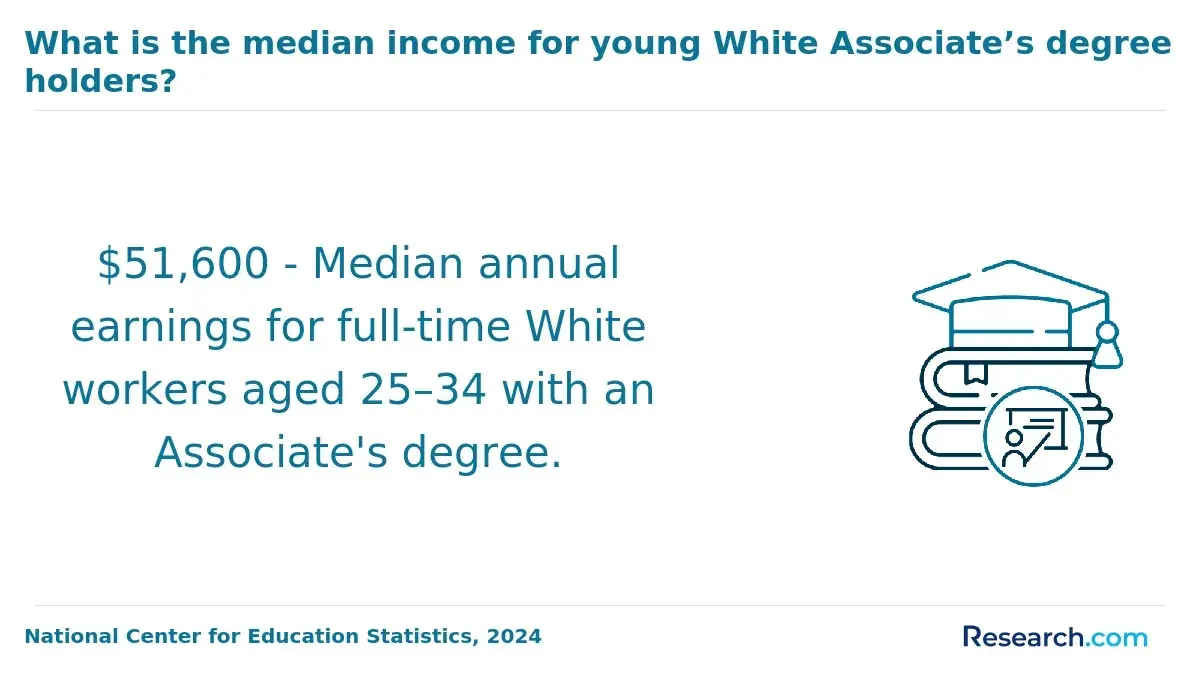
- Salary Outcomes: Median wages differ notably according to credentials. Certificate holders frequently start with salaries around $30,000 to $35,000 annually. Those with associate degrees earn more, averaging $40,000 to $45,000. Bachelor's degree graduates tend to command salaries of $50,000 or higher, especially when occupying specialized or supervisory positions.
- Short-Term Investment: For individuals needing rapid employment or those managing limited financial resources, certificates and associate degrees provide a quicker, more affordable route into the workforce. These paths can lead to roles such as behavioral health technicians or aides, offering practical experience though lower initial wages.
- Long-Term Returns: A bachelor's degree unlocks advanced career options and increased earning potential over time. Graduates often qualify for positions like case managers, counselors, or program coordinators-roles that include greater responsibility, stability, and opportunity for promotion. Over a decade, the higher income from such roles typically justifies the initial cost gap.
- Non-Financial Benefits: Beyond income, bachelor's holders gain advantages like professional growth, access to licenses or certifications that require four-year degrees, and stronger professional networks. These benefits contribute to improved job security and satisfaction.
- Decision Framework: Reflect on your current finances, career goals, and timeline. If immediate work entry and minimal education expenses are priorities, certificates or associate degrees might be best. If aiming for leadership or long-term career growth, investing in a bachelor's degree aligns more closely with those objectives.
Balancing upfront costs against earnings potential and career aspirations ensures you select the credential that best supports your financial and professional future in behavioral health science.
Which Online Behavioral Health Science Specializations or Concentrations Yield the Highest Earning Potential After Graduation?
Choosing a specialization within an online behavioral health science bachelor's degree significantly impacts salary outcomes and overall return on investment. According to Bureau of Labor Statistics (BLS) data, certain tracks offer a clear salary premium compared to generalist behavioral health graduates entering the workforce.
- Clinical Counseling: Graduates often become mental health or substance abuse counselors, earning median salaries between $48,000 and $53,000 annually. These roles typically require additional licensure, such as LPC (Licensed Professional Counselor), which increases upfront costs but boosts long-term earning potential and job security.
- Behavior Analysis: Specializing in applied behavior analysis (ABA) leads to median salaries near $60,000. Candidates usually need Board Certified Behavior Analyst (BCBA) certification, incurring extra fees and study time but enhancing employer demand and salary prospects.
- Health Promotion and Wellness: This track prepares graduates for community health roles with median salaries around $45,000. It often requires fewer costly certifications, offering an advantage for students prioritizing lower expenses and quicker workforce entry.
- Forensic Behavioral Science: Graduates working in forensic roles earn median salaries of $50,000 to $55,000. Some positions demand specialized certifications or continuing education, increasing total costs but opening opportunities in government and legal sectors.
- Social Work Preparation: Typically a foundation for master's level practice, graduates start near $43,000 to $47,000. This path involves moderate initial costs and potential career advancement through further education.
Specializations requiring additional certifications, like clinical counseling and behavior analysis, usually yield higher salaries but involve significant costs and time commitments for licensing. Students with prior experience or specific goals in these areas generally see faster and stronger return on investment.
Conversely, tracks with fewer certification needs provide lower salaries but also lower overall costs and quicker employment opportunities, suitable for those with limited budgets or urgent income needs.
How Do Employer Tuition Reimbursement and Financial Aid Reduce the Net Cost of an Online Behavioral Health Science Bachelor's Degree?
Employer tuition reimbursement programs significantly lower the out-of-pocket cost for an online behavioral health science bachelor's degree by helping cover tuition expenses. Under IRS Section 127, employees may receive up to $5,250 annually in tax-free educational assistance from their employers.
Many companies include this benefit in their employee support packages, allowing students to pursue a degree while minimizing immediate costs. According to the Society for Human Resource Management (SHRM), about 55% of U.S. employers offer some form of tuition assistance, making it a widespread resource for working professionals.
Incorporating employer tuition reimbursement programs for online behavioral health science degrees is a practical financial strategy for those balancing work and education.
Federal and institutional financial aid complements employer tuition support by further shrinking the net tuition bill. Grants and scholarships, especially those based on need or merit, provide funds that don't require repayment, directly lowering tuition costs.
Subsidized federal loans reduce financial strain by pausing interest accumulation during enrollment. Together, these aid options lower the effective tuition amount to a manageable sum, creating a more accessible path for students.
For instance, a working professional enrolled in an online behavioral health science degree program with a total tuition of $30,000 across four years could receive up to $20,000 through employer tuition reimbursement under IRS limits.
Combining this with $6,000 in federal grants and $4,000 in subsidized loans may reduce total costs to roughly $4,000 out of pocket. These financial resources enable students to focus on education rather than financial barriers, boosting the return on investment.
Individuals exploring related healthcare pathways might also consider programs like the CMA to LPN options, which offer alternative routes to health careers with different financial aid possibilities.
What Hidden Costs Should Students Factor Into the Total Investment of an Online Behavioral Health Science Bachelor's Degree?
Students pursuing an online behavioral health science bachelor's degree often underestimate the hidden expenses beyond tuition, which can significantly impact the total investment. These additional costs typically add hundreds to thousands of dollars, affecting when graduates start to see a positive return on investment.
Including these extra fees in budgeting is critical, especially for first-generation college students and working professionals balancing tight finances.
Technology fees usually range from $100 to $500 per semester to support online learning platforms. Proctoring services, necessary for remote exam monitoring, can cost $30 to $50 per test depending on the number of exams. Some courses require specialized software licenses, often between $100 and $300 annually, which are not included in tuition.
Additional fees such as graduation processing, averaging $100 to $300, and professional memberships-key for networking and career growth, with dues around $100 to $200 per year-are also common.
Research from the College Board and institutional disclosures shows these hidden expenses can increase the total cost of attendance by 10% to 20% over listed tuition and fees. This means students should expect to budget an extra $1,000 to $3,000 over the degree's duration.
These incremental costs extend the break-even timeline before salary gains exceed educational expenses. Prospective students should always request a comprehensive cost-of-attendance breakdown-not only tuition-to avoid unexpected debt and make informed financial decisions about program affordability and duration.
Those exploring professional advancement may also consider reviewing comparative programs, such as PMHNP online programs, to evaluate alternative returns on investment aligned with their career goals.
How Does the Accreditation Status of an Online Behavioral Health Science Program Affect Graduate Salary and Employability?
Accreditation plays a critical role in shaping a graduate's job prospects and earning potential in behavioral health science.
Regional accreditation evaluates the entire school's quality, making it the most trusted standard among employers, while programmatic accreditation focuses solely on specific disciplines like behavioral health. Employers and licensing bodies typically favor degrees from regionally accredited institutions for their comprehensive rigor.
According to data from the National Association of Colleges and Employers (NACE) and the Society for Human Resource Management (SHRM), hiring managers prioritize candidates holding regionally accredited degrees, often offering them higher starting salaries.
Degrees from nationally accredited or unaccredited institutions frequently raise doubts about legitimacy, limiting job options and salary negotiation leverage.
Lack of proper accreditation can also block access to vital licensure exams and advanced academic programs, especially important for long-term career growth. Many government and healthcare jobs require accredited degrees, further restricting opportunities for those with unaccredited credentials.
Candidates should verify program status using the U.S. Department of Education's accreditation database and the Council for Higher Education Accreditation (CHEA) before enrolling.
What Entry-Level Job Titles and Salary Ranges Are Available to Graduates of Online Behavioral Health Science Bachelor's Programs?
Graduates with an online behavioral health science bachelor's degree can access a variety of entry-level roles spanning healthcare, government, nonprofit, and academia. Salary ranges differ by position and industry, influencing how rapidly graduates can recoup educational expenses.
- Behavioral Health Technician: Typically earns between $32,000 and $45,000 yearly, with hospitals and outpatient centers as common employers. Certifications such as CPR or crisis intervention often lead to higher wages.
- Case Manager: Starting salaries generally range from $38,000 to $50,000, particularly competitive in government agencies and social service nonprofits.
- Mental Health Counselor Assistant: Median entry pay falls between $34,000 and $47,000, with private practices and rehab centers offering elevated salaries to those with specialized internship experience.
- Community Outreach Coordinator: Salaries typically span $36,000 to $48,000, especially in nonprofit and public health sectors. Skills in grant writing or program management can boost earnings.
- Human Services Specialist: Entry pay ranges from $40,000 to $53,000, with government social welfare roles often providing the highest compensation.
- Health Educator: Starting salaries are around $37,000 to $49,000, with increased pay in corporate wellness initiatives in healthcare and tech fields.
- Rehabilitation Specialist: Earnings usually range from $35,000 to $48,000, concentrated in healthcare and nonprofit rehab settings. Credentials like Certified Rehabilitation Counselor can improve income potential.
- Research Assistant in Behavioral Health: Salaries start near $33,000 and can reach $45,000, mainly within academic and government research institutions, offering growth with further qualifications.
Internships, professional certifications, and focused academic tracks help graduates enter higher salary brackets from the outset. Acquiring expertise in crisis intervention or data analysis can open doors to advanced roles faster, accelerating the return on investment of an online behavioral health science degree.
What Graduates Say About the Return on Investment of Their Online Behavioral Health Science Bachelor's Degree
- Rashid: "Choosing the online behavioral health science bachelor's degree was a decision rooted in carefully analyzing the ROI compared to traditional programs. The affordable tuition combined with flexible scheduling allowed me to work while studying, which mitigated financial strain. Beyond the cost factors, this degree opened doors to meaningful career advancements and a level of job security I hadn't experienced before."
- Cassidy: "Reflecting on my journey, the most valuable returns from the online behavioral health science bachelor's degree were not solely financial. It vastly improved my professional confidence and broadened my understanding of diverse populations, allowing me to contribute more effectively in my workplace. This program's balance of theory and practical knowledge truly prepared me for long-term career growth and stability."
- Serene: "From a professional standpoint, pursuing the online behavioral health science bachelor's degree was a strategic investment in my future. The program's reputation gave me credibility in competitive job markets and expanded my network in the field. Ultimately, the ROI showed not just in my increased earnings but also in the enriching experiences that shaped my leadership potential."
Other Things You Should Know About Behavioral Health Science Degrees
On average, graduates recoup the cost of their online behavioral health science bachelor's degree within 5 to 7 years through increased earnings. This timeframe depends on factors such as tuition expenses, the graduate's starting salary, and the job market in their chosen field. Entry-level salaries typically rise steadily with experience, helping graduates recover their initial investment within a reasonable period.
The ROI of an online behavioral health science bachelor's degree varies by geographic location and industry. Urban areas and certain industry sectors may offer higher salaries, affecting ROI positively. Conversely, rural areas might provide fewer opportunities and lower salaries, diminishing ROI.
Employer surveys and labor market data consistently show that a bachelor's degree in behavioral health science is valued for preparing graduates with essential knowledge and skills in mental health assessment, counseling, and program coordination. Employers highlight the degree's role in qualifying candidates for a range of positions, including case management and behavioral health technician roles. Demand for graduates remains stable or growing, reflecting the increasing need for mental health services across multiple industries.
Prospective students can apply cost-benefit analysis tools by comparing total tuition and associated expenses against estimated post-graduation salaries and job placement rates. These tools often incorporate factors such as financial aid, part-time study options, and program length. Reviewing these metrics alongside career goal fit allows students to choose programs that maximize financial return while meeting their professional objectives in behavioral health science.
References
- 9 Mental Health Careers You Can Pursue with a BA https://www.nec.edu/news/9-mental-health-careers-you-can-pursue-with-a-ba
- Behavioral Aspects of Health Program Tuition and Statistics https://www.collegetuitioncompare.com/health-professions/behavioral-aspects-of-health/
- ROI on degrees, certificates https://www.ccdaily.com/2024/10/roi-on-degrees-certificates/
- Behavioral Health Degrees: Master's, PhD & Online Course Info https://learningpath.org/articles/Behavioral_Health_Degrees_Masters_PhD_Online_Course_Info.html
- An Exhaustive Guide to Entry-Level Behavioral Health Jobs | BehavioralHealth.careers https://behavioralhealth.careers/blog/entry-level-behavioral-health-jobs
- Return on Investment For an Online Psychology Degree https://www.onlinepsychologydegrees.com/articles/return-on-investment-for-an-online-psychology-degree/
- Building A Career In Behavioral Health: Navigating Entry-level Mental Health Jobs And Opportunities - Haven Health Management https://havenhealthmgmt.org/building-a-career-in-behavioral-health-navigating-entry-level-mental-health-jobs-and-opportunities/
- Do Higher Wages, Benefits, and Career Development Reduce Turnover in Behavioral Health? https://behavioralhealthnews.org/do-higher-wages-benefits-and-career-development-reduce-turnover-in-behavioral-health/