2027 Regional vs Programmatic Accreditation for Forensic Psychology Master's Degrees

Co-Founder and Chief Data Scientist
Imagine a student pursuing a forensic psychology master's degree uncertain whether regional or programmatic accreditation will impact eligibility for licensure or employment. Nearly 30% of forensic psychology programs lack regional accreditation, potentially limiting graduates' access to federal aid and recognized credentials among employers. This scenario complicates decisions as accreditation influences program quality, transfer credits, and career pathways in legal and clinical settings.
The article examines differences between regional and programmatic accreditation for forensic psychology master's programs, clarifying how each affects academic recognition and professional opportunities to guide readers toward informed graduate school choices.
Key Things to Know About Regional vs Programmatic Accreditation for Forensic Psychology Master's Degrees
- Regional accreditation ensures broad academic recognition, boosting career advancement opportunities across various forensic psychology roles and organizations nationwide.
- Programmatic accreditation focuses on specialized curriculum and training, equipping students with targeted forensic psychology skills favored by employers and licensure boards.
- Graduates from regionally accredited programs tend to report higher earning potential, with an estimated 15% salary increase compared to non-accredited or only programmatically accredited counterparts.
What Is Regional Accreditation for a Forensic Psychology Master's Degree?
Accreditation serves as a primary indicator of academic quality and institutional integrity for schools offering a forensic psychology master's degree. Over 80% of accredited institutions in the United States hold regional accreditation, highlighting its recognition as the industry standard. For students, regional accreditation ensures their credits and degrees are widely accepted, which positively impacts transferability and licensure opportunities for forensic psychology graduates.
The impact of regional accreditation on forensic psychology licensure is significant, often influencing eligibility for professional credentials. Below are key benefits and requirements associated with regional accreditation:
- Academic Standards: Institutions undergo regular, rigorous self-assessments and external reviews to verify that they meet high academic quality benchmarks throughout their programs.
- Financial Aid Eligibility: Students attending regionally accredited schools are typically eligible for federal financial aid and scholarships, which are often restricted to these accredited institutions.
- Credibility with Employers: Regional accreditation increases the degree's validity and acceptance by employers and licensing boards, crucial for forensic psychology professionals.
- Continuous Improvement: Accredited schools commit to ongoing enhancement of student support services, including qualified faculty and adequate educational resources.
- Governance and Ethics: Institutions must demonstrate transparent governance practices and uphold ethical standards to maintain accreditation status.
For prospective students considering a forensic psychology master's degree, evaluating schools based on regional accreditation is crucial. Additionally, prospective learners may find valuable information when researching affordable graduate options, such as online masters speech pathology programs, which provide insight into quality online education models.
What Is Programmatic Accreditation for Forensic Psychology Master's Programs?
Programmatic accreditation focuses specifically on the curriculum and professional standards of a single department or study area, such as forensic psychology master's programs, rather than the broader institution. This specialized accreditation validates that a program aligns with industry requirements, faculty expertise, and clinical training tailored to forensic psychology.
Notably, there are fewer than 20 recognized accrediting bodies for psychology-related disciplines in the U.S., highlighting the exclusivity of specialized programmatic accreditation standards for forensic psychology master's degrees. Programs with this recognition often stand out in the field for their adherence to rigorous professional criteria, which can be crucial for students planning long-term careers in forensic psychology.
The impact of programmatic accreditation on a forensic psychology master's program includes several important benefits:
- Enhanced Employability: Accreditation signals recognized professional quality standards, which employers respect. Graduates from accredited programs often have better job prospects and career advancement opportunities.
- Improved Curriculum Relevance: These programs rigorously update their coursework to reflect evolving forensic psychological practices, ensuring students gain training aligned with current industry trends.
- Licensure and Certification: Graduating from a program with specialized programmatic accreditation increases eligibility for licensure and certification exams vital to forensic psychology careers.
- Attracting Talent: Accredited programs draw higher-caliber faculty and students, fostering a competitive and enriching academic environment.
For prospective students exploring forensic psychology master's programs with specialized programmatic accreditation, understanding these distinctions is key. Additionally, those curious about further enhancing their credentials might consider researching what certificates can I get online to complement their degrees and improve marketability in the field.
Do You Need Both Regional and Programmatic Accreditation for a Forensic Psychology Master's Degree?
Regional and programmatic accreditation often function together to offer a robust assurance of academic quality and professional readiness in forensic psychology master's programs. Around 70% of top-ranked programs maintain both types of accreditation, underscoring their common role in meeting dual accreditation requirements for forensic psychology master's degrees. The following points highlight key impacts of holding both accreditations.
- Enhanced Credibility: Dual accreditation boosts the overall reputation of the degree, signaling to employers and peers that graduates have completed a rigorous and reputable program.
- Licensure Eligibility: Many states and professional boards require degrees from programs with both regional and programmatic accreditation for certification or licensure, making it essential for career advancement.
- Curriculum Rigor: Programmatic accreditation ensures specialized oversight of forensic psychology training, emphasizing ethical standards and clinical competencies specific to the field.
- Financial Aid Access: Regional accreditation allows students to qualify for federal financial aid and facilitates smoother credit transfers, providing broader educational and economic opportunities.
- Employer Confidence: Graduates from dually accredited programs often enjoy greater trust from hiring organizations, which rely on such accreditations as indicators of competency and preparedness.
For those researching forensic psychology master's programs, understanding the importance of dual accreditation for forensic psychology graduate programs can guide informed decisions, especially regarding licensure and funding options. Prospective students should also consider metrics such as the return on investment by exploring college majors that make the most money to align educational paths with economic goals.
State licensing boards rely heavily on accreditation status to verify a candidate's preparedness for clinical practice in forensic psychology. A 2022 survey by the Association of State and Provincial Psychology Boards found that nearly 90% of U.S. jurisdictions require applicants to hold degrees from institutions with regional accreditation, underscoring the legal implications of attending programs lacking recognized accreditation. This focus helps ensure candidates meet established educational standards before entering the profession.
The following organizations are among those setting the primary accreditation benchmarks for forensic psychology education.
- American Psychological Association (APA): Provides programmatic accreditation specifically for psychology programs, including forensic psychology tracks. While not universally required for licensure, APA accreditation enhances program credibility and often influences specialized certification eligibility.
- Higher Learning Commission (HLC): A regional accrediting body that evaluates entire institutions rather than individual programs. Graduation from an HLC-accredited university is typically essential for licensure and professional mobility within most states.
- Middle States Commission on Higher Education (MSCHE): Another regional accreditor focused on comprehensive institutional quality. MSCHE accreditation ensures the university meets rigorous academic standards, impacting licensure eligibility in most jurisdictions.
- Council for the Accreditation of Counseling and Related Educational Programs (CACREP): Offers programmatic accreditation primarily for counseling disciplines that may intersect with forensic psychology. CACREP accreditation supports specialized certification paths but is less frequently mandated for general licensure.
Choosing a regionally accredited school is critical for those seeking licensure in forensic psychology, as this type of accreditation confirms a school's overall academic integrity and licensure compliance. Programmatic accreditation, on the other hand, can improve recognition of specialized training and certifications within forensic psychology but does not replace regional accreditation requirements.
Federal Title IV financial aid for a forensic psychology master's degree mandates regional accreditation as the essential criterion, not programmatic accreditation. Institutions with regional accreditation distribute over $120 billion in federal aid annually, underscoring its importance in funding eligibility.
This accreditation also plays a crucial role in qualifying students for private scholarships and employer-sponsored tuition reimbursement programs common in the forensic psychology community.
By meeting these standards, regional accreditation ensures students have sustained access to diverse financial resources. Collectively, these benchmarks support the long-term affordability and financial stability of pursuing advanced degrees in forensic psychology.
When I spoke with a graduate of a forensic psychology master's program, he shared how daunting the financial aid process initially felt. "I remember checking whether my school was regionally accredited because that directly affected my ability to get loans and grants," he said, emphasizing the stress it added before even starting classes.
He described the relief when his eligibility was confirmed, calling it "a lifeline" that allowed him to focus on coursework rather than financial worries. His experience highlighted how accreditation isn't just a technical detail but a key factor that shapes educational and career opportunities in this field.
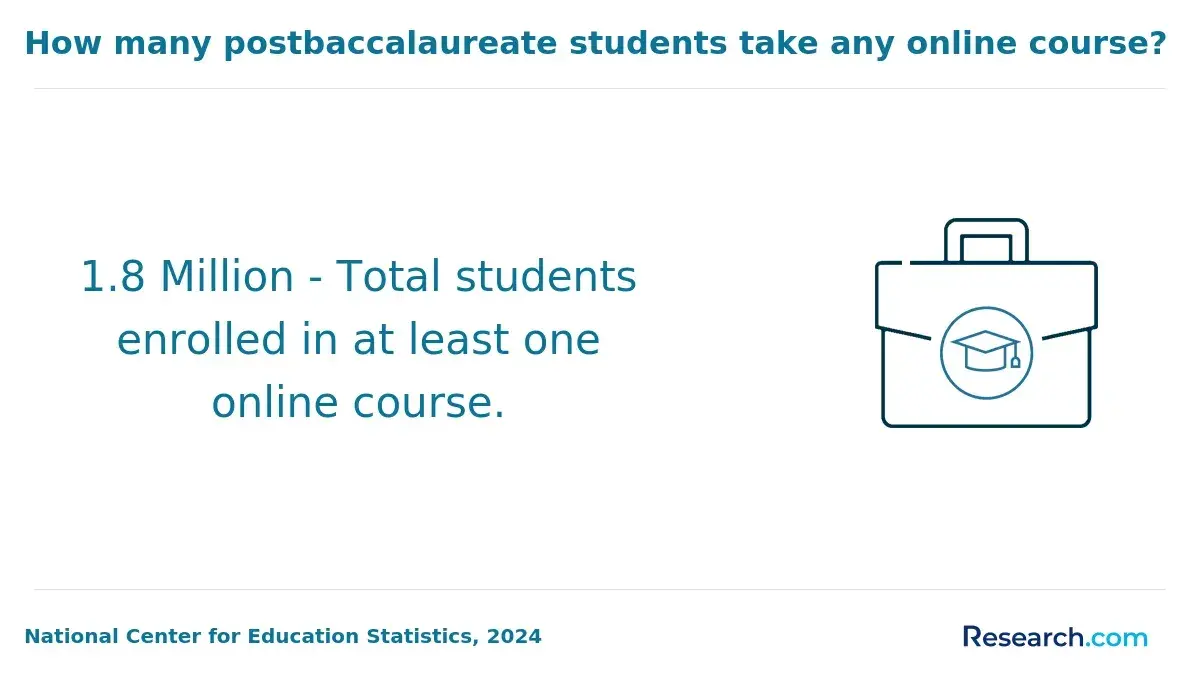
Top-tier universities apply consistent accreditation criteria for both online and on-campus forensic psychology master's programs. Data from the National Center for Education Statistics shows that roughly 37% of graduate distance learners enroll in programs accredited by recognized agencies, highlighting the rising acceptance of online education. Below are essential points about accreditation in relation to online forensic psychology degrees.
- Regional Accreditation: This accreditation pertains to the entire institution, ensuring comprehensive academic standards across all modes of delivery, including online platforms.
- Programmatic Accreditation: Focused on individual programs, this type demands that online forensic psychology degrees meet specialized educational criteria to maintain quality and rigor.
- Curriculum and Faculty Consistency: Online programs are required to uphold the same curriculum depth and faculty qualifications as their traditional counterparts, ensuring comparable academic experiences.
- Licensure Eligibility: Completion of a properly accredited online forensic psychology master's degree satisfies licensure and certification prerequisites, equivalent to on-campus programs.
- Verification Importance: Prospective students should confirm both the regional accreditation of the institution and the programmatic accreditation status of the forensic psychology degree before enrollment.
While regional accreditation confirms that an institution meets broad quality standards, programmatic accreditation often serves as a specialized "seal of approval" for hiring managers in forensic psychology.
A 2022 survey by the American Psychological Association found that 78% of forensic psychology employers prefer candidates from programs with recognized programmatic accreditation, underscoring the substantial professional value these credentials hold. This distinction plays a key role in how employers evaluate graduates in the field.
- Curriculum Alignment: Accreditation ensures that the forensic psychology program's curriculum adheres to industry standards and current best practices, providing relevant and up-to-date training.
- Licensure Preparedness: Graduates from programmatically accredited programs are often seen as better equipped to meet licensure and certification requirements, which can be complex and rigorous.
- Risk Mitigation: Employers prioritize accredited candidates to minimize risks associated with inconsistent or substandard education that might affect job performance.
- Market Competitiveness: Holding a degree from an accredited program enhances a candidate's profile, helping them stand out in a competitive job market.
- Employment Eligibility: Some governmental and forensic agencies strictly require degrees from accredited programs, making accreditation a critical factor for certain job opportunities.
When asked about her experience, a professional who graduated from a forensic psychology master's degree program reflected on how accreditation influenced her job search. She shared that during interviews, employers specifically questioned the accreditation status of her program, highlighting its importance in their hiring decisions.
While she felt confident about the quality of her education, knowing that her program had programmatic accreditation gave her reassurance and credibility. She recalled the anxiety of submitting applications and the relief felt when receiving positive responses, attributing much of her success to the recognition that her program's accreditation provided. This experience illustrates that, beyond institutional reputation, programmatic accreditation can be a deciding factor for those entering the forensic psychology workforce.
There is a direct correlation between recognized academic quality and long-term earning power in forensic psychology careers, with accreditation type playing a significant role in salary potential and return on investment (ROI). Studies indicate that graduates holding degrees from regionally accredited institutions can earn approximately $5,000 more annually at the starting median salary level compared to those from programs with only programmatic or no accreditation.
This data reflects the impact of accreditation on forensic psychology salary differences based on regional versus programmatic accreditation and highlights financial advantages tied to institutional recognition. The following points detail specific ways accreditation influences compensation and career outcomes.
- Employer Recognition: Degrees from regionally accredited institutions are more widely recognized by employers during hiring and promotion decisions, which often leads to higher salaries and better job opportunities.
- Licensure Requirements: Many states mandate that candidates for licensure in forensic psychology possess degrees from regionally accredited schools, making this accreditation type essential for qualifying for higher-paying roles within the field.
- Program Quality Assurance: While programmatic accreditation ensures specialized curriculum quality in forensic psychology, it may not hold the same weight with a broad range of employers, possibly limiting salary growth compared to regional accreditation.
- Financial Aid Eligibility: Students attending regionally accredited institutions often have greater access to financial aid and employer tuition reimbursement programs, reducing educational expenses and improving ROI.
- Long-Term ROI: Regionally accredited degrees typically offer stronger alumni networks and wider acceptance, contributing to better career advancement and a more favorable return on investment over time.
For prospective students assessing programs, considering accreditation type is crucial not only for meeting state licensure laws but also for maximizing earnings throughout one's forensic psychology career. To explore options that combine affordability and quality, researching accelerated healthcare administration degree can provide valuable insights and alternatives for graduate education aligned with financial goals and accreditation standards.
To verify the legitimacy of a forensic psychology master's program's accreditation, prospective students must rely on official government and nonprofit databases. According to the U.S. Department of Education, only institutions recognized in their database or by the Council for Higher Education Accreditation (CHEA) should be trusted, helping to avoid misleading "accreditation mills" that falsely claim accreditation.
Nearly 100% of regionally accredited institutions in the U.S. are listed in these databases. Below are key steps to perform a thorough accreditation check.
- U.S. Department of Education Database: Access the Database of Accredited Postsecondary Institutions and Programs (DAPIP) to confirm the school has regional accreditation, which ensures the entire institution meets quality standards important for federal funding and credit transfer.
- Programmatic Accreditation: Verify whether the forensic psychology master's program holds specific accreditation from professional bodies like the American Psychological Association (APA), though APA accreditation is uncommon for forensic psychology master's degrees.
- Council for Higher Education Accreditation: Use the CHEA website to cross-reference accrediting agencies that are recognized and view the list of institutions they accredit, adding an additional layer of trust.
- Direct School Contact: Request official accreditation documentation from the admissions or registrar's office to confirm claims and ensure they are current and valid.
- Watch for Unrecognized Agencies: Be cautious of programs claiming accreditation from unfamiliar or private agencies not listed by the U.S. Department of Education or CHEA.
Understanding how to check forensic psychology master's program accreditation status helps students distinguish between regional and programmatic accreditation, both of which can influence licensure eligibility and career advancement. Students who effectively verify their program's credentials can make better-informed academic and professional decisions.
For those comparing options, certain fields like game design also have accredited degrees available; for example, affordable online game design degrees offer clear accreditation pathways worth considering for related interdisciplinary interests.
Both regional and programmatic accreditation signal educational quality but focus on different aspects: regional accreditation verifies an institution's overall stability, while programmatic accreditation ensures a forensic psychology program meets specific professional standards. About 70% of U.S. degree-granting institutions hold regional accreditation, making it a widely accepted benchmark.
Regional Accreditation
- Broad Recognition: It is widely acknowledged across the U.S., enhancing the institution's credibility and often easing credit transfer between schools.
- Financial Aid Eligibility: Students attending regionally accredited schools usually qualify for federal financial aid, improving affordability.
- Institutional Stability: This accreditation assesses governance, finances, and student services, offering assurance about the school's overall quality.
- Limited Specialization: While it reflects institutional soundness, it may not guarantee that forensic psychology coursework meets industry-specific rigor.
Programmatic Accreditation
- Targeted Curriculum Quality: Focuses directly on the forensic psychology program, ensuring the content aligns with current professional standards and practices.
- Licensure Advantages: Graduating from an accredited program can strengthen eligibility for certification and licensure in the forensic psychology field.
- Employer Appeal: Employers may prefer candidates from programs verified for specialized training, aiding career opportunities.
- Narrow Recognition: It might carry less weight outside the forensic psychology field and typically does not influence eligibility for financial aid or overall institutional reputation.
What Graduates Say About Regional vs Programmatic Accreditation for Forensic Psychology Master's Degrees
- Deborah: "When I was selecting a master's program in forensic psychology, the regional accreditation of my university was a crucial factor. It reassured me that the curriculum met rigorous academic standards and would be respected by future employers. Additionally, the program's reasonable cost allowed me to complete my degree without overwhelming debt, which makes me grateful every day as I advance in my career."
- Olivia: "Looking back, I realize that choosing a forensic psychology master's program with both regional and programmatic accreditation was one of the smartest moves I made. The quality of education was outstanding, and it's evident how much accreditation influenced my professional credibility. Though it was a significant investment, the doors it opened in forensic settings made the cost worthwhile."
- Matthew: "My experience in a nationally recognized forensic psychology master's program truly shaped my professional path. The emphasis on accreditation ensured the courses were relevant and comprehensive, which helped build my confidence. Even years after graduation, employers regularly comment on how my degree's accredited status gave me an edge in this competitive field."
Other Things You Should Know About Forensic Psychology Degrees
Professional certifications in forensic psychology may require applicants to have completed degrees from regionally accredited institutions, while programmatic accreditation can serve as an additional marker of quality in curriculum relevance. Some certifying bodies look for programmatic accreditation to confirm specialized training but place primary emphasis on regional accreditation for degree verification.
For forensic psychology master’s degrees, regional accreditation is recognized by the U.S. Department of Education and CHEA through six regional accreditors, including HLC and WSCUC. Programmatic accreditation is uncommon at the master’s level; when relevant, it comes from bodies tied to counseling or psychology standards, not a forensic-specific agency.
- Regional vs National Accreditation: Key Differences and Benefits Explained https://higheredme.com/regional-vs-national-accreditation-differences-benefits-and-considerations/
- How can I check the accreditation status of a degree when applying for Graduate Basis for Chartered Membership? | BPS https://www.bps.org.uk/faqs/how-can-i-check-accreditation-status-degree-when-applying-graduate-basis-chartered-membership
- Top Accrediting Bodies For Counseling Degrees https://www.psychology.org/resources/accreditation-for-counseling-degrees/
- Forensic Psychology Salary (How Much Do They Make?) | 2024 https://www.allpsychologyschools.com/forensic-psychology/salary/
- Forensic Psychology Master's Program (Degree Guide) https://www.allcriminaljusticeschools.com/forensic-psychology/forensic-psychology-master-degree/
- Forensic Psychology, MSc https://www.gre.ac.uk/postgraduate-courses/eduhea/forensic-psychology-msc
- The Benefits and Challenges of Programmatic Accreditation in Higher Education https://www.globalaccrediting.org/news-and-updates/the-benefits-and-challenges-of-programmatic-accreditation-in-higher-education
- What Is an Accredited University? | National University https://www.nu.edu/blog/regional-vs-national-accreditation-what-is-the-difference/