2027 School Counseling Degree Master's Programs You Can Get Into Right Now (Eligibility-Based Matches)

Co-Founder and Chief Data Scientist
Many career changers face obstacles when pursuing a master's in school counseling, especially those with unrelated undergraduate degrees seeking flexible options. Limited program availability and strict eligibility requirements often delay their entry into this growing field. Online school counseling degree programs have increased access, with enrollment in such programs growing by 15% annually as demand rises for qualified counselors in K-12 education. This trend reflects an urgent need for adaptable pathways that accommodate diverse academic backgrounds. This article explores current, eligibility-based master's programs in school counseling, helping prospective students identify suitable options for timely admission and career transition.
Key Benefits of Eligibility-Based School Counseling Degree Master's Programs
- Many programs offer flexible schedules and part-time options, enabling working professionals to balance employment and study without delaying career progress.
- Eligibility-based master's programs often provide accelerated tracks, allowing students to acquire practical counseling skills and licensure eligibility more quickly.
- Online and hybrid formats grant access to global peer and faculty networks, enhancing cultural competence and expanding professional opportunities internationally.
What Is the Minimum GPA Requirement for School Counseling Master's Programs?
Prospective students exploring minimum GPA requirements for school counseling master's programs face a range of admissions standards that directly affect their eligibility. These GPA thresholds help applicants realistically evaluate which programs align with their academic record. Below are key dimensions to consider when assessing your chances and choosing target schools.
- Range of Minimum GPA Requirements: Most programs require a minimum GPA between 2.75 and 3.0. Highly ranked schools tend to enforce a strict 3.0 cutoff, while some regional programs admit candidates with a 2.75 GPA if supported by strong supplemental materials like recommendation letters or personal statements.
- Hard Minimum vs. Competitive Average: A hard minimum GPA is a non-negotiable cutoff below which applications are rejected. The competitive average GPA among admitted students is typically higher than the minimum, so aiming to meet or exceed it improves admission chances.
- Holistic Review Practices: Many programs employ holistic admissions, weighing factors beyond GPA such as work experience and essays. This approach can benefit applicants with lower GPAs by highlighting other strengths.
- Concrete Examples: The University of Southern Mississippi accepts students with a minimum 2.75 GPA alongside strong documentation, whereas Boston College enforces a firm 3.0 minimum with little flexibility.
- Strategic Use of GPA Data: Using these GPA benchmarks as an initial filter helps applicants build a balanced and realistic school list that reflects their academic profile and increases the likelihood of acceptance.
Approximately 68% of accredited school counseling master's programs now emphasize holistic review, reflecting broader evaluation criteria beyond academics alone. Applicants should also explore other admissions factors like GRE waivers, recommendation letters, and prerequisite coursework when crafting their applications.
For a further understanding of fast-track options, review programs offering a one year masters degree format to find a fit that matches your timeline and goals.
Which School Counseling Master's Programs Accept Students Without Direct Field Experience?
Applicants to master's in school counseling programs without prior experience come from diverse backgrounds such as career changers, recent graduates, and professionals in adjacent fields. Because of this variety, experience requirements vary widely across programs. The following points highlight common strategies schools use to accommodate candidates lacking direct fieldwork experience:
- Bridge Courses and Foundational Classes: Some programs offer bridge or foundational courses to provide theoretical knowledge before practicum work begins. These help applicants gain essential counseling fundamentals despite limited hands-on experience.
- Waivers and Prerequisite Flexibility: Schools like the University of Northern Colorado and the University of Missouri may waive or substitute field experience prerequisites based on academic or related work history, offering flexibility that benefits those without traditional counseling backgrounds.
- Provisional or Conditional Admission: Several programs admit students provisionally, requiring completion of introductory coursework or supervised field exposure during early terms to demonstrate readiness.
- Emphasis on Transferable Skills: Admissions committees value skills from related areas such as education, psychology, or social work. Applicants should highlight interpersonal, administrative, or leadership skills to strengthen applications even without formal counseling hours.
- Supportive Mentorship and Supervision Structures: Many programs provide strong internship mentorship to address prior experience gaps, helping students gain confidence and competence through guidance during fieldwork.
For prospective students evaluating master's in school counseling programs accepting students without fieldwork, it's important to frame limited experience as a commitment to learning and leverage relevant skills in application materials.
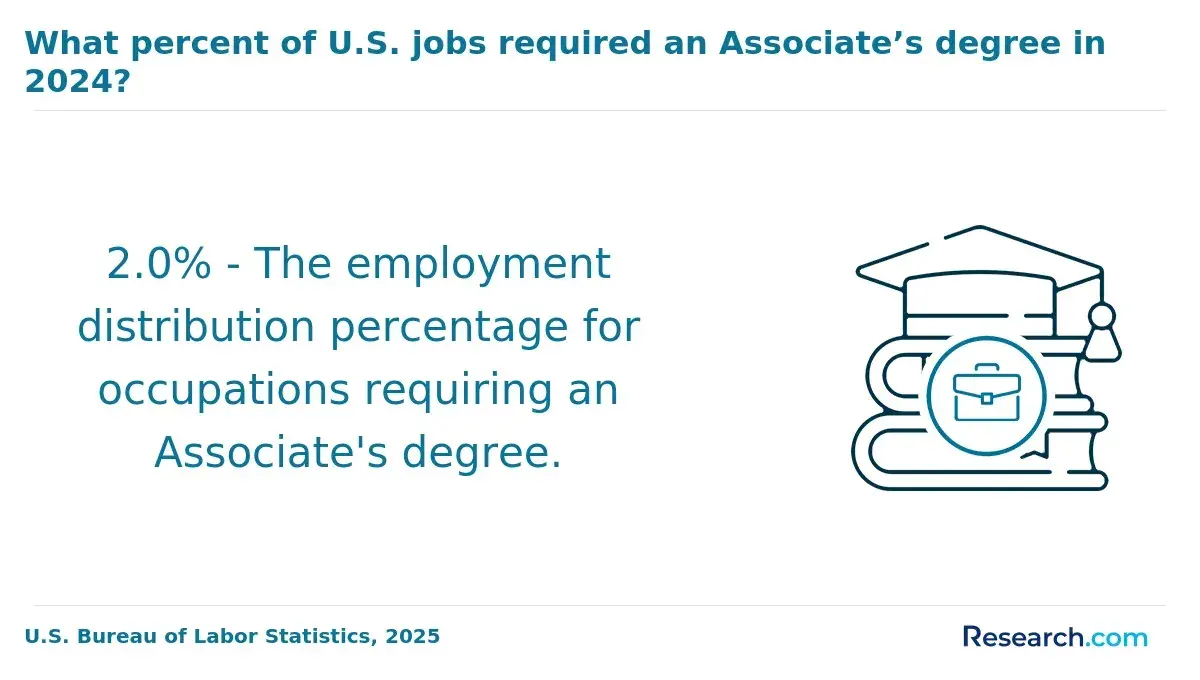
According to recent data from the Council for Accreditation of Counseling and Related Educational Programs (CACREP), nearly 40% of accredited programs offer admissions flexibility related to prior experience. Candidates interested in accelerated educational paths may also explore options like the fast track associates degree online to build foundational credentials efficiently.
Are There School Counseling Master's Programs That Do Not Require the GRE or GMAT?
Graduate programs increasingly are adopting test-optional or test-waiver policies, a change accelerated by the COVID-19 pandemic's impact on standardized testing access. This trend holds true for school counseling master's degrees, where programs aim to broaden access and emphasize holistic admissions evaluations.
Below are key distinctions among different GRE/GMAT testing policies that applicants should understand.
- Full Waivers: Some programs have completely removed GRE or GMAT requirements, assessing candidates instead through undergraduate GPA, personal statements, and relevant experience. For instance, the University of Florida and the University of North Carolina at Charlotte no longer require these tests for admission (source: official university admissions pages).
- Optional Score Submission: Certain schools allow applicants to submit test scores voluntarily. Strong test results can bolster applications, but applicants may choose to omit them without penalty. This flexibility places the decision in the hands of candidates based on their unique strengths.
- Conditional Waivers: Some programs waive testing only if candidates meet specific criteria, such as maintaining a 3.0 GPA or possessing related work experience. The University of Oregon, for example, offers GRE waivers for applicants with counseling-related professional backgrounds or high academic achievement (source: university admission FAQs).
- Temporary vs. Permanent Policy Changes: While some schools temporarily suspended GRE/GMAT requirements during the pandemic, others have made these changes permanent. Applicants should verify current policies with admissions offices to avoid surprises.
- Applicant Guidance: Prospective students need to contact schools directly to confirm testing requirements, especially as policies can shift. When given the option, submitting scores is advisable if it strengthens the application, particularly for those with lower GPAs or scholarship considerations.
Letters of recommendation are a vital part of the application process for prospective school counseling master's programs, offering insights that extend beyond academic records. These letters help admissions committees evaluate an applicant's readiness and fit for the profession. Key points to consider when preparing your recommendations include the following:
- Quantity Required: Typically, school counseling graduate programs ask for two to three letters. While two is the norm, highly selective programs may require three to provide a fuller picture of your experience and character.
- Academic vs. Professional Perspectives: A mix of references from professors and workplace supervisors is preferred, balancing academic achievements with practical skills like communication and empathy.
- Qualities Highlighted: Strong letters emphasize skills vital to school counseling, such as ethical judgment, leadership, and interpersonal abilities, demonstrating your potential for success in this field.
- Advance Planning: Request letters at least 4 to 6 weeks ahead of deadlines, supplying recommenders with your resume, personal statements, and program details to encourage personalized endorsements.
- Submission Protocols: Some programs mandate letters be uploaded via specific portals or formatted according to guidelines, so carefully review each school's requirements to avoid technical delays or disqualification.
For those researching affordable and accessible options, exploring the cheapest online LPC programs can provide valuable pathways for entering the counseling profession efficiently and cost-effectively.
For prospective school counseling master's applicants, navigating various deadline types can significantly impact admission chances and financial aid access. Being aware of how these deadlines unfold throughout the academic year helps streamline application planning. Below are essential considerations to keep in mind:
- Deadline Categories: Programs typically feature early decision, priority, regular, and rolling deadlines. Early decision often leads to better admission odds and enhanced scholarship opportunities but requires a binding commitment. Priority and regular deadlines allow more flexibility but may reduce access to financial aid if postponed.
- Timing Throughout the Year: Most fall intakes have application deadlines between November and February, with many encouraging submissions by December or January. Admissions for spring or summer semesters are less frequent and normally come with later deadlines, offering some scheduling leeway.
- Benefits of Early Submission: Applying early, especially in rolling-admission contexts, can improve acceptance chances as seats fill continuously. Early applicants frequently gain priority for awards and assistantship positions.
- Distinguishing Deadlines: It's crucial not to confuse the final dates to send transcripts or recommendation letters with the primary application deadline. Missing either can jeopardize the entire application, so verify each deadline separately.
- Organizing Your Schedule: Keeping a customized deadline tracker with submission dates, document due dates, interview periods, and notification windows helps ensure no requirement is overlooked.
Flexible delivery options in school counseling master's programs offer essential choices for students balancing careers, families, or other responsibilities. Understanding the advantages and trade-offs of fully online, hybrid, part-time evening, and weekend cohort formats can help applicants select the best fit.
Consider these critical factors when comparing programs:
- Delivery Formats and Scheduling: Fully online programs provide the greatest scheduling flexibility, allowing study from any location. Hybrid models combine online coursework with occasional on-campus sessions, blending convenience with direct interaction. Part-time evening and weekend cohorts accommodate working professionals by offering classes outside typical business hours.
- Accreditation and Credential Value: Accredited programs, especially those recognized by the Council for Accreditation of Counseling and Related Educational Programs (CACREP), ensure that online or part-time degrees hold the same value as traditional on-campus credentials. For example, North Carolina State University's hybrid program and the University of Florida's fully online option maintain identical accreditation standards as their campus-based counterparts.
- Employer Perceptions: Industry surveys reveal most school districts prioritize accreditation and candidate skills over the mode of education delivery. Some hiring managers appreciate the networking opportunities available during in-person programs, yet many acknowledge the expanding acceptance and rigor of accredited online degrees.
- Networking and Residency Expectations: Online and part-time students may encounter fewer casual networking chances but often participate in virtual groups or short residencies. Hybrid programs typically require brief campus visits to foster professional connections without necessitating relocation.
- Cost, Duration, and Financial Planning: Part-time and online formats can spread tuition payments over a longer timeline and reduce commuting or housing expenses. However, program completion usually takes longer than the traditional two-year full-time path, which may influence budgeting and career timing.
Prospective school counseling master's students should review prerequisite coursework requirements carefully to ensure their academic background aligns with program expectations. Identifying course gaps early helps streamline admission and graduate success. Below are key areas to assess and strategies to address any deficiencies.
- Core Undergraduate Coursework: Programs commonly require foundational classes in research methods, statistics, and psychology or education theory to prepare students for graduate-level study.
- Hard Versus Soft Prerequisites: Hard prerequisites must be fulfilled prior to enrollment and generally cannot be taken alongside graduate courses. Soft prerequisites may be allowed concurrently during the first semester, though this varies by institution.
- Remediation and Preparation Options: Applicants lacking essential courses can often complete prerequisites through community college classes, accredited MOOCs, or professional certificate programs designed for timely completion.
- Program-Specific Flexibility: Many graduate advisors consider waivers or alternative pathways for applicants with relevant professional experience or equivalent academic work. Contacting admissions staff early is crucial for clarification.
- Proactive Planning: Comparing prerequisite policies across programs enables applicants to target schools matching their academic profile, facilitating a more strategic and realistic application list.
Financial aid options for school counseling master's programs are essential for reducing the financial burden of graduate education. Prospective students should investigate various funding sources early, as each has distinct eligibility criteria and application deadlines. Below is an overview of key funding categories to consider.
- Institutional Scholarships: Typically merit-based, these scholarships are awarded directly by universities to attract strong applicants. Deadlines often coincide with or precede general admissions deadlines, so early application is recommended.
- Departmental Fellowships: Awarded by the counseling department, these competitive fellowships may be merit- or need-based and sometimes require separate applications. They frequently provide stipends and tuition assistance to support students.
- Teaching and Research Assistantships: These highly sought-after positions require academic excellence and relevant experience. They offer a stipend plus tuition reductions and often have earlier deadlines than admissions.
- External Scholarships and Awards: Numerous professional organizations provide scholarships specific to school counseling graduate students. Notable sources include the American School Counselor Association (ASCA) Foundation, the National Board for Certified Counselors (NBCC) Minority Fellowship Program, Fastweb, and the College Board's Scholarship Search.
- Net Cost Calculation and Comparison: Calculating net cost means subtracting all grants, scholarships, and assistantships from the program's sticker price. Comparing financial aid packages is as vital as assessing admissions criteria to identify affordable and accessible programs.
About 45% of graduate students receive institutional aid, highlighting the importance of exploring financial aid options as part of your search strategy. If you are also exploring other graduate programs with more flexible admissions, consider reviewing MSW programs with high acceptance rate to balance your options effectively.
Crafting a strong statement of purpose is essential for applicants to school counseling master's programs, reflecting both intellectual focus and professional readiness. This section outlines key elements that demonstrate your fit with the program and impress admissions committees. Consider these fundamental points:
- Compelling Opening: Begin with a vivid introduction revealing your motivation for pursuing school counseling. Avoid clichés by sharing a unique experience or insight that shaped your goals.
- Clear Articulation of Focus: Describe your research interests or career objectives, showing how they align with the program's strengths to display depth and purpose.
- Evidence of Preparation: Highlight academic achievements, relevant fieldwork, or professional experiences that prove you are ready for graduate study demands.
- Program-Fit Paragraph: Reference specific faculty members, labs, or resources that attract you to the program, signaling thorough research and a strong match with the program's offerings.
- Review and Revision Process: Prepare to revise multiple drafts-usually at least three-to strengthen clarity and voice. Seek feedback from mentors, peers, or writing centers, removing vague language and replacing generic praise with targeted details.
Admissions readers look for intellectual focus, writing quality, self-awareness, and alignment with the program's strengths. Writing strategically rather than generically boosts your chances of acceptance and sets a professional tone. For applicants weighing how to write an effective personal statement for school counseling graduate school, applying these techniques enhances your presentation in this competitive context.
When comparing programs, also evaluate financial aid options, career outcomes, accreditation, and time to completion. To find affordable options and create a balanced list, researching is key. For example, exploring a cheap online accounting degree might inspire approaches to assessing cost-effectiveness alongside eligibility.
Prospective master's degree students in school counseling should carefully explore credible sources of career outcome data to assess potential programs effectively. Reliable information comes from multiple data collection methods, each with varying transparency and scope.
Below are essential metrics to consider when evaluating career success reports for school counseling graduates:
- Employment Rate Within Six Months: This figure reveals how many graduates secure relevant positions shortly after completing their degree. It reflects both the program's reputation and its connections in education, but beware that definitions of "employment" differ across institutions.
- Median Starting Salary: Examining average initial salaries offers insight into the financial value of the degree. These numbers often fluctuate by region, type of school employer, and program focus, such as whether the curriculum emphasizes research or practical coursework.
- Common Job Titles: Typical roles include school counselor, academic advisor, and behavioral specialist. Knowing the prevalent job categories helps applicants understand career trajectories supported by the program.
- Industry Sector Distribution: Beyond K-12 schools, graduates may work in community organizations, nonprofit sectors, or higher education counseling. Awareness of sector diversity signals the program's breadth and specialization.
- Data Quality and Alumni Insights: Candidates should scrutinize how the program gathers data-via first-destination surveys, LinkedIn alumni filters, or formal outcome reports. Connecting with alumni on LinkedIn can provide honest, nuanced views often missing from official statistics.
Eligibility-based matching offers a practical method for identifying school counseling master's programs where applicants meet admissions standards, focusing on GPA, test scores, relevant experience, and program compatibility rather than prestige or popularity. This targeted approach delivers a manageable and realistic list, improving the chances of acceptance compared to relying solely on rankings.
Peterson's uses official admissions metrics like GPA and test score averages but may suffer from outdated or incomplete data. Niche provides student reviews and self-reported stats, offering qualitative insights yet sometimes missing comprehensive quantitative details. GradCafe shares real-time applicant updates, increasing transparency but relying heavily on user input, which can lack consistency. Professional association directories, such as those from the American School Counselor Association, supply verified program lists and accreditation information but rarely include detailed admissions criteria.
Because no matching tool can reflect recent changes like GRE waivers or holistic review policies emphasizing personal statements and recommendations, it is essential to verify program information directly. Cross-checking data with official admissions pages and contacting offices ensures the most accurate understanding of eligibility requirements.
Matching tools serve as helpful starting points to build a list aligned with applicants' qualifications and goals. Confirming current criteria through direct communication with programs is crucial before submitting applications to avoid surprises and strengthen candidacy.
What Graduates Say About Eligibility-Based School Counseling Degree Master's Programs
- Tony: "Choosing to pursue a school counseling master's degree was a pivotal decision in my career path because I wanted to make a tangible difference in student lives. The affordability of the program made it accessible without overwhelming financial strain, which was a huge relief. Since graduating, I've found a renewed sense of purpose that aligns perfectly with my long-term goals of helping youth navigate academic and personal challenges."
- Denver: "Reflecting on my journey, the eligibility-based school counseling master's program offered me the structure and support I needed to succeed while balancing work and family. Initially, the cost seemed daunting, but the value was undeniable given the career opportunities it unlocked. This degree not only advanced my professional credentials but also reshaped how I approach mentorship and leadership in educational settings."
- Kai: "My motivation for enrolling in the school counseling master's program was to gain the credentials required for licensure and professional growth. Despite the investment required, the eligibility-based format allowed me to progress without unnecessary delays, making the expense worthwhile. Earning this degree has dramatically influenced my career trajectory and empowered me to set ambitious goals for making an impact on student wellness."
Other Things You Should Know About School Counseling Degrees
Most programs require a criminal background check and, in some states, a fingerprint clearance before fieldwork or practicum placement. Students may also need immunization records and a cleared TB test. School districts often require these screenings before internship or student-contact hours begin.
Yes, some institutions offer accelerated or combined bachelor's-to-master's pathways specifically designed for school counseling. These programs allow students to complete both degrees in a reduced timeframe, usually around five years total. They often require early commitment and may have stricter eligibility criteria, such as minimum GPA and prerequisite coursework during undergraduate study.
The average time to complete a school counseling master's program is typically two years for full-time students. However, for part-time students or those in accelerated programs, this duration can vary, ranging from 18 months to 3 years. Program structure and individual pace also influence completion time.
- Online MA in School Counseling Admission Requirements | SHU https://onlineprograms.sacredheart.edu/programs/ma-masters-school-counseling/admissions/
- Why you should get your master's in school counseling online https://www.jbu.edu/articles/articles/masters-in-school-counseling-or-masters-in-counseling
- How Many Letters of Recommendation Do I Need for College? | Ivy Coach https://www.ivycoach.com/the-ivy-coach-blog/teacher-counselor-recommendations/how-many-letters-of-recommendation-for-college/
- Counseling Scholarships https://onlinecounselingprograms.com/become-a-counselor/resources/scholarships/
- Program Details https://www.eastern.edu/academics/graduate-programs/med-school-counseling
- 50+ Scholarships & Resources for Counseling Master's Students https://www.onlinemastersdegrees.org/student-resources/counseling/
- What Are The Admission Requirements For A Masters In Counseling Program? - MastersInCounseling.org https://mastersincounseling.org/what-are-the-admission-requirements-for-a-masters-in-counseling-program/
- Six Rewards of a Career in School Counseling – Graduate Programs | Providence College https://graduate.providence.edu/six-rewards-of-a-career-in-school-counseling/
- Writing a killer Statement of Purpose https://graduate.rice.edu/news/current-news/writing-killer-statement-purpose
- MA in School Counseling Admission Requirements | Chapman University – Attallah College https://www.chapman.edu/education/graduate/school-counseling/school-counseling-admission-requirements.aspx