2027 Questions to Ask About Online Organizational Leadership Degree Programs Before You Enroll

Co-Founder and Chief Data Scientist
Choosing the right online organizational leadership degree program can be daunting amid numerous options with varying quality and outcomes. In 2023, enrollment in online leadership programs increased by 18%, reflecting growing demand but also heightened competition among providers. Many students face uncertainty about program accreditation, faculty expertise, and the real-world applicability of their education. Without thorough research, graduates risk limited career advancement and wasted resources.
This article explores the critical questions prospective students should ask about program quality, career support, licensure preparation, and costs to make an informed decision aligned with their professional goals.
Key Benefits of Enrolling in Online Organizational Leadership Degree Programs
- Online organizational leadership programs offer flexible scheduling, allowing students to balance coursework with professional and personal commitments effectively.
- Students often save on commuting and housing costs, reducing the overall financial burden compared to traditional on-campus programs.
- Many learners report improved work-life balance, as online studies enable progress without sacrificing job performance or family time.
Is the Online Organizational Leadership Degree Program Accredited?
Accreditation plays a vital role in evaluating online organizational leadership degree accreditation because it guarantees that the program adheres to established standards of academic quality and rigor. This validation affects degree recognition by employers and eligibility for licensure or advanced certifications, which are often essential for career advancement.
More than 85% of students favor accredited online programs to enhance transferability and acceptance in the workforce, underscoring the importance of accreditation in education choices. For organizational leadership programs, regional accrediting bodies recognized by the U.S. Department of Education-such as the Higher Learning Commission (HLC) and Middle States Commission on Higher Education (MSCHE)-are especially significant in assuring program credibility.
Beyond regional accreditation, some accredited online organizational leadership programs seek specialized approval from organizations like the Accreditation Council for Business Schools and Programs (ACBSP) or the International Accreditation Council for Business Education (IACBE), which concentrate on leadership and business education quality.
Prospective students should verify accreditation status through trusted sources such as the U.S. Department of Education's Database of Accredited Postsecondary Institutions and Programs or accrediting agency websites. Additionally, programs that openly display their credentials are generally more reliable. Researching accreditation thoroughly before enrolling, whether in organizational leadership or other fields like MSW programs, helps protect students' investment and career goals.
What Are the Admission Requirements for Online Organizational Leadership Programs?
Admission requirements are crucial for prospective students evaluating online programs to determine their eligibility and prepare for academic success. These criteria help programs identify candidates with the foundational skills necessary for advanced study. When considering requirements for enrolling in organizational leadership degrees, it is useful to review common admissions components.
Key admission requirements typically include:
- Completed application form: This form gathers personal and academic details that initiate the admissions review. It ensures the program has accurate information for evaluation of the candidate's background.
- Official transcripts: Previous academic records are required to verify qualifications and readiness for graduate-level coursework. Transcripts help establish a student's GPA and academic standing.
- Minimum GPA: Many programs set a GPA threshold, often between 2.5 and 3.0, to maintain a standard of academic performance. Meeting this requirement demonstrates the applicant's ability to succeed in rigorous study.
- Professional experience: Some programs prefer or require relevant leadership or work experience to ensure practical knowledge and the ability to apply organizational concepts. This can strengthen the candidate's profile.
- Letters of recommendation: These documents provide insights into the applicant's character, skills, and leadership potential from supervisors or academic mentors. They help validate the applicant's readiness for graduate study.
- Statement of purpose or personal essay: Applicants describe their motivations, goals, and reasons for pursuing organizational leadership. This narrative helps admissions committees assess fit and commitment.
Prospective students exploring organizational leadership program admission criteria should also consider program quality and alignment with career goals. For example, those interested in related fields such as social work can find comparisons at accelerated MSW programs.
What Classes Do You Take in an Online Organizational Leadership Program?
Knowing the curriculum is essential for prospective students assessing online organizational leadership programs, as it clarifies whether the coursework aligns with their professional objectives and preferred learning style. Enrollment in these programs has surged by more than 20% over the last five years, highlighting the rising appeal of flexible leadership education.
Online organizational leadership degrees typically include a mixture of core classes and electives, each designed to develop specific competencies. These key course types are outlined below:
- Core courses: These classes emphasize fundamental leadership concepts such as ethical decision-making, organizational behavior, and strategic planning. They foster critical thinking, effective communication, and management skills necessary for leadership roles across multiple industries.
- Electives: Electives enable students to customize their learning toward specialized areas like human resource management, conflict resolution, or change management. This flexibility helps deepen expertise in fields relevant to their desired career paths.
When I spoke with a student currently enrolled in an online organizational leadership program, he shared that navigating the course load initially felt overwhelming, especially balancing work and study commitments. He noted, "Adapting to the online format required developing disciplined time management, which was a challenge at first."
However, he also mentioned that the diverse class topics kept him engaged and that the program's mix of theory and practical application gave him confidence in applying new skills to his job. He appreciated being able to select electives that matched his career interest, saying it made the learning more meaningful and directly applicable.
Knowing how long an online organizational leadership degree takes helps students align their academic plans with career goals and personal commitments. Program duration impacts time management, finances, and job readiness after graduation.
Here are common timelines and factors influencing completion:
- Full-time track: Typically, students finish within four years by taking a standard course load each term. This approach suits those focused on graduating without delay.
- Part-time study: Extending to around six years, this option fits working professionals or individuals balancing family and other responsibilities. Course load fluctuates based on semester availability and personal schedules.
- Accelerated programs: Designed to condense learning into two to three years, these require a heavier workload and intense dedication. Students should be prepared to commit significant time and energy.
- Programs with practical components: Including internships or leadership projects may lengthen completion time due to required hands-on experience. Although this extends study duration, it enhances real-world skills valuable for leadership roles.
Online organizational leadership programs often include internships or practicums, but the requirement varies by school. These experiential components are usually structured to offer hands-on learning either through placements at the student's current job or nearby organizations, providing flexibility for remote learners. Such opportunities are essential for developing practical leadership skills like team coordination and strategic communication, which complement academic learning and enhance career readiness.
In some cases, completing an internship or practicum is necessary for certain certifications or licensure relevant to leadership roles. Almost 70% of organizational leadership programs now embed these real-world experiences, reflecting their vital role in preparing students for professional environments.
The author spoke with a graduate of an online organizational leadership degree program who shared her experience with practicums. She mentioned that initially, it was challenging to find a placement that aligned with her schedule, but the program's support team helped her connect with a local nonprofit.
She appreciated how the practicum allowed her to apply classroom theories directly, especially in managing small teams and executing projects, which boosted her confidence. The virtual supervision and clear guidelines made the process manageable despite the remote format.
Reflecting on her journey, she noted that while balancing work, study, and practicum demands felt overwhelming at times, completing the practicum was a rewarding experience that solidified her career direction and enhanced her resume.
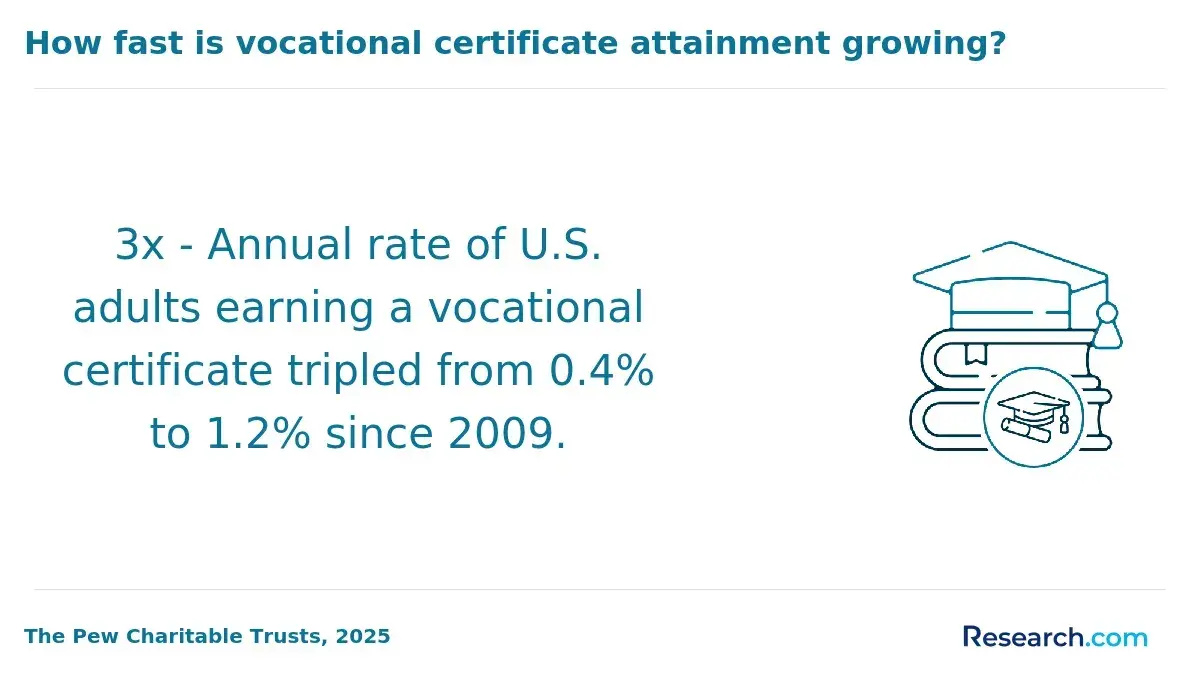
Graduates of online organizational leadership degree programs may pursue professional licensure depending on their chosen career path, but the degree alone does not guarantee licensure. Many leadership roles in business, nonprofit, or education sectors typically do not require a license by law. However, fields such as school administration or human resources often demand additional certification or licensure beyond the degree.
Typical licensure requirements include completing an accredited program, gaining relevant work experience, and passing certification exams established by professional organizations or state boards. Most online programs align their curricula with these standards and offer coursework, practicum experiences, and exam preparation resources to help students meet licensing requirements, making online organizational leadership degree licensure requirements a key focus during program development.
Considering licensure is crucial for prospective students evaluating online programs because it directly impacts career opportunities and earning potential. Leadership roles that require licensure or certification have been shown to experience employment growth rates roughly 8% higher than those without such credentials.
Programs also often provide flexible scheduling and specialized advisory support to guide students through the licensure process. For those interested in expanding options beyond organizational leadership, it may be worthwhile to explore fields like psychology by reviewing the best online masters in psychology. Understanding the pathway to getting licensed with organizational leadership degree online can prove essential in choosing a program that supports professional goals effectively.
Estimating costs accurately is crucial for students comparing online organizational leadership programs, as these expenses directly affect budgeting and return on investment. Recent trends suggest that about 60% of students prioritize finding options that strike a balance between quality and affordability.
Below are typical expenses to consider when assessing the average cost of online organizational leadership degrees:
- Tuition Fees: Tuition generally ranges from $300 to $800 per credit hour, depending on the institution and program format. Some schools offer flat-rate tuition regardless of credit load, while others charge per credit, influencing total costs based on course load and pace.
- Mandatory Fees: Additional charges often include technology fees, student services fees, and library access, which add several hundred dollars per semester. These fees cover the infrastructure and support needed for a seamless online learning experience.
- Course Materials: Textbooks, software subscriptions, and other educational resources typically incur extra costs. These vary widely depending on program requirements and may include access to proprietary learning platforms or tools.
- Hidden Costs: Transfer credit evaluations, graduation fees, and other administrative charges might not be immediately apparent. Clarifying these potential expenses with admissions staff can help prevent unexpected financial burdens.
For those looking into the most affordable online colleges, carefully examining tuition fees for online organizational leadership programs alongside these additional expenses can lead to more informed, financially sound decisions aligned with career goals.
Understanding financial aid options is crucial for prospective students considering online organizational leadership programs, as it can substantially alleviate educational expenses and improve access to advanced degrees. Nationally, about 85% of college students use some form of financial aid, reflecting its important role in supporting a wide range of academic pursuits, including organizational leadership.
Below are key types of financial aid available for online organizational leadership students to consider when planning their educational finances:
- Federal grants: Need-based grants like the Pell Grant provide funding that does not require repayment. Eligibility is determined by financial need through the FAFSA (Free Application for Federal Student Aid), which online students should complete promptly to maximize aid opportunities.
- Student loans: Federal subsidized and unsubsidized loans offer competitive interest rates and extended repayment plans. Access to these loans requires FAFSA completion and maintaining academic progress, making them a widely utilized resource despite eventual repayment obligations.
- Scholarships: Scholarships are awarded based on merit, leadership potential, or specific fields of study. These aid forms do not have to be repaid and may be offered by external organizations, nonprofits, or the individual programs themselves, helping reduce tuition costs for organizational leadership degrees.
- Employer tuition assistance: Many employers provide tuition reimbursement for employees pursuing degrees relevant to leadership roles. This support encourages professional development while directly offsetting the cost of online education in organizational leadership.
- Work-study programs: These programs enable students to earn income through part-time jobs, often related to their academic focus. Work-study can supplement financial aid packages by helping students manage living and educational expenses while enrolled.
Prospective students should explore these financial aid options early to craft an effective education financing strategy. Those interested in identifying online colleges that accept FAFSA can find additional resources to guide their choices.
Considering scholarships and grants for organizational leadership degrees is a vital step toward making higher education affordable and accessible, ultimately supporting career advancement in this field.
Knowing which careers an online organizational leadership degree can unlock is vital for students deciding on their education path. The U.S. Bureau of Labor Statistics projects a steady 5% growth in management-related positions over the next decade, highlighting expanding opportunities in leadership roles. Below is an overview of typical jobs graduates can pursue with this degree.
- Operations Manager: Oversees daily business activities, streamlines processes, and manages teams to improve efficiency. This role often offers advancement into senior management, leveraging leadership skills gained through the degree.
- Human Resources Manager: Directs recruitment, employee development, and organizational culture initiatives. An organizational leadership degree equips graduates with strategic planning and people management expertise crucial for this role.
- Project Manager: Plans, executes, and closes projects while coordinating cross-functional teams. The degree fosters necessary skills such as communication, team leadership, and problem-solving pivotal in this position.
- Training and Development Coordinator: Designs and implements employee training programs to enhance workforce capabilities. Graduates apply their understanding of leadership theories and adult learning principles to boost organizational performance.
- Nonprofit Program Director: Leads program planning and resource management in nonprofit organizations. The degree supports strategic leadership and stakeholder engagement needed for driving mission-focused outcomes.
Evaluating salary potential is a key consideration for prospective students comparing online organizational leadership programs, as it helps determine the financial value of their education. Recent data shows that median annual wages for graduates in this field typically range from $60,000 to $90,000, with an expected 6% growth in management-related jobs over the next decade. Below are important factors that influence these earnings.
- Level of education: Higher degrees like master's or doctorates usually open doors to senior management or executive roles that offer better compensation. Graduates with advanced education often have a competitive edge in salary negotiations and career advancement.
- Specialization: Focusing on niches such as healthcare leadership, human resources, or project management can impact salary levels. These areas often command premium pay due to their demand and complexity in various industries.
- Experience: Practical leadership experience gained through internships, prior jobs, or volunteer roles tends to increase earning potential. Employers value demonstrated capabilities, which contribute to promotions and higher pay over time.
- Geographic location: Salary ranges vary widely depending on where graduates work, with urban centers and economically strong states often providing higher wages. Cost of living and local market demand are key factors affecting regional pay differences.
- Work setting: Compensation can differ considerably between public sector, private companies, non-profits, and government agencies. Each sector has distinct pay scales, benefits, and advancement opportunities that influence overall earnings.
What Graduates Say About Enrolling in an Online Organizational Leadership Degree
- Michael: "From a professional standpoint, investing in the online organizational leadership degree was a strategic move despite the noticeable cost. The fully online delivery meant I could learn at my own pace without compromising my job performance. Since graduating, the skills I gained have allowed me to influence organizational change and earn a promotion I had been striving for."
- Elisha: "Reflecting on my decision to enroll, the affordability of the program was a major factor-I was pleasantly surprised by how reasonable the tuition was compared to traditional programs. The online format was user-friendly and encouraged meaningful interaction with peers and instructors. Earning this degree opened doors to new opportunities, and I now lead my team with confidence and strategic insight."
- Raul: "I was initially hesitant about the cost of the online organizational leadership degree program, which averaged around $15,000, but the flexible payment options made it manageable. The course structure was engaging and fit seamlessly into my busy schedule, allowing me to balance work and study effectively. This degree has truly accelerated my career growth by equipping me with leadership skills that I apply daily in my management role."
Other Things You Should Know About Organizational Leadership Degrees
Check for a reliable broadband connection, a webcam, a microphone, and a laptop that meets the school’s minimum operating system and browser requirements. Many programs also require access to video conferencing software, a learning management system, and proctored exam tools before classes begin.
Many online organizational leadership programs are designed with flexibility to support working professionals. Courses often offer asynchronous content, meaning students can complete lectures and assignments on their own schedule. Some programs also provide part-time options or extended timelines to balance academic work with professional commitments.
- The Best EdD in Organizational Leadership Programs of 2025 https://www.eddprograms.org/schools/organizational-leadership/
- Organizational Leadership Job and Salary Opportunities https://www.pointloma.edu/resources/business-leadership/organizational-leadership-job-salary-opportunities
- Curriculum https://www.csudh.edu/organizational-leadership-bs/curriculum/
- What Can You Do With an Organizational Leadership Degree? https://www.coursera.org/articles/what-can-you-do-with-an-organizational-leadership-degree
- Whole Leaders For The Whole World https://oru.edu/academics/online/graduate/master-of-org-leadership.php
- 2025 Best Organizational Leadership Degrees Online https://www.onlineu.com/degrees/organizational-leadership
- Master of Arts (M.A.) in Organizational Leadership | Adler University https://www.adler.edu/programs/masters-m-a-in-organizational-leadership/
- Organizational Leadership Online Grad Certificate https://www.umassd.edu/programs/organizational-leadership-cert-online/
- Online Organizational Leadership Program https://www.duq.edu/academics/colleges-and-schools/liberal-arts/online-degrees/bs-organizational-leadership.php