2027 Does an Organizational Leadership Degree Require Internhips or Clinical Hours?

Co-Founder and Chief Data Scientist
Many prospective students face uncertainty about whether an organizational leadership degree requires internships or clinical hours, complicating their program selection and scheduling. This issue is critical as hands-on experience significantly influences job readiness. According to recent workforce data, 68% of organizational leadership graduates who completed internships secured employment within six months, compared to 45% without such experience. The growing demand for practical skills in leadership roles heightens the importance of understanding these program components. This article clarifies internship and clinical hour requirements across organizational leadership degrees, helping readers navigate program choices and enhance career preparedness.
Key Things to Know About Organizational Leadership Degree Internships or Clinical Hours
- Many organizational leadership degrees include internships or practical hours to build real-world skills, though requirements vary widely and may not be mandatory for all programs.
- Online programs often partner with local organizations to facilitate flexible internship completion, while campus-based courses may offer integrated, on-site practicums with structured supervision.
- Completing hands-on experiences enhances career readiness, with graduates reporting 15-20% higher employment rates, though time commitments can extend total degree completion time by several months.
Does a Organizational Leadership Degree Require Internships or Clinical Hours?
A degree in organizational leadership typically does not require clinical hours, as these programs focus more on leadership theory, management skills, and organizational behavior rather than direct healthcare or clinical practice. However, many programs do include internships as either a required or optional component to provide practical experience.
Internship requirements vary by institution and program format, but they are generally designed to give students hands-on opportunities to apply leadership concepts in real organizational settings. These experiences enhance learning and prepare students for career challenges, highlighting the importance of understanding organizational leadership degree internship requirements when selecting a program.
Internships in organizational leadership programs usually take place toward the end of the curriculum, after foundational courses are completed. They often last from a few weeks to a full semester and involve placements in business, nonprofit, or governmental organizations, where students work under mentorship. This structure supports skill development in areas such as team leadership, conflict resolution, and strategic planning.
Prospective students should review whether internships offer academic credit and the time commitment involved, as these factors greatly influence career readiness and networking opportunities. Those interested in related fields may also explore SLP online programs as a comparison for practical experience components in degree paths.
Are Internships Paid or Unpaid in Organizational Leadership Programs?
Internships in organizational leadership programs vary in compensation, with some positions paid and others unpaid. This distinction is important for students as it affects overall program costs and how they plan their career paths. Recent data shows that roughly 40% of organizational leadership internships are paid, highlighting a significant portion still remain unpaid.
Key points about paid internships in organizational leadership programs include:
- Typical payment structures: Paid internships often provide a stipend or hourly wages, reflecting roles that require higher responsibility or specialized skills. Conversely, unpaid internships usually focus on learning and mentorship rather than monetary compensation.
- Influencing factors: Whether an internship is paid depends on an organization's budget, the internship's length, and if it is a required part of the curriculum. These factors shape the financial feasibility for both students and institutions.
- Career and academic value of unpaid internships: Despite lacking payment, unpaid internship requirements for leadership degrees remain valuable by offering practical experience, networking opportunities, and academic credit that can enhance resumes.
- Balancing commitments: Understanding the payment structure helps students weigh program expenses against work commitments, aiding in effective time and financial management throughout their studies.
- Program choices impact: Prospective students should research options carefully, including details about internships and clinical hours, especially when exploring CACREP accredited programs or similar educational opportunities.
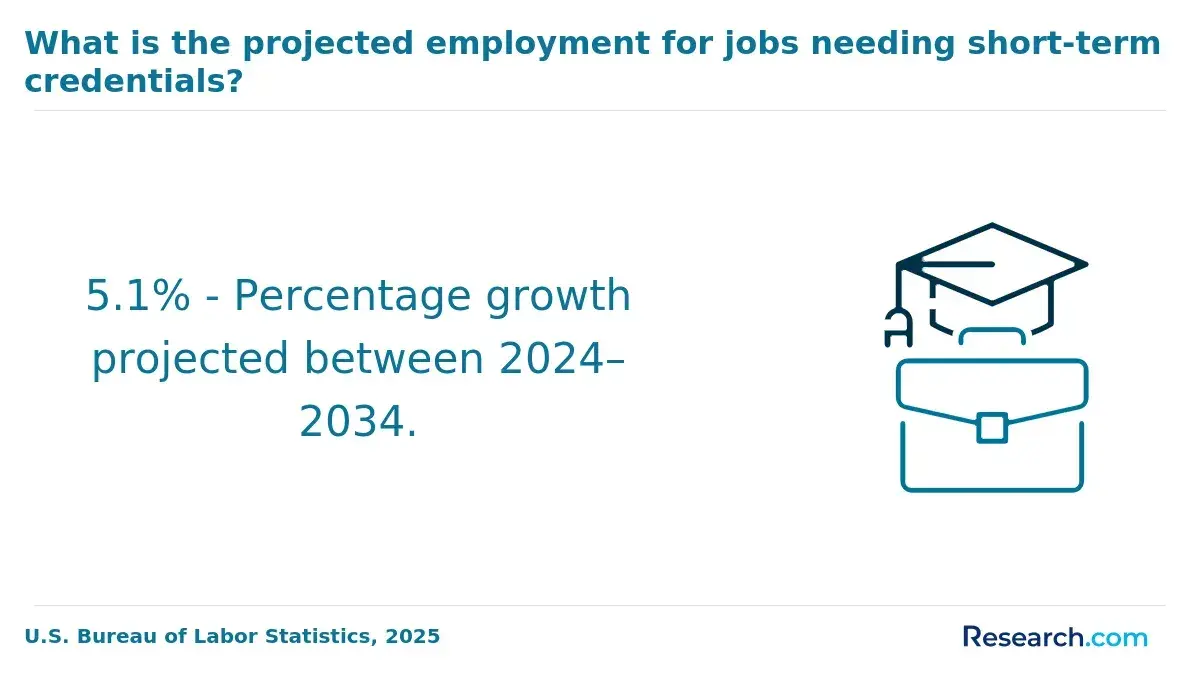
What Is the Difference Between Internships or Clinical Hours in Organizational Leadership Degree Levels?
Choosing the right organizational leadership degree requires understanding how internship requirements and clinical hours vary across degree levels, as these experiences significantly shape career readiness. The distinction influences the amount of time committed, the complexity of tasks, and the level of supervision students can expect. Below is a breakdown of typical expectations by degree level to help clarify these differences.
- Associate/Bachelor's: Internships are common and typically involve 100 to 300 hours of supervised practical work in leadership roles within organizations. These placements emphasize foundational skills such as team coordination, communication, and basic management, making them ideal for early career development in organizational leadership internship requirements by degree level.
- Master's: Clinical hours or more intensive internships are usually required, involving over 300 hours with greater complexity and strategic leadership responsibilities. Students engage in project management and decision-making under close faculty or professional mentor supervision, reflecting the advanced nature of graduate programs.
- Doctoral: Clinical experiences focus less on hours and more on demonstrating high-level leadership through research leadership, policy development, or organizational consulting. These opportunities emphasize quality and depth in real-world settings rather than time spent.
Students interested in combining leadership skills with other academic pursuits may explore fields such as a library science degree, which also offers tailored experiential learning components.
These distinctions help clarify clinical hours vs internships in organizational leadership programs and guide students in meeting their degree requirements while preparing effectively for professional roles.
Accelerated organizational leadership programs compact internships or clinical hours into an intensive schedule, often lasting between one and a half years. These programs adapt traditional requirements by offering flexible timelines, allowing students to complete practical experiences part-time alongside classes or in dedicated full-time sessions during breaks.
The coursework is streamlined but maintains rigor, ensuring students fulfill necessary academic standards within the shortened period. This approach demands careful coordination to balance hands-on training with theoretical learning without extending the overall program length.
To support students in meeting licensure or career readiness expectations, programs typically provide strong faculty mentorship and clear guidelines for clinical hours. Many also offer virtual or nearby placements to reduce commuting challenges, accommodating the faster pace without compromising quality.
About 35% of participants in such accelerated tracks engage in internships, highlighting the growing emphasis on experiential learning even when timelines are compressed. This combination of structured support and flexible scheduling helps navigate the demands of gaining practical experience while progressing swiftly through the curriculum.
When I spoke with a graduate of an accelerated organizational leadership program, he described the experience as both "intense and rewarding." He recalled juggling night classes with part-time internship shifts, often feeling overwhelmed but motivated by continuous mentorship from faculty. "It wasn't easy to switch hats between coursework and real-world problems, especially with deadlines all around," he noted. Yet, the ability to apply concepts immediately in his internship helped solidify his skills quickly. His story reflects how challenging but feasible these programs can be for dedicated students aiming to advance their leadership careers efficiently.
Internship or clinical hour requirements generally do not differ significantly between online and on-campus organizational leadership programs. Both formats emphasize experiential learning to ensure students develop practical leadership competencies and achieve comparable professional standards. Requirements for hands-on experiences are typically aligned across delivery modes, reflecting consistent learning outcomes. Notably, enrollment in online leadership programs has increased by approximately 15% annually, prompting enhancements in remote internship management to maintain quality and accessibility.
The main distinctions lie in how students fulfill these requirements. Online learners benefit from greater location flexibility, often securing internships near home or within current work environments. This allows more adaptable scheduling, especially for working professionals. Supervision combines virtual check-ins with guidance from on-site mentors, while on-campus students may have more structured access to local organizations and university resources. Despite differences in coordination, oversight and evaluation practices remain closely aligned across both formats.
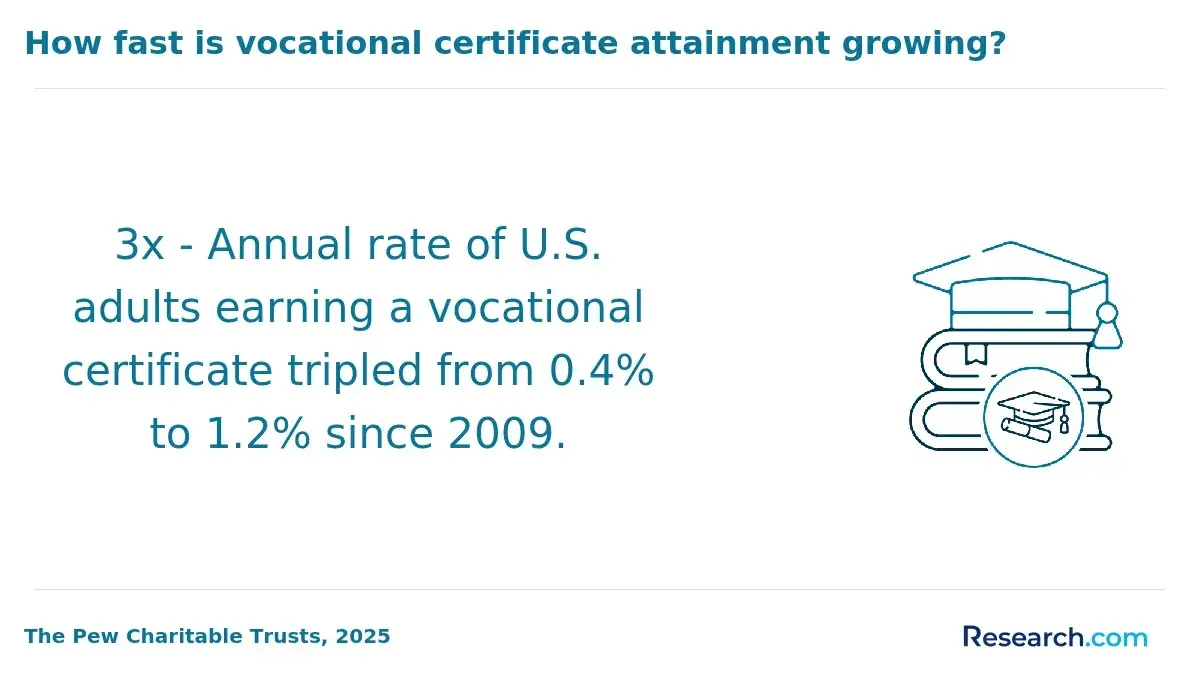
Specialization choices in organizational leadership degree programs play a crucial role in determining internship or clinical hour requirements. These requirements vary because different focuses align with particular industries, influencing the type and setting of practical experiences. For instance, healthcare leadership specializations often require clinical hours or hospital-based internships, ensuring students gain hands-on experience in medical environments.
A recent trend shows that 68% of organizational leadership students engage in internships, with a notably higher rate among those in health-related fields. Such variations underscore how internship variations by organizational leadership degree focus are shaped by workforce needs and specialization demand.
These differences in internship expectations significantly affect students' scheduling and workload. Healthcare leadership tracks may impose rigid daytime clinical schedules that must be balanced with coursework, while business or nonprofit leadership specializations tend to offer more flexible, part-time, or even remote internship options. This flexibility impacts students' ability to manage academic and professional commitments effectively.
Ultimately, selecting a specialization with an appropriate internship structure can enhance career preparation and job readiness by providing targeted practical experience. Prospective students can explore options through programs such as the online doctorate in organizational leadership to match their career goals and personal circumstances.
Work experience can sometimes fulfill internship requirements in organizational leadership degree programs, especially for students balancing full-time jobs. This option is often considered because many working professionals struggle to fit traditional internships into their schedules. Whether work experience counts depends on its relevance to leadership roles, the length of time spent, and verification by an employer. Programs focused on practical skill application tend to be more flexible in accepting professional experience as a substitute.
However, some institutions and degree levels uphold strict accreditation guidelines that mandate formal internships to ensure consistent training quality. In those cases, work experience alone won't replace clinical or internship hours. Because policies vary widely between programs and schools, it's crucial for prospective students to consult advisors early to explore substitution possibilities and understand specific requirements.
When I asked a graduate of an organizational leadership degree about her experience, she reflected on the challenges of meeting internship requirements while working full-time. She shared, "Negotiating with my program advisor was essential. I documented my leadership roles at work, including managing cross-functional teams, which they reviewed carefully." Although initially uncertain, she was relieved when the program accepted her professional experience in lieu of an internship. "That flexibility allowed me to complete my degree without sacrificing income or adding stress. It felt validating that my real-world contributions were recognized as equivalent learning." This process, she added, reinforced the value of transparent communication and early planning in navigating degree requirements.
The length of internships or clinical rotations in organizational leadership programs is a key factor for students balancing academics and practical experience, with many programs requiring between 100 and 200 hours to be completed. Approximately 75% of such programs incorporate practical components, and increasing flexibility allows students from diverse backgrounds to manage these commitments effectively. Below are common timelines for internship durations in this field.
- Short-term internships: Typically lasting 6 to 8 weeks, these are often scheduled during summer breaks, providing a compact opportunity for students to gain hands-on leadership experience without disrupting their academic year.
- Semester-long internships: Usually spanning about 12 to 16 weeks, these align with standard academic semesters and allow students to apply theoretical knowledge in real-world settings throughout the term.
- Extended rotations: Some programs, especially those with specializations or rigorous accreditation requirements, require multiple semesters or longer clinical rotations to ensure deeper industry engagement and comprehensive skill development.
The structure and specialization of a program heavily impact these durations. Accelerated or online organizational leadership degrees often condense internship hours to fit more flexible schedules. Meanwhile, leadership tracks focused on sectors like healthcare or nonprofit organizations may demand lengthier or more intensive clinical hours to satisfy industry and accreditation standards.
Job placement outcomes are a major concern for students pursuing an organizational leadership degree, with many aiming to enhance their career prospects quickly after graduation. Research shows that students who complete internships are nearly 15% more likely to secure employment within six months of finishing their degree, highlighting the impact of internships on organizational leadership job placement. The following points explore how internships contribute to improved job placement rates after organizational leadership internships:
- Employer Preference: Internships provide hands-on experience that employers highly value, as practical skills complement theoretical knowledge gained in coursework, making candidates more attractive hires.
- Professional Networking: By connecting students with industry professionals during internships, students build essential contacts that can lead to job offers or strong references in competitive job markets.
- Skill Development: Applying leadership theories in real workplace scenarios helps students enhance communication, problem-solving, and project management skills-abilities that significantly boost employability.
- Conversion to Full-Time Roles: Many organizations use internships as extended interviews, frequently converting successful interns into full-time employees, providing a clear pathway from education to career.
Though internships are not always mandatory within organizational leadership programs, they remain a powerful component for career preparation. Prospective students should carefully consider how available internships align with their goals and schedules. For those seeking flexible learning options to complement internship commitments, exploring fast online degrees may offer an efficient pathway to advancing their education and job prospects.
Practical experience such as internships or clinical hours can significantly influence starting salaries for organizational leadership graduates by equipping them with applicable skills that reduce employer risk. According to a 2021 survey by the National Association of Colleges and Employers (NACE), candidates with internship experience earned starting salaries approximately 7.5% higher than those without. Several reasons explain how this experience can translate into better compensation:
- Employer Valuation: Employers often favor applicants who have proven their leadership capabilities in real-world settings, seeing them as more effective problem-solvers and decision-makers.
- Negotiation Leverage: Graduates with hands-on experience typically negotiate stronger salary offers based on demonstrated competence and readiness to contribute immediately.
- Industry Standards: Certain fields within organizational leadership, such as healthcare or nonprofit sectors, may mandate clinical or practicum hours that correlate with higher pay scales due to required expertise.
- Program-Specific Differences: Some organizational leadership programs incorporate internships or practicums into their curricula, providing graduates with structured experiential learning credentials that enhance their marketability and salary potential.
What Graduates Say About Their Organizational Leadership Degree Internships or Clinical Hours
- Raul: "The internship requirement in my online organizational leadership degree was a game-changer. Despite some concerns about the cost, which was around $1,000 for placement fees and related expenses, the immersive experience helped me build real-world skills that employers value deeply. I'm now confidently leading projects in my field, and the investment has truly paid off."
- Shiya: "Completing the internship component of my online organizational leadership program gave me a chance to apply theory practically, though it did add some unexpected expenses like travel and materials, totaling about $1,200. Reflecting on it, the opportunity to work directly with industry leaders was invaluable and boosted my professional development in ways I couldn't have anticipated."
- Mich: "The paid internship segment of my organizational leadership degree, pursued online, was both thoughtfully structured and reasonably priced-costing approximately $900 in total. Professionally, this hands-on experience elevated my leadership abilities and opened doors to a management position shortly after graduation, making the financial commitment worthwhile."
Other Things You Should Know About Organizational Leadership Degrees
Yes, academic advisors often play a crucial role in helping students identify suitable internships that align with their academic goals and career interests. They provide guidance on opportunities available, resume and interview preparation, and sometimes facilitate connections with organizations, enhancing student success in organizational leadership programs.
Yes, many organizational leadership programs use a capstone project instead of an internship. A capstone is usually completed in the final term and often carries 3 to 6 credit hours. It assesses leadership analysis, planning, and problem-solving, without requiring clinical hours.
Yes, organizational leadership internships can be completed across various sectors including non-profit, corporate, government, and small businesses. Programs typically allow flexibility in selecting internship sites that align with a student's career goals, provided the experience offers relevant leadership and management exposure.
- Organizational Leadership, Organizational Leadership Specialization, M.A. https://catalog.wbu.edu/preview_program.php
- Online Organizational Leadership Program | Graceland https://www.graceland.edu/programs/organizational-leadership/
- Organizational Leadership (BAAS) Competency-Based https://www.etamu.edu/programs/organizational-leadership-baas-orgl/
- Organizational Leadership (Online) https://millikin.edu/tabor-school-business/area-of-study/organizational-leadership-online
- Leadership and Management Online vs. On-campus degree: Which is better? - Australian National Institute of Management https://anim.edu.au/leadership-and-management-online-vs-on-campus-degree-which-is-better/
- Internship for Leadership Psychology PsyD | William James College https://www.williamjames.edu/academics/olp/leadership-psyd/curriculum/field-education.html
- Understanding Paid v. Unpaid Internship Rules https://www.aseonline.org/News/Articles/understanding-paid-v-unpaid-internship-rules
- Do Internships Count as Work Experience? In the U.S., Yes! [How to Work Here] - Intrax Global Internships https://www.globalinternships.com/post/does-internships-count-as-work-experience
- Internship Opportunities - International Leadership Association https://ilaglobalnetwork.org/about/internship-opportunities/
- Paid vs. Unpaid Internships: What You Need to Know Before Applying https://absoluteinternship.com/blog/paid-vs-unpaid-internships-what-you-need-to-know-before-applying/