2027 Psychopharmacology Master's Degree vs Graduate Certificate: Which Is Better?

Co-Founder and Chief Data Scientist
Choosing between a psychopharmacology master's degree and a graduate certificate poses a complex challenge, each pathway varies significantly in cost, duration, admission criteria, employer recognition, salary outcomes, and career applicability. Aspiring professionals often struggle to identify which credential aligns best with their personal and professional goals.
Recent data from 2024 reveals that individuals holding a psychopharmacology master's degree earn on average 25% more annually than those with only a graduate certificate, illustrating a notable salary premium. This article provides a systematic comparison of both credentials, empowering readers to make an informed decision based on real career impacts and academic outcomes rather than assumptions or prestige.
Key Things to Know About Which Is Better: A Psychopharmacology Master's Degree or a Psychopharmacology Graduate Certificate
- A psychopharmacology master's degree involves higher tuition-often double the cost of a graduate certificate-posing a significant upfront investment for deeper expertise.
- Graduate certificates typically require six months to a year, compared to 1.5 to 2 years for master's programs-favoring professionals prioritizing swift credentialing.
- Employers often recognize master's degrees as superior, correlating with a 15% higher average salary, while certificates serve better for supplemental career enhancement or specialization.
What Is the Difference Between a Psychopharmacology Master's Degree and a Psychopharmacology Graduate Certificate?
A psychopharmacology master's degree typically requires 30 to 40 credit hours and offers comprehensive training that covers foundational science, clinical applications, research methods, and often a thesis or capstone project. This degree aims to prepare graduates for advanced roles in healthcare, research, or academia by providing a broad and deep understanding of psychopharmacology.
In contrast, a psychopharmacology graduate certificate generally involves 12 to 18 credit hours with a more focused curriculum targeting specific skills or knowledge areas. Certificates are designed for professionals seeking targeted skill upgrades without the time or financial commitment of a full degree.
A common misunderstanding is that graduate certificates are simply shorter versions of master's degrees. However, they possess different academic standing and are not equivalent.
Many institutions allow graduate certificate credits to apply toward a master's degree, which adds complexity to direct comparisons. Master's degrees attract students aiming for full-time study and long-term career advancement, while certificates appeal to professionals seeking quicker, focused skill enhancement.
For undergraduates considering their next credential step, working professionals exploring focused skill upgrades, or career-changers after a faster route into the psychopharmacology field, understanding these differences is vital. Current certificate holders may also evaluate whether advancing to a master's degree aligns with their professional goals.
Additionally, for those looking into educational pathways related to healthcare, exploring resources such as easy nursing schools to get into can provide broader context on program selection in allied fields.
What Are the Typical Admission Requirements for a Psychopharmacology Master's Program Compared to a Psychopharmacology Graduate Certificate?
Psychopharmacology master's program admission criteria typically demand higher academic standards compared to graduate certificate requirements for psychopharmacology, reflecting the depth and rigor of these credentials.
For recent undergraduates aiming at a master's degree, a minimum undergraduate GPA of about 3.0 on a 4.0 scale is commonly required, highlighting sustained academic performance. Graduate certificate programs, by contrast, often accept applicants with a completed bachelor's degree without strict GPA cutoffs, offering more flexibility for working professionals or those transitioning careers.
- Prerequisite Coursework: Master's programs generally require completion of foundational courses such as biology, chemistry, psychology, or neuroscience to ensure readiness for advanced study. Graduate certificates tend to waive these prerequisites or integrate foundational content within the curriculum, increasing accessibility for a broader applicant pool.
- Standardized Tests: GRE or other standardized test scores are frequently required for master's admission, though some programs have moved toward test-optional policies. Certificate programs rarely impose testing requirements, reducing application barriers.
- Letters of Recommendation and Personal Statements: Master's applications often demand multiple recommendation letters and a detailed personal statement that articulates clear career goals within psychopharmacology. In contrast, certificates usually require fewer or no recommendations and shorter statements, reflecting their streamlined admissions processes.
- Flexibility and Accessibility: Graduate certificates serve as an academic on-ramp-allowing students who may not yet meet master's standards to build foundational knowledge and demonstrate commitment to the field. They also accommodate working professionals seeking focused skill upgrades without the extensive admissions process.
Choosing between these credentials influences career utility and salary impact, as employers often recognize master's degrees differently than graduate certificates. For those seeking a cost-effective and quicker alternative, certificates can provide immediate credentials, and pathways to further advanced study.
For comprehensive career preparation, master's programs remain the gold standard. Practical academic planning sometimes involves exploring related fields, such as accredited medical billing and coding schools online, to broaden healthcare career options within a reasonable timeline.
What Is the Minimum GPA Requirement for a Psychopharmacology Master's Program?
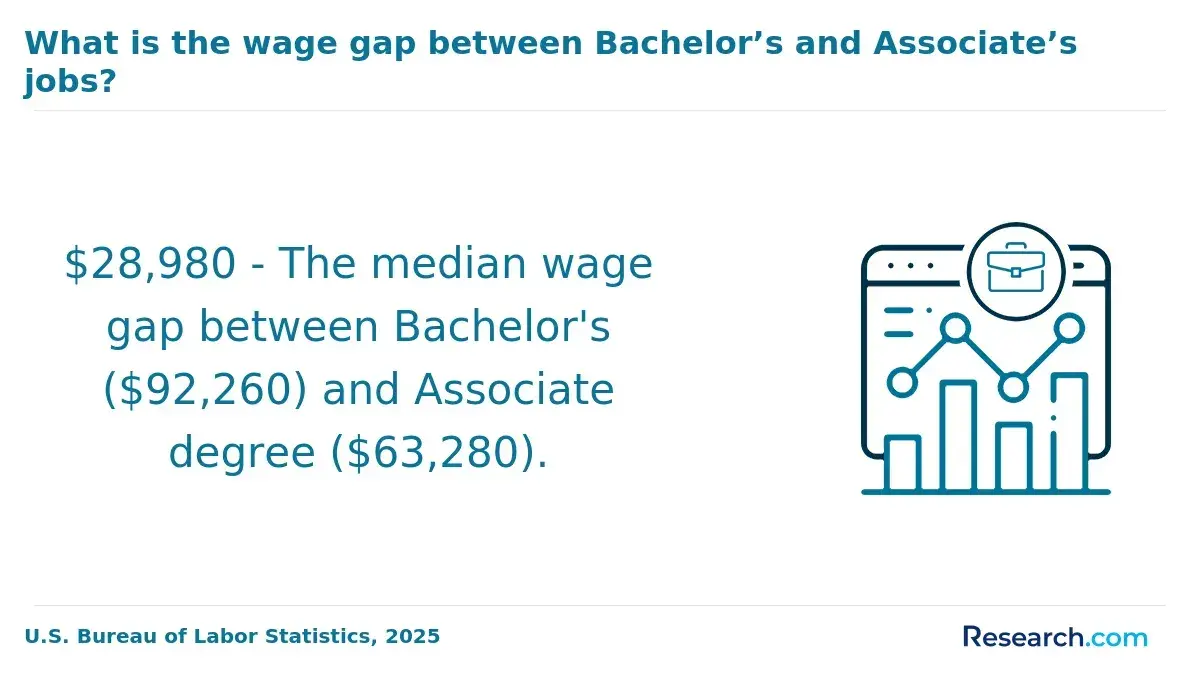
Minimum GPA criteria for psychopharmacology master's programs typically range around a 3.0 on a 4.0 scale, set by regional accreditation and graduate admissions benchmarks. However, these minimums often serve more as guidelines than rigid cutoffs.
Programs with intensive research components or strong clinical ties usually require GPAs near 3.2 or higher, reflecting a more selective admissions process with candidates frequently exceeding the entry threshold. In comparison, professionally oriented or open-enrollment programs may accept GPAs as low as 2.7, sometimes offering conditional admission to applicants falling slightly below their stated minimums.
These conditional admits often must meet specific academic performance standards or complete supplemental coursework to stay enrolled. Such remediation policies are designed to ensure students gain mastery in foundational topics before progressing.
A professional who completed a psychopharmacology master's shared that despite meeting the minimum GPA, the journey was challenging: "I realized early that the published minimum was really just a starting line. Keeping up with advanced coursework demanded consistent effort and resilience, especially balancing work and study."
"The conditional support programs helped, but the real key was pushing beyond the baseline. Building a strong academic routine and seeking mentorship made all the difference." This reflection highlights the importance of preparing beyond the minimum GPA to succeed in the program.
How Long Does It Take to Complete a Psychopharmacology Master's Degree Versus a Psychopharmacology Graduate Certificate?
A Psychopharmacology master’s degree often takes longer to complete compared to a graduate certificate program. This difference reflects the expanded academic scope, research components, and overall program depth associated with master’s-level study.
- Time to Completion: Psychopharmacology master's degrees generally require 1.5 to 3 years of full-time study, extending up to 5 years for part-time students. Accelerated formats may shorten this to 12-18 months but demand intensive weekly commitments. In contrast, psychopharmacology graduate certificate programs are designed for faster completion, typically taking 6 to 12 months full-time and 12 to 24 months part-time, catering to those seeking rapid skill acquisition.
- Program Structure: Master's degrees carry heavier credit loads, usually 30 to 60 credits, and include thesis or capstone projects alongside comprehensive exams, contributing to longer durations. Graduate certificates require fewer credits, often between 12 and 18, focusing sharply on core competencies without thesis or comprehensive exam obligations, enabling a streamlined path.
- Professional Considerations: Individuals balancing careers often prioritize shorter psychopharmacology graduate certificate programs when facing urgent goals or limited time, appreciating the quicker credentialing option. Those with more flexible schedules might opt for the master's degree to benefit from a deeper academic foundation and broader career opportunities.
- Personal Circumstances: Completion timelines are shaped by employment, caregiving responsibilities, and financial stability. Those managing significant obligations typically gravitate toward graduate certificates for quicker credentialing. Conversely, those with adaptable routines may pursue full master's degrees for the added professional and academic value.
- Career and Academic Outcomes: Prospective students should weigh the realistic time investment against their long-term objectives. The psychopharmacology master's degree offers comprehensive education and potentially higher career flexibility, while the graduate certificate focuses on efficiency and targeted skill enhancement.
For a comparative look at other bridging programs geared toward efficient credentialing, consider exploring the MA to LPN bridge program online.
How Much Does a Psychopharmacology Master's Degree Cost Compared to a Psychopharmacology Graduate Certificate?
Tuition for a psychopharmacology master's degree varies widely depending on the institution. Public in-state programs generally charge between $20,000 and $40,000, while out-of-state students often pay from $35,000 to $65,000. Private schools tend to be pricier, with fees ranging from $40,000 to $80,000.
Graduate certificates in psychopharmacology are considerably more affordable. Public in-state certificates usually cost $5,000 to $12,000, out-of-state certificates range from $8,000 to $18,000, and private options typically fall between $12,000 and $25,000.
- Price Drivers: The higher cost of master's programs stems from their greater credit requirements and longer durations, commonly one to two years full-time instead of just several months. Additional expenses like faculty pay, campus facilities, and program support raise overall tuition. The master's curriculum covers a broader range of topics, adding to the financial investment.
- Financial Aid Factors: Master's candidates usually have access to a variety of financial aid opportunities, including assistantships, fellowships, and employer tuition benefits, which can substantially lower the net cost. Certificates generally offer fewer funding options, leaving many students to rely on out-of-pocket payments or employer-sponsored reimbursements when available.
- Hidden Costs: Beyond direct tuition, pursuing a master's can involve lost income due to full-time study and delayed career progress. Certificates, while cheaper upfront, might provide limited credential value and smaller salary gains or job flexibility.
- Return on Investment: It's crucial to evaluate these programs based on net costs rather than sticker prices alone. Factoring in financial aid, current income, and future earnings helps clarify the true value. Various free online calculators are available to assist prospective students in estimating personalized returns on investment for career advancement in psychopharmacology.
When asked about the cost difference between the two credentials, a professional who completed a psychopharmacology master's shared, "Balancing the tuition and time commitment was challenging, especially while working part-time. The financial aid I received made a big difference, yet managing expenses alongside living costs was a constant juggle."
"Still, the master's opened doors that the certificate alone wouldn't have. I felt the depth of training truly set me apart in job interviews." Her experience highlights the complex trade-offs between upfront cost and long-term career impact.
How Does Earning a Psychopharmacology Master's Degree Affect Salary Compared to a Psychopharmacology Graduate Certificate?
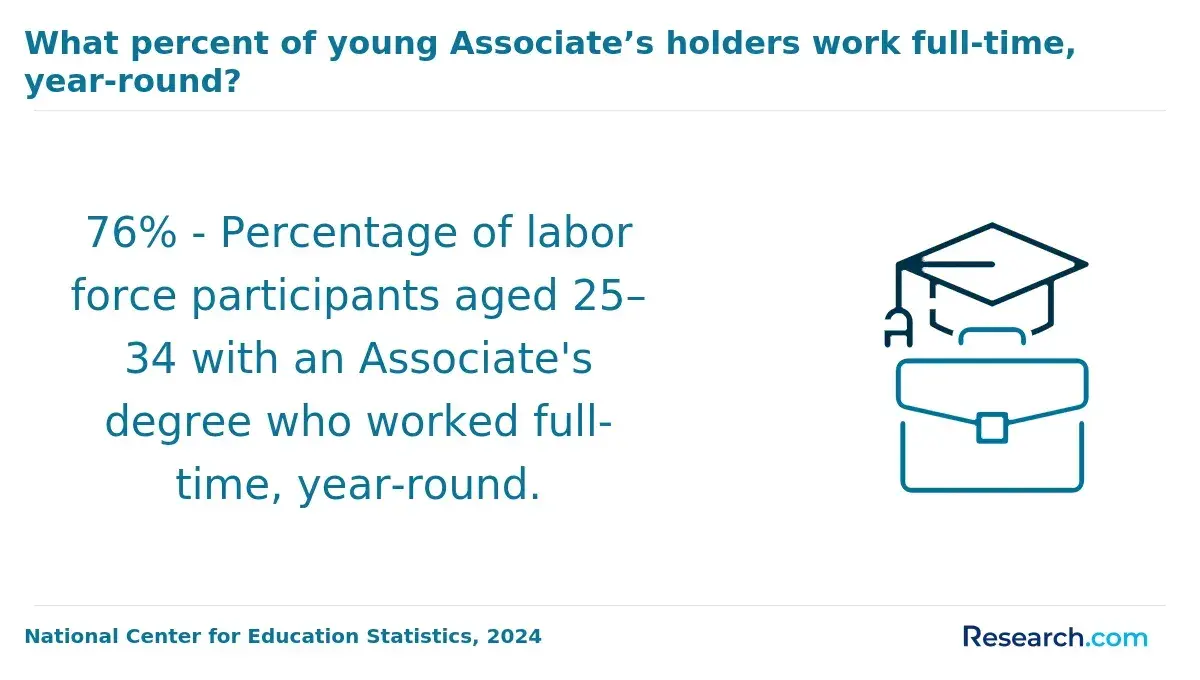
Professionals holding a Psychopharmacology master's degree generally earn 15-25% more than those with a graduate certificate, according to data from the Bureau of Labor Statistics and Georgetown University research.
This salary premium varies across industries and roles, emphasizing the value of advanced academic credentials.
- Industry Impact: Higher salaries linked to master's degrees are especially evident in clinical environments, pharmaceutical sectors, and academic research settings, areas where advanced qualifications often unlock leadership roles.
- Employer Recognition: Large healthcare organizations and government agencies tend to favor applicants with master's credentials, directly translating to better pay and promotion opportunities compared to certificate holders.
- Career Track Exceptions: Certain specialized positions, such as clinical trial coordinators or regulatory affairs professionals, offer similar or slightly higher pay to those with certificates, reflecting the targeted, practical skills these credentials provide.
- Return on Investment: Since master's programs typically require two years and substantial expense, some practitioners opt for certificates that are faster and less costly, achieving a more immediate salary boost relative to time and money invested.
- Senior-Level Differentiation: Executive, research, and consultative roles show the widest salary gaps. Master's holders command markedly higher incomes due to the deeper expertise these positions demand.
A 2024 trend reveals increasing employer emphasis on advanced degrees in Psychopharmacology for senior roles amid growing industry complexity, reinforcing the financial advantages of pursuing a master's over a certificate for many career paths.
Which Psychopharmacology Career Paths Favor a Master's Degree Over a Graduate Certificate?
Certain career paths in psychopharmacology specifically require or strongly prefer a master's degree rather than a graduate certificate due to the advanced knowledge, regulatory standards, and leadership demands involved.
Employers and licensure boards often mandate a master's credential to ensure practitioners possess comprehensive theoretical and clinical expertise beyond entry-level competencies.
- Licensed Professions: States and professional boards frequently require a master's degree for licensure as clinical psychopharmacologists or related specialists, ensuring candidates meet rigorous educational and competency standards that a certificate alone does not satisfy.
- Research-Intensive Positions: Roles in academic, pharmaceutical, or government research settings prioritize master's degree holders for their depth in research methodology and critical analysis skills, qualities essential for complex study design and data interpretation.
- Leadership and Administration: Managerial or supervisory roles in healthcare, mental health agencies, and pharmaceutical sectors commonly list a master's degree as a minimum qualification for policy development, multidisciplinary collaboration, and ethical decision-making responsibilities.
- Professional Advancement: Many psychopharmacology career ladders use the master's degree as a formal threshold for promotion or specialization, making it structurally necessary for long-term growth within the field.
- Competitive Hiring: Recent job market analysis shows that master's degree holders have a 25% higher success rate in securing specialized psychopharmacology roles compared to certificate holders, reflecting strong employer preference for comprehensive training.
Those aspiring to licensure, leadership roles, or research-intensive positions should carefully assess these credential requirements when planning their educational path. The master's degree offers demonstrated academic rigor and theoretical grounding that certificates typically lack, shaping eligibility and opportunity within the psychopharmacology profession.
Which Psychopharmacology Career Paths Favor a Graduate Certificate Over a Master's Degree?
Graduate certificates in psychopharmacology often offer greater value than master's degrees in specific career contexts, particularly where employers emphasize demonstrated technical skills over broad academic training.
Jobs suited for psychopharmacology certificate holders tend to reward targeted competencies acquired through focused programs instead of longer, comprehensive degrees.
- Technical Roles: Positions such as clinical research coordinators, pharmaceutical sales specialists, and psychopharmacology lab technicians prioritize applied knowledge and practical skills. Hiring managers frequently view certificates as proof of job-ready capabilities tailored to these roles.
- Continuing Education for Practitioners: Licensed healthcare providers, including nurses, pharmacists, and counselors, prefer graduate certificates to quickly update skills or fill specific competency gaps. These credentials deliver focused learning without the extended commitment of another graduate program.
- Career Changers with Related Backgrounds: Individuals transitioning from psychology, biology, or health sciences into psychopharmacology benefit from certificates that efficiently address essential knowledge areas. This path accelerates qualification for psychopharmacology roles while avoiding redundancies in a full master's curriculum.
- Employer Preferences: Data from job postings and hiring surveys reveal some healthcare and research institutions treat graduate certificates as equivalent or even preferred credentials, especially when paired with relevant work experience, offering employers confidence in skill proficiency.
- Cost and Time Efficiency: Working professionals balancing employment often choose certificates for rapid skill enhancement due to lower costs and shorter time-to-completion. Compared to degrees, certificates provide a practical means to improve job performance quickly.
For those considering educational pathways beyond undergraduate study, programs like accelerated direct entry MSN programs online similarly reflect the growing demand for efficient credentialing options that align with evolving workforce needs.
The strategic use of graduate certificates in psychopharmacology career opportunities clearly demonstrates their utility as a focused, cost-effective, and employer-recognized credential alternative.
Is a Psychopharmacology Graduate Certificate Stackable Toward a Master's Degree?
Many accredited universities offer stackable credentials allowing coursework from a graduate certificate to apply toward a related master's degree in psychopharmacology. This arrangement can reduce the time and cost to degree completion but depends on specific institutional policies rather than a universal academic standard.
Key conditions that often govern whether stacking is allowed include:
- Institutional Matching: Certificates usually must be earned at the same university or a partnered institution offering the master's program to qualify for transfer credit.
- Grade Requirements: A minimum grade is required in all certificate courses that might transfer to maintain academic rigor.
- Time Limits: Credits often need to be applied within a set timeframe, commonly five to seven years, to remain valid for stacking.
- Program Alignment: The certificate curriculum must closely align with the master's degree requirements, covering core psychopharmacology topics relevant to the advanced program.
For those exploring psychopharmacology graduate certificate stackable to master's degree options, pursuing a graduate certificate can be a lower-risk, cost-effective way to test interest and preparedness before committing to a full master's program. It offers valuable academic experience and professional credentials while preserving the option for further study.
Prospective students should confirm stackability policies directly with the graduate admissions office, as these vary widely and significantly impact credit transfer and degree planning.
Additionally, for students seeking accelerated learning pathways, programs like medical billing and coding certificate online accelerated illustrate how focused certificates can efficiently build professional skills in related fields.
How Do Employers in the Psychopharmacology Field Perceive a Master's Degree Versus a Graduate Certificate?
Across industries within psychopharmacology, employer preferences differ when evaluating a master's degree versus a graduate certificate for the same position.
Hiring managers in tightly regulated fields such as healthcare, pharmaceuticals, and academia usually favor master's degrees due to their broad curriculum and alignment with licensing requirements. These roles often require advanced, foundational knowledge that a certificate alone may not provide.
In contrast, sectors like technology and consulting tend to value graduate certificates more highly, especially when they come from respected institutions.
Certificates signal targeted skills and faster acquisition of practical expertise, making them appealing for technical or project-based roles. Indeed, a prestigious certificate can sometimes outweigh a lesser-known master's degree in employer regard.
These distinctions help prospective students gauge how each credential is viewed in their target field, allowing informed decisions based on career goals rather than assumptions or prestige bias.
Can a Psychopharmacology Graduate Certificate Help Someone Transition Into the Field From a Different Background?
For professionals shifting from unrelated fields, a Psychopharmacology graduate certificate provides a streamlined and affordable option to gain essential expertise without the extensive commitments of a master's degree.
Workforce development studies reveal these certificates target career changers by offering accelerated programs that reduce time and cost barriers, supporting quicker entry into relevant roles.
- Speed: Many certificate programs can be completed in a matter of months, enabling faster access to psychopharmacology-related positions than traditional graduate paths.
- Affordability: Tuition and fees are typically lower than those of master's programs, easing financial strain for those investing in new credentials.
- Applied Learning: Coursework often focuses on practical skills and portfolio-building assignments, helping students develop tangible projects directly aligned with industry needs.
- Stackability: These certificates frequently count toward a future master's degree, allowing learners to build on their prior investment without repeating content.
Despite these advantages, certificates may fall short for professionals aiming for senior or niche roles where master's degrees remain the gold standard. Employers and academic institutions usually regard master's credentials as essential for advanced career opportunities, making a certificate a foundational rather than terminal qualification.
Enhancing a certificate with demonstrable applied experience can significantly improve hiring prospects by showcasing real-world readiness beyond classroom learning.
What Graduates Say About Which Is Better: A Psychopharmacology Master's Degree or a Psychopharmacology Graduate Certificate
- Tony: "Choosing between a Psychopharmacology master's degree and a graduate certificate felt daunting at first, yet the cost difference really stood out to me. The certificate was far more affordable, making it accessible without huge financial strain. However, the master's program offered deeper career utility by opening doors to advanced roles that significantly impacted my professional growth."
- Denver: "Reflecting on my journey, time-to-completion was the key factor in deciding to pursue the Psychopharmacology graduate certificate instead of the master's degree. It allowed me to upgrade my credentials quickly without sacrificing quality, and I found that employers recognized the certificate well, especially in clinical settings. Although salary impact was more modest than with a master's, the certificate was a great step for me professionally."
- Kai: "From a professional standpoint, the admission requirements drove my choice toward the master's program in Psychopharmacology. There's something to be said for a rigorous process that ensures you're well-prepared. While the time and cost commitments were higher, employers clearly valued the master's degree with increased salary potential and broader career options. I appreciate the comprehensive education it provided, which I believe has shaped my career success."
Other Things You Should Know About Psychopharmacology Degrees
Online psychopharmacology master's programs typically offer a more comprehensive curriculum and greater depth of study than online graduate certificates. Employers and academic institutions often recognize master's degrees as more rigorous and substantial credentials, which can lead to better career opportunities and higher salaries. Graduate certificates, while valuable for targeted skill enhancement, may not carry the same weight in professional or academic advancement.
Accreditation is critical when selecting either credential, as it ensures that the program meets established academic and professional standards. A regionally accredited institution offering a psychopharmacology master's degree generally provides stronger credibility than a non-accredited or professionally accredited graduate certificate. This difference affects employer acceptance, eligibility for licensing, and the ability to transfer credits toward higher degrees.
Pursuing a psychopharmacology master's degree usually enhances prospects for doctoral or other advanced graduate study because it includes extensive research training and a more rigorous academic foundation. Graduate certificates-often shorter and more practically oriented-may not offer sufficient preparation or credit transferability for admission into competitive doctoral programs. As a result, master's holders generally have smoother pathways to continued education.
References
- Online M.S. Clinical Psychopharmacology - The Chicago School https://www.thechicagoschool.edu/programs/psychology/clinical-psychopharmacology/ms/
- Clinical Psychopharmacology MS https://www.fdu.edu/program/ms-clinical-psychopharmacology-post-doctoral/
- Stackable Certificate Programs at UNE Online https://online.une.edu/blog/stackable-certificate-programs-at-une-online/
- Psychopharmacology Majors: Salary Info & Career Options - Course Advisor https://courseadvisor.com/majors/psychology/child-development-and-psychology/psychopharmacology/