2027 Online vs On-Campus Psychopharmacology Degree Programs: Pros & Cons

Co-Founder and Chief Data Scientist
The rising demand for online psychopharmacology degrees reflects a broader shift in education, with recent data showing a 15% increase in online enrollment across health science programs over the past year. This trend highlights the need to carefully evaluate how online and on-campus formats compare in flexibility, cost, learning experience, and career outcome. Understanding these factors is essential for prospective students seeking the most effective path in psychopharmacology education. This article provides an expert analysis of the advantages and disadvantages of both delivery methods, helping readers make informed decisions grounded in current educational practices and market realities.
Key Benefits of Online vs On-Campus Psychopharmacology Degrees
- Online psychopharmacology degree programs offer flexible scheduling, allowing 68% of students to balance education with full-time work or family commitments.
- These programs often cost 25-40% less than on-campus options due to reduced fees and no commuting expenses, making them more accessible for budget-conscious learners.
- On-campus psychopharmacology programs provide valuable hands-on lab experience and direct mentorship, which 78% of graduates report as critical for mastering practical skills.
Are Online vs. On-Campus Psychopharmacology Programs Structured the Same Way?
Online and on-campus psychopharmacology degree programs differ mainly in how they deliver content, schedule classes, and foster student interaction. These structural distinctions shape the learning experience and accommodate diverse student needs.
Below is a comparison of how key elements are structured in each format and the impact on students.
- Course Delivery: Online programs primarily use asynchronous modules, allowing students to access lectures and materials at their convenience, sometimes supplemented with live video sessions. On-campus programs rely on in-person lectures and hands-on activities that require physical attendance, offering direct engagement with instructors and real-time feedback.
- Class Schedules: Online formats offer flexible, part-time schedules suited for working professionals or those with other commitments, enabling self-paced learning. In contrast, on-campus courses follow fixed semester calendars with scheduled class times and mandatory attendance, providing more structure but less scheduling flexibility.
- Interaction and Collaboration: On-campus students benefit from spontaneous, face-to-face interactions with peers and faculty, fostering immediate discussion and networking opportunities. Online students engage through discussion boards, scheduled video meetings, and virtual case studies, allowing collaboration but with less immediacy.
- Clinical Experience: Both formats require supervised clinical practice, but online programs often offer flexibility in arranging local clinical placements. On-campus programs typically use affiliated sites and may include in-person intensives to ensure hands-on skill development.
- Assessment Methods: Online students complete digital assessments such as quizzes and proctored exams with flexible timing options. On-campus assessments often include in-person exams and practical evaluations that demand physical presence for direct supervision.
Are Admission Requirements the Same for Online vs On-Campus Psychopharmacology Degree Programs?
Colleges and universities strive to uphold consistent academic standards for both online and on-campus psychopharmacology degree programs, ensuring graduates from either format satisfy the same professional and licensure criteria. However, institutions may differ slightly in how they assess applicants' readiness for the unique challenges of online learning compared to traditional campus environments.
The following outlines key similarities and differences in admission requirements between online psychopharmacology degree admission requirements and on-campus clinical psychopharmacology program prerequisites to provide a clear comparison.
- Academic Qualifications: Both online and on-campus programs generally require applicants to hold a doctoral degree in psychology from an accredited institution. The licensing status of the doctoral-level psychologist is often specified as a prerequisite in either format, reflecting the advanced nature of psychopharmacology training.
- Professional Licensure and Experience: Applicants must typically be licensed psychologists and sometimes have health service provider experience in both settings. Online programs may require additional licensure verification across states due to remote enrollment, but the core licensure expectation remains consistent.
- Application Materials: Both delivery methods request official transcripts, a CV or résumé, recommendation letters, and a personal statement detailing professional goals. Some online programs supplement this with assessments of self-motivation and time management skills to better gauge preparedness for independent online study.
- Standardized Test Scores: GRE scores can be required for both online and on-campus applicants; however, many programs waive this for candidates with strong graduate GPAs or advanced credentials.
- Technical Readiness (Online Only): Prospective online students must demonstrate technological competence, such as reliable internet access and computer skills, to fully engage in virtual coursework-a requirement naturally absent in on-campus prerequisites.
- In-Person Components: Some online or hybrid psychopharmacology programs include brief on-campus residencies or clinical intensives to fulfill training or licensure mandates, whereas fully on-campus programs usually integrate these experiences as part of regular coursework.
Regardless of the format chosen, graduates meet established professional standards and licensure pathways. Those interested in programs that offer a strong balance of flexibility and credibility might explore options featuring certification that pay well as an element of their career advancement.
Do Online Psychopharmacology Students Receive the Same Academic Support as On-Campus Students?
Universities have significantly expanded their academic support systems to ensure that online psychopharmacology students receive resources and assistance comparable to those available to on-campus learners. These improvements have helped bridge gaps in access, allowing both groups to benefit from quality support services.
Below is a comparison of the main academic support services typically offered to online and on-campus psychopharmacology students, illustrating how both formats address student needs effectively.
- Tutoring Services: Both online and on-campus students have access to tutoring, though delivery differs. On-campus learners often attend in-person sessions, while online students use virtual formats such as video calls and chat. These services enhance comprehension of complex topics and improve academic performance in both settings.
- Career Counseling: Career support including resume reviews, internship guidance, and job placement assistance is available to all students. On-campus learners may meet face-to-face, whereas online students use virtual appointments and webinars, with satisfaction rates showing minimal difference between groups.
- Library Access: Extensive digital libraries are accessible to all psychopharmacology students, providing e-books and databases. While on-campus students can utilize physical collections, online learners are increasingly able to request digital scans or interlibrary loans, ensuring equitable access to research materials.
- Faculty Interaction: Faculty engage with students via office hours, email, discussion boards, and video conferences across both formats. Studies indicate that despite perceptions of immediacy with in-person contact, online students receive timely feedback and form meaningful academic connections.
- Mental Health and Wellness Support: Counseling and mental health services are offered to both groups, including teletherapy and wellness workshops for online students. Though online learners may encounter unique challenges like isolation, universities are addressing these through enhanced outreach and peer support initiatives.
The time required to complete a psychopharmacology degree can vary widely based on the delivery format, pace of study, and the flexibility of the program's schedule. These factors significantly shape how quickly students progress through their coursework and ultimately graduate. To provide clarity, here is a comparison of average completion times for online versus on-campus psychopharmacology degrees along with the key elements influencing each pathway.
When examining different program formats, consider these typical timelines and influencing factors:
- Online psychopharmacology degree: Most online master's programs are structured to be finished in about two years of part-time study, although students may take longer by choosing a slower pace to balance work or family demands. The flexibility of accessing course materials and submitting assignments on their own schedule allows students to extend completion anywhere from 18 months up to six years, depending on their course load and breaks.
- On-campus psychopharmacology degree: Traditional on-campus master's programs usually require two years of full-time attendance, following a set curriculum and schedule. The in-person class requirements and potential clinical rotations limit flexibility, which can make it challenging to adjust the duration; students often must follow the fixed timeline to graduate on time.
Reflecting on this, I spoke with a professional who completed his psychopharmacology master's degree online while working full-time. He shared that, despite initial concerns about juggling career obligations, the program's flexible scheduling was invaluable. "I managed to finish in just over three years," he recalled, "longer than the traditional two-year timeline but perfectly suited to my life circumstances." He emphasized that the ability to control when to study and submit assignments alleviated stress and kept his motivation steady through unexpected work demands. "It wasn't always easy, especially balancing clinical practice hours, but having that adaptable pace made it possible to reach my goal without sacrificing my job or personal life." This experience illustrates how online psychopharmacology degree completion time can truly align with individual needs and commitments.
Tuition, fees, and additional expenses vary notably between online and on-campus psychopharmacology programs, with online options generally offering a more cost-effective pathway. However, overall costs depend on multiple factors beyond tuition, such as living arrangements and technology needs. To help clarify these differences, consider these key cost factors that influence the true price of each program format:
- Tuition and Fees: Online psychopharmacology programs typically have lower tuition, averaging between $35,000 and $70,000 total, whereas on-campus programs often range from $45,000 to $90,000. Credit hour costs for online students generally fall from $500 to $1,200 compared to $600 to $1,500 for campus-based learners, and online programs may offer in-state rates regardless of residency, further reducing expenses.
- Living Expenses: One significant advantage for online students is the ability to study from home, avoiding costly campus housing, meal plans, and commuting fees. This can translate into substantial savings since on-campus students must budget for housing and transportation in often high-cost college towns.
- Technology Costs: Enrolling online requires investing in a reliable computer and internet service, along with occasional technology fees. While these expenses add to the total cost, they usually represent a minor portion compared to savings on housing and commuting.
- Financial Aid Availability: Financial aid for online psychopharmacology programs is often comparable to on-campus options, with many students qualifying for federal grants and scholarships. However, some institution-specific aid may favor on-campus students, so prospective applicants should carefully compare aid packages and net price calculators.
For students weighing options, examining the average cost of online psychopharmacology degree programs alongside potential financial aid for online psychopharmacology programs can provide useful insight. Furthermore, those seeking guides on program accessibility may find resources on online easiest phd degree programs helpful.
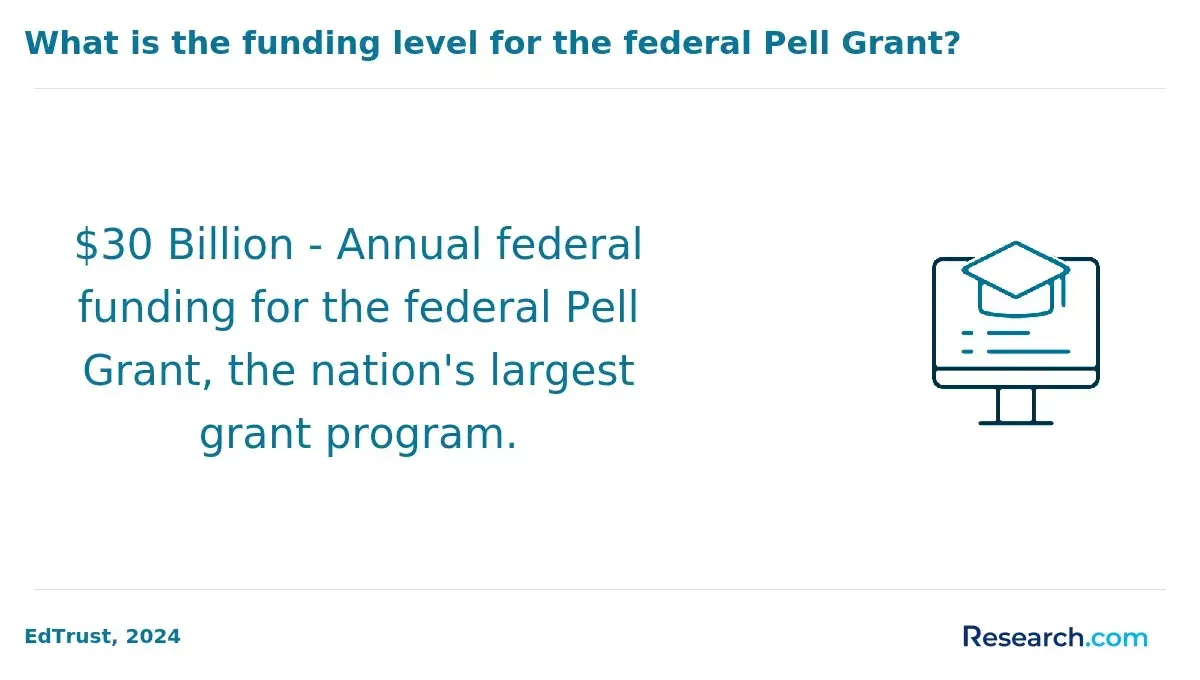
Both online and on-campus students pursuing psychopharmacology degrees typically qualify for financial aid, but eligibility and accessibility can vary depending on the program format and the institution's policies. Understanding these nuances is crucial for prospective students when exploring available resources.
Below is an overview of the main financial aid options available for both online and on-campus psychopharmacology students, highlighting key differences in how each applies across these learning formats.
- Federal Aid: Students in accredited programs, whether online or on-campus, are generally eligible for federal financial aid such as Direct Subsidized and Unsubsidized Loans, PLUS Loans for graduate students, and federal grants. Applying through the FAFSA is required, but some online-only programs may not qualify for federal aid, so verifying program status is essential.
- State Aid: State grants and scholarships typically support residents attending approved institutions in either format. However, some states limit aid to in-state public colleges or require physical on-campus attendance, making it important for online students to confirm state eligibility criteria.
- Scholarships and Grants: Scholarships and grants for campus-based psychopharmacology students often benefit from better institutional support and awareness on campus. Online students can still access scholarships from professional organizations and national foundations but might need to seek these opportunities more proactively.
- Employer Tuition Reimbursement: Many employers offer tuition reimbursement programs accessible to both online and on-campus students, with online study providing more flexibility for working professionals seeking to balance work and education.
- Private Student Loans: Private loans can fill financial gaps not covered by federal or institutional aid for all students. Online program participants must ensure their institution is recognized by lenders to qualify, and terms may vary widely compared to federal loans.
For those beginning their academic journey, exploring the fastest online associate's degree programs can be a practical first step while considering financial aid options.
Accreditation, faculty qualifications, and curriculum standards are critical factors underpinning the credibility of both online and on-campus psychopharmacology programs. Leading accrediting organizations, such as the American Psychological Association (APA), evaluate whether programs meet strict academic and training criteria, including comprehensive coursework in neuroscience and pharmacology alongside supervised clinical experience. Many reputable online programs employ nationally recognized experts and deliver evidence-based curricula with interactive learning platforms, ensuring students receive robust academic support comparable to traditional settings. This alignment helps online graduates acquire knowledge and skills equivalent to their on-campus peers, maintaining program integrity across formats.
Perceptions of online psychopharmacology degrees have evolved significantly among employers, academic institutions, and licensing bodies. Surveys reveal increasing employer acceptance, especially when programs are APA-accredited and provide substantial clinical training reflective of state licensing requirements. Licensing boards focus more on accreditation and clinical competencies than on whether education was conducted online or on-campus. Furthermore, advancements in virtual learning technology-such as real-time collaboration, virtual simulations, and partnerships with healthcare institutions-are bridging traditional credibility gaps. These innovations contribute to a growing respect for online pathways as viable options for advanced psychopharmacology practice and professional advancement.
Employers in the United States increasingly regard online psychopharmacology degrees as credible, particularly when the degree originates from a reputable, accredited university. Surveys reveal that 61% of human resource leaders believe online education matches or surpasses traditional formats in quality, and over 70% of organizations have hired candidates with online degrees within the past year. Despite this growing acceptance, certain sectors-especially healthcare and regulated fields-still tend to prefer on-campus degrees due to the demand for hands-on clinical training and practical experience. Ultimately, the reputation of the institution and its accreditation play a critical role; employers rarely differentiate between online and on-campus degrees when both come from respected schools. More influential than the degree format itself are the candidate's demonstrated skills, relevant certifications, and professional experience.
Employer attitudes toward online psychopharmacology degrees are also shaped by evolving workplace norms, including the rise of remote and hybrid work models. These changes have led employers to value attributes such as adaptability and self-motivation, qualities commonly associated with online graduates. Online programs additionally offer advantages in cost efficiency and scheduling flexibility, enabling students to balance education with work or family commitments. However, some surveys indicate a lingering preference for in-person graduates, who are often perceived to possess stronger leadership and communication skills. Regardless of format, the most crucial factors remain institutional quality, program accreditation, and the candidate's ability to articulate relevant competencies that align with job requirements.
When speaking with a professional who completed an online psychopharmacology degree, she reflected on her journey securing employment post-graduation. She noted that her program's strong accreditation and university reputation helped open doors, but it was her ability to showcase practical skills and certifications during interviews that truly impressed employers. She highlighted that her experiences balancing coursework with professional responsibilities developed her time management and self-discipline-traits employers value highly, especially in remote work settings. Although initially concerned about perceptions of online education, she found that demonstrating tangible results and adaptability overcame any skepticism. Her story underscores that while degree format may prompt questions, ultimately, proven abilities and qualifications dictate hiring success.
Salary comparisons between online and on-campus psychopharmacology graduates are increasingly shaped by various factors beyond the learning format itself. Prescriptive authority, state regulations, and employer perceptions play a more significant role in determining earning potential. Below is a breakdown of current salary trends and the main factors influencing salary outcomes for graduates from both pathways.
- Prescriptive Authority and Scope of Practice: Graduates with prescriptive authority in RxP states earn substantially higher salaries, ranging from $120,000 to $180,000, regardless of whether they completed their degree online or on-campus. Eligibility depends more on state licensing and accredited training than the program format.
- Employer Perception and Accreditation: Accredited online psychopharmacology degrees are widely recognized by employers as equivalent to on-campus credentials, reducing salary differences based on learning modality. However, some employers may still prefer traditional campus experience for roles emphasizing clinical supervision or research.
- Geographic Location and Market Demand: Location heavily impacts salaries, with urban and RxP-authorized states offering higher pay. Both online and on-campus graduates benefit equally from regional salary premiums, especially in cities like Los Angeles and New York, where prescribing psychologists can earn up to $166,500 annually.
- Cost, Flexibility, and Academic Support: Online programs typically have lower tuition costs ($40,000-$50,000 versus up to $90,000 on-campus) and flexible scheduling. These advantages can lead to reduced student debt and earlier workforce entry, indirectly affecting long-term earnings for online graduates.
- Career Pathways and Networking: Both formats prepare graduates for diverse roles such as private practice and telehealth. However, on-campus programs may offer stronger networking and direct faculty access, benefiting academic or clinical career tracks.
For those exploring degree options, consulting a list of best online colleges can help identify accredited programs that meet licensure standards and provide competitive career prospects in psychopharmacology.
Choosing between online and on-campus psychopharmacology programs depends on your personal learning preferences, lifestyle, and long-term professional goals. Both formats offer distinct advantages, so understanding what fits your needs is essential for success. Below are key factors to consider before deciding which format best aligns with your path.
When evaluating the best online psychopharmacology programs in the US and the campus-based psychopharmacology degree advantages, keep these points in mind:
- Learning Style: If you benefit from direct interaction, lively classroom debates, and hands-on experiences, an on-campus program offers a more immersive environment. Online formats suit independent learners who excel with virtual lectures and self-paced study but may also include live discussions and case studies for engagement.
- Flexibility Needs: Online programs typically provide greater scheduling flexibility, making it easier to balance courses with work or family responsibilities. Many are asynchronous, allowing access to materials any time, which is ideal for working professionals or those with unpredictable schedules.
- Budget and Cost: Online degrees often reduce expenses linked to commuting, relocation, and campus fees. Some online psychopharmacology programs offer scholarships or tuition fellowships for distance learners. However, consider all costs, including technology fees or required residencies, before deciding.
- Networking Opportunities: On-campus programs facilitate natural networking through face-to-face events, faculty connections, and peer collaboration. While online options increasingly improve virtual interaction with forums and live seminars, some students find it challenging to build professional networks solely online.
- Access to Campus Resources: Attending classes on campus often grants direct access to research labs, clinical placements, and career services. Online students may have more limited or virtual access unless enrolled in hybrid programs that include brief on-site residencies to fulfill practical requirements.
Understanding these factors will help you make an informed choice aligned with your professional goals and learning style. For additional insights on career options after completing your studies, explore what are three careers that trade school can prepare you for?
Here's What Graduates of Online vs On-Campus Psychopharmacology Programs Have to Say About Their Degree
- Judy: "Completing my psychopharmacology degree entirely online allowed me the flexibility to balance work, family, and school without compromising the quality of my education. The interactive virtual labs and live discussions made the learning experience engaging and collaborative, even from a distance. Starting my career equipped with an online degree has opened doors in telehealth, where demand for mental health professionals is rapidly growing. I feel empowered knowing I can contribute to wider communities who might otherwise lack access to care."
- Manuela: "The on-campus psychopharmacology program provided an immersive environment where I could connect face-to-face with professors and peers, fostering deep discussions and real-time feedback. This direct engagement accelerated my professional development, helping me gain confidence and network within the field. The hands-on clinical experiences offered invaluable practical skills that have been essential since beginning my career at a psychiatric hospital. I am grateful for the strong community support and lifelong friendships cultivated during my studies. "
- Chris: "Choosing a hybrid psychopharmacology degree gave me the perfect blend of flexibility and personal interaction, which was pivotal in managing my hectic schedule. The mix of online theory and on-site labs enriched my understanding and kept me motivated throughout the program. This unique learning format opened doors to diverse career opportunities, as employers have recognized my adaptability and comprehensive training. My passion for improving adolescent mental health has grown stronger through the collaborative projects and in-person mentorship I received."
Other Things You Should Know About Online & On-Campus Psychopharmacology Degree Programs
A psychopharmacology degree program should hold accreditation from a body recognized by the U.S. Department of Education or CHEA, and its coursework must meet the licensing rules of the relevant state board. For prescriptive authority, confirm the program aligns with the board of nursing, medicine, or pharmacy requirements.
Employers generally recognize accredited online degrees similarly to on-campus degrees if the curriculum and clinical components are equivalent. Accreditation and program reputation play critical roles in acceptance. However, some employers may prefer graduates with traditional hands-on training depending on the position.
In 2027, on-campus psychopharmacology programs offer benefits such as direct access to laboratory facilities, immediate instructor feedback, and networking opportunities. These aspects enhance tactile learning and real-time academic support, which are crucial for developing complex psychopharmacological skills and insights.
- Psychology Degree Salary: How Much You Should Expect https://bouve.northeastern.edu/news/psychology-degree-salary-how-much-you-should-expect/
- On-Campus vs. Online Master’s in Counseling | University of Bridgeport https://www.bridgeport.edu/news/on-campus-vs-online-counseling-degree/
- Online M.A. Psychopharmacology - The Chicago School https://www.thechicagoschool.edu/programs/psychology/clinical-psychopharmacology/ma/
- Psych Conversion: Online or On-Campus? https://www.thestudentroom.co.uk/showthread.php
- Can online psychology match the on-campus experience? https://www.studentvoice.ai/blog/studying-psychology-online-a-detailed-examination/
- Financial Aid For Psychology Students | Psychology.org https://www.psychology.org/resources/financial-aid/
- Online degree costs vs traditional degrees: which is more affordable? https://collegeonline.io/blogs/online-degree-costs-vs-traditional-degrees
- Online Degree vs Campus Degree: Pros and Cons https://www.anaadworldwide.com/blog/online-degree-vs-campus-degree-pros-and-cons/
- Online Master of Science in Clinical Psychopharmacology https://www.drake.edu/doce/programs/mscp/
- Why trust GlobalHealth Education? https://globalhealtheducation.com/au/resources/online-vs-on-campus-courses