2027 Physical Therapy Degree Careers Ranked by Salary, Growth, and Work-Life Balance

Co-Founder and Chief Data Scientist
Physical therapy is not one career decision; it is a series of choices about setting, specialty, employer type, location, and long-term lifestyle. A new graduate may prioritize loan repayment and salary. A mid-career clinician may want schedule control, less burnout, or a path into leadership. Someone comparing healthcare careers may be trying to understand whether physical therapy offers enough income growth to justify the education and licensure requirements.
This guide ranks and explains physical therapy degree career paths through three practical lenses: earning potential, job growth, and work-life balance. The source material cites Bureau of Labor Statistics projections of 21% growth for physical therapists from 2022 to 2032, which makes the field attractive, but growth alone does not determine whether a role is a good fit. The highest-paying jobs may involve heavier productivity expectations, evening coverage, travel, or leadership pressure. More predictable roles may pay less but offer better long-term sustainability.
Use this article as a decision framework, not a universal ranking. The best physical therapy career path depends on how you weigh compensation, advancement, patient population, schedule predictability, geographic flexibility, and your tolerance for administrative or physical demands.
Key Things to Know About Physical Therapy Degree Careers Ranked by Salary, Growth, and Work-Life Balance
- Salary for physical therapy careers varies widely-orthopedic and sports physical therapists often command higher median wages, reaching up to $95,000 annually according to recent labor statistics.
- Career growth for physical therapy professions is robust, with a projected 18% increase in demand by 2031 fueled by aging populations and increased injury rates.
- Work-life balance differs across settings-outpatient clinics tend to offer more predictable hours, whereas hospital roles may require longer shifts and on-call duties impacting lifestyle stability.
How Are Physical Therapy Degree Careers Evaluated and Ranked Across Salary, Growth, and Work-Life Balance?
Physical therapy careers should not be ranked by pay alone. A role with strong compensation may be less attractive if it comes with unpredictable hours, high documentation burden, weekend coverage, or limited advancement. This guide uses a three-part framework: salary, career growth, and work-life balance.
| Ranking factor | What it measures | Why it matters |
| Salary | Typical earnings using median wage information from the U.S. Bureau of Labor Statistics' Occupational Employment and Wage Statistics, along with role-specific salary patterns cited in the source material. | Helps readers compare starting income, mid-career potential, and whether additional credentials may be financially worthwhile. |
| Career growth | Ten-year employment projections, demand trends by setting, and expansion in outpatient, home health, specialty care, and leadership roles. | Shows where physical therapy graduates are more likely to find stable opportunities and advancement. |
| Work-life balance | Schedule predictability, weekly hours, stress level, remote or hybrid options, paid leave, autonomy, and employee satisfaction signals from sources such as the American Time Use Survey, Glassdoor, industry workforce surveys, Indeed, and Payscale. | Captures whether a career path is sustainable beyond the paycheck. |
The rankings are most useful when adjusted to individual priorities. A graduate focused on maximizing income may rank private outpatient clinics, sports rehabilitation, or leadership roles higher. A clinician with caregiving responsibilities may value school-based, outpatient, home health, or academic roles because they can offer more predictable schedules.
This guide discusses several physical therapy career directions, including outpatient physical therapist, sports physical therapist, pediatric physical therapist, geriatric physical therapist, home health physical therapist, academic physical therapist, rehabilitation director, and physical therapy administrator. Readers who are still comparing healthcare pathways may also want to consider related options, including less competitive nursing programs, especially if they are evaluating admissions difficulty, clinical requirements, and long-term healthcare mobility.
Which Physical Therapy Degree Career Paths Offer the Highest Starting and Mid-Career Salaries?
The highest-paying physical therapy career paths tend to combine specialized clinical expertise, complex patient needs, leadership responsibility, or private-sector demand. Salary varies by employer, region, experience, productivity expectations, and certification status, but the roles below commonly sit near the top of the physical therapy salary range described in the source material.
| Career path | Starting salary cited | Mid-career salary cited | Why pay can be higher |
| Physical therapy administrators and educators | Near $72,000 | Surpassing $100,000 | Leadership, program oversight, workforce development, and institutional responsibility. |
| Orthopedic physical therapists | Near $70,000 | $95,000 or more | Demand for musculoskeletal care, advanced clinical expertise, and private outpatient or orthopedic specialty center opportunities. |
| Neurological physical therapists | Around $68,000 | Up to $93,000 | Complex rehabilitation for stroke, spinal cord injuries, and neurodegenerative diseases. |
| Cardiopulmonary physical therapists | About $67,000 | Near $92,000 | Specialized care for post-cardiac and pulmonary rehabilitation patients. |
| Pediatric physical therapists | Near $65,000 | Can reach $90,000 | Specialized work with children who have developmental, congenital, or mobility-related conditions. |
Orthopedic physical therapists often earn strong salaries because musculoskeletal conditions are common and treatment demand is high. Compensation is typically strongest in private outpatient clinics and orthopedic specialty centers, although those settings may also involve productivity targets and a faster patient schedule.
Neurological physical therapists work with patients whose recovery often requires long-term, highly coordinated care. Large rehabilitation hospitals and urban medical centers may offer stronger compensation than smaller or rural facilities, but these roles can also involve emotionally complex cases and interdisciplinary demands.
Pediatric physical therapists may earn more in private children's hospitals and specialized clinics than in public schools or community health settings. The trade-off is important: school-based pediatric roles may pay less but can provide a more predictable academic calendar.
Cardiopulmonary physical therapists serve patients recovering from cardiac events, pulmonary illness, or chronic disease. Post-acute care facilities and cardiac specialty centers tend to offer better wages because the work requires targeted expertise and close coordination with medical teams.
Physical therapy administrators and educators can exceed clinical salary ceilings by moving into leadership, academic administration, program direction, or workforce development. These roles may offer stronger pay and influence, but they also shift the work away from direct patient care and toward budgeting, staffing, compliance, curriculum, or organizational strategy.
Location can change the salary picture substantially. Urban and private-sector roles may pay more, while rural, public, school-based, or community settings may offer better schedule stability or benefits. Clinicians who want to move beyond direct care can also pair clinical experience with management education, such as an accelerated healthcare management degree online, to pursue administrative opportunities in hospitals, rehabilitation systems, or healthcare organizations.
What Do the Bureau of Labor Statistics Job Growth Projections Reveal About the Future of Physical Therapy Degree Careers?
Bureau of Labor Statistics projections point to strong long-term demand for physical therapy services, especially outside traditional inpatient hospital settings. Outpatient care centers and home health services are projected to expand at a rate well above the national average of about 5-6%, largely because older adults need rehabilitation, fall prevention, post-surgical recovery support, and chronic condition management.
Where demand is strongest
- Outpatient care: More procedures and rehabilitation plans are shifting away from inpatient hospitals, creating demand for clinicians who can manage high-volume musculoskeletal, post-operative, and chronic pain caseloads.
- Home health: Aging populations and preference for care at home support growth for therapists comfortable with travel, autonomy, and one-on-one patient environments.
- Specialty rehabilitation: Pediatric therapy, sports rehabilitation, vestibular therapy, neurological rehabilitation, and geriatric care may offer localized demand even when broader markets vary.
- Technology-enabled care: Telehealth and digital therapeutic tools can expand access, particularly for follow-up visits, exercise progression, patient education, and care coordination.
Demand drivers to watch
- Population aging: Older adults often need support after surgery, hospitalization, falls, joint replacement, or chronic mobility decline.
- Healthcare cost control: Shorter hospital stays can push rehabilitation into outpatient, post-acute, and home-based settings.
- Preventive care and wellness: Funding for preventive care and community health programs can expand the role of physical therapists beyond injury recovery.
- Technology adoption: Telehealth, remote monitoring, and therapeutic tools may change how follow-up care and patient engagement are delivered.
Hospital-based employment may grow more slowly or plateau in some markets because healthcare systems continue to reduce inpatient stays and shift appropriate services to lower-cost settings. That does not make hospital experience unimportant; acute care and inpatient rehabilitation can build strong clinical judgment. However, graduates who want maximum job mobility should consider gaining experience in settings with durable demand, such as outpatient, home health, and high-need specialties.
A physical therapy professional who recently completed a degree described the market this way: "Navigating the job market was challenging at first-there's a lot of uncertainty about which settings would offer stability long-term. Focusing on outpatient services and gaining experience with telehealth really opened doors. The learning curve was steep, especially adapting to new technologies, but it felt rewarding to help patients remotely. I've also seen how important it is to be flexible and consider niche specialties-this growth approach felt like the best way to future-proof my career."
The practical takeaway is clear: national projections are useful, but local demand matters. Before choosing a specialty or employer, review regional job postings, talk with clinical instructors and alumni, and compare openings across outpatient clinics, hospitals, schools, skilled nursing, pediatric practices, sports medicine groups, and home health agencies.
How Is Work-Life Balance Defined and Measured Across Physical Therapy Degree Career Paths?
Work-life balance in physical therapy is best measured by more than weekly hours. A therapist may work 40 hours but feel burned out because of documentation, productivity requirements, emotional labor, or unpredictable scheduling. Another may work a similar number of hours but have better control over caseload, appointment pacing, and time off.
| Work-life balance metric | What to evaluate before accepting a role |
| Weekly hours | Whether the role is usually 35-40 hours, regularly exceeds 45 hours, or requires unpaid documentation time. |
| Schedule consistency | Whether shifts are predictable or include rotating weekends, evenings, holidays, or on-call coverage. |
| Caseload and productivity | How many patients are scheduled per day, whether double-booking occurs, and how documentation time is handled. |
| Remote or hybrid work | Whether telehealth, administrative work, education, utilization review, or consulting can be done remotely. |
| Paid leave and benefits | How PTO, sick leave, parental leave, continuing education support, and health insurance compare across employers. |
| Employee satisfaction | Patterns in Glassdoor, Indeed, Payscale, and workforce survey feedback, especially around management support and burnout. |
Outpatient therapists often work 35-40 hours weekly with more predictable business-hour schedules than many hospital-based therapists. Hospital roles may involve shifts exceeding 45 hours, weekend rotations, or less control over daily patient flow. Home health can offer autonomy and scheduling control, but travel, documentation, and cancellations can affect personal time.
Remote options remain limited because most physical therapy care requires hands-on assessment and treatment. Still, telehealth, patient education, care coordination, academic teaching, and administrative roles are creating more flexible pathways for some professionals.
Career stage also matters. Early-career physical therapy graduates may have less leverage over schedule, caseload, and preferred setting. Experienced clinicians can often negotiate better hours, move into specialty practice, transition into education or management, or choose employers with stronger staffing models. Students comparing programs and costs may also look at no application fee colleges as one way to reduce upfront barriers while exploring education options aligned with long-term lifestyle goals.
Which Physical Therapy Career Paths Rank Highest When Salary, Growth, and Work-Life Balance Are Weighted Together?
When salary, growth, and work-life balance are weighted together, the strongest physical therapy career paths are not always the highest-paying ones. The best overall options combine reliable demand, reasonable income, and a schedule that professionals can sustain over many years.
| Career path | Overall strength | Main trade-off |
| Outpatient Physical Therapist | Strong mix of wages, demand, and predictable hours. | Productivity expectations can be high in some clinics. |
| Rehabilitation Director | High compensation and organizational influence. | Leadership pressure, staffing issues, and administrative workload can affect balance. |
| Pediatric Physical Therapist | Good growth and often more flexible or structured schedules. | Salary depends heavily on whether the role is in schools, hospitals, or private clinics. |
| Sports Physical Therapist | Competitive pay and appealing patient population for clinicians interested in athletics. | Evenings, weekends, events, and travel may reduce predictability. |
| Geriatric Physical Therapist | Rising demand tied to aging populations and broad employment settings. | Physical demands and documentation burden can vary by facility. |
| Home Health Physical Therapist | Competitive income, autonomy, and strong demand. | Travel time, patient cancellations, and route planning can disrupt the day. |
| Academic Physical Therapist | Excellent stability, intellectual engagement, and schedule predictability. | Salaries tend to be lower than top clinical leadership roles. |
Outpatient physical therapy ranks highly because it offers a practical balance: strong demand, broad hiring markets, and more predictable hours than many inpatient or event-based roles. It is often a good default path for graduates who want clinical experience without committing immediately to a narrow specialty.
Rehabilitation director can be a strong option for experienced clinicians who want higher compensation and decision-making authority. However, the role is less about direct patient care and more about staffing, operations, compliance, quality metrics, and budgets.
Pediatric and academic roles may appeal to professionals who value structured schedules, long-term relationships, and professional stability. These paths may not maximize income, but they can reduce burnout risk for clinicians who prefer predictability.
Sports and home health roles can offer strong rewards but require honest self-assessment. Sports therapy may involve irregular hours. Home health offers autonomy but requires comfort with travel, variable environments, and independent decision-making.
A physical therapy professional reflected that weighing salary against growth and work-life balance was a constant part of career planning. After beginning in positions with demanding hours, she later moved into outpatient work that better supported her personal life. Her experience highlights a useful lesson: the first job does not have to be the final destination, but early choices can shape skills, confidence, and future leverage.
How Does Specialization Within Physical Therapy Fields Affect Salary, Career Growth, and Work-Life Balance Outcomes?
Specialization can improve a physical therapist's marketability, salary ceiling, and professional identity. It can also narrow the type of work performed and, in some cases, create schedule demands that are less predictable than general practice. The best specialty is the one that fits both clinical interests and lifestyle goals.
| Specialization | Potential salary effect | Growth outlook | Work-life balance considerations |
| Orthopedic physical therapy | Often higher pay, especially in private outpatient and specialty settings. | Strong demand because musculoskeletal conditions are common. | Clinic productivity expectations may be demanding. |
| Sports physical therapy | Can be competitive, particularly with athletic organizations and specialized clinics. | Steady demand in sports medicine and performance-focused settings. | Evening, weekend, event-based, and travel schedules may be common. |
| Pediatric physical therapy | Moderate to strong pay depending on setting. | Strong employment prospects in schools, hospitals, and specialized clinics. | School and clinic roles can offer more predictable schedules. |
| Geriatric physical therapy | Solid pay with broad demand. | Expanding rapidly because of an aging population. | Settings vary widely, from home health to skilled nursing to outpatient care. |
| Neurological physical therapy | Often above-average salaries due to complex expertise. | Strong need for stroke, spinal cord injury, and neurodegenerative disease rehabilitation. | Cases can be clinically complex and emotionally demanding. |
The field overall is projected to grow by 18% through 2032, according to the source material, but the benefits of specialization are not evenly distributed. Geriatric care is closely tied to demographic demand. Orthopedic and sports roles may offer stronger private-sector compensation. Pediatric and neurological therapy can provide meaningful specialization but require patience, communication skill, and comfort with long-term progress tracking.
Specialization may require focused graduate coursework, clinical experience, residency training, and formal certification through recognized boards such as the American Board of Physical Therapy Specialties. These investments can strengthen credibility and open doors to better roles, but they should be chosen with a clear goal. Accumulating credentials without a defined career direction can increase cost and stress without improving outcomes.
- Choose early specialization if: you already know the patient population you want, want faster role clarity, and are willing to complete focused training.
- Stay broader at first if: you want to compare settings, build general clinical judgment, or keep leadership and administrative options open.
- Consider switching later if: your current caseload is causing burnout or a new specialty better matches your lifestyle and strengths.
Recent studies indicate nearly 30% of physical therapists intend to pursue specialty certifications within five years, which reflects a broader trend toward expert-driven career development. The key is to pursue certification because it supports a specific career strategy, not simply because specialization appears prestigious.
How Does Geographic Location Shape Salary, Job Growth, and Work-Life Balance for Physical Therapy Graduates?
Geography affects physical therapy careers in three connected ways: pay, purchasing power, and daily quality of life. A high salary in an expensive metropolitan area may not go as far as a moderate salary in a more affordable city. Commute time, housing costs, taxes, patient demand, and employer competition can change the real value of a job offer.
| Region | Salary and growth pattern | Work-life balance considerations |
| Northeast | Boston and New York offer relatively high salaries, with steady employment growth supported by aging populations. | High living costs, taxes, dense traffic, and urban congestion can reduce the practical benefit of higher pay. |
| Southeast | Atlanta and Miami offer moderate salaries, with expanding healthcare infrastructure supporting job growth. | Lower living expenses in many markets can improve overall affordability; smaller markets may reduce commute stress. |
| Midwest | Chicago and Minneapolis offer moderate pay and robust job prospects. | Lower costs of living and community-focused environments can support favorable financial outcomes and balanced lifestyles. |
| Southwest | Dallas and Phoenix provide competitive compensation and strong employment growth fueled by population increases. | Suburban and smaller cities may offer more affordable living and manageable daily routines. |
| West | San Francisco and Seattle offer high salaries and vibrant job growth. | Housing costs and longer commutes can strain work-life balance despite higher wages. |
Top-paying metropolitan areas can be attractive for early-career professionals who want specialized experience, large hospital systems, or private practice opportunities. However, graduates should compare net income after rent or mortgage costs, taxes, transportation, childcare, and loan payments. Mid-tier markets can sometimes produce better real financial outcomes even when the headline salary is lower.
Smaller cities and suburban markets may also offer faster hiring, closer patient relationships, and less competition for desirable roles. Rural areas may provide meaningful opportunities, but candidates should examine professional support, mentorship availability, caseload variety, and continuing education access before accepting an offer.
Remote and hybrid work have begun to reduce the importance of location in select physical therapy specializations, especially telehealth, education, consulting, and administrative work. Even so, most physical therapy roles remain tied to local patient care, so geographic planning remains central to salary, growth, and lifestyle outcomes.
How Do Public Sector and Private Sector Physical Therapy Careers Compare Across All Three Ranking Dimensions?
Public and private sector physical therapy careers can both be excellent choices, but they reward different priorities. Private employers often compete through salary, specialization, productivity-based incentives, and faster operational change. Public sector employers may offer stronger benefits, schedule predictability, pension value, and loan forgiveness eligibility.
| Comparison point | Public sector physical therapy | Private sector physical therapy |
| Salary | Entry-level base pay may be lower, but benefits can significantly improve total compensation. | Entry-level roles frequently offer higher base salaries, especially in outpatient, specialty, and private clinic settings. |
| Benefits | May include defined-benefit pensions, eligibility for loan forgiveness programs, and comprehensive health insurance. | Benefits vary widely by employer; some offer bonuses, continuing education support, or flexible schedules. |
| Growth | Opportunities exist in veterans' healthcare, state and local health departments, and federally funded rehabilitation initiatives. | Growth is strong in outpatient clinics, specialized rehabilitation centers, wellness facilities, and consumer-driven care models. |
| Work-life balance | Often more predictable schedules and generous leave policies. | Can offer flexibility and part-time options, but hours and workload may vary more by setting. |
| Best fit | Clinicians who value stability, benefits, public service, and long-term security. | Clinicians who want higher earning potential, faster specialization, entrepreneurship, or varied practice models. |
Public sector roles can be especially appealing for professionals managing student debt because non-salary benefits may change the long-term financial equation. Defined-benefit pensions, loan forgiveness eligibility, and comprehensive health insurance can reduce the apparent gap between public and private pay.
Private sector roles may be better for clinicians who want higher early earnings, faster exposure to specialty caseloads, or opportunities to become clinic directors, partners, consultants, or owners. The trade-off is that private clinics may use productivity benchmarks, evening hours, or heavier patient volume depending on the business model.
The right choice depends on total compensation, not salary alone. Before deciding, compare base pay, retirement contributions, health insurance premiums, PTO, continuing education funding, documentation expectations, caseload volume, and promotion pathways. Professionals exploring broader healthcare advancement options may also research programs such as an online PharmD, especially if they are considering clinical, administrative, or interdisciplinary healthcare careers beyond physical therapy.
What Role Do Advanced Degrees and Certifications Play in Improving Salary, Growth, and Balance for Physical Therapy Professionals?
Advanced degrees and certifications can improve salary, career mobility, and professional autonomy, but only when they match a clear career goal. Credentials require time, money, exam preparation, clinical hours, and often additional stress. The return is strongest when a credential leads directly to a specialty role, leadership position, teaching opportunity, or higher-value employer market.
| Credential or pathway | Salary impact cited | Career growth effect | Work-life balance effect |
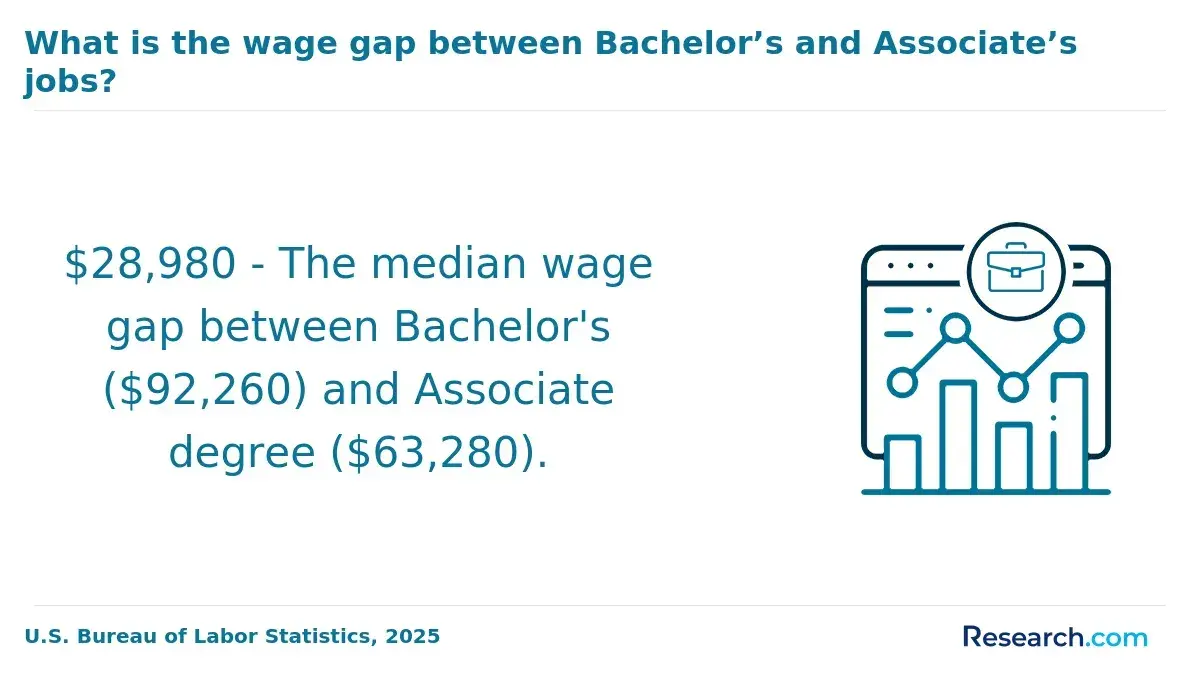
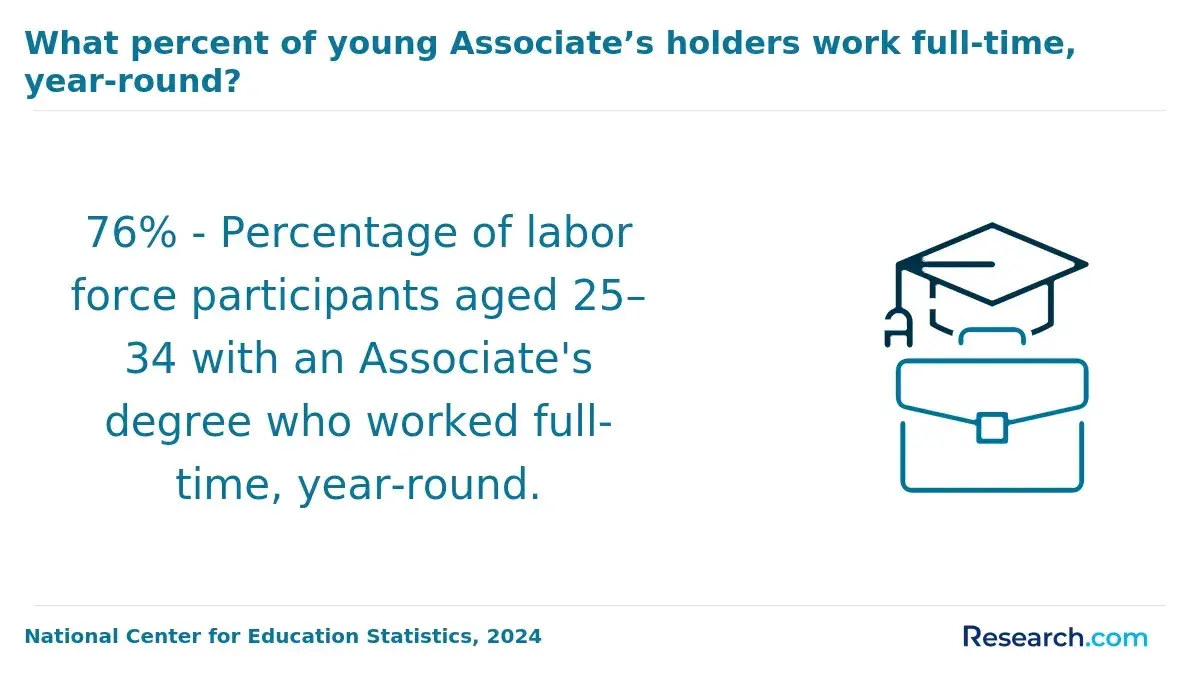
| Doctor of Physical Therapy (DPT) | Generally increases median salary by 15-25% compared with a bachelor's degree, according to the source material. | Now the standard entry-level credential and supports eligibility for clinical practice roles and specialized residencies. | Can improve long-term options, but requires an additional three years of study with substantial tuition investment. |
| Board certifications | Can bring an additional 10-20% salary premium. | Supports specialization in areas such as orthopedics, geriatrics, or sports physical therapy. | May improve autonomy and caseload fit, but requires post-professional education, clinical hours, and examination fees. |
| Leadership, management, or education credentials | Can support pay increases of 20-30% compared to clinical roles. | Opens senior positions in administration, education, program management, and organizational leadership. | May reduce direct patient care while increasing schedule control for some professionals. |
The DPT is the baseline credential for modern physical therapy practice. For students, the main question is not whether the DPT is useful, but whether the cost, school choice, clinical placements, and licensure preparation align with expected career outcomes. Accreditation, board exam preparation, clinical education quality, and debt load should be evaluated carefully.
Board certification can be a strong move for clinicians who already know their desired specialty. Orthopedics, geriatrics, sports, and other certifications can improve credibility and help candidates compete for preferred roles. However, certification should not be treated as a guaranteed salary increase. The value depends on employer demand, local competition, payer mix, and whether the credential changes the work you are qualified to do.
Leadership and education credentials can help experienced clinicians move into management, academic, or administrative roles. These positions may offer higher pay and more schedule control, but they also come with responsibility for staffing, compliance, budgeting, curriculum, or organizational outcomes. For professionals comparing accelerated healthcare pathways, reviewing nurse practitioner courses can also provide context on how other clinical fields structure advanced practice education.
The best credential strategy is targeted: identify the role you want, confirm which credential employers actually prefer, estimate the cost and time required, and compare that investment with the salary, growth, and lifestyle benefits likely to follow.
How Do Remote and Hybrid Work Arrangements Affect the Salary, Growth, and Work-Life Balance Rankings for Physical Therapy Careers?
Remote and hybrid work can improve work-life balance for some physical therapy professionals, but it does not apply equally across the field. Most physical therapy still requires hands-on evaluation, manual intervention, movement assessment, equipment use, and in-person patient interaction. Fully remote roles are more common in telehealth, education, administration, consulting, utilization review, documentation review, and care coordination.
Data from LinkedIn Workforce Insights and Owl Labs' 2023 State of Remote Work report indicate that roughly 18% of physical therapy professionals have remote flexibility, often in administrative, educational, or telehealth functions. This means remote work is a meaningful but still limited part of the profession.
| Remote or hybrid role type | Salary effect | Growth effect | Balance effect |
| Telehealth physical therapy | Often comparable to clinic roles, with some modest premiums for specialized expertise or convenience. | Growth depends on payer rules, patient acceptance, and employer investment in virtual care. | Can reduce commuting and improve scheduling flexibility. |
| Education and academic work | May pay less than high-end clinical leadership roles. | Stable for clinicians interested in teaching, curriculum, and research. | Often predictable, with potential flexibility in course delivery or academic scheduling. |
| Administration and consulting | Can be competitive, especially for experienced clinicians. | Strong for professionals who understand operations, compliance, quality, or care models. | Hybrid work may improve autonomy but can also blur work-home boundaries. |
Remote flexibility can change the real value of compensation. A therapist earning a market-aligned salary while living in a more affordable area may improve purchasing power, even if the base salary is not the highest available. However, the highest salary levels often remain in direct clinical specialties that require in-person care, such as orthopedics and sports medicine.
Remote workers should also think about career visibility. Some professionals may experience slower advancement if they have fewer informal interactions with supervisors and teams. Others may progress well if performance metrics are clear, communication is strong, and the employer has a mature remote culture.
The biggest work-life benefits are reduced commuting, flexible scheduling, and more autonomy. The risks include isolation, blurred boundaries, documentation spillover, and an "always-on" work culture. Remote or hybrid physical therapy roles are best for professionals who are self-directed, comfortable with technology, and able to maintain clear boundaries between work and personal time.
Which Physical Therapy Degree Careers Offer the Best Work-Life Balance Without Significantly Sacrificing Salary or Growth?
The best work-life balance roles in physical therapy usually share three traits: predictable schedules, manageable caseloads, and enough demand to support stable employment. These roles may not always produce the highest peak salaries, but they can offer strong long-term value by reducing burnout and supporting consistent career growth.
| Career path | Why balance is strong | Salary and growth profile cited |
| Outpatient Clinic Physical Therapist | Standard business hours are common, and many roles provide routine schedules in private practices or rehabilitation centers. | Salaries average between $85,000 and $95,000 annually, supported by growing outpatient demand. |
| School-Based Physical Therapist | Academic calendars often include weekends, holidays, and school breaks. | Salaries tend to be around $70,000 to $80,000, with steady demand tied to federal and state education mandates. |
| Home Health Physical Therapist | High autonomy and the ability to shape daily scheduling can support personal priorities. | Compensation is competitive with outpatient roles and may include travel reimbursements; demand is supported by aging population trends. |
| Physical Therapy Academic/Education Specialist | Teaching and research roles often provide controlled hours, intellectual engagement, and possible sabbatical structures. | Advancement may come through tenure, funded research projects, teaching responsibility, or academic leadership. |
Outpatient clinic physical therapy is often the best all-around option for clinicians who want solid income without the disruption of rotating hospital shifts. The main caution is productivity pressure; candidates should ask how many patients are scheduled per hour, whether double-booking occurs, and how documentation time is protected.
School-based physical therapy can be attractive for therapists who want a structured calendar and predictable hours. The trade-off is that pay may be lower than private clinical roles, and the work requires comfort with education plans, school teams, documentation, and pediatric communication.
Home health physical therapy offers flexibility and autonomy, but it is not automatically easy. Travel, cancellations, weather, safety considerations, and documentation can affect the day. It is strongest for clinicians who are independent, organized, and comfortable working in varied home environments.
Academic and education roles are ideal for professionals who enjoy teaching, mentoring, research, and curriculum development. These roles may provide excellent work-life balance, but career advancement can depend on institutional expectations, publishing, funding, and academic rank.
The source material notes that BLS data forecasts a 14% employment growth for physical therapists through 2032-among the fastest rates in healthcare. For career planning, that means graduates do not have to choose only the highest-paying role to find opportunity. A balanced role with strong demand and a sustainable schedule may be the better long-term decision.
What Graduates Say About the Physical Therapy Degree Careers Ranked by Salary, Growth, and Work-Life Balance
- Otis: "Choosing a physical therapy career turned out to be a fantastic decision-especially when I consider the salary potential, which is quite competitive in healthcare. The long-term growth prospects make this field exciting, as advancements in treatment keep the profession dynamic. I also appreciate the balanced day-to-day routine, which leaves enough time for personal interests without sacrificing professional fulfillment."
- Ronan: "Reflecting on my journey in physical therapy, I realize how important career growth has been to me-there's a clear path upwards with expanding specializations. Although the salary isn't the highest in healthcare, it's consistent and rewarding. The daily work-life balance can vary but overall offers a satisfying blend of patient interaction and administrative duties."
- Brooks: "From a practical standpoint, physical therapy provides a solid salary that reflects the expertise required. The potential for long-term career advancement is impressive, with plenty of opportunities to branch into education or research. Day-to-day, I enjoy the variability and flexibility that this profession offers-it's challenging but maintains a manageable rhythm."
Other Things You Should Know About Physical Therapy Degrees
The sector where a physical therapy professional works significantly influences salary and lifestyle. For example, those in private outpatient clinics usually experience higher salaries and better work-life balance compared to those working in hospitals or long-term care facilities, which can demand longer or irregular hours. Additionally, sectors such as sports or pediatrics may offer unique growth opportunities but vary widely in compensation and scheduling.
Graduates should seek positions that offer robust mentorship and opportunities for specialization, as certifications in areas like orthopedics or geriatrics can lead to higher pay and advancement. Balancing workload early on by negotiating reasonable hours can also preserve work-life balance. Choosing employers who value professional development and provide clear career paths helps maximize growth and satisfaction over time.
Reports from practitioners indicate that salary satisfaction tends to improve with specialization and experience, while career advancement is closely tied to continuous education and networking. Work-life balance experiences vary greatly depending on the workplace setting and personal boundaries. Many emphasize the importance of choosing roles that align with individual lifestyle priorities to maintain long-term career satisfaction.
References
- Work-Life Balance for Physical and Occupational Therapists https://thenoteninjas.com/blog/f/work-life-balance-for-physical-and-occupational-therapists
- 10 Physical Therapy Specialties for the Aspiring Careerist https://lifeatalliance.com/10-types-of-physical-therapy-specialties-for-the-aspiring-careerist/
- Why Board Specialist Certifications Elevate Your Physical Therapy Career - CORA Physical Therapy https://coraphysicaltherapy.com/blog/board-specialist-certification-physical-therapy/
- Specialization in Physical Therapy: Complete Guide for PTs https://medcadre.com/a-guide-to-specialization-in-physical-therapy/
- Physical Therapy Job Outlook & Salary | George Fox University https://www.georgefox.edu/physical-therapy/career.html
- The Impact of Remote Work on Physical Health (and How to Fix It) https://strivephysmed.com/2025/03/the-impact-of-remote-work-on-physical-health-and-how-to-fix-it/
- The Hidden Cost of Flexibility: How Remote Work Shapes Mental Health and Work Life Balance https://sites.aub.edu.lb/datavisualization/2025/11/24/the-hidden-cost-of-flexibility-how-remote-work-shapes-mental-health-and-work-life-balance/
- Physical Therapy Salary Guide: What PTs and DPTs Really Earn in 2026 - Highbar Health https://www.highbarhealth.com/physical-therapy-salary/
- The Impact of Certifications on Physical Therapist Career Growth https://learntastic.com/blog/how-can-certifications-help-physical-therapists-provide-better-care
- Physical Therapy Career Outlook 2025 – Salary & Growth Trends https://www.sprypt.com/blog/pt-industry-in-2025