2027 PhD vs Professional Doctorate in English Language Learning: Key Differences, Careers, and Salary Outcomes

Co-Founder and Chief Data Scientist
Choosing between a PhD and a professional doctorate in English Language Learning is really a choice between producing new research and solving advanced practice problems. The decision matters because doctoral-level roles sit in different labor markets: the BLS reported a $83,980 median annual wage for postsecondary teachers in May 2024, while leadership and training roles can follow different pay patterns.
This guide is for educators, TESOL professionals, curriculum leaders, and researchers comparing degree focus, time, cost, careers, salary outcomes, and return on investment.
Key Things You Should Know
- A PhD in English Language Learning is usually best for original research, university teaching, applied linguistics scholarship, and policy research; a professional doctorate is usually best for senior practice roles in TESOL leadership, curriculum design, teacher education, and institutional improvement.
- Salary depends more on occupation and employer than on the doctorate name: BLS May 2024 median pay was $83,980 for postsecondary teachers and $127,090 for training and development managers, but neither degree guarantees those outcomes.
- Funding is often the biggest practical difference: full-time PhD programs are more likely to offer assistantships or tuition remission, while professional doctorates are commonly designed for working adults and may rely more on employer tuition benefits, savings, or federal graduate loans.
What Is the Difference Between a PhD and a Professional Doctorate in English Language Learning?
A PhD in English Language Learning is a research doctorate. In this field, it may be housed in applied linguistics, second language acquisition, TESOL, literacy education, language education, or curriculum and instruction. Its main purpose is to train scholars who can design studies, publish research, teach at the university level, and contribute new knowledge about how people learn, teach, assess, and use English.
A professional doctorate, often an EdD in TESOL, language education, curriculum and instruction, educational leadership, or literacy, is a practice-focused doctorate. It still requires advanced research literacy, but the goal is usually to improve a real educational setting, program, policy, curriculum, assessment system, or teacher-development model.
The table below summarizes the most important differences. Use it as a first filter before comparing individual programs, because universities often use different degree names for similar areas of study.
| Comparison point | PhD in English Language Learning | Professional doctorate in English Language Learning |
| Main purpose | Create original research and contribute to theory, evidence, and scholarly debate. | Apply research to improve practice, programs, instruction, assessment, or leadership. |
| Best fit | Future professors, researchers, policy analysts, language acquisition scholars, and academic writers. | Experienced educators, TESOL directors, curriculum leaders, instructional designers, school or district leaders, and teacher educators. |
| Research style | Often emphasizes theory building, empirical design, statistics, qualitative inquiry, discourse analysis, or corpus-based research. | Often emphasizes action research, improvement science, program evaluation, applied inquiry, and evidence-based change. |
| Typical final project | Dissertation that makes an original scholarly contribution. | Dissertation in practice, capstone, applied research project, or improvement project, depending on the school. |
| Career signal | Signals preparation for research-intensive and academic careers. | Signals preparation for advanced professional leadership and applied problem-solving. |
The most common mistake is assuming one doctorate is automatically more respected. Employers usually care about fit: research universities may prefer a PhD for tenure-track roles, while school systems, adult education providers, language institutes, nonprofits, and education companies may value a practice doctorate when the work centers on implementation and leadership.
How Do PhD and Professional Doctorate Curricula, Research, and Capstone Requirements Differ in English Language Learning?
Both doctorate types require advanced study in language learning, research methods, and educational theory. The difference is how the coursework is used: a PhD prepares you to ask research questions that expand the field, while a professional doctorate prepares you to use research to improve measurable outcomes in real settings.
The table below compares the academic work you are likely to encounter. Individual programs vary, so confirm the dissertation or capstone model before applying.
| Program component | PhD emphasis | Professional doctorate emphasis |
| Core language-learning study | Second language acquisition, sociolinguistics, psycholinguistics, bilingualism, language assessment, discourse, and research traditions. | TESOL program design, literacy development, multilingual learner support, curriculum leadership, assessment systems, and instructional improvement. |
| Research methods | Usually deeper sequencing in quantitative, qualitative, mixed methods, or specialized methods such as corpus linguistics or experimental design. | Usually focused on applied research, program evaluation, practitioner inquiry, improvement cycles, and data-informed decision-making. |
| Teaching preparation | May include university teaching assistantships, academic publishing, conference presentations, and research apprenticeships. | May include leadership projects, field-based inquiry, professional learning design, coaching models, and organizational change. |
| Final requirement | A dissertation that advances scholarship and is often expected to support publications. | A dissertation in practice or capstone that addresses a defined professional problem and produces evidence-based recommendations. |
| Evaluation standard | Original contribution to knowledge, methodological rigor, and scholarly significance. | Practical relevance, evidence quality, implementation value, and impact on a learning environment. |
For a PhD, a strong dissertation might examine how multilingual adults acquire academic vocabulary across digital learning environments. For a professional doctorate, a strong capstone might evaluate whether a district's English learner coaching model improves teacher practice and student language outcomes. Both can be rigorous, but they answer different kinds of questions.
AI is also changing doctoral work in this field. Programs increasingly expect students to understand AI-assisted writing tools, automated feedback, translation technologies, learning analytics, and ethical issues in language assessment. A research-focused student may study these tools; a practice-focused student may lead policies for responsible use in classrooms or language programs.
What Are the Admissions Requirements for a PhD vs Professional Doctorate in English Language Learning?
Admissions requirements overlap, but committees evaluate applicants differently. PhD programs usually look for research potential, while professional doctorates usually look for leadership experience, professional impact, and a clear practice problem the applicant wants to solve.
Most applicants should expect some combination of the following requirements. The stronger your materials are in the degree's main focus area, the more coherent your application will be.
- Master's degree: Many programs prefer or require a master's in TESOL, applied linguistics, education, literacy, curriculum and instruction, English, or a related field.
- Academic record: Competitive doctoral programs often review graduate GPA closely, especially in research methods, linguistics, education, and writing-intensive courses.
- Statement of purpose: PhD statements should identify research interests and potential faculty alignment; professional doctorate statements should connect experience to a real instructional, organizational, or equity problem.
- Writing sample: PhD programs may prefer research papers, thesis chapters, or publications; professional doctorates may accept applied reports, curriculum work, policy analyses, or scholarly essays.
- Recommendations: PhD recommenders should speak to research ability; professional doctorate recommenders should also address leadership, collaboration, and impact in practice.
- Professional experience: Often more important for EdD and other professional doctorates, especially programs built for working educators or administrators.
- English proficiency: International applicants may need TOEFL, IELTS, or Duolingo English Test scores, depending on institutional policy.
Some professional educators enter a doctorate after earning an Education Specialist credential. If that describes you, compare bridge options such as EDS to EdD programs, because they may recognize prior advanced graduate work differently from traditional doctoral admissions pathways.
Before applying, ask whether the program has faculty who specialize in multilingual learners, TESOL, second language writing, assessment, bilingual education, adult ESL, language policy, or the specific population you want to serve. A prestigious doctorate with poor faculty fit can be less useful than a targeted program with the right mentors.
How Long Does a PhD vs Professional Doctorate in English Language Learning Take, and Can You Work While Studying?
Time to completion depends on enrollment status, dissertation pace, transfer credits, residency requirements, and whether you study while working. In general, PhD programs are more likely to require full-time research immersion, while professional doctorates are more likely to offer part-time, cohort-based, online, or hybrid formats.
The table below gives realistic planning ranges rather than guarantees. Use it to estimate opportunity cost, not just calendar time.
| Factor | PhD path | Professional doctorate path |
| Typical structure | Full-time coursework, research apprenticeship, comprehensive exams, proposal, dissertation, and defense. | Part-time or cohort coursework, applied research sequence, leadership or practice labs, capstone or dissertation in practice. |
| Common completion range | Often about 4 to 7 years, with longer timelines when dissertation research, data collection, or academic job preparation extends the process. | Often about 3 to 5 years, with accelerated or extended options depending on transfer credits and work schedule. |
| Work compatibility | Possible, but full-time funded PhD programs may limit outside employment because assistantships and research duties are demanding. | Usually more compatible with full-time employment, especially online and low-residency EdD formats. |
| Main time risk | Dissertation scope becomes too broad, data access is delayed, or faculty fit changes. | Work responsibilities interfere with capstone progress, field-site access, or implementation timelines. |
Accelerated professional doctorate options can be attractive, but speed should not be the only criterion. If you are comparing 1 year EdD programs online, look carefully at credit requirements, dissertation expectations, transfer-credit assumptions, accreditation, faculty expertise, and whether the pace is realistic for your job and family responsibilities.
A practical rule is to map the doctorate onto your weekly life before you apply. If you cannot reserve consistent time for reading, writing, data analysis, and meetings, even a flexible program can become expensive and slow. For many working educators, the best program is the one with a structure they can sustain for several years.
How Much Does a PhD vs Professional Doctorate in English Language Learning Cost, and Which Offers Better Funding?
Cost is one of the clearest differences between the two paths. PhD programs in education, applied linguistics, or language learning may offer assistantships, fellowships, tuition remission, and stipends, especially for full-time students. Professional doctorates are more often tuition-driven programs for working professionals, although some employers, districts, and universities provide support.
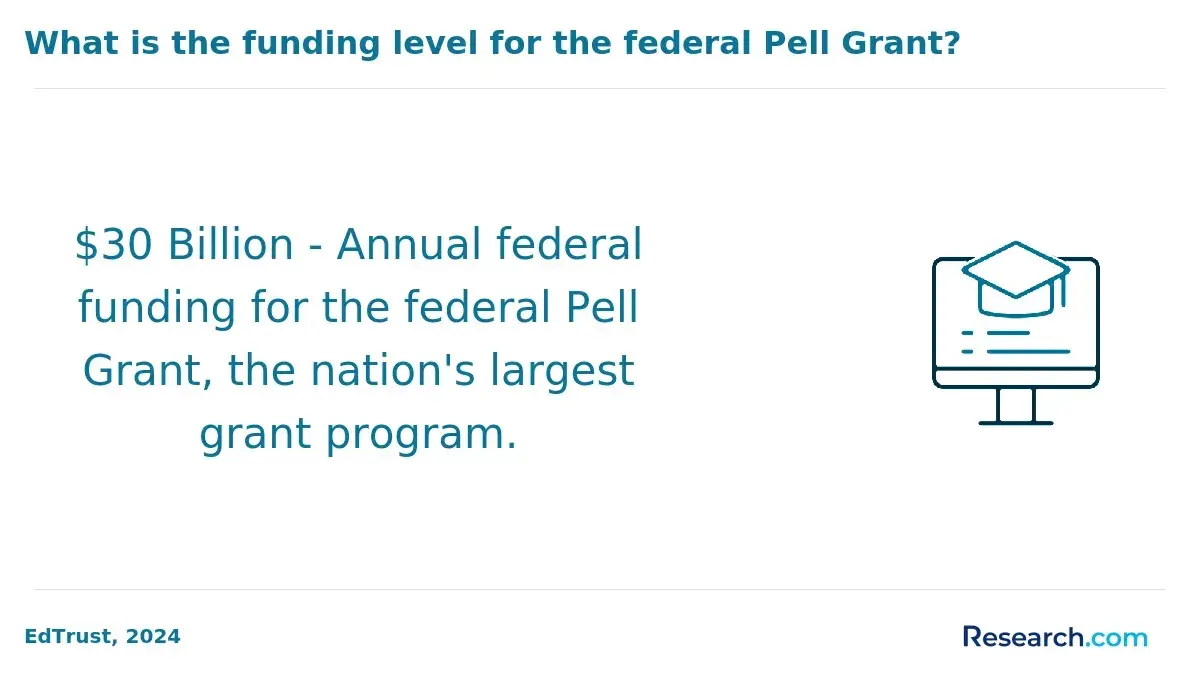
Federal loan terms matter because many doctoral students use loans to cover at least part of the cost. For loans first disbursed during the 2025-26 award year, Federal Student Aid lists graduate Direct Unsubsidized Loans at a 7.94% fixed interest rate and Grad PLUS Loans at 8.94%, which means borrowing for a doctorate can materially affect ROI if salary gains are uncertain.
When comparing programs, look beyond the tuition line. The real cost of a doctorate includes direct charges, lost income opportunities, borrowing costs, and time-to-completion risk.
- Tuition and fees: Compare total program tuition, not just per-credit price, because credit requirements vary widely.
- Funding package: For PhD programs, ask whether funding covers tuition, health insurance, summer support, conference travel, and how many years are guaranteed.
- Employer support: For professional doctorates, ask whether your school, district, university, or company reimburses tuition and whether you must stay employed for a set period afterward.
- Residency and travel: Online doctoral programs may still require campus visits, conferences, fieldwork, or dissertation defenses.
- Technology and materials: Language learning research may require software for statistics, qualitative coding, corpus analysis, assessment tools, or video transcription.
- Opportunity cost: A full-time PhD may reduce earnings during study, while a part-time professional doctorate may preserve income but extend workload stress.
If affordability is your main constraint and your career goal is applied education leadership rather than academic research, compare cheapest online EdD programs carefully. Low tuition is helpful only if the program is accredited, well-supported, and aligned with English language learning or multilingual education.
Better funding does not always mean better fit. A funded PhD can be financially attractive, but it may not be ideal if you want to remain in K-12, adult education, nonprofit leadership, or corporate language-learning design. Likewise, a self-funded professional doctorate can make sense when it leads to a realistic advancement path you have already verified with employers.
What Careers Can You Pursue With a PhD vs Professional Doctorate in English Language Learning?
Both doctorates can support strong careers, but they point toward different labor markets. A PhD is usually strongest for research, faculty, and policy roles; a professional doctorate is usually strongest for leadership, implementation, curriculum systems, and applied education roles.
The table below connects degree type to likely career directions. It does not mean a role is exclusive to one doctorate, but it shows where each credential is most naturally aligned.
| Career path | Better-aligned doctorate | Typical responsibilities | Salary context |
| University faculty in TESOL, applied linguistics, or language education | PhD | Teach graduate and undergraduate courses, publish research, advise students, pursue grants, and serve on academic committees. | Often benchmarked against postsecondary teacher pay; BLS reported a $83,980 median annual wage for postsecondary teachers in May 2024. |
| Language learning researcher or policy analyst | PhD | Design studies, analyze language-learning data, evaluate programs, publish reports, and advise institutions or agencies. | Varies by employer, funding source, research specialization, and quantitative skills. |
| TESOL program director or multilingual learner administrator | Professional doctorate | Lead language programs, supervise teachers, evaluate curriculum, manage compliance, and improve learner outcomes. | Often tied to district, higher education, nonprofit, or adult education pay structures. |
| Curriculum and instructional design leader | Professional doctorate | Develop English learning curricula, train teachers, select tools, assess program impact, and lead implementation. | May align with instructional coordinator or training leadership markets, depending on setting. |
| Assessment or language testing specialist | Either, depending on role | Design, validate, interpret, or evaluate language assessments for schools, universities, publishers, or testing organizations. | Higher earning potential may depend on psychometrics, statistics, and assessment experience. |
| Education technology or AI learning product leader | Either, depending on role | Guide product research, learning design, multilingual support, automated feedback, or responsible AI implementation. | Pay varies widely between nonprofit, school, university, and private-sector employers. |
Some readers may not need a doctorate at all. If your main goal is to build digital curriculum, online learning, or learning technology expertise rather than lead doctoral-level research or institutional change, comparing best online instructional design master's programs may reveal a faster and less expensive route.
Choose the doctorate that matches the work you want to do every week. If you want to publish studies and compete for faculty roles, lean PhD. If you want to improve systems, lead teams, and apply evidence inside schools or organizations, lean professional doctorate.
Which Pays More: a PhD or Professional Doctorate in English Language Learning?
Neither doctorate automatically pays more. Salary outcomes depend on occupation, employer type, location, experience, bargaining agreements, leadership responsibilities, publication record, grant history, and technical skills such as assessment, statistics, learning analytics, or AI-enabled instructional design.
The table below uses BLS May 2024 national median wage data for occupations that commonly overlap with English Language Learning careers. These are occupation-level benchmarks, not promised earnings for doctorate holders.
| Occupation or role family | Relevant doctorate fit | BLS May 2024 median annual wage | How to interpret the figure |
| Postsecondary teachers | Often PhD, sometimes professional doctorate in teaching-focused institutions | $83,980 | Useful for faculty planning, but pay varies by discipline, rank, institution type, tenure status, and contract length. |
| Instructional coordinators | Often professional doctorate | $74,720 | Relevant for curriculum and school-system roles, though district salary schedules can differ substantially. |
| Training and development managers | Often professional doctorate or applied PhD | $127,090 | Relevant for corporate learning, language training, or education product leadership, especially with management experience. |
| Postsecondary education administrators | Either, depending on unit and role | $104,070 | Relevant for language center directors, academic affairs roles, international programs, and student success leadership. |
| Adult basic and secondary education and ESL teachers | Master's usually sufficient; doctorate may support leadership | $60,560 | Helpful baseline for adult ESL teaching, but a doctorate may be more useful for administration than classroom salary alone. |
A PhD may pay more when it leads to a tenure-track faculty role, research leadership position, grant-funded project role, or specialized assessment career. A professional doctorate may pay more when it supports promotion into district leadership, university administration, corporate training management, or director-level curriculum roles.
For ROI, compare the degree against your next realistic job, not an idealized top salary. If your current employer has a fixed salary schedule that gives little or no doctoral pay increase, the degree may still be valuable for leadership mobility, but the financial payoff may take longer.
What Is the Job Outlook for PhD and Professional Doctorate Graduates in English Language Learning?
The job outlook depends on which career track you choose. The strongest path for a PhD is usually higher education research and teaching, while the strongest path for a professional doctorate is often leadership in schools, adult education, language programs, curriculum systems, assessment, or learning technology.
BLS employment projections for 2024-2034 show postsecondary teachers growing 7%, faster than the average for all occupations. That supports continued demand for college-level teaching, but it does not remove competition for tenure-track faculty jobs, especially in specialized humanities and education fields where openings depend on institutional budgets and retirements.
Professional doctorate graduates face a different market. Schools and organizations continue to need educators who can support multilingual learners, evaluate programs, train teachers, and implement evidence-based curriculum. At the same time, adult ESL teaching roles can be affected by public funding, enrollment patterns, and local policy decisions, so leadership and data skills can matter more than the doctorate title alone.
Current trends that can influence both pathways include AI-assisted language learning, automated writing feedback, remote instruction, multilingual learner equity initiatives, and increased employer interest in measurable learning outcomes. A doctoral student who can combine language-learning expertise with data analysis, assessment literacy, and ethical technology use may have more options than one who studies the field in isolation.
How Do Accreditation, Licensure, and Employer Recognition Differ for PhD vs Professional Doctorate in English Language Learning?
Accreditation and recognition should be checked before you compare price or speed. In the US, institutional accreditation is the baseline signal that a college or university meets recognized quality standards and that students may be eligible for federal financial aid if other requirements are met.
Programmatic accreditation is less uniform in English Language Learning than in fields such as counseling, nursing, or teacher preparation. TESOL, applied linguistics, language education, and curriculum doctorates may not have a single required specialized accreditor. However, if the doctorate is connected to teacher preparation, school administration, reading specialist work, bilingual education, or state licensure, state approval and educator licensing rules may matter.
Use the following checks before enrolling, especially if you need the doctorate for a school-system role or regulated credential.
- Verify institutional accreditation through recognized accrediting bodies and confirm that the institution is eligible for federal student aid if you plan to use loans.
- Ask whether the program is approved for any educator licensure, endorsement, or administrator credential you need in your state.
- Confirm whether online, hybrid, or out-of-state study meets your state's certification rules before you enroll.
- Ask employers whether they recognize the specific doctorate type, institution, and delivery format for promotion, salary advancement, or leadership eligibility.
- Review faculty expertise in TESOL, applied linguistics, multilingual education, assessment, literacy, or instructional design rather than relying only on the department name.
- Check dissertation or capstone expectations, because some employers and universities may evaluate research doctorates and professional doctorates differently for faculty hiring.
Employer recognition is context-specific. A research university may view the PhD as the stronger academic credential for tenure-track hiring, while a district office may view an EdD with a strong improvement project as highly relevant for leadership. The right question is not which title sounds better, but which credential your target employers actually reward.
Is a PhD or Professional Doctorate in English Language Learning Worth It for Your Career Goals?
A PhD or professional doctorate in English Language Learning can be worth it when the degree clearly connects to a career outcome you could not reasonably reach with a master's degree alone. It is less likely to be worth it if you are enrolling mainly for prestige, without a research agenda, leadership goal, funding plan, or employer-verified advancement path.
Use this decision sequence before applying. It helps separate interest in doctoral study from a financially and professionally sound plan.
- Define your target role: Write down the exact jobs you want, such as tenure-track professor, TESOL director, language assessment specialist, curriculum leader, or education technology researcher.
- Check required credentials: Review job postings and ask employers whether they prefer a PhD, EdD, or either doctorate for those roles.
- Match the final project to your goal: Choose a PhD if you need a dissertation that supports publications; choose a professional doctorate if an applied capstone will better support leadership work.
- Compare total cost and funding: Include tuition, fees, travel, lost income, loan interest, and the number of years you expect to remain enrolled.
- Evaluate faculty fit: Identify professors who can supervise your topic, whether that is second language writing, adult ESL, bilingual education, language assessment, AI-assisted learning, or teacher development.
- Test the ROI: Compare the degree cost against realistic salary movement in your actual labor market, not national top-end examples.
- Plan your writing schedule: Doctoral success depends heavily on sustained writing and revision, so choose a format that fits your life.
Common red flags include programs that cannot explain dissertation support, advertise unrealistic completion timelines, lack faculty in language learning, provide vague career outcomes, or push enrollment before answering accreditation and licensure questions. Another mistake is assuming a doctorate will automatically move you into a higher-paying job; for many educators, promotion depends on vacancies, leadership experience, contracts, and location.
If you already hold a master's degree and want senior applied leadership, a professional doctorate may be the more practical investment. If you want to produce original scholarship, compete for research faculty roles, or specialize deeply in second language acquisition or applied linguistics, the PhD is usually the clearer path. If neither outcome fits, a certificate or master's-level specialization may be a better next step.
Other Things You Should Know About English Language Learning
Yes, especially in teaching-focused colleges, practitioner-oriented graduate programs, adjunct roles, or clinical faculty positions. However, research universities and tenure-track applied linguistics or TESOL faculty searches often prefer or require a PhD, particularly when publication expectations are high.
An EdD is the most common professional doctorate for educators, but it is not the only possible practice-focused option. In English Language Learning, an EdD may be offered in TESOL, curriculum and instruction, literacy, language education, or educational leadership, depending on the university.
No. Many ESL and TESOL teaching roles require a bachelor's degree, master's degree, teaching license, TESOL certificate, or state endorsement rather than a doctorate. A doctorate is usually most useful for university teaching, research, administration, assessment leadership, curriculum leadership, or senior policy work.
It depends on the role. A PhD may fit research organizations, testing companies, policy groups, or edtech research teams. A professional doctorate may fit training leadership, curriculum design, nonprofit program direction, language program management, or organizational learning roles where applied improvement is central.
References
- Master's vs PhD/Doctorate Degrees - Key Differences - Wordvice https://wordvice.com/blog/masters-vs-phd-doctorate-degrees-key-differences/
- PhD vs Master's Salary in Germany: Is the Doctorate Worth It? (2026) https://academiatoindustry.com/blog/phd-vs-masters-salary-germany.html
- PhD vs. Professional Doctorate: Is there a difference? https://www.applykite.com/blog/phd-guide-phd-vs-postdoc
- The Role of Professional Doctorates in Bridging Academia ... https://jies.cultechpub.com/index.php/jies/article/download/16/11/94
- Professional Doctorate vs PhD: What's the Difference? - UniDAIM https://unidaim-edu.us/professional-doctorate-vs-phd/
- Decoding the Differences: PhD in Education Vs Professional Doctorate in Education https://www.asiancollegeofteachers.ac/blog/18-Decoding-the-Differences-PhD-in-Education-Vs-Professional-Doctorate-in-Education-blog.php