2027 Organizational Leadership Degree Programs With Rolling Admissions

Co-Founder and Chief Data Scientist
Career changers often face tight application deadlines that clash with uncertain work schedules or financial planning. Organizational leadership programs with rolling admissions help dissolve these constraints, offering entry points beyond rigid cycles. The National Center for Education Statistics notes a 15% increase in adult enrollment in flexible programs over five years, highlighting shifting student priorities toward adaptable start dates.
For organizational leadership aspirants balancing employment or credentialing timelines, rolling admissions can ease enrollment pressure while aligning with practical leadership training formats, such as online or hybrid models. This article explores how these admission structures influence timing, accessibility, and program fit for diverse learner profiles.
Key Benefits of Organizational Leadership Degree Programs With Rolling Admissions
- Rolling admissions allow students to strategically enter organizational leadership programs aligned with career transitions, but unpredictable cohort sizes can complicate peer networking and group project dynamics.
- Employers increasingly value continuous learning demonstrated by timely enrollment options, yet inconsistent start dates might challenge synchronization of internship or practicum placements critical for leadership skill application.
- Extended admission windows reduce upfront financial pressure by allowing staggered application timing, though delayed decision-making may slow academic progress and postpone entry into leadership roles.
How Do Organizational Leadership Degree Programs With Rolling Admissions Work?
Rolling admissions in organizational leadership degree programs recalibrate student entry beyond fixed application deadlines, directly impacting when and how candidates integrate education with practical leadership roles. This flexibility suits professionals who need to align academic schedules with unpredictable career shifts, yet it also introduces unique operational and pedagogical challenges institutions and students must navigate.
- Continuous Entry Impact: Unlike semester-based cohorts, rolling admissions allow students to begin as soon as they are ready, enabling them to capitalize on timely career opportunities. This is especially valuable for professionals seeking accelerated 1-year master's programs to rapidly advance their qualifications. For example, a mid-level manager preparing for a promotion can apply immediately rather than wait for the next enrollment cycle, reducing downtime between education and new responsibilities.
- Enrollment Management Tradeoffs: Institutions must balance maintaining steady class sizes with accommodating uneven application waves. While rolling admissions avoid the bottleneck of fixed deadlines, they require flexible resource allocation and can complicate curriculum pacing and faculty workloads.
- Modular Curriculum Adaptation: Programs often redesign courses into modular units or adopt asynchronous learning elements to support staggered starts without sacrificing instructional coherence. However, this approach may limit the traditional cohort experience, affecting peer collaboration and networking.
- Workforce-Relevance Alignment: Rolling admissions respond to the evolving needs of organizational leadership roles, where real-time workplace challenges can enrich academic engagement. Graduates applying through this model typically bring current, context-specific insights into their studies, enhancing applicability but also requiring adaptable teaching methods.
What Are the Admission Requirements for Rolling Admissions Organizational Leadership Programs?
Rolling admissions for organizational leadership programs require a nuanced balance between academic preparedness and tangible leadership experience, reflecting the dynamic needs of workplaces that prize applied skills as much as traditional credentials. Since admissions occur continuously, candidates who demonstrate readiness swiftly often gain an advantage, while delays in proving professional impact or academic competence can hinder timely acceptance. This creates a practical tradeoff: applicants with nontraditional backgrounds may benefit from ongoing review but must also present compelling evidence beyond grades to secure enrollment before cohort capacity fills.
- GPA Requirement: Programs commonly expect a minimum GPA near 3.0 on a 4.0 scale, but may waive or lower this threshold when substantial leadership experience or professional accomplishments are evident.
- Transcripts: Official academic records verifying undergraduate degree completion are necessary to confirm foundational competencies needed for graduate study in leadership.
- Application Form: A thorough application capturing personal data and prior experience marks the baseline for eligibility and allows for holistic assessment beyond numerical metrics.
- Letters of Recommendation: Endorsements from supervisors or colleagues attest to an applicant's leadership potential and professional maturity, especially valuing real-world impact over purely academic success.
- Personal Statement: Essays focused on career goals, leadership challenges, and motivation demonstrate communication skills and self-reflection critical for practice-oriented leadership roles.
- English Proficiency: For nonnative speakers, proof of adequate English skills ensures ability to engage with complex organizational texts and communications, a practical necessity for leadership effectiveness.
These requirements mirror workforce demands where employers seek graduates who can immediately translate theory into practice and assume leadership responsibilities effectively. Candidates applying under rolling admissions must therefore prioritize clarity and completeness in their materials to capitalize on the admissions window before cohorts reach capacity, balancing academic credentials with demonstrated leadership readiness.
When Should You Apply for Rolling Admissions Programs?
Rolling admissions in organizational leadership programs operate through continuous application review without fixed deadlines, meaning timing influences more than just being "early." Early applicants often compete for the broadest selection of available seats and are more likely to access funding opportunities that decline as cohorts fill. However, submitting prematurely with an incomplete or weaker profile can lead to initial rejections or conditional offers, which delay progress and reduce leverage in later negotiations. Mid-cycle candidates face increased competition as seats narrow, requiring stronger academic or professional credentials to remain competitive. By contrast, late applicants risk closed enrollment or significantly fewer financial aid options, forcing some to defer until the next admission cycle and potentially losing momentum in workforce preparation.
The strategic decision about when to apply hinges on balancing readiness with the practical realities of rolling admission dynamics. Applicants with solid, complete applications benefit from submitting early to maximize acceptance chances and ancillary advantages such as scholarships or assistantships. Those needing additional certifications, experience, or test improvements may gain more by waiting, though this increases the risk of fewer openings and financial incentives. Employer expectations favor candidates who demonstrate foresight and decisiveness, traits reflected in timely enrollment. Understanding these nuances helps applicants align their submission timing with both program availability and labor market demands, avoiding pitfalls that arise from hasty or delayed decisions.
One organizational leadership applicant shared how uncertainty about prerequisite completion delayed their submission despite initial eagerness. They applied well into the cycle after completing additional coursework, only to find a much smaller selection of seats and fewer scholarship options. While their improved profile helped secure admission, they acknowledged the tradeoff: "I wish I had better planned to finish earlier, but preparing more thoroughly gave me confidence. Still, I saw how much earlier applicants had an easier path." This experience highlights the need to weigh application readiness against evolving program capacity in rolling admissions.
Are Rolling Admissions Common in Online Programs?
Rolling admissions are notably more prevalent in online organizational leadership degree programs than in traditional on-campus formats, reflecting the operational need for scalability and accessibility to a dispersed learner base. Unlike the fixed-semester cycle common on campuses, online programs use rolling admissions to stagger start dates, balancing fluctuating demand and managing continuous enrollment more effectively. This approach caters to working professionals who benefit from flexible application windows that reduce waiting time and accommodate shifting schedules.
However, institutions must also navigate the tradeoff between flexible intake and cohort cohesion, which some schools prioritize by retaining regular admission cycles. Data from a 2022 Online Learning Consortium survey found that about 60% of online graduate leadership programs adopt rolling admissions, underscoring how essential this model has become in virtual environments.
For students exploring organizational leadership degree programs with rolling admissions online, this model offers the advantage of ongoing opportunities to begin studies without adhering to strict semester start dates. The flexibility can accelerate entry into the workforce or progression within current roles by minimizing enrollment gaps. Yet, applicants should anticipate intensified competition during peak times as programs manage seat availability dynamically.
Institutions without rolling admissions often align admissions with financial aid schedules or cohort-based learning, which can slow enrollment but offer more structured support and networking. Prospective students weighing admissions patterns alongside other factors like program pace and career timing will find this distinction critical, analogous to considerations faced by those researching online MSW programs balancing workforce demands with academic scheduling.
Do Rolling Admissions Schools Have Higher Acceptance Rates?
Rolling admissions does not inherently lead to higher acceptance rates; rather, it functions as an administrative framework allowing applications to be reviewed continuously instead of waiting for a fixed deadline. Acceptance rates primarily depend on program-specific constraints such as available seats, demand, and cohort size. For instance, a highly selective organizational leadership program with limited capacity will maintain stringent admission standards regardless of its application processing method. The misconception that rolling admissions offers easier acceptance often arises because early applicants may encounter less competition for spaces, while those applying later face dwindling availability, not lowered standards.
The timing of application submission within rolling admissions can indirectly influence admission chances but does not alter overall selectivity or employer perceptions of program quality. Early commitments may reflect strategic advantage in seat availability, yet organizational leadership programs vary widely in admissions practices and outcomes. Decisions about pursuing programs with rolling admissions should weigh these operational nuances alongside program reputation and professional alignment, recognizing that acceptance rates reflect complex factors beyond simple application timing or process design.
How Much Do Rolling Admissions Organizational Leadership Programs Cost?
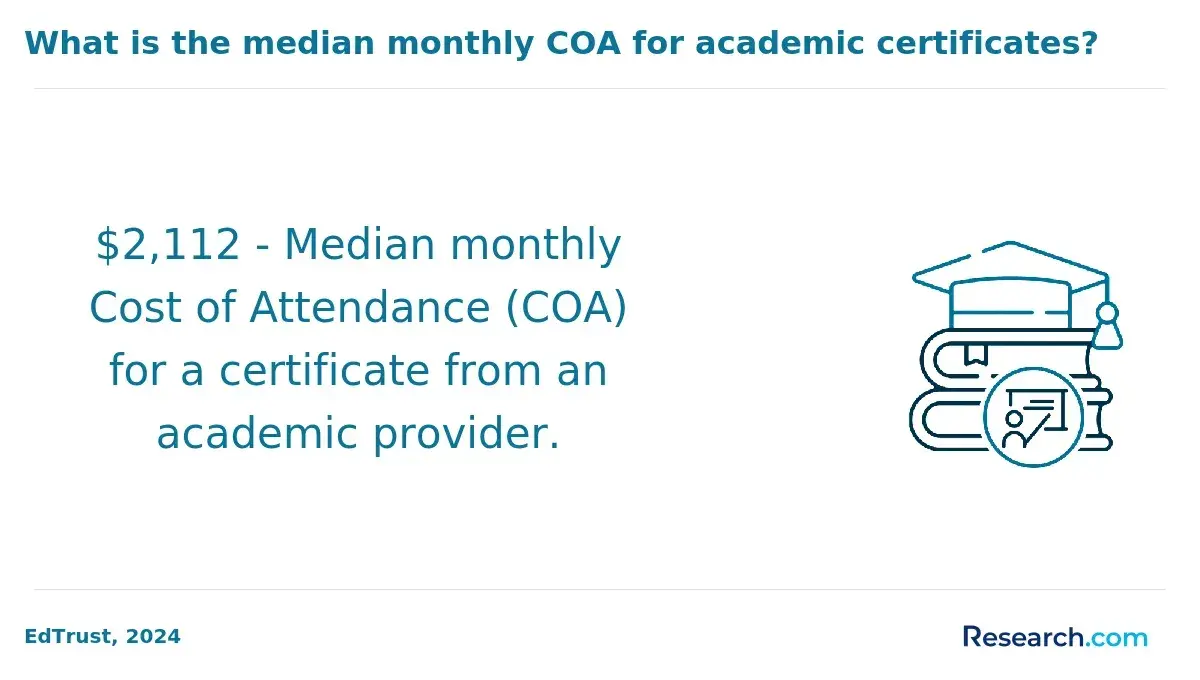
Tuition for rolling admissions organizational leadership programs typically follows a per-credit-hour model, often ranging from $300 to $800 per credit depending on whether the institution is public or private and its regional context. This structure remains consistent regardless of when students enroll during the cycle, meaning rolling admissions do not directly reduce costs but allow for more flexible financial pacing.
For example, a working professional might choose to space out enrollment and payments across terms to better manage cash flow. In addition to tuition, students should anticipate fees for technology and institutional services, usually between $50 and $200 per term, and occasional charges for materials or practicum components that generally remain under $150 per course. These additional costs factor meaningfully into the true expense of attendance and can vary significantly based on program format and delivery mode.
Program design heavily influences the overall cost experience beyond headline tuition rates. Online programs often reduce ancillary fees and enable accelerated completion, potentially lowering total expenses and time out of the workforce. Hybrid or cohort-based models, by contrast, may require more fixed-term payments or upfront financial commitments aligned with on-site or synchronous components. Notably, rolling admissions offer prospective students balancing work and family a useful option to initiate study when circumstances allow without penalty, which can be advantageous for those managing competing priorities.
For students comparing the cost of online organizational leadership degree programs, understanding these pricing nuances alongside the structure and flexibility of the curriculum is critical. For broader context on similarly flexible enrollment pathways, examining construction management degrees online also reveals how rolling admissions correlate with cost dynamics in professional graduate education. construction management degrees online
Are Career Outcomes Different for Rolling Admissions Students?
Career outcomes for students admitted through rolling admissions in organizational leadership programs largely depend on factors beyond the enrollment timeline itself. Rolling admissions serve as a flexible entry method rather than a measure of program quality or student capability, meaning they do not inherently enhance or diminish employment prospects. Instead, the credibility of the program's accreditation, the relevance of its curriculum, and specialized tracks such as nonprofit management or strategic planning critically shape graduate success.
Equally important are hands-on opportunities like internships and professional networking that connect students to industry contexts and employers. Labor market dynamics and geographic location also strongly influence job availability, with U.S. Bureau of Labor Statistics projections indicating a 5% growth in management occupations by 2031, which shapes competitive hiring environments regardless of admission format.
While rolling admissions can indirectly benefit some students by enabling earlier enrollment and potentially faster degree completion, this timing advantage varies widely due to institutional factors like course availability and individual scheduling constraints. Such variation means that an early start does not guarantee quicker labor market entry universally. The decisive factors for employability lie in securing a program that aligns with one's career goals and providing robust experiential learning rather than the enrollment mechanism itself.
Employers prioritize proven competencies and relevant real-world experience over how or when a degree was obtained, highlighting the limited influence of admissions timing on long-term professional development. Students navigating enrollment should thus evaluate the substantive offerings of programs rather than focusing primarily on their admission windows.
One graduate recalled hesitations during the rolling admissions process when balancing job responsibilities and degree requirements. Applying early gave them flexibility, but uncertainty around course schedules and internship placement caused stress about timely graduation. Eventually, they appreciated that the program's active experiential components and strong accreditation carried more weight with employers than their admission timeline. Reflecting on this, they noted, "It wasn't when I got in but what I did during the program that shaped my career path." This experience underscores how the benefits of rolling admissions are more about adaptability than any direct impact on career outcomes.
Can Rolling Admissions Programs Lead to High-Paying Careers?
Rolling admissions in organizational leadership programs function primarily as a flexible enrollment option, not a direct determinant of salary outcomes or access to high-paying roles. Employers and hiring managers focus far more on the specialization within organizational leadership-such as healthcare management or human resources-the reputation and accreditation of the institution, and demonstrated workplace competencies.
For example, a graduate specializing in healthcare leadership from a regionally accredited program with robust internship experience and professional networking ties may command a salary closer to $100,000 annually, while a generalist from less well-regarded programs might earn significantly less. Although rolling admissions enable applicants to begin their studies earlier or align enrollment with personal schedules, this timing convenience does not inherently increase earning potential.
That said, an indirect advantage exists whereby earlier enrollment offered by rolling admissions can lead to accelerated graduation and quicker workforce entry, potentially increasing lifetime earnings through additional years of experience and income. Still, median salaries for organizational leadership professionals vary widely-from around $60,000 to $110,000 depending on geography, sector, and career trajectory-highlighting that admission format alone is insufficient as a predictor of financial success.
Ultimately, prospective students should weigh factors like program quality, access to internships, employer connections, and regional labor demands more heavily than enrollment flexibility when considering organizational leadership degrees with rolling admissions.
What Are the Disadvantages of Rolling Admissions Programs?
Rolling admissions in organizational leadership programs present tangible challenges that extend beyond mere scheduling flexibility. These drawbacks directly affect a student's financial planning, learning environment stability, and the marketplace perception of their credential. Understanding these tradeoffs is critical for applicants balancing long-term career strategy with immediate academic and economic considerations.
- Delayed application submission reduces financial aid opportunities: Without firm deadlines, students often postpone applying, risking the loss of scholarships or grants awarded early in the cycle. This tradeoff can significantly increase out-of-pocket costs and limit financial support during study.
- Unpredictable class composition affects peer networks and course access: Rolling admissions hinder precise enrollment forecasting, causing fluctuating class sizes and variable course availability. This instability impairs students' ability to establish consistent peer groups or follow preferred course sequences, which are important in organizational leadership rolling admissions challenges.
- Employer skepticism can influence hiring decisions: Some employers associate rolling admissions with less competitive programs, potentially questioning the rigor or prestige of the credential. Graduates may face barriers especially in leadership roles where program selectivity and cohort reputation matter.
- High application concentration near deadlines creates administrative bottlenecks: A National Center for Education Statistics study found roughly 40% of rolling admissions applicants submit within the last three months, leading to delayed decisions and limited individualized guidance. This congestion disrupts work-study balance, affecting timely workforce re-entry or promotion plans.
For applicants weighing flexible admissions against these drawbacks, integrating financial aid timing and employer perceptions is essential. Given these complexities, those interested in related fields might also consider options like a 1 year online master's in human resources, which may offer more structured admissions alongside different career trajectories.
How Do You Choose the Best Organizational Leadership Program With Rolling Admissions?
Comparing organizational leadership programs with rolling admissions demands more than a glance at application flexibility; it requires evaluating factors that shape academic and career outcomes. Students must consider how program characteristics interact with their unique constraints and workforce expectations to avoid costly delays or credential misalignment.
- Accreditation status: Regional accreditation signals that a program meets broadly recognized quality standards, increasing employer and transfer acceptance. Specialized accreditation can reflect a curriculum focused on leadership competencies valued by certain sectors, aiding those targeting specific roles.
- Course delivery and scheduling flexibility: Rolling admissions often attract working adults or those with family obligations. Programs balancing asynchronous online formats with occasional synchronous or hybrid requirements better accommodate nontraditional schedules but may demand more proactive time management.
- Graduation and retention rates: These indicators reveal program support effectiveness. Online programs with rolling admissions have median graduation rates near 40%, highlighting that student engagement and institutional resources significantly affect completion-essential considerations for those balancing education with external demands.
- Curriculum relevance: Practical leadership skills integrated with contemporary issues like digital transformation and inclusion provide workforce-ready competencies. Such alignment matters because employers prioritize candidates who can navigate real organizational challenges.
- Career services and employer connections: Strong advising, internships, and alumni networks are vital for translating degrees into tangible employment outcomes. Transparency about these services helps gauge the program's emphasis on post-graduation success.
Choosing a top accredited organizational leadership degree program with flexible enrollment means balancing academic rigor, practical skills, and realistic scheduling. For applicants interested in interdisciplinary options that interface with leadership, programs related to fields such as a forensic psychology degree may provide complementary advantages in areas like critical thinking and behavioral analysis, broadening employability.
What Graduates Say About Organizational Leadership Degree Programs With Rolling Admissions
- Azrael: "Balancing a full-time job with the program's workload was definitely a challenge, but the rolling admissions allowed me to start right when I was ready without waiting for a new semester. I chose this program because I needed flexibility to manage my time around work. After graduating, I landed a project coordinator role, though I realized many employers valued internships and practical experience more than the degree alone, so I'm now pursuing a certification to boost my portfolio."
- Alvaro: "With limited financial resources, I decided on a program that accepted applications year-round to avoid losing more time and money. The real turning point was when I secured an internship through the program's network, which eventually led to a full-time job in mid-level management. However, I quickly understood salary growth is slower without licensure in this field, so I'm weighing whether to specialize further or focus on building experience."
- Robert: "I was uncertain about making a career pivot and found rolling admissions appealing since I didn't want to be locked into a start date and risk losing momentum. The program sharpened my strategic thinking and leadership skills, helping me qualify for remote leadership roles within nonprofits. Still, competition remains stiff for those positions-I had to rely on building a strong portfolio and network rather than the degree alone to get noticed."
Other Things You Should Know About Organizational Leadership Degrees
Because students enter at varying times, advisors in rolling admissions programs face challenges maintaining consistent, individualized support throughout the degree timeline. Organizational leadership students often need tailored guidance on balancing coursework with professional roles or leadership experiences, so programs with established advising systems that can adapt to staggered enrollments are preferable. Students should investigate a program's advising capacity and responsiveness before choosing rolling admissions options to ensure ongoing mentorship and practical guidance.
Employers typically prioritize the content and outcomes of the degree over the admissions model, but some may perceive rolling admissions programs as less rigorous due to their flexible start structure. However, organizational leadership focuses strongly on applicable skills and demonstrated leadership growth, which matter more in hiring decisions. To mitigate any bias, students should focus on programs with strong reputations, relevant internships, and clear evidence of applied leadership development rather than solely on the admissions timeline.
Rolling admissions programs often allow students to start courses at various points, which can help accommodate fluctuating professional demands. However, without fixed semester structures, deadlines and course sequencing may be less predictable, requiring students to exercise strong self-discipline and planning. For working professionals, choosing a rolling admissions program with transparent pacing and scheduled check-ins is crucial to avoid overcommitment and to align learning with real-world leadership challenges effectively.
References
- What is Rolling Admission in College? https://collegewise.com/blog/what-is-rolling-admission
- Rolling Admissions Explained: How It Works and When You Should Apply https://riseglobaleducation.com/blogs/rolling-admissions-explained-how-it-works-and-when-you-should-apply
- How to Choose the Right Executive Leadership Training https://ewfinternational.com/how-to-choose-right-executive-leadership-training/
- Master in Organizational Management | Thomas More University https://www.thomasmore.edu/program/master-of-arts-in-organizational-management/
- 5 Career Paths in Organizational Leadership https://www.jobconvo.com/blog/en/5-career-paths-organizational-leadership/
- Choosing the Right Leadership Development Program: A Buyer’s Guide https://careernomad.org/blog/choosing-the-right-leadership-development-program--a-buyer-s-guide
- Management and Organizational Leadership (M.S.) https://delval.edu/programs/graduate-programs/management-and-organizational-leadership-ms
- Guide to Choose a Leadership Development Solution https://www.execonline.com/how-to-choose-leadership-development-program-guide/
- Application Deadline https://www.eastern.edu/academics/colleges-seminary/college-business-and-leadership/programs-offered/graduate-programs-3
- What Jobs Can I Get With a Degree in Organizational Leadership? | CSU Global https://csuglobal.edu/blog/what-jobs-can-you-get-bachelors-degree-organizational-leadership