2027 Online vs On-Campus English Degree Programs: Pros & Cons

Co-Founder and Chief Data Scientist
The rising popularity of online english degree programs reflects a significant shift in higher education, with recent data showing a 20% increase in online enrollments in the past five years. This growth highlights the need for prospective students to carefully weigh the benefits and limitations of online versus on-campus study options. This article offers an expert comparison of these formats, focusing on flexibility, cost, learning experience, and career outcomes. Understanding these factors equips students to make informed decisions aligned with their academic goals and professional aspirations in today's dynamic educational landscape.
Key Benefits of Online vs On-Campus English Degrees
- Online english degree programs offer significant flexibility, allowing 70% of students to balance work and study effectively while attending courses remotely.
- Students enrolled in online programs often save 40% on costs related to transportation and housing compared to their on-campus counterparts.
- On-campus english degree programs provide immersive experiences that foster direct interaction with faculty and peers, which 85% of students report enhances their critical thinking and communication skills.
Are Online vs. On-Campus English Programs Structured the Same Way?
The structure of online and on-campus English degree programs differs notably in how courses are delivered, how students engage, and the flexibility offered by each format. These differences influence the overall student experience and the skills developed throughout the program. To clarify these distinctions, here is a comparison of key structural elements in online versus on-campus English programs:
- Course Delivery: Online programs use web-based platforms to provide lectures, readings, and assignments, often asynchronously, allowing students to access materials anytime. In contrast, on-campus programs rely on in-person lectures and discussions at set times, requiring physical attendance and real-time interaction.
- Class Schedules: Online students benefit from flexible schedules, completing coursework at their own pace within broad deadlines, which suits those managing jobs or family commitments. On-campus students follow fixed class times, which can restrict flexibility but encourage regular attendance and routine.
- Interaction and Collaboration: On-campus settings encourage spontaneous face-to-face discussions and group work, fostering a close-knit academic community. Online learners interact through structured forums, video chats, and emails, which may feel less immediate but provide diverse ways to connect.
- Student Engagement: In-person programs support real-time group activities and live feedback, ideal for students who thrive with direct social engagement. Online formats demand higher self-motivation and independence, as students must actively initiate participation and manage progress.
- Consistency of Academic Standards: Both formats generally maintain equal academic rigor with similar curricula and requirements, often taught by the same faculty, ensuring that degrees hold equivalent value in the job market.
Are Admission Requirements the Same for Online vs On-Campus English Degree Programs?
Colleges and universities generally uphold consistent academic standards for both online and on-campus english degree programs, ensuring that accreditation, curriculum, and degree outcomes remain equivalent. However, their methods for assessing an applicant's readiness can differ, especially to address the unique challenges of online learning.
The following list compares the most common admission criteria for online and traditional programs, highlighting both shared elements and where differences in admission requirements for online and on-campus english degrees typically arise.
- Academic Qualifications: Both online and on-campus programs generally require a high school diploma or GED for undergraduate admission and a bachelor's degree for graduate studies, maintaining similar minimum GPA standards to preserve academic rigor.
- Standardized Test Scores: On-campus english degree programs often request SAT or ACT scores, particularly at selective institutions, whereas many online programs exhibit flexibility by waiving these requirements for adult learners or those with professional experience.
- Application Materials: Transcripts, letters of recommendation, and personal statements are standard for both formats; however, online applications may place more emphasis on essays discussing self-motivation, time management, and readiness for independent study.
- Work Experience: While seldom required for traditional on-campus programs, some online graduate-level programs value or require professional or volunteer experience, underscoring maturity and self-direction as part of english degree admission criteria for online vs traditional programs.
- Technology Readiness: Unique to online applicants is the need to demonstrate reliable internet access and digital literacy, often verified through technical questionnaires or orientation modules, a factor not assessed in on-campus applications.
- Interview or Assessment: Some online programs conduct virtual interviews or readiness assessments to evaluate motivation and suitability for remote learning, whereas in-person interviews are less frequent in traditional on-campus settings unless the school is highly selective.
It's important for prospective students to understand these differences, especially since online degrees often offer cost savings and more flexible scheduling. For those contemplating programs with quicker workforce entry, exploring highest paying 6 month certifications might also be worthwhile alongside traditional degree paths.
Do Online English Students Receive the Same Academic Support as On-Campus Students?
Universities have significantly expanded their academic support systems to ensure that online english students receive resources and assistance comparable to those available to on-campus peers. These enhancements bridge the gap between learning formats, providing more equitable access to vital services.
Below are the main types of academic support typically offered to both online and on-campus english students:
- Tutoring Services: On-campus students often visit drop-in centers or schedule face-to-face sessions, while online students access tutoring through video conferencing or chat platforms, sometimes with 24/7 availability. This flexibility helps students in both formats strengthen their understanding and improve academic performance.
- Career Counseling: Career services for on-campus students include workshops, job fairs, and in-person advising, whereas online students benefit from virtual résumé reviews, webinars, and dedicated remote career coaches. Both formats aim to prepare students for job markets effectively.
- Library Access: Physical libraries offer on-campus students access to books, study areas, and research help, while online students utilize extensive digital libraries, e-books, academic journals, and online librarian assistance. This ensures research support is available regardless of location.
- Faculty Interaction: On-campus learners engage with faculty through office hours and in-class discussions, while online students connect via discussion boards, scheduled video calls, and email. Flexible communication tools may even increase faculty contact for online students.
- Peer Support and Community: In-person programs foster spontaneous networking and group activities, whereas online programs build community through virtual forums, group projects, and sometimes optional in-person events. Both approaches aim to create a sense of belonging among students.
The time required to complete an English degree can vary widely depending on the program's delivery format, the student's pace, and the flexibility of the course schedule. Whether studying online or on-campus, these factors play a key role in how quickly a student can graduate. Below is a comparison of the average completion times for online and on-campus English degree programs and the main influences on each format's duration.
Here's a look at how the two delivery methods differ:
- Online English Degree: Typically, a full-time online bachelor's degree in English takes about four years to complete, similar to traditional programs. However, many online students take advantage of accelerated pacing options, such as self-paced courses or taking more credits per term, enabling some to graduate in as little as 2.5 years. The flexibility to transfer credits and study part-time also impacts overall completion time, making this option especially suited for working adults or those balancing family responsibilities.
- On-Campus English Degree: Traditional on-campus programs usually require around four years of full-time study based on a set curriculum of approximately 120 credit hours. The schedule is structured around fixed semesters and in-person classes, which limits flexibility but ensures consistent academic engagement and access to direct support from faculty and peers. Students attending part-time or those who switch majors may take longer than four years to complete their degree.
A professional who pursued an online English degree shared that "balancing work, family, and coursework was definitely challenging at times, but the ability to set my own pace was a game changer." He noted that while he started with a plan to finish in four years, he was able to push through accelerated courses during key periods, completing the degree in three years instead. "It wasn't always easy managing deadlines remotely," he explained, "but having control over when and how much I studied helped me stay motivated. The feeling of crossing that finish line sooner than expected was incredibly rewarding." His experience highlights how flexibility in an online program can directly influence the length of time it takes to graduate.
Tuition, fees, and related expenses for online english programs can vary significantly when compared to on-campus options. Many online programs tend to offer lower overall costs, but some institutions charge the same tuition regardless of the delivery format. Understanding the main cost factors can help students evaluate the average cost of online english degree in the US more accurately and make better financial decisions.
Here is a breakdown of key expenses that influence the total price of both online and on-campus english degrees, along with how they impact affordability and savings opportunities.
- Tuition and Fees: While many online english programs have lower tuition rates-especially at private colleges where online rates may be less than half the cost per credit-up to 74% of institutions charge the same tuition for both online and on-campus students. Some colleges offer discounts for online learners, making this a crucial factor in the online vs on-campus english degree tuition comparison.
- Living Expenses: Online students typically save substantially on housing, meal plans, and commuting costs by studying from home. In contrast, traditional students often face thousands of dollars in annual room and board and transportation expenses, which significantly increase the total cost of on-campus attendance.
- Technology Costs: Online learners must invest in a reliable computer and internet service, but these costs are generally far lower than living expenses. Moreover, many online programs use digital textbooks, which tend to be cheaper than physical materials required for in-person classes.
- Financial Aid Availability: Both formats qualify for federal financial aid, though campus-based students may have increased access to institutional scholarships and grants. Additionally, some online colleges offer credit for work experience and transfer credits to shorten degree completion times, potentially lowering tuition costs further.
For students exploring online options, understanding these factors can provide a clearer picture of true costs. To learn more about program choices including what is the easiest bachelor degree to get may also aid decision-making.
Both online and on-campus students pursuing an English degree may qualify for financial aid, but eligibility and accessibility often differ based on the program format and institution type. These differences mean students should carefully explore their options to understand which aid sources best fit their unique enrollment status.
Here is a comparison of the main financial aid options available for online vs on-campus English degree students:
- Federal Student Aid: Both online and on-campus students attending accredited institutions generally qualify for federal aid programs such as Pell Grants, work-study, and federal loans. However, part-time online students may face reduced loan options if they do not meet the minimum credit threshold, and Pell Grant amounts are prorated for those enrolled less than full-time.
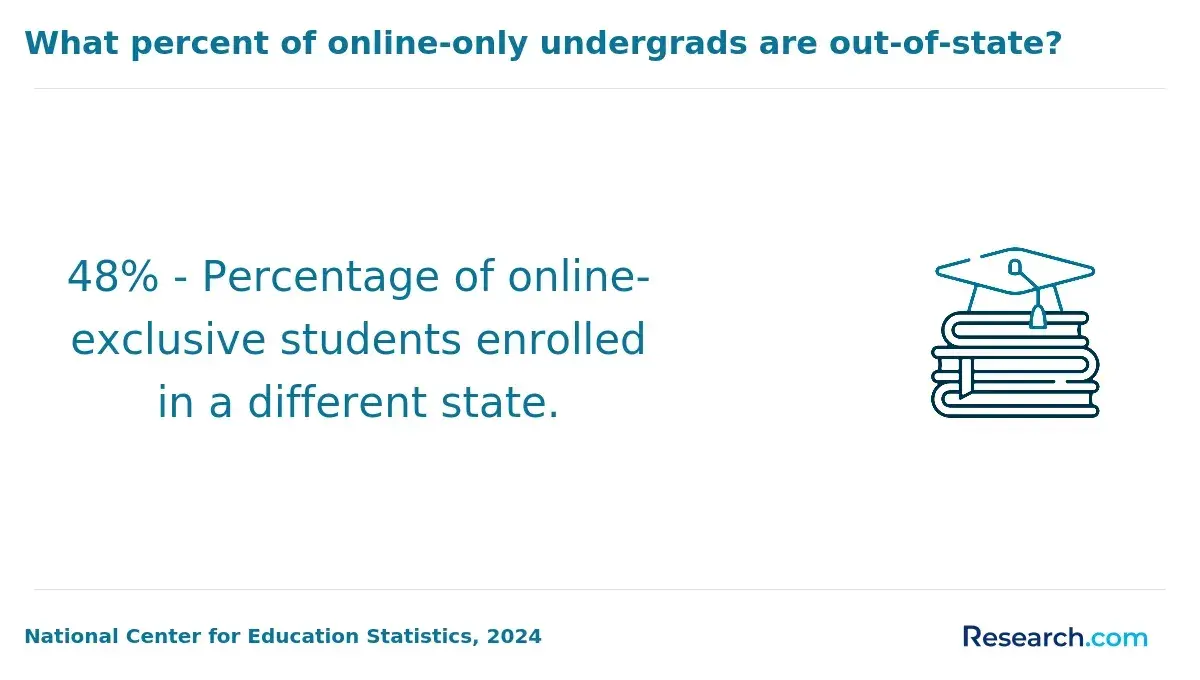
- State Financial Aid: Most states offer aid to both formats, but some grants and scholarships are limited to residents attending in-person classes or in-state public universities. This means online students living out of state may not qualify for certain state funding, which often requires full-time enrollment for maximum assistance.
- Scholarships and Grants for On-campus English Majors: Institutional scholarships tend to favor on-campus students, who usually must be full-time and may receive priority if starting in the fall term. For instance, online students at some universities receive a smaller share of scholarship funds, even though separate online scholarships exist but with a smaller and more competitive pool.
- Employer Tuition Reimbursement: This aid benefits both groups, especially those employed full-time. Online programs are often preferred by working professionals due to flexibility, making employer reimbursement a viable option when the program is accredited and aligned with the student's job.
- Private Student Loans: Available to online and on-campus students, private lenders sometimes enforce stricter criteria for online learners, such as verifying program accreditation. It's important for online students to confirm their institution's recognition to avoid loan ineligibility.
Cost considerations also play a role, as online programs typically offer lower tuition rates, yet the overall financial aid pool is often larger for campus-based learners. For students exploring advanced options, there are online PhD programs no dissertation that may offer additional financial flexibility.
The credibility of online and on-campus english degree programs hinges largely on accreditation, faculty qualifications, and curriculum standards. Accredited institutions, regardless of delivery mode, must meet stringent guidelines imposed by recognized accrediting agencies, ensuring students receive a high-quality education. Faculty teaching online often have the same credentials and expertise as those instructing on-campus, maintaining consistent academic rigor.
Additionally, curriculum standards for online programs are carefully designed to align with traditional programs, guaranteeing equivalent learning outcomes. This alignment means that the mode of delivery matters less than the institution's overall reputation and accreditation status.
Surveys and hiring trends indicate that employers, academic institutions, and licensing bodies increasingly regard online english degrees as comparable to on-campus ones, especially when earned from well-respected, accredited universities. Most U.S. employers reportedly do not distinguish between online and traditional degrees, focusing more on the quality and legitimacy of the credential. Salary and career advancement for online graduates generally match those of their on-campus counterparts, with added benefits like cost savings and schedule flexibility.
Furthermore, advances in virtual learning technology, such as interactive coursework and real-time support, along with strong industry partnerships, are enhancing the credibility and appeal of online education. These developments contribute to a growing acceptance of online english programs as valid and effective pathways to career and academic success.
Employer attitudes toward online versus on-campus English degrees have become increasingly aligned, with many viewing both formats as largely equivalent when the institution's reputation and program accreditation are strong. Recent surveys indicate that 54% of employers consider graduates from online and in-person programs equally valuable, although there remains a slight edge for on-campus degrees, particularly due to perceptions of stronger communication and leadership skills among those students. Nonetheless, the stigma once attached to online learning has significantly diminished, especially as 61% of HR managers regard online education as equal or superior in quality to traditional methods. Employers consistently prioritize factors such as the university's prestige, proper accreditation, and, crucially, the candidate's demonstrated practical skills regardless of where the degree was earned. This shift reflects a broader recognition that educational outcomes are more important than the delivery method when assessing a graduate's job readiness.
Evolving workplace norms, notably the rise of remote and hybrid work models, have also played a significant role in shaping positive perceptions of online degrees. A majority of recruiters-76% in a recent ASU Online survey-reported that seeing a four-year degree earned online actually improved their impression of a candidate, with 92% open to hiring individuals with online credentials. Online programs offer tangible benefits such as flexibility, lower costs, and accessibility that appeal to working professionals balancing career and education simultaneously. While on-campus programs may still offer advantages like robust face-to-face networking and hands-on experiences, employers primarily seek graduates whose skills effectively translate to the modern workplace. As remote work becomes more mainstream, acceptance of online English degrees from well-known, accredited institutions is expected to grow even further.
When asked about her experience, a professional who completed an online English degree shared that her pathway opened doors with employers who valued her ability to manage coursework alongside full-time work. She noted, "The flexibility of the program allowed me to refine my communication skills in real-world contexts, which I believe impressed hiring managers more than the mode of study itself." She also observed that her online education did not limit networking opportunities, as she proactively engaged in virtual discussions and collaborative projects, building a portfolio that showcased her readiness for the workforce. Ultimately, her success reinforced the idea that employer focus is on skill competency and adaptability rather than traditional campus attendance.
Salary comparisons between online and on-campus English graduates are increasingly shaped by various factors beyond the mode of study itself. These include employer perceptions, institutional quality, and chosen career paths, which play a larger role in determining earning potential than whether a degree was earned online or in person. Below are key trends and influences currently affecting the salary comparison online vs on-campus English degree graduates.
- Employer Perception and Acceptance: Most employers report no difference in starting salaries between online and on-campus graduates, especially when both credentials come from accredited institutions. However, some bias remains when online degrees are from lesser-known schools without established on-campus programs.
- Accreditation and Institutional Reputation: Graduates from accredited online programs tied to reputable universities tend to have salary outcomes comparable to those of on-campus graduates. Accreditation helps ensure employers trust the rigor and legitimacy of the degree, reducing pay disparities.
- Field of Employment and Career Path: Salary for English graduates generally depends more on occupation than degree format. For instance, careers such as writing, editing, and technical writing offer similar median earnings regardless of online or on-campus study, reflecting the importance of job role over study mode.
- Cost and Flexibility Advantages: The average salary for online English degree graduates can be indirectly enhanced by lower tuition costs-typically 35-40% less than on-campus-with online programs averaging $12,216 annually versus $18,981 on campus. This cost difference lowers student debt burden, allowing greater financial flexibility after graduation.
- Access to Academic Support and Networking: While on-campus programs traditionally offer richer in-person networking, improved virtual support in many online programs narrows this gap. Enhanced career services help online graduates compete effectively in the job market.
For students considering advanced studies, exploring options such as short doctorate programs can also influence long-term salary prospects and career opportunities.
Choosing between an online and an on-campus english degree program depends largely on your personal learning preferences, lifestyle, and long-term professional goals. Both options offer distinct advantages that cater to different types of students and career paths. To help you decide, here are key factors to consider before selecting the best format for you.
When comparing on-campus vs online english degree benefits, keep the following in mind:
- Learning style: On-campus programs suit students who prefer structured environments with regular face-to-face interaction, fostering direct engagement with instructors and peers. Online programs are designed for independent learners comfortable with self-paced study and fewer in-person meetings.
- Flexibility needs: Online study offers significant schedule flexibility, often allowing coursework to be completed asynchronously. This advantage supports balancing work or family commitments, making it ideal for those needing to manage unpredictable or busy schedules.
- Budget and cost savings: Online degrees typically cost less, averaging $12,216 annually compared to $18,981 for on-campus programs, with additional savings on commuting and housing. For a list of options, you can explore the affordable online bachelor's degree programs available today.
- Networking opportunities: On-campus programs provide more organic networking through campus activities and direct contact with peers and faculty. Online students can still benefit from virtual events and alumni groups, though these may feel less immersive.
- Access to campus resources: Students on campus enjoy immediate access to libraries, tutoring, career centers, and extracurricular activities, enhancing their academic experience. While many online programs offer virtual support, some spontaneous opportunities may be missed.
Here's What Graduates of Online vs On-Campus English Programs Have to Say About Their Degree
- Aria: "Completing my english degree online was a game-changer for me since it allowed me to balance work and family while advancing my education. The flexibility of the program gave me the freedom to engage deeply with the material at my own pace without sacrificing my job performance. Today, I'm proud to say I landed a rewarding role as a content strategist, a position that values both my degree and my real-world experience. The program's focus on contemporary literary analysis and digital communication prepared me well for this next step. I'm grateful for how it empowered me personally and professionally."
- Lana: "Attending classes on campus provided me with an immersive english degree experience that I'll never forget. The face-to-face interactions with professors and peers fostered a strong sense of academic community and encouraged lively debates about literature and critical theory. This environment helped sharpen my critical thinking and presentation skills, which have been invaluable as I moved into a teaching career. Reflecting on my journey, I truly value the personal growth and collaborative spirit that an on-campus program uniquely offers. It was the perfect foundation for my long-term professional goals."
- Anika: "The hybrid english degree program was the perfect fit because it combined the best of both worlds-flexibility with the online classes and meaningful connection through in-person workshops. This blend helped me stay disciplined while still benefiting from direct mentorship and peer support. The experience also prepared me exceptionally well for the modern workplace where remote and face-to-face skills are equally important. It feels rewarding to know my versatile education opened doors in publishing, where I now contribute to shaping diverse narratives. I appreciate how the hybrid format fostered my adaptability and broadened my career prospects."
Other Things You Should Know About Online & On-Campus English Degree Programs
Yes. Some online English degree programs require proctored midterms or finals at testing centers, plus short residencies for workshops, teaching practice, or capstone presentations. Schools usually list these rules in the program handbook, and residency lengths often range from one weekend to one week.
In 2027, online English degree students may face challenges like limited peer networking and hands-on mentorship, reliance on self-discipline for time management, and potential technology issues. On-campus programs generally offer more immediate access to resources and in-person interaction, which can enhance learning and collaboration.
- How Credible Are Online Degrees? And are they worth it? https://potomac.edu/are-online-degrees-taken-seriously-by-employers/
- Online Education vs. On-Campus Tuition: How ACE Online Degree Programs Help Keep Your Costs Down | ACE Blog https://ace.edu/blog/online-education-vs-on-campus-tuition-how-ace-online-degree-programs-help-keep-your-costs-down/
- Online learning | University of London https://www.london.ac.uk/study/where-study/online-learning
- Online vs on-campus: getting your undergraduate degree https://www.whatuni.com/advice/choosing-a-course/online-vs-on-campus-getting-your-undergraduate-degree/84497/
- Online Degree vs On-Campus Degrees https://www.online.drexel.edu/news/online-degree-vs-traditional-degree.aspx
- Online Bachelor's Degree Completion Financial Aid https://www.hamline.edu/admission-aid/financial-aid/online-bachelors
- Can I get financial aid for an online degree? | edX https://www.edx.org/resources/can-i-get-financial-aid-for-an-online-degree
- Online Degree vs On Campus Degree - Making the Right Choice https://www.onlinecu.in/blog/uploads/2023/07/online-degree-vs-on-campus-degree.php
- The Problem With Exclusively Online Degree Programs https://tcf.org/content/commentary/the-problem-with-exclusively-online-degree-programs/
- Pros and Cons of Online Learning | National University https://www.nu.edu/blog/weighing-the-pros-and-cons-of-online-vs-in-person-learning/