2027 Online vs On-Campus Community Health Doctorate Programs: Cost, Flexibility, and Employer Perception

Co-Founder and Chief Data Scientist
The real decision is not simply whether to earn a Community Health doctorate; it is whether the format fits your life, budget, and career target. The Bureau of Labor Statistics projects 7% growth for health education specialists and community health workers from 2023 to 2033, making advanced public health training timely but still a major investment.
This guide is for working professionals, researchers, educators, and public health leaders comparing online and on-campus doctoral options. You will learn how cost, flexibility, fieldwork, dissertation support, and employer outlook differ so you can choose the format that best supports your goals.
Key Things to Know About Online vs On-Campus Community Health Doctorate Programs
- Online Community Health doctorates usually offer the strongest scheduling flexibility, but most still require structured milestones, faculty interaction, research supervision, and sometimes short residencies or local fieldwork.
- On-campus programs often provide easier access to assistantships, labs, faculty networks, and campus-based research centers, which can matter for students pursuing academic, grant-funded, or research-intensive careers.
- No federal dataset separates salary or debt outcomes by online versus on-campus Community Health doctorate format, so applicants should compare accreditation, total cost of attendance, dissertation completion support, and employer expectations rather than relying on format alone.
What are the key differences between online vs on-campus Community Health doctorate programs?
A Community Health doctorate prepares students to study, design, evaluate, and lead programs that improve population health. Depending on the school, the degree may be a PhD in Community Health, a DrPH with a community or population health concentration, or a related public health doctorate focused on health promotion, prevention, policy, equity, epidemiology, or behavioral health.
The main difference is not usually the academic subject matter. It is how students access coursework, faculty, research opportunities, fieldwork, and peer networks. Applicants who are still building their public health foundation may also compare prerequisite pathways such as easiest MPH online programs to get into before moving into doctoral study.
The table below summarizes the practical differences that usually matter most when comparing formats. Use it as a first-pass filter before looking at individual program pages.
| Comparison factor | Online Community Health doctorate | On-campus Community Health doctorate | Why it matters |
| Course delivery | Usually asynchronous, synchronous, or hybrid online coursework | Scheduled in-person seminars, labs, colloquia, and campus meetings | Determines how easily the program fits around work and family responsibilities |
| Faculty access | Virtual advising, video meetings, online office hours, and learning platforms | In-person office hours, campus events, informal meetings, and research group access | Affects mentorship quality, dissertation progress, and research collaboration |
| Networking | Often built through online cohorts, residencies, conferences, and professional projects | Often built through campus events, assistantships, research centers, and faculty introductions | Can influence academic references, job leads, and collaborative publications |
| Fieldwork | Commonly completed near the student's community, employer, or approved site | Often tied to university partners, local agencies, research projects, or nearby health systems | Determines whether the program connects to your local community or the university's network |
| Best fit | Working professionals, career changers, students outside commuting range, and public health practitioners | Full-time students, aspiring faculty, research assistants, and students seeking intensive campus engagement | Format should match your career goal, not just your preferred learning environment |
In general, an online format makes sense when you need to keep working, cannot relocate, or want your applied research to stay connected to your current community. An on-campus format may be stronger if you want daily access to faculty, assistantships, research centers, and academic networking.
Are online Community Health doctorate programs as rigorous as on-campus programs?
Online Community Health doctorate programs can be just as rigorous as on-campus programs when they are offered by an accredited institution, use qualified doctoral faculty, require advanced research methods, and hold students to the same dissertation or doctoral project standards. The delivery format alone does not determine academic quality.
The better question is whether the program has the right doctoral infrastructure. A rigorous program should make expectations clear before you enroll, especially around research design, statistics, ethics, field-based inquiry, dissertation committees, and publication or presentation opportunities.
Use the following checks to evaluate rigor across either format. These criteria help separate legitimate doctoral training from programs that are convenient but weakly supported.
- Confirm regional institutional accreditation and, when relevant, whether the school or public health program has Council on Education for Public Health recognition or another appropriate public health accreditation status.
- Review the doctoral curriculum for advanced epidemiology, biostatistics, qualitative or mixed methods, health behavior theory, program evaluation, leadership, policy, and community-based research.
- Ask whether online and on-campus students complete the same comprehensive exam, dissertation proposal, institutional review board process, and final defense requirements.
- Check faculty publication records, funded projects, community partnerships, and doctoral advising loads to see whether students can access real research mentorship.
- Look for transparent dissertation milestones, annual progress reviews, research residencies, writing support, and clear policies for students who fall behind.
A red flag is a program that markets flexibility but says little about research supervision, faculty expertise, dissertation completion, or community-based field methods. Doctoral study should be flexible enough to complete, but not so vague that academic standards are unclear.
How does scheduling flexibility differ between online and on-campus Community Health doctorate programs?
Scheduling flexibility is where online and on-campus Community Health doctorates often differ most. Online programs are usually designed for working adults, while on-campus programs more often assume that students can attend daytime seminars, research meetings, and campus events.
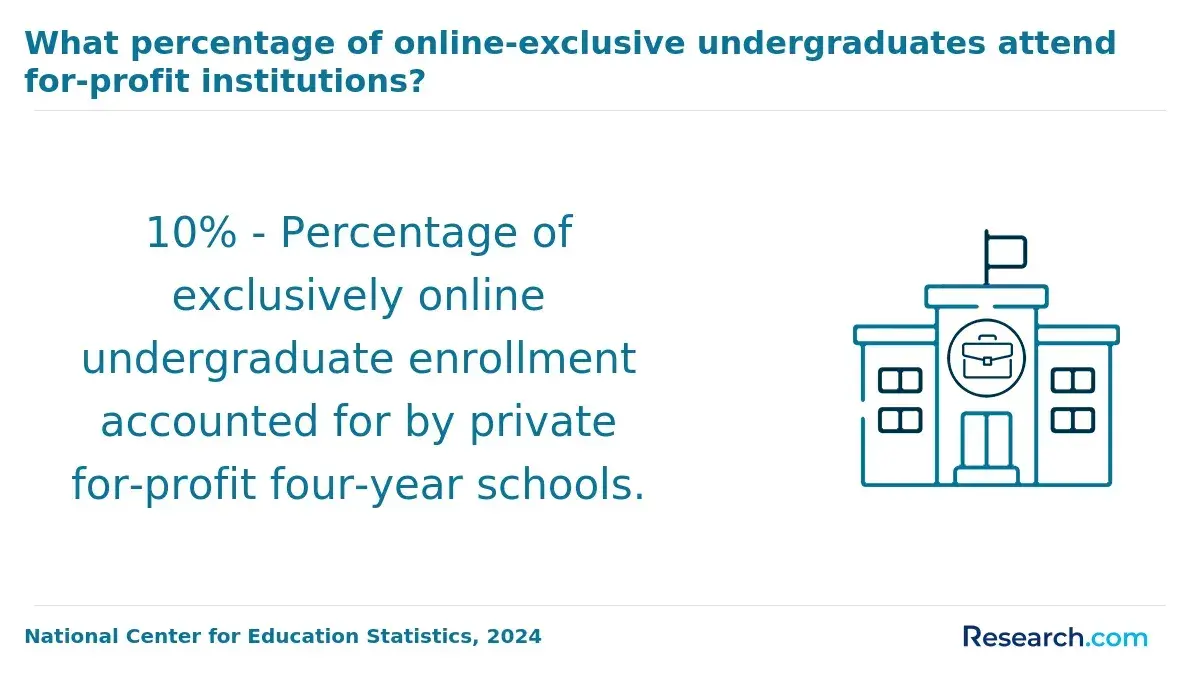
NCES reporting released in 2024 shows that distance education remains a major part of graduate education in the US, not a temporary pandemic-era exception. For Community Health doctoral applicants, that means online and hybrid formats are now common enough to compare seriously rather than treating them as unusual alternatives. Students comparing flexible health-related pathways may also find adjacent options such as an accelerated nutrition degree online useful when planning earlier credentials.
The table below compares scheduling features that affect weekly workload and long-term persistence. Focus on how the format works during a difficult semester, not just how convenient it looks on a program brochure.
| Scheduling feature | Online format | On-campus format | Decision impact |
| Weekly class meetings | May be asynchronous, evening-based, or delivered through scheduled live sessions | Often fixed daytime or evening class blocks on campus | Online is usually easier for full-time workers, but live sessions can still create conflicts |
| Pacing | Often part-time friendly, cohort-based, or structured by 8-week to 15-week terms | Often full-time or lockstep, especially in funded PhD programs | Part-time pacing may reduce semester pressure but extend the total time to degree |
| Residency expectations | May include no residency, short intensives, annual campus visits, or dissertation defenses | Regular in-person attendance is expected | Online students should verify travel dates and costs before enrolling |
| Work compatibility | Often designed for employed public health practitioners | May conflict with standard work hours unless the program is evening-based | Applicants should compare class times against actual job responsibilities |
| Self-management burden | High, because students must protect study time without campus routines | Moderate to high, but campus structure can create accountability | Online flexibility helps disciplined students but can hurt those who need external structure |
Online study is not automatically easier. It often shifts more responsibility to the student. If you struggle to create independent writing time, attend optional meetings, or ask for help early, a highly flexible program can become harder to complete than a structured on-campus one.
Fieldwork in a Community Health doctorate may involve community needs assessment, program evaluation, intervention design, policy analysis, health education leadership, data collection, or applied research with agencies and populations. The requirement depends on the degree type, department, accreditation expectations, and whether the program is research-focused or practice-focused.
Online programs commonly allow students to complete approved fieldwork in their own region, which can be valuable if your dissertation or doctoral project focuses on your current employer, city, tribal community, school district, health department, nonprofit, or community clinic. On-campus programs may provide stronger built-in placement pipelines through university-affiliated agencies and faculty research partnerships.
The table below explains the typical fieldwork trade-offs by format. It is especially important for applicants whose career goals depend on serving a specific community or building a new professional network.
| Fieldwork issue | Online format | On-campus format | What to verify |
| Site location | Often local to the student, pending approval | Often near the university or tied to faculty partnerships | Whether the school approves sites outside its region |
| Supervisor availability | Student may need to help identify a qualified local preceptor | Program may already have established supervisors | Who is responsible for finding and vetting the site |
| Community access | Strong if the student already works in a relevant public health setting | Strong if the university has deep local partnerships | Whether the site supports the research or practice population you want to serve |
| Travel burden | Usually lower, except for required residencies or site visits | Can be higher if commuting or relocation is required | Whether travel, parking, or relocation costs are included in your budget |
| Documentation | Often submitted through online logs, supervisor forms, and virtual check-ins | Often managed through campus departments and local supervisors | How hours, competencies, and deliverables are tracked |
Before enrolling, ask for written fieldwork policies. Do not assume that "online" means "complete everything anywhere." Some programs restrict sites by state authorization, faculty availability, professional liability rules, or the type of data students plan to collect.
The dissertation process should be academically comparable across formats: students identify a problem, review literature, design a study, obtain approvals, collect or analyze data, defend findings, and revise the final manuscript. The main difference is how support is delivered.
On-campus doctoral students may benefit from informal faculty access, writing groups, research seminars, and face-to-face committee meetings. Online students may receive support through video advising, virtual dissertation boot camps, online research methods labs, and remote defenses. Either model can work if milestones are structured and faculty respond consistently.
Dissertation support is one of the most important factors to investigate because many doctoral students do not leave programs during coursework; they stall after coursework when independent research begins. Ask direct questions before applying.
- How soon are students matched with dissertation chairs or research mentors?
- Are online and on-campus students allowed to work with the same faculty?
- What are the required milestones between coursework completion and proposal defense?
- How often must dissertation students meet with their chair or committee?
- Does the program provide statistical consulting, qualitative methods support, academic writing help, and institutional review board guidance?
- Can students use workplace or community-based data, and what approvals are required?
- Are defenses conducted online, in person, or through a hybrid process?
A strong online doctorate will not leave dissertation students isolated. A strong on-campus doctorate will not rely only on hallway access. In both formats, the best programs make doctoral progress visible, measurable, and supported.
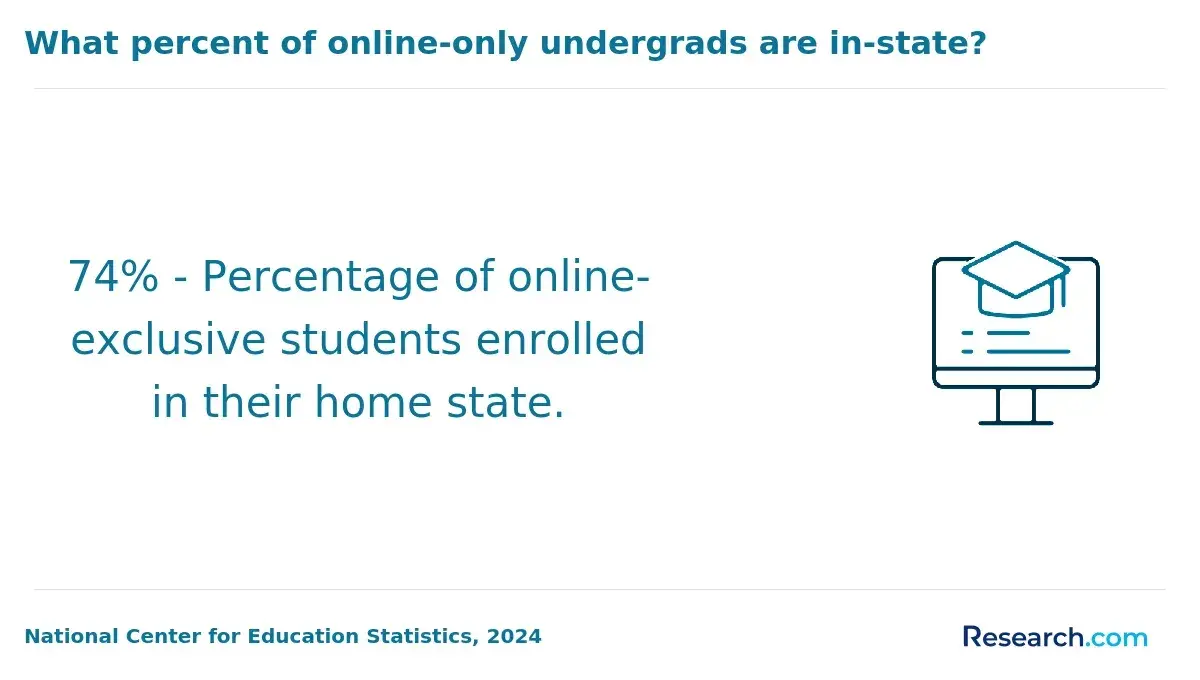
There is no single federal average tuition rate for online versus on-campus Community Health doctorates because national datasets generally report graduate tuition by institution, control, residency, and program level rather than by delivery mode within a specific field. That limitation matters: applicants should not assume that an online doctorate is automatically cheaper or that an on-campus doctorate is automatically more expensive.
As a broad benchmark, NCES graduate tuition data released through recent federal reporting show that public institutions typically have lower average graduate tuition and fees than private nonprofit institutions. For doctoral applicants, the practical takeaway is to compare the school's actual per-credit or per-term doctoral rate, not just the institution type.
When reviewing published tuition, expect to see costs presented in several ways. These are common tuition structures rather than guarantees for every program.
- Public university in-state doctoral tuition may be lower than out-of-state tuition, especially for on-campus students.
- Some online doctoral programs charge one flat per-credit rate regardless of state residency.
- Private nonprofit universities may charge the same tuition rate for online and campus students, but fees can differ.
- Research-focused on-campus PhD programs may offer assistantships or tuition remission, while professionally oriented online doctorates may rely more heavily on employer benefits, federal loans, or self-pay.
The table below shows how tuition comparisons usually work in practice. The most affordable option depends on residency, funding, fees, and time to completion.
| Tuition factor | Online doctorate | On-campus doctorate | How to compare fairly |
| Base tuition | Often per credit or per term, sometimes flat for all students | May vary by in-state, out-of-state, or private university rate | Multiply required credits by the doctoral tuition rate for your residency category |
| Program fees | May include technology, online platform, dissertation, or distance learning fees | May include campus, lab, student activity, health, or facility fees | Ask for a full fee schedule, not just tuition |
| Funding opportunities | May have fewer graduate assistantships, though employer reimbursement may help | May offer teaching, research, or administrative assistantships | Compare net cost after confirmed funding, not advertised tuition alone |
| Time to degree | Part-time pacing can extend total enrolled terms | Full-time pacing may shorten completion but reduce work income | Estimate cost by expected semesters, not only credits |
| Residency charges | May require travel for intensives or defenses | May require relocation or commuting | Add travel, housing, parking, and lost work time where applicable |
Cost of attendance includes more than tuition. It can include fees, books, technology, travel, housing, health insurance, childcare, lost wages, dissertation expenses, and loan interest. For many Community Health doctoral students, the total cost difference between online and on-campus study depends less on tuition and more on whether they can keep working and avoid relocation.
Federal Student Aid loan rules for graduate students make this planning important: the annual Direct Unsubsidized Loan limit for graduate and professional students is $20,500, and borrowing beyond that may require Graduate PLUS loans or other financing. That limit does not tell you what a doctorate will cost, but it shows why students should build a semester-by-semester budget before enrolling. Applicants comparing affordable health-related online pathways may also review a health information management degree online as a lower-cost example of how delivery format can affect expenses.
The table below separates costs that are often overlooked. This helps you compare the real financial burden of each format.
| Cost component | Online doctoral student | On-campus doctoral student | Why it matters |
| Tuition and required fees | May include online technology or distance learning fees | May include campus, facility, lab, or student service fees | Fees can narrow or erase tuition differences |
| Housing and relocation | Usually avoidable unless residencies require travel | May be significant if the student relocates near campus | Relocation can be one of the largest non-tuition costs |
| Transportation | Usually limited to residencies, fieldwork, or conferences | Can include daily commuting, parking, fuel, or transit | Recurring commute costs add up across multi-year programs |
| Work income | Students may be more likely to keep full-time or part-time employment | Full-time campus study may reduce paid work hours | Lost income can matter as much as tuition |
| Research and dissertation costs | May include software, transcription, participant incentives, travel, or data access | May include similar costs, sometimes offset by campus research resources | Dissertation expenses should be planned before proposal approval |
To compare total cost of attendance, use a consistent process for every program on your shortlist. This prevents attractive tuition rates from hiding expensive attendance requirements.
- Calculate total required credits multiplied by the exact doctoral tuition rate that applies to you.
- Add mandatory fees for technology, student services, dissertation enrollment, residencies, labs, and graduation.
- Estimate travel, lodging, meals, parking, and lost wages for every required in-person session.
- Subtract confirmed funding only, such as assistantships, tuition remission, employer reimbursement, scholarships, or grants already awarded.
- Estimate how many semesters you may remain enrolled after coursework while completing the dissertation.
- Compare the net cost against your realistic career goal, not against the highest possible salary in the field.
A common mistake is treating convenience as affordability. Online study may reduce relocation and commuting costs, but it can still be expensive if tuition is high, funding is limited, or the dissertation phase extends for several extra terms.
Most Community Health employers focus less on whether the degree was completed online or on campus and more on whether the institution is accredited, the curriculum is relevant, and the graduate can demonstrate research, leadership, evaluation, teaching, or program design skills. In many cases, transcripts and diplomas do not identify the delivery format.
Employer perception can still vary by role. A local health department hiring for program evaluation may value applied experience and community partnerships. A university hiring tenure-track faculty may scrutinize research publications, teaching experience, methodological training, and faculty references. A nonprofit executive role may prioritize grant management, leadership, and measurable community impact.
The table below shows how different employers may evaluate an online or on-campus doctoral credential. Use it to align your program choice with the job market you plan to enter.
| Employer setting | What they usually evaluate | Online format considerations | On-campus format considerations |
| Health departments | Program evaluation, epidemiologic literacy, community engagement, policy understanding | Strong if the student completed applied work in a real public health setting | Strong if the program connects students to agency partnerships |
| Universities | Research agenda, publications, teaching, grants, dissertation quality | Must show evidence of scholarly productivity and faculty mentorship | May provide easier access to teaching assistantships and research groups |
| Hospitals and health systems | Population health strategy, quality improvement, data analysis, leadership | Strong if the student continued relevant professional work while studying | Strong if the university has health system research partnerships |
| Nonprofits and foundations | Community impact, grant writing, evaluation, coalition building | Strong if projects are connected to local community needs | Strong if campus centers provide field partnerships and grant exposure |
| Consulting and research organizations | Methods expertise, deliverables, client communication, data interpretation | Strong if the student built a portfolio of reports, evaluations, and presentations | Strong if the student participated in funded research teams |
If you are concerned about employer perception, ask alumni and hiring managers in your target sector directly. The most useful question is not "Do you accept online doctorates?" but "Which programs, experiences, publications, practica, or competencies do you value when hiring Community Health doctoral graduates?"
Program format can affect job prospects indirectly, but it usually does not determine them by itself. Online programs may help students keep working and apply doctoral projects in their current organizations. On-campus programs may provide stronger access to research assistantships, faculty collaborations, teaching opportunities, and academic networks.
BLS occupational data published in recent updates can help set realistic expectations, but it does not report outcomes by online versus on-campus degree format. That means salary and job outlook should be used as labor-market context, not as proof that one format produces better results.
The table below lists common career directions for Community Health doctorate graduates and the kind of preparation employers may look for. Actual requirements vary by employer, state, and role.
| Career direction | Relevant labor-market context | Preparation that matters more than format |
| Community health leadership | BLS projects 7% growth for health education specialists and community health workers from 2023 to 2033 | Program planning, evaluation, leadership, equity-focused practice, and community partnerships |
| Public health research | Research roles often require strong methods training and evidence of scholarly work | Statistics, epidemiology, qualitative methods, publications, conference presentations, and faculty mentorship |
| Higher education teaching | Faculty roles are competitive and often emphasize research fit | Teaching experience, dissertation quality, publications, and academic references |
| Health system population health | Advanced roles may value leadership and analytics experience | Quality improvement, data interpretation, program evaluation, and cross-sector collaboration |
| Policy, nonprofit, or foundation work | Employers may prioritize applied impact over degree format | Grant writing, policy analysis, coalition building, communication, and measurable outcomes |
For academic careers, an on-campus PhD may provide more built-in pathways to teaching and research assistantships. For practitioner-leader careers, an online DrPH or applied doctorate may be more practical if it lets you keep advancing professionally while completing doctoral work.
A good job-prospect test is simple: review recent alumni roles, dissertation titles, faculty research areas, assistantship options, field placements, and employer partnerships. If the program cannot show a credible path from doctoral training to your target role, format flexibility is not enough.
How do you choose between online and on-campus Community Health doctorate programs?
Choose the format that best supports your career outcome, learning style, finances, and ability to finish the dissertation. The right program is not the one with the most convenient schedule or the lowest advertised tuition; it is the one that gives you a realistic path to completion and a credible next step professionally.
If you are still comparing health-related graduate pathways before committing to a doctorate, reviewing options such as the cheapest online master's in nutrition can help you think about affordability, specialization, and whether a doctoral program is necessary for your intended role.
Use the following decision sequence to narrow your options. It turns a broad online-versus-campus question into a practical shortlist.
- Define your primary goal: academic research, public health leadership, program evaluation, health promotion, policy, teaching, nonprofit leadership, or community-based practice.
- Match the degree type to that goal, such as a research-heavy PhD for academic or research careers or a practice-oriented DrPH for leadership and applied public health roles.
- Confirm accreditation, faculty expertise, dissertation expectations, and whether online and on-campus students receive comparable academic support.
- Build a total cost comparison that includes tuition, fees, travel, relocation, lost income, dissertation enrollment, and available funding.
- Review fieldwork rules and make sure approved sites align with the population or community you want to serve.
- Ask for dissertation completion policies, average time-to-degree information if available, and examples of recent student research.
- Contact alumni or current students and ask what support was strongest, what was missing, and what they wish they had known before enrolling.
Watch for warning signs that a Community Health doctorate may not be worth pursuing regardless of format. These red flags often matter more than whether the program is online or on campus.
- The program is vague about accreditation, faculty credentials, dissertation milestones, or research methods requirements.
- Admissions staff cannot clearly explain fieldwork approvals, residency requirements, or state authorization issues.
- The school advertises speed and convenience more heavily than doctoral mentoring, research quality, or student outcomes.
- Published tuition excludes major fees, repeated dissertation enrollment charges, or required travel costs.
- There is little evidence of alumni working in roles similar to the one you want.
- Faculty research areas do not align with your intended dissertation topic or community health interest.
- The program does not provide meaningful writing, methods, library, or statistical support for doctoral students.
Choose online if you need geographic flexibility, want to keep working, and can stay disciplined without daily campus structure. Choose on campus if you want immersive faculty access, assistantship possibilities, research groups, and stronger campus-based networking. Choose neither until you can explain how the program's cost, structure, mentorship, and outcomes support your specific goal.
Other Things You Should Know About Community Health
They can, but differences are school-specific. Both formats may require a master's degree, transcripts, recommendations, a statement of purpose, a resume, writing samples, research interests, and sometimes professional public health experience. Online programs may place more emphasis on work experience and readiness for independent study.
Many students should plan for several years of study, with time varying by degree type, full-time or part-time enrollment, dissertation progress, and transfer credit policies. Online part-time options may fit working adults better, but they can extend the calendar time to completion.
Usually, diplomas list the institution and degree, not the delivery format, but policies vary by school. If this matters to you, ask the registrar or admissions office for the exact wording that appears on diplomas and transcripts.
Sometimes, but it is not guaranteed. Switching formats may depend on course availability, cohort structure, residency rules, funding, faculty capacity, and state authorization. Ask about format-change policies before you enroll if your work or family situation may change.
- Types of Financial Aid for Online Colleges https://www.umassglobal.edu/blog-news/types-financial-aid-online-colleges
- What Employers Actually Think About Online Degrees https://www.onlineu.com/magazine/what-employers-think-about-online-degrees
- Types of Financial Aid https://www.hhloans.com/types-of-financial-aid/
- Accreditation & Your Online Degree: Know Before You Go https://www.baypath.edu/news/bay-path-university-blogs/post/accreditation-your-online-degree-know-before-you-go/
- Campus vs Online vs Hybrid Doctor of Education (EdD) Programs https://www.onlineeddprograms.com/faqs/campus-online-hybrid-edd-programs
- Financial Aid Guide https://www.publichealth.org/resources/financial-aid/
- Average Cost of College [2025]: Yearly Tuition + Expenses https://educationdata.org/average-cost-of-college
- DrPH vs. PhD — National Association for Doctors of Public Health https://nadrph.org/drphvsphd
- Financing Your Degree https://aspph.org/student-journey/financing-your-degree/
- How Much Does a PhD Cost https://aituedu.org/how-much-does-a-phd-cost/