2027 Online Supply Chain Management Degree Programs With Monthly Tuition Payment Plans

Co-Founder and Chief Data Scientist
Monthly tuition plans can make an online Supply Chain Management degree easier to budget for, but they do not automatically make a program less expensive. These plans divide a term's balance into scheduled installments after financial aid is applied. They are most useful for working adults, employer-reimbursement users, and students managing cash flow.
The U.S. Bureau of Labor Statistics reported a $80,880 median annual wage for logisticians in 2023, underscoring why many students weigh program cost carefully. This guide explains plan availability, likely payments, fees, aid rules, and how to compare offers.
Key Things to Know About Supply Chain Management Programs with Monthly Tuition Payments
- Online Supply Chain Management programs may offer installment plans, but the plan usually covers one academic term rather than the full degree. A typical four-payment schedule divides the remaining term balance after aid.
- At a published tuition rate of $330 per credit, a three-credit course costs $990 before fees; split across four equal installments, that is about $247.50 per payment before any required down payment or plan fee.
- A payment plan generally does not reduce tuition or replace financial aid. Students should compare the enrollment fee, deposit, missed-payment policy, and total out-of-pocket balance before choosing it.
Which online Supply Chain Management degree programs have monthly tuition payment plans?
Monthly payment availability is usually set by the university's student accounts office, not by the Supply Chain Management department. That means a school may offer an online bachelor's or master's degree in supply chain management while limiting installment plans to certain terms, students, payment methods, or enrollment dates.
Several institutions with online supply chain-related degree options have publicly described tuition installment arrangements through their billing offices or payment-plan providers. Terms can change, so treat the examples below as a starting list and obtain the current agreement in writing before registering.
| Institution and online program type | Payment-plan approach to confirm | Important enrollment consideration |
| Western Governors University, B.S. Supply Chain and Operations Management | Term-based payment arrangements may divide a six-month term balance into installments. | Tuition is charged by term rather than per credit, so determine whether the resource fee and any first payment are due before the term starts. |
| Purdue Global, online supply chain management bachelor's program | Installment options may be available for eligible student account balances. | Confirm the number of payments available in the school's accelerated-term calendar and whether aid must be posted first. |
| University of Maryland Global Campus, online supply chain management bachelor's program | Institutional payment plans may be available by session or semester. | Residency, military affiliation, course load, and session dates can affect both tuition and the amount placed on a plan. |
| Arizona State University Online, supply chain management degree options | Students may have access to university billing and installment arrangements. | Online-course charges and mandatory fees may have different due dates from tuition. |
Ask each school whether the plan is available specifically to fully online students and whether it applies to the program you intend to enter. Students who want a shorter, lower-commitment route before transferring should also compare associates degrees online with bachelor's completion pathways, because transfer-credit rules can affect the final amount financed.
Use the following steps when contacting admissions and student accounts. They help distinguish a genuine monthly tuition plan from a credit card charge, private loan, or deferred-payment promise:
- Request the current tuition and fee schedule for your exact program, start date, and expected course load.
- Ask whether the plan is term-based, monthly across the year, or available only after the first class begins.
- Request the payment-plan disclosure showing the enrollment fee, deposit, due dates, late charges, and cancellation rules.
- Confirm whether federal aid, employer benefits, scholarships, and military benefits are applied before installments are calculated.
How much do online Supply Chain Management degree programs typically cost?
There is no single national tuition price for an online Supply Chain Management degree. Total cost depends on degree level, transfer credits, resident status where applicable, course load, required technology, and whether the school charges per credit or per term. Online delivery does not necessarily mean a lower sticker price, although it may reduce commuting and relocation costs.
For broad context, College Board's 2024-25 published averages put tuition and fees at $11,610 for public four-year in-state students and $30,780 for public four-year out-of-state students. Those figures are not specific to online supply chain programs and exclude many living costs, but they show why a school's per-credit price and transfer policy deserve close attention.
| Cost structure | How monthly payments are commonly calculated | What to verify |
| Per-credit tuition | Course tuition plus eligible fees, less posted aid, divided by the plan's number of installments. | Whether lab, technology, proctoring, or graduation charges are excluded. |
| Flat tuition per term | One term charge, less aid and required upfront amounts, divided over the permitted payment dates. | Whether taking more courses changes the term price or creates an additional charge. |
| Program-total estimate | Usually not payable as one long monthly plan; schools commonly reset the plan each session, semester, or term. | Total credits remaining after transfer evaluation and expected annual tuition changes. |
A simple estimate can make offers comparable. Multiply the school's per-credit tuition by your planned credits, add required fees, subtract confirmed grants or employer payments, then divide the remaining balance by the available installments. For example, $990 in tuition for one three-credit course at $330 per credit becomes about $247.50 across four payments, before a plan fee or deposit.
Do not use another field's published tuition as a substitute for your program quote. Still, comparing affordability approaches across disciplines, including a game development degree, can help students recognize the difference between low tuition, low upfront cost, and low total borrowing.
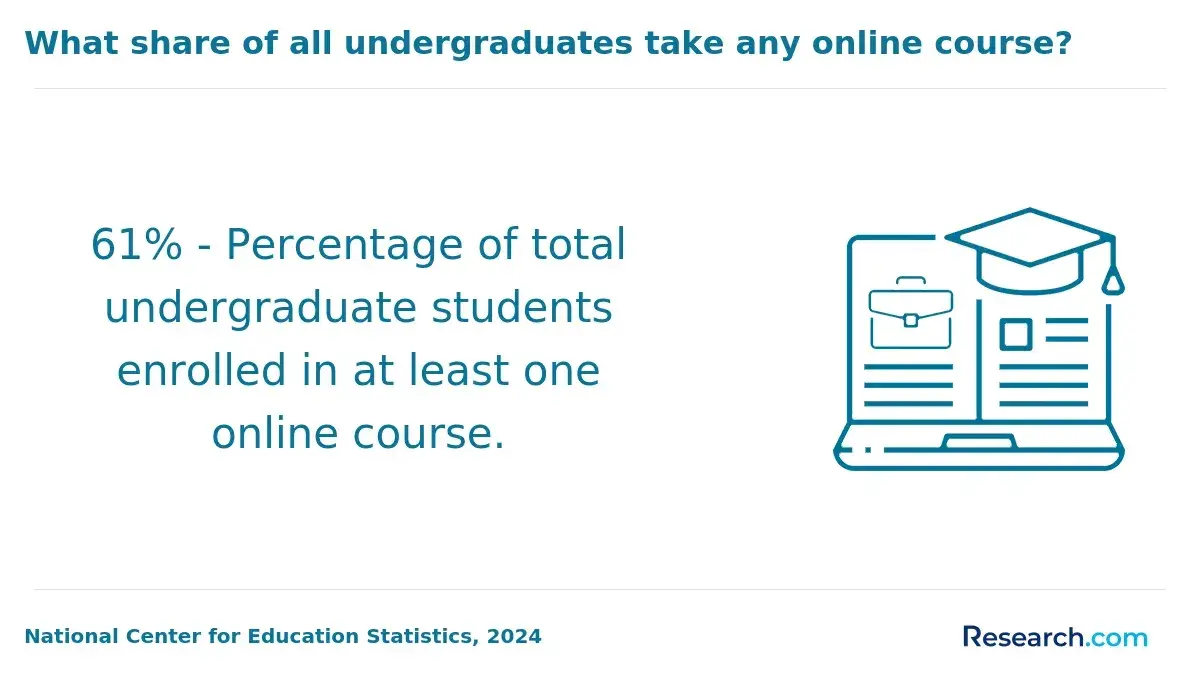
How common are monthly tuition payment plans among Supply Chain Management programs?
Installment plans are common across U.S. colleges, particularly through third-party campus payment platforms, but they are not universal and are rarely guaranteed for every enrollment period. Supply Chain Management students generally use the same institutional billing plan offered to other online students rather than a program-specific plan.
The practical trend is toward term-based flexibility rather than a single plan covering a full two- or four-year degree. Schools need tuition paid within their own academic calendar, while students often prefer predictable smaller payments. As a result, a plan may offer two to six installments for a semester or several installments within an accelerated session.
Availability can also differ between undergraduate and graduate programs. Graduate students in a short, intensive online term may have fewer payment dates, which can create larger monthly obligations even when the total tuition is manageable.
When comparing specialized online programs, look beyond the degree name and ask the billing office the same questions. This is useful for students considering other professional fields, including MLIS programs, where pricing structure and payment timing may also vary by school and term.
A school that advertises "monthly payments" should be able to state the following details clearly:
- The dates and number of installments for your start term.
- The balance that is eligible for the plan after grants, loans, and third-party payments.
- The plan enrollment deadline and whether joining later increases the first installment.
- The consequences of a failed, returned, or late payment.
Can monthly tuition plans make paying for Supply Chain Management degrees more attainable?
A monthly plan can improve affordability in the cash-flow sense: it spreads a known short-term bill across several due dates instead of requiring the full eligible balance at registration. It is often a practical fit for employed students paid biweekly or monthly, students receiving employer reimbursement after course completion, and families using a planned education budget.
It is less suitable for someone whose income is unpredictable, whose budget has no room for a missed-payment charge, or whose balance cannot realistically be repaid by the end of the term. In those situations, a payment plan can delay a larger financial problem rather than solve it.
| Option | When it can make sense | Main trade-off |
| Monthly tuition plan | You can repay the term balance from reliable income within the school's schedule. | Payments are compressed into one term, and missed payments can affect registration or account access. |
| Federal student loans | You need longer repayment after leaving school and are eligible for federal aid. | Borrowing may accrue interest and raises the total cost over time. |
| Employer tuition reimbursement | Your employer has a written benefit and you can meet its grade, service, and approval requirements. | Reimbursement may arrive after tuition is due, so a payment plan or savings may still be needed. |
| Paying upfront | You have sufficient savings and the school offers no meaningful advantage for installments. | You give up cash liquidity and may need to seek a refund if plans change. |
Federal Student Aid advises students to use grants, scholarships, work-study, and federal loans before considering higher-cost private borrowing. A campus payment plan can complement that sequence because it may cover the remaining short-term balance without creating a long repayment period.
Students comparing education costs across career changes should apply the same discipline to program fit, requirements, and repayment timing. For example, applicants exploring accredited MFT programs online should separately evaluate professional licensure requirements. A manageable monthly bill does not establish that a program meets a state's credentialing rules.
Does monthly payment plans have an effect on the overall cost of Supply Chain Management degrees?
A monthly payment plan usually does not change the published tuition rate. It can, however, increase the amount paid through enrollment fees, returned-payment charges, late fees, or interest if the arrangement is actually financing rather than a no-interest installment plan. Read the agreement for an annual percentage rate, finance charge, or language indicating credit is being extended.
The largest cost difference often comes from choices outside the plan itself: taking unnecessary credits, losing a scholarship because of reduced enrollment, repeating a course, or using a credit card that carries interest. A plan is most cost-effective when it helps you pay a balance already included in your budget.
Compare the total cost, not merely the smallest first payment. The table identifies common cost effects that should be included in your estimate.
| Cost item | Potential effect on total cost | How to assess it |
| Plan enrollment fee | Adds a fixed administrative charge each term or academic year. | Ask whether it is nonrefundable and whether it repeats when you enroll in a new term. |
| Down payment | Usually changes timing, not total tuition, unless paired with a separate fee. | Include it in the cash needed before classes begin. |
| Late or returned-payment fee | Can raise the balance quickly after a missed due date. | Check the amount, grace period, and number of times it may be assessed. |
| Credit card interest | Can materially increase cost if payments are charged to a revolving card balance. | Compare the card's terms with direct bank withdrawal or other payment methods. |
Students considering advanced education should be especially careful with total borrowing because higher tuition does not by itself create better career outcomes. A comparison of the easiest doctorate to get can illustrate why program length, accreditation, career purpose, and financing terms matter together.
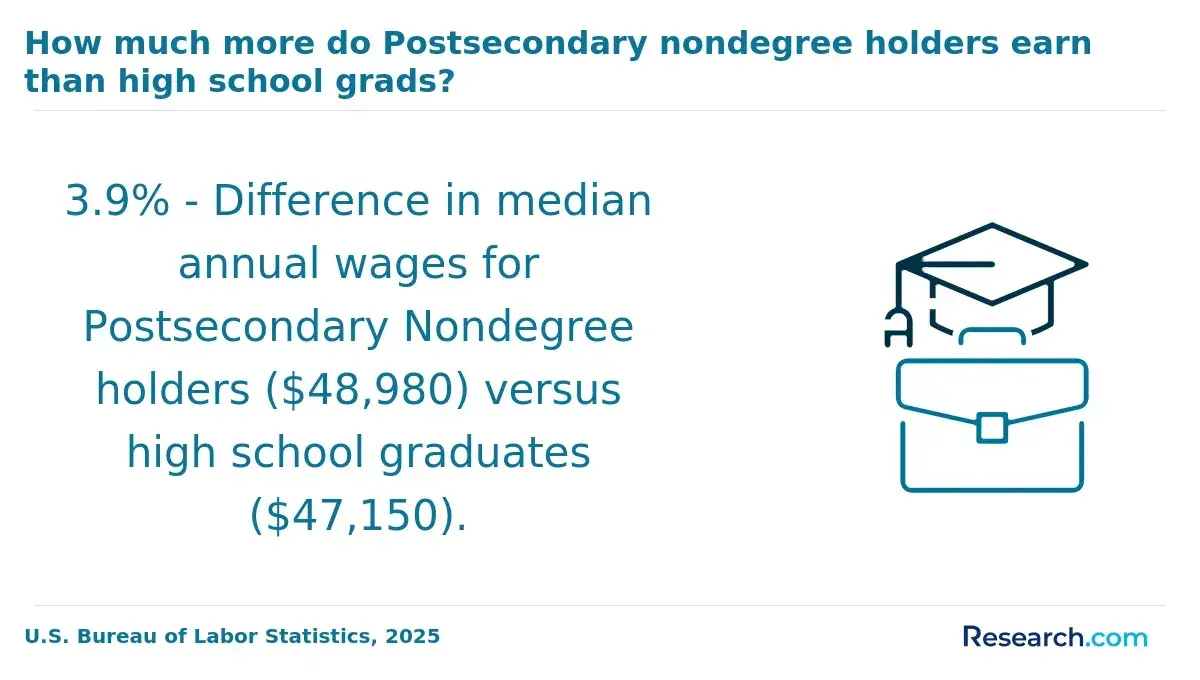
Do monthly payment plans affect your financial aid eligibility for Supply Chain Management programs?
Enrolling in a school payment plan does not usually change eligibility for federal financial aid. Eligibility is determined by factors such as the Free Application for Federal Student Aid, enrollment status, satisfactory academic progress, cost of attendance, and program eligibility. However, the timing of aid disbursement directly affects the payment amount you must cover.
Most schools apply eligible grants, scholarships, and accepted aid to the student account before calculating the remaining balance. If aid is delayed because verification, loan entrance counseling, missing documents, or enrollment changes are unresolved, the school may require you to make scheduled plan payments until the aid posts.
Before selecting installments, obtain a written account estimate that separates aid that is confirmed from aid that is still pending. This distinction prevents a common mistake: assuming an anticipated award will eliminate a payment that remains due under the plan.
Students should also ask whether dropping below half-time enrollment, withdrawing from a course, or receiving a financial-aid adjustment will trigger a revised payment schedule. A refund calculation can leave a student owing a balance even after they stop attending.
Is there a deposit required before starting Supply Chain Management monthly payment plans?
A school may require an initial payment, a percentage of the term balance, or an enrollment fee when you establish the plan. Other schools call this amount a down payment rather than a deposit. The label matters less than whether it is credited toward tuition, refundable, and due before classes begin.
There is no standard national deposit amount. The required amount can depend on the date you join the plan: enrolling close to the first due date may require a larger initial installment because fewer payments remain. A plan may also require a valid bank account or card authorization.
Request a written answer to these questions before you submit payment:
- Is the upfront amount applied to tuition, or is it a separate nonrefundable plan fee?
- What is due before the first class, and what is due after financial aid is expected to disburse?
- If I cancel before classes begin, which amounts are refundable under the school's refund policy?
- Does joining after the regular deadline increase my first payment?
Do not confuse an admissions application fee, enrollment deposit, course materials charge, and payment-plan down payment. They can be separate obligations with separate refund rules.
Are there fees not covered by monthly tuition payment plans for Supply Chain Management programs?
A tuition plan may cover tuition and selected institutional charges while excluding application fees, books, software, proctoring, professional memberships, graduation fees, or optional course materials. Online supply chain coursework can also involve specialized software or textbook platforms, depending on the curriculum.
The billing statement, tuition schedule, and payment-plan contract should show what is included. The following categories are common exclusions or separate charges, but each school's policy controls.
| Charge category | Often included in installments? | Why it matters |
| Tuition | Usually | This is normally the core balance divided among scheduled payments. |
| Mandatory institutional fees | Sometimes | Technology, student service, or distance-learning fees may be billed separately. |
| Books and course materials | Varies | They may be included in a term resource fee, purchased independently, or charged after registration. |
| Third-party proctoring or certification costs | Often no | These can be paid directly to an outside provider and may not appear on the tuition bill. |
| Late, returned-payment, and plan fees | No | These are generally additional costs created by plan enrollment or missed payments. |
Avoid relying on a verbal assurance that "everything is covered." Ask for an itemized account estimate, then compare it with the program's required-course list and the school's refund policy. That approach is especially important if employer reimbursement only covers tuition and excludes fees.
What should you look for in payment plan terms for Supply Chain Management programs?
A strong payment plan is transparent, affordable within your actual monthly budget, and aligned with your aid and payroll timing. The best plan is not necessarily the one with the lowest first installment; it is the one whose full schedule can be paid without relying on high-interest credit.
Review these terms before accepting the agreement. They identify the details most likely to change your real cost or create a registration hold:
- Installment schedule: Confirm every due date, the number of payments, and whether dates can change when you add or drop a class.
- Upfront amount: Separate the down payment from any nonrefundable enrollment or processing fee.
- Late-payment policy: Check the fee, grace period, automatic-payment rules, and whether a missed payment can cancel the plan.
- Account consequences: Determine whether delinquency can block registration, transcripts, course access, or graduation processing.
- Refund and withdrawal treatment: Ask how a course drop, withdrawal, or aid adjustment changes installments already scheduled.
- Payment method: Verify whether bank transfer, debit card, credit card, employer payment, and third-party sponsorship are accepted and whether any method adds a fee.
Keep a copy of the agreement and the itemized balance used to create it. This documentation is useful if a scholarship posts late, your employer reimbursement is delayed, or the billed amount differs from the estimate.
How do you know if online Supply Chain Management degrees with monthly payments are right for you?
A monthly tuition plan may be right for you if you have dependable income, can cover the required first payment and fees, and expect to clear the remaining balance by the end of each term. It can be particularly useful for employed learners who want to preserve emergency savings while completing a degree in logistics, procurement, operations, inventory management, or analytics.
Paying upfront may be better when you have sufficient savings, the school offers a meaningful upfront-payment benefit, and installments would add recurring fees. Federal loans may be more appropriate when the remaining balance cannot be repaid within the school's short installment window, provided you understand borrowing obligations and have exhausted grants and scholarships first.
Use this decision check before enrolling. It turns a general affordability claim into a realistic personal budget test.
- Calculate your total term bill using the official tuition schedule, required fees, and materials.
- Subtract only financial aid, scholarships, employer benefits, or savings that are confirmed and available on time.
- Divide the remaining balance by the plan's actual number of installments, then add the plan fee and any excluded expenses.
- Compare that figure with your monthly income, fixed expenses, emergency savings needs, and other debt payments.
- Choose the plan only if you can make every payment without depending on uncertain overtime, future reimbursement, or revolving credit.
Finally, evaluate the degree separately from its payment method. Confirm institutional accreditation, program curriculum, transfer-credit policies, course format, career services, expected completion time, and whether the degree supports your intended supply chain role. Flexible billing is valuable, but it should not be the main reason to choose a program.
Other Things You Should Know About Supply Chain Management Programs
Often, yes, if your balance meets the school's minimum requirement and you enroll before the payment-plan deadline. Some schools require a minimum balance, while others allow plans for most eligible tuition charges.
Usually, payment-plan fees are set at the institutional level, but schools may have separate online-course or technology charges. Ask for the fee schedule that applies to your online student account.
Often it can. If reimbursement is paid after grades are issued, a monthly plan may help bridge the timing gap. Confirm whether the employer pays the school directly or reimburses you and whether the school accepts deferred third-party billing.
Policies vary, but possible consequences include a late fee, returned-payment charge, plan cancellation, registration hold, or immediate payment of the remaining balance. Contact student accounts before the due date if you expect a problem; do not assume a missed payment will be automatically waived.
References
- Supply Chain Management Online Program ACTS https://www.americation.org/supply-chain-management-program
- Funding Your Online Master's Degree: How to Pay Less with Financial Aid https://www.onlinemastersdegrees.org/financial-aid/
- Companies That Pay For College | Find 36 Top Options https://www.educationconnection.com/financial-aid/companies-that-pay-for-college/
- Do Colleges have Payment Plans? | Ascent Funding https://www.ascentfunding.com/blog/how-to-secure-and-use-a-college-tuition-payment-plan/
- 2025 Most Affordable Online Supply Chain Management Degrees https://www.onlineu.com/most-affordable-colleges/supply-chain-management-degrees
- A Smart Way to Pay for College https://www.mefa.org/article/a-smart-way-to-pay-for-college/
- How to Take Advantage of College Tuition Payment Plans Today https://www.edumed.org/financial-aid/tuition-payment-plans/
- What Is a Tuition Payment Plan and How Can You Benefit from One? | NC Assist Loans https://www.ncassist.org/paying-for-college-101/blog/tuition-payment-plan/
- Average Cost of College [2025]: Yearly Tuition + Expenses https://educationdata.org/average-cost-of-college