2027 Online Special Education Degree Programs With University Scholarships: Awards, Eligibility, and Net Cost

Co-Founder and Chief Data Scientist
An online special education degree can look affordable until fees, clinical requirements, and aid rules change the final bill. College Board reported average published tuition and fees of $11,610 at public four-year colleges for in-state students in 2024-25, before aid.
This guide is for prospective undergraduate and graduate special education students comparing online programs. It explains institutional scholarships, qualification rules, renewable awards, and net cost so you can compare written financial-aid offers - not tuition headlines - and choose the option that fits your budget and licensure plans.
Key Things You Should Know
- University-funded scholarships for online special education students can range from small one-term awards to multi-year tuition reductions, but the amount, online eligibility, and whether an award covers fees must be confirmed in writing.
- Common eligibility factors include admission status, GPA, degree level, enrollment intensity, FAFSA information, residency, and participation in required field experiences; a scholarship may be reduced or unavailable for part-time online enrollment.
- The best offer is the lowest renewable net cost: subtract grants and scholarships from tuition and required charges, then add books, technology, background checks, testing, travel, and any borrowing costs.
Which Online Special Education Degree Programs Offer University Scholarships?
Institutional scholarships are grants funded or administered by a college, university foundation, or university-affiliated donor. Unlike loans, they generally do not need to be repaid if the student meets the award terms. Online special education students may be eligible for the same university scholarships as campus students, but many schools limit certain awards to traditional, full-time, on-campus, undergraduate students.
Start by separating the academic program from the scholarship policy. A university may offer an online bachelor's completion program, a master's in special education, an endorsement, or a licensure-focused teaching program, yet apply different aid rules to each format. Students evaluating accredited distance-learning options can also use this overview of good online colleges as a starting point for broader institutional research.
This comparison shows the types of university aid policies to look for. It is a screening framework, not a promise that every school offers each award.
| Program and student category | Institutional aid commonly encountered | Important eligibility question | Value consideration |
| Online bachelor's degree completion | Transfer scholarships, academic merit awards, need-based grants | Are fully online and part-time students eligible? | Transfer-credit acceptance can reduce both time and total tuition. |
| Online master's in special education | Graduate tuition scholarships, departmental awards, educator discounts | Does the award apply to online graduate tuition? | Compare the scholarship against total required credits and practicum costs. |
| Online licensure or teacher-certification track | Teacher pipeline grants, partnership awards, service-focused scholarships | Is state residency, district employment, or a service commitment required? | An award can be valuable but may create post-graduation obligations. |
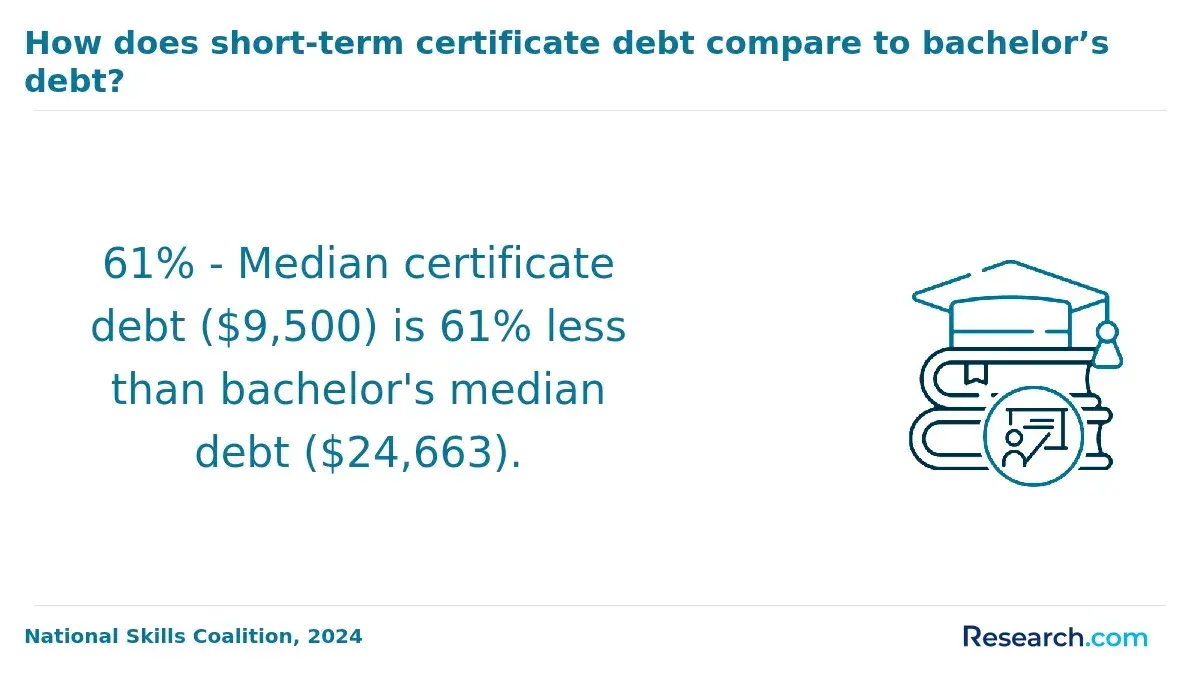
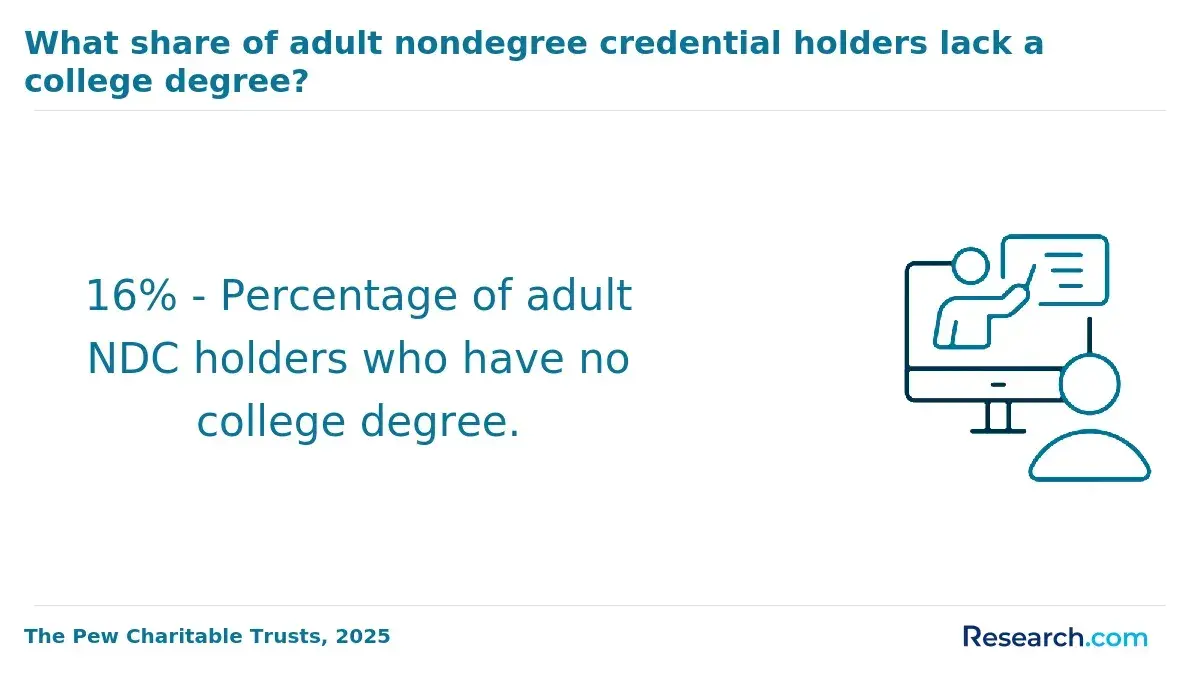
| Online certificate or endorsement | Limited institutional aid, employer partnerships, occasional departmental awards | Are nondegree students eligible for university scholarships? | Shorter programs may cost less overall even with a smaller award. |
Public universities may offer lower base tuition for in-state students, while private nonprofit institutions may use larger institutional awards to reduce a higher published price. Neither model is automatically cheaper. Ask each financial-aid office whether the scholarship is available to your exact degree, delivery format, campus designation, and intended start term.
How Much Scholarship Money Can Online Special Education Degree Students Receive?
There is no standard university scholarship amount for online special education. Awards can be a one-time fixed amount, a per-credit tuition reduction, an annual award, or a scholarship described as full tuition. "Full tuition" may exclude mandatory fees, course materials, field-placement expenses, and living costs, so it should not be treated as a full-cost award without reviewing the terms.
College Board's 2024-25 published-tuition figure of $11,610 for in-state students at public four-year institutions provides useful context: even a sizable scholarship should be evaluated against the school's actual program price, required credits, and charges. The examples below are hypothetical calculations designed to show why award size alone is not enough.
| Hypothetical offer | Annual tuition and required charges | Institutional scholarship | Estimated remaining direct cost | What to verify |
| Lower-price public online program | $12,000 | $2,000 | $10,000 | Whether the award continues after the first year. |
| Higher-price private online program | $24,000 | $8,000 | $16,000 | Whether other grants can be added and whether fees are excluded. |
| Per-credit scholarship | $15,000 | $100 per eligible credit | Depends on enrollment | Credit cap, minimum enrollment, and excluded courses. |
| Full-tuition scholarship | $18,000 tuition plus $2,000 fees | Tuition only | $2,000 plus indirect costs | Required fees, materials, licensure tests, and placement travel. |
A smaller scholarship at a lower-tuition institution can produce the better financial outcome. Request a term-by-term estimate that identifies tuition, mandatory university fees, program-specific charges, scholarship amount, other grants, and the balance you would pay or borrow.
What Are the Eligibility Requirements for Online Special Education Degree Scholarships?
Eligibility requirements are the conditions a student must meet to receive an award. They may be checked at admission, before each term, or after grades post. An admissions offer does not establish scholarship eligibility, especially when the student enters an online, graduate, transfer, or nondegree pathway.
Review these requirements before relying on a university award in your enrollment decision.
- Degree and format: Confirm that your specific online special education degree, not merely the university, is an eligible program.
- Admission status: Many awards require full admission rather than provisional, visiting, or nondegree status.
- Academic record: Merit awards may require a stated incoming GPA, transfer GPA, prior degree GPA, or academic ranking.
- Enrollment level: Scholarships may require full-time enrollment, a minimum number of credits, or continuous enrollment each term.
- Financial need: Need-based institutional aid commonly requires a FAFSA and may depend on the university's aid calculation.
- Residency or affiliation: Some awards are limited to state residents, employees of partner districts, alumni, military-connected learners, or members of a defined community.
- Timing: Priority scholarship deadlines can fall before the regular admissions deadline or before a cohort is full.
Special education preparation often includes practicum, observation, student teaching, or supervised fieldwork. Ask whether enrollment in those courses changes your tuition rate, scholarship eligibility, or ability to work while enrolled. Also verify whether the program is designed to meet educator-preparation and licensure requirements in your state; university scholarships do not resolve state licensing eligibility.
How Do You Apply for University Scholarships for an Online Special Education Degree?
Some institutional awards are automatic: the university uses your admission application and academic record to decide. Others require a scholarship portal application, FAFSA submission, essays, references, proof of employment, or program-specific materials. Treat "automatically considered" as a policy to confirm, not an assumption.
Use this sequence to avoid missing awards or accepting an offer based on incomplete information.
- Identify your exact online special education degree, start term, residency status, and expected enrollment level.
- Check the university's financial-aid and scholarship pages for online-student exclusions, separate forms, and priority deadlines.
- Submit admission materials early enough for scholarship review, including official transcripts when required.
- File the FAFSA if you may seek need-based aid, federal loans, work-study, or aid that requires financial-need information.
- Complete separate institutional or departmental scholarship applications and save confirmation records.
- Request a written award notice showing the amount, term covered, renewal conditions, and whether the award is estimated or finalized.
- Compare the net-cost estimate with competing programs before paying a deposit or registering.
Keep copies of scholarship terms and ask for clarification by email when a rule is unclear. This matters particularly for graduate students, who may find fewer broad institutional awards than first-time undergraduate students. If you are considering another people-centered graduate pathway, reviewing best online social work programs may also help you compare differences in program structure, fieldwork, and aid policies.
Are Scholarships for Online Special Education Degree Programs Renewable Every Year?
Some scholarships renew annually or by term; others are awarded for one semester, one academic year, or the first year only. Renewable aid can have greater long-term value than a larger one-time award, but renewal is conditional. The award letter or scholarship agreement - not a promotional page - should state the controlling terms.
The following renewal terms deserve careful comparison because they can substantially change the cost of a multi-year program.
| Renewal condition | How it can affect an online student | Question to ask |
| Minimum cumulative GPA | A difficult practicum or transition term can jeopardize future aid. | What GPA is required, and is there an appeal process? |
| Minimum enrollment | Reducing credits for work or caregiving may lower or end the award. | What happens if I enroll part time for one term? |
| Continuous enrollment | A leave of absence may interrupt eligibility. | Can an approved pause preserve my scholarship? |
| Maximum terms or credits | Extra courses or delayed placement can leave later terms uncovered. | How many terms and credits are funded? |
| Satisfactory academic progress | Federal and institutional standards may both apply. | Are scholarship standards different from financial-aid standards? |
Do not multiply a first-year scholarship by the program length unless renewal is clearly guaranteed subject to stated conditions. If the special education program has a fixed cohort sequence, ask whether a required clinical semester remains scholarship-eligible and whether a course repeat affects future awards.
Can You Combine an Online Special Education Scholarship With FAFSA and Other Financial Aid?
Often, yes. FAFSA is the application used to determine eligibility for federal student aid and is also used by many colleges to award need-based institutional grants. A university scholarship may be combined with federal grants, state aid, employer tuition assistance, veterans' education benefits, and private scholarships, but each school controls its packaging policies and may adjust aid when new resources are reported.
Understand the typical order of financial-aid coordination before assuming every award will stack dollar for dollar.
- Submit the FAFSA even if you expect a merit scholarship, because it may open eligibility for federal grants, loans, work-study, or need-based university aid.
- Report outside scholarships and employer support when required; the financial-aid office may revise loans or other aid to keep total aid within the school's cost-of-attendance limits.
- Ask whether the university reduces loans first, which is generally preferable to reducing grants or scholarships, though policies vary.
- Verify whether employer assistance is paid directly to the school, reimbursed after grades, or treated as a resource that affects aid packaging.
- For military-connected students, ask the veterans' benefits office and financial-aid office to explain how education benefits interact with institutional awards.
Federal aid has annual and lifetime rules separate from a university scholarship. Accept only the loans you need after scholarships and grants are applied. A financial-aid offer is a funding plan, not simply a discount: loans increase resources now but create repayment obligations later.
How Much Does an Online Special Education Degree Cost After Scholarships and Financial Aid?
Net cost is the amount remaining after grants and scholarships are subtracted from the charges and expenses you must cover. It is more useful than published tuition because students' residency, transfer credits, enrollment, aid eligibility, and required fieldwork vary. Loans can cover a remaining balance, but they do not reduce net cost because they must be repaid.
For a practical comparison, calculate direct costs and likely program expenses for each school using the same period, usually one academic year or the entire degree.
| Net-cost component | Include it? | Why it matters in special education preparation |
| Tuition by credit or term | Yes | Online rates may differ by residency, degree level, or course type. |
| Required university and program fees | Yes | Technology, graduation, clinical, and distance-learning fees may not be scholarship-covered. |
| Institutional, federal, state, and outside grants | Subtract | These reduce the amount you must pay from savings, earnings, or borrowing. |
| Books, software, and required materials | Include | Specialized assessment tools and course resources can add costs. |
| Background checks, fingerprints, testing, and licensure fees | Include | These expenses may be required for field placement and are often separate from tuition. |
| Travel, child care, or lost work time for fieldwork | Include when applicable | Online coursework does not always mean fully remote clinical requirements. |
A useful formula is: estimated net cost = tuition + required fees + program expenses − scholarships − grants. Calculate it for every year, not just the first term. College Board's 2024-25 figures describe broad published prices rather than special education or online-program costs, so use them only as context; obtain the university's own written estimate for your actual enrollment plan.
A lower-cost entry route can also improve affordability for students who need general education credits before transferring. Compare transfer rules carefully when exploring associate degree online programs, because not every short program supplies transferable coursework or fits teacher-preparation prerequisites.
Are There Scholarships for Transfer, Adult, Military, and Other Online Special Education Students?
Yes, but eligibility is often narrower than the broad scholarships advertised to first-time, full-time undergraduates. Transfer, adult, military-connected, returning, and working students should search beyond general freshman merit awards and ask whether institutional aid is designed for their student category.
These groups may find different scholarship pathways and should verify the associated restrictions.
- Transfer students: Look for awards based on transferable credits, associate degrees, community-college partnerships, or transfer GPA; confirm whether all accepted credits count toward the scholarship threshold.
- Adult and returning learners: Ask about degree-completion grants, prior-learning policies, employer-partner awards, and eligibility after a gap in enrollment.
- Military-connected students: Ask about institutional military scholarships, tuition reductions, benefits certification, and whether awards apply to spouses or dependents.
- Working paraprofessionals and school employees: Check for district partnership awards, educator discounts, cohort pricing, and scholarships tied to employment verification.
- Students from underrepresented communities: Review university foundation and education-department scholarships, including awards connected to teacher diversity or local service goals.
Students planning a longer academic path should avoid assuming that undergraduate transfer awards continue into graduate study. Doctoral funding, assistantships, and timeline requirements are separate considerations; this guide to shortest PhD programs can help readers assess program pacing if a future doctorate is part of their plan.
What Is the Difference Between Merit-Based and Need-Based Scholarships for Online Special Education Degrees?
Merit-based scholarships are generally awarded for academic achievement, leadership, professional experience, talent, or another accomplishment. Need-based scholarships consider financial circumstances, frequently using FAFSA information and the university's aid methodology. Some institutional awards combine both approaches, requiring a minimum GPA and demonstrated financial need.
Neither type is inherently better. The right option depends on your academic profile, financial circumstances, program format, and likelihood of meeting renewal terms.
| Scholarship type | Primary basis for selection | Common documentation | Best comparison question |
| Merit-based | GPA, prior degree performance, leadership, professional achievements, or application quality | Transcript, résumé, essay, references | Is the award automatic, competitive, and renewable at my enrollment level? |
| Need-based | Demonstrated financial need under the school's process | FAFSA and sometimes supplemental forms | Does online or graduate enrollment affect eligibility? |
| Departmental or profession-focused | Commitment to education, special education, community service, or a specific population | Essay, faculty recommendation, employment verification | Is there a service, residency, or post-graduation requirement? |
Merit awards can be especially useful for students whose finances do not produce significant need-based eligibility, while need-based grants may be critical for students with limited resources. Apply for both when eligible. The main red flag is assuming a merit award is guaranteed because you meet a stated minimum; some awards remain competitive until the university confirms selection.
How Should You Compare Scholarship Offers From Online Special Education Degree Programs?
Compare offers on a common timeline and in writing. The strongest scholarship value is not necessarily the largest advertised award; it is the offer that produces an affordable, sustainable net cost while supporting your academic and state-licensure goals. This is particularly important in special education, where supervised practice and state approval can shape both schedule and expenses.
Use the following questions when reviewing each school's award letter and program information.
- What is the total tuition and required-fee cost for the full degree, based on my transfer credits and planned enrollment?
- Which scholarships and grants are confirmed, which are estimated, and which require a separate application?
- Does each award cover one term, one year, or the full program, and what exactly must I do to renew it?
- Will part-time attendance, a summer term, a course repeat, a leave of absence, or student teaching change the award?
- Are scholarships applied to tuition only, or can they also offset mandatory fees and program charges?
- What field-placement, background-check, testing, travel, and licensure costs should I budget for outside tuition?
- Is the online program approved or designed to meet the educator-licensure requirements where I intend to work?
- How much would I need to borrow each year after grants and scholarships, and what is my estimated total borrowing?
Build a one-page comparison for each finalist with total program cost, confirmed gift aid, renewable aid, projected annual net cost, and unresolved questions. Avoid four common mistakes: comparing only tuition, counting loans as discounts, assuming online students receive every campus scholarship, and ignoring renewal conditions. For readers weighing education against other applied degree options, this guide to a hotel and restaurant management degree online illustrates why program length, delivery requirements, and total cost should be compared together rather than in isolation.
Other Things You Should Know About Special Education
It may, but only if the program and your state's requirements align. Many online programs include licensure pathways, while others are intended for already licensed teachers seeking a master's degree or endorsement. Confirm state authorization, required field placements, exams, background checks, and student-teaching rules before enrolling.
Look first for institutional accreditation recognized by the U.S. Department of Education or the Council for Higher Education Accreditation. Also ask whether the educator-preparation program has relevant programmatic approval or accreditation and whether it is accepted by the licensing authority in the state where you plan to teach.
Coursework may be online, but practicum, observation, and student teaching are commonly completed in approved schools or educational settings. Ask who arranges placements, whether you may use your workplace, how supervision works, and whether you are responsible for travel or placement-related costs.
Depending on the degree level, licensure, and state rules, options may include special education teacher, intervention specialist, instructional coach, behavior-support role, case-management position, or education-program coordinator. Some roles require additional credentials, supervised experience, or graduate study, so review job requirements in your target state before selecting a concentration.
References
- College Funding Resources for Individuals with Disabilities https://amputee-coalition.org/college-funding-resources-for-individuals-with-disabilities/
- Teach NYC http://www.teachnycprograms.net/
- Aid for Aspiring Special Educators in Michigan | Funding & Support https://optimise.education/aspiring-special-educators-get-ahead-with-financial-support/
- Scholarship for Special Educators | HIE Help Center https://hiehelpcenter.org/scholarship-for-special-educators/
- Unique Abilities Scholarship - Step Up For Students https://www.stepupforstudents.org/scholarships/unique-abilities/
- Unlocking Potential: How Choice Transforms Education for Students with Disabilities https://www.edchoice.org/unlocking-potential-how-choice-transforms-education-for-students-with-disabilities/
- Pricing & Scholarships | ESD-U https://esd-u.esd112.org/pricing-scholarships/
- Special Education Degree | Master of Arts in Special Education | University of Phoenix https://www.phoenix.edu/online-education-degrees/special-education-masters-degree.html
- 50 Great Scholarships for Education and Teaching Degrees https://www.masters-in-special-education.com/great-scholarships-for-education-and-teaching-degrees/