2027 Online Retail Management Degree Programs Costs: Tuition & Fees
Audited and Verified:
Our Editorial and Data Verification Process
Research.com uses government datasets, official education statistics and primary institutional information to support its career and degree guides. Our review process checks factual accuracy, occupational definitions, source dates and the requirements associated with the credentials discussed.
How This Article Was Fact-Checked
Our editorial team verifies salary estimates, employment projections, education requirements and program information against original data providers and official organizations. Salary figures are checked against the relevant occupational definitions and reporting periods. Information about licensure, accreditation and required in-person training is reviewed separately.
Fact-checked and verified on:

Co-Founder and Chief Data Scientist
The cost of pursuing an online Retail Management degree can significantly impact a student's financial planning. Tuition and fees, combined with expenses like textbooks and technology, often represent a major investment. Understanding these costs upfront is essential for budgeting and avoiding unexpected debt.
Retail Management programs vary widely in price, influenced by factors such as institution type and program length. This article explores typical tuition ranges, breaks down associated fees, compares affordability across schools, and reviews financial aid options available to prospective students interested in advancing their careers through online education.
Key Points About Online Retail Management Degree Costs
- Average tuition for online Retail Management degrees ranges from $15,000 to $40,000, varying by institution type and program length.
- Costs depend on credit hours, residency status, technology fees, and access to specialized retail resources.
- Investment is justified by potential salary boosts, career advancement, and industry-relevant skills gained.
What Is the Average Cost of an Online Retail Management Degree?
The average cost for an online Retail Management degree can vary significantly, but generally falls between $40,000 and $63,000 for a bachelor's program. Public universities tend to charge roughly $337 to $411 per credit hour, translating to around $40,000 to $49,000 for a full 120-credit degree. Private institutions usually have higher rates, with per-credit costs near $516, pushing total expenses up to about $63,000.
Costs fluctuate depending on degree level and the type of school. Graduate programs in Retail or Business Management often carry higher tuition, with public schools charging about $582 or more per credit and private graduate courses approaching $919 per credit. Some affordable public schools offer lower annual tuition rates between $4,770 and $5,000 for online business degrees, often reflecting in-state or lower-cost institutions. Overall, public options tend to be more economical compared to private ones.
Tuition fees for online Retail Management degrees generally align with those for other online business administration programs. Pricing is primarily based on per-credit-hour charges, with total program costs varying by institution and level of study. Typically, online learning options are less costly than on-campus offerings, which may reduce expenses by several thousand dollars annually.
What Is Typically Included in the Tuition for an Online Retail Management Degree?
Tuition for online Retail Management degrees generally encompasses a range of essential academic and support services tailored for remote learners. Most programs ensure students have the core resources needed for success in a virtual learning environment.
These typically include access to key materials and technological tools, along with academic support designed to help students manage both coursework and career planning effectively.
- Course content: Comprehensive digital lessons and modules covering all necessary topics within Retail Management.
- Digital textbooks: E-books and reading materials available online for convenient study.
- Study materials: Supplemental resources such as practice exercises and guides to reinforce learning.
- Academic support: Online tutoring, advising services, and career counseling to assist students throughout their program.
- Technology infrastructure: Learning management systems and mobile-friendly platforms that allow flexible access from multiple devices.
- Specialized certifications: Some programs include industry-related credentials, like the ServSafe Food Handler certification, to enhance professional qualifications.
However, tuition usually excludes certain additional expenses. Students should anticipate costs for taxes, exam proctoring fees, and necessary technology such as computers or reliable internet connections. Separate fees may also apply for graduation, transcripts, or any optional in-person activities, which are billed outside of standard tuition rates.
What Factors Influence the Cost of Pursuing an Online Retail Management Degree?
The cost of an online Retail Management degree can vary significantly due to multiple considerations. Understanding the key factors affecting tuition rates can help prospective students better plan their education expenses.
- Type of institution: Public universities generally offer lower tuition than private schools, especially for in-state students, reflecting the common differences highlighted in the public vs private online retail management program cost comparison.
- Residency status: Many public colleges charge reduced rates for residents of their state, while out-of-state students typically pay more, influencing total program expenses.
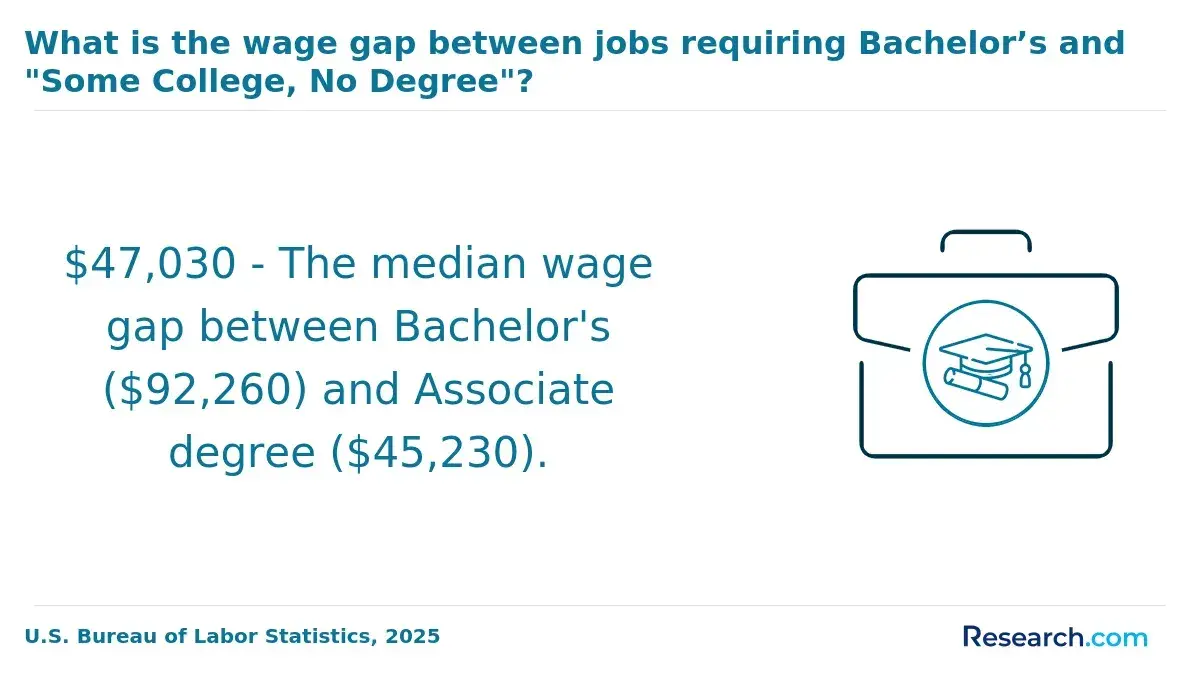
- Credit hour requirements: Bachelor's degrees usually require between 120 and 128 credits, whereas associate degrees might need only 60, potentially cutting costs by half due to fewer required credits.
- Program length and format: Accelerated programs allow students to finish faster but may carry higher per-term fees; exploring options like fast track degree programs online can provide cost and time savings.
- Additional fees and services: Technology fees, online course fees, and bundled resources such as textbooks or certification exams can add to tuition. Programs with robust student support services and faculty credentials may charge more but offer enhanced career outcomes.
Online Retail Management degree programs are generally more affordable than traditional on-campus programs. In 2027, the average tuition and fees for an online bachelor's in business-including Retail Management about $10,476 per year, compared to $16,921 per year for on-campus options. This cost difference is an important factor for students considering the cheapest online retail management programs.
The net price after financial aid further highlights this gap: online degrees average $5,928 annually, whereas on-campus programs average $9,231. Several reasons explain why on-campus programs tend to be more expensive. Campus fees, such as facilities and student activities, add to the total cost, while commuting and housing expenses also need to be factored into in-person education budgets.
In contrast, online programs offer flexible learning that allows students to work while studying, minimizing lost income. Although online students may face technology costs, these are generally lower than expenses related to campus living. For those seeking affordable options, exploring college degrees for seniors online can also be worthwhile, as many programs emphasize cost-effectiveness without sacrificing quality.
Residency status often influences tuition costs for online Retail Management degree programs, but the extent varies depending on the institution. While many public universities charge higher rates for out-of-state students in their on-campus courses, this policy does not always apply to online offerings.
Some universities now provide a flat tuition rate for their online programs, meaning all students pay the same regardless of where they live. For instance, Oregon State University's Ecampus applies a single per-credit tuition fee for its online retail-related courses without residency distinctions. On the other hand, certain schools maintain different tuition prices based on residency, especially if their online programs mirror on-campus curricula closely.
Additionally, regional tuition agreements can reduce costs for qualifying out-of-state students, enabling them to access in-state rates through reciprocity compacts. Private colleges also sometimes charge uniform tuition rates for online learners, removing residency as a pricing factor. Because policies differ widely across institutions, prospective students should carefully examine each program's tuition rules before deciding.
Students seeking affordable online retail management degrees in USA have several options that combine accessibility with reasonable costs. These programs are ideal for working professionals and those focused on minimizing educational expenses while pursuing a career in retail management.
Below are examples of institutions known for the cheapest online retail management bachelor's programs by state or nationally, highlighting tuition rates and program features:
- American Public University System (APUS): Offers a fully online Bachelor of Arts in Retail Management accredited by the Accreditation Council for Business Schools and Programs (ACBSP). Tuition is approximately $315 per credit hour, with no entrance exams required and an average annual net price near $10,322.
- Alexandria Technical & Community College: Provides affordable associate-level retail management credentials with an average net price of $13,947 per year. The college is distinguished for its open admissions and well-organized online instruction.
- Western Governors University (WGU): Although it does not offer a specialized retail management bachelor's degree, WGU delivers low-cost online business management degrees with retail management-related coursework and tuition discounts for students holding prior retail management certificates.
These programs often feature flat-rate pricing, reduced fees for online learners, and frequent financial aid opportunities, enhancing affordability and flexibility. For prospective students evaluating which degree might yield the best return, it is helpful to compare costs alongside potential outcomes. Resources like the highest ROI masters degrees offer valuable insights.
When considering the most expensive online retail management degree programs, students often weigh cost against quality, accreditation, and available resources. In the competitive landscape of higher education, certain universities charge premium tuition fees reflective of their reputation and comprehensive offerings.
Here are some institutions known for having the highest tuition retail management degrees in the US, especially for out-of-state students pursuing online options:
- Oregon State University Ecampus offers a Bachelor's in Retail and Sales Management with out-of-state tuition of around $29,445 per year. This cost corresponds to the university's AACSB accreditation, specialized faculty, leadership-focused curriculum, and extensive networking opportunities.
- Arizona State University-Skysong (ASU Online) provides a Bachelor of Arts in Business (Retail Management) for non-residents at approximately $28,800 per year. ASU's program is noted for its innovative online learning tools, experienced instructors, and emphasis on retail strategy and customer experience management.
- George Mason University charges $1,565 per credit hour for out-of-state students, leading to a total exceeding $100,000 for the full bachelor's program without financial aid. GMU's AACSB accreditation, specialized concentrations, and career placement services contribute to its high tuition.
Students seeking these costly programs must recognize that the most expensive online retail management degree programs also include extensive student resources and advanced curriculum. For those prioritizing affordability, exploring a low cost online college might provide valuable alternatives without compromising educational quality.
For many graduates of online retail management programs, recovering the costs of their education typically happens within three to five years. This timeline varies based on personal circumstances and market trends, but students often see a financial payoff within this range.
The speed at which graduates achieve a return on investment depends largely on factors like starting salary and job demand. Retail management roles offer competitive entry-level wages, with business-related bachelor's degrees averaging around $66,500 annually in 2023. Some retail and sales management positions report median salaries exceeding $135,000, which can shorten the time needed to recoup tuition expenses.
Other key elements influencing ROI include career progression opportunities and education costs. Promising career advancement within retail management can boost earnings over time, improving the financial benefits of the degree.
Tuition fees vary significantly from $10,000 to $38,000 per year for many online programs. Students who manage expenses and avoid heavy debt tend to see returns more quickly. Additionally, those who balance studies with work or secure scholarships often reduce their payback period, while pursuing further education might extend it.
Online Retail Management students are often eligible for a range of financial aid programs designed to ease the cost of their education. Many qualify for federal financial aid for online Retail Management degrees, which can substantially reduce tuition expenses based on financial need and enrollment status. To access these federal options, students must attend an accredited institution and complete the Free Application for Federal Student Aid (FAFSA).
Beyond federal aid, scholarships for online Retail Management students are available from industry groups and employers. These awards support students who show leadership potential or academic merit in the retail field. Additionally, employees of major retail chains may benefit from tuition assistance programs, helping to cover education costs while maintaining their job.
- Federal financial aid for online Retail Management degree: Includes Pell Grants, federal student loans, and work-study programs which can cover a significant portion or sometimes the full cost depending on eligibility and income.
- Scholarships for online Retail Management students: Offered by organizations like the National Retail Federation, these scholarships are merit-based or leadership-focused and vary in amount to help reduce tuition fees.
- Employer tuition assistance: Many large retailers and grocery chains provide tuition reimbursement or scholarships to employees pursuing Retail Management degrees or certificates, often covering partial or full tuition and occasionally textbooks, contingent on continued employment and academic performance.
Military bridge programs and state-specific aid initiatives may also offer additional financial support, particularly for veterans or those working within partner organizations. For students considering combinations of studies, exploring the best dual degree combinations can expand both educational and financial opportunities.
When considering an online degree in Retail Management, understanding the cost is essential. Tuition prices vary based on the institution's type, location, and program format, influencing the total investment required for completion.
Currently, tuition for online Retail Management programs can range widely. Public universities typically offer more affordable rates, especially for in-state students, while private institutions usually charge higher fees. Many programs bill per credit hour, with prices generally between $300 and $800 per credit. Some schools may include additional fees for technology or course materials, slightly increasing the overall cost. Financial aid and scholarships are often available to help offset expenses.
Looking ahead, tuition rates for online Retail Management degrees are expected to experience moderate increases, reflecting broader trends in higher education. Advances in educational technology and growing competition among universities might lead to more flexible pricing models or discounted packages. Prospective students should monitor tuition updates regularly and explore cost-saving options to make informed decisions about their education budget.
What Students Say About The Cost of Pursuing Online Retail Management Programs
- Leonard: "Enrolling in the online Retail Management degree program was a game-changer for me. Despite the average cost being more affordable than traditional programs, I was able to gain valuable skills that significantly boosted my career prospects. The investment definitely paid off when I landed a management role within six months of graduating. "
- Jairo: "After careful consideration of the cost associated with obtaining my Retail Management degree online, I found it to be a worthwhile investment. Balancing the tuition fees with my part-time job was challenging, but the flexibility and knowledge I gained have opened doors to leadership positions I hadn't imagined before. It's truly been a rewarding journey. "
- Charles: "The cost of pursuing my Retail Management degree online was reasonable in comparison to on-campus programs, which made it a smart financial decision for me. This degree has not only expanded my understanding of the retail industry but also improved my strategic thinking skills, which are crucial in my current role. The return on investment has been clear, professionally and personally. "
Other Things You Should Know About Retail Management Degree Program Costs
Yes, additional fees can increase the overall cost beyond basic tuition. These may include technology fees, course materials, exam fees, and administrative charges. It's important to review the fee structure carefully in the program's financial disclosures to estimate total expenses accurately.
Certificate programs in Retail Management generally cost less than full degree programs as they cover fewer credits and have shorter durations. However, certificates often provide less comprehensive training and fewer career advancement opportunities compared to bachelor's or master's degrees. Prospective students should weigh cost against their career goals.
No, technology fees are often charged separately from tuition. Many 2027 online retail management programs add online course fees, proctoring charges, or a per-credit technology fee, and these costs are listed in the school’s tuition schedule or fee chart.
Tuition and fees for online Retail Management degree programs in 2027 are influenced by several factors, including the institution's prestige, the level of degree (associate, bachelor's, etc.), geographic location, and whether the program is full-time or part-time. Additional costs may arise from course materials, technology fees, and other miscellaneous charges.
- What Is A Good ROI For Online Business: Tips And Strategies https://synder.com/blog/what-is-a-good-roi/
- Online degree costs vs traditional degrees: which is more affordable? https://collegeonline.io/blogs/online-degree-costs-vs-traditional-degrees
- How Much Do Distance Learning Degrees Cost? Affordable Online Studies in 2025 | Distancelearningportal https://www.distancelearningportal.com/articles/2160/cost-of-distance-learning-degrees.html
- Factors Influencing Distance Education Costs: Key Insights - Distance Learning Institute https://distancelearning.institute/economic-perspective/distance-education-costs-factors-insights/
- E-Commerce Management https://www.lazarski.pl/en/offer-education/recruitment/graduate-studies/management-e-commerce-bachelors-degree
- 2025 Most Affordable Online Business Degrees https://www.onlineu.com/most-affordable-colleges/business-degrees
- What is return on investment? How to calculate & improve ROI https://woocommerce.com/posts/return-on-investment/
- Online Retail management Degrees & University Courses | Reed.co.uk https://www.reed.co.uk/courses/retail-management/online/university
- Online Medical Billing and Coding https://www.ashland.edu/online-medical-billing-and-coding
- Comparison of Online Education MBA Fees Among Various Universities - Distance MBA Hub https://distancembahub.com/blog/comparison-of-online-education-fees-among-various-universities/