2027 How to Compare Retail Management Degree Programs Effectively
Audited and Verified:
Our Editorial and Data Verification Process
Research.com uses government datasets, official education statistics and primary institutional information to support its career and degree guides. Our review process checks factual accuracy, occupational definitions, source dates and the requirements associated with the credentials discussed.
How This Article Was Fact-Checked
Our editorial team verifies salary estimates, employment projections, education requirements and program information against original data providers and official organizations. Salary figures are checked against the relevant occupational definitions and reporting periods. Information about licensure, accreditation and required in-person training is reviewed separately.
Fact-checked and verified on:

Co-Founder and Chief Data Scientist
Choosing the right retail management degree program can be overwhelming when curriculums vary widely, and graduates face differing employment outcomes. For example, a program focusing heavily on traditional retail may not prepare students for the rapid digital transformations shaping the sector. According to the National Retail Federation, 62% of retail jobs now require skills in e-commerce and data analytics, highlighting a gap in some program offerings. This article will help prospective students navigate diverse retail management programs by analyzing key factors such as curriculum content, career services, flexibility, and cost to identify the best fit for their goals.
Key Benefits of Comparing Retail Management Degree Programs Effectively
- Verify program accreditation to ensure curriculum credibility and recognition by employers, as 85% of retail managers prefer degrees from accredited institutions.
- Assess curriculum alignment with career goals, focusing on specializations like supply chain or digital retail to enhance industry relevance.
- Consider total cost versus potential return on investment, noting flexible online options can reduce expenses while maintaining quality education.
What Types of Accreditation Should a Retail Management Degree Program Have?
Accreditation helps prospective students compare the quality, credibility, and long-term value of different retail management degree programs. Over 70% of employers verify candidate education from accredited institutions before hiring, highlighting the importance of selecting a well-recognized program. Below are key types of accreditation to consider when evaluating options.
- Regional Accreditation: This accreditation applies to the entire institution, ensuring it meets broad quality standards in higher education. It facilitates credit transfer between institutions and is often required for federal financial aid eligibility, making it essential for students seeking flexibility and financial support.
- Specialized Accreditation: Granting recognition to specific programs, this type focuses on retail management or business education quality. It demonstrates that the curriculum aligns with industry needs, which can improve employer trust and graduates' career prospects, especially for those in regionally accredited retail management degree programs for career advancement.
- Financial Aid and Credit Transfer Impact: Accreditation status affects eligibility for federal aid and the ability to transfer credits smoothly between schools. Choosing accredited programs minimizes risk of losing progress or funding when changing institutions or pursuing advanced studies.
Students comparing retail management programs should also consider innovative options like an AI degree online, which may offer specialized career pathways and flexible scheduling alongside accreditation assurances.
What Specializations Are Offered in Retail Management Degree Programs?
Specializations in retail management degree programs help prospective students compare offerings by assessing how well each aligns with their career goals and academic interests. Graduates who focus on specific specialties achieve about a 20% higher employment rate in their chosen sectors within one year of finishing their degrees. Below are some common options to consider when evaluating retail management program specialty options.
- Merchandising: product management and pricing strategies are central, preparing students to excel in buying or category management roles that require selecting and pricing products effectively.
- Consumer Analytics: focused on data-driven customer insights, this specialization sharpens skills in interpreting buyer behavior and market trends, essential for careers in marketing and sales strategy.
- Supply Chain Management: covers logistics and inventory control, training students for operational roles that oversee distribution and fulfillment processes.
- Digital Retail: emphasizes e-commerce and online sales platforms, aligning graduates with increasing employer demand driven by the shift toward digital retail channels.
For students interested in exploring accelerated options in related fields, consider programs like the accelerated psychology degree, which can complement retail skills through consumer behavior understanding.
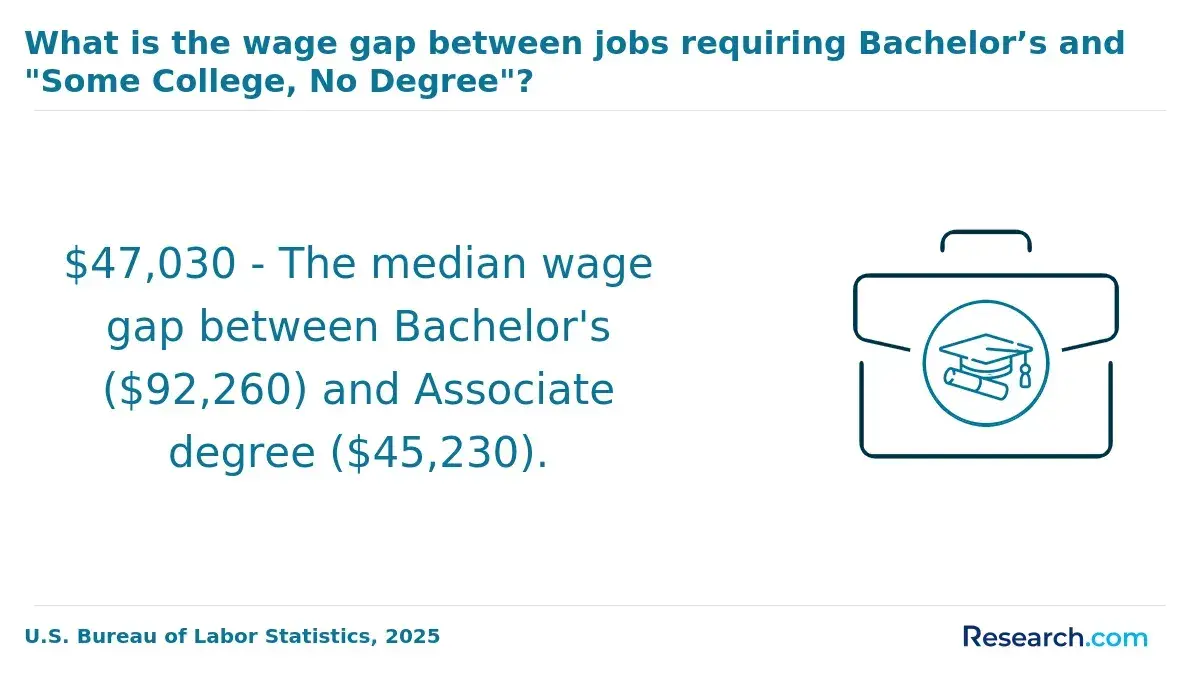
How Can You Compare Courses Across Retail Management Degree Programs?
Comparing courses across retail management degree programs helps prospective students evaluate program rigor, skill development, and alignment with career goals. Research indicates that programs featuring comprehensive course offerings see a 15% higher course completion rate, signaling stronger student engagement and success. Below are practical strategies to guide an effective retail management program curriculum comparison guide.
- Review Course Descriptions: Examining detailed course descriptions reveals the depth and relevance of subjects covered. This helps highlight how each course builds essential retail management knowledge and prepares students for real-world challenges.
- Examine Credit Hours and Workload: Understanding the expected time commitment clarifies the program's intensity and helps students balance study with personal and professional obligations.
- Check Skill-Based Modules: Programs offering practical skills such as supply chain management, customer analytics, and sales strategies better equip students for workforce demands.
- Look for Career-Aligned Electives: Electives covering emerging retail technologies or global market trends demonstrate how well the curriculum adapts to evolving industry needs.
- Compare Faculty Expertise and Industry Connections: Faculty with professional experience or partnerships with retailers provide valuable insights and networking opportunities, enhancing career prospects.
For those also interested in advancing their credentials beyond retail management, exploring an online executive MBA program can offer strong leadership and business skills to complement retail-specific expertise.
Flexible scheduling plays a vital role for students weighing retail management degree programs, as it helps balance educational pursuits with other life commitments. Choosing a program with varied timing options can significantly impact a student's ability to stay on track and succeed. Below are common scheduling formats offered to accommodate different lifestyles:
- Traditional On-Campus: These weekday classes follow a set schedule, providing structured face-to-face interaction. This format suits students who prefer a conventional classroom environment and can attend during typical business hours.
- Evening and Weekend: Designed for working individuals, these courses take place outside regular office hours. This setup enables students to maintain full-time employment while participating in on-site sessions on evenings or weekends.
- Fully Online: Offering maximum flexibility, online programs allow students to access materials and complete assignments anytime. This option is ideal for those needing to study around fluctuating work or family schedules.
- Hybrid Models: Combining online coursework with occasional in-person meetings, hybrids provide a balance of interaction and convenience. This approach supports hands-on learning while accommodating students seeking adaptable timelines.
Choosing between online and campus-based retail management degree programs affects how students engage with material, peers, and career opportunities. According to the National Center for Education Statistics, 37% of U.S. undergraduates participated in at least one online course in 2023, reflecting a significant move toward digital learning. Below is a detailed look at the advantages and drawbacks of each delivery format.
Online Retail Management Degrees
- Flexible Scheduling: Students can study at convenient times, balancing work or family commitments more easily than with fixed class times.
- Accessibility: Programs eliminate geographical barriers, allowing those in remote areas or with mobility issues to enroll without relocation.
- Self-Discipline Needed: Success depends heavily on motivation and time management skills, as the lack of in-person oversight can challenge some learners.
- Limited Networking: Online formats reduce spontaneous interactions, making it harder to form professional relationships compared to campus settings.
Campus-Based Retail Management Degrees
- Face-to-Face Engagement: Direct interaction with instructors and peers can deepen learning and foster immediate feedback.
- Networking Opportunities: Being on campus supports forming connections that may ease access to internships and job placements.
- Fixed Schedule: Students must adhere to established class times, which can restrict flexibility, especially for working individuals.
- Additional Costs: Commuting and living expenses add to the overall cost and may pose challenges.
When I asked a graduate who completed an online retail management degree about his decision process, he shared, "I compared the formats by listing what mattered most for my situation-flexibility was crucial because I was working full-time. I worried about missing out on networking but found virtual groups helpful." He added that coordinating real-life work and study was stressful but rewarding, noting that "balancing assignments with a job required strict scheduling. I had moments of doubt but appreciated the ability to keep my income while learning." His experience highlights the personal trade-offs students face when weighing these options.
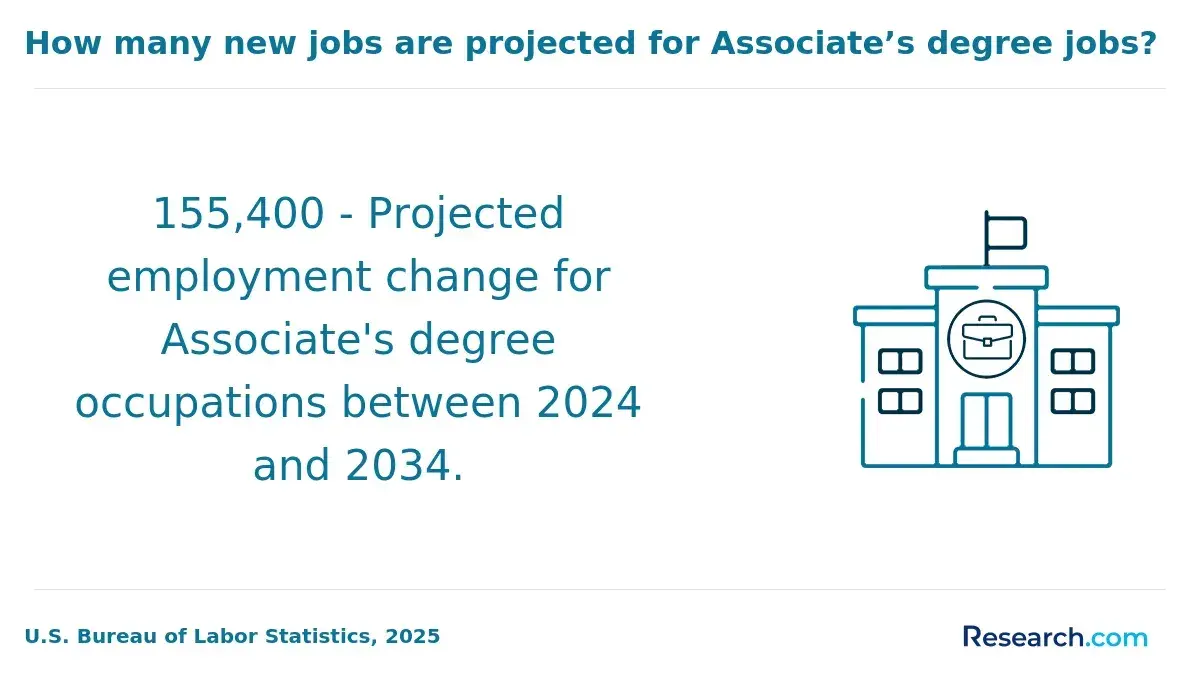
Gpa expectations play a significant role in assessing retail management degree programs, as they provide insight into academic standards and applicant competitiveness. To better understand these differences, consider the following key factors that affect admissions decisions.
- Minimum GPA Requirements: Some programs set firm GPA cutoffs, often between 2.5 and 3.0 on a 4.0 scale, as a baseline for eligibility. Others may allow flexibility or exceptions depending on additional qualifications.
- Holistic Review: Several institutions evaluate applicants beyond GPA, factoring in work experience, recommendation letters, and personal essays. This approach acknowledges broader capabilities and potential.
- Conditional Admission: Certain programs offer provisional acceptance for candidates who fall short of GPA thresholds but demonstrate promise through other attributes. This pathway supports students with upward academic trends or relevant skills.
- Admissions Alignment: How a program weighs GPA alongside other criteria reflects its academic rigor and values. Prospective students should compare these policies to their own academic records and professional background for the best fit.
Comparing tuition is a crucial step when selecting retail management degree programs, as costs vary widely and impact your overall investment in education. In 2023-24, the average tuition and fees at public four-year colleges reached $10,740 annually, highlighting the importance of evaluating all expenses carefully. Consider the following aspects when comparing program costs:
- Total Program Cost: Look beyond just tuition by factoring in mandatory fees, textbooks, and other associated expenses that can significantly increase the financial burden.
- Cost Per Credit: This is vital for part-time students or those transferring credits, as per-credit rates differ and affect how quickly you can complete the degree affordably.
- Additional Fees: Institutions often charge extra for technology, labs, or services-these add up and should be included in your budget assessment.
- Financial Aid Availability: Research the range of scholarships, grants, and loans offered by programs, as these can dramatically reduce out-of-pocket costs and debt.
- Employer Tuition Benefits: Some employers reimburse education expenses fully or partially. Confirm whether your workplace supports tuition assistance tied to career progression.
- Long-term Value: Consider the potential return on investment by evaluating job placement rates, alumni earnings, and how the degree aligns with your career goals.
When discussing how to navigate these complexities, a graduate who completed a retail management degree shared her experience. "It wasn't just comparing sticker prices; I had to calculate hidden fees and weigh financial aid packages. I remember feeling overwhelmed sorting through tuition breakdowns," she reflected. "Employer reimbursement options made a huge difference-I had to ensure my company's program aligned with my school's policies." Her thoughtful approach in balancing immediate costs with future career benefits made all the difference in choosing the right program for her situation.
Aligning a retail management degree with licensure requirements is essential for students planning to enter regulated professions or pivot into careers that mandate certification. Nearly 25% of U.S. jobs require some form of professional licensure or certification, making early verification of program alignment a key step for career readiness. Consider the following factors when evaluating retail management programs:
- Curriculum Alignment: Assess whether the coursework covers the specific knowledge and skills that licensing or certification boards require to ensure smooth eligibility for future credentials.
- Accreditation Status: Confirm that both the program and institution are accredited by recognized bodies, as this impacts qualification to sit for professional exams.
- State Requirements: Since licensure guidelines vary by state, review if the program addresses the specific regulations relevant to the location where you intend to work.
- Practical Experience: Identify if the degree includes supervised internships or hands-on training, components often mandated before licensure approval.
- Exam Eligibility: Verify preparation and qualification criteria within the program that enable enrollment in required certification or licensing exams.
Career placement rates are a vital indicator when evaluating retail management degree programs because they reflect how effectively a program prepares students for employment after graduation. Some top retail management programs with highest job placement boast graduate employment rates exceeding 90% within six months, underscoring the value of assessing placement metrics carefully. The following factors can help students gauge the career placement success of various programs:
- Program Transparency: Look for schools that openly share detailed data on employment outcomes, such as the sectors graduates enter, average starting salaries, and typical time to employment. Transparent reporting allows prospective students to make informed decisions based on real career outcomes.
- Employer Partnerships: Strong connections with employers are crucial for facilitating internships and job placements. Programs with robust partnerships often provide students direct access to industry networks, which boosts practical experience and hiring prospects.
- Internship Pipelines: Real-world experience significantly enhances employability. Programs emphasizing internship opportunities tend to demonstrate higher placement rates, as hands-on learning equips students with skills valued by employers in retail management roles.
- Alumni Success Stories: Reviewing the achievements of past graduates can provide insight into a program's effectiveness. A track record of alumni thriving in relevant careers often aligns with stronger placement rates and reputable career services.
- Career Support Services: Comprehensive support, including resume workshops and interview preparation, further prepares students for the job market. Programs investing in these resources typically report better retail management degree career outcomes and employment rates.
For students considering flexible education options, exploring an accelerated bachelors degree online may be beneficial, as some programs maintain strong industry ties and placement performances despite being offered remotely.
Post-graduation salary outcomes offer a critical comparison metric for prospective students evaluating retail management degree programs, helping them understand potential financial returns. The average salary range for graduates typically falls between $35,000 and $75,000 annually, depending on various factors. Below is a summary of how salaries compare across different dimensions.
- Role: Entry-level positions like retail supervisors usually earn between $35,000 and $45,000, while more advanced roles such as retail operations managers command salaries from $55,000 to $75,000 or more.
- Industry: Salaries vary significantly by sector; professionals working in specialized retail markets such as luxury goods or technology tend to receive higher compensation than those in traditional or discount retail environments.
- Location: Geographic differences affect pay, with metropolitan areas offering premium salaries compared to rural regions due to higher costs of living and greater market demands.
- Experience Level: Experience plays a major role, as retail management graduates with over five years in management typically earn considerably higher wages than those newly entering the field.
According to the U.S. Bureau of Labor Statistics, median annual wages for first-line supervisors of retail sales workers hover around $45,000, providing a useful benchmark for assessing market value. Prospective students should consider these figures alongside their personal goals and local market conditions, particularly when comparing average earnings of retail management degree holders by region.
Evaluating salary expectations is also vital when exploring educational options, including cheap online colleges that accept FAFSA, to find programs that align with both career ambitions and financial realities.
What Graduates Say About Comparing Retail Management Degree Programs Effectively
- Darry: "Before enrolling in the retail management degree program, I was torn between various fields, but the affordability of this program quickly stood out-it was well below the average cost of attendance for similar degrees. Choosing it was a strategic decision that paid off; I now confidently lead teams in retail and attribute much of my success to the practical skills I gained. The investment was truly worth it."
- Jairo: "Initially, I hesitated because of the upfront costs involved in higher education. However, after researching, I found retail management offered a competitive price point that balanced quality and expense well. Reflecting back, completing this degree opened doors to management positions I never thought possible, and it has reshaped my professional trajectory in such a positive way."
- Harlon: "Cost was a major factor for me, especially when compared to other business-related programs that were significantly more expensive. Completing a retail management degree not only made financial sense but also enhanced my expertise, allowing me to excel in operational roles. It is a credential that clearly distinguishes me in the industry."
Other Things You Should Know About Retail Management Degrees
In 2027, accreditation ensures that a retail management degree program meets quality standards set by recognized educational bodies, while reputation reflects the program’s industry recognition and success of its graduates. Both elements are crucial in assessing the program's credibility and potential career impact.
Student support services such as academic advising, career counseling, and tutoring can significantly impact a student's success in retail management programs. Access to mentorship and job placement assistance helps students transition smoothly from study to employment. Evaluating these services is essential to ensure a supportive learning environment.
Compare whether the program requires a retail internship, how many hours it must include, and whether it is supervised and graded. Many bachelor’s programs ask for 120 to 180 internship hours, often completed in the final year, with approval from the program chair or internship coordinator.
- Retail Management: Courses, Comparison & Careers https://iimspune.edu.in/retail-management-courses-india/
- Retail Management - Río Hondo College https://www.riohondo.edu/academics/divisions/arts-business-cultural-programs/business-departments-degrees-certificates/business-management/retail-management/
- What’s the Difference Between Online vs. On-Campus Digital Marketing Master’s Programs? | Digital Marketing Institute https://digitalmarketinginstitute.com/blog/whats-the-difference-between-online-vs-on-campus-digital-marketing-masters-programs
- Share On Social https://www.northampton.edu/news/online-vs-on-campus-degree-whats-the-best-option-for-me.html
- Average graduate salaries in the UK 2025 - Save the Student https://www.savethestudent.org/student-jobs/whats-the-expected-salary-for-your-degree.html
- Careers - Vault https://vault.com/professions/retail-managers/requirements
- Best Certifications for Retail Managers in 2025 (Ranked) https://www.tealhq.com/certifications/retail-manager
- Entrepreneurship and Retail Management fees & admissions https://www.nhlstenden.com/en/courses/entrepreneurship-and-retail-management/entrepreneurship-and-retail-management-fees
- Five degrees to consider for a career in retail management — Retail Technology Innovation Hub https://retailtechinnovationhub.com/home/2023/10/16/five-degrees-to-consider-for-a-career-in-retail-management
- Highest Paying Retail Jobs [Six Figure Jobs] | Retail Dogma https://www.retaildogma.com/highest-paying-retail-jobs/