
2026 Are There Any One-Year Online Retail Management Degree Programs Worth Considering?

Co-Founder and Chief Data Scientist
A one-year online Retail Management program can be useful if you already work in retail, want a faster path into supervisory roles, or need a practical credential without leaving your job. The key question is whether you need a full degree, a certificate, a diploma, or a graduate credential. True one-year online retail management degrees are limited, while shorter certificates and accelerated graduate programs are more common.
This guide explains what is realistic in a one-year format, which types of programs are available, what you should compare before enrolling, and how to think about cost, workload, financial aid, and career value. It is written for working retail employees, career changers, store supervisors, entrepreneurs, and students comparing fast online business programs with a retail focus.
Key Points About One-Year Online Retail Management Degree Programs
- One-year online Retail Management degrees offer accelerated learning focused on inventory control, customer analytics, and supply chain technology, differing from traditional multi-year programs with broader business curricula.
- Students should expect flexible scheduling and practical case studies tailored to retail trends like e-commerce growth, allowing rapid skill application in competitive job markets.
- These programs often attract working professionals seeking career advancement, with enrollment growth of 15% annually as retail shifts toward digital operations and data-driven decision-making.
Is It Feasible to Finish a Retail Management Degree in One Year?
Finishing a retail management credential online in one year is feasible, but the type of credential matters. A certificate, diploma, or accelerated associate-level pathway may fit within or near a one-year timeline. A full bachelor’s degree in Retail Management usually does not, unless you already have substantial transfer credits and choose a degree-completion format.
Some accelerated formats can shorten the typical timeframe to around 1 year and 4 months. These programs usually concentrate on core business and retail topics such as merchandising, customer service, inventory control, retail operations, and basic management. They are more realistic for students who can handle short terms, overlapping deadlines, and steady weekly coursework.
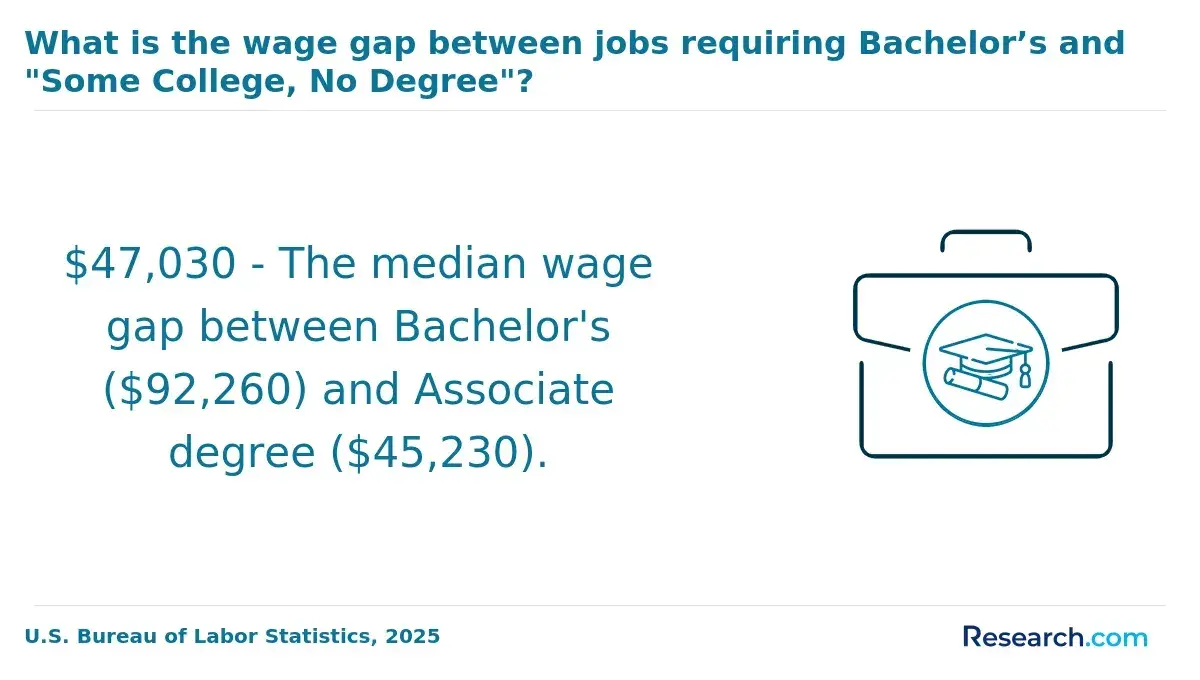
Bachelor’s degrees in Retail Management generally require more time, often around four years. Students with an associate degree, prior college credits, military credits, or credits from business-related coursework may be able to reduce the timeline, but the program must still meet credit-hour and graduation requirements. Programs with practicum, capstone, research, or internship components may also take longer.
When a one-year path makes sense
- You need a practical credential quickly: A certificate or diploma may be enough for entry-level supervisory preparation or internal promotion requirements.
- You already have college credits: Transfer credit can make an accelerated degree-completion program more realistic.
- You can study consistently each week: One-year formats require strong time management and may be difficult alongside unpredictable retail schedules.
- Your employer values the credential: If your company recognizes retail management certificates or reimburses tuition, the return on investment may be stronger.
The main trade-off is speed versus depth. A shorter program can help you build focused retail skills quickly, but it may not offer the same breadth, internship access, general education coursework, or advancement value as a longer degree.
Are There Available One-year Online Retail Management Degree Programs?
There are very few accredited one-year online Retail Management degree programs in the United States. Most bachelor’s programs require multiple years, even when offered online or in accelerated terms. Students who want a 12-month option usually find certificates, diplomas, or specialized master’s programs rather than a traditional undergraduate degree.
This distinction is important. A certificate or diploma can be valuable for building job-ready skills, but it is not the same as a degree. A master’s program may be completed faster, but it requires an undergraduate degree first. If your goal is specifically an accredited one-year online bachelor’s degree, you may need to consider a broader business major, transfer-heavy degree-completion pathway, or alternatives listed in guides such as the fastest way to get bachelor's degree online.
Examples of faster online retail management options
- Ashworth College: Offers a one-year, self-paced online diploma program covering retail marketing, merchandising, inventory management, and profit strategies. It is designed for practical retail skill development and does not require prior experience.
- LIM College: Offers a one-year, accelerated Master of Professional Studies (MPS) in Fashion Merchandising and Retail Management. The 30-credit online master’s program focuses on fashion buying, retail planning, operations, and consumer analytics.
- El Camino College: Provides a fully online Retail Management Certificate program that can be completed in under a year. It is aimed at working professionals and covers retail operations, human resources, merchandising, and business management fundamentals.
Before applying, confirm the exact credential awarded, accreditation status, credit requirements, transferability, cost, employer recognition, and whether the program qualifies for the type of financial aid you plan to use.
Why Consider Taking Up One-year Online Retail Management Programs?
A one-year online Retail Management program can be worthwhile if you need targeted training faster than a traditional degree allows. These programs are often built around practical retail functions: merchandising, inventory management, staff supervision, customer experience, store operations, digital retailing, and basic financial decision-making.
- Faster credential completion: Students can often finish certificates, diplomas, or accelerated graduate credentials in less than twelve months, which may support quicker promotion conversations or career transitions.
- Flexible scheduling: Online delivery can help working students study around rotating retail shifts, family responsibilities, or seasonal work demands.
- Immediate workplace application: Assignments often connect directly to store performance, merchandising decisions, inventory planning, customer relations, and team leadership.
- Focused career preparation: Unlike broad business programs, retail management curricula concentrate on the realities of selling environments, customer behavior, product flow, and frontline operations.
- Useful for several learner profiles: The format may fit early-career retail workers, assistant managers, entrepreneurs, career changers, and experienced employees who need a formal credential.
The best reason to choose this path is alignment with a clear goal. If you want to move from associate to supervisor, improve store operations, prepare for district-level responsibilities, or build retail knowledge for a small business, a shorter program can be practical. If you need broad business preparation, graduate school eligibility, or long-term corporate advancement, compare it with fuller degree options and resources on the easiest bachelor degrees.
What Are the Drawbacks of Pursuing One-year Online Retail Management Programs?
The biggest drawback of a one-year online Retail Management program is compression. You may cover useful material quickly, but the pace can reduce time for reflection, networking, internships, and deeper business study. Students should be realistic about workload before choosing speed over a longer program.
- Heavy workload: Completing what is typically a two-year curriculum within one year can require frequent assignments, condensed terms, and limited downtime.
- Risk of burnout: Retail schedules can be unpredictable, especially during holidays, promotions, inventory periods, and staffing shortages. An accelerated program can add pressure.
- Less face-to-face practice: Online study may offer fewer opportunities to practice conflict resolution, customer service coaching, and team leadership in live settings.
- Limited networking: Building relationships with instructors, classmates, mentors, and employers may take more effort in an online format.
- Fewer hands-on experiences: Some accelerated programs have limited internships, simulations, or field projects, which can matter if you are new to retail.
- Credential limitations: A certificate or diploma may not carry the same weight as an associate, bachelor’s, or master’s degree for some corporate or management-track positions.
- Financial trade-offs: Even shorter programs cost money and time. If the credential is not recognized by employers, the return may be limited.
To reduce these risks, ask admissions offices about weekly time expectations, course sequencing, career services, employer partnerships, internship options, and whether credits transfer into a higher degree. If you already work in retail, consider using your current workplace for class projects or asking a manager to mentor you during the program.
What Are the Eligibility Requirements for One-year Online Retail Management Programs?
Eligibility depends on the credential level. Certificate and diploma programs usually have simpler admissions requirements. Bachelor’s degree-completion programs often require prior credits. Graduate programs require a completed undergraduate degree and may prefer relevant work experience.
Applicants should read admissions pages carefully because “one-year” retail management options can refer to very different academic levels. A short certificate may require only basic documentation, while an accelerated master’s program may require transcripts, a bachelor’s degree, essays, a resume, or an interview.
- High school diploma or equivalent: This is the baseline requirement for many undergraduate certificate, diploma, or microcredential programs.
- Official transcripts: Schools such as Utah Tech University require official college transcripts, and if fewer than 24 college credits have been earned, high school records and standardized test scores like ACT or SAT may also be needed.
- Application with fee: Most programs require a completed application and any required application fee.
- Prior college credits: Bachelor’s or degree-completion programs typically require previous college coursework or an associate degree.
- Placement tests: Some schools may require math or English placement testing depending on your academic background and intended course pathway.
- Prerequisite coursework: Accelerated or upper-level programs may require foundational courses in business, management, accounting, or marketing.
- Bachelor's degree for master's programs: Graduate-level pathways, including an MPS in Fashion Merchandising and Retail Management, require a completed bachelor’s degree from an accredited institution.
- Experience and additional screening: Some programs prefer professional or internship experience, and some may use interviews or background checks to assess readiness and leadership potential.
Before applying, verify whether the program is open admission, selective admission, or designed only for students who already hold credits or degrees. If you are still comparing academic pathways outside retail management, you can also review related options such as PhD programs without dissertation.
What Should I Look for in One-year Online Retail Management Degree Programs?
Choose a one-year online Retail Management program by matching the credential to your goal. The right option for a store associate seeking promotion may not be the right option for a bachelor’s graduate pursuing fashion merchandising leadership or for an entrepreneur building retail operations skills.
- Accreditation: Prioritize accredited online retail management programs or business programs recognized by appropriate bodies such as ACBSP, AACSB, or IACBE. Accreditation can affect credit transfer, employer confidence, and eligibility for federal financial aid.
- Credential type: Confirm whether the program awards a certificate, diploma, associate degree, bachelor’s degree, or master’s degree. Do not assume that a short program is a full degree.
- Curriculum quality: Look for coursework in retail operations, merchandising, customer relations, marketing research, inventory management, human resources, digital retailing, and retail analytics.
- Career relevance: Strong programs connect assignments to real retail decisions, such as staffing, product placement, pricing, loss prevention, customer retention, and omnichannel sales.
- Faculty expertise: Instructors with retail leadership, merchandising, buying, operations, or e-commerce experience can make coursework more practical.
- Delivery format: Check whether courses are asynchronous, synchronous, self-paced, or cohort-based. A self-paced format offers flexibility, while a cohort model may provide more structure and peer interaction.
- Student support: Ask about academic advising, tutoring, library access, technology support, career coaching, resume help, and professional connections such as the National Retail Federation student program.
- Transfer options: If you may continue into a higher degree later, confirm whether credits transfer and whether the school has articulation agreements.
- Cost transparency: Tuition can range around $260-$315 per credit, but total cost also depends on fees, textbooks, technology requirements, and transfer credits.
- Career outcomes: Ask what roles graduates pursue, whether employers recognize the credential, and whether the program supports your advancement goals. If speed and earning potential are priorities, compare related options like the fastest career to make money.
A good program should make its total cost, schedule, course list, accreditation, credit policy, and student support services easy to verify before you apply.
How Much Do One-year Online Retail Management Degree Programs Typically Cost?
Costs vary widely because one-year online Retail Management options are not all the same credential. A short certificate or diploma may cost far less than a bachelor’s degree or graduate program, but it may also carry different academic and career value.
A full four-year online business degree related to Retail Management may cost between $17,000 and $66,000. By contrast, one-year certificates often fall below $1,000. Some programs also charge by credit, and tuition can be affected by whether the school is public or private, whether you qualify for in-state rates, and whether you bring transfer credits.
Students should also budget for expenses beyond tuition. These may include textbooks, course materials, technology fees, proctoring fees, software, graduation fees, and any required in-person components. Online programs can reduce commuting and housing costs, but they are not automatically inexpensive.
How to judge whether the cost is reasonable
- Compare total program cost, not just tuition: Fees and materials can change the real price.
- Check financial aid eligibility: Some certificate programs may not qualify for the same aid as degree programs.
- Ask about employer reimbursement: Retail employers may help pay for approved management training.
- Confirm credit transferability: A low-cost certificate is more valuable if it can stack into a higher credential.
- Weigh the role you want: If your target job requires a bachelor’s degree, a short certificate may not be enough despite the lower price.
The cheapest program is not always the best value. Look for a credential that matches your career goal, fits your schedule, and comes from a school with clear accreditation and student support.
What Can I Expect From One-year Online Retail Management Degree Programs?
Expect a fast, practical, business-focused curriculum. One-year online Retail Management programs are designed to build applied skills in store operations, merchandising, customer experience, inventory control, team supervision, financial planning, and retail strategy. The learning experience is usually more compressed than a traditional degree, so students must stay organized from the first week.
Many programs use asynchronous online courses, allowing students to complete lectures, readings, discussions, and assignments around work schedules. Some may include live sessions, group projects, simulations, case studies, or capstone assignments. Graduate-level programs may be more analytical and may include advanced work in consumer analytics, retail planning, operations, and strategy.
A rigorous one-year format may involve 30 credit hours within twelve months. That pace can be manageable for disciplined students, but it can be challenging for those working full time, managing family obligations, or handling seasonal retail workloads. Students should expect regular deadlines and independent learning rather than frequent in-person guidance.
Common topics and skills
- Merchandising and buying: Product selection, assortment planning, visual presentation, and retail planning.
- Retail operations: Store workflow, staffing, inventory practices, loss prevention, and service standards.
- Customer behavior: Consumer decision-making, customer retention, service recovery, and brand loyalty.
- Digital retailing: E-commerce, mobile payments, omnichannel commerce integration, and retail technology.
- Analytics and decision-making: Using consumer insights, sales data, pricing techniques, and performance metrics.
- Leadership: Team communication, coaching, scheduling, conflict management, and supervisory decision-making.
Some programs also connect students with professional retail organizations, which can help with networking and career awareness. If you are comparing practical online education options, reviewing the most popular online trade colleges may help you identify programs that fit your schedule and career goals.
Are There Financial Aid Options for One-year Online Retail Management Degree Programs?
Financial aid may be available for one-year online Retail Management programs, but eligibility depends on the school, credential level, accreditation, enrollment status, and program approval. Degree programs are more likely to qualify for federal student aid than short non-degree certificates, so students should confirm aid eligibility before enrolling.
- Federal Student Aid: Completing the Free Application for Federal Student Aid (FAFSA) can provide access to federal grants such as the Pell Grant and Federal Supplemental Educational Opportunity Grant, as well as federal student loans. Applicants should submit the FAFSA 6-8 weeks prior to class start dates to help avoid funding delays.
- Employer Tuition Assistance: Nearly half of employers offer tuition reimbursement or assistance programs, sometimes paying upfront and sometimes reimbursing after successful course completion. Retail workers should ask HR whether the program, school, and credential qualify.
- Retail-Specific Scholarships: Retail trade associations and related organizations may offer scholarships that help cover tuition, textbooks, or training costs. Eligibility can depend on employment, membership, location, academic level, or career goals.
- VA Benefits: Veterans and eligible family members may be able to use GI Bill benefits if the institution and program accept VA education benefits.
- Payment Plans: Some schools allow students to spread tuition over several payments, which can help when aid is limited or unavailable.
Because accelerated programs move quickly, financial planning should happen before the first term begins. Ask the financial aid office whether your program is aid-eligible, how enrollment intensity affects funding, what happens if you withdraw, and whether aid will cover fees as well as tuition.
What Retail Management Graduates Say About Their Online Degree
- Leonard: "Completing the one-year online Retail Management degree changed the way I approached my career. I could keep working full time while learning retail strategy, team management, and inventory practices that I used immediately on the job. The pace was demanding, but the practical coursework made the investment worthwhile."
- Bernadette: "The competency-based format helped me focus on mastering useful skills instead of simply moving through exams. Learning at my own pace made the program flexible, and the retail management topics prepared me to handle real workplace challenges with more confidence. The cost also felt reasonable compared with longer traditional options."
- Cooper: "The online Retail Management program gave me a strong mix of theory and applied learning. In just one year, I gained a better understanding of supply chain management, customer relations, and store operations, which helped me earn a promotion shortly after finishing the program. The structure kept me focused and motivated."
Other Things You Should Know About Pursuing One-Yeas Retail Management Degrees
A one-year online Retail Management degree can enhance career prospects by equipping students with focused knowledge and skills relevant to retail operations, merchandising, and supply chain management. Employers may value the specialized training, especially when paired with existing work experience. However, career advancement often also depends on practical experience and networking within the industry.
In 2026, several well-regarded one-year online Retail Management programs are worth considering. Institutions like Southern New Hampshire University, Colorado State University Global Campus, and Oregon State University offer comprehensive curricula focusing on merchandising, supply chain management, and consumer behavior. These programs usually include courses in marketing strategies and retail operations.
References
- Why Choose an Online BBA in Retail Management in 2025? Key Reasons https://www.dypatilonline.com/blogs/key-reasons-choose-online-bba-retail-management
- Why Study Retail Management? https://www.rasmussen.edu/degrees/business/blog/why-study-retail-management/
- Online Executive Course in Retail Management - Fees, Admission 2025 https://collegevidya.com/courses/online-executive-program-in-retail-management/
- Why This Certificate? - Retail Management Certificate https://retailmanagementcertificate.com/for-students/why-this-certificate/
- Advantages and Disadvantages of Online Courses https://www.montgomerycollege.edu/academics/mc-online/advantages-and-disadvantages-online-courses.html
- 18 Hybrid PGDM Programs https://www.welingkaronline.org/pg-in-retail-management
- 18 Cheapest Online Degrees in Retail Management - USDegrees https://usdegrees.com/18-cheapest-online-degrees-in-retail-management/
- Retail Management Degree Online | Onlinedegrees.com https://www.onlinedegrees.com/retail-management/
- Retail Management Associate Degree https://www.nextstudent.com/accelerated-degrees/retail-management-associate-degree/
- Discover The Most Affordable Online Management Degrees https://www.affordablecollegesonline.org/degrees/business-management-programs/


