2027 Online Real Estate Bachelor's Degree Programs for Adult Learners Returning to School

Co-Founder and Chief Data Scientist
Adult learners returning to school often face the challenge of balancing work, family, and further education, especially in specialized fields like real estate. Nearly 45% of online students in the U.S. are age 25 or older, highlighting the growing demand for flexible learning options that fit diverse schedules. Many struggle to find programs tailored to their unique professional and personal needs, resulting in delayed career advancement.
This article explores online bachelor's degree programs in real estate designed specifically for adult learners. It aims to guide prospective students in choosing flexible, accredited options that facilitate both academic success and career growth.
Key Benefits of Online Real Estate Bachelor's Degree Programs for Adult Learners Returning to School
- Flexible scheduling allows working adults to balance coursework with jobs and family commitments, improving degree completion rates by 40% compared to traditional programs.
- Programs emphasize practical skills like property management and market analysis, equipping students for immediate career advancement in competitive real estate markets.
- Online formats foster professional and peer networking through virtual events and discussion forums, expanding connections critical for job opportunities and mentorship.
Who Qualifies as an Adult Learner in an Online Real Estate Bachelor's Degree?
An adult learner in online higher education typically refers to someone returning to college after time away or balancing education with significant life responsibilities. The National Center for Education Statistics reports that nearly 40% of undergraduate students in the U.S. are adult or nontraditional learners, illustrating their sizable role in online programs. These learners often seek flexible options suited to their busy lives, especially in specialized fields like real estate.
Several common categories of adult learners qualify for enrollment in online real estate bachelor's degree programs, reflecting diverse motivations and backgrounds:
- Working Professionals: These individuals pursue degrees to enhance credentials or transition into the real estate industry without interrupting their current employment, valuing programs that accommodate their schedules.
- Career Changers: Adults shifting from different fields often need foundational knowledge and a formal degree in real estate to gain credibility and enter the industry successfully.
- Military Veterans and Active-Duty Personnel: Many use education benefits to prepare for civilian careers, finding online real estate programs accessible despite relocations or service commitments.
- Parents and Caregivers: Balancing family obligations with education, these learners appreciate flexible pacing and remote access to support career advancement.
- Returning Students: Individuals who paused their education due to personal circumstances and seek reentry qualify as adult learners, often leveraging tailored resources to complete their degrees.
Adult learner eligibility for online real estate bachelor's degree programs often depends on these personal and professional circumstances rather than strict admissions criteria. For many, combining studies with work and life commitments is a priority, making flexible formats essential.
To explore other flexible options, consider online courses with certificates that pay well, which can complement or enhance a real estate degree. Visit online courses with certificates for more information.
What Are the Admission Requirements for an Online Real Estate Bachelor's Degree for Adult Learners?
Admission requirements for online real estate bachelor's degree programs designed for adult learners often reflect flexible and inclusive criteria that accommodate nontraditional educational paths. These standards ensure students demonstrate readiness for academic work in a fully online setting. The criteria also recognize prior learning and aim to support diverse educational backgrounds. Below are some common admission requirements for such programs.
- Proof of Prior Education: Most programs require submission of a high school diploma, GED, or an equivalent credential to establish foundational academic skills. Transfer credit policies for adult students in real estate degree programs often allow relevant college credits to be considered, but a formal credential remains essential.
- Application Submission: Applicants must complete detailed application forms that include educational history and personal information. Some programs request a statement of intent or career goals to evaluate the motivation and commitment of candidates.
- Academic Transcripts: Transcripts from previous institutions provide documented evidence of academic preparation and help assess prior coursework. This is particularly important for adult learners resuming education after a break, ensuring proper placement and advising.
- Online Learning Readiness: Many programs require evidence of basic skills needed for online study, such as completion of a technical readiness self-assessment or orientation module. This helps confirm that students can manage virtual coursework and time effectively.
- Additional Materials: While less common, some institutions may ask for letters of recommendation or a resume to gain a fuller picture of an applicant's background and experiences.
Adult learners aiming to pursue one of the highest paying bachelor degrees entry-level can benefit from understanding these admission criteria to select programs aligned with their academic and career goals.
2026 Update: Checking License Alignment Before You Enroll
For 2026, this refresh adds a closer look at how online real estate bachelor’s programs connect academic coursework with licensing and credential goals, especially for adults planning a career change or promotion.
- Confirm whether courses address your state’s real estate prelicensing topics, but verify requirements with the state licensing board.
- Check if the program explains how coursework may support broker, appraiser, property management, or investment-focused career paths.
- Ask whether exam preparation, practice tests, or licensing advising are included.
- Review any in-person requirements, such as proctored exams, field experiences, or local networking events.
- Look for faculty with current real estate industry experience and knowledge of changing regulations.
- If you may relocate, ask how the program helps students understand license portability or state-by-state differences.
This helps adult learners avoid choosing a program that fits their schedule but does not support the specific real estate credential or career outcome they need.
Most online bachelor's degree programs for adult learners pursuing real estate do not require SAT or ACT scores, as admissions typically focus on previous academic records and the applicant's readiness for college-level work rather than standardized testing. By 2023, more than 65% of four-year U.S. institutions had adopted test-optional policies, reflecting a widespread move to simplify access for nontraditional students. These policies acknowledge that adult learners often bring substantial professional experience or college credits that better demonstrate their qualifications. Waiving test requirements helps eliminate barriers related to time constraints, financial costs, or geographic limitations linked to test-taking. Admissions reviews instead emphasize holistic factors like transcripts, recommendations, and professional backgrounds to evaluate candidates.
An adult learner currently enrolled in an online real estate bachelor's program shared that the absence of SAT or ACT requirements significantly eased their application stress. They described feeling intimidated by the prospect of studying for exams after years away from formal education and appreciated being able to focus on compiling a strong academic portfolio and relevant work history.
"Knowing I didn't have to worry about standardized tests made the process feel more manageable," they said. They also noted that the flexibility to highlight their professional achievements and resume helped them feel their application truly represented their potential. This approach, they explained, "allowed me to take control of my education path without the pressure of proving myself through a single exam."
Flexibility remains a vital advantage of online real estate bachelor's degree programs, supporting adult learners who return to school while managing careers and personal responsibilities.
Research shows that 85% of adult students appreciate the ability to learn on their own schedules, helping balance work-life demands and improving success rates. Such adaptability makes these programs especially attractive for those seeking online real estate degree programs with flexible scheduling for adult students. The following features highlight this flexibility.
- Asynchronous Learning: This allows students to engage with lectures and coursework at any time, giving adults the freedom to study after work hours or on weekends without the constraints of fixed class times.
- Part-Time Options: Many programs offer part-time enrollment, enabling learners to extend their studies over several years, which lowers weekly time commitments and fits around busy lifestyles.
- Accelerated Pacing: For students eager to complete their degrees faster, accelerated courses provide an opportunity to progress quickly while maintaining academic quality.
- Self-Paced Study: Students can adapt their learning speed to fit personal circumstances, making it easier to juggle education with family care or full-time employment.
- 24/7 Access to Materials: Constant availability of resources and discussion forums supports continuous learning, allowing students to review content anytime, even during breaks or late hours.
For those interested in other flexible educational paths, consider exploring an online school for game design as another example of accommodating adult learners returning to education.
Many online bachelor's degree programs in real estate accept transfer credits, allowing learners to bypass completed coursework and reduce time to graduation. Data from the National Student Clearinghouse Research Center reveals that close to 30% of undergraduates transferring institutions use transfer credits, highlighting the role of credit mobility in higher education. Several factors affect how these credits apply in real estate programs.
- Evaluation of Prior Coursework: Institutions thoroughly assess transcripts to determine alignment with their real estate curriculum. Classes in related fields like business or finance often have a higher likelihood of credit acceptance.
- Credit Limits: Programs usually enforce a maximum transfer credit threshold, ensuring students earn a significant portion of credits directly at the school.
- Program Relevance: Transfer credits must closely match the content and academic level of the target real estate courses, covering subjects such as property law or urban economics.
- Advantages for Adult Learners: Recognizing previous education and experience through credit transfer helps adult students save both time and tuition, facilitating smoother academic progress.
- Accreditation Considerations: Credits from accredited institutions generally transfer more reliably, while those from unaccredited sources undergo stricter evaluation.
After returning to school to complete an online real estate bachelor's degree, an adult learner shared how credit transfer shaped her journey. She noted that although navigating transcript evaluations was initially confusing and required patience, ultimately most of her previous business and economics credits were accepted. This recognition of prior learning shortened her path substantially and kept motivation high throughout the program. She emphasized that proactive communication with academic advisors proved essential in understanding transfer policies and maximizing credit use, making her return to education both practical and rewarding.
Many online bachelor's degree programs in real estate offer pathways for adult learners to earn academic credit based on their professional experience. According to the Council for Adult and Experiential Learning, nearly 44% of U.S. institutions grant credit through prior learning assessments, reflecting a widespread acknowledgment of experiential learning. The methods for evaluating work experience vary, often aiding students in accelerating their degree progress.
- Prior Learning Assessments: Students may undergo formal evaluations such as exams or interviews to demonstrate knowledge acquired outside traditional classrooms. These assessments help translate practical experience into measurable academic credit.
- Portfolio Reviews: Adult learners can present comprehensive portfolios showcasing relevant projects, certifications, and real-world accomplishments. Faculty review these portfolios to determine eligibility for credit recognition.
- Competency-Based Evaluations: This approach focuses on verifying specific skills or knowledge areas aligned with the curriculum. Credit is awarded based on proven mastery rather than course completion.
- Work Experience Verification: Some programs require official documentation, such as employer letters or detailed job descriptions, to confirm the relevance and depth of a student's professional background.
By accepting these varied evaluations, programs offer greater flexibility and acknowledge the value of prior achievements. This process reduces repetitive coursework and can shorten the timeline to degree completion for returning adult students. Prospective applicants should consult their chosen online real estate schools to understand how their unique experience might be credited.
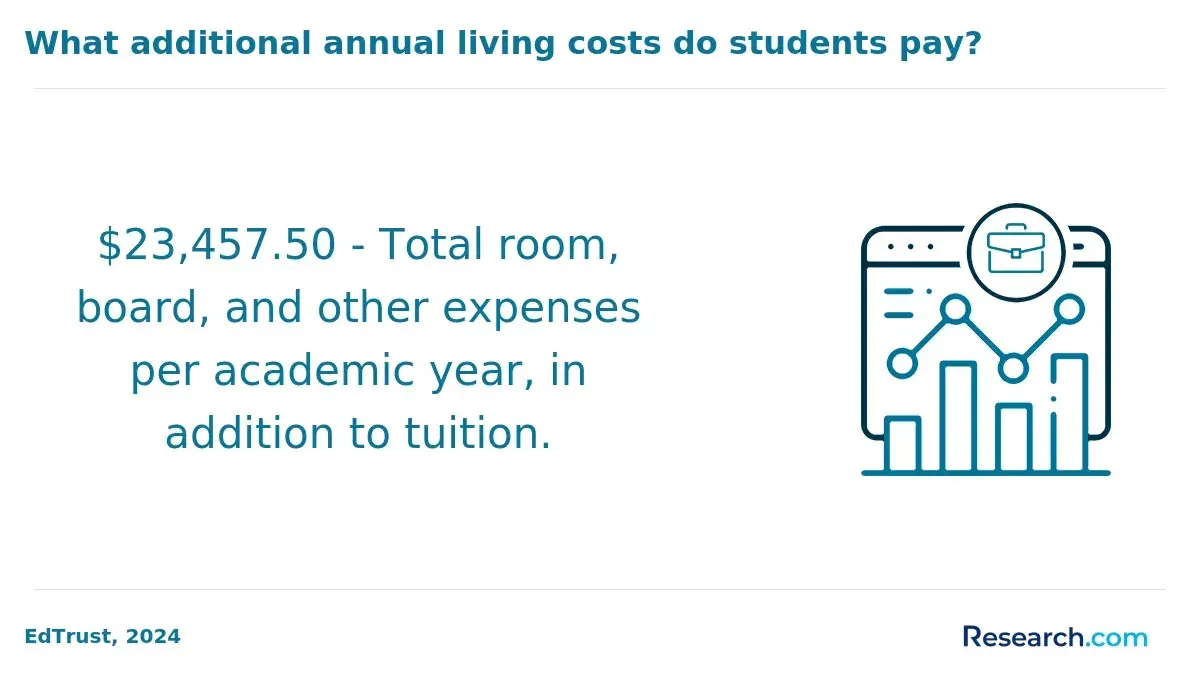
The total cost of pursuing an online real estate bachelor's degree for adult learners varies considerably based on factors such as program design, pacing, and residency status. Tuition fees often depend on the number of credits taken, with many online programs charging between $300 and $600 per credit hour. These variables affect how much a student ultimately spends to earn their degree.
Several cost components relevant to adult learners should be taken into account when budgeting for an online real estate program:
- Tuition Per Credit: This usually represents the largest portion of expenses and can differ depending on whether courses follow a traditional academic calendar or an accelerated format designed for working professionals.
- Technology Fees: Many programs levy additional charges to maintain online platforms, provide virtual labs, and offer technical support essential for remote learning.
- Course Materials: Besides tuition, costs include textbooks, specialized software, and access to real estate data tools that support coursework.
- Application and Enrollment Fees: These are often one-time or periodic charges required during the admission and registration phases.
- Graduation Fees: Some institutions require fees to process and award degrees, which can add to the final cost of the program.
Many adult learners returning to school for online real estate bachelor's degree programs find financial aid useful to manage educational expenses. Nearly 60% of undergraduate students receiving financial aid fall under the category of non-traditional or adult learners, demonstrating the availability of resources tailored to this group. Various funding options can help make these programs more accessible and affordable.
- Grants and Scholarships: Federal and state grants are a popular form of aid that do not require repayment and are often awarded based on financial need. Scholarships specifically geared toward adult students in real estate degrees may also provide valuable financial support.
- Student Loans: Federal student loans offer flexible repayment plans and typically feature lower interest rates and better terms than private loans. These loans accommodate working adults by providing options suited to their financial situations.
- Employer Tuition Assistance: Many employers offer tuition reimbursement or assistance programs to help offset the cost of further education. Adult learners should check with their human resources departments to understand eligibility and requirements.
- Payment Plans: Online real estate programs frequently provide payment plans that allow tuition to be spread out over several months, reducing immediate financial pressure without requiring debt.
- Additional Resources: Adult learners exploring options similar to those for a human services bachelors degree online may discover alternative funding paths tailored to balancing education and other responsibilities.
Employer attitudes toward online real estate bachelor's degrees have shifted significantly over the past decade, especially for adult learners returning to school. Acceptance of online degrees has grown as more employers embrace skills-based hiring practices, which prioritize candidates' abilities over the mode of education delivery. According to a 2023 survey by the National Association of Colleges and Employers, 75% of employers regard online degrees from accredited programs as comparable to traditional degrees. This trend makes online real estate bachelor's degree value for adult learners increasingly recognized in the job market.
Key factors shaping employer perceptions include the accreditation status of the degree, which assures program quality and rigor. Employers also seek curricula that impart relevant skills such as property management, real estate law, finance, and negotiation, enhancing practical job readiness.
For returning students, career advancement with online real estate degrees is often strengthened by the ability to combine educational achievements with prior work experience. Prospective adult learners can find suitable opportunities by exploring each college with low GPA that offers reputable online programs aligned with industry needs.
Selecting the right online real estate bachelor's degree program is a significant choice for adult learners managing both work and personal commitments. Research shows that 65% of adult students focus on program flexibility and available support when deciding on an online degree. Considering these priorities can help narrow down suitable options.
- Accreditation: Choose programs with regional accreditation to ensure recognized quality and smooth credit transfer. This factor also affects employer acceptance and further education opportunities.
- Program Flexibility: Look for offerings with asynchronous classes, part-time schedules, or accelerated paths. Such features accommodate busy lifestyles and varied learner needs.
- Curriculum Relevance: Effective programs cover topics like property management, finance, real estate law, and market analysis. These prepare students to meet industry demands and pursue professional certifications.
- Student Support Services: Available academic advising, career counseling, and technical help can boost completion rates and ease the transition back into study.
- Tuition and Affordability: Transparency in pricing, financial aid options, and understanding the program's return on investment assist in making informed financial decisions.
What Graduates Say About Online Real Estate Bachelor's Degree Programs for Adult Learners Returning to School
- Cade: "Returning to school as an adult was intimidating, but I knew advancing my career required more formal education. Choosing an online real estate bachelor's degree allowed me the flexibility to balance work, family, and studies without sacrificing income. This program gave me up-to-date industry knowledge and confidence to pursue higher-level positions in property management."
- Mohamed: "After years in sales, I wanted to deepen my understanding of real estate principles to expand my expertise. The online format was essential because it offered access to a reputable program while I stayed in my current job and city. Earning this degree enhanced my credibility with clients and opened doors to commercial real estate opportunities I hadn't imagined before."
- Axel: "I returned to school because I needed a solid foundation to transition into the real estate field with authority and skill. The online bachelor's degree was attractive since it provided practical coursework I could apply immediately, and the convenient schedule meant I could learn at my own pace. Completing the program has been a career game-changer, equipping me to negotiate deals more effectively and build a stronger professional network."
Other Things You Should Know About Real Estate Degrees
Accreditation is a critical factor for online real estate bachelor's degrees to ensure academic quality and industry recognition. Most reputable programs hold regional accreditation and may also have specific business or real estate-related accreditations. Prospective students should verify accreditation status before enrolling to ensure credits transfer and employers recognize the degree.
Many do, but the program must align with the state real estate commission’s education rules. In 2027, some states require 120 to 180 credit hours for licensure, plus approved prelicensing coursework and a passing score on the state licensing exam.
- Exploring the online real estate degree: A pathway to success - Frequery https://search.frequery.com/en-us/article/jobs-and-education/exploring-the-online-real-estate-degree-a-pathway-to-success-3187496295
- Can You Transfer Credits From a Completed Degree? https://www.edvisorly.com/student-guides/can-you-transfer-credits-from-a-completed-degree
- How to Transfer Credits and Maximize What You’ve Already Done - ReUp Education https://reupeducation.com/blog/how-to-transfer-credits-and-maximize-what-youve-already-done/
- Comprehensive Guide to Financial Aid for Real Estate Education: Scholarships, Grants, and Loans https://goldcoastschools.com/news/financial-aid-real-estate-education/
- Why Online Real Estate School May Be the Right Choice For You https://www.bobbrooks.com/benefits-of-real-estate-school/
- Financial Aid for Adult Learners: Your Step-by-Step Guide | National University https://www.nu.edu/blog/financial-aid-for-adult-learners/
- Which Colleges Give Credit for Work Experience- Athens State https://www.athens.edu/online-degree-completion-programs-working-adults/what-colleges-give-credit-for-work-experience/
- Do Real Estate Agents Need a College Degree? | 360training https://www.360training.com/blog/do-real-estate-agents-need-a-college-degree
- 5 advantages of earning an online bachelor’s degree | Penn LPS Online https://lpsonline.sas.upenn.edu/features/5-advantages-earning-online-bachelors-degree-or-certificate-working-adult