2027 Online Real Estate Bachelor's Degree Programs With Open Enrollment

Co-Founder and Chief Data Scientist
Imagine a working adult aiming to switch careers into real estate but facing rigid admission timelines and extensive prerequisite requirements at traditional universities. Such barriers delay entry into this growing field, where employment for real estate brokers is projected to grow 5% from 2022 to 2032, according to the U. S. Bureau of Labor Statistics. Online real estate bachelor's degree programs with open enrollment remove these obstacles by allowing flexible, immediate admission and learning schedules.
This article examines these programs' accessibility, curriculum advantages, and career outcomes to guide prospective students seeking a timely and practical path into real estate careers.
Key Benefits of Online Real Estate Bachelor's Degree Programs With Open Enrollment
- Flexible start dates allow students to begin programs at multiple points throughout the year, accommodating varied schedules and reducing wait times to enrollment.
- Accessible admissions pathways often waive standardized test requirements, making entry easier for nontraditional students or those reentering education.
- Online formats provide convenience for working adults by enabling study from any location, supporting work-life balance and career advancement while pursuing a degree.
Who Qualifies for an Online Real Estate Bachelor's Degree With Open Enrollment?
Open enrollment policies in online real estate bachelor's degree programs aim to increase accessibility by welcoming a broad spectrum of applicants. Nearly half of all U.S. undergraduate students identify as nontraditional, emphasizing the need for flexible options that accommodate varied backgrounds. These inclusive programs support a wide range of learners by adapting eligibility requirements for online real estate bachelor's degrees to remove common barriers.
Common groups who meet open enrollment criteria for online real estate programs include:
- Recent High School Graduates: These students seek a straightforward entry into a real estate career without the pressure of highly selective admissions. Open enrollment pathways offer them the chance to start their education immediately.
- Working Adults: Individuals balancing jobs and personal obligations often choose these programs for their flexibility. This allows them to enhance career prospects while maintaining their current responsibilities.
- Nontraditional Students: Those returning to education after a long break or switching careers benefit from the adaptable admission policies. This group thrives with programs tailored to varied life experiences and schedules.
- Prior College Experience: Students with partial college credits who did not finish a degree can continue their studies without navigating new, restrictive admission processes. This convenience helps them stay on track in the real estate field.
Such open enrollment programs recognize potential over traditional academic records, broadening access to real estate education suited for diverse learners. Prospective students can explore a variety of online degree programs designed for flexibility and inclusion.
What Is the Difference Between Open Enrollment and Rolling Admission in an Online Real Estate Bachelor's Degree?
Open enrollment and rolling admission are often mixed up when considering online real estate bachelor's degree programs, but they actually represent different admissions and enrollment methods. Recent data shows a 20% growth in online programs adopting flexible admission processes like these, reflecting increased demand for adaptable learning options. These distinctions are crucial for students comparing open enrollment versus rolling admission in online real estate bachelor's programs.
Below is a comparison of the two approaches.
Open Enrollment
- Admission Flexibility: Open enrollment programs allow virtually unrestricted entry, accepting all applicants who meet basic eligibility requirements without competitive evaluation.
- Application Timing: These programs do not enforce strict deadlines, enabling students to apply at any time throughout the year.
- Evaluation Process: Admission is generally guaranteed once minimal standards are met, streamlining access to education.
- Enrollment Structure: Continuous start dates are supported year-round, fitting the needs of students seeking immediate or flexible study options.
Rolling Admission
- Admission Flexibility: Rolling admission involves ongoing assessment with conditional acceptance dependent on space availability and applicant competitiveness.
- Application Timing: Applications are accepted over an extended period, but reviewed individually as they arrive, rather than waiting for a fixed deadline.
- Evaluation Process: Each application undergoes competitive review, with admission decisions made incrementally.
- Enrollment Structure: Start dates are aligned with frequent but specific term schedules, offering more options than traditional admissions, though less continuous than open enrollment.
For those exploring differences between open enrollment and rolling admission for real estate degrees, understanding these distinctions can aid in selecting a program that best matches their lifestyle and goals. Additionally, prospective students interested in accelerated pathways may find valuable guidance from accelerated online msw programs, which showcase the growing variety of flexible online learning options.
2026 Update: Checking State Licensing Alignment Before You Enroll
This 2026 update adds a practical check for students comparing open enrollment real estate bachelor’s programs: whether the coursework supports their state’s real estate licensing goals and career plans.
- Confirm whether the degree includes courses related to real estate law, finance, appraisal, property management, and investment analysis.
- Check if the program clearly explains that a bachelor’s degree is separate from state prelicensing requirements.
- Review your state real estate commission’s rules before assuming any college course will count toward licensing.
- Ask whether academic advisors understand licensing paths for sales agents, brokers, appraisers, or property managers.
- Look for internship, capstone, or project options tied to real estate practice in your target market.
- Verify that transfer credits will not remove key courses you need for your career direction.
Doing this before enrolling helps students choose a flexible program that fits both academic goals and real-world licensing expectations.
Online real estate bachelor's degree programs with open enrollment usually feature more approachable admission standards than traditional routes, which often demand high GPAs or extensive prerequisites. Around 40% of colleges nationwide now offer some version of open admission or have lowered barriers, especially for online learners. This trend helps create opportunities for a diverse range of applicants seeking flexible pathways into higher education. Below are some typical admission requirements found in these programs.
- Proof of Education: Applicants most often need to submit evidence of prior schooling, such as a high school diploma or an equivalent credential like a GED. This confirms the basic academic foundation necessary for college-level work.
- Application Materials: Programs generally require completion of a simple application form asking for personal details and prior academic information. Additional essays or statements are usually optional.
- Identity Verification: Ensuring the authenticity of applicants is a priority, so students may need to provide valid identification as part of the enrollment process to uphold academic integrity.
- Online Readiness: Many programs assess applicants' access to technology and digital skills needed for successful online study. This can include self-reporting on computer literacy or access to reliable internet connections.
A current student of an online real estate bachelor's degree with open enrollment shared that while the admission steps were simpler than expected, navigating the technology setup was initially daunting. "I appreciated the straightforward application, but making sure my computer met all the requirements and learning to use the online platform was a bit overwhelming at first," he said. Still, the quick response time from admissions helped ease his concerns and allowed him to focus on starting his coursework promptly.
Breakdown of Private Fully Online Nonprofit Schools

Open enrollment options have become increasingly prevalent across various academic fields, aimed at expanding access for a diverse range of learners. Online programs, including those in real estate, have experienced enrollment growth exceeding 20% annually in recent years, reflecting a strong preference for flexible learning models. Such programs accommodate nontraditional students seeking adaptable schedules and admission policies.
In the realm of which online real estate bachelor degree programs offer open enrollment, several core specializations frequently provide open admission pathways:
- Real Estate Development: This area emphasizes land use planning, property development, and urban design, equipping students to contribute to community and commercial growth initiatives.
- Finance and Investment: Focused on market analysis, investment strategies, and risk management, this specialization suits those interested in financial aspects and asset valuation within real estate.
- Property and Asset Management: Covering operational management of various property types, this track addresses maintenance, leasing, and asset performance improvement.
- Real Estate Law and Ethics: Students learn about legal frameworks, ethical practices, and regulatory compliance essential in real estate transactions and development.
- Construction Management: Integrating principles of project management and building processes, this specialization prepares students for overseeing development projects effectively.
Prospective learners exploring best online real estate bachelor programs with open admission policies will find that these open enrollment tracks provide flexible and accessible pathways. For those considering related fields, resources on the best online psyd programs offer valuable insights into flexible education options across disciplines.
The application steps for an online real estate bachelor's degree with open enrollment are designed to remove typical obstacles and provide ease of access. This streamlined process suits students who need flexibility and quick entry. The following points summarize the main actions applicants should expect.
- Create an Online Account: Begin by registering through the school's admissions portal. This account allows you to track your progress, collect necessary forms, and directly communicate with admissions advisors.
- Complete Application Forms: Fill out the online application, which usually requires basic personal data, educational history, and your program interests. Open enrollment programs often limit extensive paperwork here.
- Submit Required Documents: Provide official transcripts and valid identification. Some programs may ask for a brief resume or statement, but overall, documentation demands remain minimal.
- Confirm Enrollment Details: Once accepted, receive confirmation outlining tuition fees, class schedules, and course start dates. Instructions for access to virtual classrooms and orientation sessions will also be shared.
- Receive Next Steps: Get information on payment deadlines, academic advising, and official acceptance notices. There is usually support available to address questions or prepare you for your studies.
When speaking with a graduate of an online real estate bachelor's degree with open enrollment, she reflected on her experience: "I appreciated how the whole process was really clear and manageable, especially juggling work and family. Having the online account helped me stay organized without stress." She mentioned moments of uncertainty about document submission, but said that responsive admissions staff made a big difference. Her advice for future students was to keep communication lines open and not hesitate to ask for help early on, as it made the transition into the program much smoother.
Many online real estate bachelor's degree programs with open enrollment provide flexible start dates throughout the year, though options vary by program design. Around 60% of these programs offer multiple enrollment opportunities annually, increasing accessibility for students managing diverse schedules. The availability to begin studies at any time often hinges on how the program organizes its academic calendar. Below are important factors to consider when evaluating start dates and enrollment options.
- Continuous Enrollment: Some programs allow students to register and start courses immediately after completing enrollment steps, offering the highest level of flexibility with no fixed start periods.
- Multiple Start Dates: Programs with several set start times throughout the year let students select enrollment periods that better fit their personal and professional commitments.
- Program Pacing: Self-paced courses enable learners to progress quickly or take extended time, while cohort-based formats require following predetermined schedules and deadlines.
- Administrative Processing: Time needed for application review, financial aid approval, and registration can delay the actual start date, even for programs with rolling admissions.
Considering these elements can help students choose online real estate degree programs that align with their timing preferences and lifestyle demands.
Online real estate bachelor's degree programs with open enrollment typically lower barriers found in traditional admissions, making them more accessible to a wider range of students. These programs often waive requirements like minimum GPA, standardized test scores, and lengthy essays, which supports nontraditional learners who may have diverse educational backgrounds. Institutions with open enrollment policies report acceptance rates about 20% higher than selective programs, reflecting increased opportunities for prospective students. This accessibility is particularly beneficial for those juggling work or family commitments and seeking flexible educational options.
Despite an easier entry path, open enrollment does not guarantee automatic admission. Applicants must still meet fundamental readiness criteria, such as holding a high school diploma or its equivalent, and complete a straightforward but necessary application process. Universities also expect students to show motivation and the ability to thrive in an online learning environment. Once admitted, students should be prepared for consistent coursework, timely assignments, and active engagement, with many schools offering support services to help ensure success.
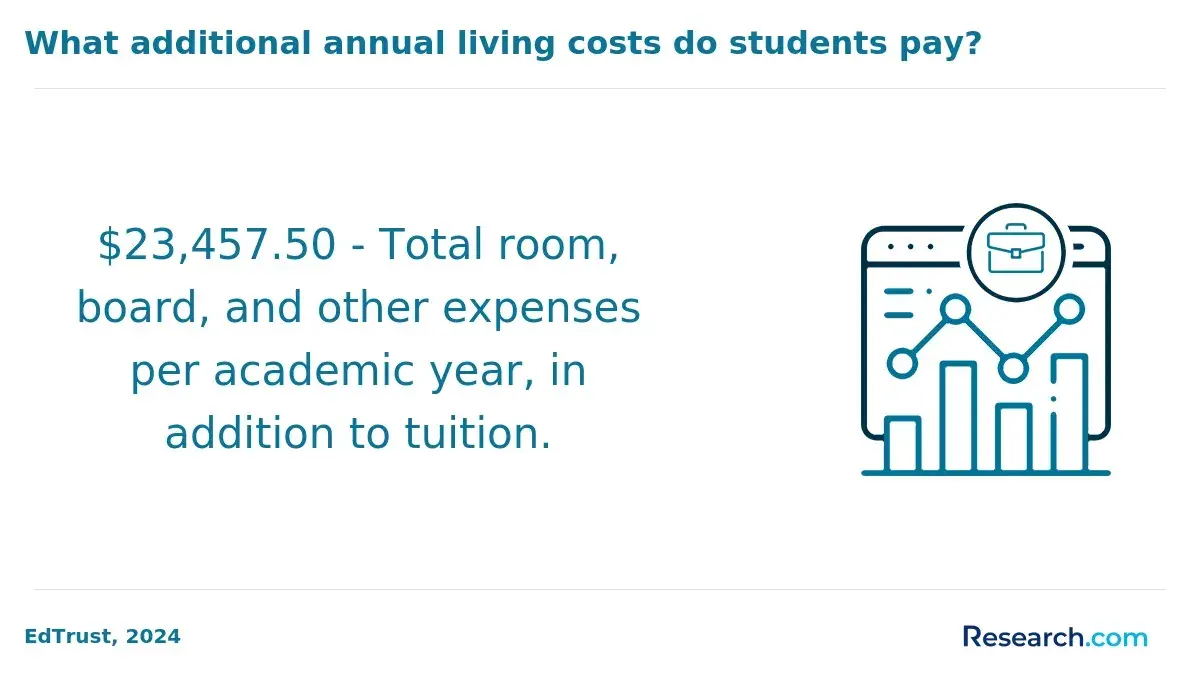
The cost of an online real estate bachelor's degree with open enrollment varies widely due to different program structures and institutional policies. The average tuition per credit for fully online bachelor's degrees in the U.S. generally falls between $350 and $500, though some open enrollment programs may offer more competitive pricing. These variations make it essential to review all related expenses carefully when planning for an affordable online real estate bachelor's program open enrollment.
Key cost components to consider include:
- Tuition Per Credit: Tuition typically accounts for the largest portion of total costs. Some programs charge a flat rate per credit hour regardless of residency, while others apply tiered pricing, impacting affordability.
- Technology Fees: Online learning fees cover access to digital platforms, software licenses, and virtual support services. These fees might be charged per semester or per credit and can add several hundred dollars to the overall expense.
- Course Materials: While some programs include digital textbooks in tuition, others require students to buy books or subscriptions separately, increasing total costs depending on curriculum requirements.
- Administrative Fees: Application, registration, and other institutional fees can also affect the final price. Although often less than tuition or technology fees, these charges accumulate as part of the out-of-pocket cost.
Students considering the most affordable options may also explore the cheapest online master's in counseling programs for additional insights on cost-effective online degree structures.
Open enrollment policies in online real estate bachelor's degree programs broaden access, especially for nontraditional learners who need flexibility. However, this accessibility can come with limitations. For example, a National Center for Education Statistics report found only about 37% of online students completed their programs within six years, highlighting common retention and completion challenges. These aspects influence the limitations of open admission real estate bachelor programs.
The following disadvantages are often associated with open enrollment in such programs:
- Less Selective Admissions: Open enrollment lowers barriers to entry, allowing students with diverse academic backgrounds and motivation. This diversity can impact the overall learning environment, sometimes leading to uneven peer engagement and preparedness.
- Student Preparedness: Students may enter without strong foundational skills, making it harder to grasp advanced real estate concepts. This factor increases the risk of academic struggles and potentially affects program success rates.
- Limited Cohort Interaction: Many open enrollment programs lack structured cohort models, reducing peer networking and collaborative learning opportunities. Such limitations can affect student retention and depth of understanding in real estate studies.
- The Need for Self-Discipline: Success in flexible online formats demands high self-motivation and time management skills. Without these, students risk falling behind due to less structured schedules and fewer direct accountability measures.
Students considering their options may also wonder, can you get a physics degree online as an example of another discipline facing similar challenges in online program accessibility and completion.
Success in flexible, self-paced online real estate bachelor's degree programs depends heavily on strong time management skills. A recent 2023 survey by the Online Learning Consortium found that nearly 60% of students using planned time management strategies completed their courses on schedule. Below are proven methods to enhance study efficiency and maintain progress.
- Consistent Schedule: Allocate regular times daily or weekly for coursework to foster habits and steady advancement through the curriculum.
- Task Prioritization: Focus first on urgent assignments or exams to reduce stress and prevent last-minute cramming.
- Limit Distractions: Study in a quiet space and silence digital notifications to maximize concentration during learning periods.
- Progress Tracking: Utilize tools like digital calendars or apps to keep deadlines visible and monitor how you are advancing through the material.
- Segmented Tasks: Break down complex or large projects into smaller, manageable parts to improve focus and reduce overwhelm.
What Graduates Say About Online Real Estate Bachelor's Degree Programs With Open Enrollment
- Cadence: "Choosing an online real estate bachelor's degree program with open enrollment was perfect for me because it allowed immediate access without waiting for traditional admission cycles. Balancing coursework while working full-time was challenging, especially managing deadlines independently. However, completing this program has significantly boosted my confidence and opened new doors in my professional career."
- Maureen: "I appreciated the flexibility of the open enrollment format, which let me start my real estate studies when I was ready rather than following a rigid academic calendar. Keeping up with the self-paced structure required strong discipline, and that challenge helped me develop better time management skills. Earning this degree online has already made a noticeable difference in how I approach property negotiations and market analysis."
- Axel: "The convenience of an open enrollment online real estate bachelor's degree was a decisive factor, as I needed to coordinate my education around family commitments. The main difficulty was staying motivated without traditional classroom interaction, but the program's resources were quite supportive. Professionally, this degree has enhanced my credibility and expanded my career opportunities within commercial real estate."
Other Things You Should Know About Real Estate Degrees
Yes. Most open-enrollment online real estate bachelor’s programs require a high school diploma or GED for admission. Some schools also ask for official transcripts, a minimum 2.0 GPA, and a completed application, but they usually do not require SAT, ACT, or a personal essay.
Textbook and course material policies differ among online real estate bachelor's degree programs with open enrollment. Some schools include digital textbooks and access to instructional resources within tuition costs, while others require students to purchase materials separately. It is important to clarify these details before enrolling to understand the full financial commitment.
Many online real estate bachelor's programs with open enrollment accept transfer credits from accredited institutions, especially if the credits relate to business or real estate topics. Transfer policies vary, and schools often have limits on the number of credits that can be transferred. Students should submit transcripts for evaluation early to determine how their previous coursework applies toward their degree.
- 13 Useful Time Management Tips for Real Estate Agents https://www.vaned.com/blog/tips-for-entrepreneurs
- Time Management Tips For Online Real Estate Courses | Colibri Real Estate https://www.colibrirealestate.com/career-hub/blog/real-estate-time-management-tips-to-get-your-license-cre/
- The Problem With Exclusively Online Degree Programs https://tcf.org/content/commentary/the-problem-with-exclusively-online-degree-programs/
- 2025 Most Affordable Online Colleges with Open Admissions https://www.onlineu.com/most-affordable-colleges/open-admissions
- Latest News and Information About Online Degree Programs Bachelor’s Degree in Real Estate | https://www.sheffieldstateuniversity.com/blog/bachelors-degree-in-real-estate/
- Real estate training vs university: Which comes out on top? https://www.reiq.com/articles/training/real-estate-training-vs-university-which-comes-out-on-top
- Online Real Estate Degree | Programs & Career Options https://www.learnhowtobecome.org/best-online-bachelors-in-real-estate-degree-programs/
- Real Estate Education: The Online Option https://urbanland.uli.org/development-business/real-estate-education-the-online-option
- Exploring the online real estate degree: A pathway to success - Frequery https://search.frequery.com/en-us/article/jobs-and-education/exploring-the-online-real-estate-degree-a-pathway-to-success-3187496295
- Boost Real Estate Productivity: Time Management Tips https://floridarealestateschool.com/Time-Management-Tips