2027 Online Real Estate Bachelor's Degree Program Costs: Tuition & Fees

Co-Founder and Chief Data Scientist
Many prospective students hesitate to enroll in an online real estate bachelor's degree program due to uncertainty about total costs. Tuition rates, additional fees, and hidden expenses can significantly affect affordability. According to the National Center for Education Statistics, average undergraduate online tuition increased by over 15% in the last five years, intensifying financial concerns.
Navigating these costs without clear information may delay or deter degree completion. This article explores the typical tuition and fee structures for online real estate bachelor's programs, offering detailed insights to help students plan financially and make informed enrollment decisions.
Key Things to Know About Online Real Estate Bachelor's Degree Program Costs
- Tuition structures for online real estate bachelor's programs often vary by credit hour, with in-state rates differing significantly from out-of-state or private institution fees.
- Additional costs typically include technology fees, course materials, and accreditation-related expenses, which can cumulatively add 10-20% to overall tuition charges.
- Prospective students should consider financial aid, scholarships, and employer tuition assistance to manage costs effectively and reduce reliance on student loans.
What Is the Average Cost of an Online Real Estate Bachelor's Degree?
The average tuition for an online real estate bachelor's degree in the U.S. generally ranges from $300 to $600 per credit hour, leading to a total cost between $36,000 and $72,000 for the entire program. A key data point to consider is that the typical credit hour costs for online real estate programs in America center around $450 per credit on average.
This figure provides a useful benchmark for students to anticipate the financial commitment involved in pursuing this field of study online. Most online real estate bachelor's degree programs require approximately 120 credit hours for completion, following a standard credit-based pricing model where tuition is charged per credit hour completed.
This means that total costs are mainly calculated by multiplying the per-credit tuition rate by the total credits needed to graduate. For those exploring further educational opportunities, resources such as the best online masters in AI can offer insight into related fields and their affordability.
What Factors Affect the Cost of an Online Real Estate Bachelor's Degree?
The total cost of earning an online Real Estate bachelor's degree varies widely based on several critical factors. These elements influence tuition and fees, shaping the overall financial commitment students must plan for. Prospective students should consider these factors carefully to better estimate expenses before enrolling.
Key influences on the cost include:
- Credit Requirements: Programs typically require between 120 and 140 credits to graduate. Since tuition is often charged by credit hour, the total number of credits directly affects the overall cost. This is a major component of the average credit requirements and tuition fees for online Real Estate degrees in the United States.
- Program Length: Some degrees follow a traditional four-year timeline, while others offer accelerated paths. Extended programs may involve additional tuition and fees due to longer enrollment periods, impacting the final amount paid.
- Tuition Models: Institutions may charge a flat semester rate or per credit hour. Flat rates allow unlimited courses within a timeframe, whereas per-credit fees fluctuate based on course loads, making total costs variable throughout a student's academic progress.
- Residency Status: Public universities often have different tuition rates for in-state and out-of-state students. In-state tuition is generally lower, significantly affecting total program costs for many students.
- Additional Fees: Technology fees for online platforms, course materials, registration, and licensure-related charges can add considerably to expenses. These vary widely by institution and must be included in budgeting.
For those exploring similar pathways, reviewing an online counseling degree accredited program list may offer insights into cost structures across disciplines.
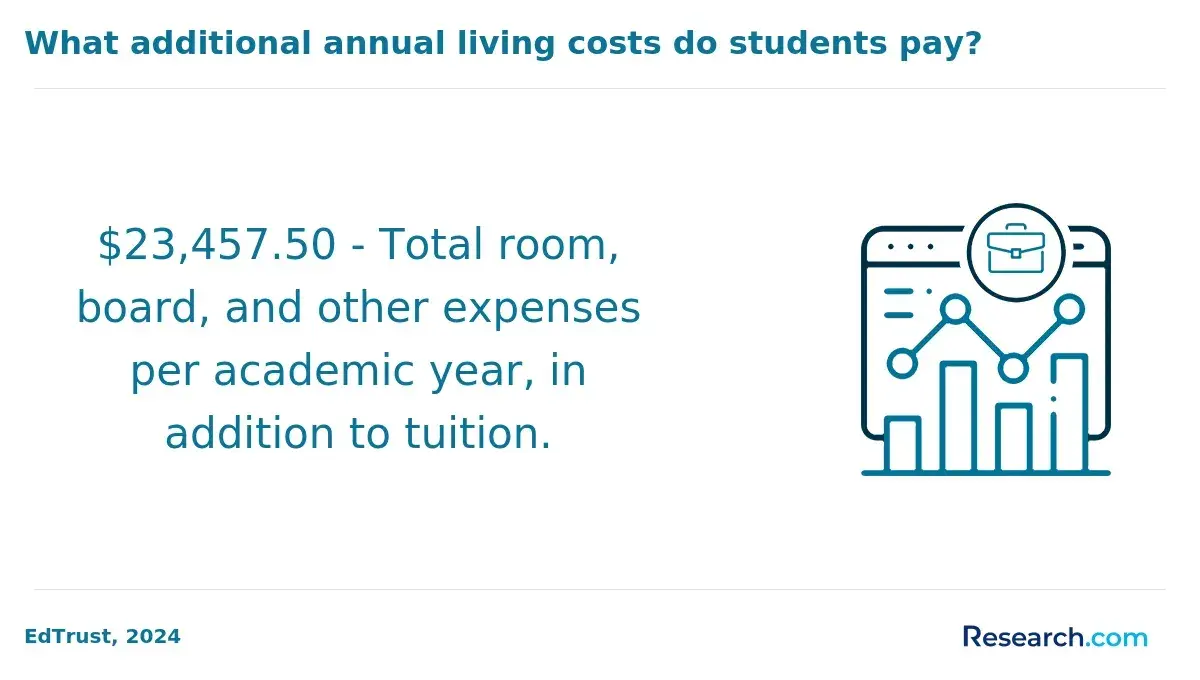
2026 Update: Building a Side-by-Side Cost Comparison Worksheet
For the 2026 refresh, this section adds a practical way to compare online real estate bachelor’s degree costs before committing, especially when schools present tuition and fees in different formats.
- Request an official cost breakdown showing tuition, required fees, and estimated indirect expenses separately.
- Confirm how many credits you must complete after transfer credits, prior learning, or associate degree review.
- Compare billing methods, such as per-credit pricing, term-based tuition, or flat-rate enrollment.
- Check when payments are due and whether payment plans include enrollment or service charges.
- Review refund deadlines for dropped courses, withdrawals, or schedule changes.
- Ask whether real estate licensing preparation, exam materials, or professional memberships are included or separate.
Using the same worksheet for each program helps students compare true out-of-pocket costs more clearly and avoid choosing a program based on tuition alone.
Online bachelor's degree programs in real estate often come at a lower overall cost compared to traditional, campus-based options. Studies indicate that online tuition fees may be approximately 15-30% less than those for in-person programs, making them an attractive choice for many students. These savings primarily stem from differences in fees and living expenses associated with the mode of study.
- Reduced Campus Fees: Online students typically avoid charges linked to campus upkeep, student activities, and facility access. This elimination of extra fees decreases the total tuition cost significantly.
- Commuting and Housing Savings: With no need to travel or live near campus, students save on transportation and accommodation expenses. These can add up to substantial financial relief over several semesters.
- Flexible Course Load: Many programs allow students to choose the number of credits they enroll in each term. This flexibility helps learners pace their studies according to their budget, minimizing unnecessary tuition payments.
- Variable Per-Credit Rates: Some schools use a pay-as-you-go system, where students only pay for the classes they take. This reduces upfront costs and lowers financial risk for those balancing education with other commitments.
- Digital Resources: Online courses often provide textbooks and materials electronically, cutting down on traditional textbook expenses. Students benefit from easier access and additional cost savings.
A graduate of an online real estate bachelor's program shared his perspective on whether the online route was more affordable. He mentioned the initial challenge of navigating financial aid options remotely but appreciated not having to worry about monthly rent or daily commutes. "Managing course loads semester by semester really helped me avoid feeling overwhelmed - I paid for only what I needed," he said. Despite some initial uncertainty about the value of an online degree, the cost savings made the effort worthwhile in his view.
Tuition for an online real estate bachelor's degree can follow either fixed or variable pricing models, depending on the institution. Fixed tuition means paying a set amount per term or year regardless of credit load, while variable tuition charges based on the number of credits enrolled. About 35% of online undergraduate programs offer fixed-rate tuition, making it a somewhat common option.
Per-Credit Billing: This model charges students individually for each credit hour, providing flexibility but causing tuition to fluctuate with course load. It suits students who prefer taking fewer credits at a time or want a customized schedule.
Flat-Rate Term Pricing: Some programs allow unlimited credits per term at one fixed price, benefiting full-time students who want predictable costs. This can be more economical for those enrolling in multiple classes simultaneously.
Residency Differences: Public universities often have separate rates for in-state and out-of-state online students. However, some schools have moved to uniform tuition to simplify pricing across residency status.
Tuition Changes Over Time: Institutions commonly review and adjust tuition annually to reflect inflation or program changes, so even fixed tuition rates might only apply for limited timeframes.
For prospective students exploring costs beyond real estate degrees, exploring options like an accredited online accounting degree can provide additional insights.
Technology fees are typically included in online bachelor's degree programs to fund the digital infrastructure necessary for delivering coursework effectively. On average, these fees range from $100 to $500 per semester, varying by institution and program. They cover essential tools and platforms that support a seamless learning experience. Below are some common components covered by technology fees in online real estate programs.
- Learning Management Systems: These platforms, such as Canvas or Blackboard, serve as the central hub where students access course content, submit assignments, and monitor their academic progress throughout the program.
- Virtual Labs and Simulations: Interactive digital environments provide practical experience with real estate concepts like property valuation and market analysis, allowing students to apply theory in simulated scenarios.
- Required Software: Programs necessary to complete coursework often include spreadsheet applications, property management tools, and specialized calculators for real estate finance, all of which support various assignments and projects.
- Video Conferencing Tools: Technologies like Zoom and Microsoft Teams facilitate live lectures, group discussions, and one-on-one meetings with instructors, helping maintain engagement and interaction despite the remote setting.
- Additional Digital Platforms: Access to online libraries, research databases, and electronic textbooks relevant to real estate studies ensures that students have sufficient resources for research and study.
These fees help maintain and update the necessary technology that underpins an effective online educational environment, ensuring students receive a comprehensive and interactive real estate learning experience.
Textbook and course material expenses make up a significant part of the total cost for students enrolled in online real estate bachelor's degree programs. The College Board reports that the average undergraduate spends about $1,240 annually on textbooks and supplies, underscoring the importance of budgeting for these costs alongside tuition. Several factors influence how much students might expect to pay for materials specific to real estate studies.
Key considerations include:
- Required Course Materials: Real estate programs often require specialized textbooks, industry reports, or software access codes, which can raise the overall price. These materials are tailored to real estate topics like market trends and property law.
- Digital Versus Print Formats: Students may find e-books and digital resources more affordable and convenient than printed versions, though pricing varies by publisher and availability.
- Bundled Resources: Some textbooks include supplementary tools such as online quizzes, instructional videos, or practice exams, enhancing learning but sometimes increasing costs.
- Edition Updates: Frequent updates in real estate law or market analytics mean newer textbook editions are often required, potentially increasing expenses.
- Supplemental Learning Tools: Access to case studies, statistical databases, or regulatory guidelines may also be necessary, adding to the total materials budget.
Students aiming to complete an online real estate bachelor's degree should carefully assess these factors to manage their overall educational expenses effectively.
Federal, state, and institutional financial aid options are available to students pursuing an online Real Estate bachelor's degree. Around 42% of online undergraduates receive some form of federal financial assistance, highlighting the accessibility of funding for distance learners. These resources can significantly offset tuition and fees, making educational goals more attainable. Below are key points to consider about financial aid for online Real Estate bachelor's programs.
- Federal Aid Eligibility: Students must complete the Free Application for Federal Student Aid (FAFSA) to qualify for federal grants, loans, and work-study programs. Maintaining satisfactory academic progress and enrollment at half-time or more are usually required for continued aid eligibility.
- State Financial Aid: State programs vary widely and may depend on residency or program-specific criteria. Many states offer grants and scholarships that help support career-focused degrees, but out-of-state students should review their eligibility thoroughly before applying.
- Institutional Support: Colleges and universities often provide additional aid such as tuition waivers, grants, or flexible payment plans tailored to online learners. These typically require FAFSA completion along with any additional forms mandated by the institution.
- Work-Study Opportunities: Some online programs participate in Federal Work-Study, allowing students to earn money through part-time jobs related to their field of study, which can supplement other financial aid resources effectively.
- Financial Planning Awareness: Understanding the difference between non-repayable grants and repayable loans is crucial for effective budgeting throughout a degree program. Early application submission is encouraged to maximize financial aid availability.
The availability of financial assistance options for online Real Estate bachelor's programs enhances access to education while reducing the overall cost burden. For students also interested in shorter-term options that lead to well-paying careers, exploring certificate programs that pay well can be a complementary strategy.
Online real estate bachelor's degree programs typically cost less than traditional on-campus options, but students can use additional tactics to further reduce their expenses. According to the National Center for Education Statistics, almost 40% of college students transfer credits to shorten their path to graduation, which significantly lowers tuition costs. Below are several effective cost-saving strategies to consider.
- Transfer Credits: Accepting previously earned college credits helps students bypass introductory courses and cut the total number of required credits, accelerating degree completion and reducing tuition expenses.
- Digital Textbooks: Choosing digital or open educational resources (OER) instead of costly physical textbooks can dramatically decrease material costs for online real estate programs.
- Course Load Planning: Strategically managing credit hours each semester avoids extra tuition fees per credit and prevents extending enrollment periods, ensuring timely graduation without additional charges.
- Technology Resources: Utilizing free or low-cost software and tools, including campus-provided resources or open-source alternatives, minimizes incidental costs often associated with online learning.
These cost-saving strategies are particularly valuable for students exploring financial aid options for US students in online real estate programs. Many also examine related advanced fields; for instance, those interested in further education can review the most useful masters degrees to enhance their career prospects.
Online real estate bachelor's degrees offer enhanced accessibility and flexibility for students balancing work or personal commitments, minimizing the opportunity cost typically tied to full-time education. Graduates in this field often experience favorable financial outcomes, with median annual wages about 20% higher than those holding only a high school diploma.
Steady employment growth in real estate sectors further supports the potential return on investment for completing such programs. Whether pursuing this degree is worthwhile depends on individual ambitions and learning preferences. For those targeting management roles or careers in real estate development, investment, or brokerage, the credential is often essential for advancement and higher earnings.
Additionally, students valuing structured curricula covering real estate principles, finance, and law, as well as opportunities for ongoing professional growth and networking, may find this degree aligns well with their long-term career objectives.
What Graduates Say About Online Real Estate Bachelor's Degree Program Costs
- Christine: "Choosing to pursue an online real estate bachelor's degree was largely influenced by my careful consideration of the program's cost. The flexibility of learning at my own pace helped balance work and study, making the investment worthwhile. Ultimately, the knowledge I gained gave me a clear advantage in advancing my career in property management."
- Maurice: "When I started the online real estate degree, I weighed both the financial commitment and the convenience it offered. While there were challenges like staying motivated without an on-campus environment, the affordable tuition and access to expert instructors exceeded my expectations. This degree significantly boosted my credibility and opportunities in commercial real estate."
- Axel: "Reflecting on my online real estate bachelor's degree, I can confidently say the cost was justified by the career growth it enabled. Navigating the trade-offs between tuition fees and self-discipline was key, but the program's comprehensive curriculum prepared me for licensing and becoming a successful broker. Investing in this education truly transformed my professional trajectory."
Other Things You Should Know About Real Estate Degrees
Besides tuition, students can expect to pay for technology fees, textbooks, licensing exam fees, and potentially costs related to internships or certifications. Some programs may also require application or graduation fees. These additional expenses vary by institution but are important to budget for when planning your education.
Besides tuition, students should budget for textbooks, technology fees, and potentially proctoring fees. Additionally, specialized software for real estate analysis may be required. While some programs offer resources online, others might require physical textbooks. It is essential for students to review specific program costs for accurate budgeting.
No. Many online real estate bachelor's programs charge textbook and digital course material fees separately from tuition. Students should also check for proctoring, lab, and course-resource charges, which can add several hundred dollars per semester. Required materials are usually listed in the course syllabus or fee schedule.
Some programs include internships or hands-on training that may entail additional costs such as placement fees, travel, or housing expenses. These are not standard for every online program but can significantly affect the overall cost if required.
- Average Cost of Online College [2025]: Yearly Tuition + Fees https://educationdata.org/average-cost-of-online-college
- Cost Comparison Between Online and Regular Degrees https://www.onlineuniversitiess.com/blogs/cost-comparison-between-online-and-regular
- Factors Influencing Distance Education Costs: Key Insights - Distance Learning Institute https://distancelearning.institute/economic-perspective/distance-education-costs-factors-insights/
- Online vs. Classroom Real Estate Courses - Which Is Better? https://www.vaned.com/blog/online-or-classroom-real-estate-courses
- Real Estate Books and Study Materials : Electronic Lee Textbook https://www.leeinstitute.com/OnlineStore/ItemeDetails/Electronic-Lee-Textbook
- 7 Ways to Reduce the Cost of an Online Degree https://ca.news.yahoo.com/7-ways-reduce-cost-online-143825930.html
- The Surprising Cost of Online Education: Why 83% of Online Degrees Aren’t More Affordable https://www.nexford.edu/insights/the-surprising-cost-of-online-education-why-83-of-online-degrees-arent-more-affordable
- Online Bachelor with Smart Cities & Real Estate https://www.global-business-school.org/programs/bachelor-europe-bachelor-of-business-administration-online/online-bachelor-with-smart-cities-real-estate/
- Online Degree vs. Traditional: Choosing the Right Path https://beal.edu/online-degree-vs-traditional/
- Real Estate and Investments - VIZJA University in Warsaw https://vizja.pl/en/specjalizacja/nieruchomosci-i-inwestycje/