2027 Online Public Health Doctorate Programs for Working Professionals: Flexible, Part-Time, and Self-Paced Options

Co-Founder and Chief Data Scientist
Choosing an online public health doctorate while working full time is really a scheduling, cost, and career-fit decision. The U.S. Bureau of Labor Statistics projects 29% job growth for medical and health services managers from 2023 to 2033, showing strong demand for advanced health leadership skills.
This guide is for professionals balancing work, family, and doctoral study. You will learn how flexible, part-time, asynchronous, and self-paced formats differ, what workload to expect, and how to choose a program that fits your goals without underestimating the commitment.
Key Things You Should Know
- Most online public health doctorate programs for employed adults take about 3 to 7 years, with part-time pacing often extending the timeline but reducing term-by-term workload.
- Working professionals should expect roughly 10 to 20 hours per week during coursework, with heavier demands during dissertation, doctoral project, practicum, or residency periods.
- Cost comparisons should include tuition, fees, technology charges, travel for residencies, and aid limits such as the $20,500 annual federal Direct Unsubsidized Loan limit for eligible graduate and professional students.
Is an Online Public Health Doctorate Worth It for Working Professionals?
An online public health doctorate can be worth it when the degree directly supports a clear professional goal: executive health leadership, applied public health practice, university teaching, policy analysis, epidemiology leadership, program evaluation, or senior research administration. It is usually not worth the investment if you only need a master's degree for promotion, if the program is not accredited or well recognized, or if the dissertation format does not match your career plans.
For working professionals, the main value of an online doctorate is not simply convenience. The value comes from being able to keep earning income while developing advanced skills in population health, prevention, analytics, equity, policy, leadership, and evidence-based decision-making. That can reduce opportunity cost compared with leaving the workforce for a full-time campus program.
The trade-off is time. Online doctoral study is still doctoral study: reading, writing, statistics, research methods, group work, faculty feedback, and long-term independent project management. A program that advertises flexibility may still require weekly deadlines, live sessions, practicum hours, or in-person residencies. The best fit is usually the program whose pacing rules match your actual calendar, not the one with the shortest advertised completion time.
Use this decision frame before applying. It helps separate a strong professional investment from an expensive credential that may not change your career path.
- Choose an online public health doctorate if your target roles require or strongly prefer doctoral-level training, such as senior public health leadership, applied research direction, policy leadership, or academic work.
- Consider a master's-level option instead if you are still building foundational public health knowledge, changing fields, or need a faster credential before pursuing doctoral study.
- Avoid programs that cannot clearly explain accreditation, faculty qualifications, dissertation or project support, residency expectations, and outcomes for employed students.
Which Type of Online Public Health Doctorate Best Fits Your Career Goals?
The right doctorate depends on whether you want to lead public health practice, conduct research, teach, influence policy, or manage health systems. Degree titles vary by institution, but most online public health doctorates fall into applied, research-oriented, or health leadership categories.
The table below compares common doctoral pathways so you can match the degree type to your intended career outcome rather than choosing based only on schedule flexibility.
| Doctorate type | Best fit | Typical focus | Common final requirement |
| DrPH | Experienced public health professionals seeking senior practice or leadership roles | Public health leadership, policy, implementation, program evaluation, equity, systems change | Applied dissertation, doctoral project, portfolio, or practice-based capstone |
| PhD in Public Health | Professionals aiming for research, academic, or advanced analytic roles | Theory, research design, biostatistics, epidemiology, grant writing, scholarly publication | Research dissertation |
| DHA or health administration doctorate | Health system leaders working across hospitals, agencies, insurers, or public programs | Health administration, finance, quality improvement, population health management | Applied doctoral project or dissertation |
| Specialized doctorate | Professionals focused on areas such as epidemiology, global health, environmental health, or health policy | Advanced specialization and applied or research methods in one public health domain | Dissertation, project, or field-based requirement |
If you are not yet ready for doctoral study, a master's path may be the more practical next step. Applicants changing into public health often compare the easiest MPH online programs to get into before deciding whether a doctorate is realistic later.
Working professionals should also think about how the final project will fit their job. A DrPH or applied doctorate may allow you to study a problem in your organization, while a PhD may require a more original research contribution. Neither is automatically better; the better option is the one aligned with the work you want to do after graduation.
How Do Flexible, Part-Time, Asynchronous, and Self-Paced Public Health Doctorate Programs Differ?
Flexible, part-time, asynchronous, and self-paced are often used together in marketing, but they do not mean the same thing. Understanding the difference can prevent one of the most common enrollment mistakes: assuming an online program will automatically fit around a demanding job.
The table below explains how each format affects your week, your deadlines, and your ability to slow down when work or family responsibilities increase.
| Format | What it usually means | Best for | Important limitation |
| Flexible | The program offers options such as evening courses, online delivery, multiple start dates, or limited campus visits | Professionals with changing schedules who still can meet academic deadlines | Flexibility may not apply to residencies, exams, practicum hours, or dissertation milestones |
| Part-time | You take fewer credits per term than full-time students | Full-time employees who need a lower weekly workload | The total timeline is longer, and some schools set maximum completion limits |
| Asynchronous | You do not have to attend most classes at a fixed weekly meeting time | Professionals with travel, shift work, caregiving, or irregular hours | Assignments may still be due weekly, and group projects can require coordination |
| Self-paced | You can move through some course material faster or slower within school-defined rules | Highly independent learners with strong time-management skills | It rarely means unlimited time or no deadlines; term, subscription, or competency windows may still apply |
| Cohort-based | You progress with the same student group on a structured schedule | Professionals who want peer support, networking, and predictable sequencing | Less room to pause, accelerate, or rearrange courses |
The most work-friendly programs are transparent about how scheduling works in practice. Before enrolling, ask admissions staff to distinguish between course flexibility, enrollment flexibility, residency flexibility, and dissertation flexibility.
Use these questions when comparing programs because they reveal how much control you actually have over your schedule.
- Can I take one course at a time, or must I follow a fixed credit load?
- Are any live sessions required, and are they recorded if I cannot attend?
- Can I pause enrollment without reapplying or losing my place in the sequence?
- Are residencies offered virtually, on weekends, or only during fixed campus dates?
- What happens if my dissertation or doctoral project takes longer than planned?
Admission requirements vary, but online public health doctorates generally expect applicants to show graduate-level academic readiness, professional experience, and a clear reason for pursuing doctoral study. Many DrPH programs prefer applicants with an MPH or a closely related master's degree, while some health leadership doctorates may admit candidates from healthcare administration, nursing, social work, public policy, statistics, or health informatics backgrounds.
Most applicants should be ready to submit several materials. These requirements matter because they help programs judge whether you can handle doctoral-level writing, research, and independent project work while employed.
- Accredited bachelor's and usually master's transcripts, often with a minimum graduate GPA requirement
- Resume or CV showing public health, healthcare, policy, research, nonprofit, government, or leadership experience
- Statement of purpose explaining your career goals and possible research or practice interests
- Letters of recommendation from supervisors, faculty, or senior professionals who can evaluate your readiness
- Writing sample, scholarly paper, project report, or evidence of graduate-level research ability
- Interview, goal statement, or faculty match review for programs with selective doctoral advising models
Some professionals strengthen their applications through adjacent graduate study before applying. For example, applicants interested in population health analytics, records governance, and data-driven healthcare operations may compare a health information management degree online as a step toward broader public health leadership.
Red flags include programs that admit applicants without reviewing academic preparation, professional goals, or writing ability. Doctoral study requires sustained faculty mentorship, so an overly simple admission process can signal limited academic support rather than accessibility.
Part-time online public health doctorates commonly take longer than full-time programs because students spread coursework, exams, and the dissertation or applied project across more terms. A realistic planning range is about 4 to 7 years for many working professionals, though exact timelines depend on transfer credits, course sequencing, residency schedules, research progress, and maximum time-to-degree policies.
The table below shows how pacing decisions affect completion time and workload. Use it as a planning tool, not as a promise, because each school defines enrollment status and milestones differently.
| Enrollment pace | Typical student profile | Workload pattern | Timeline trade-off |
| Full-time online | Professionals with flexible jobs, reduced work hours, or strong employer support | More credits per term and faster milestone completion | Shorter timeline but higher weekly pressure |
| Part-time online | Full-time employees balancing work, family, and study | Fewer courses per term and more manageable weekly study blocks | Longer timeline and more years of tuition, fees, and administrative requirements |
| Accelerated | Experienced students with transferable credits, strong preparation, or protected study time | Compressed courses and frequent deadlines | Fastest route but least forgiving during busy work seasons |
| Extended or self-paced | Professionals with unpredictable schedules or caregiving responsibilities | More control over speed, depending on school rules | Better flexibility but higher risk of losing momentum |
The biggest timeline variable is often not coursework; it is the dissertation, doctoral project, or applied research phase. Working professionals should ask how often dissertation courses are offered, whether faculty advising continues during breaks, and whether there are fees for dissertation continuation terms.
A practical way to estimate your timeline is to map the program against your work calendar before applying. Follow these steps to avoid an unrealistic plan.
- List your busiest work months, travel periods, caregiving obligations, and annual deadlines.
- Ask the school for a sample part-time plan of study, including dissertation or project terms.
- Identify every required live session, residency, practicum, exam, and milestone date.
- Add a buffer term for unexpected work demands, research delays, or committee feedback.
- Confirm the maximum time allowed to finish the degree and whether extensions are possible.
Online public health doctorate curricula usually combine advanced public health knowledge with leadership, research methods, analytics, and applied problem-solving. The exact balance depends on whether the program is practice-oriented, research-oriented, or focused on health administration.
The table below summarizes common requirements and why each one matters for working professionals comparing online formats.
| Requirement | What it may include | Why working professionals should check it |
| Core public health courses | Epidemiology, biostatistics, environmental health, health policy, social and behavioral health | These courses may be writing- and analysis-heavy, especially for students returning after years away from school |
| Leadership and management | Systems leadership, organizational change, finance, ethics, communication, strategic planning | Helpful for professionals moving into executive, government, nonprofit, or cross-sector roles |
| Research methods | Quantitative, qualitative, mixed methods, evaluation design, implementation science | Often determines how difficult the dissertation or doctoral project will feel |
| Practicum or field experience | Applied hours with a public health agency, employer, community partner, or approved site | May be manageable if your workplace can serve as the site, but not all programs allow this |
| Residency or intensive | Campus visits, virtual intensives, research seminars, oral defenses, or leadership institutes | Travel, lodging, time off, and childcare can materially affect total cost and feasibility |
| Dissertation or doctoral project | Original research, applied practice project, policy analysis, program evaluation, or portfolio | This phase requires independent work and can extend the timeline if advising or approvals are delayed |
A dissertation-based PhD usually emphasizes original scholarship and may be better for research and academic roles. A DrPH or applied doctorate often focuses on solving a real public health problem, which may be more practical for employed leaders who want to improve programs, systems, or policy implementation.
Before enrolling, ask for examples of recent dissertation or doctoral project titles. This gives you a concrete sense of whether the program supports the kind of work you want to produce and whether faculty expertise aligns with your interests.
A realistic estimate for many employed doctoral students is 10 to 20 hours per week during coursework, with higher peaks during statistics courses, comprehensive exams, proposal development, data collection, writing, or final defense preparation. The workload depends on credit load, course design, reading volume, quantitative preparation, and how quickly you write.
The table below helps translate program format into weekly scheduling pressure. It is especially useful if you are deciding between one course per term, two courses per term, or a cohort schedule.
| Study pattern | Likely weekly commitment | Best schedule fit | Risk to watch |
| One course at a time | Lower weekly intensity, often more manageable for full-time workers | Evenings, weekends, and predictable weekly study blocks | Longer degree timeline |
| Two courses at a time | Moderate to high weekly intensity | Professionals with stable work hours and strong family support | Deadlines may overlap across courses |
| Compressed 8-week courses | High intensity for shorter periods | Students who can focus heavily for defined blocks | Little room for work emergencies |
| Dissertation or project phase | Variable but often mentally demanding | Self-directed students who can protect writing time | Progress can stall without weekly accountability |
The most common mistake is counting only class attendance and ignoring reading, discussion posts, research design, statistical software, citation work, meetings with advisors, and revisions. Online doctoral work often requires deep concentration, not just available hours.
To make the workload more manageable, build a repeatable weekly system before classes begin. These habits are simple, but they can prevent small delays from turning into missed milestones.
- Reserve two or three recurring study blocks each week and protect them like work meetings.
- Use vacation days strategically for residencies, exams, proposal deadlines, or defense preparation.
- Tell supervisors early if the program includes practicum hours or occasional daytime meetings.
- Choose dissertation topics connected to your professional expertise when the program allows it.
- Avoid taking the heaviest statistics or methods courses during your busiest work season.
The total cost of an online public health doctorate depends on tuition structure, number of credits, transfer policy, fees, residency travel, books, software, dissertation continuation terms, and how long you remain enrolled. For working professionals, the most important comparison is total out-of-pocket cost over time, not just the per-credit rate.
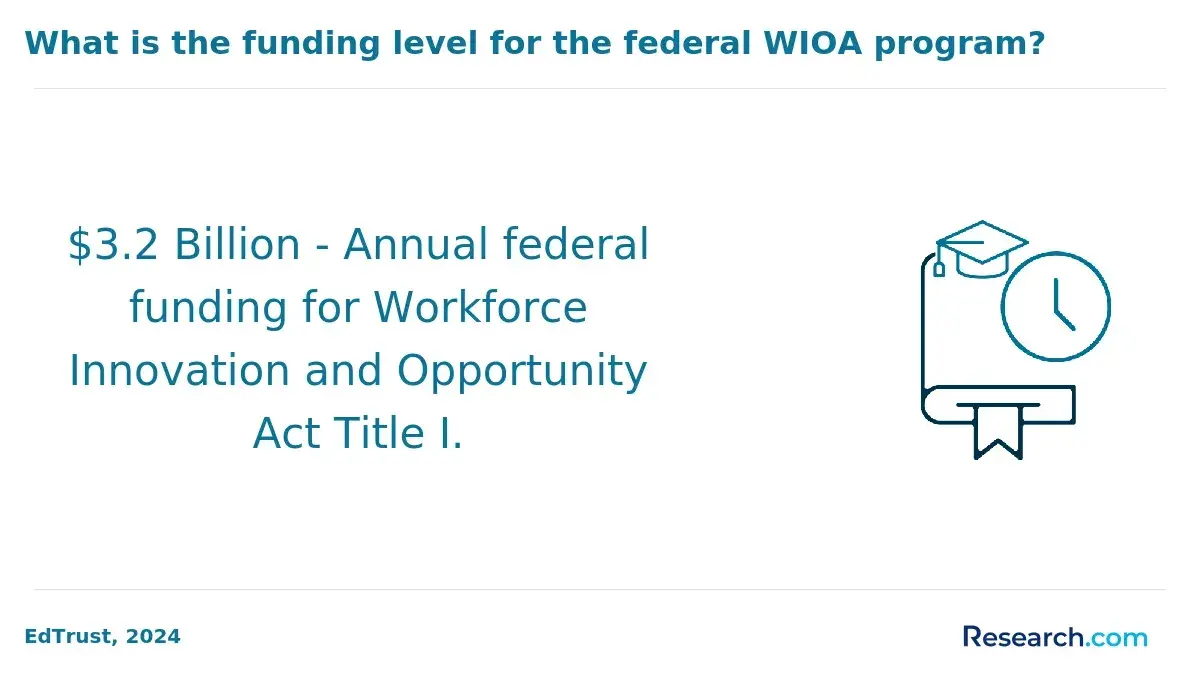
Eligible graduate and professional students can generally borrow up to $20,500 per year through the federal Direct Unsubsidized Loan program, with Graduate PLUS Loans sometimes available beyond that after credit review. This matters because a part-time program may spread borrowing across more years, while a faster program may concentrate cost into fewer terms.
When comparing program cost, ask each school for a complete estimate. The following items are the ones most likely to change the real price of attendance.
- Tuition per credit, per term, or per subscription period
- Total required credits after transfer credit evaluation
- University fees, technology fees, library fees, and graduation fees
- Residency travel, lodging, meals, parking, and time away from work
- Practicum expenses, background checks, immunization records, or site fees if required
- Dissertation or doctoral project continuation fees if you need extra terms
- Books, statistical software, transcription tools, research incentives, or data access costs
Public health intersects with nutrition, community health, chronic disease prevention, and wellness policy, so some professionals compare lower-cost graduate options before committing to a doctorate. If your immediate goal is nutrition-focused public health work, reviewing the cheapest online master's in nutrition can help you decide whether a master's credential meets your needs first.
Financial aid may include federal loans, employer tuition assistance, military or veterans benefits, scholarships, assistantships, payment plans, or professional association awards. Employer tuition support is especially important for working professionals, but read the fine print: some policies require minimum grades, continued employment, tax documentation, or repayment if you leave the organization.
Accreditation is one of the most important quality checks for any online doctorate. At minimum, the institution should hold recognized institutional accreditation. For public health programs, programmatic accreditation from the Council on Education for Public Health is a major signal to examine, especially for DrPH and public health school or program pathways.
Accreditation does not guarantee a specific job outcome, salary, or promotion. It does, however, help indicate that the institution or program has been reviewed against recognized academic standards. It can also affect federal financial aid eligibility, transfer credit, employer recognition, and future academic opportunities.
Use this quality checklist before you apply. It focuses on issues that are especially important for online doctoral students who cannot rely on campus access for support.
- Confirm institutional accreditation through official accreditor or federal databases, not only the school's marketing page.
- Check whether the public health program, school, or relevant degree has programmatic accreditation when applicable.
- Review faculty research areas, practice experience, publications, and advising capacity.
- Ask how dissertation chairs are assigned and how often students meet with them.
- Request retention, completion, and time-to-degree information for doctoral students if available.
- Verify whether online students receive library access, statistical support, writing support, career services, and IRB guidance.
- Look for transparent residency, practicum, and project requirements before paying an enrollment deposit.
Common red flags include unclear accreditation language, pressure to enroll quickly, vague dissertation support, no named faculty, hidden fees, and promises of fast completion without explaining workload. A reputable program should be willing to answer detailed questions about pacing, advising, outcomes, and total cost.
What Career Outcomes and Professional Benefits Can an Online Public Health Doctorate Provide?
An online public health doctorate can support advancement into senior leadership, applied research, policy, teaching, consulting, program evaluation, and health system roles. The degree is most useful when paired with experience, a strong professional network, technical skills, and a clear area of expertise.
BLS data published in its 2024 Occupational Outlook Handbook reports a median annual wage of $110,680 for medical and health services managers in 2023, with projected employment growth of 29% from 2023 to 2033. This does not mean a doctorate guarantees that salary, but it shows that advanced health leadership roles sit in a growing labor market where doctoral-level skills may be relevant.
The table below connects common career directions with the doctoral preparation that may be most useful. Use it to decide whether the degree's curriculum matches the work you want to do.
| Career direction | Typical responsibilities | Doctoral skills that help |
| Public health executive leadership | Lead agencies, coalitions, departments, or community health initiatives | Systems thinking, policy, budgeting, equity strategy, organizational leadership |
| Epidemiology or analytics leadership | Oversee surveillance, data interpretation, outbreak response, or population health analytics | Biostatistics, epidemiologic methods, data communication, research design |
| Program evaluation and implementation | Assess interventions, improve delivery, measure outcomes, and report impact | Evaluation design, qualitative methods, implementation science, stakeholder communication |
| Health policy and advocacy | Analyze policy options, advise organizations, communicate evidence to decision-makers | Policy analysis, ethics, health economics, legal and regulatory awareness |
| Higher education or training | Teach, mentor, design curriculum, or contribute to applied scholarship | Research, writing, pedagogy, publication, subject-matter expertise |
| Consulting | Advise organizations on population health, quality, equity, compliance, or evaluation | Problem framing, evidence synthesis, project management, executive communication |
Current trends shaping public health careers include greater use of data dashboards, AI-assisted analytics, value-based care, health equity measurement, climate and environmental health planning, and demand for leaders who can communicate evidence to nontechnical audiences. A doctorate can help you build authority in these areas, but only if the curriculum includes relevant methods and applied experience.
Some professionals also compare adjacent online pathways before choosing a doctorate. For example, if you are interested in prevention, food systems, and community wellness, an accelerated nutrition degree online may be a faster route to a specialized credential before or instead of doctoral study.
The best next step is to define your target role first, then work backward. If the role requires advanced research, choose a research-heavy doctorate. If it requires leading public health systems, choose a practice-oriented program. If it requires broader healthcare operations, consider whether a health administration doctorate is more relevant than a public health doctorate.
Other Things You Should Know About Public Health
Yes, many online public health doctorate programs are designed for working adults, but manageability depends on course load, deadlines, residencies, and dissertation expectations. One course at a time is often more realistic than a full-time doctoral load for professionals with demanding jobs.
Usually no. Self-paced programs may let you move through some material at your own speed, but schools still set term dates, competency windows, milestone deadlines, academic progress rules, and maximum time-to-degree limits.
Many employers focus more on accreditation, institution reputation, relevant experience, and demonstrated skills than delivery format. Still, you should verify that the program is properly accredited and respected in your field before enrolling.
Choose a dissertation if your goals involve research, academia, or scholarly publication. Choose an applied doctoral project if your goals involve leadership, program improvement, implementation, policy practice, or solving a real public health problem in an organization or community.
- Client Challenge https://www.springermedizin.de/analysis-of-the-doctor-of-public-health-drph-training-and-identi/26274958
- Online Doctorate in International Public Health https://www.euclid.int/online-doctorate-international-public-health/
- Online Doctor of Public Health (DrPH): Best Student Options https://www.phds.me/online-programs/public-health-doctorate-drph/
- Doctor of Public Health - Africa Health Collaborative https://africahealthcollaborative.org/program/doctor-of-public-health-drph/
- Public Health (DrPH) (Online) Doctor of https://www.tees.ac.uk/postgraduate_courses/nursing_&_health/doctor_of_public_health_(drph)_(online).cfm
- Financial Aid Guide https://www.publichealth.org/resources/financial-aid/
- Doctor of Public Health (DrPH) | Claremont Graduate University https://www.cgu.edu/academics/program/doctor-public-health/
- What can I do with an online DrPH? - MPH Online https://www.mphonline.org/careers-online-drph/
- Online DrPH Programs: Compare Top Schools & More https://www.edumed.org/online-schools/public-health-degrees/doctorate-drph/