2027 Online MS in Psychology - Forensic Psychology vs. a Master's in Family Studies: Compare Curriculum, Cost, and Career Fit
Audited and Verified:
Our Editorial and Data Verification Process
Research.com uses government datasets, official education statistics and primary institutional information to support its career and degree guides. Our review process checks factual accuracy, occupational definitions, source dates and the requirements associated with the credentials discussed.
How This Article Was Fact-Checked
Our editorial team verifies salary estimates, employment projections, education requirements and program information against original data providers and official organizations. Salary figures are checked against the relevant occupational definitions and reporting periods. Information about licensure, accreditation and required in-person training is reviewed separately.
Fact-checked and verified on:

Co-Founder and Chief Data Scientist
An online master's in forensic psychology and a master's in family studies can both lead toward community-serving work, but they prepare students to understand different problems. One centers psychology in legal and justice settings; the other examines families, development, and the systems that support them.
If you are weighing a career change or advancement in an agency, school, or nonprofit, the distinction affects which courses, applied experiences, and employers deserve your attention. This comparison shows how to evaluate curriculum, online requirements, cost, and career fit without mistaking either degree for a clinical license.
Key Things You Should Know
- Choose forensic psychology for research or support work connected to legal and justice systems, choose family studies for family services, prevention, and community programs.
- Neither degree title alone qualifies you to provide therapy or forensic evaluations. Compare total program cost, not just tuition per credit, and confirm whether online courses include live meetings, approved local fieldwork, or a thesis.
- For salary comparisons, use the specific occupation and location you intend to enter. No reliable wage figure applies to all graduates of either degree.
What is the difference between forensic psychology and family studies master's degrees?
Forensic psychology applies psychological science to questions involving law and justice, such as eyewitness evidence, victimization, correctional settings, and behavior relevant to legal processes. Family studies, sometimes called family science or human development and family studies, examines relationships and development within families and the schools, communities, and policies that affect them. Exact degree names and requirements vary by university.
The comparison below focuses on what each field is likely to help you study - not on professional authority conferred by the degree.
| Decision point | Forensic psychology master's | Family studies master's |
| Primary setting | Courts, corrections, victim services, or justice-related research | Family-service agencies, schools, community programs, or policy organizations |
| Central questions | How psychological evidence and behavior intersect with legal systems | How development, relationships, and social conditions affect families |
| Useful applied work | Research support, program evaluation, advocacy, or justice-system coordination | Family-program coordination, prevention, outreach, or evaluation |
| Important limit | Coursework does not confer investigative authority or qualify someone to conduct licensed forensic assessments | Coursework does not qualify someone to practice marriage and family therapy |
If your intended work is specifically in substance-use treatment or recovery support, neither label may be the closest match. Review addiction recovery career paths and the credentials attached to the role you want before choosing a broader degree.
What careers can you pursue with forensic psychology or family studies master's degrees?
Match the degree to job duties, not an appealing title. Forensic psychology coursework may support applications for victim-services coordination, correctional program support, justice-related research assistance, or program evaluation. Family studies coursework may be relevant to family-resource coordination, parent-education programs, youth-service administration, and community-program evaluation. Employers may also consider prior experience, a different degree, or a role-specific credential.
A career changer with agency or nonprofit experience may be able to build on existing skills in documentation, partnerships, and service coordination. Someone seeking research work should look for substantial methods training and a supervised project; someone seeking direct service should investigate placement opportunities and the employer's requirements for working with clients or minors. Confidentiality, safeguarding, and referral boundaries matter in either setting.
Neither degree makes its holder a licensed forensic psychologist. Licensed assessment, diagnosis, and expert practice require qualifications beyond a typical nonclinical master's. For a closer look at occupations sometimes associated with the specialization, and the qualifications they actually require, see graduate-level forensic psychology career research.
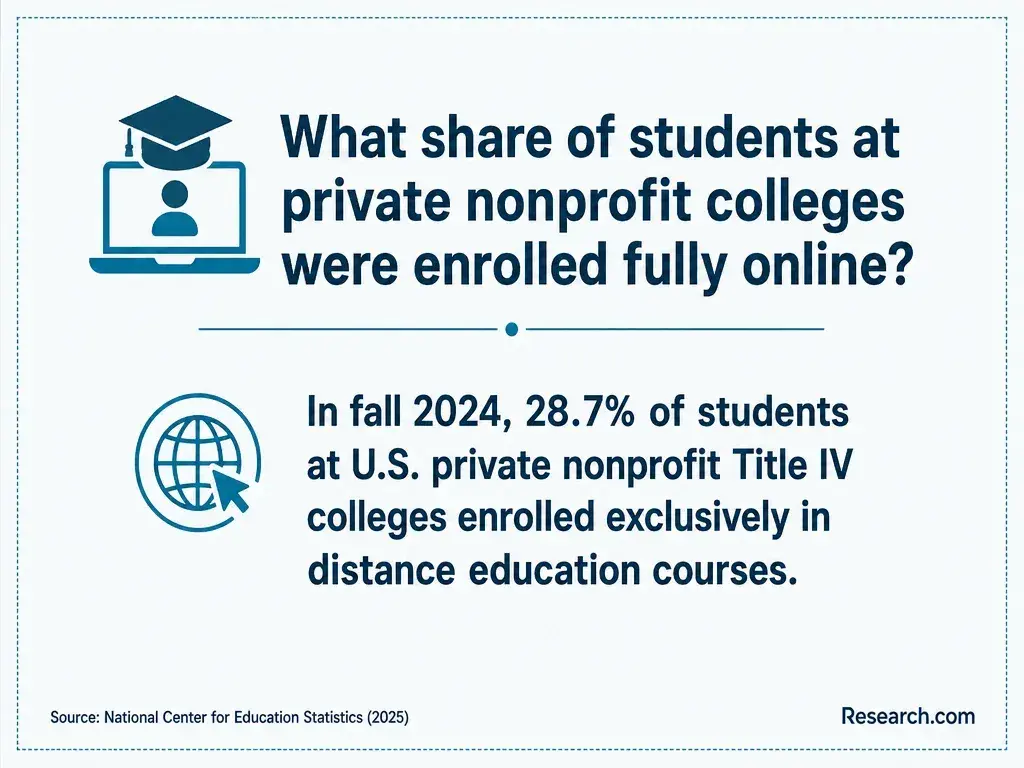
How do online master's programs in forensic psychology and family studies compare?
Online delivery describes where much of the coursework happens, not how freely you can schedule it. Either field may include asynchronous lessons, scheduled seminars, group projects, research meetings, or an approved placement. For working students and caregivers, a recurring live meeting or daytime fieldwork requirement can matter more than the word "online."
Forensic programs may offer access to justice-related case material or faculty research without arranging a placement in a court or correctional facility. Family studies programs may emphasize community partnerships, but an existing job or volunteer position does not automatically meet fieldwork rules. Ask who finds and approves sites, what supervision is required, whether remote projects count, and whether any campus visits are mandatory.
If you are still comparing graduate study with broader distance-learning options, psychology degree options for distance learners can help frame the format decision. Check the requirements of each specific master's program separately.
A forensic psychology curriculum commonly draws on psychological research methods alongside subjects such as psychology and law, criminal behavior, victimology, or correctional contexts. A family studies curriculum commonly emphasizes lifespan development, family relationships, family diversity, social policy, and family or community programs. These are typical areas of study, not a promise that every school offers each course.
The most consequential differences may lie beyond the course titles. Inspect the required methods sequence, statistics preparation, available electives, and final project. A thesis with faculty supervision may fit a future research application; an approved program-evaluation capstone may better demonstrate skills for an agency role. Ask what data students can use and what permissions and privacy safeguards apply. Studying psychological assessment or family interventions in class does not authorize students to perform restricted assessments or therapy.
If your actual target is substance-use counseling, compare the required training for that occupation with an addiction counseling degree comparison resource rather than assuming a forensic or family studies elective will satisfy credential rules.
Programs generally require a completed bachelor's degree and review academic records and application materials, but acceptable majors, GPA rules, prerequisites, references, essays, tests, and relevant experience are school-specific. Psychology, criminal justice, sociology, education, health, and human-services backgrounds can each provide useful preparation; an unrelated major is not automatically disqualifying.
Read the published requirements for your entry term, then ask admissions whether statistics, research methods, developmental psychology, or introductory psychology is required or merely recommended. If you lack a course, ask whether approved undergraduate study can satisfy it before enrollment and whether conditional admission is possible. Document relevant research, justice-system, school, family-service, or community experience, but do not assume work experience waives a formal prerequisite.
If you have not finished a bachelor's, master's admission is a later decision. Faster psychology degree timelines online may help you explore undergraduate completion, although the master's program must still confirm which preparation it accepts.
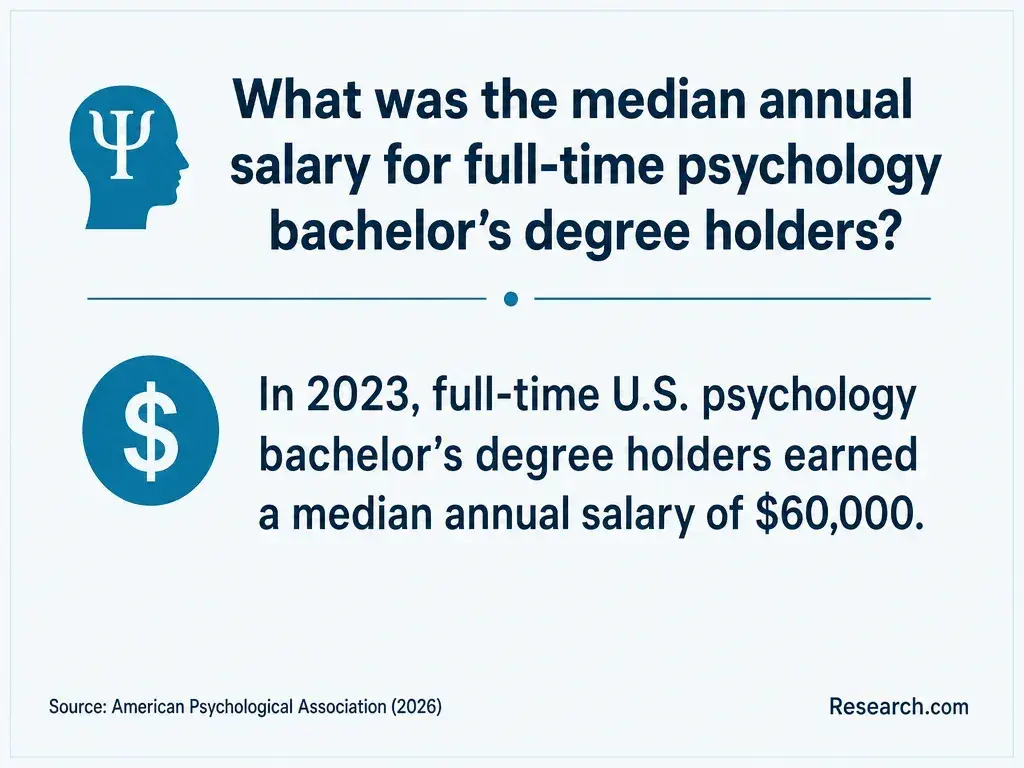
Completion time depends on required credits, course availability, enrollment pace, and whether a thesis, capstone, or placement must be completed in sequence. An accelerated calendar may shorten coursework without shortening the time needed to obtain site approval, collect usable project material, or finish a supervised thesis.
Request a term-by-term plan for the pace you can actually maintain. Check when required courses run, whether summer enrollment is expected, how long a leave can last, and whether part-time students retain access to project supervision. If speed is important, use shorter online psychology master's timelines as a starting point for questions - not as evidence that a particular forensic or family studies program can be completed on the same schedule.
There is no defensible single price for either degree type: schools set different credit requirements, tuition rates, and fees. To compare offers, calculate required credits multiplied by your applicable tuition rate, then add mandatory online and program fees, books or software, travel, and any placement or continuation costs. Ask whether tuition changes with enrollment pace or residency status and whether a thesis that runs into another term creates an additional charge.
For a public-sector or nonprofit employee, employer education assistance may change the comparison, but only after you confirm eligibility, reimbursement limits, and any service commitment. Federal graduate aid and institutional funding also have their own conditions; compare borrowing and repayment obligations with a realistic target job rather than a broad claim about a master's degree's earning power.
Be careful when reading undergraduate aid advice. A guide to grants versus loans for substance abuse counseling bachelor's students can clarify the financing distinction, but its bachelor's-level options and limits should not be assumed to apply to graduate study.
Do not assume so. A typical nonclinical forensic psychology master's does not, by its name alone, qualify a graduate for psychologist licensure or independent forensic evaluation. Likewise, a family studies master's is not automatically a marriage and family therapy degree. Some programs may relate to particular credentials, but eligibility depends on the exact curriculum, supervised training, credential rules, and jurisdiction.
If your goal is psychotherapy, ask the relevant state licensing board which degree type, program recognition, coursework, supervised experience, and examinations it requires. Compare that answer with a program's written licensure disclosures before paying an application deposit. A qualifying counseling program may be a more direct route than either degree discussed here; faster clinical mental health counseling graduate pathways offer a separate comparison, but speed does not replace eligibility checks.
Neither master's has a single salary or job-growth rate. The U.S. Bureau of Labor Statistics reports wages and projections by occupation, not by forensic psychology or family studies degree. A social and human service assistant, community and social service manager, and licensed psychologist have different duties and entry requirements; their occupational medians should not be presented as expected earnings for graduates of these programs.
For a useful comparison, identify a plausible job title from local postings, confirm its required credential and experience, then consult the latest Bureau of Labor Statistics Occupational Outlook Handbook wage and projection data for the closest matching occupation. Compare that national context with local postings and public-sector pay schedules. Do not use psychologist wages to justify a nonlicensure master's.
In some support roles, relevant experience and a bachelor's may be a less costly entry point than graduate school. If substance-use services are the intended setting, affordable substance abuse counseling bachelor's costs and careers can help you examine that alternative; verify the credential required for any counseling job in your state.
How can you choose an accredited and reputable program?
Start by confirming the university's recognized institutional accreditation, then identify the exact degree, department, curriculum, and graduation requirements. Institutional accreditation is an important baseline, but it does not establish that a nonclinical master's meets a licensing board's standards. Do not assume American Psychological Association accreditation applies to a general or forensic psychology master's.
Ask each school for a written degree plan and current disclosures covering online scheduling, required visits, fieldwork approval, supervision, total charges, and outcomes for the specific program. For forensic offerings, forensic psychology degree program quality checks provide additional comparison prompts. Apply the same scrutiny to family studies programs rather than judging either option by its name or marketing claims.
Finally, test your preferred program against several real job postings or the entry requirements of your intended next degree. If the curriculum and applied opportunities do not close the gaps those sources reveal, targeted training, relevant work experience, or a different qualifying degree may be the better investment.
Other Things You Should Know About Psychology
Possibly, if the program approves the project and your employer authorizes the work and any data use. Employment alone does not establish academic supervision, research approval, or permission to share client information.
A thesis can help you demonstrate research ability, but it is not universally required for doctoral admission. Compare prospective programs' expectations and whether the master's offers suitable faculty supervision.
An academic degree may be recognized by employers elsewhere, but regulated credentials and permissible duties depend on that state's rules. Check the destination jurisdiction before relying on portability.
Ask how reliably required courses ran, how accessible supervisors were, what applied work students could actually complete, and whether career services helped with the kinds of roles you want.
- General Schedule Qualification Policies | U.S. Office of Personnel Management https://www.opm.gov/policy-data-oversight/classification-qualifications/general-schedule-qualification-policies/
- Certification Procedures for Title IV of the HEA | ed.gov http://www.ed.gov/laws-and-policy/higher-education-laws-and-policy/higher-education-policy/ope-guidance-documents/frequently-asked-questions-certification-procedures-title-iv-of-hea
- Learning Modality | School of Public Health | SUNY Downstate https://www.downstate.edu/education-training/school-of-public-health/for-current-students/learning-modality.html
- Professional Licensure - State Authorization Network https://wcetsan.wiche.edu/resources/professional-licensure
- A Career in Forensic and Public Service Psychology | apa.org https://www.apa.org/education-career/guide/subfields/forensic/education-training
- Tuition and fee charts - Office of the Registrar | Transfer to Wayne State University https://wayne.edu/registrar/tuition/fee-charts
- Admissions | wisc.edu https://datascience.psych.wisc.edu/admissions/
- Program Requirements | John Jay College of Criminal Justice https://www.jjay.cuny.edu/academics/graduate-programs/ma-forensic-psychology/program-requirements
- Careers With a Forensic Psychology Master's Degree | The Chicago School https://www.thechicagoschool.edu/insight/career-development/career-options-masters-degree-forensic-psychology/
- MS in Forensic Psychology | Neumann University https://www.neumann.edu/academics/grad/masters-degree-in-forensic-psychology