2027 Online Ministry Leadership Doctorate Programs with Specializations: Concentrations, Tracks, and Career Paths

Co-Founder and Chief Data Scientist
Choosing an online Ministry Leadership doctorate is really a decision about direction: church leadership, chaplaincy, nonprofit administration, pastoral care, teaching, or research. The stakes are practical because your specialization can shape courses, faculty mentorship, applied research, dissertation or project topics, and career fit.
BLS May 2024 wage data show wide pay differences across related roles, from clergy to postsecondary administration, so alignment matters. This guide is for pastors, ministry executives, educators, chaplains, and nonprofit leaders comparing doctoral tracks and trying to choose the option that best supports their next professional move.
Key Things You Should Know
- In online Ministry Leadership doctorates, a specialization is usually the broad academic focus, a concentration is a defined cluster of courses, and a track is often a prescribed pathway tied to a professional outcome, such as church leadership, pastoral counseling, chaplaincy, or academic research.
- Most professional ministry doctorates require roughly 36 to 60 credits and can often be completed in about three to six years, while research-heavy Ph.D. programs may take longer because of language, methods, comprehensive exam, and dissertation expectations.
- Salary potential varies more by role and employer than by degree title alone; for example, BLS May 2024 data reported a $103,960 median annual wage for postsecondary education administrators, a useful benchmark for students considering higher education leadership tracks.
What Are the Best Specializations and Concentrations for an Online Ministry Leadership Doctorate?
The best specialization is the one that matches your ministry setting, research question, and long-term role. In practice, schools may use the terms specialization, concentration, and track differently, so compare the actual curriculum rather than relying only on the label.
The table below summarizes common online Ministry Leadership doctorate focus areas and how they typically connect to coursework, research, and career direction:
| Specialization or concentration | Best fit | Typical coursework emphasis | Common career paths | When to consider another option |
| Church and pastoral leadership | Pastors, executive pastors, church planters, denominational leaders | Congregational systems, preaching leadership, change management, discipleship strategy | Senior pastor, executive pastor, regional ministry director, church consultant | If your goal is licensure-based counseling, academic research, or nonprofit executive management outside church settings |
| Organizational leadership and administration | Ministry executives, nonprofit directors, denominational administrators | Strategic planning, governance, finance, organizational culture, leadership theory | Nonprofit executive, ministry operations director, higher education administrator, leadership consultant | If you want a primarily theological, pastoral care, or missions-focused doctorate |
| Pastoral care, counseling, and spiritual formation | Pastors, chaplains, care ministry leaders, spiritual directors | Pastoral theology, crisis care, trauma-informed ministry, spiritual formation, family systems | Pastoral care director, chaplaincy leader, spiritual formation director, congregational care consultant | If you need state counseling licensure, because ministry doctorates usually do not replace licensed counseling degrees |
| Chaplaincy leadership | Healthcare, military, correctional, hospice, or institutional chaplains | Interfaith practice, ethics, grief care, institutional leadership, clinical context reflection | Senior chaplain, director of spiritual care, chaplain educator, institutional ministry leader | If the program does not support your board-certification or clinical pastoral education goals |
| Missions and intercultural ministry | Mission agency leaders, global ministry workers, multicultural church leaders | Intercultural theology, contextualization, missiology, global leadership, community engagement | Missions director, international ministry leader, intercultural training director, NGO faith-based program leader | If your work is mainly local administration, higher education, or counseling-oriented ministry |
| Christian education and discipleship | Discipleship pastors, seminary staff, curriculum directors, adult education leaders | Teaching, curriculum design, faith formation, educational leadership, assessment | Director of discipleship, ministry educator, curriculum developer, religious education administrator | If your goal is tenure-track academic research, where a Ph.D. may be preferred |
| Practical theology or ministry research | Practitioners who want advanced applied research training | Qualitative methods, theological reflection, ministry evaluation, contextual research | Research-informed ministry consultant, seminary practitioner-scholar, denominational strategist | If you want a highly prescribed career track with less research flexibility |
A broad leadership track is often the safest choice for students who want mobility across churches, nonprofits, and faith-based institutions. A narrower concentration makes more sense when you already know the setting you want to influence, such as chaplaincy, spiritual formation, or intercultural ministry.
Students who are interested in ministry administration but want a wider leadership foundation may also compare doctoral options with best organizational development master's programs online to understand how organizational leadership coursework differs from theology-centered ministry leadership coursework.
How Do I Choose the Right Track in My Ministry Leadership Doctoral Degree?
Start with the role you want after graduation, not with the concentration name. A track that sounds impressive may be a poor fit if it does not provide the courses, faculty expertise, research methods, or applied project model needed for your setting.
Use the following sequence to narrow your options before you speak with admissions advisors:
- Define your target setting: local church, denomination, seminary, nonprofit, hospital, military, prison, school, mission agency, or consulting practice.
- Identify the problems you want to solve, such as leadership succession, congregational decline, pastoral burnout, multicultural ministry, discipleship assessment, spiritual care delivery, or nonprofit governance.
- Compare required courses, not just electives, because required courses reveal the real academic center of the track.
- Check faculty fit by reviewing professors' ministry experience, publications, theological background, and ability to supervise your topic.
- Ask whether the capstone, dissertation, or doctoral project can be completed in your own ministry context.
- Confirm online expectations, including synchronous sessions, residencies, intensives, cohort meetings, and field-based research approvals.
- Evaluate career relevance by asking how recent students in that track used the degree in ministry, education, chaplaincy, or nonprofit leadership.
Several red flags deserve attention before you commit. Avoid choosing a track only because it sounds prestigious, assuming every concentration has the same dissertation requirements, or selecting a pastoral counseling focus without checking whether it supports any counseling credential you may need.
If your long-term plan involves family systems ministry, marriage enrichment, or licensed family therapy rather than general pastoral care, compare ministry doctorate options with best online MFT programs because licensure-focused programs and ministry leadership doctorates serve different purposes.
What Career Paths Can I Pursue With a Doctorate in Ministry Leadership?
A doctorate in Ministry Leadership can support advancement in pastoral, institutional, academic, nonprofit, and consulting roles. It is usually strongest when combined with substantial ministry experience, a clear leadership portfolio, and a research project that solves a real organizational or pastoral problem.
The table below connects common career paths to the doctoral concentrations that usually provide the most relevant preparation:
| Career path | Best-fitting concentrations | Typical responsibilities | Salary context |
| Senior pastor or executive pastor | Church leadership, preaching leadership, organizational leadership | Lead staff, set vision, oversee discipleship, manage congregational systems, guide change | Pay is highly employer-dependent; church size, denomination, location, and benefits often matter more than degree title alone. |
| Denominational or network leader | Organizational leadership, pastoral leadership, practical theology | Support churches, train leaders, manage regional initiatives, evaluate ministry effectiveness | Compensation varies by denomination and administrative scope. |
| Chaplaincy director or spiritual care leader | Chaplaincy leadership, pastoral care, ethics, spiritual formation | Supervise chaplains, design spiritual care programs, collaborate with clinical or institutional teams | Institutional employers may weigh board certification, clinical pastoral education, and leadership experience heavily. |
| Faith-based nonprofit executive | Organizational leadership, nonprofit leadership, intercultural ministry | Lead programs, fundraising, governance, staff development, community partnerships | BLS May 2024 data reported a $78,240 median annual wage for social and community service managers, which can serve as one benchmark for nonprofit leadership roles. |
| Seminary or Christian college administrator | Higher education leadership, Christian education, organizational leadership | Oversee academic programs, student formation, accreditation work, institutional strategy | BLS May 2024 data reported a $103,960 median annual wage for postsecondary education administrators. |
| Ministry consultant or coach | Organizational leadership, church revitalization, practical theology | Advise churches, assess systems, facilitate retreats, train leaders, evaluate programs | Income depends on client base, niche, reputation, and whether consulting is full-time or supplemental. |
| Educator or practitioner-scholar | Practical theology, Christian education, research-focused ministry leadership | Teach, write, train ministry leaders, conduct applied research, supervise ministry projects | Academic hiring varies by institution; some faculty roles prefer or require a Ph.D. |
Students drawn to pastoral counseling should be especially careful about career boundaries. A ministry leadership doctorate may strengthen pastoral care practice, but people seeking professional counseling roles should review online masters programs for counseling because licensure normally depends on state-approved counseling education, supervised hours, and exams.
Which Ministry Leadership Doctoral Concentrations Lead to the Highest-Paying Jobs?
The highest-paying outcomes tend to come from concentrations that transfer into larger institutions, higher education, organizational leadership, consulting, or executive nonprofit roles. This does not mean those tracks are always "better"; it means their skills may be valued in employers with larger budgets and more formal leadership structures.
The table below shows how selected concentrations can align with stronger salary ceilings, while also noting limits that students should consider before using salary as the only decision factor:
| Concentration | Higher-paying role alignment | Why it may pay more | Important limitation |
| Organizational leadership and administration | Executive pastor, nonprofit executive, denominational administrator, institutional leader | Emphasizes governance, strategy, personnel systems, and change management | Requires management experience; coursework alone rarely qualifies someone for executive authority |
| Higher education or educational leadership | Seminary administrator, Christian college administrator, dean-level pathway | Connects ministry formation with institutional planning and academic administration | Faculty or dean roles may still prefer a Ph.D., publications, and teaching experience |
| Nonprofit and community leadership | Faith-based nonprofit director, program executive, community partnership leader | Builds skills in program design, fundraising, evaluation, and public-facing leadership | Grant writing, fundraising results, and board experience can matter as much as the doctorate |
| Consulting and church revitalization | Independent consultant, leadership coach, denominational trainer | Can convert doctoral research into a specialized advisory practice | Income may be inconsistent without a strong network and clear service niche |
| Chaplaincy leadership | Director of spiritual care, clinical chaplaincy supervisor, institutional ministry leader | Combines advanced pastoral care with supervisory responsibility in complex institutions | Board certification and clinical pastoral education may be more important than the concentration name |
BLS May 2024 data reported a $127,090 median annual wage for training and development managers, which is relevant for ministry leaders moving into leadership development, organizational training, or faith-based executive education. However, those roles are not guaranteed by a ministry doctorate; employers usually expect measurable training, management, and program outcomes.
A practical way to think about return on investment is to ask whether the specialization builds transferable leadership capacity. A narrow topic may be spiritually meaningful and professionally valuable, but a broader administrative or organizational track may provide more flexibility if you later move from congregational ministry to education, nonprofit leadership, or consulting.
Are Online Ministry Leadership Doctorate Degrees Respected by Employers and Academic Institutions?
Online Ministry Leadership doctorates can be respected when they come from properly accredited institutions, use rigorous faculty-supervised research, and align with the student's professional field. Employers and academic institutions usually care less about whether courses were online and more about accreditation, reputation, research quality, ministry experience, and whether the degree type fits the role.
For U.S. students, the first accreditation check is institutional accreditation from an accreditor recognized by the U.S. Department of Education or the Council for Higher Education Accreditation. Seminary-based programs may also hold accreditation from the Association of Theological Schools, which can be especially relevant for theological education, ministry formation, and some denominational contexts.
Respect also depends on degree purpose. A Doctor of Ministry, Doctor of Educational Ministry, or Doctor of Strategic Leadership is often treated as a professional doctorate for advanced practice. A Ph.D. is usually the stronger fit for research-intensive academic hiring, especially where publishing, teaching theology, or supervising graduate research is central.
Online education is now normal in graduate study, but quality still varies. Before enrolling, ask these questions to test whether the program has credibility beyond its marketing language:
- Is the institution accredited by a recognized accreditor, and is any seminary accreditation relevant to my denomination or employer?
- Are online students taught by the same faculty who supervise doctoral research and ministry projects?
- Does the program require residencies, synchronous seminars, peer review, or other forms of scholarly community?
- Can the school provide examples of recent dissertation or doctoral project titles in my intended concentration?
- Will the degree title and transcript clearly reflect the type of doctorate I completed?
A common mistake is assuming that "online" automatically means easier. Strong online doctoral programs often require disciplined reading, research design, ministry-site access, supervisor feedback, and writing at a level that can be more demanding than weekly classroom attendance.
How Do Online Ministry Leadership Doctoral Programs Handle Research and Dissertation Requirements?
Research requirements depend heavily on whether the program is a professional doctorate or a research doctorate. Ministry Leadership Ph.D. programs usually require a traditional dissertation that contributes to scholarship, while Doctor of Ministry or similar professional doctorates often require an applied doctoral project that addresses a real ministry problem.
In a professional ministry doctorate, the research process commonly moves through several stages:
- Identify a ministry problem or leadership challenge in a specific context.
- Review theological, biblical, leadership, and social science literature related to the problem.
- Design an ethical research or intervention plan, often using qualitative interviews, surveys, case studies, program evaluation, or action research.
- Secure institutional approval, ministry-site permission, and participant consent when human subjects are involved.
- Implement or evaluate the ministry intervention, leadership strategy, curriculum, or organizational change process.
- Analyze findings and connect them to theological reflection, leadership practice, and future ministry recommendations.
- Defend or present the final dissertation, thesis, or doctoral project to faculty reviewers.
Your concentration can meaningfully change the research design. A pastoral care track might focus on grief support, trauma-informed care, or caregiver burnout. An organizational leadership track might evaluate staff culture, succession planning, or governance reform. A missions track might examine intercultural leadership, diaspora ministry, or contextual discipleship.
Current ministry research is increasingly shaped by digital practice, hybrid worship, data-informed engagement, and ethical use of AI tools for administration, communication, and education. Students should look for programs that teach research integrity, privacy, and responsible technology use rather than treating digital ministry as a trend detached from theology and pastoral care.
Can I Work Full-Time While Pursuing an Online Ministry Leadership Doctorate?
Many students do work full-time while completing an online Ministry Leadership doctorate, especially in professional doctorate programs designed for pastors and ministry leaders. The trade-off is pace: part-time enrollment can protect your work and family responsibilities, but it may extend the timeline and delay completion of the dissertation or doctoral project.
A realistic planning estimate is 10 to 20 hours per week during coursework, with heavier demands during research proposal writing, data collection, and final project completion. Students in church leadership should also plan around preaching seasons, holidays, retreats, denominational meetings, and pastoral emergencies.
Before enrolling while working full-time, take these steps to reduce the risk of burnout or delayed completion:
- Ask the program for a sample weekly workload in your intended concentration, not just a general credit-hour estimate.
- Confirm whether courses are asynchronous, synchronous, cohort-based, or scheduled around short residencies.
- Discuss expectations with your church board, supervisor, spouse, family, or ministry team before the first term begins.
- Choose a research topic connected to your ministry context so your work and doctoral project reinforce each other.
- Build a writing schedule before coursework ends because many students stall after classes when structure disappears.
- Budget for travel, technology, books, transcription, research software, or project implementation costs.
The biggest mistake full-time workers make is underestimating the independent research stage. Online coursework may feel manageable, but completing a doctoral project requires sustained writing, approvals, revisions, and follow-through without weekly class deadlines.
What Are the Admission Requirements for a Ministry Leadership Doctoral Program Online?
Admission requirements vary by school and degree type, but online Ministry Leadership doctoral programs usually look for evidence that applicants can handle graduate-level theological study and have enough ministry experience to conduct meaningful applied research. Professional doctorates often prioritize experienced practitioners, while Ph.D. programs typically place more weight on research preparation.
Common requirements include the following materials and qualifications:
- A regionally or institutionally accredited master's degree, often an M.Div., M.A. in ministry, M.A. in theology, or a related graduate degree.
- Graduate GPA that meets the school's minimum standard, commonly supported by official transcripts.
- Professional ministry experience, often in pastoral, chaplaincy, missions, nonprofit, educational, or denominational leadership.
- Statement of purpose describing vocational goals, research interests, and reasons for choosing the concentration.
- Writing sample that demonstrates theological reflection, research ability, and graduate-level composition.
- References from academic, ministry, denominational, or professional supervisors.
- Resume or curriculum vitae documenting leadership roles, ministry responsibilities, publications, teaching, or service.
- Interview with faculty or admissions staff, especially for cohort-based doctoral programs.
Applicants without an M.Div. may need bridge courses in theology, biblical studies, ministry practice, or research methods. If you are comparing tracks, ask whether prerequisites differ by concentration because chaplaincy, counseling-oriented pastoral care, and academic research pathways may require different preparation.
Students considering care ministry should also distinguish pastoral care education from clinical licensure pathways. Reviewing different types of counseling degrees can help clarify whether your goal requires a counseling, social work, psychology, MFT, or ministry leadership route.
How Much Does an Online Ministry Leadership Doctoral Degree Cost and How Can I Fund It?
Costs vary widely because online Ministry Leadership doctorates may be offered by seminaries, private Christian universities, public universities, or nonprofit institutions with different tuition models. Some charge per credit, some by term, and some add residency, technology, library, continuation, or dissertation fees.
For a broad cost benchmark, College Board's 2024 Trends in College Pricing reported average published graduate tuition and fees of about $12,600 at public institutions and about $32,000 at private nonprofit institutions for full-time students in the 2024-25 academic year. Ministry doctorate tuition can fall below or above those averages, so use the school's total program cost rather than a single per-credit number.
When comparing costs, include all required and likely expenses, not only tuition:
- Tuition for all required credits in the specialization or track.
- Residency, intensive, or travel costs if the online program includes on-campus sessions.
- Books, theological databases, software, transcription, research tools, and technology fees.
- Continuation or dissertation fees if you need extra terms to finish.
- Project implementation costs, such as surveys, curriculum materials, site resources, or evaluation tools.
- Lost income or reduced ministry workload if you cut hours to complete research.
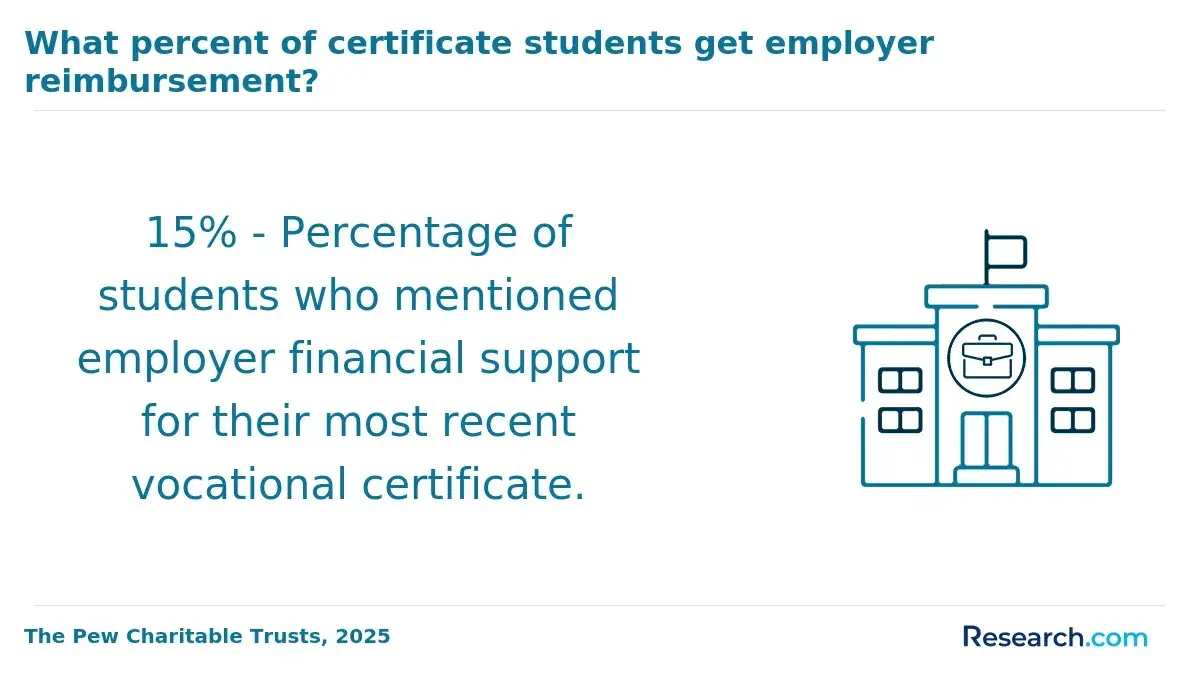
Funding options may include employer or church support, denominational grants, seminary scholarships, military or chaplaincy benefits, payment plans, and federal aid for eligible accredited programs.
Graduate students should be cautious with borrowing because federal Direct Unsubsidized and Grad PLUS loans accrue interest during enrollment, and ministry salaries may not rise enough to offset large debt quickly.
The most practical ROI question is not "Which concentration sounds most valuable?" but "Will this track help me solve a problem my employer, denomination, institution, or future clients already value?" A lower-cost program with strong faculty fit and a usable research project may be a better investment than a more expensive program with a concentration that does not match your ministry context.
What Is the Difference Between a Ministry Leadership Ph.D. and a Professional Ministry Leadership Doctorate?
The main difference is purpose. A Ministry Leadership Ph.D. is typically designed for original scholarship and academic research, while a professional ministry doctorate is designed for advanced practice in ministry, leadership, education, chaplaincy, or organizational change.
The comparison below shows how the two pathways differ for students choosing between research-focused and applied tracks:
| Feature | Ministry Leadership Ph.D. | Professional ministry leadership doctorate |
| Primary purpose | Produce original research and prepare scholar-researchers | Improve advanced ministry practice and leadership effectiveness |
| Common degree titles | Ph.D. in Practical Theology, Ph.D. in Leadership, Ph.D. in Theological Studies with ministry emphasis | Doctor of Ministry, Doctor of Educational Ministry, Doctor of Strategic Leadership, Doctor of Leadership |
| Research product | Traditional dissertation contributing to academic literature | Applied dissertation, ministry project, or practice-based research study |
| Best fit | Future researchers, professors, academic writers, research directors | Pastors, chaplains, ministry executives, nonprofit leaders, denominational leaders |
| Typical methods emphasis | Advanced research methods, theory, literature, sometimes languages or comprehensive exams | Action research, program evaluation, contextual analysis, practical theology, leadership application |
| Career advantage | Stronger for research-intensive faculty roles and scholarly publishing | Stronger for applied leadership roles and ministry problem-solving |
Choose the Ph.D. if you want to build a scholarly research agenda, compete for academic roles, or contribute to theological and leadership scholarship. Choose the professional doctorate if you want to lead change in a real ministry context and produce research that directly serves a congregation, institution, denomination, or nonprofit.
Clinical career goals require special caution. For example, students interested in couples and family therapy should not assume that a pastoral counseling doctorate substitutes for licensure education; comparing ministry doctorates with best online MFT programs can clarify which route matches clinical versus pastoral goals.
Other Things You Should Know About Ministry Leadership
Sometimes, but it depends on the school's curriculum structure. Changing early may only require different electives, while changing after research approval can delay graduation because your advisor, proposal, and project design may need revision.
It varies by institution. Some schools list only the degree title, while others record the concentration on the transcript or diploma. Ask the registrar before enrolling if the credential label matters for your employer or denomination.
Many do, but not all. Residencies may be used for orientation, cohort formation, research seminars, intensives, or dissertation defense. Fully online programs may replace residencies with synchronous sessions and virtual research supervision.
Often yes, especially in professional doctorates. You will usually need site permission, ethical approval, and a clear plan to protect participants. A strong project should benefit the ministry without pressuring staff, congregants, clients, or volunteers to participate.
References
- Education: Ministry Leadership Concentration Program • North Greenville University https://www.ngu.edu/programs/education-doctor/educational-ministry-leadership/
- All Doctor of Ministry (DMin) Programs - TheologyDegree.org https://www.theologydegree.org/programs/doctor-of-ministry/
- Doctor of Ministry in Leadership for Social Transformation https://www.garrett.edu/academics/degrees-and-programs/doctor-ministry/leadership/
- Pursue Your Calling With the Right Ministry Degree - Cairn University https://cairn.edu/pursue-your-calling-with-the-right-ministry-degree/
- 25 Best Online EdD Programs of 2025 https://www.eddprograms.org/schools/best-online-doctor-of-education-programs/
- Doctorate Programs - Faith Leads University https://flu.education/doctorate-programs/
- CareerPaths for Christian Ministry Graduates | Types of Careers https://christianministryedu.org/blog/career-paths-for-christian-ministry-degree-graduates-exploring-your-options/
- Ministry Careers - What to Do With a Theology Degree | Saint Paul https://www.spst.edu/ministry-careers/
- What's the Difference between a PhD, a DMin, and a ThD? https://www.pastortheologians.com/articles/2024/4/10/whats-the-difference
- Doctor of Ministry in Transformational Leadership - Graduate Theological Foundation https://gtfeducation.org/academics/doctoral-programs/doctor-of-ministry-d-min/doctor-of-ministry-in-transformational-leadership/