2027 Online Ministry Leadership Doctorate Programs That Do Not Require the GRE or GMAT

Co-Founder and Chief Data Scientist
Many ministry professionals want doctoral training without spending months preparing for a standardized test that may not reflect pastoral leadership ability. NCES data published in 2024 shows graduate tuition can exceed $29,000 per year at private nonprofit institutions, making wasted applications costly. This guide is for pastors, chaplains, nonprofit leaders, and ministry educators comparing online ministry leadership doctorates with no GRE or GMAT requirement. You will learn which programs to consider, how admissions decisions are made, what quality signals matter, and how to choose a program that fits your calling, schedule, and budget.
Key Things You Should Know
- No-GRE and no-GMAT online ministry leadership doctorates usually still require a graduate theology or ministry degree, ministry experience, references, writing samples, and a clear doctoral project or research goal.
- NCES graduate tuition data published in 2024 shows average annual graduate tuition and required fees of $12,596 at public institutions and $29,931 at private nonprofit institutions, so cost comparison matters as much as admissions convenience.
- Program quality depends more on institutional accreditation, theological fit, faculty expertise, dissertation or ministry-project design, and residency expectations than on whether a school requires standardized test scores.
Which Online Ministry Leadership Doctorate Programs Do Not Require the GRE or GMAT?
The table below summarizes examples of programs to investigate first. Admissions policies can change, so applicants should confirm the current requirement directly with the admissions office before applying.
| School | Relevant online or hybrid doctorate | GRE or GMAT status | Best fit | Important quality check |
| Liberty University | Doctor of Ministry in Ministry Leadership | No GRE or GMAT commonly required for standard admission | Pastors and ministry executives seeking a structured online DMin with leadership emphasis | Confirm current credit count, transfer policy, and any intensive requirements |
| Regent University | Doctor of Ministry | No GRE or GMAT commonly listed as required | Ministry leaders who want a Christian leadership, renewal, or practical theology focus | Review theological fit, faculty mentoring model, and project expectations |
| George Fox University, Portland Seminary | Doctor of Ministry | GRE or GMAT generally not central to admission | Students who want cohort-based formation, leadership, or contextual ministry learning | Check residency format, cohort theme, and travel commitments |
| Fuller Theological Seminary | Doctor of Ministry | GRE or GMAT generally not required for DMin admission | Experienced ministry practitioners seeking broad evangelical and global ministry perspectives | Compare online course availability, concentrations, and ministry project requirements |
| Asbury Theological Seminary | Doctor of Ministry | GRE or GMAT generally not required for DMin admission | Pastors and ministry leaders who want spiritual formation, leadership, or Wesleyan-aligned study | Verify residency requirements and denominational fit |
| Lancaster Bible College, Capital Seminary & Graduate School | Doctor of Ministry or leadership-focused ministry doctorate | GRE or GMAT generally not emphasized in standard admission | Practitioners seeking biblical leadership and applied ministry development | Confirm accreditation, delivery format, and doctoral project structure |
| Kairos University | Doctor of Ministry | GRE or GMAT generally not required | Self-directed learners seeking mentor-based theological education | Evaluate competency model, faculty support, and employer recognition |
A no-test policy should be treated as an admissions feature, not a ranking signal. A strong program should clearly publish degree requirements, faculty qualifications, institutional accreditation, tuition, learning format, and doctoral project expectations.
Some applicants also compare ministry doctorates with leadership-oriented graduate degrees outside seminary settings. If your long-term goal is executive leadership in nonprofits, higher education, or organizational consulting rather than ordained ministry, reviewing the best organizational development master's programs online can help you see whether a leadership master's or doctoral ministry path is the better next credential.
Why Have Online Ministry Leadership Doctorate Programs Eliminated GRE and GMAT Requirements?
Online ministry leadership doctorates have moved away from the GRE and GMAT because these exams are weak proxies for what many ministry doctorates actually evaluate. A Doctor of Ministry is usually practice-based, meaning schools care about pastoral judgment, ministry experience, theological reflection, writing ability, and a viable ministry problem the student can address through research-informed practice.
This shift also reflects broader graduate admissions trends. Many universities have adopted test-optional or test-free policies to reduce barriers for adult learners, especially applicants who have been out of school for years and already have substantial professional experience. In ministry leadership, an applicant's track record may say more than a test score.
It helps to know the difference between the two common policy types before applying:
| Policy type | What it means | How applicants should respond |
| Test-free | The program does not use GRE or GMAT scores in admissions. | Focus entirely on transcripts, ministry experience, writing samples, recommendations, and fit. |
| Test-optional | The program allows, but does not require, GRE or GMAT scores. | Submit scores only if they strengthen a weaker academic profile or meet a scholarship consideration. |
| Test waiver | The exam may be waived if the applicant meets GPA, degree, or experience conditions. | Ask whether the waiver is automatic or requires a separate request. |
The practical reason is simple: ministry doctorate admissions committees often need evidence of readiness for advanced theological reflection and applied leadership research. That evidence can come from a strong master's transcript, years of ministry responsibility, a focused statement of purpose, and a realistic doctoral project proposal.
What Admissions Factors Matter Most Without GRE or GMAT Scores?
Without GRE or GMAT scores, the rest of the application carries more weight. Schools are not lowering standards; they are changing the evidence they use to decide whether an applicant is ready for doctoral-level ministry study.
Applicants should expect programs to evaluate several factors closely:
- Graduate academic record: Many ministry doctorates prefer or require a Master of Divinity, Master of Arts in Theology, Master of Ministry, or related graduate degree. Some schools may require prerequisite theology or biblical studies credits.
- Ministry experience: DMin programs commonly expect significant professional ministry, chaplaincy, nonprofit, missions, denominational, or church leadership experience.
- Writing sample: Since doctoral ministry work requires theological analysis and research-informed reflection, a writing sample may matter more than an entrance exam.
- Statement of purpose: The best statements connect the applicant's ministry context, leadership challenge, research interests, and reason for choosing that specific program.
- Recommendations: Strong letters should come from people who can speak to academic readiness, ministry maturity, leadership, and character.
- Doctrinal or mission fit: Seminaries may evaluate whether the applicant's beliefs, ministry goals, or denominational background align with the school's mission.
If your ministry leadership goals include counseling, pastoral care, family systems work, or congregational wellness, admissions committees may look closely at whether your previous education prepared you for that area. Students exploring counseling-related ministry pathways can compare online masters programs for counseling to understand when a counseling credential may be more appropriate than a ministry doctorate.
Applicants with lower GPAs should not assume a no-GRE policy removes academic scrutiny. Instead, they should use the statement of purpose, writing sample, and recommendations to show growth, readiness, and a clear plan for doctoral-level work.
Are No-GRE or No-GMAT Online Ministry Leadership Doctorate Programs Easier to Get Into?
No-GRE and no-GMAT online ministry leadership doctorates are often easier to apply to, but not necessarily easier to get into. Removing the test requirement saves time, money, and stress, but admissions committees still review whether the applicant has the academic foundation, ministry maturity, and professional context needed for doctoral study.
The distinction matters because "no test" does not mean "open admission." A competitive applicant usually brings a coherent ministry background, strong graduate-level writing, references from credible leaders, and a researchable ministry problem. Programs may deny applicants who lack the right master's preparation, cannot explain their doctoral goals, or do not have enough active ministry context for an applied project.
Applicants can think of admissions selectivity in three layers:
- Baseline eligibility: Does the applicant meet degree, GPA, experience, and faith or mission requirements?
- Doctoral readiness: Does the file show the applicant can read, write, research, and reflect at an advanced level?
- Program fit: Does the applicant's ministry context match the program's faculty expertise, theological orientation, and project model?
Taking the GRE or GMAT may still make sense when a program is test-optional and the applicant has an uneven academic record, is applying for a competitive scholarship that considers scores, or wants to provide another objective academic signal. For most experienced ministry applicants, however, improving the writing sample and purpose statement will likely provide more value than preparing for a business or general graduate exam.
Does Skipping the GRE or GMAT Affect the Quality of an Online Ministry Leadership Doctorate?
Skipping the GRE or GMAT does not automatically reduce the quality of an online ministry leadership doctorate. Quality depends on the institution, curriculum, faculty, student support, academic expectations, and accreditation. A rigorous no-GRE DMin can be stronger than a test-required program if it has better mentoring, clearer outcomes, and stronger alignment with the student's ministry goals.
The most important quality signal is institutional accreditation from an agency recognized by the U.S. Department of Education or the Council for Higher Education Accreditation. Many theological schools also hold accreditation from the Association of Theological Schools, which can be an important signal for seminary-based degrees. Specialized accreditation is not always required for every ministry role, but it can influence transferability, denominational recognition, and academic credibility.
Use this table to separate meaningful quality indicators from features that may be less important:
| Quality factor | Why it matters | What to verify |
| Institutional accreditation | Supports degree legitimacy, federal aid eligibility, and transfer recognition. | Confirm the accreditor through official school and federal databases. |
| Theological accreditation | May matter for seminary credibility, denominational expectations, and ministry education standards. | Check whether the seminary or program is included in the accredited unit. |
| Faculty expertise | Doctoral mentoring is central to project quality and completion. | Review faculty publications, ministry experience, and areas of supervision. |
| Doctoral project or dissertation model | The final requirement determines how theory becomes practical leadership work. | Ask for examples of completed projects or dissertation topics. |
| Online support | Adult learners need library access, writing help, advising, and technology support. | Ask whether online students receive the same academic services as campus students. |
Employers, denominations, and academic institutions rarely judge a doctorate by whether the GRE was required. They are more likely to care about the school's reputation, accreditation, the graduate's demonstrated leadership, and whether the degree aligns with the role.
Which Students Benefit Most From Online Ministry Leadership Doctorate Programs Without GRE or GMAT Requirements?
No-GRE and no-GMAT online ministry leadership doctorates are especially useful for experienced adults whose strongest qualifications are professional rather than test-based. These programs fit students who can demonstrate leadership through ministry responsibility, not just classroom performance.
The following applicant profiles often benefit most from test-free or test-optional ministry doctorates:
- Experienced pastors and church leaders: They may have decades of preaching, administration, discipleship, and congregational care experience that is more relevant than a standardized test.
- Chaplains and pastoral care professionals: They can use doctoral study to deepen theological reflection, organizational leadership, or specialized ministry practice.
- Nonprofit and parachurch leaders: A ministry leadership doctorate can support strategic planning, board leadership, fundraising ethics, and mission-driven organizational change.
- Bi-vocational ministry professionals: Online formats can make doctoral study possible without relocating or leaving employment.
- Adult learners returning after many years: A no-test pathway reduces an artificial barrier for applicants with strong experience but limited recent exposure to standardized testing.
Not everyone should choose this path. Students who want licensed counseling practice, clinical mental health counseling, marriage and family therapy, or psychologist roles should be cautious. A ministry doctorate can strengthen pastoral care, but it usually does not replace a licensure-oriented counseling degree. If your goal is to understand pastoral care alongside professional counseling pathways, reviewing the different types of counseling degrees can help clarify which credential fits your intended scope of practice.
This degree is most worthwhile when the student has a real ministry problem to investigate, a community or organization where the project can be applied, and a clear reason doctoral-level study will improve leadership effectiveness.
How Do Tuition and Financial Aid Compare for No-GRE Online Ministry Leadership Doctorate Programs?
Tuition varies widely among online ministry leadership doctorates, and the absence of a GRE or GMAT requirement does not mean the program is less expensive. The main cost drivers are credit count, private or public institution pricing, residency travel, technology fees, dissertation or continuation fees, and how long the student takes to finish.
NCES graduate tuition data published in 2024 reported average annual graduate tuition and required fees of $12,596 at public institutions and $29,931 at private nonprofit institutions. For ministry doctorate applicants, this means the total cost can differ substantially even before books, travel, and lost work time are considered.
When comparing programs, look beyond the advertised per-credit price. A lower tuition rate can become less attractive if the program requires more credits, several in-person residencies, or extended continuation fees after coursework.
| Cost factor | Why it affects total price | Question to ask |
| Credits required | A 30-credit doctorate and a 45-credit doctorate can have very different total tuition. | What is the minimum and average number of credits students complete? |
| Residencies | Travel, lodging, meals, and time away from work can add significant indirect costs. | Are residencies required, optional, online, or replaceable with synchronous sessions? |
| Continuation fees | Students who need extra time for the doctoral project may pay additional terms. | What fees apply after coursework is finished? |
| Transfer credits | Accepted graduate credits can reduce cost and time, but policies vary. | How many credits can transfer, and from which types of institutions? |
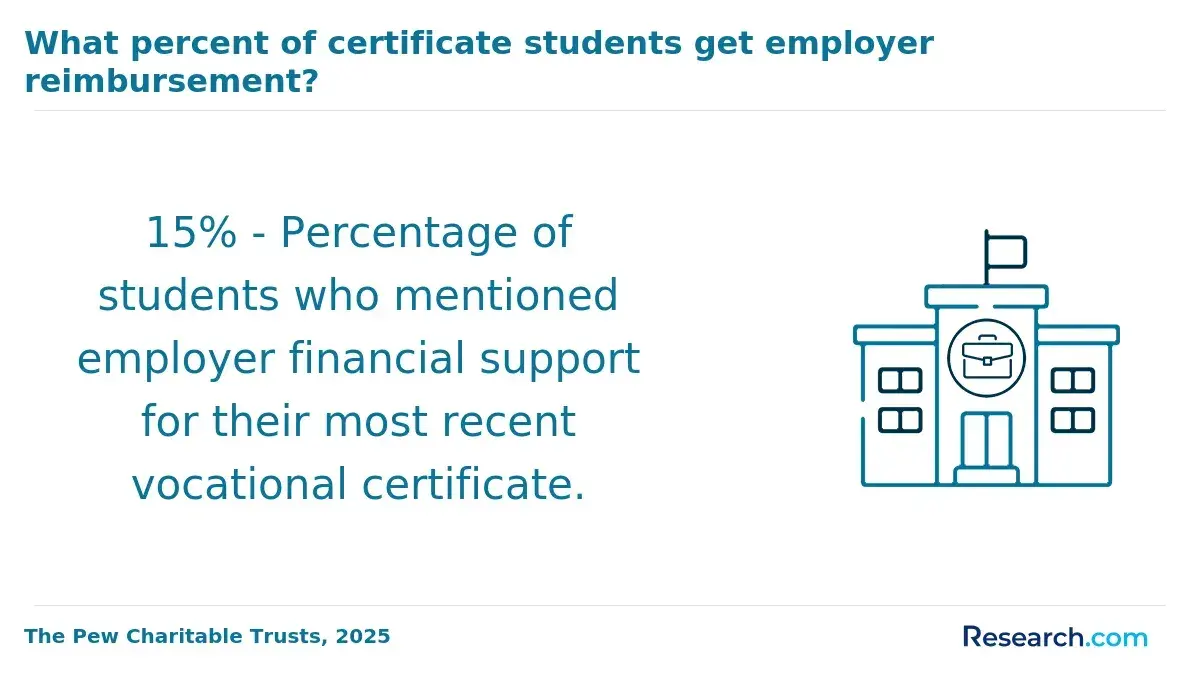
| Employer or denominational support | Churches, denominations, chaplaincy employers, and nonprofits may offer partial support. | Does the school provide documentation for employer reimbursement or denominational scholarships? |
Financial aid may include federal student loans for eligible accredited institutions, institutional scholarships, denominational scholarships, military or chaplaincy benefits, employer tuition assistance, and payment plans. Applicants should use the school's net price information, not just tuition headlines, and ask whether aid applies to part-time doctoral students.
A practical ROI question is not "Which program is cheapest?" but "Which program gives me credible training, manageable debt, and a project that advances my actual ministry or leadership goals?"
What Career Outcomes Can Graduates Expect From No-GRE Online Ministry Leadership Doctorate Programs?
Graduates of online ministry leadership doctorates often pursue advancement in pastoral leadership, denominational service, chaplaincy leadership, nonprofit administration, theological education, consulting, missions leadership, and ministry coaching. Outcomes depend heavily on the student's prior experience, denomination, employer, geographic market, and whether the doctorate is required, preferred, or simply helpful for the role.
BLS wage data for May 2024 reported a median annual wage of $103,960 for postsecondary education administrators. This figure is not a promise for ministry doctorate graduates, but it shows why some experienced ministry professionals pursue doctoral leadership training for roles in seminaries, Christian colleges, student life, chaplaincy administration, or faith-based higher education.
Common career directions include:
- Senior pastor or executive pastor: Doctoral study can support preaching, organizational strategy, staff leadership, conflict management, and congregational change.
- Denominational or network leader: Graduates may apply research and leadership skills to church planting, clergy development, revitalization, or regional administration.
- Chaplaincy supervisor or director: A doctorate can strengthen leadership credibility in healthcare, military, corrections, or institutional chaplaincy settings, though separate certification may be required.
- Nonprofit executive: Ministry leadership training can support mission alignment, board governance, program evaluation, and ethical fundraising.
- Adjunct or seminary instructor: Some institutions hire DMin graduates for practice-oriented teaching, but full-time faculty roles may prefer or require a PhD.
Students interested in family ministry, congregational care, or pastoral counseling should be careful not to overstate what a ministry doctorate can do. For clinical therapy careers, licensure-focused preparation is usually required, and applicants may want to compare ministry study with the best online MFT programs before committing to a doctoral ministry path.
The best outcomes usually occur when the doctorate builds on an existing ministry platform. A DMin can sharpen leadership and open doors, but it is rarely a substitute for pastoral credibility, denominational relationships, administrative skill, or teaching experience.
What Common Application Mistakes Reduce Admission Chances to No-GRE Online Ministry Leadership Doctorate Programs?
Many applicants hurt their chances not because they skipped the GRE or GMAT, but because they submit a thin application. When standardized tests are absent, weak writing, vague goals, and poor program fit become more visible.
Before submitting applications, watch for these common mistakes:
- Choosing a program only because it has no test requirement: Admissions flexibility is useful, but accreditation, faculty fit, project design, and cost matter more over the full degree.
- Submitting a generic statement of purpose: A strong statement explains your ministry context, the leadership challenge you want to address, and why the program is the right setting for that work.
- Ignoring prerequisite gaps: Applicants without enough theology, Bible, or ministry credits may need leveling courses before full admission.
- Using weak references: Recommendation letters should come from people who can speak directly to your academic readiness, leadership maturity, and ministry effectiveness.
- Underestimating the writing sample: Doctoral ministry work requires organized theological thinking, research awareness, and clear argumentation.
- Overlooking residency requirements: Even "online" programs may require intensives, retreats, or synchronous sessions that affect work and family schedules.
- Assuming policies are permanent: Test requirements, waiver rules, tuition, and concentrations can change from one admission cycle to another.
A stronger application is specific, evidence-based, and realistic. Instead of saying you want to "become a better leader," explain the ministry problem you face, why it matters, what you have already tried, and how doctoral study will help you address it responsibly.
How Should Students Compare Online Ministry Leadership Doctorate Programs Without GRE or GMAT Requirements?
The best way to compare no-GRE or no-GMAT online ministry leadership doctorates is to build a short list based on fit, not convenience. A program that is easy to apply to but poorly matched to your theology, schedule, finances, or career goals can become expensive and frustrating.
Use the following step-by-step process to compare programs objectively:
- Confirm accreditation first: Verify institutional accreditation and, when relevant, theological accreditation before reviewing tuition or concentrations.
- Match the degree type to your goal: Choose a DMin for applied ministry leadership, a PhD for academic research and full-time teaching goals, or another leadership doctorate only if it aligns with your professional setting.
- Compare project models: Review whether the final requirement is a ministry project, dissertation, portfolio, or competency-based demonstration.
- Ask about online format: Identify whether courses are asynchronous, synchronous, cohort-based, self-paced, or residency-heavy.
- Calculate total cost: Include tuition, fees, travel, books, continuation charges, and expected time to completion.
- Review faculty fit: Look for mentors with expertise in your ministry area, such as church revitalization, spiritual formation, missiology, preaching, chaplaincy, or organizational leadership.
- Check completion support: Ask about advising, writing assistance, library access, project supervision, and average time to finish.
- Clarify admissions policy: Ask whether the program is test-free, test-optional, or waiver-based, and whether submitting scores can affect scholarships.
A good final shortlist includes one program that is highly aligned with your ministry goals, one that offers the best financial fit, and one that offers the strongest flexibility for your schedule. If one school stands out across all three categories, it is likely worth a deeper conversation with admissions, faculty, and current students.
Other Things You Should Know About Ministry Leadership
Yes, many online DMin and ministry leadership doctorates are designed for working pastors, chaplains, and nonprofit leaders. However, students should confirm weekly workload, residency dates, synchronous class times, and project deadlines before enrolling.
Many programs take about three to five years, depending on credit load, cohort structure, transfer credits, and the pace of the doctoral project. Students who delay the final project may need additional terms.
No. A DMin is usually a professional doctorate focused on applied ministry practice, while a PhD is usually a research doctorate focused on original scholarly contribution. The better choice depends on whether your goal is ministry leadership or academic research.
Usually not. Ministry doctorates may support pastoral, chaplaincy, teaching, or leadership roles, but they typically do not lead to counseling, psychology, or therapy licensure. Licensure requirements vary by state and profession.
References
- Doctorate Application | Pentecostal Online Seminary https://www.bcc.edu/doctorate-application
- Best Online EdD Programs with No GRE Requirement https://www.phds.me/online-programs/education-doctorate-edd/no-gre-required/
- Doctor of Ministry in Transformational Leadership - Graduate Theological Foundation https://gtfeducation.org/academics/doctoral-programs/doctor-of-ministry-d-min/doctor-of-ministry-in-transformational-leadership/
- US Distance Learning Ph.D. Programs in Leadership, Ministry, Bible, and Theology https://www.calebkaltenbach.com/post/distance-learning-ph-d-programs-in-the-united-states
- 2025 Most Affordable Online Doctorates in Education https://www.onlineu.com/most-affordable-colleges/education-doctoral-degrees
- Online EdD Programs No Master’s Required (Bachelor's to EdD) https://www.onlineeddprograms.com/faqs/edd-programs-no-masters-required
- Online Doctor of Ministry (D.Min.) Program | Northeastern Seminary https://www.nes.edu/doctorofministry
- Best Online Doctor of Education Programs for 2025 https://www.princetonreview.com/education-school-rankings
- Education: Ministry Leadership Concentration Program • North Greenville University https://www.ngu.edu/programs/education-doctor/educational-ministry-leadership/
- 90+ Online Ed.D. Programs with No GRE Required in 2025 https://www.eddprograms.org/schools/no-gre/