2027 Online Military Science & Studies Associate Degree Programs That Do Not Require SAT or ACT Scores

Co-Founder and Chief Data Scientist
Students interested in military history, defense leadership, public service, or security careers often find that associate-level admission depends more on transcripts and readiness than test scores. Common App's 2023-2024 cycle report found that fewer than half of applicants reported SAT or ACT scores, reflecting how normal no-score applications have become. This guide is for high school students, recent graduates, adult learners, and service members comparing online Military Science & Studies associate programs. You will learn how no-test admission works, what schools may ask for instead, and how to apply with confidence.
Key Things to Know About Military Science & Studies Associate Degrees Without Testing Requirements
- Test-optional means SAT or ACT scores may be submitted but are not required; test-free means the school does not use those scores for admission decisions, which is common among open-admission and adult-focused online associate programs.
- National Student Clearinghouse data released in 2024 showed community college enrollment rising, which matters because many associate-degree pathways are built around flexible admission, online delivery, transfer credit, and placement testing rather than selective freshman testing.
- The strongest no-score application usually includes an official high school transcript or GED, proof of graduation, any college or military training records, placement-test completion if required, and clear evidence that the program matches the student's transfer or career goals.
Are test-optional or test-free programs common for online Military Science & Studies associate degrees?
Test-optional and test-free admission is generally easier to find at the associate level than at selective bachelor's institutions. Online Military Science & Studies associate degrees are usually offered by open-admission community colleges, military-serving universities, or adult-focused online institutions, and these schools often evaluate whether you have completed high school or an equivalent credential rather than whether you have an SAT or ACT score.
The important distinction is policy language. A test-optional program allows you to apply without scores but may still consider them if submitted. A test-free program does not use SAT or ACT scores in admission. An open-admission college typically admits applicants who meet basic eligibility requirements, though it may still require placement testing before you register for math or English courses.
National Student Clearinghouse Research Center reports published in 2024 showed public two-year college enrollment increasing after several years of pandemic-era declines. For prospective Military Science & Studies students, that trend supports a practical takeaway: associate-degree providers are competing for learners who need flexible entry points, including recent graduates without scores, veterans, active-duty service members, and working adults.
This table summarizes how no-score policies usually affect applicants. Use it to avoid assuming that every "no SAT/ACT" school handles admission the same way.
| Admission model | What it means | Best fit | Potential caution |
| Test-optional | SAT/ACT scores are not required but may be reviewed if submitted. | Students with a solid transcript who do not want weak or missing scores to define the application. | Some scholarships, honors programs, or selective tracks may still request scores or extra materials. |
| Test-free | SAT/ACT scores are not used in admission decisions. | Applicants who want a school to focus on transcripts, prior learning, and readiness instead of standardized testing. | The school may rely more heavily on placement tests, prerequisites, or minimum course grades. |
| Open admission | Applicants who meet basic education requirements are generally admitted. | Recent graduates, GED holders, adult learners, and students rebuilding academic momentum. | Admission does not always mean college-level course placement; remedial or developmental coursework may be required. |
| Selective no-test admission | Scores are waived, but the program still reviews GPA, coursework, essays, or other indicators. | Students with stronger academic records who want a more structured or transfer-focused pathway. | Applying without scores may make the rest of the application more important. |
What are the best online Military Science & Studies associate programs without testing requirements?
The best online Military Science & Studies associate program without testing requirements is the one that clearly matches your goal: transfer to a bachelor's degree, prepare for military or public-service advancement, study military history, or build a foundation for security-related work. Because this is a niche associate-degree area, you should compare closely related program titles such as military studies, military history, intelligence studies, homeland security, and leadership studies when the curriculum fits your objective.
The programs below are strong starting points because they are online or online-friendly, serve military-connected students, and publish admissions approaches that generally do not center SAT or ACT scores for associate-level applicants. Always confirm the current policy with admissions before applying, especially if you are seeking scholarships, transfer guarantees, or military tuition assistance.
| School | Relevant online associate pathway | SAT/ACT status to verify | Why it may fit no-score applicants | Best for |
| American Public University System / American Military University | Associate-level military history and security-related online programs | Undergraduate admission generally focuses on proof of high school completion rather than SAT/ACT scores. | Designed for adult learners, military-affiliated students, and fully online study. | Students interested in military history, defense culture, and transfer-friendly online coursework. |
| Columbia Southern University | Associate-level military studies or military-related online study options | Admissions materials typically emphasize education documentation rather than standardized test submission. | Flexible online format and military-support services may help service members and veterans. | Students seeking a practical military studies foundation with asynchronous online learning. |
| Georgia Military College | Online associate pathways that may include military science, leadership, or related general studies options | SAT/ACT scores are commonly not central to associate admission, though placement may be required. | Military-focused institutional culture and associate-degree structure can support transfer planning. | Students who want a military-oriented college environment with online course access. |
| Liberty University Online | Associate-level military history or related online liberal arts pathways | Online undergraduate admission often does not require SAT/ACT scores for many applicants. | Large online course catalog and clear transfer pathways into bachelor's programs. | Students who want military history coursework and a pathway into further online study. |
| Cochise College | Online intelligence operations and security-related associate options | Community college admission generally does not require SAT/ACT scores, but placement may apply. | Relevant for students interested in intelligence, analysis, and defense-support education. | Students aiming for intelligence, security, or transfer-oriented academic routes. |
When comparing these options, do not treat "no SAT/ACT required" as the only deciding factor. A program with a convenient admissions policy may still be a poor fit if the curriculum does not transfer well, lacks regional accreditation, offers limited advising, or does not connect to your long-term goal, whether that's a specific career or pursuing more in-depth degrees like the best military friendly online cybersecurity degrees.
Use this short decision process before you shortlist schools:
- Identify whether your goal is transfer, military advancement, civilian defense support, law enforcement preparation, or personal academic interest.
- Check whether the degree title and course list actually include military science, military history, leadership, intelligence, homeland security, or strategic studies content.
- Confirm that SAT/ACT scores are not required for general admission, scholarships you want, or the specific academic pathway you are choosing.
- Ask whether placement testing, prerequisite coursework, or college-readiness modules are required before you can take credit-bearing English, math, or research courses.
- Compare total cost, transfer acceptance, military benefits support, academic advising, online course format, and student support before making a final choice.
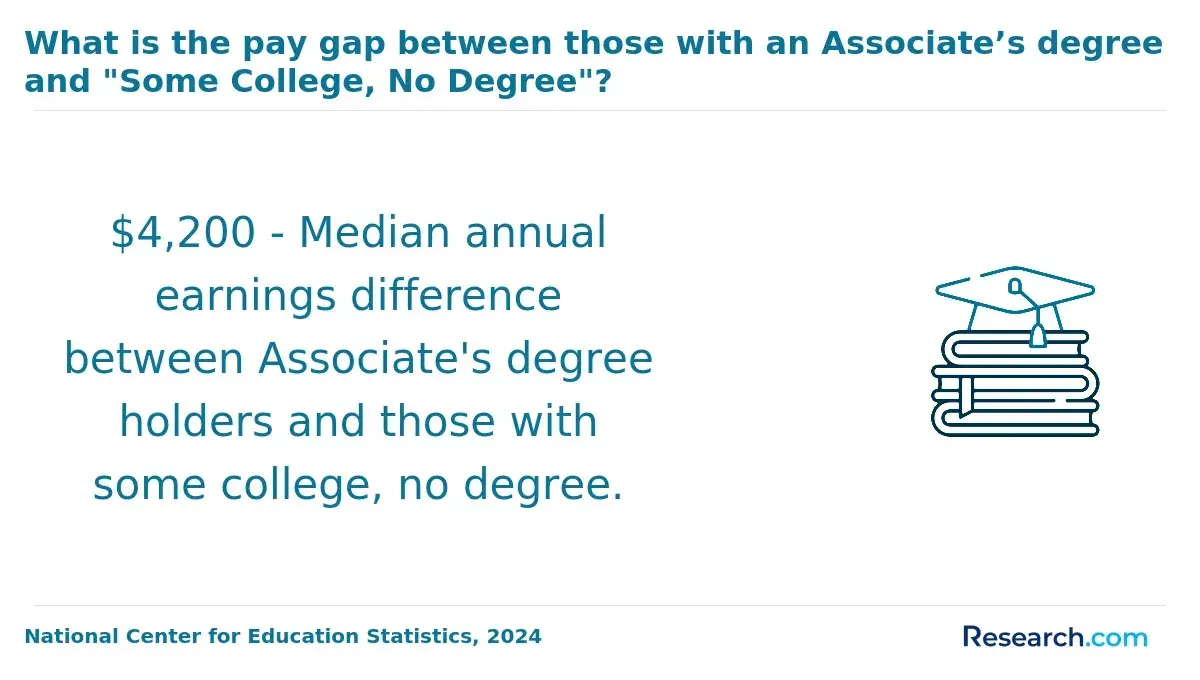
How do colleges handle no-test-score admission for Military Science & Studies associate programs?
Colleges that admit Military Science & Studies associate students without SAT or ACT scores usually replace standardized testing with a broader readiness review. At the associate level, the goal is often to determine whether you can start college-level work right away or whether you need placement support first.
The most common materials are straightforward, but each item serves a different purpose. This table explains what schools may request and how each part affects a no-score application.
| Requirement | Why the school asks for it | How it affects a no-score applicant |
| High school transcript | Confirms graduation, coursework, grades, and readiness indicators. | Often becomes the main academic document when SAT/ACT scores are absent. |
| GED or high school equivalency record | Verifies eligibility for college admission. | Can replace a traditional transcript for adult learners or nontraditional students. |
| Prior college transcript | Shows previous academic performance and transferable credits. | May reduce the importance of high school performance if college credits were completed successfully. |
| Military training records | Documents service schools, occupational training, and possible credit recommendations. | Can strengthen the application and may reduce time to completion if credit is awarded. |
| Placement assessment | Determines starting level in English, math, or reading. | May be required even when admission itself is test-free. |
| Personal statement or goals statement | Clarifies academic intent and fit for the program. | Helpful when GPA is uneven or the applicant's background needs context. |
Holistic admission does not mean the college ignores academic weaknesses. It means the school may weigh grades, course rigor, prior learning, military experience, writing ability, and motivation instead of relying on a single test score. This can help students whose records show maturity or improvement, but it also means gaps in English, math, or study skills may still need to be addressed before enrollment.
A common mistake is applying to a "test-optional" school and assuming there are no other standards. Before submitting an application, ask admissions whether the policy applies to all applicants, whether your program has separate requirements, and whether any financial aid or scholarship opportunities still require test scores. You could also limit your search to online accredited colleges to ensure that your degree offers the opportunities you want for the long term.
Yes. Placement tests are commonly used instead of SAT or ACT scores, but they serve a different purpose. SAT and ACT scores are usually admissions tools, while placement tests help the college decide which math, English, reading, or writing course you should take first.
For Military Science & Studies associate students, placement matters because many programs require general education courses. Even if the military-focused courses are your main interest, you may still need college composition, communication, quantitative reasoning, history, government, or social science courses to complete the associate degree.
This comparison shows how placement tests differ from SAT/ACT scores in a no-score admissions pathway.
| Assessment type | Main purpose | Typical impact | What to watch for |
| SAT/ACT | Traditional college admission and sometimes scholarship review. | May be optional or unused for associate admission. | Submitting weak scores may not help if the school is truly test-optional. |
| ACCUPLACER or similar placement test | Course placement in English, reading, writing, or math. | Can determine whether you start in college-level or developmental coursework. | A low placement result can add time and cost before degree completion. |
| Transcript-based placement | Uses high school or college grades to estimate readiness. | May waive a placement test if prior grades meet school standards. | Policies vary widely by college and by subject area. |
| Prior college credit | Shows completion of college-level courses. | May satisfy placement or degree requirements. | Credits must be accepted by the receiving institution. |
If you are told to take a placement test, treat it seriously. It may not affect whether you are admitted, but it can affect your first semester, course load, and graduation timeline.
Before taking a placement assessment, focus on practical preparation rather than trying to recreate SAT or ACT prep:
- Review the school's placement-test format and covered subjects before scheduling the exam.
- Refresh grammar, reading comprehension, basic algebra, and essay organization if those areas are tested.
- Ask whether recent high school grades, AP or dual-enrollment credits, military training, or prior college work can waive placement testing.
- Schedule the test early enough to leave time for retesting if the college allows it.
- Meet with an advisor after results are posted so you understand how placement affects your degree plan.
Work experience can strengthen an application, but it usually does not replace the basic education requirement for associate admission. Most colleges still need proof that you completed high school, earned a GED, or qualify through an approved alternative pathway. However, military service, public safety work, leadership roles, logistics experience, security work, and volunteer service can help show maturity and fit for a Military Science & Studies program.
For adult learners and military-connected applicants, experience can be especially useful in three ways. It can explain why your academic record is older or uneven, support a request for prior learning or transfer credit review, and help advisors place you into a pathway that fits your career goals.
This table shows where experience can and cannot help.
| Experience type | How it may help | What it usually cannot replace |
| Active-duty or veteran military service | May support transfer credit evaluation, military tuition assistance advising, and program fit. | Proof of high school completion or college eligibility. |
| National Guard or Reserve service | Can demonstrate discipline, leadership exposure, and defense-related interest. | Required placement or prerequisite coursework. |
| Law enforcement, corrections, or security work | May connect well with courses in leadership, ethics, homeland security, or intelligence. | General education requirements for the associate degree. |
| JROTC, Civil Air Patrol, Sea Cadets, or similar youth programs | Can support motivation and readiness for military-related study. | College admission eligibility by itself. |
| Supervisory or leadership experience | Can strengthen a goals statement or advising conversation. | Official academic documentation. |
If you have military experience, request official records early. Joint Services Transcript, Community College of the Air Force records, prior college transcripts, and professional certificates may take time to process, and credit decisions are not automatic. You could also look into online schools for military spouses.
The main red flag is assuming that experience alone will shorten the degree. Credit for prior learning depends on institutional policy, accreditation standards, course equivalency, and degree requirements. Ask for a written transfer-credit or prior-learning evaluation before you estimate your time to graduation.
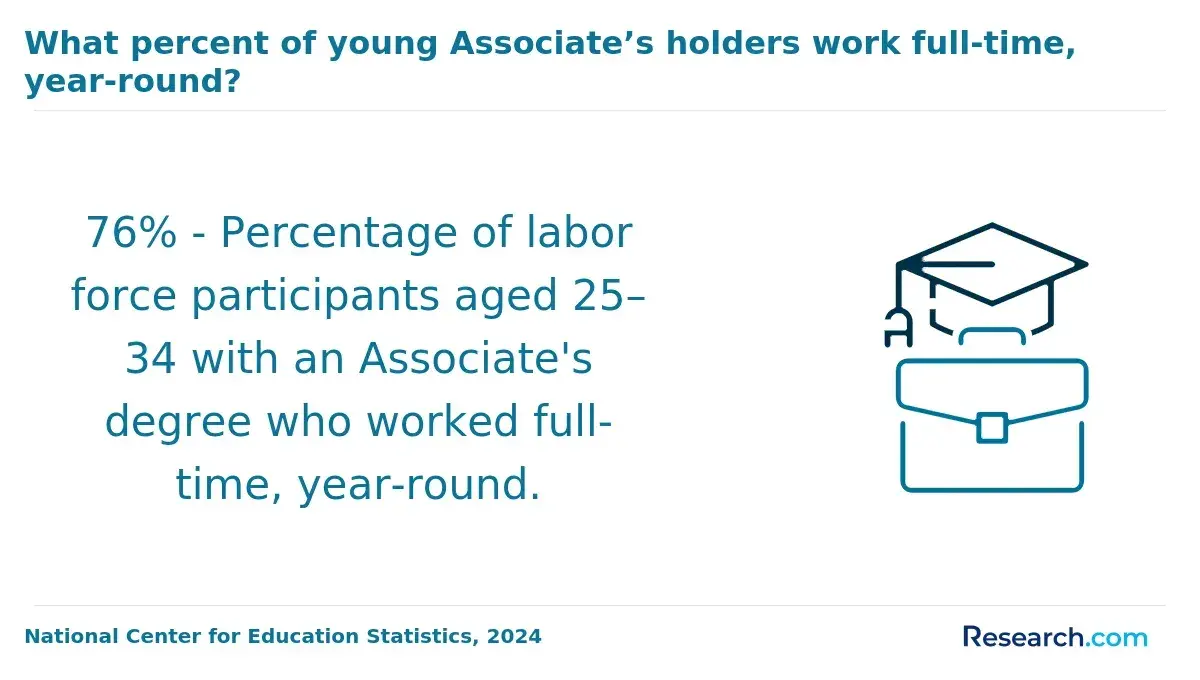
Some test-optional Military Science & Studies associate programs have no competitive minimum GPA beyond proof of high school completion, while others may use GPA for placement, conditional admission, scholarships, or selective tracks. Open-admission colleges may accept students with low or uneven grades, but that does not always mean students can immediately begin every college-level course.
A practical way to think about GPA is to separate admission from readiness. Admission asks whether you are eligible to enroll. Readiness asks whether you are prepared to succeed in credit-bearing coursework without extra support.
The table below can help you interpret your transcript before applying. It is not a universal admissions standard; it is a decision guide for identifying what you may need to strengthen.
| Transcript situation | What it may signal | Best next step |
| Consistent grades in English, history, government, or social science | Good preparation for reading-heavy military studies coursework. | Apply to test-optional programs and emphasize academic fit. |
| Strong grades overall but no SAT/ACT scores | The missing test score is unlikely to be a major barrier at many associate-level programs. | Confirm test policy and focus on transcript submission. |
| Uneven grades with recent improvement | Admissions may view upward trend positively, especially for open-admission programs. | Use a goals statement or advisor conversation to explain improvement. |
| Low grades in reading or writing-heavy courses | You may need writing support or placement review. | Prepare for placement testing and ask about tutoring before enrolling. |
| Incomplete high school record | Eligibility may be unclear. | Resolve diploma, GED, or transcript issues before applying. |
Should you retake the SAT or ACT to compensate for a low GPA? Usually not for an associate program unless a specific school, scholarship, or transfer pathway asks for scores. In many cases, your time is better spent finishing missing credits, improving placement readiness, gathering transcripts, or starting with a college that offers strong advising and academic support.
Admissions interviews are uncommon for online Military Science & Studies associate programs, especially at open-admission colleges. However, some schools may require or strongly encourage a conversation with an admissions counselor, enrollment advisor, military benefits specialist, or academic advisor before registration.
This advising conversation is not always a formal interview. It may be used to confirm your goals, explain online learning expectations, review transfer credits, discuss military tuition assistance or VA education benefits, and help you select first-term courses. For no-score applicants, it can also be a chance to address transcript gaps or ask whether placement testing is needed.
Prepare for the conversation as if it matters, even when it is not selective. Bring clear answers to the questions advisors are most likely to ask:
- Why do you want to study Military Science & Studies, military history, leadership, intelligence, homeland security, or a related field?
- Are you planning to transfer to a bachelor's program, seek advancement, prepare for public-service work, or explore the field academically?
- Do you have high school, GED, college, military training, or professional records ready to submit?
- How many hours per week can you realistically devote to online classes?
- Do you need help with tuition assistance, VA benefits, financial aid, transfer planning, or academic support?
A common mistake is treating the advisor call as a sales conversation only. You should also use it to test the school's transparency. If the advisor cannot clearly explain admissions requirements, placement rules, transfer credit, total cost, or online support, keep comparing programs.
When looking for test-optional online Military Science & Studies associate degree prgorams, start with fit and credibility rather than the easiest application. A no-score policy is valuable only if the program is accredited, affordable, transferable, and aligned with what you want to do after graduation.
The table below summarizes the most important comparison factors. It is designed to help you move beyond basic admissions language and identify programs that are likely to support your academic and career direction.
| Factor | Why it matters | What to verify |
| Accreditation | Accreditation affects transfer credit, financial aid eligibility, employer recognition, and academic quality controls. | Confirm institutional accreditation through official school and federal databases. |
| Curriculum fit | Military Science & Studies can mean military history, leadership, intelligence, security, or broader interdisciplinary study. | Review required courses, electives, and whether the degree matches your goal. |
| Transfer pathway | Many associate students plan to continue into a bachelor's degree. | Ask for articulation agreements, transfer maps, and bachelor's programs that accept the credits. |
| Online format | Asynchronous classes may suit working adults and service members better than scheduled live sessions. | Check class meeting expectations, term length, proctoring rules, and technology requirements. |
| Military student support | Service members and veterans may need benefit certification, deployment flexibility, and credit evaluation. | Ask about military advisors, VA certifying officials, tuition assistance processes, and leave policies. |
| Total cost | Tuition alone does not show books, fees, transfer-credit savings, or repeated coursework costs. | Request a full cost estimate based on your transfer credits and placement results. |
| Student support | No-score applicants may need strong advising, tutoring, writing help, and online library access. | Confirm support hours and whether services are available to fully online students. |
After you compare those factors, ask each school direct questions. These questions help reveal whether the program is truly friendly to applicants without test scores or merely uses test-optional language.
- Is the associate program test-optional, test-free, or open admission?
- Are SAT or ACT scores required for any scholarship, honors option, selective pathway, or transfer agreement connected to this degree?
- Will I need placement testing before taking English, math, or research-based courses?
- How are military training, prior college credits, AP credits, CLEP, DSST, or professional certifications evaluated?
- Does the associate degree transfer into a bachelor's program in military studies, history, homeland security, criminal justice, intelligence studies, political science, or public administration?
- What support is available if my transcript shows weak grades in reading, writing, or math?
Do not choose based on reputation or "military-friendly" branding alone. A strong program should provide clear degree requirements, transparent transfer policies, accessible advisors, and realistic explanations of what the associate degree can and cannot do for your goals.
Application deadlines for test-optional Military Science & Studies associate programs vary widely. Many online and community college programs use rolling admission, multiple start dates, or short academic terms, while some colleges still follow semester-based deadlines for fall, spring, and summer entry.
Rolling admission can make applying easier, but it should not make you rush. Transcripts, transfer-credit reviews, military benefit processing, financial aid, and placement testing can all affect when you are actually ready to start classes.
This table shows common deadline patterns and what they mean for planning.
| Deadline pattern | How it usually works | Best planning approach |
| Rolling admission | Applications are reviewed as they are received. | Apply after your transcript and funding documents are ready, not simply as soon as the form opens. |
| Monthly or multiple online starts | Online courses may begin several times per year. | Choose a start date that allows time for advising, placement, and course registration. |
| Eight-week terms | Courses run in accelerated sessions within a semester. | Start with a manageable course load, especially if you are new to online learning. |
| Traditional semesters | Fall, spring, and summer deadlines are more structured. | Submit materials well before registration opens to avoid limited course availability. |
| Military benefit timelines | Tuition assistance, VA certification, or employer funding may have separate processing windows. | Coordinate with the school's military or veterans office before selecting a term. |
A good application timeline gives you enough room to fix problems before classes begin. Use the following sequence if you do not have SAT or ACT scores:
- Six to eight weeks before your target start date, request high school, GED, prior college, and military training records.
- Four to six weeks before the start date, confirm whether the program is test-optional, test-free, or open admission.
- Three to five weeks before the start date, complete placement testing or submit documents that may qualify you for placement waivers.
- Two to four weeks before the start date, review transfer-credit results, financial aid, tuition assistance, or VA benefit status.
- Before registration closes, meet with an advisor and choose a first-term schedule that matches your work, family, or service obligations.
The main deadline mistake is waiting until the last start date available and assuming online programs have unlimited capacity. Even when admission is open, the specific course section you need may fill, and late paperwork can delay financial aid or benefit certification.
How can you prepare to apply for Military Science & Studies associate programs if you don't have SAT/ACT scores?
You can prepare a strong Military Science & Studies associate application without SAT or ACT scores by making the rest of your file clear, complete, and aligned with your goal. The application should answer three questions for the school: Are you eligible to enroll, are you ready for college-level work, and does the program fit your plan?
Start by building an application checklist. This helps you avoid last-minute delays and gives advisors what they need to place you correctly.
- Request official high school transcripts, GED records, and any prior college transcripts as early as possible.
- Gather military documents such as Joint Services Transcript, Community College of the Air Force records, DD Form 214 if applicable, training certificates, or professional credentials.
- Review your transcript for weak areas in English, reading, writing, math, history, or social science, because those subjects often affect placement and first-term success.
- Prepare a short goals statement if the school allows it, especially if your grades are uneven or your interest in military studies is tied to service, public safety, or transfer goals.
- Ask admissions to confirm in writing that SAT or ACT scores are not required for your program, scholarships you plan to pursue, or the start term you selected.
- Complete placement testing or placement-waiver paperwork before course registration, not after classes begin.
- Compare at least three programs on accreditation, curriculum, cost, transferability, online format, and student support before enrolling.
If your transcript is weak, you still have options. You may start at an open-admission community college, take a lighter first-term schedule, complete developmental support if required, or begin with general education courses before moving into more specialized military studies classes. You could also try starting with an entry-level degree, such as social media degrees. For many associate students, the best move is not retaking the SAT or ACT; it is choosing a program with the right academic support and proving readiness through early college success.
Watch for red flags before you commit. Be cautious if a school cannot explain accreditation, avoids giving a full cost estimate, promises unrealistic career outcomes, refuses to clarify transfer-credit rules, or pressures you to enroll before you understand placement and funding. A good no-score program should make the path clearer, not more confusing.
The credential you earn will not usually indicate that you were admitted without SAT or ACT scores. Employers and transfer schools generally review the degree, transcript, accreditation, completed coursework, experience, and skills rather than the admission pathway used to enter the associate program.
Other Things You Should Know About Military Science & Studies
Usually not by itself. Officer commissioning typically requires a bachelor's degree and completion of an approved commissioning pathway such as ROTC, Officer Candidate School, a service academy, or another branch-specific route. An associate degree may help you build academic credit toward a bachelor's program, but you should verify commissioning requirements with the specific military branch.
No. Diplomas and transcripts generally show the institution, degree, major or concentration, courses, credits, and grades. They do not normally state whether SAT or ACT scores were used in admission.
Employer response depends on accreditation, relevant coursework, experience, and the role you are pursuing. For entry-level public service, security support, military-connected administrative work, or transfer preparation, an accredited online associate degree can be useful. It should not be viewed as a substitute for required certifications, clearances, military qualifications, or a bachelor's degree when those are required.
Possibly, if the school is eligible for federal student aid and you meet aid requirements. Test-optional admission does not automatically determine financial aid eligibility. Confirm accreditation, federal aid participation, satisfactory academic progress rules, and any program-specific restrictions before enrolling.
- Explore All Army Jobs & Careers | U.S. Army https://www.goarmy.com/careers-and-jobs/browse-jobs
- Understanding Military College Programs – IECA https://www.iecaonline.com/journal-article/understanding-military-college-programs/
- What career is right for me? | ASVAB Career Exploration Program https://www.asvabprogram.com/media-center-article/162
- 6 Career Opportunities After Completing an Associate Degree Program - Maria College https://mariacollege.edu/blog/6-career-opportunities-after-completing-an-associate-degree-program
- Online Military Science Degrees | Latest News and Information About Online Degree Programs https://www.sheffieldstateuniversity.com/blog/online-military-science-degrees/
- Education Support | Education Tuition Assistance | Air Force Aid Society https://afas.org/education-support/
- Best Online Colleges for Military https://mycollegeguide.org/best-online-colleges-for-military/
- 2025 Best Military-Friendly Online Colleges https://www.onlineu.com/online-schools/military-friendly
- How to Get Into West Point: Requirements + WCS Calculator â Gain Service Academy Admission https://www.gainserviceacademyadmission.com/west-point/