
2027 Online Humanities Bachelor's Degrees for Adults Over 30

Co-Founder and Chief Data Scientist
Returning to college after 30 often means juggling work, family, and long-term aspirations. Many adults seek personal fulfillment and career stability rather than a traditional campus experience. Online humanities bachelor's degrees offer the flexibility to balance these competing priorities while leveraging prior life and work experience.
According to the National Center for Education Statistics, students aged 30 and older comprise nearly 40% of distance education enrollments nationwide. This growing trend highlights the importance of accessible, adaptable programs tailored for mature learners. This article explores how online humanities programs can help adults over 30 successfully achieve their educational and career goals.
Key Benefits of Online Humanities Bachelor's Degrees for Adults Over 30
- Flexible scheduling in online humanities bachelor's programs allows adults over 30 to manage coursework alongside jobs and family, with 68% reporting improved work-life balance.
- Earning a humanities degree online enhances career advancement, with graduates often qualifying for leadership, education, or cultural sector roles.
- Programs support balancing education with responsibilities through asynchronous classes and accessible resources, enabling steady progress without sacrificing personal or professional commitments.
Is 30 Too Old to Start a Humanities Bachelor's Degree?
Starting a humanities bachelor's degree as an adult learner over 30 is increasingly feasible, as higher education institutions have adapted to serve a more diverse student body. Accessibility has expanded beyond traditional pathways, allowing individuals to pursue degrees at various stages in life.
The growing presence of adult learners in undergraduate programs reflects these changes, highlighting the value of life experience alongside academic study. This shift demonstrates that age does not limit one's opportunity to engage in meaningful higher education.
Colleges and universities support learners in this age group by fostering inclusive and structured environments that address their unique needs. Academic programs in the humanities offer broad pathways, accommodating varied interests and career goals without restrictive academic tracks.
Such inclusive frameworks encourage lifelong learning and respect diverse perspectives, creating a supportive space for those returning to school. For those seeking further guidance, exploring the easiest online degree options can provide helpful starting points.
Why Do Adults Over 30 Choose Online Degree Programs?
Adults over 30 increasingly choose online humanities bachelor's degree programs for their ability to fit into busy lives while offering meaningful educational growth. Nearly 40% of all postsecondary students enrolled in distance education are aged 30 or older, reflecting a strong trend toward flexible online degree programs for adults over 30.
Key factors driving this choice include:
- Personal Enrichment: Many seek the benefits of online humanities degrees for adult learners to deepen their understanding of history, philosophy, literature, and culture. This pursuit fosters intellectual growth and a broader appreciation of human values and ideas.
- Career Advancement: Adults often pursue humanities degrees to enhance their skills for career shifts or growth in fields like education, writing, or nonprofit sectors. Humanities studies build critical thinking, communication, and analytical skills highly valued by employers.
- Balancing Commitments: Managing work, family, and education is a priority for adults over 30. The flexibility of online programs allows students to integrate studies into their complex schedules without sacrificing other responsibilities.
- Community and Access: Online humanities programs connect learners with diverse peers and faculty regardless of geography. This inclusivity opens educational opportunities beyond traditional campus settings, enriching the experience for adult students.
For those considering related paths, exploring options like the CACREP online masters in counseling can also be a practical step toward career development in helping professions.
What Challenges Do Adults Over 30 Face in Online Humanities Programs?
Adults over 30 are increasingly choosing to pursue online humanities bachelor's degrees to enhance their skills and career opportunities. Returning to formal education later in life can bring enthusiasm but also distinct obstacles.
Some common challenges they face include:
- Academic Adjustment: Revisiting academic routines after years away can be difficult. Skills like critical analysis, scholarly writing, and research techniques often require considerable effort to redevelop.
- Time Management: Balancing coursework with work, family, and personal commitments demands strong organizational skills. Managing competing priorities can be overwhelming without effective strategies.
- Technology Adaptation: Many online humanities programs rely heavily on digital tools and platforms. Some adult learners may struggle initially with these technologies, needing time or support to become proficient.
- Maintaining Motivation: Learning remotely can feel isolating without a traditional campus atmosphere. Staying engaged and motivated often requires extra self-discipline and seeking out virtual peer connections.
A professional who completed an online humanities degree in their 30s shared that the process was both challenging and rewarding. They remarked, "Relearning academic skills took patience, especially writing papers after such a long break."
They also noted how "finding a rhythm with work and study was a trial-and-error process," and that "mastering the learning platforms was initially intimidating but became easier with time." What helped most was setting small goals and connecting with instructors when overwhelmed. Despite hurdles, the experience reignited their passion for learning and felt well worth the investment.
Flexibility in online humanities bachelor's degree programs is essential for adults over 30 who juggle education alongside work and family responsibilities. These programs typically offer adaptable learning schedules that help reduce strain and improve the balance between academic and personal life.
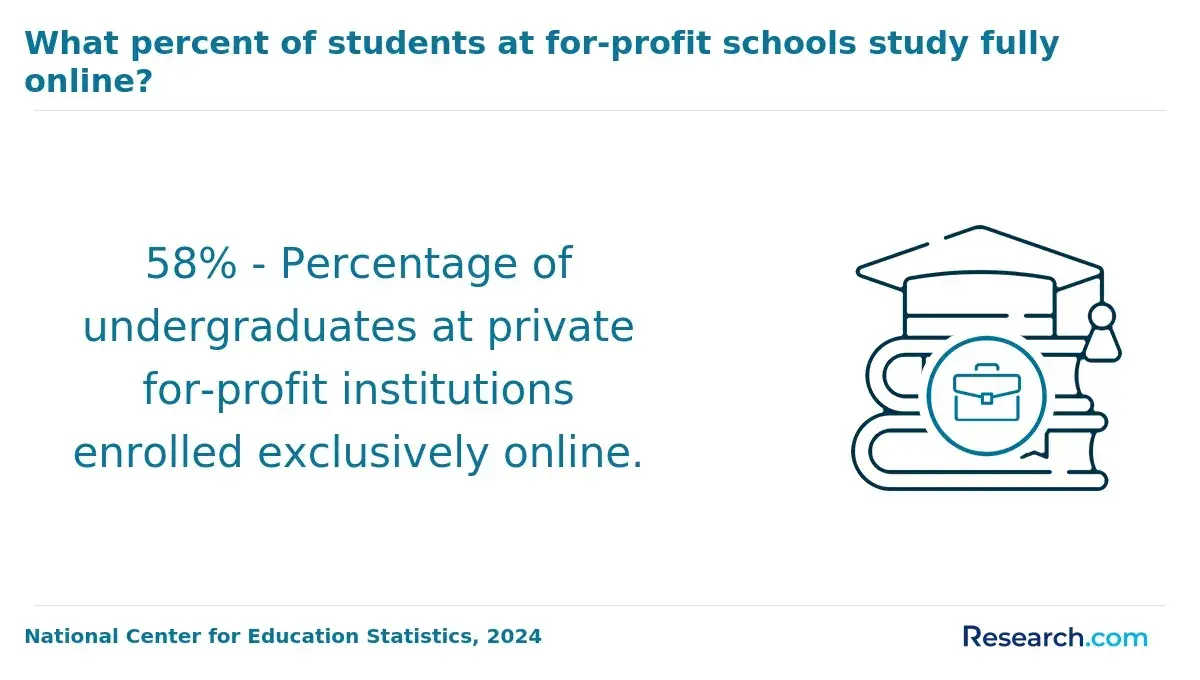
According to the National Center for Education Statistics, nearly 40% of undergraduate students enrolled exclusively in distance education are aged 25 or older.
Online humanities programs often include various scheduling structures to meet diverse learner needs, especially for adult learners online humanities degree flexibility options. These include:
- Asynchronous Classes: Students can access lectures and complete assignments independently, allowing them to study whenever their schedule permits without live session constraints.
- Evening or Weekend Availability: Courses offered outside traditional daytime hours accommodate working adults who have daytime commitments but want to pursue their degree.
- Accelerated Pacing: Some programs provide faster course completion options, enabling students to graduate sooner by taking intensive classes that cover material at a quicker pace.
- Self-Paced Enrollment: Learners can progress through coursework at a personalized speed without fixed deadlines, giving maximum flexibility for those balancing multiple responsibilities.
Adult learners seeking insights into how long does it take to get a MSW online may also find parallels in flexible scheduling across other online degree programs.
Adults over 30 enrolled in online humanities bachelor's programs typically dedicate between 10 and 20 hours each week to coursework, though this varies depending on factors like course load, program pacing, and personal commitments. Many balance studies with careers and family, often relying on flexible scheduling options such as asynchronous lectures to fit learning around other responsibilities.
On average, undergraduate students spend around 15 hours weekly on their studies, a figure that aligns closely with the habits of adult learners who tend to emphasize efficient time management. The ability to customize study routines helps many maintain consistent progress without feeling overwhelmed, adapting to both lighter and heavier academic periods.
When asked about her experience, an over-30 adult learner currently pursuing an online humanities bachelor's degree reflected on how challenging it was to find dedicated study time amid a busy work schedule and family life. She described needing to "carve out quiet evening hours" and relying heavily on weekend blocks to complete reading and writing assignments.
Despite initial struggles with balancing tasks, she felt that steadily establishing a routine brought a sense of control and accomplishment, explaining, "The flexibility made it possible to keep going without giving up, even when things got hectic." Her story highlights the importance of adaptability and personal pacing in successful online learning for adult students.
Adults over 30 pursuing an online humanities bachelor's degree typically complete it within two to six years. This timeframe can differ widely depending on personal situations and academic choices.
Several factors influence how long the degree takes to finish, including:
- Course Load: Those enrolled full-time, usually taking 12 to 15 credits per semester, often finish in about four years. Part-time students balance schooling with work or family, extending their program length but allowing for greater flexibility.
- Pacing Flexibility: Many online programs offer accelerated courses or self-paced options. Shorter sessions, such as eight-week terms, give students the chance to progress faster by taking multiple courses consecutively.
- Transfer Credits: Prior college courses or relevant experience can reduce the number of classes needed. The degree speed depends on how many credits the program accepts, so early advisor consultations can help maximize transferred coursework.
- Continuous Enrollment: Staying enrolled semester after semester prevents interruptions that lengthen completion time. Consistent study keeps momentum and leads to faster graduation.
The cost of online humanities bachelor's degrees for adults over 30 typically ranges between $15,000 and $40,000, depending on factors such as the institution and program format. The median tuition for these programs is around $25,000, offering a benchmark for comparison when budgeting for education.
Several factors influence the overall expenses involved, including:
- Tuition Structure: Many programs charge per credit, which can benefit those taking fewer courses per term but may increase total costs if the program takes longer to complete.
- Additional Fees: Charges such as technology fees, application fees, and course-specific fees can add several hundred dollars annually to the total cost.
- Learning Materials: Some courses use open-source or digital textbooks, while others require purchasing physical books or software, which can raise expenses.
- Financial Considerations: Adults over 30 often juggle work and family, making access to scholarships, employer tuition reimbursement, and federal aid important for managing costs.
By factoring in these elements, adult learners can create a more effective budget to cover the full investment needed for an online humanities bachelor's degree while balancing other life commitments.
Adults over 30 represent a significant portion of online learners, with over 40% pursuing education through remote programs. Online humanities bachelor's programs designed specifically for adult learners tend to prioritize flexibility and tailored support, making it easier for this demographic to balance education with their other responsibilities.
Key features that make these programs adult-friendly include:
- Flexible Scheduling: Many adults juggle work, family, and community commitments. Programs offering asynchronous courses and flexible deadlines allow students to access lectures and complete assignments on their own time. Options for part-time or full-time enrollment further accommodate busy schedules.
- Accessible Course Delivery: User-friendly online platforms with multimedia resources ensure learners engage with material regardless of their technological background. This accessibility minimizes barriers, helping students stay on track and complete their studies efficiently.
- Comprehensive Support Services: Adult learners benefit from tailored resources like academic advising, tutoring, technical help, and career counseling. These services assist with both academic challenges and life balance, improving retention and success rates.
- Adaptable Learning Environment: Programs that credit prior work experience or offer portfolio assessments respect students' backgrounds and skills. Experiential learning opportunities can accelerate degree completion, recognizing the value of real-world knowledge for adults returning to education.
Offering flexible study options for adults over 30 in humanities degrees helps meet the needs of this growing group of students. Those seeking affordable, quality education might also explore related options like an online MBA under 35k for additional career advancement opportunities.
Adults earning a humanities bachelor's degree after age 30 often gain greater career flexibility across multiple industries. Nearly 40% of postsecondary students are aged 25 or older, reflecting a significant trend of adult learners pursuing degrees to advance or pivot in their careers.
A humanities degree builds critical thinking, communication, and cultural awareness skills highly sought after in today's job market.
For mature students seeking the best jobs with an online humanities degree, several roles align well with the strengths of this field. These positions allow graduates to apply their analytical and interpretive skills effectively.
- Content Strategist: Responsible for planning and developing content across digital platforms, content strategists rely on strong language skills and cultural insight cultivated through humanities studies. This role focuses on creating messages that engage diverse audiences effectively.
- Public Relations Specialist: These specialists manage public communications and shape an organization's image. The writing proficiency and cultural literacy developed in humanities programs are essential for success in this field.
- Social Services Coordinator: Coordinators develop and organize community programs that support individuals' well-being. Humanities graduates bring empathy and ethical reasoning to address complex social issues thoughtfully.
- Technical Writer: By producing clear documentation for complex products or services, technical writers utilize the rigorous reading and writing skills gained through humanities education to make information accessible.
- Museum Educator or Curator: Interpreting cultural artifacts and history, these professionals engage the public using the research and contextual knowledge inherent in humanities studies.
Adult learners considering a humanities degree can explore these career paths while balancing other life commitments, especially through flexible options like accredited online humanities degree programs. For those interested in STEM alternatives, discovering accredited online electrical engineering programs may also provide valuable options.
Age generally has a minimal impact on hiring decisions for individuals who earn an online humanities bachelor's degree. Employers tend to focus more on a candidate's abilities, credentials, and relevant experience rather than their chronological age. Critical thinking, communication skills, and cultural awareness are often prioritized in humanities-related roles.
A 2022 survey from the Society for Human Resource Management found that 67% of employers actively seek to hire older and non-traditional workers for the unique insights and maturity they contribute.
Current hiring trends emphasize continuous learning and adaptability, values that many mature students demonstrate by completing an online degree. Employers increasingly appreciate candidates who show proficiency with modern technologies and possess up-to-date knowledge.
Older graduates often bring practical life experience that enhances workplace collaboration. While age bias may persist in some areas, many organizations now prioritize skills and demonstrated potential over age during recruitment.
What Graduates Say About Online Humanities Bachelor's Degrees for Adults Over 30
- Joey: "Choosing to pursue an online humanities bachelor's degree after 30 was driven by my desire to deepen my understanding of culture and history while balancing family life. The flexibility of online classes allowed me to manage work and study without compromising either. I've learned that perseverance in navigating technology and time management is key, and this degree has truly expanded my career prospects in education."
- Morgan: "Going back to school for humanities in my 30s was a reflective journey to rediscover my passion for literature and philosophy. The biggest challenge was adapting to new learning methods after years away from academic settings, but the interactive online discussions helped me stay engaged. This experience enhanced my critical thinking and communication skills, which have been invaluable in my professional growth in nonprofit work."
- Hudson: "As a professional over 30, earning an online humanities degree was a strategic decision to diversify my skill set and make a meaningful career shift. I faced the typical challenge of balancing work commitments, but the structured program and support system made it manageable. Completing the degree has not only boosted my confidence but also opened doors to roles in research and cultural analysis that I never thought possible."
Other Things You Should Know About Humanities Degrees
Most reputable online humanities bachelor's degree programs are offered by accredited institutions recognized by regional or national accrediting agencies. Accreditation ensures the program meets educational quality standards, which employers consider when evaluating candidates. Always verify a school's accreditation status before enrolling to confirm the degree's validity.
Many do, especially programs in English, history, or philosophy. A common requirement is 6–12 semester credits in one language, often Spanish, French, or Latin. Some schools accept placement exams or prior study to waive part of the sequence, while others let students complete the requirement online.
Online humanities programs emphasize critical thinking, effective communication, research methods, and cultural awareness. Students engage with historical, philosophical, linguistic, and artistic content, gaining analytical and interpretive abilities. These skills are valuable across diverse career paths beyond traditional humanities professions.
- Why Every Adult Should Consider an Online Degree Program https://www.snu.edu/blog/why-every-adult-should-consider-an-online-degree-program
- The Problem With Exclusively Online Degree Programs https://tcf.org/content/commentary/the-problem-with-exclusively-online-degree-programs/
- Challenges Facing Adult Students and Institutions of Higher Learning | European Journal of Education and Pedagogy https://eu-opensci.org/index.php/ejedu/article/view/70051/13746
- Using adult learning characteristics and the humanities to teach undergraduate healthcare students about social determinants of health - Humanities and Social Sciences Communications https://www.nature.com/articles/s41599-023-01599-w
- Literature, Culture, and Tradition: an online degree concentration for students of humanity https://lpsonline.sas.upenn.edu/features/literature-culture-and-tradition-online-degree-concentration-students-humanity
- Average Cost of Online College [2025]: Yearly Tuition + Fees https://educationdata.org/average-cost-of-online-college
- Featured Programs https://www.moravian.edu/degree-completion
- The Human Factor: The Promise & Limits of Online Education https://www.amacad.org/publication/daedalus/human-factor-promise-limits-online-education
- Humanities, BA Online https://www.nec.edu/programs/humanities-b-a
- Going Back to School in Your 30s | Online Learning for Adults https://online.nmu.edu/going-back-to-school-in-your-30s/


