2027 Can You Get a Humanities Bachelor's Degree After 30?

Co-Founder and Chief Data Scientist
Imagine returning to college after 30 to pursue a humanities bachelor's degree while balancing work, family, and financial demands. Many adult learners hesitate-worrying if the investment in a humanities degree will pay off amid evolving job markets.
Yet, data from the National Center for Education Statistics shows that nearly 40% of bachelor's degrees in humanities awarded in recent years were earned by students aged 25 and older, reflecting a growing trend in adult education.
This article explores essential factors for adults seeking a humanities degree later in life-program options, time frames, financing, and career prospects-to guide informed decisions.
Key Things to Know About Getting a Humanities Bachelor's Degree After 30
- Admission often requires a high school diploma or equivalent-many programs accept prior learning credits, accelerating time-to-degree for transfer and military veteran students.
- Financial aid options include scholarships and employer tuition reimbursement-balancing family and coursework typically demands flexible online or part-time programs.
- Graduates may see moderate long-term earnings growth-Humanities degrees enhance critical thinking skills that benefit diverse career paths beyond immediate salary increases.
Can You Really Get a Humanities Bachelor's Degree After 30?
Data from the National Center for Education Statistics (NCES) reveals a steady rise in adult learners aged 25 and older enrolling in bachelor's programs-including those pursuing humanities degrees. This growth highlights how earning a humanities degree as an adult learner over 30 in the United States has become increasingly common.
Many colleges have adapted by creating flexible, adult-focused programs tailored to accommodate work, family, and other responsibilities. This article examines essential factors such as time management, financial strategies, career effects, program options, and support networks to help prospective students make informed decisions.
- Enrollment Trends: Millions of adult learners are now part of undergraduate programs, with humanities majors representing a significant portion, reflecting a growing demographic focused on lifelong learning.
- Time Commitment: Balancing coursework with existing jobs and family duties can be challenging, but institutions often provide part-time, online, and evening classes to ease this burden.
- Financial Considerations: Adults commonly combine savings, employer tuition assistance, and financial aid, while some leverage prior learning credits to shorten degree completion time.
- Career Impact: A humanities degree offers career changers new opportunities and practical skills applicable in education, communications, and cultural sectors.
- Support Systems: Universities offer tailored advising, veteran services, and peer networks to improve adult learner success rates.
Though returning to college after 30 requires dedication, millions succeed yearly. For those seeking the fastest credentialed pathway, especially military veterans or transfer students, specialized options exist.
Parents reentering the workforce will find programs designed to fit around family duties. Those curious about advancing further might explore an online masters in speech pathology as a future step in their academic journey.
Why Are More Adults Over 30 Pursuing a Humanities Bachelor's Degree?
More adults over 30 are pursuing a humanities bachelor's degree than ever before-a trend grounded in detailed longitudinal data from the Lumina Foundation, the National Center for Education Statistics (NCES), and the American Council on Education (ACE).
This surge reflects the growing appeal of humanities education for career changers, veterans, transfer students, and parents reentering the workforce.
- Career Transitions: Adults face rapidly evolving job markets and choose humanities degrees for skills in critical thinking, communication, and cultural understanding-key assets in diverse fields.
- Employer Tuition Benefits: Increasingly, employers offer tuition reimbursement or financial support, making returning to school more affordable for adult learners.
- Layoffs: Economic disruptions, especially post-pandemic, have driven many to reconsider careers and pursue humanities credentials that provide versatility.
- Increased Online Program Availability: The rise of flexible online humanities programs helps adults balance education with work and family obligations.
- Wage Premiums: Earning a humanities bachelor's degree after 30 is associated with wage increases and enhanced job stability, encouraging investment in these credentials.
Post-pandemic workforce shifts have made humanities degrees more accessible and relevant, meeting the needs of adults seeking practical, meaningful career paths. This trend highlights the benefits of earning a humanities bachelor's degree after 30 and reflects a robust infrastructure supporting adult learners, including credit transfer policies and accelerated degree paths designed for them.
Those exploring reasons adults over 30 choose humanities degrees can find that these programs offer not only intellectual fulfillment but also promising returns on investment.
For more insight into college major choices that balance personal passion and financial reward, consider exploring fun majors in college that pay well.
What Are the Most Common Challenges Adults Over 30 Face When Pursuing a Humanities Degree?
Adults over 30 pursuing a humanities degree often balance multiple responsibilities that can hinder academic progress-yet these obstacles can be overcome. Research from the Bill & Melinda Gates Foundation and Complete College America highlights five main barriers contributing to stop-out patterns among adult learners in humanities programs.
- Time Constraints: Managing work, caregiving, and coursework leaves limited time for studies. Flexible scheduling and course options tailored to busy adults can ease this pressure.
- Financial Pressures: Tuition costs alongside living expenses heighten financial stress. Many adult students miss out on traditional aid, but scholarships for nontraditional learners and part-time enrollment offer relief.
- Technology Gaps: Difficulty using learning platforms or digital research tools can cause frustration. Targeted tech support boosts confidence and academic engagement.
- Imposter Syndrome: Returning after years away may trigger self-doubt. Recognizing this common experience helps foster resilience and a growth mindset.
- Academic Bureaucracy: Complex registration and credit transfer processes can overwhelm adult students. Access to dedicated advisors and streamlined systems improves navigation and reduces frustration.
Most adult humanities students confront two or three of these challenges simultaneously, normalizing their experience and encouraging persistence. One professional who enrolled in a humanities bachelor's program after 30 shared that 'the hardest part was carving out study time between family and work.' He often felt overwhelmed juggling schedules but found that institutional flexibility was crucial.
He also recalled moments of doubt, saying, 'I wondered if I belonged among younger students, but realizing others felt the same helped me keep going.' Navigating administrative requirements was initially confusing, yet personalized advising eased the process. His journey underscores how these barriers, while real, are manageable with the right strategies and support.
Adult learners pursuing a humanities bachelor's degree online can choose from various formats designed to fit distinct scheduling needs and learning preferences. Fully online programs-offered by institutions such as Southern New Hampshire University-provide the greatest flexibility by enabling asynchronous coursework, perfect for those balancing work and family.
- Hybrid: This format combines online classes with occasional on-campus meetings, fostering direct engagement while maintaining convenience for learners who benefit from both digital and face-to-face instruction.
- Evening and Weekend On-Campus: Tailored for working adults, these programs schedule classes outside typical office hours, commonly found at community colleges and regional public universities, accommodating students who prefer in-person learning without daytime conflicts.
- Competency-Based Education (CBE): Programs like those at Western Governors University allow progression by proving mastery of content rather than following semester timelines, accelerating degree completion and honoring prior knowledge-ideal for highly self-directed adult learners.
- Accelerated Cohort Models: Small groups advance through courses together at a quicker pace with built-in peer support, appealing to those seeking accountability and a structured path to finishing sooner.
For those weighing their options, identifying the best humanities bachelor's degrees for working adults involves considering how each program's pace, residency demands, and format align with their unique life circumstances.
Military veterans, parents reentering the workforce, and career changers will benefit from this range of choices tailored to adult learners. To explore affordability and options further, the online accountant degree guide offers insights into flexible pathways that may parallel humanities pathways in meeting adult learners' needs.
Adult learners pursuing a humanities bachelor's degree typically take between four and eight years to graduate, with full-time students averaging closer to four to six years and part-time students often requiring six to eight years.
Transfer credits, including those from prior college coursework, military service, or CLEP exams, can significantly reduce this timeframe-sometimes cutting a year or more off the path to completion. Accelerated degree programs tailored for working adults offer another route, enabling degree completion within two to three years through year-round courses or intensive terms.
Planning a realistic timeline involves assessing how many credits have already been earned, the number of hours one can dedicate weekly to study, and whether to enroll part- or full-time. Many institutions report that prior learning assessments (PLA) can shorten graduation time by up to 25%, helping adult learners progress faster than traditional students.
- Enrollment Intensity: Full-time study takes about four to six years; part-time study generally requires six to eight years due to other life commitments.
- Credit Transfer: Utilizing credits from previous academic work, military training, or CLEP exams can reduce degree requirements significantly.
- Accelerated Tracks: Designed for adults balancing work and family, accelerated programs allow graduation in as little as two or three years.
- Personalized Scheduling: Factoring in existing credits and weekly study availability helps create a tailored, achievable plan.
- PLA Impact: Institutions report up to 25% faster completion rates for students leveraging prior learning assessments.
One professional who earned her humanities degree after turning 30 shared that managing study alongside work and parenting was initially daunting. She found that transferring military training credits eased the course load, freeing up time to focus on more challenging subjects.
"Balancing everything required strict scheduling, but knowing my prior experience counted made me feel valued and motivated," she recalled. Her experience highlights how credit recognition and flexible pacing not only shorten the journey but also sustain adult learners' confidence through the process.
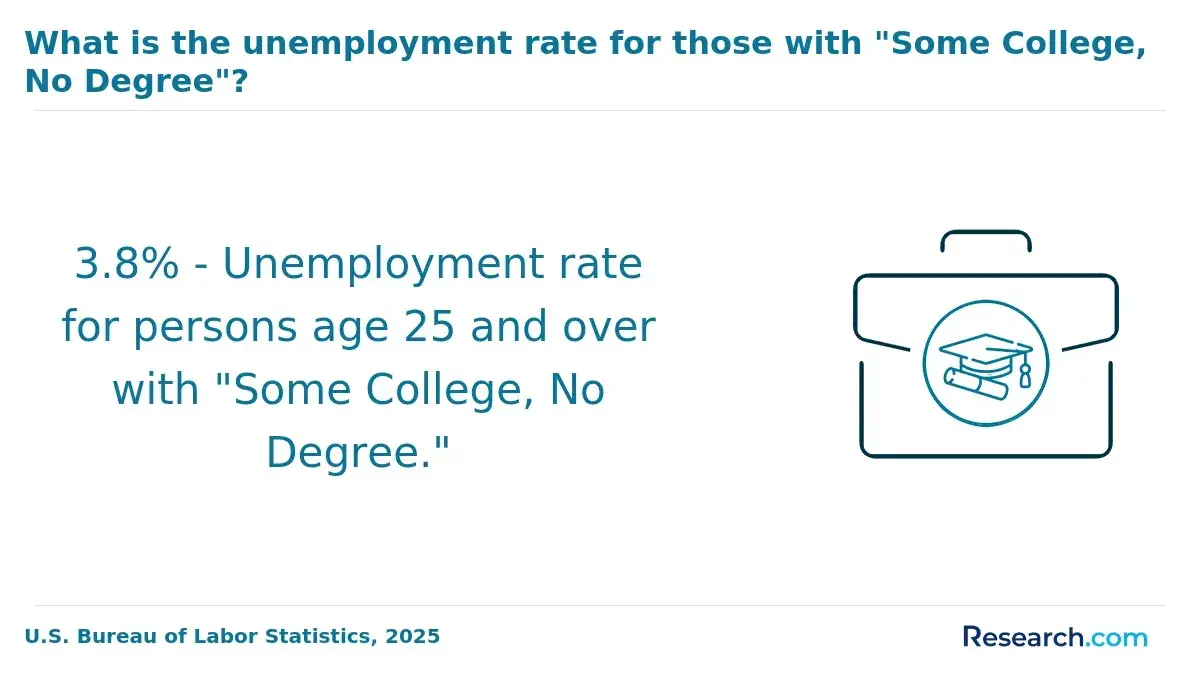
Adults pursuing a humanities bachelor's degree have access to multiple financial aid avenues beyond the common belief that aid is reserved for traditional students. The Free Application for Federal Student Aid (FAFSA) welcomes all eligible students regardless of age-about 40% of recent Pell Grant recipients were 25 or older, illustrating the inclusivity of federal aid.
- Federal Financial Aid: Pell Grants offer need-based funding that doesn't require repayment, complemented by subsidized and unsubsidized loans with flexible terms available to adult learners on the same basis as younger students.
- Employer Tuition Assistance: Many companies support employee education through tuition reimbursement or assistance programs. Checking with HR can reveal valuable opportunities tailored to working adults.
- State Adult Learner Grants: Several states provide dedicated grants for adult students, often considering income or veteran status, which can significantly offset costs alongside federal support.
- Humanities-Specific Scholarships: Numerous associations and foundations within humanities disciplines award scholarships to encourage commitment to the field, making focused research worthwhile.
- Income-Share Agreements (ISAs): Some institutions enable students to pay a percentage of future income instead of upfront tuition, potentially easing immediate financial strain but warranting careful term review.
Tuition fees vary widely-public universities generally charge less than private ones, and online programs frequently cost less than in-person options. Adult students balancing various responsibilities may find online public humanities programs particularly affordable.
Before borrowing, adults are advised to exhaust free aid and grants, submit FAFSA applications promptly, and explore employer benefits to reduce debt and make their degree achievable at any stage.
Employers consistently value a humanities bachelor's degree from a regionally accredited institution regardless of the graduate's age or length of study.
According to the National Association of Colleges and Employers (NACE) and the Society for Human Resource Management (SHRM), hiring managers prioritize the credential itself-not the timing or duration of earning it. On resumes and in credential verification, the degree appears the same, ensuring adult learners have equal opportunities.
- Employer Valuation: Data from LinkedIn Workforce Insights indicates many employers appreciate the professional maturity and diverse life experiences adult learners bring. This is especially important in humanities-related roles that demand critical thinking, communication, and cultural awareness.
- Age-Related Advantages: Employers tend to view adult humanities graduates as disciplined and committed due to their real-world experience and perseverance.
- These qualities demonstrate strong work ethic and adaptability, outweighing concerns about non-traditional educational paths.
- Industry Standards: In fields such as education, library sciences, cultural institutions, and nonprofit organizations, a humanities bachelor's degree is often a mandatory hiring requirement.
- Recent Trends: A 2023 SHRM survey found that 78% of hiring managers support candidates who finish degrees later in life, particularly when relevant skills are evident.
The credential remains the key factor for employers-earning a humanities bachelor's degree after age 30 signifies valuable qualities that enhance career potential across many sectors.
Adult learners can leverage prior work experience credit for humanities degree programs through several established credit conversion mechanisms that significantly accelerate degree completion. These pathways recognize the overlap between professional experience and academic learning, reducing both time and financial investment.
- Prior Learning Assessment (PLA): PLA allows students to earn academic credit by presenting portfolios of professional work, writing samples, or relevant projects for faculty evaluation. Institutions such as Thomas Edison State University and Charter Oak State College have rigorous PLA processes tailored for humanities disciplines. According to the Council for Adult and Experiential Learning (CAEL), learners typically earn 6-12 credits through PLA, depending on institutional policies and evidence quality.
- Portfolio Evaluation: Related to PLA, this method involves submitting a curated collection of work demonstrating learning in areas like literature, cultural studies, and communications. Well-established humanities programs use portfolio evaluation to translate real-world experience into academic credit, validating skills acquired outside traditional classrooms.
- CLEP and DSST Exams: These standardized exams offer adult learners an efficient way to test out of introductory humanities courses such as English Literature and College Composition, awarding credit based on demonstrated proficiency.
- ACE-Recommended Credit for Professional Certifications: The American Council on Education (ACE) reviews professional certifications in humanities-related fields-like library science or language interpretation-and recommends appropriate academic credit to help students avoid repeating training.
Admissions offices increasingly value how adult learners leverage professional experience in humanities programs by considering job roles, volunteer activities, or military service that develop critical thinking and communication skills. Effectively presenting this experience-not as a gap but as a substantive academic asset-can strengthen applications and lead to more generous credit awards.
Those with years in humanities-adjacent careers should recognize that prior learning credit often shortens the path to degree completion. For career changers, military veterans, and parents returning to the workforce needing flexible options, this credit recognition supports a faster, more cost-effective route to a humanities bachelor's degree.
Additionally, adult learners may explore programs like an online project management degree when seeking complementary skills and credentials.
Admission requirements for humanities bachelor's programs designed for adult learners over 30 are typically more flexible than those for traditional students-recognizing diverse backgrounds and prior experiences.
Institutions generally expect a minimum GPA from previous college coursework, often around 2.0 to 2.5 on a 4.0 scale. However, many schools offer waivers or conditional acceptance if prior academic performance is outdated or not representative of current abilities, reflecting common GPA requirements for humanities bachelor's programs for adult learners.
- Standardized Test Waivers: Most colleges waive ACT or SAT scores for applicants over 25, emphasizing work experience, prior credits, or other evidence of readiness instead.
- Letters of Recommendation: While occasionally required, programs tailored to adult education may accept professional references or skip this to lower reentry barriers.
- Personal Statements: Many programs request essays outlining motivation, career goals, and educational history-allowing holistic assessment of maturity and commitment.
- Residency and Transfer Credits: Transfer policies typically favor adult learners, accepting diverse credits including prior learning assessments from relevant work or military service. Residency requirements vary but usually enable substantial credit transfer to expedite degree completion.
- Academic Renewal and Grade Forgiveness: Adults with low GPAs should consider schools offering policies to disregard or replace old grades. Conditional admission tracks often allow students to demonstrate potential through initial coursework before full major entry.
Institutions with open or rolling admissions catering especially to adult learners differ from traditional selective programs by emphasizing support and flexibility.
Prospective students pursuing a humanities degree are advised to evaluate their admission profile honestly and seek programs aligned with their academic history and goals. This approach facilitates smoother pathways to completion, particularly for career changers, transfer students, military veterans, and parents returning to the workforce.
For those interested in advancing beyond a bachelor's, it is also useful to explore which master's degree is most in demand in USA to plan long-term career growth within humanities and related fields.
Many adult learners pursuing a humanities bachelor's degree after age 30 face the dual challenge of full-time employment and caregiving duties, which intensify time constraints and financial pressures.
This combination often delays academic progress and increases stress. Flexible scheduling emerges as a vital need for these students, who benefit from structured time management techniques like dedicated study blocks and digital calendars to balance obligations efficiently.
- Time Management Strategies: Implementing structured schedules with digital tools and breaking down tasks helps learners balance coursework and life responsibilities.
- Employer Flexibility: Work arrangements that adjust to academic demands reduce stress and promote consistent study habits.
- Family Support: Emotional and practical backing from spouses or relatives encourages sustained focus and commitment.
- Campus Resources: Childcare and emergency aid address unique adult learner challenges, supporting uninterrupted progression.
- Proactive Planning: Assessing personal support systems and engaging with adult learner offices enhances academic persistence and success.
Research highlights strategies such as prioritizing tasks by deadlines and energy and dividing larger assignments into smaller tasks to maintain steady progress.
Employer accommodation-through options like adjustable hours or remote work-along with emotional and logistical support from family members, significantly enhances learners' ability to stay on track.
Access to campus amenities such as childcare facilities and emergency financial aid also plays a critical role in mitigating barriers unique to adult learners juggling multiple roles. These services can be decisive in whether students pause their studies or continue uninterrupted.
Before enrolling, prospective adult students are advised to evaluate their personal networks and institutional supports carefully. Open communication with a school's adult learner services can facilitate timely assistance and improve persistence toward degree completion.
Adult students pursuing a humanities bachelor's degree often face unique challenges best addressed by specialized support services that significantly enhance completion rates.
Research from the National Student Clearinghouse and Complete College America underscores that intensive advising is a key factor in adult learner success-making the availability of tailored resources crucial.
- Dedicated Adult Learner Advisors: Advisors trained to work with adult students offer personalized support in course selection, managing life commitments alongside studies, and navigating institutional policies-helping reduce attrition.
- Prior Learning Assessment Offices: These offices evaluate eligible work, military, or life experience for college credit, enabling quicker degree completion and lowering costs, which benefits career changers and veterans.
- Evening and Weekend Tutoring: Flexible tutoring options accommodate diverse schedules, providing academic assistance when it's most convenient and improving success in demanding humanities coursework.
- Virtual Library Access: Comprehensive online resources empower adult learners to conduct research and complete assignments remotely, removing geographic and time constraints.
- Career Services for Career Changers: Focused services offer resume building, internship connections, and networking opportunities to help adults translate their humanities degree into new career paths.
- Peer Networks for Non-Traditional Students: Connecting adult learners fosters community support, reduces isolation, and facilitates sharing of strategies to balance academics with personal responsibilities.
When assessing humanities programs, it's essential to directly inquire about these support structures. Their presence strongly correlates with adult learner persistence and degree completion, making them indispensable considerations for prospective students.
What Graduates Say About Getting a Humanities Bachelor's Degree After 30
- Joey: "Choosing to pursue the humanities bachelor's degree after 30 was a turning point for me-especially because the program's financial support options made it feasible to balance work and study. The accreditation added a layer of trust that my efforts would be recognized professionally, which was crucial in such a competitive field. I'm genuinely grateful for how this experience opened doors in my creative career."
- Morgan: "Reflecting on my time enrolled in the humanities program, I appreciate how comprehensive and respected the curriculum is, thanks to its strong accreditation. The flexible financial aid gave me peace of mind and lessened the stress of returning to school later in life. Ultimately, this degree helped me pivot into a meaningful career in cultural research-something I hadn't imagined possible before."
- Hudson: "As a non-traditional student, the humanities degree program offered more than education-it provided a network and career pathways I previously thought out of reach. The financial support options were practical and realistic, making it easier to stay committed. Having the program's accreditation on my résumé gave me a noticeable advantage when applying for jobs in education and public service sectors."
Other Things You Should Know About Humanities Degrees
Yes. Many accredited universities accept up to 90 transfer credits toward a 120-credit humanities bachelor’s degree, which can cut the time to completion to about 1 to 2 years. Final transfer approval comes from the school’s registrar or admissions office, and a transcript evaluation is required.
Yes, many institutions offer financial aid options for adult learners, including grants, scholarships, and loans. Some schools provide specific scholarships for students over 30, making it financially feasible to pursue a humanities bachelor's degree in 2027. Additionally, employers may offer tuition assistance programs.
Adults over 30 should prioritize programs that offer flexible scheduling, options for credit transfer, and support services for adult learners. Accreditation and faculty expertise in humanities subjects are also essential to ensure quality education. Prospective students should evaluate program delivery methods-such as online versus on-campus-and career support resources to find the best fit for their personal and professional needs.
The best first step is to conduct thorough research on accredited programs that accommodate adult learners and align with career goals. Prospective students should review admission requirements and explore options for transferring previous credits or earning credit for relevant life experiences. Contacting admissions counselors can provide valuable guidance on program specifics and application procedures.
- Humanities Program (HUM 101) https://www.ualberta.ca/en/community-service-learning/humanities-program/index.html
- What are the Best College Majors For Adult Students in 2026? https://straighterline.com/blog/guide-best-college-majors-for-adult-students
- 90 Mature students Bachelor Degree Humanities Scholarships available https://www.hotcoursesabroad.com/study/international-scholarships/all/Postgraduate/humanities/mature-students/all/cid/124/i/1175/nty/scholarship3.html
- How to Pay for College as an Adult Learner | SoFi https://www.sofi.com/learn/content/pay-for-college-as-an-adult-learner/
- OPINION: Ask not what can be done with a humanities degree - The Hechinger Report https://hechingerreport.org/opinion-ask-not-what-can-be-done-with-a-humanities-degree/
- What Should I Major in at Old Age University? https://auxiliarymemory.com/2025/08/16/what-should-i-major-in-at-old-age-university/
- Mature students: university and funding https://www.gov.uk/mature-student-university-funding
- Is getting a humanities degree a pointless endeavour? - Excalibur https://www.excal.on.ca/opinion/op-ed/2024/03/15/is-getting-a-humanities-degree-a-pointless-endeavour/
- Humanities majors face new challenges in a changed job market - The Signal https://thesignalnews.net/humanities-majors-face-new-challenges-in-a-changed-job-market/