2027 Online Health Informatics Degree Programs With University Scholarships: Awards, Eligibility, and Net Cost

Co-Founder and Chief Data Scientist
An online Health Informatics degree can look affordable until technology fees, transfer-credit limits, and scholarship conditions change the bill. The Bureau of Labor Statistics reports a $50,250 median annual wage for medical records specialists, a role closely connected to health information work, making careful program selection especially relevant.
This guide is for prospective undergraduate and graduate students comparing university-funded aid. Learn how to evaluate institutional scholarships, eligibility, renewal terms, and realistic net cost - not tuition alone - before accepting an offer.
Key Things You Should Know
- University scholarships for online Health Informatics students are not automatic: eligibility often depends on admission status, GPA, degree level, residency, and whether the online program is designated as eligible.
- A published scholarship amount is not your final price. Subtract institutional grants, federal aid, employer assistance, and approved outside awards from total tuition, mandatory fees, books, and technology costs to estimate net cost.
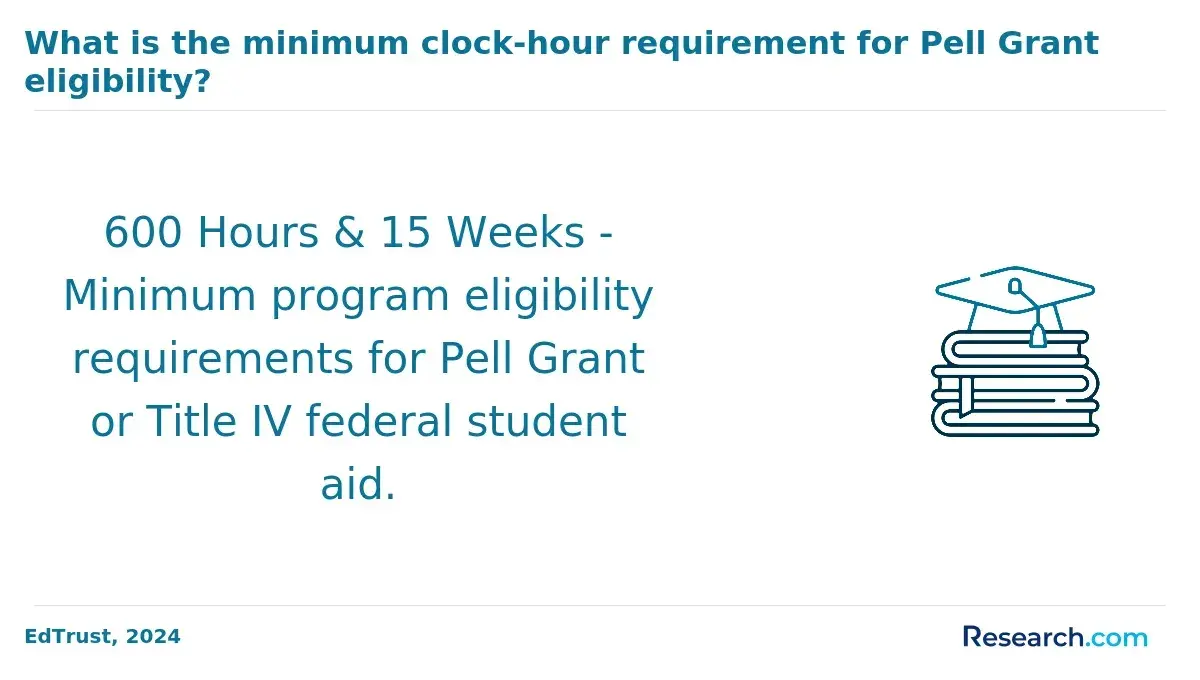
- For context, the maximum Federal Pell Grant for the 2025-26 award year is $7,395, but eligibility is need-based and annual; it should not be treated as a guaranteed replacement for a university scholarship.
Which Online Health Informatics Degree Programs Offer University Scholarships?
Online Health Informatics degrees are offered as bachelor's, master's, graduate certificate, and related health information management programs. Institutional scholarships are funds awarded by the university rather than federal or state government. They may be based on academic merit, financial need, transfer status, military affiliation, professional background, or donor-defined criteria.
The strongest prospects are usually schools that explicitly state that online degree-seeking students can apply for institutional aid. Do not assume that a university's campus scholarship catalog applies to online learners; some awards exclude fully online enrollment, nondegree study, graduate students, or students taking fewer than a stated number of credits.
This comparison identifies the program features that matter more than promotional scholarship language when screening schools.
| Program type | Where university scholarships are most common | Important eligibility check | Best fit |
| Online bachelor's in health informatics or health information management | New-student merit awards, transfer awards, need-based institutional grants | Whether online and transfer students are included | Students beginning or completing an undergraduate degree |
| Online master's in health informatics | Departmental awards, graduate scholarships, employer-partnership support | Whether awards apply to professional or part-time programs | Working professionals seeking analytics, systems, or leadership preparation |
| Online graduate certificate | Limited institutional awards; employer tuition assistance may be more common | Whether certificate students are degree-seeking and aid-eligible | Professionals building a focused skill set |
| Related healthcare administration degree | Institutional merit and need-based aid may be available at degree level | Course overlap, career fit, and total cost | Students considering management rather than data-focused roles |
Before applying, confirm that the curriculum aligns with your intended role. Health informatics commonly combines electronic health records, data governance, clinical workflows, privacy, analytics, and project management. If your interests are broader healthcare operations, compare affordable online healthcare degrees alongside informatics options rather than choosing solely on an advertised award.
Ask each institution for a written answer to three questions: Is my exact online program eligible? Is the award university-funded or externally funded? Does the quoted amount apply per term, per year, or across the entire degree?
How Much Scholarship Money Can Online Health Informatics Degree Students Receive?
There is no standard scholarship amount for online Health Informatics students. A university may offer a small one-time departmental award, a renewable annual merit scholarship, tuition-specific support, or a need-based grant that changes when financial circumstances change. Graduate programs often provide fewer broad institutional scholarships than undergraduate programs, particularly when they are designed for working adults.
Use the award's duration and restrictions to interpret its value. A $4,000 award spread over four years reduces costs by $1,000 per year, while a $2,000 annual renewable award may be more valuable if you remain eligible.
| Award description | How to interpret it | Cost question to ask |
| "Up to" a stated amount | It is a maximum, not a promise that every applicant receives that amount | What amount was awarded to students with my academic profile? |
| Annual scholarship | Usually applies only to one academic year unless renewal is confirmed | What GPA, credits, and deadlines apply next year? |
| One-time scholarship | Reduces the first-year bill but may not improve total-degree affordability much | What will I pay after the first year? |
| Tuition-only award | May exclude fees, books, software, proctoring, and living expenses | Which billed and nonbilled expenses remain mine? |
Federal aid can materially change the calculation for eligible undergraduates. The maximum Pell Grant of $7,395 in the 2025-26 award year is available only after FAFSA-based eligibility is determined, and it may be adjusted for enrollment intensity. Treat it as a possible component of your aid package, not as an institutional scholarship amount.
A useful way to compare offers is to calculate total scholarship value through expected graduation, then compare that figure with the program's full published cost. A smaller scholarship at a lower-priced public university can produce a lower out-of-pocket total than a larger award at a higher-priced private institution.
What Are the Eligibility Requirements for Online Health Informatics Degree Scholarships?
Eligibility requirements determine whether an award is realistic for you and whether it remains available after enrollment. Admissions eligibility and scholarship eligibility are separate: being admitted to an online Health Informatics program does not mean you qualify for its institutional aid.
Schools commonly evaluate the following factors. Read the scholarship's official terms, because a requirement that appears minor - such as full-time enrollment - can eliminate an otherwise attractive offer.
- Academic record, such as high school GPA for first-year undergraduates or college GPA for transfer and graduate applicants
- Degree level and program status, including whether the student is undergraduate, graduate, degree-seeking, or enrolled in an eligible online major
- Enrollment intensity, which may require full-time study or a minimum number of credits each term
- Financial need, usually determined through FAFSA information and the university's aid methodology
- Residency, citizenship or eligible noncitizen status, and state-specific rules when applicable
- Submission deadlines, which can occur before the admission deadline or before FAFSA processing is complete
- Donor criteria, such as healthcare employment, community service, leadership, military service, or a defined geographic area
For graduate applicants, some awards also require a separate personal statement, recommendation, or evidence of professional experience. Applicants considering advanced nursing pathways should verify that scholarships match the credential level; an online informatics degree is not interchangeable with MSN to DNP online programs.
A red flag is an advisor describing aid as "available" without confirming your online program, enrollment plan, and student category in writing. Request the scholarship name, amount, eligibility rule, and renewal condition before using it in your budget.
How Do You Apply for University Scholarships for an Online Health Informatics Degree?
Application processes vary. Some colleges automatically consider admitted students for merit awards, while others require a general scholarship portal, FAFSA submission, departmental application, or separate donor essay. Applying early matters because funds can be limited even when you meet the published criteria.
Follow this sequence to avoid missing an award because of an administrative detail.
- Identify your exact online Health Informatics degree, start term, degree level, and expected enrollment status.
- Apply for admission by the scholarship consideration deadline, not merely the final program deadline.
- Submit FAFSA if you may be eligible for federal, state, or need-based institutional aid.
- Open the university scholarship portal and complete every application marked available to online or distance students.
- Provide requested transcripts, essays, recommendations, work verification, or military documentation before each deadline.
- Save award notices and ask financial aid to confirm whether each award is accepted, conditional, renewable, and stackable.
- Compare final written aid offers using the same enrollment plan and number of credits for every school.
Do not wait for an admission decision to explore the scholarship portal. Some institutions permit prospective students to begin scholarship materials earlier, while others require an active student account after admission.
Students exploring shorter allied-health training may find different aid rules than degree seekers. For example, online medical coding programs can have different accreditation, program-length, and financial-aid structures from an online bachelor's or master's degree in Health Informatics.
Are Scholarships for Online Health Informatics Degree Programs Renewable Every Year?
Some scholarships are renewable, but renewal is never automatic unless the award letter and policy say so. Renewable aid generally continues only if the student meets ongoing academic, enrollment, conduct, and deadline conditions. A scholarship can also end when a student reaches a maximum number of semesters, changes majors, takes a leave, or drops below the required credit load.
This table separates common renewal terms from the practical effect they can have on your budget.
| Renewal condition | Why it changes net cost | What to verify |
| Minimum cumulative GPA | Falling below the threshold can reduce or end future aid | Required GPA, review timing, probation, and appeal policy |
| Minimum enrollment | Part-time study may reduce or eliminate an award | Credit requirement per term and treatment of summer courses |
| Maximum terms | Aid may end before graduation if credits do not transfer or progress slows | Number of covered semesters and whether terms are consecutive |
| Satisfactory academic progress | Federal and institutional aid can be affected by withdrawals or incomplete courses | Completion-rate and pace requirements |
| Annual application or FAFSA | Missing a filing requirement can interrupt funding | Renewal forms, priority dates, and document deadlines |
Ask whether renewal uses cumulative GPA or term GPA, whether an appeal is possible, and how a course withdrawal affects eligibility. These details matter particularly for online students balancing work, caregiving, or clinical responsibilities.
A common mistake is budgeting a first-year scholarship across the whole degree without reading the maximum-term provision. Instead, map each expected term to the award that is confirmed for that term and keep a contingency amount for possible changes.
Can You Combine an Online Health Informatics Scholarship With FAFSA and Other Financial Aid?
Usually, yes. Students may be able to combine institutional scholarships with federal grants, federal loans, state aid, employer tuition assistance, veterans education benefits, and private scholarships. This is often called aid stacking. However, the school must keep total aid within its cost-of-attendance and other applicable limits, and its own scholarship policy may reduce one award when another is added.
FAFSA is worth submitting even if you expect a merit scholarship. It is commonly required for need-based institutional grants and can establish eligibility for federal aid. For undergraduate students, the Pell Grant maximum for the 2025-26 award year is $7,395; the actual amount depends on FAFSA results and enrollment circumstances.
Use the following checks before assuming funds will combine without affecting your bill.
- Confirm whether the institutional scholarship is reduced when you receive an outside scholarship, employer benefit, or veterans benefit.
- Ask whether a scholarship can be applied to tuition and mandatory fees first or whether it can also support books and required technology.
- Report outside scholarships to financial aid as required, even if they are paid directly to you.
- Compare grants and scholarships before accepting loans, because loans generally must be repaid with interest.
- Check whether employer reimbursement requires you to pay upfront, earn a passing grade, or remain employed for a specified period.
Students changing fields should also compare program purpose, not simply funding availability. Entry-level clinical support training, including online medical assistant programs with financial aid, generally leads to a different education and career path than Health Informatics.
How Much Does an Online Health Informatics Degree Cost After Scholarships and Financial Aid?
Net cost is the amount you reasonably expect to pay after grants and scholarships, plus any expenses that aid does not cover. It is more useful than published tuition because two students in the same program can receive different aid based on enrollment, transfer credits, FAFSA results, and scholarship eligibility.
Calculate a program-level estimate rather than relying on a single semester quote. This example shows the method; the figures are illustrative and are not an estimate of any particular university's price or aid package.
| Net-cost component | Illustrative calculation | Why it belongs in the comparison |
| Total billed tuition and mandatory fees | $30,000 | Starting cost for the credits needed after transfer evaluation |
| University scholarship | −$6,000 | Use only the amount confirmed in writing and applicable to your program |
| Federal and state grants | −$5,000 | Exclude loans from grant-based net-cost comparisons |
| Estimated remaining billed cost | $19,000 | Amount before books, equipment, transportation, and living costs |
| Nonbilled education expenses | +$2,000 | May include books, software, hardware, and required experiences |
| Illustrative out-of-pocket education cost | $21,000 | Compare this total across schools using the same assumptions |
Request a personalized financial-aid offer and a transfer-credit evaluation before making a final comparison. A lower per-credit tuition rate can be offset by more required credits, while a higher rate can be offset by a larger renewable grant or more accepted transfer work.
Also separate education cost from borrowing. Loans may cover a remaining balance, but they do not lower net cost; they shift payment into the future. If you are considering a post-master's clinical credential, compare its shorter timeline and distinct requirements with a fastest post-master's FNP certificate rather than assuming scholarship terms transfer across programs.
Are There Scholarships for Transfer, Adult, Military, and Other Online Health Informatics Students?
Yes, but availability and eligibility vary significantly. Transfer, adult, military-affiliated, and returning students should look beyond first-year merit awards, which may be unavailable after prior college enrollment. A transfer-credit evaluation is especially important because it affects both time to completion and the number of terms for which renewable aid can be used.
These student groups often have distinct sources of support and questions to ask.
| Student group | Potential support | Key verification question |
| Transfer students | Transfer merit scholarships, Phi Theta Kappa-related awards, departmental funding | Does the award require a minimum number of transferred credits or a specific transfer GPA? |
| Adult and returning students | Institutional adult-learner awards, completion grants, employer support | Can part-time online students qualify and renew? |
| Military-affiliated students | Military tuition rates, institutional military scholarships, veterans benefits | How are benefits coordinated with institutional aid and course modality? |
| Employees in healthcare | Employer reimbursement, workforce development funds, partner discounts | Is the employer arrangement available for this exact degree and start term? |
| Students with prior degrees | Graduate departmental awards or career-transition scholarships | Are second-degree or graduate students excluded from need-based institutional awards? |
Military and veterans education benefits have program- and eligibility-specific rules, so contact the school's certifying official as well as financial aid. Adult learners should also ask whether a scholarship pauses during a leave of absence or reduced course load.
A common error is comparing only tuition discounts for military or employer-affiliated students. Confirm whether the discount applies before or after scholarships and whether it can be combined with other institutional grants.
What Is the Difference Between Merit-Based and Need-Based Scholarships for Online Health Informatics Degrees?
Merit-based scholarships are generally awarded for academic performance, leadership, professional achievement, or other accomplishments. Need-based scholarships consider financial circumstances, frequently using FAFSA information. Universities may also offer hybrid awards that require both a minimum academic record and demonstrated need.
Neither type is automatically better. Merit aid can be predictable for a student with a strong academic record if renewal standards are clear. Need-based aid may provide greater help when financial circumstances qualify, but the amount can change when FAFSA information, enrollment, or institutional funding changes.
| Scholarship type | Primary basis | Typical documentation | Comparison priority |
| Merit-based | Academic record, achievement, leadership, or professional profile | Application, transcripts, essay, résumé, or recommendation | Renewal GPA, credit load, and maximum terms |
| Need-based | Demonstrated financial need | FAFSA and possibly institutional forms | Annual filing requirement and likely aid changes |
| Departmental or donor-funded | Health-related major or donor-specific criteria | Separate scholarship application and supporting materials | Whether online students and your program are included |
Submit FAFSA and merit materials whenever you are eligible; you do not need to choose one category in advance. Then compare confirmed grants rather than relying on labels. An award called "merit" may be nonrenewable, and an award called "need-based" may be renewable only with annual eligibility.
How Should You Compare Scholarship Offers From Online Health Informatics Degree Programs?
Compare offers on total degree cost, not scholarship size. The best scholarship value is the offer that fits your academic and enrollment plan while producing the lowest manageable net cost with acceptable program quality, curriculum, student support, and career relevance.
Use the same assumptions for every school: planned start term, number of transferable credits, full-time or part-time status, anticipated completion time, and housing or work circumstances. Then complete this comparison process.
- List tuition, mandatory fees, books, technology, proctoring, and any required in-person or experiential costs for the full program.
- Subtract only confirmed grants and scholarships; keep loans in a separate column.
- Convert each award into total expected value through graduation, accounting for renewal rules and maximum covered terms.
- Check whether scholarships are reduced by outside awards, employer assistance, or changes in enrollment.
- Review transfer credits and required credits, because additional terms can increase total cost and exhaust renewable aid.
- Compare accreditation, curriculum, faculty access, career services, and technical support alongside the financial offer.
- Ask financial aid for written clarification before paying a deposit if any award condition is unclear.
Watch for three red flags: an "up to" award presented as guaranteed aid, a net-price estimate based on full-time attendance when you plan to study part time, and a scholarship that disappears after the first year. A transparent offer identifies the source of aid, amount, term, restrictions, renewal conditions, and remaining balance.
Health informatics can support work in health data, records, clinical systems, privacy, and analytics, but job titles and employer requirements vary. Choose the program with the best overall academic and financial fit - not simply the largest headline award.
Other Things You Should Know About Health Informatics
Usually no. Health Informatics programs commonly focus on healthcare data, information systems, analytics, workflow, privacy, and management rather than clinical licensure. Individual jobs may still prefer healthcare experience, technical skills, or certifications, depending on the employer.
Time to completion depends on degree level, transfer credits, course load, and program format. A bachelor's degree generally requires more credits than a master's or graduate certificate. Ask each school for a degree plan based on your evaluated transfer credits rather than relying on a standard timeline.
Start by confirming that the university has institutional accreditation recognized by the U.S. Department of Education or the Council for Higher Education Accreditation. For health information management-focused programs, specialized accreditation may also be relevant to your goals. Verify the current accreditation status directly with the institution and applicable accreditor.
Possible paths include health information specialist, clinical data analyst, electronic health record specialist, informatics coordinator, privacy support professional, and healthcare technology project roles. Employers set their own education and experience requirements, so review local job postings and build skills in data quality, healthcare workflows, privacy, communication, and relevant software.
References
- 2025 Most Affordable Online Healthcare Informatics Degrees https://www.onlineu.com/most-affordable-colleges/healthcare-informatics-degrees
- Apply to USF's Health Informatics Program https://www.usfhealthonline.com/resources/career/6-tips-for-applying-to-usf-healths-online-graduate-informatics-program/
- Top 10 Best Online MS in Health Informatics Programs of 2024 https://www.onlinecolleges.net/rankings/best-online-masters-health-informatics/
- 100 Percent Online Master's in Health Informatics - MSHI Degrees https://www.mhaonline.com/faq/fully-online-ms-health-informatics-programs
- Costs and Financial Aid https://www.kumc.edu/school-of-health-professions/academics/departments/health-information-management/academics/health-informatics/master-of-science-in-health-informatics/costs-and-financial-aid.html
- Schools with Health Informatics Degree Programs https://www.medicaltechnologyschools.com/health-informatics
- Best Online Master's In Health Informatics Degrees https://www.collegechoice.net/healthcare/health-informatics/best-online-masters-degrees/
- Grants: The Guide To Finding Free Money To Finance Your Health Informatics Degree https://mastersinhealthinformatics.com/masters-in-health-informatics-college-grants/
- Health Science Degrees Online with Financial Aid https://www.edumed.org/online-schools/health-informatics-degrees/financial-aid/