2027 Online Health Informatics Degree Programs With Monthly Tuition Payment Plans

Co-Founder and Chief Data Scientist
Paying a large tuition bill at the start of a term can put an online health informatics degree out of reach, even when the total program price is manageable. Monthly tuition payment plans divide eligible institutional charges into scheduled installments, usually within one semester or term. This guide is for prospective health informatics students comparing affordability, aid, and program fit. The U.S. Bureau of Labor Statistics projects 16% employment growth for health information technologists and medical registrars from 2023 to 2033, making careful training-cost planning especially relevant.
Key Things to Know About Health Informatics Programs with Monthly Tuition Payments
- Monthly tuition plans are available at some online health informatics schools, but they are typically school-wide billing options rather than benefits attached to one specific degree.
- A payment plan usually spreads the remaining term balance over 2 to 6 installments; it does not reduce tuition, replace financial aid, or function like long-term student financing.
- For context, Western Governors University lists a $4,125 tuition charge for a six-month undergraduate term in its health information management program, while installment timing, enrollment fees, and deposits can change the amount due each month.
Which online Health Informatics degree programs have monthly tuition payment plans?
Online health informatics, health information management, and health information technology programs may use the same university payment-plan system as other online degrees. Availability can depend on the term, campus, account balance, and whether financial aid has been applied, so confirm the offer with the student accounts office before accepting admission.
The following examples identify online programs at institutions that publish payment-plan or installment-payment information. A plan's availability for a particular start date must still be verified in writing because billing policies can change.
| Institution and online program | Degree level | Payment-plan point to verify | Why it may fit |
| University of Maryland Global Campus, Health Informatics Administration | Master's | Ask whether the term balance can be divided after aid is posted | Designed for working adults seeking an online graduate pathway |
| Western Governors University, Health Information Management | Bachelor's | Ask how six-month term tuition is scheduled and whether installment options apply | Competency-based format may suit experienced healthcare workers |
| Southern New Hampshire University, Health Information Management | Bachelor's | Confirm term-specific installment dates, setup charges, and excluded fees | Frequent online terms can support more gradual enrollment |
| Walden University, Health Informatics | Master's | Request a written breakdown of tuition, technology charges, and monthly due dates | May appeal to professionals seeking a health-data-focused graduate degree |
Do not choose solely because a school advertises "monthly payments." First confirm the exact degree title, institutional accreditation, curriculum, total tuition, and whether the plan covers your selected term. Students exploring adjacent administration-focused options can also compare affordable online healthcare degrees when their career goal is management rather than clinical data and informatics.
A practical way to identify an eligible plan is to follow these steps:
- Request the program's current tuition sheet and academic calendar.
- Ask the bursar or student accounts office whether online students in your program can enroll in a payment plan.
- Ask for the number of installments, first-payment date, setup fee, late fee, and consequences of a missed payment.
- Submit financial-aid documents early, then compare the plan using your estimated balance after grants, scholarships, and employer benefits.
- Keep the school's written terms with your enrollment records.
How much do online Health Informatics degree programs typically cost?
Online health informatics costs vary substantially by degree level, residency status, transfer credit, and program format. A bachelor's program can require about 120 credits, while many master's programs require roughly 30 to 45 credits. The monthly bill is therefore driven by both the total price and the school's billing calendar.
Published pricing illustrates why applicants should compare a full degree estimate instead of only the installment amount. Western Governors University lists undergraduate tuition of $4,125 per six-month term for its health information management program. Southern New Hampshire University lists online undergraduate tuition at $330 per credit. These figures are examples of published institutional prices, not a universal market average, and fees or future rate changes may apply.
The table below shows how monthly amounts can differ even when a school's overall price is not necessarily lower. It is a budgeting illustration, not a quote or financing offer.
| Billing example | Eligible balance | Installments | Estimated installment before fees |
| Short 8-week term | $2,400 | 2 | $1,200 per payment |
| Standard semester | $3,600 | 4 | $900 per payment |
| Six-month term | $4,125 | 6 | $687.50 per payment |
A lower monthly figure does not automatically mean a lower-cost degree. A longer plan may simply spread the same balance over more due dates. Compare cost per credit, required credits, mandatory fees, transfer-credit policy, and expected completion time before deciding.
Students considering a clinical graduate progression rather than an informatics program should separately examine MSN to DNP online programs, since nursing pathways have different tuition structures, clinical requirements, and licensure considerations.
How common are monthly tuition payment plans among Health Informatics programs?
Monthly payment plans are fairly common as a general higher-education billing service, but they are not universal and are rarely guaranteed for every online program. Many colleges use third-party or in-house systems that divide one term's charges into installments. That is different from allowing students to pay the entire degree monthly over several years.
The most important distinction is term length. Schools with traditional semesters may offer 3 to 5 payments over a few months, while accelerated online programs may offer only 2 payments because each course is shorter. Competency-based programs may bill by a fixed term instead of by course.
These patterns help explain what applicants should expect when comparing common billing structures.
| Program structure | Typical payment-plan pattern | Budgeting implication |
| 16-week semester | Several payments within the semester | More due dates, but a larger total balance may be due at the start |
| 8-week accelerated term | Fewer, larger installments | Monthly cash flow can be difficult despite a lower per-course tuition amount |
| Six-month competency-based term | Term charge may be paid upfront or scheduled in installments | Check whether acceleration changes future-term costs |
| Graduate cohort program | Plan may be tied to cohort billing dates | Limited flexibility may apply after the term begins |
Ask specifically whether the plan is available to fully online students, whether enrollment must occur before classes begin, and whether a prior unpaid balance blocks participation. These details matter more than marketing language about "flexible payments."
Can monthly tuition plans make paying for Health Informatics degrees more attainable?
Monthly plans can make a health informatics degree more attainable when you have dependable income during the term and can pay the full balance by the final due date. They can be especially useful for employed healthcare staff, military-connected students using education benefits, and students receiving employer reimbursement after successful course completion.
The primary benefit is cash-flow management. Instead of finding the entire term balance at once, you can align a set payment with paydays. This can reduce the need to borrow for a short period, but it does not make an unaffordable program affordable if the installments exceed your reliable monthly surplus.
Monthly payments tend to work best in the following situations:
- You can cover each scheduled installment from income or savings without missing essential expenses.
- You have grants, scholarships, employer reimbursement, or military benefits that reduce the balance but may arrive after tuition is billed.
- You need a short-term bridge between the billing date and reimbursement or a planned payment source.
- You can realistically complete the program at the expected pace and avoid extra terms that increase total tuition.
A plan may be a poor fit if your income changes frequently, you expect to rely on credit cards for installments, or you need financing beyond the current term. In those cases, compare federal student aid, employer tuition assistance, savings, and a less expensive or slower enrollment path before committing.
For learners deciding between informatics and a narrower revenue-cycle role, online medical coding programs may have different lengths and total costs. Compare job duties and credential requirements, not just the first monthly payment.
Does monthly payment plans have an effect on the overall cost of Health Informatics degrees?
A monthly payment plan usually does not change the stated tuition rate. It can, however, increase your out-of-pocket cost if the school charges a setup fee, late fee, returned-payment fee, or reinstatement fee. Unlike interest-bearing private loans, many institutional plans are interest-free when payments are made on time, but the written agreement controls.
The comparison below separates a short-term payment plan from borrowing. It can help you select the option that matches the length of your funding gap.
| Factor | Monthly tuition plan | Federal student loan |
| Typical repayment period | Within the current term or academic period | Usually begins after school, subject to federal rules |
| Interest | Often no interest, but confirm the agreement | Interest terms apply under federal loan rules |
| Common added cost | Enrollment, late, or returned-payment fees | Loan fees and interest |
| Best use | Short, predictable cash-flow gap | Longer-term education financing need |
| Key risk | Course cancellation, registration hold, or collections after missed payments | Debt that remains after completing or leaving school |
Calculate the plan's real cost by adding the eligible tuition balance, every mandatory plan fee, and a realistic contingency for a late payment. Then compare that result with paying in full and with the cost of borrowing. Do not assume that "$0 interest" means "$0 added cost."
Employer reimbursement can be less costly than either option when available, but employers may require prior approval, a minimum grade, continued employment, or repayment if you leave. Obtain those rules before using a payment plan as a bridge.
Do monthly payment plans affect your financial aid eligibility for Health Informatics programs?
Enrolling in a monthly payment plan generally does not reduce your eligibility for federal financial aid. Financial aid eligibility is determined through the FAFSA, enrollment level, satisfactory academic progress, cost of attendance, and other federal and school-specific requirements. The plan changes how you pay the remaining eligible balance after aid is applied.
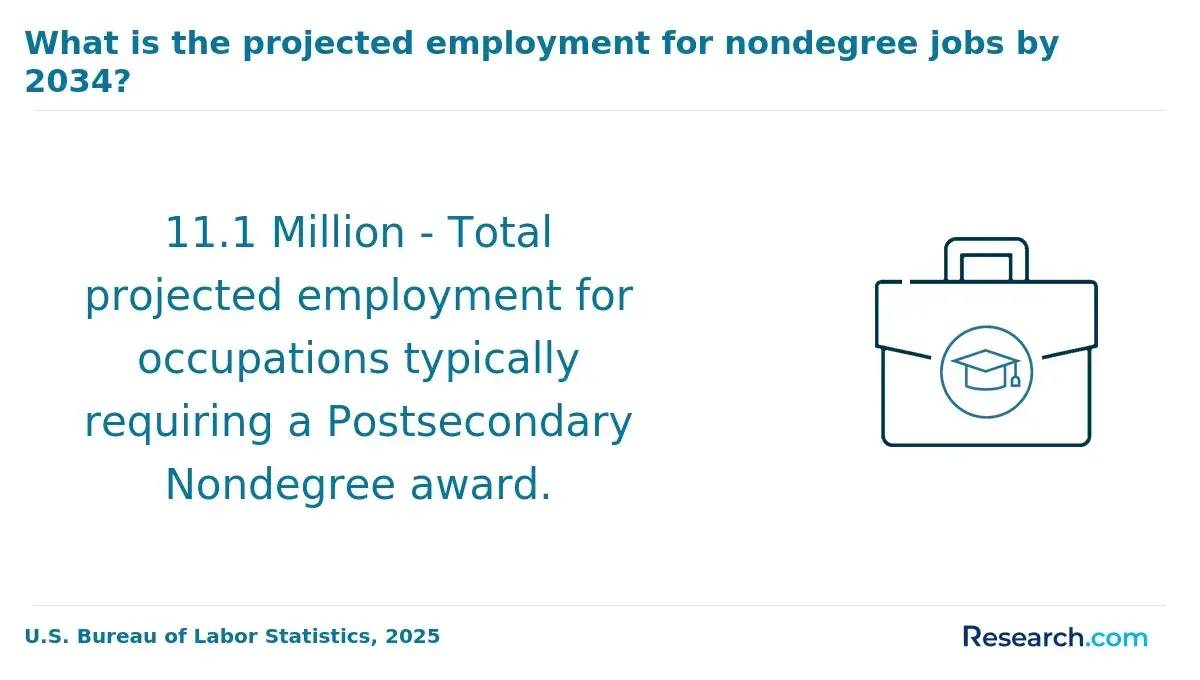
Timing matters. Federal aid is normally disbursed according to the school's schedule, and a payment plan may require an initial installment before expected aid posts. For the 2025-26 award year, the maximum Federal Pell Grant was $7,395 for eligible undergraduate students; actual awards depend on individual eligibility and enrollment. Graduate health informatics students are generally not eligible for Pell Grants but may qualify for other federal aid if they meet requirements.
Before enrolling, ask the financial-aid office to explain how these items will appear on your account:
- Expected aid versus disbursed aid and the date each is applied.
- Whether the payment-plan amount automatically adjusts after grants or loans disburse.
- Whether dropped courses, withdrawal, or reduced enrollment can create an immediate balance due.
- Whether the school holds future registration or transcripts when a plan balance remains unpaid.
Submit the FAFSA and any verification documents early. A payment plan should be based on your confirmed or conservatively estimated net balance, not on aid you hope will arrive. If a school's offer changes after enrollment, request a revised account statement before the next installment is due.
Is there a deposit required before starting Health Informatics monthly payment plans?
A deposit is not required by every school, but many payment plans require a first installment at enrollment. Some schools call this a down payment; others require only a nonrefundable enrollment or setup fee. Admissions deposits, housing deposits, and payment-plan down payments are separate charges, so ask which one applies to an online health informatics student.
The upfront amount often depends on when you join the plan. Enrolling early may allow more installments and a smaller initial payment; enrolling near the start of class may require a larger share of the balance immediately. A plan can also exclude prior-term debt, which may need to be resolved first.
Get these details before providing bank or card information:
- Ask for the required first payment in dollars and the date it will be withdrawn.
- Ask whether the payment-plan enrollment fee is refundable if you drop before classes start.
- Confirm whether financial aid, scholarships, and employer benefits are subtracted before the down payment is calculated.
- Ask whether a previous balance, application fee, or technology fee must be paid separately.
Students considering entry-level healthcare training alongside or before a degree should review online medical assistant programs with financial aid. Their tuition calendars and required clinical expenses may differ considerably from an online informatics program.
Are there fees not covered by monthly tuition payment plans for Health Informatics programs?
Monthly tuition plans commonly cover eligible tuition and some institutional fees, but they may not cover every expense associated with earning a health informatics degree. The school's billing agreement and program cost sheet, rather than the advertised monthly amount, determine what you must pay separately.
This table highlights charges that frequently require separate review. Exact charges vary by institution and program.
| Expense category | Often included in installment balance? | What to confirm |
| Tuition for registered courses | Usually | Whether all enrolled credits are included |
| Technology, distance-learning, or course fees | Sometimes | Whether each fee is eligible for the plan |
| Books, software, and equipment | Often no | Required platforms, textbooks, and computer specifications |
| Application, graduation, or transcript fees | Often no | When each charge is billed |
| Professional certification examination costs | Usually no | Whether certification is optional, required, or recommended |
| Late, returned-payment, or collection fees | No | Fee amount, grace period, and account consequences |
A common mistake is calculating the monthly payment from tuition alone and discovering required fees after registration. Build a separate budget line for technology, books, certification preparation, and unexpected account charges. If the program includes a practicum, ask about background checks, immunizations, travel, or site-related costs as well.
What should you look for in payment plan terms for Health Informatics programs?
Payment-plan terms should be compared as carefully as tuition rates. Two schools can quote similar monthly amounts while one requires a much larger first payment or imposes more severe penalties after a missed installment. Request the agreement before enrollment and save a copy with the date and term identified.
Focus on these contract terms because they affect both affordability and academic continuity:
- The exact amount financed through the plan, number of installments, and automatic-payment dates.
- The required down payment and nonrefundable enrollment or setup fee.
- Whether the plan is interest-free and every fee that can be charged for late, failed, or returned payments.
- Whether a missed payment causes a registration hold, course removal, transcript hold, collections referral, or loss of future plan eligibility.
- How added courses, dropped courses, withdrawals, and delayed financial-aid disbursements change the schedule.
- Whether the school can change installment amounts after a tuition adjustment or aid revision.
Red flags include vague language about "fees may apply," no written explanation of missed-payment consequences, a plan that requires credit-card borrowing each month, or pressure to enroll before your aid package is available. A school should be able to provide a clear itemized student account statement and explain who can answer billing questions.
If your long-term goal is advanced nursing practice rather than health-data work, compare program costs separately for a fastest post master's FNP certificate. Shorter programs can have intensive billing schedules and clinical-related expenses that a standard monthly plan may not cover.
How do you know if online Health Informatics degrees with monthly payments are right for you?
An online health informatics degree with monthly payments is right for you when the program is academically aligned with your target role and the term-by-term installments fit a documented budget. It is not a reason to overlook accreditation, curriculum quality, career relevance, or the total amount you will pay to finish.
Start by comparing your likely net cost, not the advertised tuition. Subtract confirmed grants, scholarships, employer funding, and savings from the term charge. Then divide the remaining eligible balance by the number of plan payments and test whether that amount fits after housing, food, transportation, insurance, and emergency savings.
Use this decision framework before you enroll:
- Confirm that the curriculum supports your intended role, such as health data analyst, health information manager, clinical systems specialist, or informatics coordinator.
- Verify institutional accreditation and any programmatic expectations relevant to your career path; certification and employer requirements can vary.
- Compare the full completion cost, including transfer-credit assumptions and required fees, across at least two programs.
- Choose a payment plan only if every scheduled installment is affordable without relying on high-interest credit.
- Consider paying upfront if doing so avoids fees and does not weaken your emergency fund.
- Consider federal aid or employer support when the funding need extends beyond one term.
Monthly payments are a budgeting tool, not a discount. The strongest choice is a reasonably priced, credible program with a written payment schedule you can meet while preserving financial stability.
Other Things You Should Know About Health Informatics
Many schools allow credit or debit cards, bank transfers, or automatic ACH payments, but accepted methods and card-processing fees vary. Paying tuition by credit card can create higher-cost debt if the balance is not paid quickly, so review the fee and interest implications first.
Sometimes, but options are often more limited after the term starts. You may have fewer installments remaining and a higher required first payment. Ask the school for the enrollment deadline and whether late enrollment changes the plan fee.
Usually not. Certification examinations, memberships, preparation materials, and renewal costs are commonly separate from institutional tuition billing. Review the program's career and certification guidance to determine which credentials are relevant to your goals.
Your bill may be recalculated under the school's withdrawal and refund policy, and financial aid may also be adjusted. You could owe a new balance immediately, so contact financial aid and student accounts before withdrawing whenever possible.
References
- Health Science Degrees Online with Financial Aid https://www.edumed.org/online-schools/health-informatics-degrees/financial-aid/
- Scholarships and Financial Aid for Healthcare Students: How to Fund Your Education https://explorehealthcareers.org/resources/scholarship-financial-aid/
- Tuition Payment Plans for Students - Campus Commerce https://campuscommerce.com/payment-solutions/payment-plans/
- 50 Most Affordable Master's in Health Informatics Programs 2018 - Healthcare Administration Degree Programs https://www.healthcare-administration-degree.net/best/affordable-masters-health-informatics-degree/
- Do Colleges have Payment Plans? | Ascent Funding https://www.ascentfunding.com/blog/how-to-secure-and-use-a-college-tuition-payment-plan/
- M.S. in Health Informatics https://financialaid.mercer.edu/cost-of-attendance/graduate-and-professional/college-of-professional-advancement/m-s-in-health-informatics/
- Financing Your Degree https://aspph.org/student-journey/financing-your-degree/
- 10 Financial Assistance Options for Healthcare Students - WeCareOnlineClasses https://wecareonlineclasses.com/financial-assistance-options-for-healthcare-students/
- What Is a Tuition Payment Plan and How Can You Benefit from One? | NC Assist Loans https://www.ncassist.org/paying-for-college-101/blog/tuition-payment-plan/
- Health Informatics Programs Offered by Accredited Universities https://www.usfhealthonline.com/resources/career/usf-among-accredited-universities-offering-online-health-informatics-programs/