2027 Online Entrepreneurship Bachelor's Degree Programs With Weekly Start Dates

Co-Founder and Chief Data Scientist
Many professionals with unrelated undergraduate degrees face scheduling conflicts that delay their entry into entrepreneurship. Traditional academic calendars offer limited start dates-creating barriers for those seeking immediate career pivots. Online entrepreneurship bachelor's degree programs with weekly start dates solve this issue by providing ongoing enrollment opportunities. According to recent data, 65% of students pursuing these flexible programs reported improved job placement within six months of graduation.
This article explores how these programs accommodate diverse schedules, streamline access to accredited credentials, and equip students for rapid entry into the entrepreneurial workforce-addressing the challenges of flexibility and timing in career transition.
Key Benefits of Online Entrepreneurship Bachelor's Degree Programs With Weekly Start Dates
- Weekly start dates offer unparalleled flexibility-working professionals and career changers can enroll anytime, balancing studies with jobs and personal commitments efficiently.
- They eliminate long wait times tied to traditional semesters, allowing students to begin within days of acceptance, accelerating career progression.
- Programs are regionally accredited, enabling learners to earn credible Entrepreneurship degrees while benefiting from transfer credits and prior learning assessments for faster completion.
What Are Weekly Start Dates in Online Entrepreneurship Bachelor's Programs, and How Do They Differ From Traditional Term-Based Enrollment?
Weekly or rolling start dates in higher education allow students to begin their online entrepreneurship bachelor's degree programs every week-offering a flexible alternative to traditional semester-based enrollment windows, which typically start only two or three times annually. This model significantly reduces the waiting period between application and course commencement, giving students greater control over their academic timeline and enabling faster progress toward degree completion. For example, institutions like Western Governors University and Purdue Global exemplify continuous enrollment, allowing students to register and start classes on a schedule that suits their personal and professional needs.
The main difference between weekly start dates and semester-based programs in entrepreneurship lies in scheduling flexibility. Traditional term-based systems require students to align their enrollment with predetermined start dates, often causing delays. In contrast, weekly enrollment options for online entrepreneurship degrees remove these barriers, helping learners maintain momentum without interruptions.
- Flexibility And Accessibility: Weekly starts enable students to begin coursework as soon as they're ready, bypassing fixed semester deadlines and making education more attainable for adults balancing work and family responsibilities.
- Reduced Wait Times: Rolling start dates eliminate months-long delays common in traditional enrollment, allowing quicker registration and continuous academic progress.
- Student-Centered Scheduling: Learners gain autonomy over their course load and pacing, which supports personalized, efficient degree completion tailored to their unique circumstances.
- Institutional Examples: Schools like Western Governors University and Purdue Global successfully implement rolling enrollment, demonstrating the model's suitability for adult learners in online entrepreneurship programs.
To further maximize savings and accelerate degree completion, students should explore transfer credit options and prior learning assessments recognized by accredited programs. Additionally, understanding costs upfront is essential-resources detailing medical billing and coding certification cost can provide insight into related certification expenses, helping prospective students budget effectively while advancing their education and career goals.
Which Accredited Institutions Offer Online Entrepreneurship Bachelor's Degree Programs With Weekly or Rolling Start Dates?
Several accredited online entrepreneurship degree programs with weekly start dates provide flexibility for students balancing work, family, and education. These universities offer rolling enrollment that allows students to begin their bachelor's degree almost any week or month of the year, removing barriers often caused by traditional semester schedules.
- Fort Hays State University: Offers a Bachelor of Business Administration with an entrepreneurship emphasis. Tuition is $228 per credit for online undergraduates, with enrollment starting weekly to support rolling admissions. The university is regionally accredited by the Higher Learning Commission (HLC).
- Granite State College: Provides a Bachelor of Science in Entrepreneurship with a per-credit tuition of about $320. The program features weekly starts within a flexible enrollment system and holds accreditation through the New England Commission of Higher Education (NECHE).
- Southern New Hampshire University: Features a Bachelor of Science in Business Administration with an entrepreneurship concentration. Tuition is $320 per credit, and monthly start dates allow regular entry points. SNHU is regionally accredited by NECHE.
- Western Governors University: Offers a Bachelor of Science in Business with an entrepreneurship concentration. Tuition is a flat $3,625 per six-month term, and students can begin on the first of every month. WGU is regionally accredited by the Northwest Commission on Colleges and Universities (NWCCU).
- University of the People: Provides a Bachelor's in Business Administration focused on entrepreneurship at $120 per credit with no campus fees. Its monthly start schedule approximates rolling enrollment. Though nationally accredited by the Distance Education Accrediting Commission (DEAC), it is included here because of its flexible enrollment options.
These institutions balance program cost, regional accreditation, and scheduling flexibility, meeting the needs of many learners who seek universities offering online entrepreneurship bachelor's degrees with rolling enrollment. Many also support transfer credits and prior learning assessments to maximize savings and accelerate degree completion.
Because enrollment windows open frequently, students avoid delays typical of semester-based programs and can maintain steady progress toward their degree. This model is particularly supportive for adult learners managing diverse commitments while maintaining a clear academic timeline.
For those interested in related fields, exploring options for a health care administration online degree may also provide valuable career pathways.
How Do Weekly Start Dates in Online Entrepreneurship Programs Benefit Working Adults and Non-Traditional Students?
Weekly start dates eliminate the rigid enrollment timelines that often deter working adults and non-traditional students from pursuing an entrepreneurship bachelor's degree. Rather than waiting months for a new semester to begin, students can start their coursework shortly after acceptance, closing the gap between career goals and actual enrollment. This flexibility supports continual motivation-helping learners stay engaged and finish their programs.
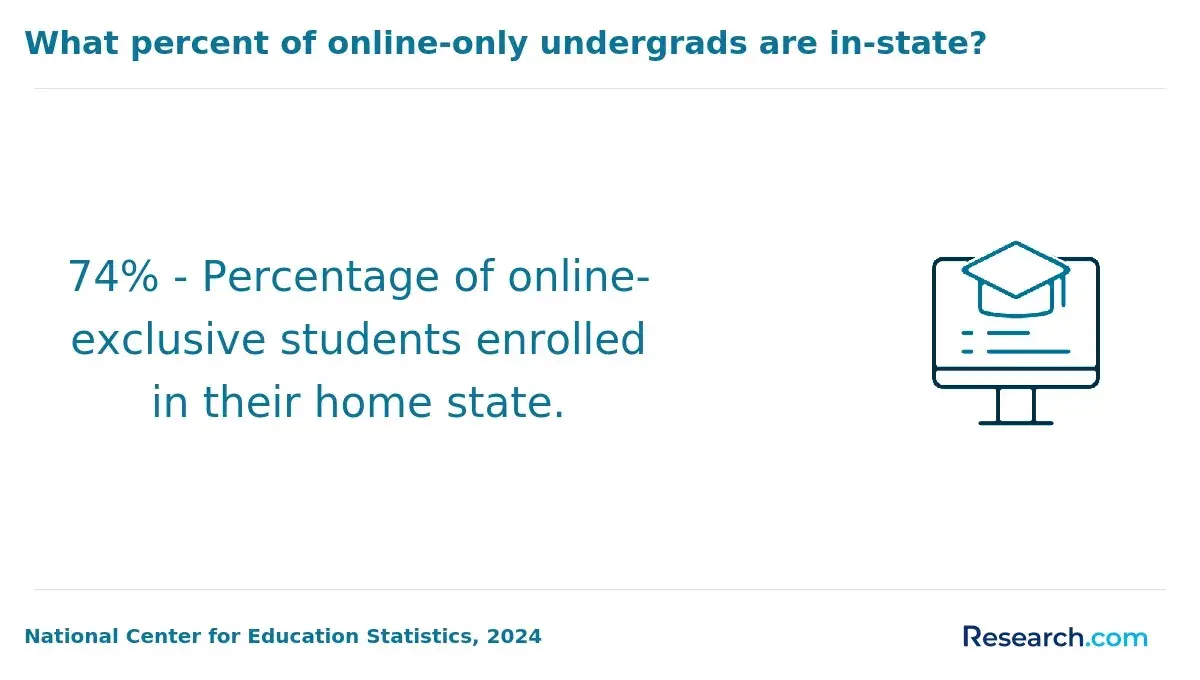
Research from the National Center for Education Statistics and the Lumina Foundation shows that adult learners thrive with adaptable scheduling, as they juggle jobs, family, and studies. By offering multiple start windows, programs reduce interruptions that lead to dropout, resulting in higher persistence and completion rates. Students can fit education into their lives without forcing major adjustments, which is a major factor for sustained success.
This approach also supports quicker degree completion. Immediate course starts minimize wasted time, allowing students to advance professionally and financially sooner. Entering the workforce with credentials earlier creates a better return on education investment and lessens financial strain.
- Immediate Enrollment: Students bypass waiting periods by beginning classes right after acceptance, accelerating their educational journey.
- Higher Retention: Flexible start dates help accommodate busy lifestyles, promoting continuous progress and reducing dropout risks.
- Life Integration: Weekly starts let learners balance school with personal and work commitments, avoiding major upheaval.
- Financial Upside: Earlier degree milestones translate into faster career advancement and increased earning potential.
A professional who enrolled in an online entrepreneurship bachelor's program with weekly start dates described overcoming initial doubts about managing work and family alongside coursework. He explained, "The flexibility meant I didn't have to put my life on hold or wait for months to begin. Once accepted, I started immediately, and that kept my motivation high." He found the ability to set a personalized pace invaluable, noting how it eased stress and helped sustain momentum. "Knowing I wasn't tied to a rigid calendar gave me confidence to keep pushing forward," he added, highlighting how crucial that adaptability was in balancing all his responsibilities while pursuing his career goals.
What Is the Total Tuition Cost for Online Entrepreneurship Bachelor's Programs That Allow Weekly Enrollment?
Online entrepreneurship bachelor's degree programs with weekly start dates often base tuition on per-credit costs, typically requiring 120 credits to graduate. Prices per credit frequently range between $250 and $600, though some institutions utilize flat-rate tuition models allowing students to pay a fixed term fee regardless of course load-ideal for learners aiming to accelerate. Such flexible billing structures can make a notable difference in total expenses.
- Flat-Rate Tuition Models: Many schools offer set fees per term or semester instead of per credit, enabling students enrolling in programs with rolling start dates to take more courses simultaneously and potentially reduce overall tuition.
- In-State Tuition for All: Some universities, including Western Governors University and University of Florida Online, extend in-state tuition rates universally to online learners, helping lower costs compared to typical out-of-state public university fees.
- Additional Fees: Prospective students should factor in technology fees, course materials, and other institutional charges that may add hundreds or even thousands of dollars to the final cost of these degrees.
- Transfer Credits and Prior Learning: Programs with generous transfer credit policies and acceptance of prior learning assessments enable students to shorten degree timelines and decrease cumulative tuition expenditures.
Based on data from NCES IPEDS and institutional tuition pages, the average tuition cost for online entrepreneurship bachelor's degree with weekly start dates tends to fall between $30,000 and $70,000, although this varies by school and program structure. Careful evaluation of total expenses for accredited online entrepreneurship bachelor's programs with rolling enrollment-including supplemental costs-is crucial for an accurate budget.
Students seeking to maximize savings and speed should explore opportunities such as transfer credits alongside prior learning assessments. For further insights on accelerated health-related programs with flexible start dates, consider visiting fasttrack medical.
How Quickly Can Students Complete an Online Entrepreneurship Bachelor's Degree When Enrolling Through a Weekly Start Option?
Credit Load Per Term: Full-time students generally enroll in 12 to 15 credits each term, often finishing their degree in roughly four years. Part-time learners take fewer credits, extending their timeline to six years or beyond. Some programs permit multiple concurrent courses, enabling driven students to hasten completion.
Transfer Credit Policies: Many institutions accept up to 90 transfer credits from previous college coursework or community colleges, dramatically lowering the number of classes needed. Additionally, professional experience and competency-based exams may translate into academic credits.
Self-Paced & Competency Options: Online degrees featuring self-paced or competency-based structures allow students to move forward by proving skills, not simply spending time in class. This format benefits students who can dedicate more hours or who bring relevant expertise, accelerating their studies.
Weekly Enrollment Advantages: Rolling weekly start dates eliminate waiting times common in traditional semester systems. Students can begin courses any week, maintaining momentum without delays tied to fixed terms.
Expected Completion Time: A committed working adult studying full-time with transfer credits and utilizing accelerated or competency-based paths may complete their entrepreneurship bachelor's degree in approximately 18 to 30 months. Those attending part-time without transfer credit should anticipate 4 to 6 years depending on pace and course load.
When asked about how quickly students can finish under a weekly start option, a professional who completed a self-paced entrepreneurship bachelor's reflected on the experience: "Balancing work and study was challenging, but being able to start immediately after enrollment kept me motivated. I appreciated not having to wait for semesters-I could schedule courses around my job and family. The option to prove my knowledge through competency assessments saved me time, especially since I already had years of relevant work experience. It wasn't always easy, but having control over my pace made a significant difference. I felt encouraged by the flexibility to move faster when I had time and take breaks when needed, which for me was the key to finishing sooner than I expected."
What Admission Requirements Must Students Meet to Enroll in an Online Entrepreneurship Bachelor's Program With a Weekly Start Date?
Online bachelor's programs in entrepreneurship with weekly start dates often feature open or rolling admissions, reducing entry barriers compared to traditional semester-based options. Typically, applicants must hold a high school diploma or GED, and minimum GPA requirements hover around 2.0 on a 4.0 scale. Standardized tests like the SAT or ACT are frequently optional or waived to encourage wider participation.
This accessibility can lead to varying levels of academic challenge and support. Programs with open admissions may prioritize quick enrollment over extensive resources, while more selective schools often provide stronger tutoring and advising services. Prospective students should weigh these differences carefully to find a program that aligns with their learning needs and career goals.
Applicants with gaps in education or unconventional backgrounds can improve their chances by emphasizing relevant work experience, certifications, and personal motivation in essays or interviews. Some programs also accept recommendation letters or portfolios highlighting entrepreneurial projects.
Data from the National Center for Education Statistics shows that over 40% of undergraduates now take some online courses-reflecting a growing shift toward flexible learning models like weekly starts.
- Flexible Entry Requirements: Most programs require a high school diploma or GED with a modest GPA, often waiving standardized tests to broaden access.
- Open Admissions Impact: Rolling enrollment lowers barriers but may result in differences in academic rigor and support availability.
- Academic Preparedness: Highlight professional experience and motivation, especially if academic history is non-traditional or interrupted.
- Support Services Variability: Evaluate the level of tutoring and advising offered, as it can vary greatly between programs.
- Growing Online Enrollment: With more than 40% of students taking online courses, weekly start programs respond to the demand for flexible education.
How Do Online Entrepreneurship Programs With Weekly Starts Handle Transfer Credits From Previous College Coursework?
Weekly-start online entrepreneurship bachelor's degree programs often offer generous transfer credit policies-an important advantage for learners aiming to save time and tuition fees. Several top institutions, including Southern New Hampshire University and Colorado State University Global, accept up to 75% or more of the required credits from prior accredited college coursework, military training, or professional development courses. These transfer credits dramatically shorten the path to degree completion.
The American Council on Education (ACE) plays a critical role by evaluating non-traditional learning experiences such as employer-based courses and military training, converting them into recommended academic credits. This evaluation supports adult learners returning to education by recognizing diverse knowledge and skills gained outside traditional classrooms.
Prospective students should always request a detailed transcript evaluation before enrollment to clearly understand how transfer credits apply to their program requirements. This step prevents surprises and allows for better academic and financial planning. According to recent data from the National Center for Education Statistics, nearly 40% of undergraduate students utilized transfer credits to accelerate their degrees, reflecting increased demand for flexible and affordable online pathways.
- Flexible Transfer Options: Weekly-start programs accept credits from regionally accredited colleges, military service, and employer courses, facilitating faster degree completion.
- ACE Evaluation: The American Council on Education's credit recommendations enable credit recognition for non-traditional learning, benefiting adult learners with varied experiences.
- High Credit Limits: Leading programs permit transfer of up to 75% of credits, maximizing both cost savings and accelerated progress.
- Transcript Evaluation Needed: Early credit review helps students know exactly what's required to complete their entrepreneurship degree.
- Increasing Transfer Trends: About 40% of students used transfer credits recently, showing a growing preference for flexible, rolling start degree programs.
What Financial Aid and Scholarship Options Are Available for Students Enrolling in Weekly-Start Online Entrepreneurship Programs?
Students enrolling in weekly-start online entrepreneurship bachelor's programs can access federal financial aid options similar to traditional semester-based formats. Pell Grants provide need-based funds that do not require repayment, while subsidized and unsubsidized Stafford loans offer low-interest borrowing for undergraduates. Federal work-study programs may also be available, although eligibility depends on the institution and scheduling format. These financial aid resources help support students pursuing weekly start financial aid options for online entrepreneurship bachelor's programs.
Because weekly-start programs operate on rolling calendars, it's important to coordinate FAFSA submissions carefully. The FAFSA opens each October 1 for the upcoming academic year, and many grants-especially institutional scholarships-are awarded on a first-come, first-served basis. Applying early increases chances of securing aid. Though the academic structure differs from traditional semesters, aid usually applies per term or credit hour and adjusts according to enrollment intensity.
Data from College Board's Trends in Student Aid show that average aid packages for undergraduates typically combine grants, loans, and work-study awards totaling several thousand dollars annually. Amounts vary widely based on financial need, enrollment status, and institutional policies. Online learners in accredited programs often receive similar aid to on-campus students. Many scholarships specifically target entrepreneurship majors and online learners, offered by professional associations, nonprofits, and colleges.
Prospective students should research scholarships and complete the FAFSA early. Navigating financial aid for weekly enrollment entrepreneurship degrees may require direct contact with financial aid offices to understand deadlines and fund disbursement. Additionally, those seeking career advancement may explore jobs with biology degree for potential career paths related to their studies.
- Federal Aid Eligibility: Pell Grants, Stafford loans, and work-study programs are available to students in weekly-start entrepreneurship programs if the institution offers federal aid and students maintain satisfactory enrollment.
- FAFSA Timing: Submitting the FAFSA as soon as it opens on October 1 is essential due to first-come, first-served distribution of many grants and scholarships.
- Rolling Calendar Considerations: Students must confirm how aid corresponds to short-term enrollment periods to ensure continuous funding throughout multiple weekly start dates.
- Scholarship Opportunities: Numerous scholarships target entrepreneurship majors and online learners; early research and application improve the chances of reducing out-of-pocket costs.
- Average Aid Packages: College Board data reveal that undergraduates typically receive a mix of grants, loans, and work-study totaling several thousand dollars annually, though individual awards vary based on eligibility and enrollment intensity.
What Accreditation Standards Should a Weekly-Start Online Entrepreneurship Bachelor's Program Meet to Ensure Employer and Transfer Recognition?
When selecting an accredited online entrepreneurship bachelor program for employer recognition, confirming its accreditation status is crucial. Regional accreditation remains the gold standard because it ensures wider acceptance by employers and smoother credit transfer compared to national accreditation. The seven regional accrediting bodies approved by the U.S. Department of Education include the Middle States Commission on Higher Education (MSCHE), New England Commission of Higher Education (NECHE), Higher Learning Commission (HLC), Northwest Commission on Colleges and Universities (NWCCU), Southern Association of Colleges and Schools Commission on Colleges (SACSCOC), Western Association of Schools and Colleges Senior College and University Commission (WSCUC), and the Accrediting Commission for Community and Junior Colleges (ACCJC). Most weekly-start online entrepreneurship programs maintain accreditation through these rigorous regional agencies to enhance transfer credit policies for weekly start entrepreneurship degrees and ensure credibility in the job market.
National accreditation, often associated with specialized or vocational schools, typically lacks the broad recognition necessary in the field of entrepreneurship. Students from nationally accredited-only institutions may face challenges transferring credits to regionally accredited schools or pursuing graduate degrees in entrepreneurship-making it essential to verify any program's accreditation directly via the U.S. Department of Education's official database before enrolling.
- Accreditation Types: Regional accreditation is widely accepted by employers and institutions, while national accreditation offers limited credit transferability and recognition.
- Seven Regional Bodies: MSCHE, NECHE, HLC, NWCCU, SACSCOC, WSCUC, and ACCJC uphold rigorous quality standards supporting weekly enrollment programs.
- Weekly-Start Accreditation: Legitimate online entrepreneurship programs with rolling start dates usually hold regional accreditation, aiding career advancement and credit transfers.
- Verification Importance: Always confirm accreditation status through the U.S. Department of Education's database to avoid enrollment risks.
- Risks of National Accreditation: Credits may not transfer smoothly to regionally accredited schools, limiting academic and professional opportunities.
For working professionals and adult learners, understanding these distinctions helps in choosing a program that supports flexible start dates without compromising quality or transfer opportunities. Additionally, exploring options like prior learning assessments and generous transfer credit policies can speed up degree completion and reduce tuition costs. For more information on flexible nursing pathways, see RN to BSN online no clinicals.
How Is Coursework Structured in Online Entrepreneurship Bachelor's Programs With Weekly Starts Compared to Semester-Based Formats?
Weekly-start entrepreneurship bachelor's programs commonly deliver coursework through asynchronous video lectures, allowing students to study at their convenience while adhering to weekly assignment deadlines. Active discussion boards foster ongoing engagement, and digital collaboration tools support teamwork and real-time communication with peers and instructors. These programs usually condense courses into five to eight weeks, unlike traditional semester-based formats that span around 15 weeks. This accelerated pace demands strong self-discipline and excellent time management skills to remain on track.
This model emphasizes core entrepreneurship skills such as business planning, opportunity recognition, strategic decision-making, adaptability, and project management. The fast timeline helps students develop these competencies quickly but offers fewer opportunities for deep immersion and networking compared to longer semesters. Prospective students should prepare by setting structured weekly study routines and utilizing available technology to organize their workload effectively.
According to the National Center for Education Statistics, online postsecondary enrollment increased by 14% in 2022, highlighting a rising preference for flexible and accelerated learning options.
- Flexible Learning: Asynchronous videos enable learners to progress on their own schedule, necessitating self-motivation to meet weekly deadlines.
- Accelerated Terms: Programs typically run five to eight weeks, intensifying study demands compared to 15-week semesters.
- Practical Skills Focus: Emphasis on developing business planning and innovation skills fosters adaptability.
- Networking Limitations: Shorter durations reduce chances for in-depth reflection and peer connection.
- Success Strategies: Maintaining discipline, active participation, and mastering digital tools are essential for thriving in fast-paced programs.
Can Students Earn Credit Through CLEP, DSST, or Prior Learning Assessment in Weekly-Start Online Entrepreneurship Programs?
Online entrepreneurship bachelor's programs with weekly start dates often allow students to earn credit through Credit by Examination options like CLEP and DSST, as well as Prior Learning Assessment (PLA). These methods enable students to apply existing knowledge-gained through work experience, military training, or other learning-to skip courses, shortening time to degree and lowering tuition costs. CLEP exams, overseen by the College Board, and DSST tests, evaluated by the American Council on Education (ACE), provide widely accepted standardized pathways that align with foundational entrepreneurship topics.
Programs with flexible PLA policies permit students to submit portfolios containing work samples, official transcripts, certificates, or military education records for credit evaluation. Some institutions allow up to 30 or more credit hours through PLA, often recognizing ACE's military training recommendations to benefit veteran students. Early engagement with academic advisors helps clarify requirements, deadlines, and documentation standards.
- Standardized Credit Exams: CLEP and DSST let students bypass introductory entrepreneurship courses by passing exams recognized by most accredited schools, accelerating progress and reducing costs.
- Generous PLA Policies: Leading weekly-start programs accept diverse prior learning evidence, including portfolios and training certificates, awarding substantial academic credit toward degree completion.
- Military Training Credit: Many schools use the ACE credit recommendation system to convert military education into college credits, aiding veterans in applying their practical knowledge.
- Portfolio Preparation: Students should compile transcripts, certificates, and reflective essays carefully to support PLA applications and improve approval chances.
- Academic Advising: Early consultation with advisors ensures students understand institutional policies and can strategically use exam and PLA credits to finish their degrees faster.
What Graduates Say About Online Entrepreneurship Bachelor's Degree Programs With Weekly Start Dates
- Stephanie: "I chose the online Entrepreneurship bachelor's degree program with weekly start dates because it offered the flexibility I needed to balance work and study. The program's affordable cost made it accessible without compromising quality, which was important to me as I was self-funding my education. Completing the program helped me gain the confidence and skills necessary to launch my own startup-something I hadn't felt ready to do before."
- Alexis: "Reflecting on my experience, the program's weekly start dates allowed me to begin my journey exactly when I was ready rather than waiting for a traditional semester. Although the tuition was a significant investment, it felt worthwhile given the practical knowledge and networking opportunities provided. Since graduating, I have secured a management role that directly benefits from the entrepreneurial mindset I developed during the course."
- Eli: "What drew me to this specific online Entrepreneurship bachelor's program was its unique structure designed for busy professionals looking to pivot their careers swiftly. The cost was quite reasonable compared to other programs I researched, making it easier for me to commit. The skills and strategies I learned have already started paying off-I was promoted within months of finishing and now lead a team focused on innovation."
Other Things You Should Know About Entrepreneurship Degrees
Prospective students should assess program accreditation, curriculum relevance, faculty credentials, and flexibility of the study schedule. Evaluating student reviews and job placement rates can also be helpful. Understanding how the program aligns with their career aspirations and opportunities for practical experience is crucial.
Graduates with a bachelor's degree in entrepreneurship can pursue roles such as small business owners, business consultants, startup founders, or project managers. Entry-level salaries typically range from $45,000 to $60,000 annually, with increased earning potential as experience and business success grow. Skills gained in innovation, financial management, and strategic planning position graduates for leadership roles and the opportunity to scale their own ventures.
Programs with weekly start dates often feature comprehensive student support services including academic advising, career counseling, and technical assistance available 24/7. Many schools provide access to tutoring, writing centers, and virtual networking events tailored to entrepreneurship students. These services aim to create a supportive online learning community that encourages persistence and timely degree completion.
References
- How to Get a Degree in Entrepreneurship https://www.uschamber.com/co/start/startup/entrepreneurship-degree
- What do you learn in a bachelor's in entrepreneurship? | edX https://www.edx.org/resources/what-do-you-learn-in-a-bachelors-in-entrepreneurship
- Stevenson University https://www.stevenson.edu/online/about-us/news/how-long-does-it-take-to-get-a-business-degree-online/
- Multi-Course Comparison of Traditional versus Web-based Course Delivery Systems https://www.oalib.com/paper/2044713
- Eight benefits of choosing Self-Paced Online (SPO) College Courses - MSU Denver https://www.msudenver.edu/innovative-lifelong-learning/blog/eight-benefits-of-choosing-self-paced-online-college-courses/
- Assessing Online Programs Virtual Versus Traditional in Business Schools https://www.scribd.com/document/559702335/Assessing-Online-Programs-Virtual-Versus-Traditional-in-Business-Schools
- CLEP/DSST Exams - NECC https://necc.edu/academics/beyond-the-classroom/credit-prior-learning/clepdsst-exams/
- Do Online Colleges Follow the Same Schedule as Traditional Colleges? - https://www.top10onlinecolleges.org/faq/do-online-colleges-follow-the-same-schedule-as-traditional-colleges/
- Online Bachelor of Business Administration and Digital Innovation with Digital Entrepreneurship https://www.global-business-school.org/programs/bachelor-europe-bachelor-of-business-administration-online/online-bachelor-of-business-administration-and-digital-innovation-with-digital-entrepreneurship/
- Pardon Our Interruption https://www.aiuniv.edu/degrees/business/bachelors-business-administration-entrepreneurship-bba