2027 Self-Paced Online Entrepreneurship Bachelor's Degree Programs

Co-Founder and Chief Data Scientist
Many working professionals with unrelated undergraduate degrees face challenges when seeking a flexible education path to enter the entrepreneurship field. Traditional programs often demand fixed schedules, limiting the ability to balance work and study. A 2023 study revealed that 62% of students prefer self-paced online entrepreneurship bachelor's degree programs for their adaptability and personalized learning speed.
This mode enables learners to develop crucial business skills without sacrificing career or personal commitments. This article explores self-paced online entrepreneurship bachelor's degree programs, providing insights to help prospective students find accredited, flexible options to successfully transition into the entrepreneurship industry.
Key Benefits of Self-Paced Online Entrepreneurship Bachelor's Degree Programs
- Self-paced online entrepreneurship bachelor's programs offer flexibility for working professionals, allowing study around job schedules without fixed deadlines.
- Such programs enable accelerated skill acquisition through competency-based models, letting students advance upon mastery rather than seat time.
- They provide cost-effective pathways by reducing tuition through online delivery and credit for prior learning, making accredited degrees more accessible.
What Are Self-Paced Online Entrepreneurship Bachelor's Degree Programs, and How Do They Differ From Traditional Online Formats?
Self-paced online entrepreneurship bachelor's degree programs provide a flexible alternative to traditional formats by letting students progress through coursework at their own speed. Unlike cohort-based programs where all students start and finish together, or asynchronous-but-scheduled models requiring module completion within set timeframes, self-paced options allow learners to enroll anytime and tailor their pace to personal and professional needs. This flexibility is ideal for working professionals and non-traditional students balancing multiple responsibilities.
- Open Enrollment: Students can begin studies at any point without waiting for traditional semester starts, granting immediate course access.
- Flexible Timelines: Learners set their own pace, accommodating diverse schedules and learning preferences without strict deadlines.
- Milestone-Based Progression: Advancement is based on completing competencies or assignments rather than a calendar, enabling focused skill development before moving forward.
- Time Management: Unlike traditional online entrepreneurship bachelor's programs with weekly deadlines, self-paced learners must independently organize study schedules to maintain progress.
- Faculty Interaction: Support is often on-demand via messaging or scheduled virtual office hours rather than live classes, leading to less synchronous engagement.
- Student Accountability: Motivation and discipline are crucial, as learners rely heavily on self-directed study and milestone tracking to finish in timely fashion.
- Competency-Based Models: Many self-paced programs integrate competency-based education, allowing students to demonstrate mastery before advancing, potentially accelerating completion.
- Transfer Credits & Assessments: Flexible credit transfer policies and recognition of prior learning are common, reducing total study time and supporting non-traditional learners.
- Financial Aid Eligibility: Despite flexible pacing, these programs frequently qualify for federal and institutional aid, making them accessible to a broad range of students.
- Ideal Candidates: Individuals needing maximum flexibility-such as working adults, caregivers, or first-time enrollees-benefit most from self-paced entrepreneurship programs.
For those exploring flexible pathways, self-paced entrepreneurship degrees can be complemented by related options such as an online associate degree that offers accelerated entry points or foundational credentials.
Which Accredited Institutions Offer Self-Paced Online Entrepreneurship Bachelor's Degree Programs?
Several accredited institutions offer self-paced online entrepreneurship bachelor's degree programs designed for students who need flexible scheduling and personalized pacing. These programs typically use competency-based education models, allowing learners to advance by demonstrating mastery of skills rather than adhering to traditional semester deadlines. This format benefits working professionals, non-traditional students, and first-time college enrollees seeking maximum flexibility.
Here are five regionally accredited universities providing some of the most flexible online entrepreneurship degree options, verified through data from the College Scorecard and institutional websites:
- Western Governors University: A nonprofit university with a competency-based Bachelor of Science in Business Administration focusing on entrepreneurship. Tuition is subscription-based at about $3,920 per six-month term, offering unlimited course completion within that timeframe. WGU holds accreditation from the Northwest Commission on Colleges and Universities (NWCCU), and students typically finish in two to three years.
- Capella University: Offers a FlexPath Bachelor of Science in Business with an entrepreneurship specialization. Students pay a flat tuition fee-approximately $2,900 per term-and can complete multiple courses based on demonstrated proficiency. Accredited by the Higher Learning Commission (HLC), Capella's format supports completion within two to four years.
- Southern New Hampshire University: Provides a self-paced Bachelor of Science in Business Administration with an entrepreneurship concentration. Tuition is charged per credit at $320, with generous transfer credits and prior learning assessments. Accredited by the New England Commission of Higher Education (NECHE), many students graduate within three to four years.
- Thomas Edison State University: Features a competency-based Bachelor of Science in Business with an entrepreneurship track. Tuition costs $398 per credit hour, with options to accelerate graduation through credit for prior learning and portfolio assessments. TESU is accredited by the Middle States Commission on Higher Education (MSCHE) and typically sees completion in two to five years.
- Northern Arizona University: Their personalized learning pathway offers a Bachelor of Arts in Entrepreneurship delivered fully online on a self-paced basis. Tuition is about $350 per credit hour for online Arizona residents. NAU holds accreditation from the Higher Learning Commission (HLC), with an average time to degree of two to four years.
These top accredited universities combine flexible self-paced or competency-based structures with regional accreditation, transfer credit acceptance, and prior learning assessments-key features to explore for prospective students. Financial aid eligibility also plays a vital role when considering options among online business schools.
The availability of these self-paced entrepreneurship bachelor's degree programs reflects growing demand for adaptable education pathways that accommodate diverse student needs across the U.S.
2026 Update: Evaluating Hands-On Venture Support
For 2026, this article was refreshed to help students look beyond flexibility and compare how well self-paced online entrepreneurship programs support real business-building practice.
- Whether courses include market research, customer discovery, and business model testing rather than only theory.
- If students complete a capstone, venture plan, pitch deck, or portfolio that can be shown to employers, investors, or partners.
- How feedback is delivered in a self-paced format, including instructor reviews, peer input, or mentor guidance.
- Whether the program offers access to virtual incubators, entrepreneurship clubs, speaker events, or founder communities.
- If assignments allow students to work on their own startup idea, family business, nonprofit concept, or workplace innovation project.
- What career services are available for entrepreneurial paths, such as freelancing, small business ownership, consulting, or startup roles.
Checking these factors helps students choose a program that fits their schedule while still building practical skills and evidence of entrepreneurial readiness.
How Long Does It Take to Complete a Self-Paced Online Entrepreneurship Bachelor's Degree?
Completion timelines for self-paced online entrepreneurship bachelor's degrees vary significantly, reflecting each student's unique pace and prior experience. While traditional part-time programs usually require between 4.5 to 6 years according to National Center for Education Statistics data, accelerated self-paced options can reduce this considerably-some finish as quickly as 18 months.
- Transfer Credits: Many programs accept college-level coursework from previous schools. This reduces the overall credit load and can shorten degree completion by up to a year if a substantial number of relevant credits apply.
- Prior Learning Assessments: Work experience, certifications, or professional training may be evaluated for academic credit, allowing students to bypass classes and speed up the process.
- Weekly Study Commitment: Students dedicating 15 to 20 hours per week tend to move through material faster than those with lighter schedules, highlighting the importance of consistent weekly effort.
- Competency-Based Education: Programs that advance learners upon demonstrated mastery-not seat time-offer a flexible route to accelerate progression for those who grasp concepts quickly.
- Support Services: Academic advising, tutoring, and time management resources are critical in maintaining steady progress and avoiding common pitfalls associated with self-directed learning.
- Realistic Scheduling: Setting achievable personal timelines aligned with professional and personal commitments helps prevent burnout and keeps students on track.
When interviewed, a professional pursuing a self-paced entrepreneurship degree shared that balancing work and studies was the biggest challenge. "It wasn't just about logging hours but managing motivation," he said. He appreciated the ability to leverage prior certifications for credit, which saved valuable time. "The flexibility allowed me to push faster when life calmed down and slow down during busy periods, but staying disciplined was key." Reflecting on his journey, he emphasized that personalized planning and regular check-ins with advisors were essential to avoid feeling overwhelmed and to maintain steady progress toward graduation.
What Are the Admission Requirements for Self-Paced Online Entrepreneurship Bachelor's Degree Programs?
High School Diploma or GED: Nearly all self-paced programs require a high school diploma or GED as a baseline to confirm applicants' readiness for college-level coursework. This admission criterion for self-paced online entrepreneurship degrees ensures foundational academic skills.
Minimum GPA Expectations: While many programs expect a GPA between 2.5 and 3.0 on a 4.0 scale, some waive this requirement for flexible online learners. Applicants with lower GPAs often bolster their applications through professional experience or vocational training documentation.
Prerequisite Courses: Some self-paced online entrepreneurship bachelor's degree enrollment requirements include introductory coursework in math, English, or business. However, many programs reduce prerequisites to accommodate adult learners and emphasize self-motivation and independent study.
Open-Enrollment and Rolling Admission: A significant number of programs feature open-enrollment or rolling admissions, which lowers barriers and enables non-traditional and returning students to begin studies without strict application deadlines.
Selective vs. Open-Access Admissions: More selective programs usually provide additional academic support such as tutoring and advising, while open-access options offer greater flexibility but require students to be proactive in seeking resources.
Application Strengthening Tips: If you don't meet all enrollment requirements, consider submitting portfolios, recommendation letters, or emphasizing relevant work experience. Completing prerequisite courses or certificate programs before applying can also improve your chances.
Students exploring flexible options may also benefit from reviewing degree affordability comparisons, such as those offered for an online master's degree cyber security.
How Much Does a Self-Paced Online Entrepreneurship Bachelor's Degree Cost, and What Affects Tuition?
Per-Credit Tuition: Tuition commonly ranges from $300 to $600 per credit, meaning that a traditional 120-credit program can cost between $36,000 and $72,000. Accelerating through courses helps reduce the overall expense by limiting the number of credits taken over time.
Flat-Rate Subscription: Some programs charge a monthly or term-based flat fee, granting unlimited access to courses within that period. Quick completion can decrease total costs, but longer enrollment may lead to higher expenses due to extended subscription payments.
Bundled Fee Arrangements: A few schools offer all-inclusive pricing that covers tuition, digital materials, and tech fees upfront-typically from $20,000 to $50,000. This simplifies budgeting but demands a larger initial payment.
Technology and Proctoring Fees: Hidden charges, such as mandatory technology fees averaging $100 to $500 yearly and proctoring fees of $25 to $50 per exam, can add several hundred dollars to the final cost.
Course Materials and Software: Proprietary software or online resource subscriptions may range from $200 to over $1,000 annually. Some programs bundle these costs; others require separate payments.
Total Cost vs. Upfront Price: Choosing the lowest upfront tuition does not always ensure the lowest total cost, as slower progression increases cumulative fees. Estimating one's ideal pace is vital to selecting the most economical payment plan.
A professional who completed a self-paced online Entrepreneurship bachelor's degree shared that managing pacing was key to controlling expenses. She recalled, "I initially underestimated the fees for tech and materials, which added up unexpectedly." Her approach was to complete multiple courses each term, which helped minimize subscription time and costs. Reflecting on this experience, she emphasized how critical it was to balance workload with budget considerations, explaining that "knowing your own learning speed and planning financially helped me avoid surprises." Her story highlights the practical challenges and rewards of navigating complex tuition models while advancing a career.
What Financial Aid Options Are Available for Self-Paced Online Entrepreneurship Bachelor's Programs?
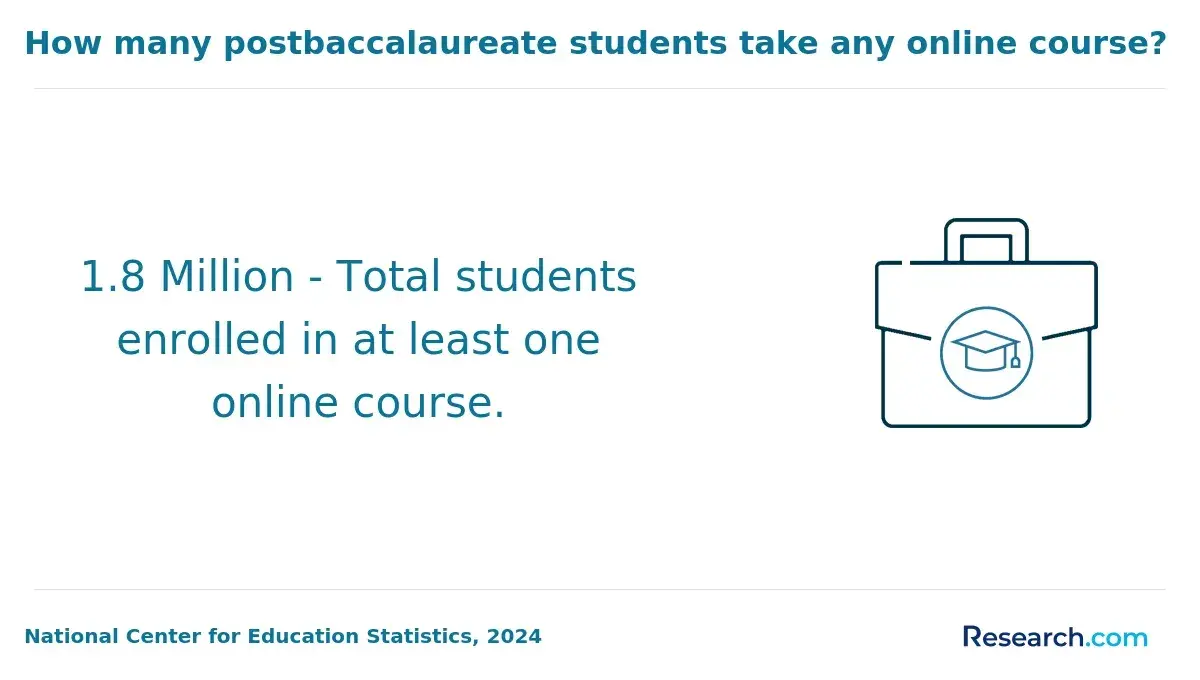
Self-paced and competency-based online entrepreneurship bachelor's degree programs often qualify for federal financial aid, including Pell Grants and Direct Loans, but eligibility is sometimes linked to credit-hour equivalents rather than traditional semester enrollment. Completing the FAFSA is critical, as aid calculations and disbursement timelines can differ from those of standard programs. According to the National Center for Education Statistics, about 30% of undergraduates exclusively enrolled in distance education courses received federal aid in 2021-2022.
State financial aid availability varies widely, with some states extending support to online or competency-based students while others restrict aid to on-campus learners. Institutional financial assistance is commonly offered, ranging from scholarships to tuition discounts tailored specifically for online or self-paced students. Additionally, certain professional organizations in the entrepreneurship field provide scholarships encouraging leadership and innovation, complementing traditional aid sources.
Because financial aid rules for self-paced programs can deviate from typical models-affecting when and how students receive funding-consulting directly with a program's financial aid office helps clarify eligibility requirements and funding schedules. This ensures learners can plan finances effectively before enrollment.
- Federal Aid Eligibility: Most self-paced entrepreneurship programs qualify for federal grants and loans, but aid awards depend on credit equivalencies, making FAFSA submission essential for determining aid amounts and timing.
- State Aid Variability: State-based financial aid policies differ greatly; some include online learners, while others do not, so students should verify their state's stance on online or competency-based program funding.
- Institutional Scholarships: Many colleges offer specific scholarships or tuition reductions designed to support self-paced or online students, helping to lower overall education costs.
- Professional Association Grants: Scholarship opportunities from entrepreneurship-focused organizations often reward students demonstrating commitment and innovation in the field, adding valuable funding options.
- Financial Aid Consultation: Due to unique disbursement schedules in self-paced programs, direct communication with financial aid offices is advised to understand current policies and ensure timely access to funds.
How Do Competency-Based Education (CBE) Models Work in Self-Paced Online Entrepreneurship Programs?
Competency-based education (CBE) in self-paced online entrepreneurship programs centers on skill mastery instead of traditional classroom hours. Students demonstrate their knowledge through assessments such as projects, exams, or presentations, allowing institutions to measure learning rather than time spent. This approach enables faster completion for motivated learners or those with relevant experience, offering valuable flexibility for professionals balancing work and family.
CBE programs convert competencies into credit hours to determine financial aid eligibility, but the method varies. Direct assessment programs, approved by the U.S. Department of Education, base financial aid on demonstrated learning without traditional credit hours. In contrast, credit-hour-equivalent CBE programs align assessments with established credit systems, affecting institutional reporting and aid qualification.
Notable programs include Western Governors University's Bachelor of Science in Business with an entrepreneurship focus, which employs online assessments and real-world tasks supported by mentors. Southern New Hampshire University offers a competency-based business degree emphasizing entrepreneurship with faculty coaching and industry partnerships. Purdue University Global provides a Bachelor of Science in Entrepreneurship combining project-based learning and regular evaluations, supported by accessible advisors and career services.
Succeeding in CBE demands strong self-discipline and time management, as students often study independently without fixed schedules. Prospective learners should carefully assess their readiness for self-directed study and how well this model fits their learning preferences.
According to the Babson Survey Research Group, over 40% of U.S. colleges have incorporated competency-based education into at least one program, reflecting its rising validation in higher education and the workforce.
- Mastery Over Time: CBE prioritizes demonstrated skills through varied assessments instead of tracking seat time, allowing personalized pacing that suits individual needs.
- Financial Aid Eligibility: Differences between direct assessment and credit-hour-equivalent programs impact how financial aid is awarded and reported, influencing student aid options.
- Program Models: Institutions like Western Governors University, Southern New Hampshire University, and Purdue University Global offer flexible entrepreneurship degrees with robust faculty support and employer recognition.
- Self-Discipline Needed: Independent learning in CBE requires motivation and effective time management to thrive without structured schedules.
- Growing Adoption: Nearly half of U.S. colleges use competency-based education, indicating growing acceptance and support from higher education communities and employers.
What Accreditation Should a Self-Paced Online Entrepreneurship Bachelor's Program Hold?
When selecting a self-paced online entrepreneurship bachelor's program, accreditation plays a crucial role in determining the quality and acceptance of your degree. Regional accreditation holds greater weight with employers and graduate schools in the entrepreneurship field than national accreditation. These regional accreditations are granted by six U.S. Department of Education-recognized bodies: the Middle States Commission on Higher Education (MSCHE), New England Commission of Higher Education (NECHE), Higher Learning Commission (HLC), Northwest Commission on Colleges and Universities (NWCCU), Southern Association of Colleges and Schools Commission on Colleges (SACSCOC), and WASC Senior College and University Commission (WSCUC).
Besides regional accreditation, some self-paced entrepreneurship programs also hold programmatic accreditation-specialized recognition targeting business education standards. This additional accreditation can enhance a program's credibility and relevance. Conversely, nationally accredited programs often focus on career-oriented training but generally carry less prestige. Credits earned from these institutions may not transfer easily to regionally accredited schools, which can limit future educational opportunities.
Enrolling in nationally accredited or non-accredited programs poses risks such as ineligibility for federal financial aid, difficulties transferring credits, and skepticism from employers and graduate admissions committees that could hinder career advancement. Prospective students should verify accreditation status using trusted sources like the U.S. Department of Education's accreditation database and the Council for Higher Education Accreditation's (CHEA) directory before applying.
Flexibility and quality are key when exploring options, including programs that emphasize competency-based education models, transfer credit policies, prior learning assessments, and financial aid eligibility. For those also interested in fields related to entrepreneurship, exploring a masters in cryptocurrency offers additional pathways in emerging industries.
- Regional Accreditation: This most credible form of U.S. accreditation ensures academic quality and wide recognition in entrepreneurship, granted by six regional agencies overseeing geographic areas.
- National Accreditation: Typically for vocational schools, these accreditations have less prestige and often limit credit transfer and graduate study options.
- Programmatic Accreditation: Some entrepreneurship programs earn specialized accreditation that vouches for business education standards, bolstering degree value.
- Credit Transfer Risks: Enrolling outside regionally accredited institutions may prevent transferring credits to traditional colleges, restricting further education.
- Career Advancement Impact: Degrees from regionally accredited schools usually carry more weight with employers, improving job prospects and professional credibility.
- Verification Resources: Use the U.S. Department of Education's database and CHEA's directory to confirm any program's accreditation status before enrolling.
How Many Transfer Credits Can Be Applied Toward a Self-Paced Online Entrepreneurship Bachelor's Degree?
Self-paced online entrepreneurship bachelor's degree programs commonly evaluate transfer credits based on institutional accreditation, relevance of completed coursework, and maximum credit limits. Transfer credit policies vary, but many programs offer generous acceptance-sometimes up to 90 semester hours-to help students progress faster. This flexibility is particularly beneficial for working professionals or non-traditional students seeking to leverage previous academic or professional experience.
Programs with the most flexible policies often accept credits from regionally accredited community colleges, universities, and military training verified through American Council on Education (ACE) recommendations. Articulation agreements between universities and community colleges further streamline credit transfers, reducing administrative hurdles and ensuring students retain as many applicable credits as possible.
Before enrolling, it is essential to request a formal transfer credit evaluation to determine exactly how many credits will count toward the entrepreneurship degree. This evaluation reviews course content, level, and grades to ensure alignment with program requirements, helping students understand their remaining credit load and the impact on tuition and time to degree completion. Those exploring advanced degree options may also consider programs listed under the shortest online masters degree for further educational advancement.
- Credits Accepted: Many entrepreneurship programs allow transfer of up to 90 credits, enabling substantial preparation before starting online coursework.
- Military and ACE Credits: Service members benefit from ACE evaluations that translate military training into transferable academic credits.
- Community College Agreements: Established articulation agreements support smoother credit transfers from two-year colleges to four-year institutions.
- Accreditation Impact: Credits from regionally accredited institutions have higher acceptance rates, emphasizing careful school selection.
- Credit Evaluation: A pre-enrollment credit review is crucial for transparent planning of academic progress and financial needs.
Can Students Earn Credit Through Prior Learning Assessment in Self-Paced Online Entrepreneurship Programs?
Prior Learning Assessment (PLA) enables students in self-paced entrepreneurship bachelor's programs to earn academic credit for knowledge gained through professional experience, military training, industry certifications, and independent study. This credit is typically awarded via portfolio reviews, challenge exams, or recognized standardized tests like CLEP and DSST. Affordable programs offering the most flexible PLA policies often allow students to apply between 30% and 50% of their degree credits through PLA, with processes requiring comprehensive documentation such as work samples, certifications, and reflective essays.
The American Council on Education's (ACE) credit recommendations play a crucial role in evaluating military and corporate training, making it easier for service members and working professionals to convert real-world experiences into academic credits. Institutions partnering with ACE provide streamlined pathways for validating prior learning, which helps accelerate degree completion and reduce tuition costs. To maximize credit approval, students should present detailed evidence aligned with course outcomes, including precise descriptions and credential verification.
Recent data demonstrates a rising acceptance of PLA options, with over 80% of colleges reporting increased demand in the last five years, reflecting a growing trend toward recognizing diverse learning experiences.
- ACE Credit Evaluation: ACE recommendations standardize the translation of military and professional training into college credit accepted by many institutions.
- Generous Credit Limits: Many flexible self-paced entrepreneurship programs permit up to half the degree credits through PLA, supporting faster graduation.
- Diverse Assessment Methods: Options like portfolios, challenge exams, and standardized tests provide multiple ways to validate prior learning.
- Effective Documentation: Thorough portfolios with certifications, work evidence, and reflective essays improve chances of credit acceptance.
- Increasing Institutional Support: More affordable programs actively encourage PLA to serve non-traditional and working students.
What Concentrations or Specializations Are Available in Self-Paced Online Entrepreneurship Bachelor's Programs?
Self-paced online entrepreneurship bachelor's degrees often offer various concentrations tailored to distinct career goals and market needs. The choice of specialization can influence program length and intensity, with some tracks demanding more coursework or practical experience than others.
Small Business Management: Develops skills in marketing, finance, and operations for launching and managing small enterprises. Graduates frequently enter roles as small business owners or managers, earning median salaries near $70,000, typically without the need for additional certification.
Social Entrepreneurship: Combines business strategies with social impact missions, preparing students for nonprofit or mission-driven startup roles. Internships are commonly valued, but formal licensure or certifications are rarely required.
Technology Entrepreneurship: Focuses on innovation within tech startups and product development, often requiring a heavier course load. Careers such as product managers can command median incomes around $110,000.
Corporate Entrepreneurship: Trains students to drive innovation within established companies, leading to roles like business development managers. These positions usually do not require extra certifications and offer median pay near $90,000.
Retail and E-commerce Entrepreneurship: Emphasizes digital marketing and online business operations, frequently enabling accelerated program completion. Professionals in this area typically become e-commerce managers with median earnings close to $80,000.
Aligning concentration choices with personal interests and local labor market trends facilitates efficient degree completion and stronger career prospects. Considering certification or internship requirements alongside workload demands is essential for informed program selection.
What Graduates Say About Self-Paced Online Entrepreneurship Bachelor's Degree Programs
- Ella: "I chose a self-paced online entrepreneurship program because I needed the flexibility to balance work and study without slowing down my career growth. The cost was surprisingly affordable compared to traditional programs, which made investing in my future much easier. Since graduating, I've gained confidence and practical skills that helped me launch my own consulting business-something I couldn't have done without this degree."
- Alexis: "Reflecting on my journey, the self-paced structure allowed me to tailor my learning around a busy lifestyle and limited downtime. The lower tuition fees made higher education accessible without accumulating heavy debt. Professionally, completing this degree opened doors to leadership roles and expanded my network of like-minded entrepreneurs, which has been invaluable in advancing my career."
- Iverson: "The main reason I pursued an online entrepreneurship bachelor's degree was the ability to learn at my own pace without sacrificing my full-time job. Affordability was another big plus-it gave me peace of mind knowing I could earn a solid education without enormous expense. Since finishing the program, I've seen a tangible boost in my strategic thinking and business acumen, which have directly contributed to my promotion at work."
Other Things You Should Know About Entrepreneurship Degrees
These programs offer maximum flexibility, allowing students to balance education with work and personal commitments. They typically provide asynchronous coursework, enabling learners to study at times that fit their schedules without required log-in times. Additionally, support services like academic advising, career counseling, and technical assistance are tailored to accommodate the unique needs of working professionals and non-traditional students.
Self-paced online entrepreneurship degrees tend to offer a competitive return on investment due to lower tuition, savings on commuting, and the ability to continue working while studying. While tuition costs vary, many programs are priced more affordably than traditional campus offerings without sacrificing accreditation or curriculum quality. This combination often results in faster degree completion and reduced debt, improving the overall financial benefits compared to on-campus alternatives.
References
- Can I transfer credits from other courses towards the RQF Level 4 Diploma IT – E-commerce online? https://www.lsib.co.uk/2022/answers.aspx
- What Is Competency-Based Education? - 10 Facts About This Online Learning Model https://www.umassglobal.edu/blog-news/competency-based-education-10-facts-online-learning-model
- Scholarship Finder | CareerOneStop https://www.careeronestop.org/Toolkit/Training/find-scholarships-detail.aspx
- Chinese University Application, Scholarship Application & Visa Processing | E-Square Consultancy https://e-square.onesync.my/en/showproducts/productid/5976281/cid/595324
- What do you learn in a bachelor's in entrepreneurship? | edX https://www.edx.org/resources/what-do-you-learn-in-a-bachelors-in-entrepreneurship
- What are competency-based education (CBE) models in e-learning? https://www.umu.com/ask/q11122301573854311767
- Online vs. Traditional Business Administration Degrees: What’s Best for You? | UAGC https://www.uagc.edu/blog/online-vs-traditional-business-administration-degrees-whats-best-you
- A Comprehensive Guide to Competency-based Education https://www.edalex.com/guides/comprehensive-guide-to-competency-based-education/
- Why We Need to Stop Using ‘Self-Paced’ in CBE Descriptions https://wcet.wiche.edu/frontiers/2016/08/10/stop-using-self-paced-in-cbe/
- Should I consider Entrepreneurship or Self-Employment with my online Bachelor of Entrepreneurship degree? https://www.onlineschoolscenter.com/entrepreneurship-self-employment-bachelor/