2027 Online English Language Learning Doctorate Programs with Cohort-Based Learning: Structure, Networking, and Student Support

Co-Founder and Chief Data Scientist
Choosing an online English language learning doctorate is not just a degree decision; it is a structure decision. NCES reported in 2024 that 53% of U. S. postsecondary students took at least one distance education course, making online doctoral design more important than ever. This guide is for educators, TESOL professionals, multilingual learner specialists, and school leaders comparing cohort-based doctorates with more flexible formats. You will learn how cohorts work, what support to expect, what to ask programs, and how to decide whether the schedule, network, and cost fit your goals.
Key Things You Should Know
- Cohort-based online English language learning doctorates usually move students through core courses on a shared timeline, which can strengthen accountability but reduce scheduling flexibility.
- Publicly listed tuition varies widely, so students should compare total credits, fees, residency costs, and federal borrowing limits; graduate Direct Unsubsidized Loans are capped at $20,500 per academic year.
- Career value depends on role: BLS May 2024 data lists median pay of $83,980 for postsecondary teachers and $103,960 for postsecondary education administrators, but salaries vary by employer, location, rank, and experience.
How Does Cohort-Based Learning Work in Online English Language Learning Doctorate Programs?
Cohort-based learning means a group of doctoral students enters at the same time and progresses through all or most of the program together. In an online English language learning doctorate, the cohort may include ESL teachers, bilingual education leaders, curriculum specialists, literacy coaches, instructional designers, teacher educators, and administrators serving multilingual learners.
The model is common in professional doctorates such as the EdD because these programs often emphasize applied research, leadership practice, and collaboration. A PhD or research-intensive doctorate may use some cohort features, but it is more likely to individualize timelines around research interests, faculty supervision, and dissertation progress.
In practice, cohort-based doctoral learning usually combines structured pacing with online delivery. Students may take asynchronous courses, attend scheduled live sessions, complete group projects, join research seminars, and move into dissertation milestones together. The most important distinction is that a cohort is not simply a shared start date. A true cohort model creates repeated academic and professional interaction across multiple terms.
Students should understand the major moving parts before they apply. The following list explains the features that most affect daily workload and long-term fit.
- Shared course sequence: Students typically take core courses in the same order, which makes planning easier but may limit the ability to skip a term or change pace.
- Scheduled interaction: Live classes, online discussions, peer review, and group projects are often used to make the cohort more than an enrollment category.
- Common research milestones: Programs may align prospectus, proposal, dissertation, or capstone deadlines so students receive feedback at similar stages.
- Faculty-guided community: Faculty and advisors may work with the cohort as a group, which can improve consistency in expectations and communication.
- Professional identity building: Students repeatedly connect around multilingual learner policy, TESOL pedagogy, language assessment, school improvement, and applied research problems.
The model fits students who want structure, accountability, and recurring peer contact. It may be less suitable for students who need long breaks, unpredictable course loads, or the ability to accelerate and slow down frequently.
Which Online English Language Learning Doctorate Programs Use Cohort-Based Learning?
Fully online doctorates devoted exclusively to English language learning, TESOL, bilingual education, or applied linguistics are a relatively narrow market. Cohort-based options are more often found in online EdD programs in curriculum and instruction, educational leadership, learning design, literacy, or teacher leadership that allow a dissertation or concentration focus on multilingual learners.
Because program formats change, students should verify the current catalog, admissions page, dissertation model, and course schedule before assuming a program is cohort-based. The table below shows where cohort learning is most commonly found and what to confirm with each school.
| Program type | How cohort learning usually appears | Best fit | What to verify |
| Online EdD in curriculum and instruction with TESOL, ESL, bilingual education, literacy, or multilingual learner focus | Shared core courses, applied research sequence, peer discussion, and dissertation-in-practice milestones | Teachers, curriculum leaders, instructional coaches, and district specialists | Whether the concentration has enough ELL-specific coursework, faculty expertise, and dissertation supervision |
| Online EdD in educational leadership with ELL-related research options | Cohort leadership seminars, policy projects, field-based inquiry, and group problem-solving | Principals, district administrators, program coordinators, and nonprofit education leaders | Whether the program supports multilingual learner leadership rather than only general school administration |
| Online EdD completion or bridge pathways for advanced educators | Students with prior graduate work may join a structured sequence for remaining doctoral coursework | Educators who already hold an EdS or related post-master's credential | How many credits transfer and whether joining a cohort changes the time-to-degree |
| Online or low-residency applied linguistics or TESOL doctorate | May include research seminars or periodic cohort meetings, but individual research supervision can dominate | Future faculty, researchers, assessment specialists, and language program scholars | Whether the program is fully online, hybrid, or residency-based and whether the cohort remains active after coursework |
| General online EdD with dissertation focus on English language learning | Cohort is tied to doctoral methods, leadership, and dissertation support rather than a dedicated ELL specialization | Students whose ELL goals fit within broader education leadership or learning design | Whether faculty can supervise the student's specific population, setting, and research method |
Students who already hold an education specialist credential can also compare EDS to EdD programs, especially if they want a shorter structured path while keeping a cohort experience. The key is to ask whether transfer credit places students into an existing cohort, a separate completion cohort, or an individualized plan.
How Does Cohort Learning Affect the Online English Language Learning Doctorate Workload and Schedule?
Cohort learning usually makes the schedule more predictable, not necessarily lighter. Students often know the sequence of courses in advance, but they must keep pace with the group. That can be helpful for working educators who want a clear roadmap, but it can create pressure during testing seasons, school-year transitions, family obligations, or leadership role changes.
The workload depends on credit load, course length, live meeting expectations, research requirements, and dissertation design. Many online EdD programs use 8-week or 10-week terms, while others follow semester calendars. A cohort may also require synchronous meetings in the evening or on weekends, which matters for teachers, administrators, and international school employees working across time zones.
The table below compares schedule features that often differ by cohort design. Use it to identify the questions that affect your weekly calendar before you enroll.
| Schedule feature | Cohort-based doctorate | More individually paced doctorate | Decision impact |
| Start dates | Often limited to one or a few cohort intakes per year | May offer more frequent starts | A missed start date can delay entry into the full sequence |
| Course order | Usually fixed or semi-fixed | Often more flexible within program rules | Fixed sequencing helps planning but limits customization |
| Weekly pacing | Shared deadlines and discussion cycles | Deadlines may vary by course or student plan | Cohorts support accountability but can be difficult during work spikes |
| Live sessions | More likely to include recurring synchronous meetings | May rely more on asynchronous work | Students should confirm attendance rules before committing |
| Dissertation progress | Milestones may be aligned with the group | Progress may depend more heavily on individual advising | Cohorts can keep momentum, but research delays may separate students from the group |
| Leave of absence | May require joining a later cohort | May allow easier re-entry | This is critical for students with uncertain work or caregiving schedules |
Accelerated programs can be attractive, but students should distinguish a short advertised timeline from a realistic doctoral workload. If speed is a priority, compare cohort rules with 1 year EdD programs online and ask whether the fast-track schedule includes dissertation completion, transfer credit assumptions, or only coursework.
Before applying, students should map a sample week against their real obligations. A practical review should include these steps.
- Ask for the course sequence, expected weekly time commitment, live meeting schedule, and dissertation milestone calendar.
- Compare the busiest weeks of the program with your school calendar, assessment periods, leadership responsibilities, and family commitments.
- Confirm what happens if you fail a course, need a term off, miss live sessions, or fall behind during dissertation work.
- Ask current students whether the stated workload matches the actual reading, writing, research, and collaboration demands.
Cohort-based learning can be valuable because English language learning work is highly contextual. Students learn not only from faculty but also from classmates working in K-12 districts, community colleges, universities, adult education programs, private language schools, nonprofits, and education technology settings. That mix can expose students to different multilingual learner policies, curriculum models, assessment practices, and leadership challenges.
The strongest cohort networks are intentionally designed. They include repeated collaboration, research feedback, faculty facilitation, and alumni connections rather than a discussion board that resets every course. A program's networking value depends less on marketing language and more on the amount and quality of interaction students actually experience.
Students should look for several concrete signs of meaningful networking. The following features indicate that the program is likely to produce professional relationships rather than only casual class contact.
- Stable peer groups: Students interact with many of the same classmates across multiple terms, allowing trust and professional familiarity to develop.
- ELL-specific collaboration: Assignments focus on multilingual learner instruction, language policy, family engagement, assessment equity, or teacher preparation rather than only generic education topics.
- Structured peer review: Students give and receive feedback on research problems, literature reviews, data collection plans, and dissertation drafts.
- Faculty-led convening: Faculty create opportunities for students to discuss research interests, workplace problems, conference presentations, and publication goals.
- Alumni access: Programs connect current students with graduates working in school leadership, higher education, curriculum development, and TESOL-related organizations.
A common mistake is assuming that "cohort" automatically means strong networking. Ask schools how cohorts are formed, how large they are, how often students collaborate, whether alumni participate, and whether students publish, present, or conduct applied projects together. A cohort of 12 active professionals may feel very different from a cohort of 60 students with little faculty-facilitated interaction.
Student support is one of the biggest reasons students choose cohort-based online doctoral programs. The structure can make it easier for advisors and faculty to anticipate when students need help because everyone is moving through similar milestones. However, students should not assume support is strong simply because a program is cohort-based.
Effective support should cover academic planning, research development, writing, technology, career goals, and personal scheduling challenges. For English language learning students, it should also include access to faculty who understand multilingual learner policy, TESOL research, bilingual education, language acquisition, assessment, and equity issues.
The table below summarizes support services that matter most in a cohort-based online doctorate and why they affect completion, learning quality, and career value.
| Support service | Why it matters in a cohort model | Questions to ask |
| Dedicated academic advising | Helps students understand the fixed sequence, registration requirements, and consequences of stepping out of the cohort | Will I have one advisor throughout the program, and how often do we meet? |
| Faculty mentoring | Connects coursework, research interests, and professional goals in multilingual learner education | Which faculty supervise ELL, TESOL, bilingual education, or applied linguistics dissertations? |
| Dissertation or capstone coaching | Keeps students moving through proposal, data collection, analysis, and final defense stages | Are dissertation milestones embedded in courses or handled after coursework? |
| Writing support | Doctoral writing requires synthesis, argumentation, citation discipline, and revision over time | Is writing support doctoral-level and available beyond the first year? |
| Research methods help | ELL research may involve classroom data, program evaluation, language assessment, interviews, or mixed methods | What support exists for qualitative, quantitative, and applied practitioner research? |
| Technology and online learning support | Live sessions, research software, library databases, and collaboration tools can affect participation | Is technical support available during evening or weekend cohort meetings? |
| Career services and professional placement support | Students may seek higher education, district leadership, curriculum, policy, or consulting roles | Does career support address experienced educators and doctoral-level transitions? |
The best programs are transparent about support before enrollment. Ask to see a dissertation handbook, sample advising schedule, online student orientation plan, and policies for students who fall behind the cohort. If a program cannot explain these systems clearly, that is a red flag.
The main trade-off is structure versus control. Cohort-based programs give students a clearer path, recurring peer interaction, and shared accountability. Self-paced or individually paced programs give students more control over timing, course load, and sometimes research progression. Neither model is automatically better; the right choice depends on work schedule, learning style, research goals, and tolerance for fixed deadlines.
Use the comparison below to decide which structure is more likely to fit your needs. The best choice is the one you can sustain through coursework and dissertation work, not simply the one that sounds more convenient.
| Decision factor | Cohort-based online doctorate | Self-paced or individually paced online doctorate | Who may benefit most |
| Accountability | High, because classmates and faculty move through shared deadlines | Depends more on personal discipline and advisor contact | Cohort model for students who need external structure |
| Flexibility | Moderate to low if course order and live meetings are fixed | Higher if the program allows variable course loads or multiple starts | Self-paced model for students with unpredictable schedules |
| Networking | Potentially strong if collaboration is intentional | Possible but often requires more self-initiative | Cohort model for students seeking peer and alumni relationships |
| Research customization | May be shaped by cohort milestones and faculty availability | May allow more individualized pacing and topic development | Depends on faculty fit and dissertation model |
| Time to completion | Predictable if the student stays on sequence | Can be faster or slower depending on program rules and student pace | Cohort model for students who want a defined timeline |
| Risk if life circumstances change | Higher if stepping out means waiting for another cohort | Lower if re-entry is flexible | Self-paced model for students anticipating interruptions |
A cohort-based doctorate is often a good fit for working professionals who can protect study time and want a community of practice. A self-paced model may be better for students with rotating shifts, frequent relocations, caregiving uncertainty, heavy administrative workloads, or highly individualized research agendas.
Cohort-based learning can support persistence, but it should not be treated as a guarantee of completion. Doctoral persistence depends on multiple factors: financial stability, advising quality, dissertation support, workload fit, research readiness, faculty availability, and the student's ability to sustain motivation over several years.
The strongest argument for cohorts is practical rather than automatic. Students are less isolated when they repeatedly interact with peers who are facing similar coursework, proposal deadlines, workplace pressures, and research challenges. That can help them normalize setbacks and continue making progress. However, if the cohort pace is too rigid, the same structure can become a barrier when a student needs flexibility.
Because cohort-specific completion data is rarely published in a comparable way across programs, students should request school-level evidence. Ask for the most recent doctoral retention rates, average time-to-degree, dissertation completion patterns, and attrition points for the specific program, not the university overall. If a school reports only broad institutional figures, use them cautiously because online doctoral students may differ from full-time campus students.
Students can improve their own persistence by evaluating risk before enrollment. The following checks are especially important for cohort-based doctoral programs.
- Dissertation integration: Favor programs that begin research planning early instead of leaving the dissertation entirely after coursework.
- Leave policies: Confirm whether a break requires joining a later cohort and whether courses expire after a certain period.
- Advisor continuity: Ask how advisor changes are handled and whether ELL-related faculty are consistently available.
- Milestone transparency: Request a clear timeline for proposal approval, data collection, analysis, defense, and revision.
- Financial planning: Make sure you can fund the expected timeline plus possible extension terms without relying on best-case assumptions.
The bottom line: cohort learning can improve the conditions that support completion, especially accountability and belonging, but the decisive issue is whether the program combines structure with realistic flexibility and strong dissertation support.
A doctorate in English language learning can support career movement in higher education, district leadership, curriculum development, teacher education, language program administration, policy, consulting, and research-focused roles. Cohort learning can help by expanding professional contacts, exposing students to different education systems, and creating opportunities for collaborative projects or presentations.
Career outcomes are not determined by the cohort alone. Employers typically look for evidence of advanced expertise: leadership results, research skills, program evaluation experience, publication or presentation activity, knowledge of multilingual learner policy, and the ability to improve instruction or systems. For faculty roles, a doctorate may be expected or strongly preferred, but hiring remains competitive and varies by institution type and discipline.
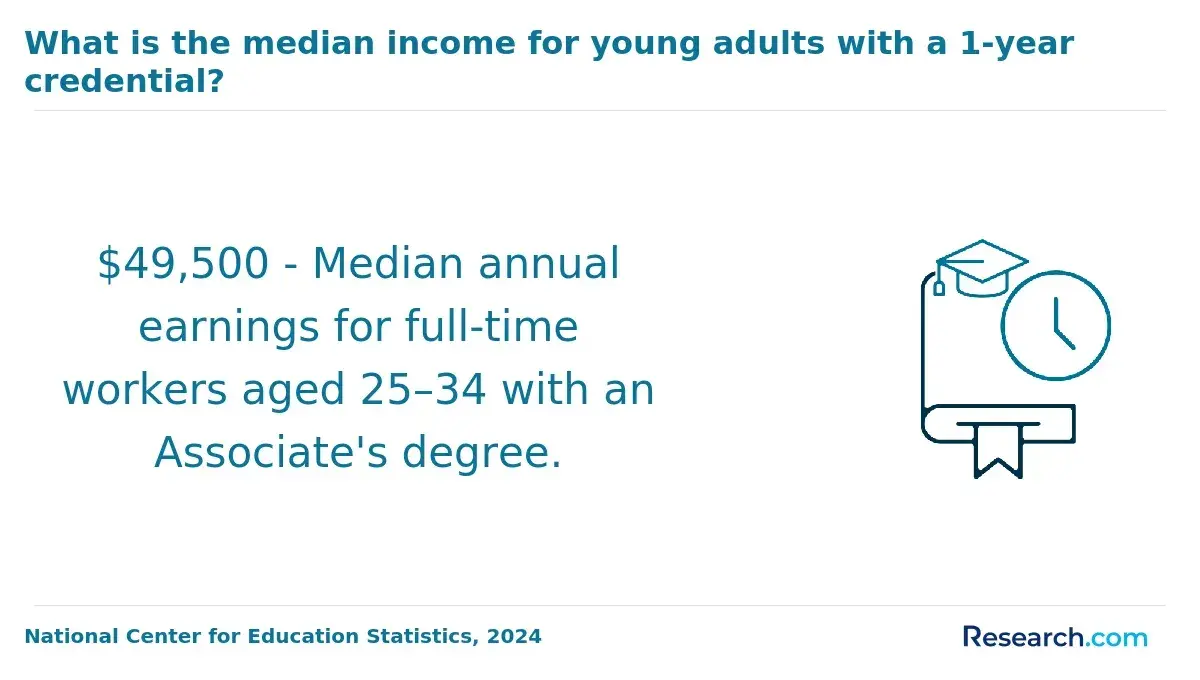
BLS May 2024 data places median annual pay at $83,980 for postsecondary teachers and $103,960 for postsecondary education administrators. These figures are useful benchmarks, but they are not degree-specific promises; actual compensation depends on region, role, tenure status, employer, union contracts, and prior experience.
The table below connects common career goals with the cohort features most likely to matter. Use it to judge whether a program's network and curriculum match your intended move.
| Career goal | Relevant doctorate focus | Cohort feature that adds value | Evidence to build during the program |
| District or school multilingual learner leadership | ELL program improvement, language access, compliance, assessment, and teacher development | Peer exchange with administrators and specialists from other districts | Program evaluation, policy analysis, professional development design, and measurable improvement projects |
| Higher education or teacher preparation | TESOL pedagogy, applied linguistics, curriculum, research methods, and adult learning | Research seminars, faculty mentoring, and peer feedback on scholarly work | Conference presentations, publications, teaching portfolio, and dissertation alignment with faculty needs |
| Curriculum, assessment, or instructional design | Language acquisition, learning science, assessment equity, and digital learning | Collaborative design projects with professionals from varied settings | Portfolio of curriculum, assessment tools, evaluation findings, and technology-supported learning design |
| Consulting or nonprofit leadership | Systems change, multilingual learner services, grant work, and evidence-based intervention | Alumni network and applied projects tied to real organizations | Case studies, client-facing deliverables, evaluation reports, and leadership outcomes |
Students whose career goals lean toward digital curriculum, online TESOL materials, or learning technology may also compare doctorate options with the best online instructional design master's programs. In some cases, a focused master's plus strong professional experience may be a better near-term investment than a doctorate.
Cost depends on tuition per credit, total credits, fees, residency or travel requirements, dissertation continuation fees, books, technology, and how long the dissertation takes. A cohort format can make costs more predictable because the course sequence is planned, but it can also reduce flexibility if students must pay for courses in a fixed order or repeat a missed sequence later.
When comparing costs, use total program cost rather than only per-credit tuition. Online doctoral programs may charge different rates for dissertation credits, residency experiences, or continuation terms, and these charges can change the real cost of finishing.
- Per-credit tuition multiplied by total required credits
- Mandatory university, technology, library, or online course fees
- Residency, conference, travel, lodging, or campus visit costs if required
- Dissertation continuation or extension fees after coursework
- Books, research software, transcription, assessment tools, or data collection expenses
- Lost income or reduced work hours during intensive terms, residencies, or dissertation phases
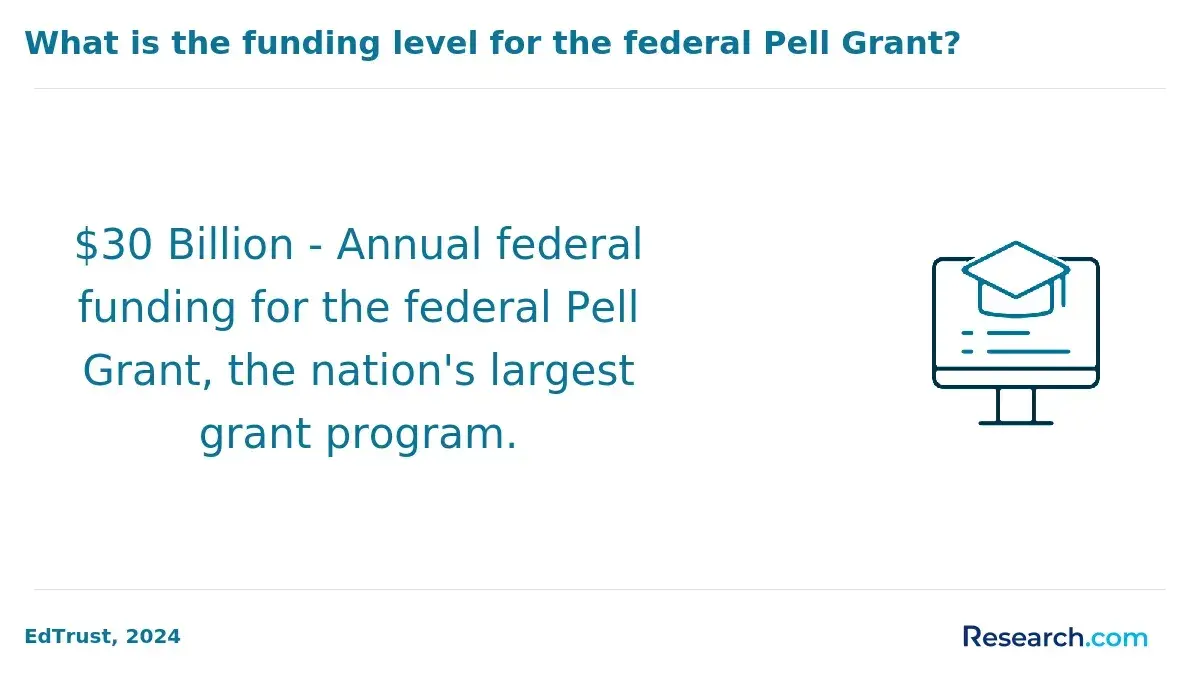
Federal aid can help, but borrowing should be planned carefully. Graduate students may borrow up to $20,500 per academic year through Direct Unsubsidized Loans, with Graduate PLUS Loans potentially covering additional eligible costs after credit approval. This makes the annual aid limit important when comparing programs with high tuition or required full-time pacing.
The table below shows how to think about cost categories before requesting financial aid estimates. It is not a ranking, because tuition and fees change by institution and student circumstances.
| Cost category | Why it matters | How to compare programs |
| Tuition structure | Some schools charge per credit, while others use term-based pricing | Calculate the full degree cost under your expected pace |
| Transfer credit | Prior graduate credits may reduce cost, but only if accepted toward the doctoral plan | Ask for a written transfer evaluation before enrolling |
| Residency requirements | Even online programs may require campus visits or in-person intensives | Add travel, lodging, meals, and time away from work |
| Dissertation timeline | Extra terms can increase costs significantly | Ask how many students require continuation enrollment after coursework |
| Employer tuition support | School districts, universities, and nonprofits may reimburse some costs | Confirm annual caps, grade requirements, repayment rules, and eligible programs |
| Loan repayment | Borrowing affects long-term ROI, especially for educators in modest-paying roles | Estimate monthly payments before accepting the full aid package |
Students focused on affordability should compare cohort policies alongside cheapest online EdD programs. A low tuition rate is helpful, but the better financial choice is usually the program that combines affordable pricing, strong dissertation support, realistic transfer credit, and a schedule you can finish.
How Should Students Choose a Cohort-Based Online English Language Learning Doctorate Program?
The right program should match your career goal, research interest, schedule, budget, and need for community. Do not choose a cohort-based doctorate only because the format sounds supportive. Choose it because the specific cohort design, faculty expertise, and student services align with how you will complete doctoral work while continuing your professional life.
Start with accreditation and institutional legitimacy. In the U.S., students should look for institutional accreditation recognized by the U.S. Department of Education or the Council for Higher Education Accreditation. Programmatic accreditation may matter for some education fields, but requirements vary by role, state, and employer. If you need a credential for licensure or administrative advancement, confirm requirements with your state agency or employer before enrolling.
Then evaluate program fit using a structured process. The steps below help separate meaningful cohort learning from programs that only use cohort language in marketing.
- Define your goal clearly: higher education, district leadership, curriculum, TESOL teacher education, assessment, policy, consulting, or research.
- Confirm that the program has faculty who can supervise your specific English language learning, TESOL, bilingual education, multilingual learner, or applied linguistics topic.
- Request the full cohort calendar, including course sequence, live sessions, residencies, dissertation milestones, and expected time-to-degree.
- Ask how many students are in each cohort and how peer collaboration is built into courses, research seminars, and alumni activities.
- Review support services for advising, doctoral writing, research methods, library access, career planning, and technology help.
- Calculate total cost using tuition, fees, transfer credit, travel, dissertation continuation, and likely borrowing.
- Speak with current students or alumni about workload, faculty responsiveness, cohort culture, and what happens when students fall behind.
Watch for red flags. These issues do not always mean a program is poor, but they should prompt deeper questioning before you commit.
- The school advertises a cohort but cannot explain cohort size, interaction expectations, or how students collaborate beyond discussion boards.
- The program promises speed without clearly explaining dissertation expectations, transfer credit assumptions, or extension costs.
- Faculty biographies show little connection to English language learning, TESOL, bilingual education, multilingual learners, or applied linguistics.
- Live attendance rules, residency requirements, or group project expectations are unclear before enrollment.
- The program cannot provide recent information about retention, time-to-degree, dissertation support, or student outcomes.
- Admissions staff discuss flexibility broadly but cannot explain what happens after a leave of absence, failed course, or missed cohort milestone.
A cohort-based online English language learning doctorate is worth considering if you want structure, professional community, and applied doctoral work tied to multilingual learner improvement. It may not be the best fit if your schedule is highly unpredictable, your research topic requires a rare faculty specialization, or your main goal can be met with a less expensive credential.
Other Things You Should Know About English Language Learning
Not always. English language learning is a broad area that may include TESOL, ESL, bilingual education, multilingual learner leadership, language assessment, literacy, and applied linguistics. A TESOL doctorate is usually more specifically focused on teaching English to speakers of other languages.
Usually, no. Doctoral programs are typically designed for advanced leadership, research, or higher education goals, not initial teacher licensure. Licensure rules vary by state, so students should verify requirements with their state education agency before enrolling.
Often, yes, especially in EdD programs that use applied research or dissertation-in-practice models. However, students may need employer permission, institutional review board approval, and safeguards for privacy, consent, and conflicts of interest.
Most programs require a master's degree, professional experience in education or a related field, transcripts, recommendation letters, a statement of purpose, and sometimes a writing sample or interview. Some programs prefer applicants with teaching, leadership, TESOL, ESL, bilingual education, or curriculum experience.
- Best Online Collaboration Tools for Students l Harmonize https://harmonizelearning.com/blog/best-online-collaboration-tools-for-students/
- Digital collaboration tools to support and enhance student belonging: A UK EAP perspective https://stel.pubpub.org/pub/04-02-simpson
- Student Support Networks in Online Doctoral Programs: Exploring Nested Communities https://www.informingscience.org/publications/3676
- Exploring Cohort Learning: Definition, Benefits, and Applications https://edyoucated.org/en-us/glossary/cohort-learning
- How Cohort-Based Learning Delivers What Members Actually Want https://hiapti.com/how-cohort-based-learning-delivers-what-members-actually-want
- Cohort-Based Learning Platform https://novoed.com/cohort-based-learning/
- Structure of Online EdD Programs: FT vs PT, Instruction Methods, Cohorts https://www.onlineeddprograms.com/resources/structure-of-online-edd-programs
- How we support PhD students https://www.reading.ac.uk/languages-cultures/phd/how-we-support-phd-students
- How Does Cohort Based Learning Work? Define With Examples [2026] https://creatorlms.net/cohort-based-learning/
- Doctor of Education and Doctor of Philosophy (Secondary Education) https://www.ualberta.ca/en/graduate-programs/doctor-of-education-and-doctor-of-philosophy-secondary-education.html