2027 Online BA in Psychology - Mental Health for Patient Access Representatives: Choosing a Program Without Leaving Your Job
Audited and Verified:
Our Editorial and Data Verification Process
Research.com uses government datasets, official education statistics and primary institutional information to support its career and degree guides. Our review process checks factual accuracy, occupational definitions, source dates and the requirements associated with the credentials discussed.
How This Article Was Fact-Checked
Our editorial team verifies salary estimates, employment projections, education requirements and program information against original data providers and official organizations. Salary figures are checked against the relevant occupational definitions and reporting periods. Information about licensure, accreditation and required in-person training is reviewed separately.
Fact-checked and verified on:

Co-Founder and Chief Data Scientist
Patient access representatives already help people navigate appointments, coverage, and referrals - often at stressful moments. An online BA in psychology with a mental-health focus could deepen that work or support a move into behavioral-health services, but only if the program fits your shifts and your career goal.
This guide explains what the degree teaches, which opportunities it may support, and how to check scheduling, transfer credits, costs, and professional boundaries before committing. You can use it to decide whether a full bachelor's degree is worth pursuing while you keep working.
Key Things You Should Know
- An online psychology BA can strengthen mental-health literacy and nonclinical service skills, but it does not qualify you to diagnose or provide therapy.
- Many bachelor's programs are designed around roughly 120 semester credits; your remaining credits - not the advertised program length - determine the likely time and cost.
- Before enrolling, verify institutional accreditation, a written transfer-credit evaluation, required live or in-person activities, and whether employer education benefits apply.
What is an online BA in psychology for patient access representatives?
It is a bachelor of arts degree covering psychological science, research, and human behavior through courses delivered primarily online. A "mental-health focus" might be a formally designated concentration, a group of electives, or simply the program's marketing description. Ask which designation will appear on your academic record rather than assuming these are equivalent.
For someone working in registration, scheduling, insurance verification, or referrals, the most useful program connects behavioral-health knowledge with communication, research literacy, and ethical decision-making. It should also leave room to study part-time without making required courses unavailable when your shifts permit. If your interests are more specifically in substance use, compare the curriculum - not just the title - with distance learning bachelor's degrees in addiction psychology.
A BA is not inherently less rigorous than a BS. Compare each school's statistics, research-methods, science, and elective requirements against your intended work or future graduate-school prerequisites.
Can a psychology degree help patient access representatives support mental health patients?
Yes, within the patient access role. Coursework on development, stress, stigma, and behavioral-health systems can help you communicate respectfully, recognize when a patient needs a referral under your organization's procedures, and avoid assumptions about why someone misses an appointment. Research-methods training can also help you evaluate claims about access barriers or service improvements.
The distinction is between supporting access to care and delivering care. A representative may explain scheduling options, follow an approved escalation protocol, or connect someone with a qualified team member. The degree alone does not authorize clinical screening outside your role, diagnosis, crisis counseling, or treatment advice. Follow employer policies for privacy, documentation, and urgent concerns.
If your goal is recovery-service work rather than patient access, review addiction recovery occupations and education alongside local job postings; some positions require training or credentials that a general psychology BA does not provide. If your immediate goal is better performance in your current job, employer training in de-escalation, accessibility, and referral workflows may be a more direct first step.
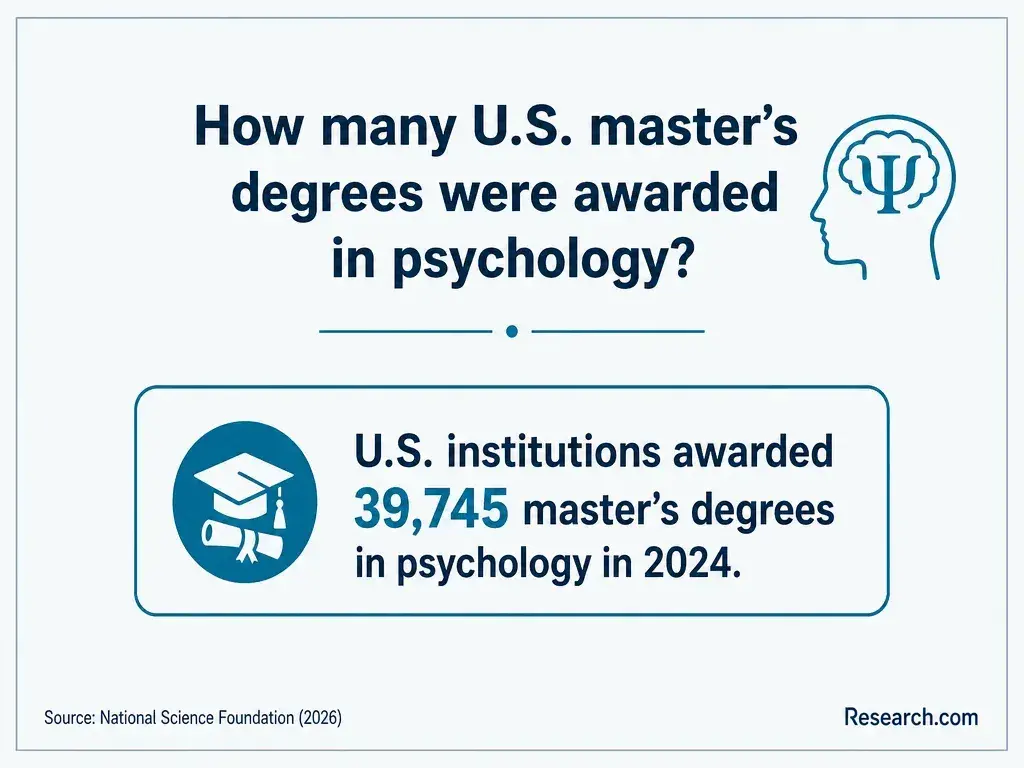
What careers can you pursue with an online psychology bachelor's degree?
Your patient access experience may be as important as the new degree. Employers hiring for behavioral-health intake, referral coordination, patient navigation, and human-services support may value your familiarity with scheduling systems, coverage questions, documentation, and patient-facing communication. A BA can add evidence of behavioral-science and research skills, but each posting determines whether a degree, specific experience, or another credential is required.
The table separates plausible next steps from occupations that require a different educational pathway. Job titles and permitted duties vary by employer and state.
| Career direction | How your background may help | What else to check |
| Behavioral-health intake or referral coordination | Patient communication, scheduling, and service navigation | Employer requirements for records systems, coverage knowledge, and escalation |
| Patient navigator or human-services support worker | Explaining processes and coordinating access | Whether the role requires community-service experience or a specific credential |
| Program or research support assistant | Documentation and workflow knowledge | Requirements for data skills, research experience, or supervised projects |
| Licensed therapist or psychologist | Relevant undergraduate preparation | Qualifying graduate or doctoral education, supervised experience, and state licensure |
If you are considering forensic work later, distinguish support roles in justice settings from licensed forensic assessment. Compare the purpose and costs of one-year forensic psychology master's pathways before adding graduate study; a forensic degree title alone does not confer clinical or legal authority.
An online BA can be a recognized degree when the institution holds accreditation from an accreditor recognized by the U.S. Department of Education or the Council for Higher Education Accreditation. Check the institution's current status and ensure the online program is offered by that institution. Accreditation supports confidence in the school's academic oversight; it does not guarantee hiring, credit transfer, or entry into a graduate program.
Do not look for APA accreditation as a quality test for a general psychology BA: APA accreditation applies to specified professional psychology training programs, not ordinary undergraduate psychology majors. If your longer-term aim is counseling, investigate the recognition and state eligibility of the future qualifying program. Resources on accredited counseling program affordability comparisons address a different credential decision from choosing a BA.
For employer recognition, examine actual postings for the role you want. Note whether they request any bachelor's degree, psychology specifically, experience in behavioral health, or a professional license. Ask a prospective school for outcomes relevant to working adults, but check how those outcomes were measured before treating them as evidence of your likely result.
Expect foundational psychology, statistics, research methods, and general education, with additional courses determined by the school. Developmental psychology, social psychology, abnormal psychology, health psychology, and addiction-related electives can be particularly relevant to patient access. Course names alone do not establish a formal mental-health concentration or clinical training.
Pay special attention to sequencing. Statistics may precede research methods, and some upper-level courses may run only in particular terms. Ask an advisor for a term-by-term plan showing which courses you can take while employed, whether any require live meetings, and whether an internship or capstone is mandatory. If a project could involve your workplace, obtain academic and employer approval before using patient information; routine access to records is not permission to use them for coursework.
If you eventually want to become a counselor, undergraduate electives are preparation, not a substitute for a qualifying graduate curriculum. Comparing clinical counseling master's course sequencing can help you understand why the later pathway needs its own coursework and supervised training.
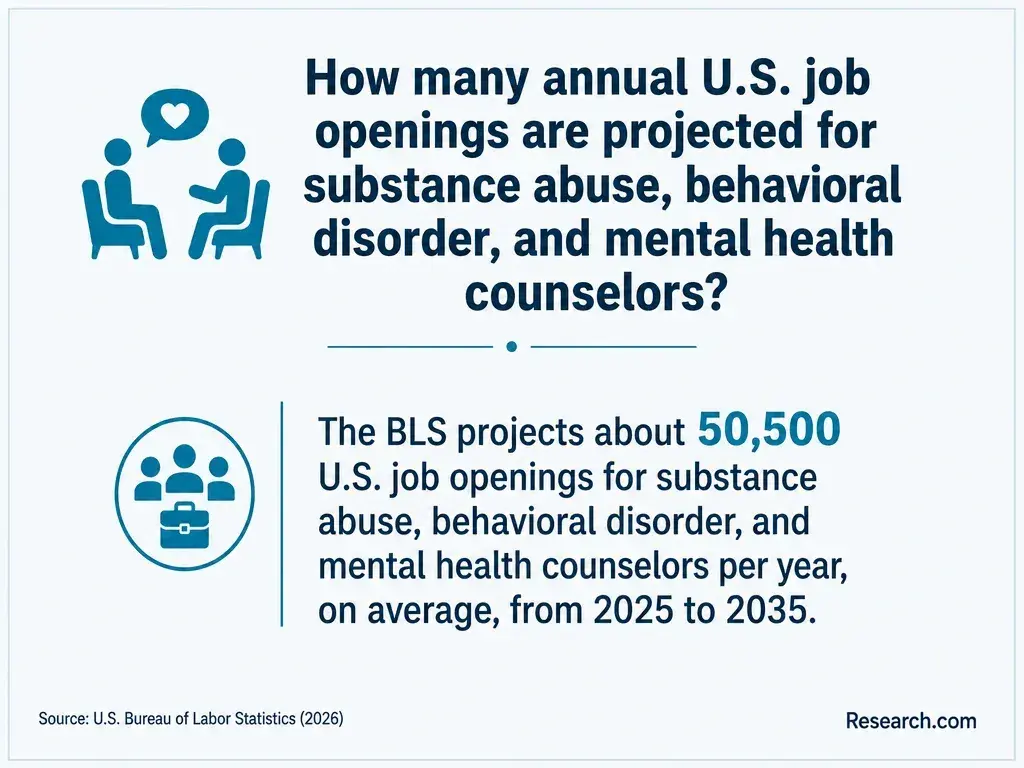
First-year applicants generally submit evidence of secondary-school completion; transfer applicants also submit official college transcripts. Schools set their own GPA, application, and major-entry rules. An existing healthcare job can strengthen your sense of purpose, but it does not replace a published admission requirement.
If you have prior college credit, request a degree audit, not just an estimate of how many credits the school will accept. Accepted credits may count as electives without satisfying statistics, general education, major, or residency requirements. Ask which office has final authority over equivalencies and whether a review or appeal is available for a course you believe matches a requirement.
Admission and financing are separate decisions. Complete the applicable aid process and check employer tuition-assistance rules before choosing a course load; aid and reimbursement can depend on enrollment and satisfactory progress. If comparing a substance-use-focused alternative, online substance use counseling bachelor's aid resources can help frame questions for each school's financial aid office.
Many bachelor's degrees are structured around roughly 120 semester credits. Someone starting without college credit has a different timeline from a representative who already holds an associate degree, and neither should rely on an advertised completion time. The decisive figures are credits that satisfy the degree, remaining required courses, and how often those courses run.
Compare schools using a written estimate of remaining tuition and fees, not the per-credit price alone. Include required technology charges, books, any travel or placement expense, and the effect of part-time study on aid or employer reimbursement. Request an estimate for the course load you could sustain while working, then compare affordable bachelor's study in psychology online using the same assumptions.
A lower-priced school can cost more overall if it applies fewer of your previous credits to requirements. Conversely, accelerating enrollment may reduce elapsed time but create an unsustainable workload or a reimbursement gap. Do not borrow against an assumed promotion; compare the cost with the qualifications in real openings you would pursue.
Online study is better for a working patient access representative only when its actual schedule fits the job and provides the learning opportunities you need. "Online" may still mean scheduled discussions, group meetings, timed exams, an in-person visit, or a site-based experience. Campus study may offer easier access to research teams or in-person advising, but commuting can make consistent enrollment harder.
This comparison highlights the constraints most likely to affect whether you can keep working while completing the degree.
| Format | Potential advantage | Key limitation to verify |
| Mostly asynchronous online | More control over when to complete coursework | Weekly deadlines, timed activities, and course availability |
| Online with live sessions | Scheduled contact with instructors and peers | Whether sessions conflict with rotating or evening shifts |
| Campus or hybrid | In-person access to classes and academic activities | Commute, attendance rules, and required visit frequency |
If speed matters, examine accelerated online psychology degrees against your shift pattern rather than assuming a shorter calendar means less work. Before enrolling, ask for a sample course schedule, attendance policy, upcoming major-course rotation, and rules for reducing your course load if work demands change.
There is no reliable single salary for "psychology graduates" or "patient access representatives." Patient access titles can span registration, scheduling, insurance verification, and navigation, while BA holders enter occupations with different duties and pay structures. Geography, employer, shift, experience, and credentials also matter.
For a useful benchmark, match your present duties to the closest U.S. Bureau of Labor Statistics occupation - often within medical administrative work - then compare local postings for your exact patient access title. Repeat that exercise for a specific target role, such as intake coordinator, rather than treating an occupation-wide median as a promised post-degree raise. Check the wage reference year and geographic scope whenever you use a published figure.
If considering a move into substance-use services, compare posted pay with credential requirements and education costs. Guides to inexpensive undergraduate substance use counseling degree choices are a starting point, not proof that one degree will increase your earnings. An internal move that recognizes your existing experience may offer a stronger return than changing fields immediately.
Does a psychology bachelor's degree lead to licensure or certification?
No. A psychology BA, including one with a mental-health focus, does not by itself qualify you to practice psychotherapy, diagnose mental disorders, conduct independent psychological assessments, or use a protected licensed title. Licensure requirements depend on the profession and state and generally involve a qualifying professional degree plus additional requirements.
Certification is different from licensure. Some patient access, peer-support, or addiction-service roles use employer, professional, or state-recognized credentials with their own eligibility rules. Check the credentialing body and the specific job posting; do not assume psychology coursework substitutes for required training or supervised experience.
If licensed practice is your eventual goal, identify the exact profession and state before selecting further education. A general psychology master's may support academic or nonclinical goals without meeting counseling or social-work licensing requirements. Compare graduate psychology tuition and program value only after confirming that the program actually serves your intended credential pathway.
Other Things You Should Know About Psychology
Possibly. Ask whether classes require attendance at fixed times, when assignments are due, and how missed live sessions are handled before committing to a course load.
Only if your program approves the site, supervision, duties, and learning objectives. Employment alone does not satisfy an academic internship requirement.
Choose based on required courses and your next goal. A concentration may suit behavioral-health interests; a general major with suitable electives may offer more flexibility. Check the official degree plan.
Ask about education benefits, schedule flexibility, internal roles that require a bachelor's degree, and whether coursework related to your current duties is eligible for reimbursement.
- Cost of Attendance (Budget) | 2025-2026 Federal Student Aid Handbook https://fsapartners.ed.gov/knowledge-center/fsa-handbook/2025-2026/vol3/ch2-cost-attendance-budget
- Informed Consent FAQs | hhs.gov https://www.hhs.gov/ohrp/regulations-and-policy/guidance/faq/informed-consent/index.html
- Can You Work Full-Time and Go to School? A Practical Guide | Whitworth Online https://online.whitworth.edu/news-articles/can-i-go-to-school-and-work-full-time/
- Employer Tuition Reimbursement: How It Works and How to Pay for College | Winston-Salem State University https://ramsonline.wssu.edu/blog/employer-education-benefits/
- Transfer Credit Evaluation - Transfer Student Resources https://transfer.ncsu.edu/transfer-credit-evaluation/
- APA-Accredited Programs https://accreditation.apa.org/accredited-programs
- Online Psychology B.A. or B.S. Degree Completion Program | gsu.edu https://online.gsu.edu/program/psychology-ba-or-bs-completion-program/
- Transfer-In Students | CT State https://ctstate.edu/admissions-registration/how-to-apply/transfer-students
- Transfer Credit Resources - UT Admissions https://admissions.utexas.edu/apply/transfer-students/transfer-credit-resources/
- Psychology and Behavioral Health Associate Degree Online | The Pennsylvania Institute of Technology https://www.pit.edu/programs/psychology-and-behavioral-health/