2027 Online BA in Psychology - Mental Health for Mental Health Resource Navigation: Which Courses Should You Look For?
Audited and Verified:
Our Editorial and Data Verification Process
Research.com uses government datasets, official education statistics and primary institutional information to support its career and degree guides. Our review process checks factual accuracy, occupational definitions, source dates and the requirements associated with the credentials discussed.
How This Article Was Fact-Checked
Our editorial team verifies salary estimates, employment projections, education requirements and program information against original data providers and official organizations. Salary figures are checked against the relevant occupational definitions and reporting periods. Information about licensure, accreditation and required in-person training is reviewed separately.
Fact-checked and verified on:

Co-Founder and Chief Data Scientist
Helping someone find appropriate mental health services takes more than knowing the names of disorders. Resource navigators must understand service systems, communicate respectfully, recognize when to involve a qualified professional, and document referrals without exceeding their role. If you are considering an online psychology BA for community or behavioral-health support work, this guide identifies the courses and supervised experiences worth prioritizing. It also explains how to check whether a program fits your schedule, budget, and intended job - rather than relying on a mental-health label alone.
Key Things You Should Know
- Prioritize developmental psychology, mental health and addiction coursework, community service systems, cultural responsiveness, research literacy, and privacy-aware documentation; no single elective teaches the whole navigation role.
- Look for an approved, supervised opportunity to practice nonclinical outreach, referral, or service coordination. An online course or mental-health concentration alone does not qualify you to diagnose or provide therapy.
- Compare the degree audit, total cost, placement arrangements, and requirements in actual job postings before enrolling; a shorter credential or supervised work experience may be enough for some navigation roles.
What is an online bachelor's degree in psychology focused on mental health resource navigation?
It is usually a psychology BA whose courses and applied opportunities can prepare students for nonclinical service navigation: helping people identify available services, understand referral options, connect with providers or community agencies, and follow up within an employer's procedures. "Mental health resource navigation" may describe a career goal rather than an official degree or concentration. Check the transcript designation and catalog before assuming the focus is formally awarded.
A psychology major explains behavior and mental health; navigation also requires knowledge of eligibility rules, accessibility, insurance or payment barriers, and local service networks. A BA with community-health, social-work, or human-services electives may therefore fit better than a psychology program offering only disorder-focused classes. If substance-use services are your main interest, compare the curriculum of accredited online addiction psychology bachelor's programs without assuming an addictions focus confers a counseling credential.
What careers can an online psychology bachelor's degree prepare you for?
Relevant job titles may include resource navigator, intake coordinator, community outreach worker, behavioral-health support worker, and case-coordination assistant. Duties differ by employer: one position may maintain a referral directory and arrange appointments, while another also assists with benefits applications or follows up after discharge. Some employers accept varied bachelor's majors or relevant experience; others require a particular credential, language skill, or agency training.
The strongest entry-level evidence is often a combination of coursework and supervised examples of accurate referrals, respectful communication, recordkeeping, and knowing when to escalate a concern. If you already do community-serving work, ask whether your employer offers supervised responsibility before paying for another degree. A psychology BA is not preparation to conduct independent clinical assessments or treatment. Even a specialized graduate route, such as the twelve-month forensic psychology graduate study pathways, serves different goals and does not turn navigation experience into forensic or clinical authority.
What courses should you look for in a mental health resource navigation program?
Start with the job's tasks, then inspect course descriptions and prerequisites. The most useful curriculum combines psychology foundations with service-system knowledge and a chance to apply both under supervision. Look for these course areas, whether they sit inside the major, among electives, or in an approved minor:
- Developmental, social, and cultural psychology: How age, relationships, disability, language, and social context can affect access to support.
- Abnormal psychology and substance-use studies: Vocabulary for understanding concerns and treatment settings, not training to diagnose or counsel.
- Community mental health, public health, or human services: Referral networks, service eligibility, prevention, and barriers to care.
- Ethics, communication, and crisis-response boundaries: Confidentiality, accessible communication, mandated-reporting rules where applicable, and escalation to trained personnel.
- Research methods and statistics: How to judge claims about services, read outcome reports, and avoid treating a screening result as a diagnosis.
- Applied internship or capstone: Supervised, nonclinical work such as updating a resource directory or evaluating a referral process, subject to site approval and data permissions.
Sequence introductory psychology and any statistics prerequisite early enough to reach upper-level courses and an internship before graduation. Ask for syllabi: a course titled "counseling" might survey theories rather than teach navigation, and a "field experience" may require you to secure your own site. If your actual goal is psychotherapy, compare the graduate-level curriculum and supervised training described in clinical counseling degree formats and completion estimates instead of treating BA electives as a substitute.
Online delivery can make lectures and readings easier to fit around work or caregiving, but it does not guarantee flexible deadlines, evening supervision, or a nearby placement. Campus programs may make local agency introductions easier; online programs may offer equivalent opportunities only if staff can help approve and supervise sites where you live.
Before choosing a format, request the schedule for required live meetings, group work, exams, and field experience. Confirm who finds the site, whether your current workplace can be considered, and whether any campus visits are mandatory. If speed matters, comparing fast-paced psychology degree formats is useful - but compressed terms can be a poor fit when an internship must also be arranged.
Check that the institution holds recognized accreditation and that the online BA is the degree shown in its current catalog. Institutional accreditation matters for academic recognition and may affect federal aid eligibility; it does not certify that a particular mental-health elective teaches referral skills or meets an employer's requirements. The American Psychological Association does not accredit general psychology bachelor's degrees.
Accreditation claims also depend on the credential being discussed. For example, forensic psychology degree accreditation comparisons require separating an institution's status from recognition applicable to a later professional program. For navigation work, check the exact BA and any relevant employer or state credential rules rather than seeking a clinical accreditation label for an undergraduate major.
Requirements vary by institution and by whether you are entering as a first-year or transfer student. Typically, applicants submit prior academic records; a school may have separate rules for admission to the psychology major. Before applying, ask whether introductory psychology or statistics must be completed before upper-level courses and whether those courses are available online in the terms you need.
For transfer students, the decisive document is an official degree audit - not a general statement that credits are accepted. Find out which credits satisfy general education, psychology prerequisites, major electives, and any credits that must be earned at the institution. If you may later pursue graduate study, research-oriented shorter graduate psychology degree options can illustrate why keeping statistics and methods coursework in your BA plan matters; verify the actual prerequisites of any future program.
Completion time depends on accepted credits, course sequencing, enrollment pace, and whether required electives or placements run every term. A four-year plan may be reasonable for a first-time full-time student, but it is not a promise; a transfer student needs an individualized degree audit before estimating time remaining.
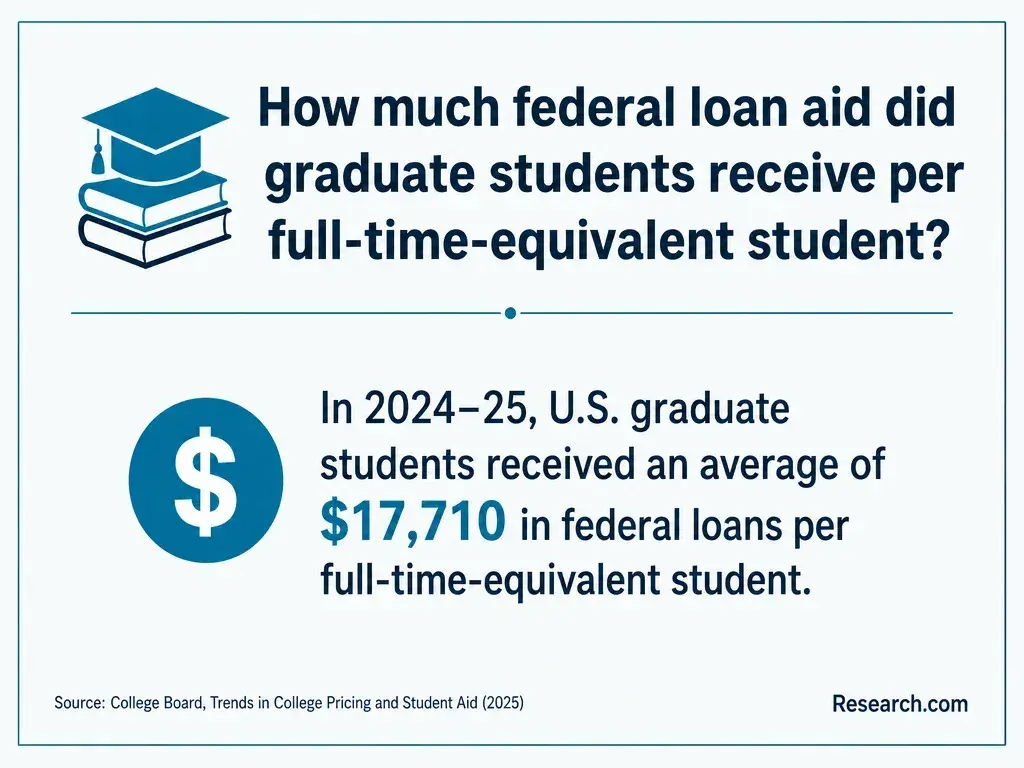
Compare the cost to finish, not just the advertised price per credit. Request a written estimate covering remaining tuition, mandatory online fees, books or software, and any travel or reduced work hours associated with field experience. Check aid eligibility and employer tuition support separately. When weighing a psychology BA against an addiction-focused alternative, comparing undergraduate substance use counseling costs and outcomes can help frame the financial trade-off, provided you verify each program's current charges and credential fit.
A psychology BA alone does not authorize psychotherapy, diagnosis, independent psychological testing, or use of a protected clinical title. Licensed counselors, clinical social workers, and psychologists follow distinct education, supervised-practice, examination, and jurisdiction-specific routes. Addiction counselor and peer-support credentials also vary by state; some roles have requirements beyond a bachelor's degree, while others use a different training pathway altogether.
Choose the credential by the work you intend to perform. If you want to coordinate referrals, ask employers what training they accept. If you want to provide counseling, examine the state board's rules and a qualifying professional program. Likewise, forensic psychology master's pathways under two years should not be mistaken for a route to independent forensic practice without checking the intended job's requirements.
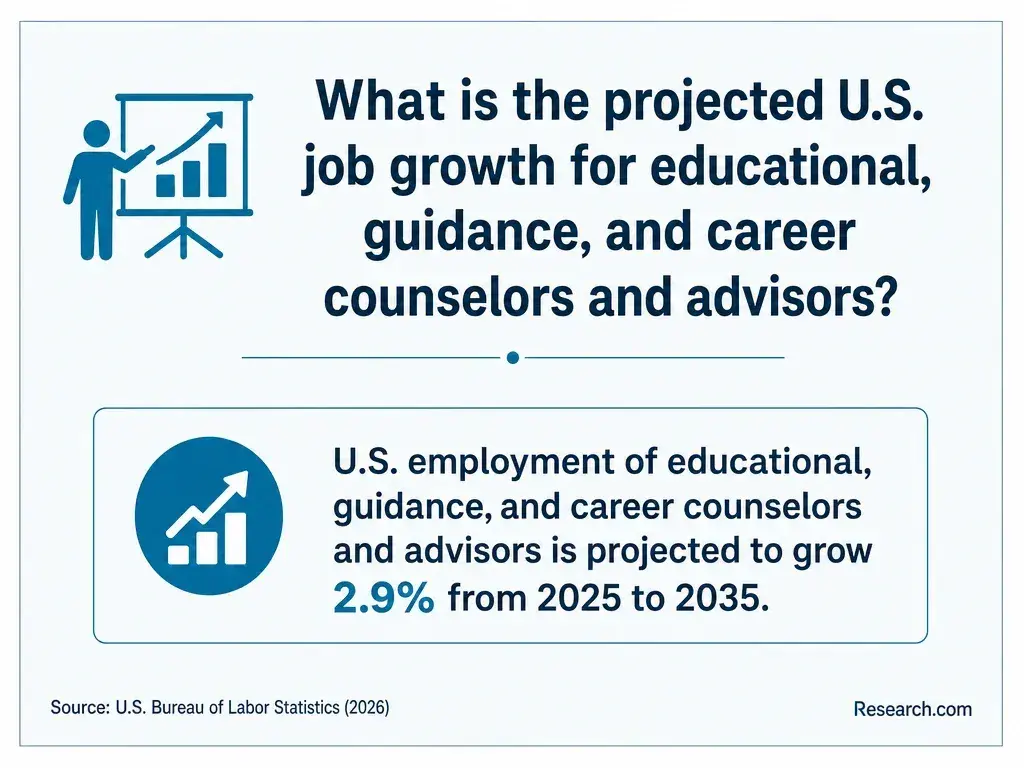
There is no reliable single salary for "mental health resource navigation graduates": that phrase describes a function, not one standardized occupation, and pay depends on duties, location, employer, and experience. For a realistic comparison, match a job posting's duties to an occupation in the U.S. Bureau of Labor Statistics Occupational Outlook Handbook, such as community health worker or social and human service assistant. Use that occupation's published median pay and employment projection as labor-market context - not as an expected starting offer or an outcome attributable to this BA.
When comparing jobs, look beyond the title. Benefits-navigation duties, evening coverage, transportation requirements, and required credentials can change the value of an offer. An additional degree may improve access to a different occupation, but short counseling master's formats and career planning should not be used to estimate earnings for a bachelor's-level navigator.
How can you choose a reputable online psychology bachelor's program?
Ask each school for evidence tied to your goal, not a broad claim that graduates enter mental health careers. A strong comparison starts with the current catalog, a transfer-aware degree audit, sample course syllabi, and written answers about applied learning.
- Identify target navigation job postings and record their required education, experience, credentials, and routine duties.
- Map those duties to specific available courses; distinguish required classes from electives that may not run before you graduate.
- Confirm placement approval, supervision, local-site options, and what tasks students may perform without access to confidential client information.
- Compare each school's remaining credits, full cost, scheduling obligations, and career support using written information for your entry term.
Ask whether a supervised role, certificate, or employer training would close a narrower skills gap at lower cost. If a degree is the right move, investigate aid before committing; tuition assistance routes for substance abuse counseling undergraduates may suggest questions to ask, but eligibility and available awards must be confirmed with your school. Choose the program that makes its navigation-relevant learning and practical obligations verifiable.
Other Things You Should Know About Psychology
Possibly. The academic program must approve the site, supervisor, learning objectives, and any distinction between your paid duties and assessed internship work. Employer permission alone is not enough.
No, but building that knowledge matters. Public agency directories, supervised outreach, and conversations with authorized community partners can help you learn what services exist and how eligibility and access change.
Usually, if the work is yours and you have permission to share it. Remove confidential information, check agency policies, and label the directory's date and geographic limits; service listings can quickly become outdated.
No. Some employers accept human-services education, relevant experience, or role-specific training. Check actual postings before choosing a degree, especially if you already have community-service experience.
- Chapter 6 - How To Become a Peer Specialist - NCBI https://www.ncbi.nlm.nih.gov/sites/books/NBK596268/
- Virginia Board of Counseling - QMHP Information https://www.dhp.virginia.gov/Boards/Counseling/ApplicantResources/QMHPInformation/
- Considerations for privacy and confidentiality in adolescent health care service delivery - PMC https://pmc.ncbi.nlm.nih.gov/articles/PMC10186092/
- Online social work degree: what to expect and how it works | Capella University https://www.capella.edu/blog/social-work-and-human-services/working-together-examples-of-social-work-collaboration/
- Agency Based Education - Howard School of Social Work https://socialwork.howard.edu/academics/agency-based-education
- How Transfer Credits Work | Lackawanna College https://www.lackawanna.edu/college-transfer-credits-guide/
- How Online Social Work Degrees Work: A Guide to BSW and MSW Programs | Herzing University https://www.herzing.edu/blog/how-online-social-work-degrees-work
- Blog: Everything you need to know about social work practicum | baylor.edu https://socialwork.web.baylor.edu/blog-everything-you-need-know-about-social-work-practicum
- Online Mental Health Concentration | SNHU https://www.snhu.edu/online-degrees/bachelors/ba-in-psychology/mental-health
- Behavioral Health Pathways | Colorado Community College System https://cccs.edu/workforce-development/workforce-programs/behavioral-health/