2027 Online BA in Psychology - Mental Health: Choosing a Degree for Family Support After Psychiatric Hospitalization
Audited and Verified:
Our Editorial and Data Verification Process
Research.com uses government datasets, official education statistics and primary institutional information to support its career and degree guides. Our review process checks factual accuracy, occupational definitions, source dates and the requirements associated with the credentials discussed.
How This Article Was Fact-Checked
Our editorial team verifies salary estimates, employment projections, education requirements and program information against original data providers and official organizations. Salary figures are checked against the relevant occupational definitions and reporting periods. Information about licensure, accreditation and required in-person training is reviewed separately.
Fact-checked and verified on:

Co-Founder and Chief Data Scientist
After a relative leaves psychiatric care, families may need to understand a discharge plan, find services, and support recovery without taking over clinical decisions. If that experience has prompted you to consider an online BA in psychology, the central issue is whether a degree will help with your actual goal.
This guide explains what the degree can teach, what it cannot authorize, and how to compare it with shorter training or a professional pathway. You can then choose an education plan that fits both your family responsibilities and your longer-term ambitions.
Key Things You Should Know
- An online psychology BA can build useful knowledge of mental health, family communication, and service systems, but it is not required to support your own relative or qualify you to provide treatment.
- A typical bachelor's degree requires about 120 semester credits; ask for an individualized degree audit before assuming transfer credits will shorten the time or cost.
- If your goal is therapy, diagnosis, or independent clinical care, plan for a qualifying professional degree and state-specific licensing requirements rather than relying on a psychology BA.
What Is an Online BA in Psychology Focused on Mental Health?
It is an undergraduate psychology degree delivered primarily online, with coursework that may emphasize psychological disorders, development, health, or community services. Some schools award a formally named mental-health concentration; others offer only relevant electives. Check the degree title and requirements in the catalog rather than treating marketing language as a credential.
For this decision, the distinction matters because a broad BA may offer stronger flexibility in research methods and electives, while a concentration may organize courses around mental-health topics. Neither format trains someone to manage a relative's treatment. If your intended work specifically involves substance-use recovery services, compare the curriculum and credential implications separately from bachelor's-level substance use counseling tuition and career value; that route is not interchangeable with general family support.
Can a Bachelor's in Psychology Help Families After Psychiatric Hospitalization?
Yes, primarily by helping you ask better questions and understand the limits of your role. Coursework can improve your understanding of recovery, stress, communication, and why a follow-up plan involves multiple providers. It cannot tell you what treatment is right for one person or replace the instructions of their care team.
The comparison below separates immediate family needs from reasons to pursue formal study. It can keep an urgent caregiving decision from becoming an unnecessary degree commitment.
| Goal | More direct starting point | When a psychology BA may add value |
| Understand a relative's discharge plan | Ask the care team to explain follow-up appointments, medication questions, warning signs, and whom to contact | Usually not necessary for this immediate goal |
| Communicate and support recovery | Seek family education, support groups, or training appropriate to the situation | Useful if you also want sustained academic study of behavior and mental health |
| Work in community mental-health services | Review local job requirements and supervised entry-level opportunities | May strengthen applications for roles that request a bachelor's degree |
With the relative's permission, families can ask how to help with appointments, practical needs, and a crisis plan. Privacy rules may limit what providers can disclose without authorization; families can still share observations with the care team. If substance use is also involved, explore support and training first, then investigate scholarship options for online addiction counseling undergraduates only if that specific degree serves a longer-term education goal.
Does an Online Psychology Bachelor's Degree Lead to Mental Health Licensure?
No. A psychology BA, including one focused on mental health, does not by itself authorize psychotherapy, diagnosis, independent psychological assessment, or use of a protected clinical title. Learning about disorders is different from being qualified to treat them. Rules for other support or recovery credentials vary by state and job.
If you want to become a counselor, investigate graduate programs designed around the educational requirements of the state where you intend to practice, along with supervised experience and examinations. A fast completion claim does not settle licensing eligibility: when choosing an accredited accelerated clinical counseling pathway, check its actual curriculum, placement arrangements, and fit with your state board's rules. If your aim is helping your own family rather than changing professions, that investment may be unnecessary.
Verify that the college holds recognized institutional accreditation and that it applies to the institution awarding the degree. Use the accreditor's directory and the school's catalog to confirm the college, degree, and current status. Institutional accreditation is important for evaluating the school, but it does not certify a mental-health concentration or establish eligibility for a clinical license.
Do not expect APA accreditation for a general undergraduate psychology BA; APA accreditation covers specified professional psychology training, not ordinary BA majors. Counseling degrees have their own recognition and licensing considerations. If professional counseling is your eventual goal, compare the undergraduate choice with affordable accredited mental health counseling study options and verify any graduate program directly against the relevant state board's requirements.
Requirements differ, but a useful program for this goal combines developmental psychology, psychological disorders, social psychology, statistics, research methods, and ethics. Health psychology, family studies, substance-use topics, or community mental-health electives may add context. Methods courses matter because families encounter claims about treatments and recovery; they help students evaluate evidence without assuming a study's average result predicts one person's outcome.
Review course descriptions for attention to cultural responsiveness, confidentiality, and the distinction between screening and diagnosis. An agency-based internship can develop communication and referral skills if the school approves the site and supervision, but it is not a clinical practicum. If you later consider graduate study, comparing the fastest psychology master's formats may help with scheduling; first establish whether a psychology master's, rather than a qualifying professional degree, fits your goal.
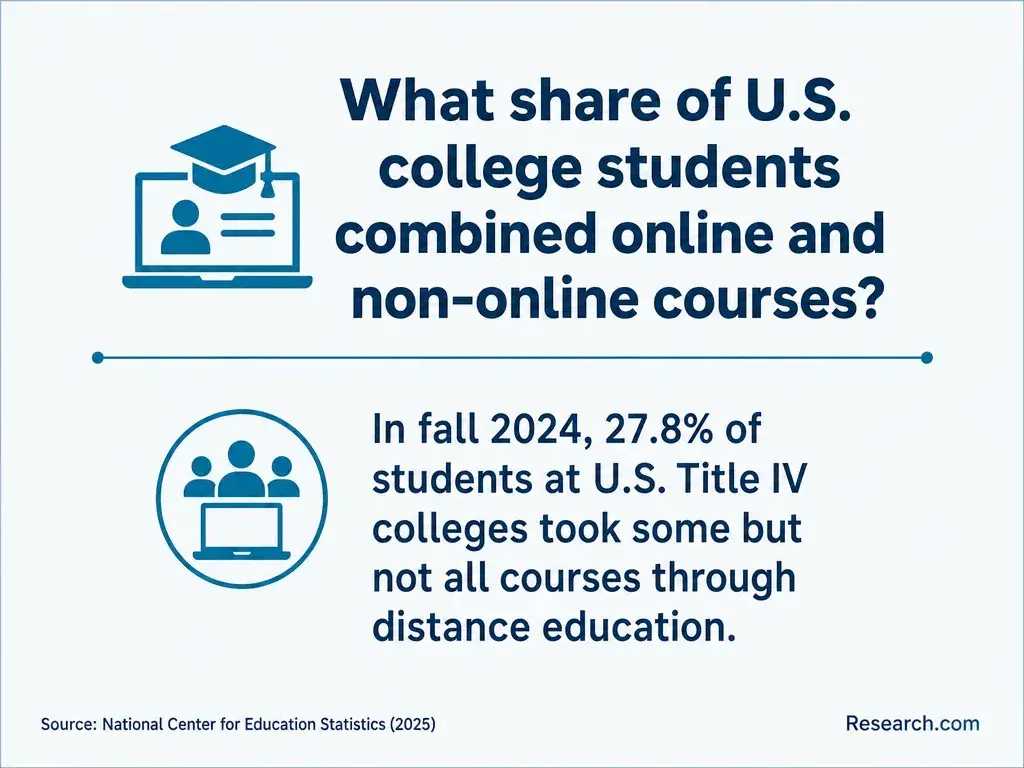
Online delivery may eliminate a commute, but it does not guarantee control over your schedule. A working caregiver should check whether courses have live meetings, timed exams, group work, or required daytime placements. Campus programs may make informal faculty contact or local placements easier, while online programs can widen the choice of schools.
For family-support purposes, prioritize an achievable schedule over a format label. Ask how often each required course runs, whether an approved leave is possible, and whether an internship can be completed locally. If the goal later shifts toward counseling, compare those obligations anew: shorter routes through mental health counseling graduate study may still involve live instruction and supervised in-person experience.
Requirements depend on whether you enter as a first-year or transfer student. Schools may request a high school record or previous college transcripts, and some have separate rules for entering the psychology major. Check the specific institution's admission and major policies rather than assuming one online BA follows another's rules.
For returning students, an accepted credit is not necessarily a completed major requirement. Request a written degree audit showing how prior introductory psychology, statistics, research methods, and general education courses apply. College credit evaluation for psychology majors is a useful starting point, but the awarding institution has final authority over equivalencies and graduation requirements.
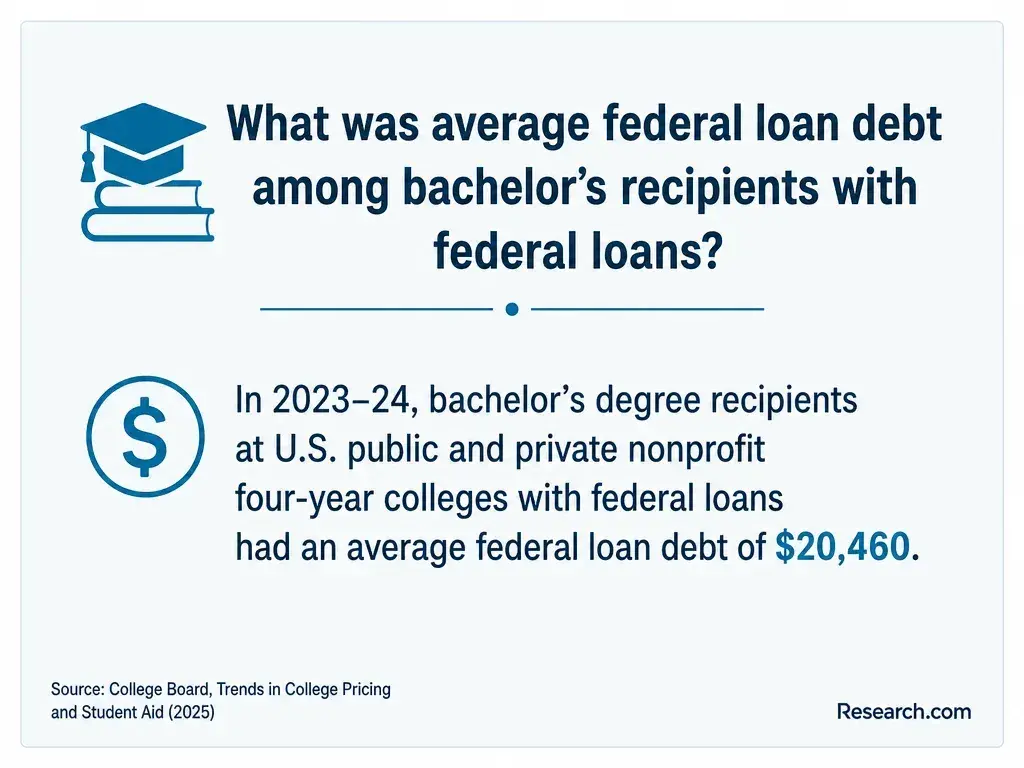
A conventional bachelor's curriculum is about 120 semester credits and is commonly planned as four years of full-time study. Your remaining time depends on the approved transfer audit, course sequencing, enrollment pace, and any placement requirement. Part-time study may be more workable during caregiving, even if it extends the calendar time.
Without a named school and entry term, a trustworthy total price cannot be stated. Compare each school's tuition per credit, mandatory online fees, books, possible placement travel, and the cost of credits still required - not just its advertised annual tuition. Ask financial-aid staff how your planned course load affects aid eligibility. If you are weighing a future clinical career, include subsequent graduate education in the calculation; clinical mental health master's tuition and career value concerns a different, additional investment.
Depending on employer requirements and experience, graduates may pursue nonclinical positions such as behavioral-health support worker, intake coordinator, community outreach worker, victim-services assistant, or human-services case aide. Duties can include explaining service options, scheduling, documentation, and connecting people with qualified providers - not making independent treatment decisions.
If you already support a relative, that experience may sharpen your motivation and communication, but it is not a substitute for workplace training or permission to handle confidential client information. Compare job postings by duties and required credentials before choosing electives or a placement. A specialized graduate degree is not automatically more relevant: evaluating faster-paced forensic psychology master's degrees makes sense for a legal-system interest, not as a default route into post-hospital family support.
What Are the Salary and Job Outlook for Psychology Graduates?
There is no single salary or job-growth figure for "psychology BA graduates." The US Bureau of Labor Statistics reports wages and projections by occupation, whose workers can have different degrees and experience. For a useful comparison, identify the exact job title, then check its current Occupational Outlook Handbook profile alongside local postings and any public-sector pay scale.
Do not substitute a licensed counselor's or psychologist's median wage for the likely pay of an undergraduate support worker. The same caution applies when assessing one-year forensic psychology master's workload and outcomes: a degree's pace or subject does not establish access to a particular occupation or its median wage. For this decision, compare likely local roles and pay with your remaining tuition and the time your family can spare.
Other Things You Should Know About Psychology
Consider waiting until you know the time commitment involved in follow-up care. You can request a degree audit now without committing to classes before your schedule is clearer.
A professor can teach psychological concepts, but a class is not a setting for individual diagnosis or treatment advice. Direct personal clinical questions to the relative's qualified care team.
Choose a topic that does not expose private details. Before collecting interviews or using service records, obtain any required faculty and institutional approvals, consent, and data permissions.
Respect their preferences and the care team's privacy obligations, while seeking general family education and support for yourself. Ask providers how to communicate concerns without expecting access to confidential information.
- Accreditation in the U.S. | ed.gov http://www.ed.gov/laws-and-policy/higher-education-laws-and-policy/college-accreditation/accreditation-in-the-us
- Evidence-Based Practices Resource Center | samhsa.gov https://www.samhsa.gov/libraries/evidence-based-practices-resource-center
- Family engagement as part of managing patients with mental illness in primary care - PMC https://pmc.ncbi.nlm.nih.gov/articles/PMC8801858/
- Discharge Planning and Transitions of Care | PSNet https://psnet.ahrq.gov/primer/discharge-planning-and-transitions-care
- Requirements Related to the Practice of Counseling - NCBI https://www.ncbi.nlm.nih.gov/books/NBK259170/
- Cost of Attendance (Budget) | 2025-2026 Federal Student Aid Handbook https://fsapartners.ed.gov/knowledge-center/fsa-handbook/2025-2026/vol3/ch2-cost-attendance-budget
- Your financial path to graduation | consumerfinance.gov https://www.consumerfinance.gov/paying-for-college/your-financial-path-to-graduation/
- Bachelor of Arts in Psychology | CUNY SPS https://sps.cuny.edu/academics/undergraduate/bachelor-arts-psychology-ba
- Can I Become a Counselor With a Bachelor's Degree? | George Fox University https://www.georgefox.edu/counseling-programs/articles/without-bachelors.html
- 10 Careers You Can Pursue With a Bachelor's in Social Work | UMass Global https://www.umassglobal.edu/blog-news/careers-for-social-work-majors