
2027 Online BA in Psychology - General Psychology: How to Evaluate an Alumni Mentoring Program
Audited and Verified:
Our Editorial and Data Verification Process
Research.com uses government datasets, official education statistics and primary institutional information to support its career and degree guides. Our review process checks factual accuracy, occupational definitions, source dates and the requirements associated with the credentials discussed.
How This Article Was Fact-Checked
Our editorial team verifies salary estimates, employment projections, education requirements and program information against original data providers and official organizations. Salary figures are checked against the relevant occupational definitions and reporting periods. Information about licensure, accreditation and required in-person training is reviewed separately.
Fact-checked and verified on:

Co-Founder and Chief Data Scientist
An online BA in general psychology may advertise alumni mentoring, but that label tells you little about the help you will receive. For prospective students - especially those balancing study with work or exploring their first psychology-related role, the useful questions are whether mentors fit your goals, have time to meet, and can connect advice to concrete opportunities.
This guide shows you how to test those claims, compare mentoring with other student services, and decide whether the program adds enough value to influence your enrollment choice.
Key Things You Should Know
- Ask whether mentoring is guaranteed or application-based, how matches are made, and what happens if a mentor is unavailable or the match fails.
- Look for career-relevant experience and a workable meeting schedule, not just a large alumni network or an impressive job title.
- Evaluate mentoring alongside the degree's accreditation, total cost, course schedule, and access to supervised experience; mentoring alone cannot qualify you for clinical practice.
What Is an Alumni Mentoring Program in an Online Psychology Degree?
An alumni mentoring program connects current students with graduates who share career experience, feedback, and professional perspective. In an online general psychology BA, meetings may take place by video, phone, or messaging. Some programs arrange individual matches; others offer group events or an alumni directory. These are different benefits, so ask which one the school actually provides.
Mentoring is not academic advising, faculty research supervision, an internship, or a promise of employment. A graduate may help you think through electives and experience-building, but the university must confirm degree requirements. If completing the BA quickly matters to you, compare the mentoring schedule with shorter routes to an online psychology major; faster coursework may leave less time to develop a useful mentoring relationship.
How Can Alumni Mentoring Support Online Psychology Students' Career Goals?
The strongest mentoring starts with a specific goal. A student interested in research support might ask an alumnus how to demonstrate statistics, literature-review, and data-handling skills. Someone considering community services might ask about entry-level duties, safeguarding, referrals, and the experience employers expect. An alumnus can also review how a student describes a class project without treating that project as professional fieldwork.
Mentors are particularly helpful when they explain a pathway's limits. A psychology BA does not authorize psychotherapy, diagnosis, or independent psychological assessment. An alumnus can help a student identify the additional education required for a target profession and questions to take to the appropriate program or licensing board. For example, a student considering legal-system work can use forensic psychology admissions and education planning to frame a discussion about further study, without assuming a concentration grants forensic-practitioner status.
What Should You Look for When Evaluating an Alumni Mentoring Program?
Judge the program by what a student can reasonably access, not by the number of alumni in its network. Request the current mentoring guidelines and ask staff or participating students for concrete examples of how the service works.
Use these questions to separate a structured program from an informal invitation to network:
- Access: Which online BA students are eligible, when can they join, and is an individual match assured?
- Fit: Can students request a career field, graduate-study pathway, location, or shared professional background?
- Structure: Are goals, meeting expectations, confidentiality, and a process for changing mentors documented?
- Evidence: Does the school report participation, completed matches, or student feedback - and explain who was included in those figures?
- Action: Can a mentor help identify a realistic next step, such as a research opportunity, portfolio revision, or career-services appointment?
Treat testimonials as individual experiences rather than typical outcomes. If graduate study is the goal, ask whether mentoring helps students compare prerequisites and financing - not merely whether alumni attended graduate school. Graduate psychology tuition and program value may matter more to that decision than an alumnus's enthusiasm for a particular degree.
Matching may be staff-led, based on a student questionnaire, or left to students searching a directory. Ask who reviews requests, whether mentors opt in and receive guidance, and how long a student typically waits. A directory can offer choice but places more responsibility on students to initiate contact; a staff-led match may offer support but fewer options.
The best match usually reflects the student's next decision, not just a shared major. An online student comparing general psychology with short-duration undergraduate forensic psychology programs might benefit from an alumnus who can discuss course load and relevant experience. A student seeking a research assistant role needs someone familiar with research hiring instead. Ask whether you can revise your goals and request a new match when your direction changes.
A useful mentor need not hold the most advanced degree. Look for recent, relevant experience; the ability to describe actual work and hiring expectations; and a willingness to acknowledge what they do not know. An alumnus working in research operations may be more useful for a prospective research assistant than a licensed clinician whose work follows a different pathway.
Check that the school sets boundaries around advice. Mentors should not present personal experience as admissions policy, promise referrals or jobs, review confidential client material, or imply that psychology coursework permits clinical practice. If an alumnus discusses one-year forensic psychology study and career outcomes, ask them to distinguish their own experience from the current requirements of the programs and roles you are considering.
There is no universal meeting frequency. What matters is whether the published expectation is realistic for both people and sufficient for the student's goal. Ask whether meetings are scheduled in advance, how long a match lasts, which time zones mentors cover, and whether students can use asynchronous messages between calls. Online access does not guarantee evening or weekend availability.
Before accepting a match, agree on a first goal and the next contact date. A student juggling work or caregiving may prefer fewer, prepared conversations over frequent calls that are hard to keep. The same scheduling test applies when evaluating faster-paced forensic psychology master's degrees: accelerated study and reliable mentoring both depend on actual calendar commitments, not an "online" label.
Mentoring works best as a complement to career services. A mentor can describe a field and give feedback; trained career staff should provide consistent help with résumés, interviews, job-search tools, and access to internships or employer events where available. Ask whether online students can use those services, whether appointments are virtual, and whether support continues after graduation.
For a student considering licensed counseling, career staff should help distinguish exploratory psychology coursework from a qualifying professional pathway and direct the student to current program and state requirements. They should also help compare the cost of that next step; mental health counseling education costs after aid are a separate decision from the price of a psychology BA. Neither a mentor nor a career office can guarantee admission, licensure, or employment.
Verify the institution's current accreditation through the accreditor's directory and the U.S. Department of Education's accreditation database. Confirm the institution's exact name, accreditor, status, and any relevant location or online-delivery details. Then ask the school which institution awards the BA and whether the status applies to your intended enrollment term.
Institutional accreditation matters, but it does not establish the quality of an alumni mentoring program or eligibility for a regulated profession. The American Psychological Association does not accredit general psychology bachelor's programs.
Be equally careful with specialized claims: when using a guide to forensic psychology admissions and education planning, check exactly what an accreditation statement covers rather than assuming it confers clinical or forensic authority. For any future licensed role, verify the applicable program and jurisdictional requirements separately.
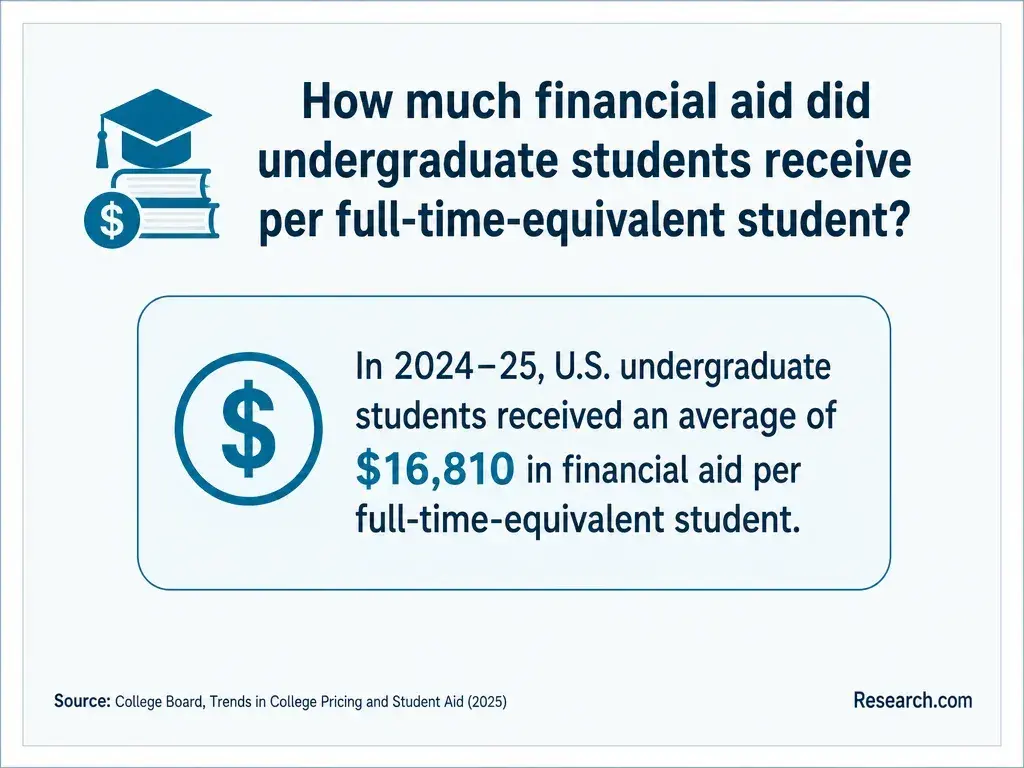
Cost and completion time vary with the school's tuition rules, accepted transfer work, remaining degree requirements, course availability, and enrollment pace. Request an individualized degree audit and a written estimate covering tuition, mandatory fees, books, technology, and any required in-person activities. Accepted transfer credits may not satisfy psychology-major requirements, so do not estimate savings from the credit total alone.
Compare the full remaining cost with the mentoring benefit you can actually use. An expensive program is not automatically a better career investment because it advertises alumni access; a less expensive one may still require you to build your own network. An online psychology tuition comparison guide can help identify programs to investigate, but confirm each school's charges, aid eligibility, and course schedule directly before enrolling.
What Careers and Salaries Can an Online Psychology BA Lead To?
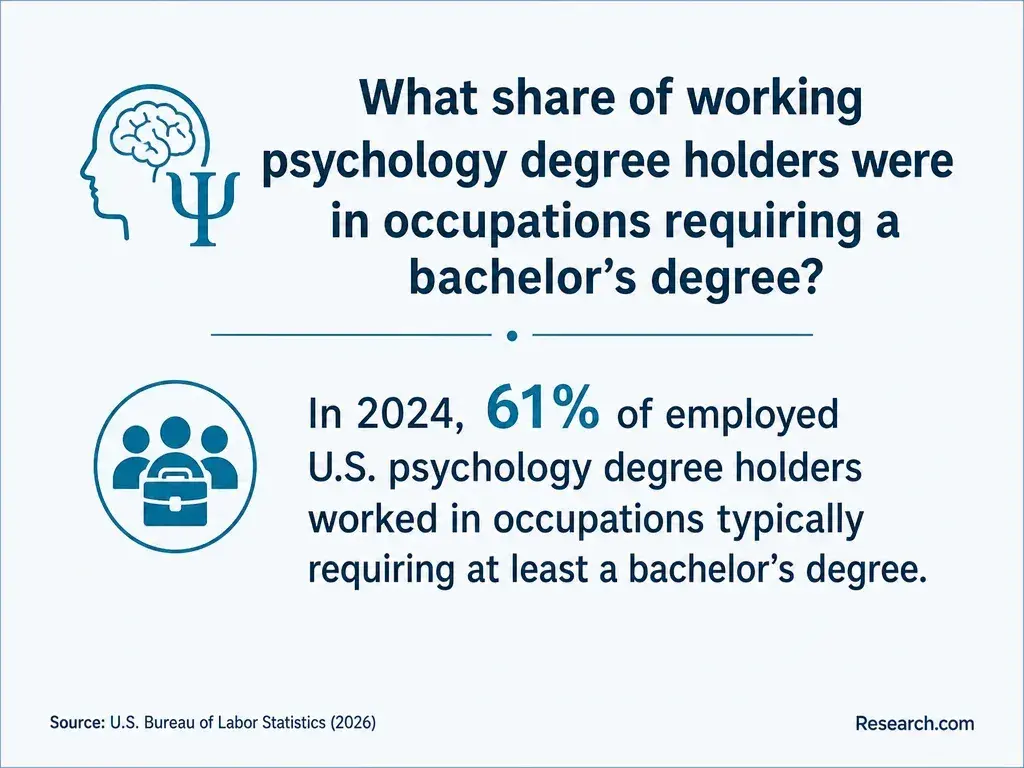
A general psychology BA can support applications for nonclinical roles such as research support, human-services coordination, community outreach, or recruiting, depending on the employer and the applicant's experience. Coursework in research methods, statistics, and human behavior is useful, but a supervised project, relevant job, or internship often provides clearer evidence of readiness. A BA alone does not qualify someone to practice as a psychologist or therapist.
Salary comparisons must use the specific occupation, location, and entry requirements - not a broad "psychology graduate" figure. Before assigning value to a mentor's advice, compare job postings for your target role with occupation-specific U.S. Bureau of Labor Statistics wage information, remembering that an occupation-wide median is not a new graduate's expected pay. If addiction services interest you, distinguish support roles from credential-regulated counseling and weigh the financial value of addiction counseling bachelor's study against the actual qualifications local employers require. The strongest mentoring program helps you make that comparison honestly.
Other Things You Should Know About Psychology
Often, if the school permits it. Ask for a mentor willing to discuss several nonclinical paths, and set an initial goal of identifying roles to research rather than choosing one immediately.
Possibly, but ask the intended program what kinds of references it accepts. A faculty member or supervisor who has assessed your academic or research work may be better positioned to address your preparation.
Contact the program coordinator and ask about its rematching or reporting process. You should not have to continue a match that crosses professional boundaries.
That depends on program rules and the mentor's availability. Ask when formal access ends and whether alumni can participate in the network themselves.
- Considerations for privacy and confidentiality in adolescent health care service delivery - PMC https://pmc.ncbi.nlm.nih.gov/articles/PMC10186092/
- FERPA | Protecting Student Privacy - Department of Education https://studentprivacy.ed.gov/ferpa
- Mentee Best Practices - It's Your Yale https://your.yale.edu/working-at-yale/learn-and-grow/career-development/mentoring/mentee-best-practices
- About the Alumni Mentorship Program | uiowa.edu https://www.public-health.uiowa.edu/about-the-alumni-mentor-program/
- What is the Alumni Mentoring Program? | brooklyn.edu https://students.brooklyn.edu/knowledge-base/what-is-the-alumni-mentoring-program/
- How to Choose the Best Online Degree Program | NMSU Global Campus https://global.nmsu.edu/blog/general/how-to-choose-online-degree-program/
- Networking | Graduate Office of Career and Life Design https://gradcareer.utexas.edu/job-search/preparation/networking
- Do Colleges Have Career Services? | York College of Pennsylvania https://www.ycp.edu/news/do-colleges-have-career-services
- Attend Career Panels - Careers Beyond Academia https://gradcareers.cornell.edu/explore/attend-career-panels/
- Professional Development Resource Lists | Berkeley Graduate Division https://grad.berkeley.edu/students/gradpro/resource-lists/


