2026 Oceanography Degree Completion Programs for Working Adults

Co-Founder and Chief Data Scientist
Working adults aiming to complete an oceanography degree often face complex challenges-balancing demanding jobs, family commitments, and financial constraints while seeking a credible credential. Many programs claim flexibility but lack key features such as transparent credit transfer policies or accreditation recognized by employers and licensure boards. Studies reveal that professionals holding an accredited oceanography degree completion program credential earn 15% higher average salaries compared to those without a degree.
This article examines crucial factors like structural design, accreditation standards, scheduling formats, and costs to guide prospective students in selecting programs that align with their career ambitions, financial reality, and life obligations.
Key Things to Know About Oceanography Degree Completion Programs for Working Adults
- Maximize credit for prior learning by submitting military or ACE-credited training transcripts-many programs grant up to 30% of degree credits this way, accelerating completion timelines.
- Verify programs are employer- and licensure-recognized-accreditation by regional bodies and industry-specific endorsements ensure relevance and job market validity.
- Explore financial aid options tailored for working adults, such as employer tuition assistance and federal aid programs, which 60% of adult learners successfully leverage to reduce costs.
What Are Oceanography Degree Completion Programs, and Who Are They Designed For?
Oceanography degree completion programs are tailored for adults with some college experience who have not yet earned a bachelor's degree in oceanography. Unlike traditional four-year undergraduate or graduate programs, these completion pathways emphasize accelerated pacing, applying previously earned credits, and flexible scheduling to fit working adults' lives. They serve as an efficient bridge for those balancing professional and personal responsibilities while seeking to advance their credentials.
- Accelerated Pacing: Fast-tracked course sequences, often including intensive summer sessions or condensed semesters, help students complete degrees more quickly than standard timelines.
- Credit-for-Prior-Learning Policies: Transfer credits from other colleges or military training evaluated by the American Council on Education (ACE) are recognized, reducing redundant coursework and saving time and money.
- Scheduling Flexibility: Hybrid or fully online classes accommodate work schedules and family commitments, supporting continuous enrollment and timely completion.
- Quality and Accreditation: Programs comply with regional accreditation and professional standards, ensuring credentials are respected by employers and licensure boards.
- Financial Aid Accessibility: Adult learner-focused financial aid options-including grants and employer tuition assistance-help reduce economic barriers.
Research from the National Student Clearinghouse and the American Association of State Colleges and Universities highlights the importance of oceanography degree completion programs for working adults seeking career advancement through online oceanography degree programs designed for career advancement. The Lumina Foundation confirms these programs meet workforce demands while respecting complex adult lives. Many adults also explore online certifications that pay well as supplementary credentials to boost their employment prospects.
How Do Oceanography Degree Completion Programs Differ From Traditional On-Campus Degree Programs?
Oceanography degree completion programs are tailored for working adults seeking flexible alternatives to traditional on-campus degrees. These programs offer diverse Scheduling formats include evening, weekend, online, or hybrid classes, designed to accommodate busy schedules-unlike conventional programs requiring full-time weekday campus attendance. Such scheduling flexibility is a key factor for students balancing career and family obligations.
- Pacing Options: Completion programs provide options for accelerated cohorts or self-paced enrollment, allowing students to tailor progression to their personal circumstances. This flexibility contrasts with the fixed semester timelines typical in traditional programs.
- Residency Requirements: Many completion pathways minimize the need for on-campus residency. While some require brief intensives or residencies, most coursework can be completed asynchronously online, reducing physical presence demands compared to standard fully residential degrees.
- Coursework Delivery: A substantial portion of courses is designed for asynchronous study so students can engage with material at convenient times-distinct from traditional synchronous lectures and labs.
- Structural Accommodations: Completion programs offer rolling or multiple start dates annually, streamlined advising tailored to adult learners, and maximized credit transfer opportunities-including military and prior learning credits-that shorten time to degree.
- Enrollment Trends: Data from the National Center for Education Statistics (NCES) and IPEDS highlight steady growth in degree completion enrollments over the past decade, underscoring increasing demand among working adults for these flexible education pathways.
- Credential Equivalence: The credentials awarded-such as Bachelor of Science or Bachelor of Arts in Oceanography-remain equivalent to traditional degrees. The primary difference lies in the adaptive student experience that reduces disruption to careers and family life.
Working professionals exploring oceanography degree completion programs should carefully evaluate how programs maximize credit for prior learning, ensure employer and licensure recognition, and provide access to financial aid geared to adults. Comparing program cost-effectiveness can be aided by examining online business degrees cost trends, which often parallel completion degree models in affordability and flexibility. These considerations help identify programs aligned with career goals, financial constraints, and lifestyle needs.
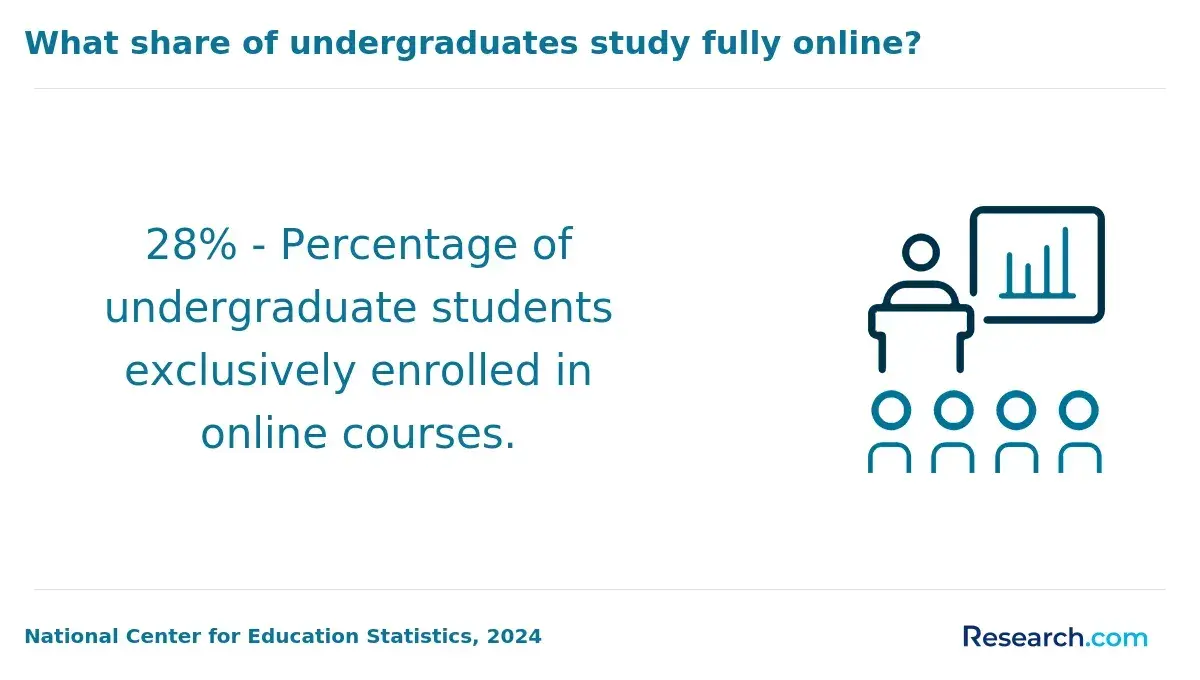
What Prior Credits and Experiences Count Toward a Oceanography Degree Completion Program?
Policies on credit acceptance vary widely among programs, largely influenced by the accreditation status of the source institution and the degree completion program itself. Because of this variability, prospective students should seek a formal pre-enrollment credit evaluation and provide official transcripts to assess their transferable credits accurately. According to CAEL research, students granted PLA credit often halve their time-to-degree-resulting in notable tuition savings and faster entry into careers.
Transfer Credits: Most oceanography degree completion programs accept credits from regionally accredited institutions, though acceptance depends heavily on the transfer institution's accreditation and course alignment. Applicants should submit official transcripts to confirm eligibility.
Military Training Credits: Many programs recognize credits associated with military training documented through the American Council on Education (ACE) registry, giving veterans credit for technical skills and leadership experience earned during service.
Professional Certifications: Relevant certifications in oceanography or related scientific and technical fields can often count toward degree requirements, especially if verified through prior learning assessments or employer collaborations.
Prior Learning Assessments (PLA): Portfolios showcasing workplace learning and verifiable skills can be converted to academic credit, enabling students to leverage real-world experience and accelerate degree completion.
Credit-By-Examination: Exams such as CLEP and DSST allow students to earn credit for foundational courses, minimizing the need to retake general education classes.
Be wary of institutions that refuse ACE military credits or place unreasonable caps on transfer credits without sound academic justification. The American Association of Collegiate Registrars and Admissions Officers (AACRAO) guidelines offer a trusted benchmark for credit evaluation fairness.
One professional who recently earned his oceanography degree shared that navigating credit transfers was challenging but rewarding. "Submitting all my military and professional training records took time, and I had to patiently work with advisors for the PLA portfolio," he recalled. "But once I saw how much prior learning counted, it motivated me to push through the tougher courses. The degree not only validated my experience but also opened doors I hadn't anticipated."
What Is the Minimum GPA Requirement for Oceanography Degree Completion Programs?
Admission to oceanography degree completion programs generally requires a minimum cumulative GPA on previous college coursework-typically between 2.0 and 2.5 on a 4.0 scale-but this varies by institution and applicant background. Programs often allow conditional entry for students with lower GPAs if they participate in tutoring, mentoring, or developmental classes designed to enhance academic success.
- Minimum GPA: Most programs expect a GPA in the 2.0-2.5 range, though flexibility exists when combined with support systems.
- Open Admission with Experience: Some institutions waive strict GPA requirements for applicants with substantial relevant work or military experience, recognizing professional skills as an alternative to academic metrics.
- Holistic Review: GPA is typically evaluated alongside professional experience, recommendation letters, and personal statements, especially at programs accredited by the Higher Learning Commission and other regional bodies.
- Academic Forgiveness: Returning adults may access policies that reset GPA calculations after a break in enrollment, helping those with previous academic challenges regain eligibility.
- Pre-Admission Evaluation: Prospective students should seek formal assessments before applying, ensuring their qualifications align with the program's requirements-this step avoids investing effort in unsuitable applications.
Those looking to compare programs can also explore the cheapest online EdD programs as a reference for balancing quality and affordability while advancing their education.
How Are Oceanography Degree Completion Programs Structured Around Full-Time Work Schedules?
Oceanography degree completion programs often adopt scheduling formats tailored for adults working 40 or more hours weekly. These include evening cohorts and weekend intensives, which allow students to dive into coursework without interrupting daytime jobs. Fully asynchronous online modules enable learners to study flexibly on their own time, while hybrid models blend in-person and online elements for balanced structure and adaptability.
Programs typically advise a credit load of 6 to 9 credits per term for full-time working students to sustain steady academic progress without overload. A common feature is the cohort learning model, where students move through courses as a consistent group. This approach fosters accountability, enhances peer support, and offers scheduling predictability-vital for coordinating study plans months ahead alongside work and family demands.
Data from the National Student Clearinghouse Research Center reveals that students enrolled in cohort-based completion programs exhibit higher persistence and graduation rates compared to traditional formats. This evidence underscores the benefits of structured learning environments for working adults striving to finish their degrees.
Prospective students should inquire about key policies, including course cancellation rules, opportunities to make up work missed due to job conflicts, and availability of dedicated student success advisors-professionals who help manage scheduling difficulties to keep academic progress on track.
Reflecting on her experience, a professional who built her career after completing an oceanography degree shared that balancing full-time work and study was initially daunting. "The cohort system was a lifeline," she noted, emphasizing how the fixed group created a supportive network that made deadlines and workloads feel manageable. She appreciated having access to advisors who understood the unique challenges of juggling career and education, describing their guidance as "instrumental in staying motivated and on schedule." This structured yet flexible format ultimately helped her navigate unforeseen work demands without falling behind, reinforcing the program's design around adult learners' real-world schedules.
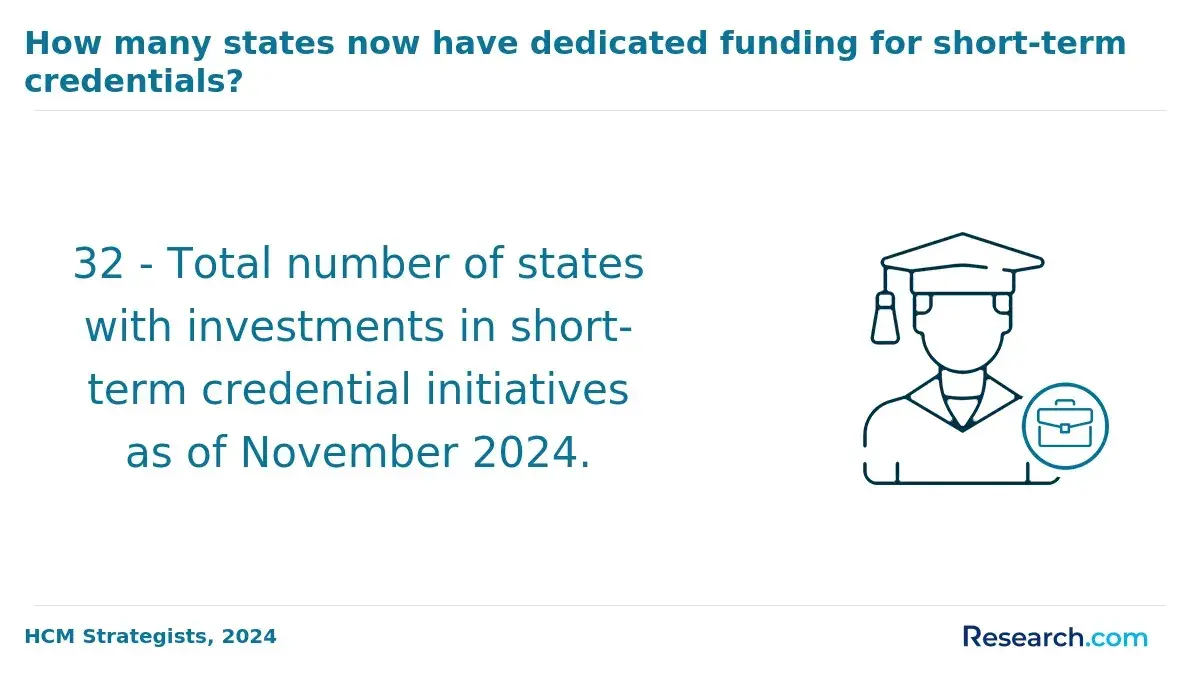
Is Online or Hybrid Delivery Available for Oceanography Degree Completion Programs?
About 65% of adult learners in STEM-related degree completion programs choose fully online formats, while roughly 25% engage in hybrid models blending online education with some in-person components, according to NCES and OLC data. Oceanography programs increasingly offer these flexible delivery methods to meet the needs of working adults balancing careers and personal commitments.
Synchronous Live Sessions: These real-time video classes foster interaction with instructors and peers but require fixed schedules-potentially limiting flexibility for students with irregular work hours or family responsibilities.
Asynchronous Recorded Lectures: Offering maximum scheduling freedom, this format lets students access coursework anytime, making it ideal for those in demanding jobs or living far from campus.
Hybrid Models: Combining online study with occasional on-site intensives, this approach suits learners desiring face-to-face engagement and practical labs while minimizing travel.
The COVID-19 pandemic rapidly expanded institutional capabilities to deliver quality online education-including oceanography-highlighting increased use of interactive labs and virtual field experiences. When assessing programs, prospective students should consider faculty qualifications, student-to-faculty ratios in online courses, availability of virtual support services, and whether accreditation matches that of the on-campus equivalent.
Key questions for enrollment advisors include the extent of live participation required, in-person lab mandates, eligibility for prior learning credit (including military or ACE evaluations), and access to research and tutoring resources. Aligning these factors with one's learning preferences, work schedule, and location helps ensure successful completion and career advancement.
How Long Does It Take to Complete a Oceanography Degree Completion Program?
Completion times for oceanography degree completion programs fluctuate significantly based on students' prior credits and enrollment patterns. Adults entering with around 60 credits generally take two to three years when studying part-time-a common format for working adults balancing multiple responsibilities. Those with 90 credits often finish within one to two years, benefiting from fewer remaining courses. Students with substantial prior learning that has been officially assessed-such as military veterans leveraging ACE credit recommendations-may graduate even faster if their background covers core subject areas.
Certain components enforce fixed timelines irrespective of credits earned. These include:
- Field Requirements: Hands-on experience like internships or fieldwork often requires a semester or summer term and cannot be shortened without sacrificing quality.
- Capstone Projects: These demand sustained faculty mentorship and engagement, setting a natural completion pace.
- Credits Awarded: More credits via transfer or prior learning assessment reduce course load and duration.
- Enrollment Intensity: Part-time attendance extends timelines, while accelerated or year-round schedules condense them.
- Program Design: Fixed-duration internships and similar experiences create minimum time thresholds.
Financially, faster completion reduces tuition and fees, lowers opportunity costs from delayed earning potential, and expedites access to higher salary brackets within oceanography careers. Accelerated paths are thus financially advantageous-not merely a lifestyle preference.
Prospective students should request documented average completion times from programs tailored to their particular credit profile. Relying on marketed minimums risks unrealistic expectations, as those typically reflect only the fastest completions by students with maximal credit transfers in ideal circumstances. Transparent timelines empower informed decisions aligned with academic goals and financial realities.
What Accreditation Should a Oceanography Degree Completion Program Hold?
Accreditation is essential when selecting accredited oceanography degree completion programs for working adults-impacting educational quality, credit transferability, financial aid access, and employer recognition. Regional accreditation from bodies like the Higher Learning Commission (HLC), the Middle States Commission on Higher Education, and the Southern Association of Colleges and Schools Commission on Colleges (SACSCOC) sets the highest standard. Employers, graduate schools, and licensing agencies prefer degrees with regional accreditation due to their rigorous evaluation and widespread acceptance.
In contrast, national accreditation-often granted by organizations such as the Distance Education Accrediting Commission (DEAC)-is typically seen as less stringent. Programs with national accreditation may face limitations regarding credit transfers and professional recognition, which can hinder students pursuing academic or career advancement in oceanography degree completion programs.
Programmatic accreditation also plays a key role in specialized areas related to oceanography, including engineering and technology fields accredited by ABET, business components recognized by ACBSP or AACSB, and social work programs overseen by CSWE. These endorsements can influence licensure eligibility, hiring outcomes, and graduate admissions, adding significant value to a candidate's credentials.
Beware of institutions offering degree completion programs that rely solely on national accreditation or list unrecognized accreditors-these may threaten reputational standing and financial investment since employers and licensing bodies might reject such credentials. Prospective students should verify accreditation independently through the U.S. Department of Education's Database of Accredited Postsecondary Institutions and Programs (DAPIP), rather than relying solely on institutional marketing claims.
Careful comparison of regional accreditation requirements for oceanography completion degrees can guide working adults in maximizing credit for prior learning and selecting employer- and licensure-recognized programs aligned with their goals. For those balancing work and study, learning about scheduling options and cost considerations is equally important. For additional context on affordable options, exploring real estate degrees online can provide insight into flexible, cost-effective degree pathways.
How Much Do Oceanography Degree Completion Programs Cost, and What Financial Aid Is Available?
Costs for oceanography degree completion programs vary widely-generally ranging from $250 to $700 per credit hour depending on the institution type. Public regional universities typically charge between $250 and $400 per credit, while private nonprofit institutions may ask for $500 to $700 or more. For-profit schools often fall at the higher end of this scale. Beyond tuition, mandatory fees such as technology, lab access, and distance learning support can add several hundred dollars per term. Some programs also require short residencies or intensive workshops that bring additional travel and lodging costs-important factors for realistic budget planning in oceanography degree completion program costs for working adults.
Working adult students can access various financial aid options for adult learners in oceanography degrees. Pell Grants are increasingly available to part-time adult learners, supplementing employer tuition reimbursement programs common across many industries. Military-affiliated students benefit from GI Bill and MyCAA benefits, which cover portions of tuition and fees. Many institutions also offer scholarships targeted at non-traditional adult learners returning to university. Adults who file the FAFSA independently should note that expected family contribution calculations vary, often improving their aid eligibility.
Tax advantages exist for working adults paying out-of-pocket, including the Lifetime Learning Credit and employer-provided educational assistance exclusion under IRS Section 127-consulting a tax professional is advised for personalized guidance based on individual tax situations.
When comparing competing oceanography completion programs, consider total costs by factoring in transferred credits, employer reimbursement eligibility, and net tuition after aid. Relying on sticker price alone often misrepresents actual out-of-pocket expenses faced by adult learners who leverage prior credits or employment benefits. Exploring credit transfer policies and program schedules carefully can avoid hidden costs.
Many programs use flexible course formats accommodating working schedules-some even offer accelerated options. For those seeking streamlined paths, exploring 6 week college courses online can reduce time to degree completion without sacrificing quality or rigor.
What Career Outcomes Can Working Adults Expect After Completing a Oceanography Degree?
Data from the College Scorecard highlights a significant earnings boost for working adults who complete a bachelor's degree in oceanography-typically a 15% to 25% salary premium compared to peers with some college but no degree. This increase reflects employer preference for fully credentialed candidates, especially in roles requiring a bachelor's degree as a baseline.
Completers often gain access to credential-gated job titles such as marine research scientist, environmental consultant, or oceanographic technician lead-positions that open doors to promotions and leadership responsibilities unavailable to those without a degree.
- Promotion Eligibility: Completing a degree frequently unlocks mid-to-senior roles within agencies and private firms specializing in environmental monitoring, coastal management, and ocean resource exploration.
- Professional Recognition: Graduates earn credentials that enhance their credibility, qualifying them for supervisory and project management positions.
Prospective students should verify that their program meets credentials required for specific career goals-such as licensing, governmental certifications, or graduate study-ensuring the bachelor's degree aligns with these demands.
Leveraging military or professional training through credit transfer can shorten time to completion, while selecting accredited programs recognized by employers and licensing bodies ensures the credential's value. Accessing financial aid designed for working adults and analyzing tuition costs relative to expected career outcomes helps ensure the program fits both budget and professional objectives.
Working adults entering the oceanography field bring valuable industry experience that differentiates them from traditional recent graduates. This experience often enables them to bypass entry-level jobs and aim directly for advanced positions upon degree completion.
How Do Employers View a Oceanography Degree Completed Through a Completion Program?
Employer hiring data from SHRM and NACE reveals that the primary focus lies on an institution's accreditation and recognized program quality rather than how a degree was earned. For Oceanography degree completion programs aimed at working adults, this means the diploma awarded-whether obtained via traditional study or through prior learning assessments (PLA)-is generally indistinguishable to employers.
- Diploma Equivalence: Employers receive the same credential from accredited schools regardless of completion format, assuring parity between traditional and adult-oriented degree paths.
- Resume Strategy: Candidates should emphasize the school's accreditation and rigorous curriculum. In interviews, highlighting the program's adult-focused design and accelerated pacing demonstrates dedication, time management, and flexibility.
- Employer Exceptions: Certain sectors-like federal jobs subject to OPM standards or careers requiring state licensure-may scrutinize degree pathways more closely. Prospective students in these areas should confirm credential acceptance with licensing boards or their human resources departments before enrolling.
- Prior Learning Credits: The use of military or professional experience for PLA is broadly recognized and valued, showcasing both academic achievement and practical expertise.
- Hiring Priorities: In most private-sector Oceanography roles, demonstrated skills, experience, and strong references carry greater weight than the degree's completion method, positioning the credential as a genuine career asset rather than a lesser alternative.
Choosing a completion program requires balancing recognition, credit transfer potential, financial aid access, and scheduling flexibility-ensuring alignment with professional goals and life responsibilities.
What Graduates Say About Oceanography Degree Completion Programs for Working Adults
- Leander: "Choosing an online oceanography degree completion program tailored for working adults truly transformed my career path. The flexible scheduling formats allowed me to balance my job and studies seamlessly-no rigid class times holding me back. Plus, the accreditation standards gave me confidence that the credential would be respected by employers in this competitive field."
- Alanna: "Reflecting on my journey, I found the credit transfer policies most beneficial-they recognized my previous coursework and avoided unnecessary repetition, which saved me both time and money. Additionally, cost considerations played a big role for me, and the affordability of the program compared to traditional degrees was a deciding factor. Finally, the program's structural features, especially the focused curriculum on modern oceanographic techniques, set it apart from generic undergraduate alternatives."
- Micah: "The career outcomes after completing my online oceanography degree impressed me beyond expectations-securing relevant positions and advancing professionally became much more attainable. I appreciated that the program was designed specifically for adults with established life obligations, with scheduling formats that accommodated hectic workweeks. The rigorous accreditation standards also reassured me that the education quality met industry benchmarks essential to employers."
Other Things You Should Know About Oceanography Degrees
Oceanography degree completion programs designed for working adults typically provide support services like academic advising, tutoring, and career counseling tailored to adult learners' needs. Many programs also offer flexible scheduling and online access to resources, allowing students to balance work and study effectively. Technical support is frequently available to assist with navigating digital learning platforms.
Yes, many accredited oceanography degree completion programs ensure that earned credits can transfer toward graduate studies in related scientific fields. This transferability supports working adults who plan to pursue advanced degrees such as a master's or PhD in marine sciences or environmental studies. However, students should verify transfer policies with both the undergraduate and potential graduate institutions.
Networking is a valuable component of oceanography degree completion programs, especially for working adults seeking career advancement or changes. These programs often facilitate connections through cohort interactions, faculty mentorship, and industry partnerships, helping students gain insights and job leads. Developing a professional network can open doors to research opportunities, internships, and positions in marine science organizations.
Military veterans can use education benefits such as the GI Bill to enroll in oceanography degree completion programs, often with credit awarded for military training relevant to the field. Many institutions have dedicated veterans' services offices to assist with benefit applications and provide tailored academic support. This pathway enables veterans to leverage their experience and training toward a recognized credential in oceanography.
References
- Fisheries and marine sciences degree now available online https://www.uaf.edu/news/fisheries-and-marine-sciences-degree-now-available-online.php
- Becoming an oceanographer - Institut océanographique https://www.oceano.org/en/professions/becoming-an-oceanographer/
- Oceanography Online Courses: Top Colleges, Eligibility, Platforms & Job Opportunities https://www.selectyouruniversity.com/blog/oceanography-online-courses
- Geography and Oceanography https://www.liverpool.ac.uk/courses/geography-and-oceanography-bsc-hons
- Accreditation https://www.nialexisplatform.org/accreditation/
- Academic accreditation https://www.imarest.org/our-partners/for-academia.html
- Programme structure Master's programme in Physical Oceanography https://www.gu.se/en/study-gothenburg/programme-structure-physical-oceanography-n2foc
- Exploring Oceanography as a Career Path https://www.oceanologyinternational.com/london/en-gb/blog/articles/career-guide-oceanographer.html
- Accreditation - Woods Hole Oceanographic Institution https://www.whoi.edu/what-we-do/educate/apo/accreditation/
- Awarded degree https://merconsortium.eu/programme/awarded-degree/