2027 Nurse Midwifery Degree vs Bootcamp vs Certificate: Which Path Leads to Better Career Outcomes?

Co-Founder and Chief Data Scientist
Choosing the right educational path in nurse midwifery can be overwhelming-degree programs, bootcamps, and certificates offer distinct benefits and challenges. Prospective students face critical questions about salary potential, employer preferences, job placement rates, and long-term growth. For example, data shows that nurse midwifery degree holders earn on average 25% more than those with certificates or bootcamp training within five years of entering the field.
Beyond income, access to professional networks and return on investment also vary widely. This article analyzes these pathways comprehensively-offering evidence-based insights to help learners identify which route aligns best with their career goals and circumstances.
Key Things to Know About Which Path Leads to Better Career Outcomes: Nurse Midwifery Degree, Bootcamp, or Certificate
- Degree holders often see higher salaries-average starting pay exceeds $90,000-and employers prefer formal credentials for advanced roles, boosting job stability and career advancement.
- Bootcamps offer quicker entry but with lower placement rates and limited networking-best suited for career changers seeking foundational skills without extended schooling.
- Certificates provide focused expertise improving specific skills and ROI-ideal for working professionals supplementing knowledge but less impactful for long-term leadership positions.
How Does Nurse Midwifery Degree Compare to Bootcamps and Certificates in Total Program Cost and Time to Completion?
Prospective students seeking a career in nurse midwifery today must navigate a key trade-off: invest several years and substantial funds pursuing a traditional degree or opt for faster, lower-cost alternatives such as bootcamps or professional certificates. Each pathway suits different learner needs and career goals, making neither an automatic best choice.
A conventional nurse midwifery degree entails earning an associate's or bachelor's in nursing, followed by a master's program-often direct entry in nurse midwifery-taking 2 to 6 years depending on prior education and enrollment status. Data from the National Center for Education Statistics (NCES) and the Integrated Postsecondary Education Data System (IPEDS) indicate tuition alone may range from $30,000 to $60,000 for full-time master's programs, excluding living costs. Part-time options extend the timeline but accommodate working adults.
Bootcamps offer an accelerated path lasting 8 to 26 weeks, focusing on practical skills with intensive schedules. Pricing from platforms like SwitchUp and Course Report ranges from $5,000 to $15,000. These programs target skill proficiency and faster entry into the workforce, contrasting with traditional degrees' theoretical depth.
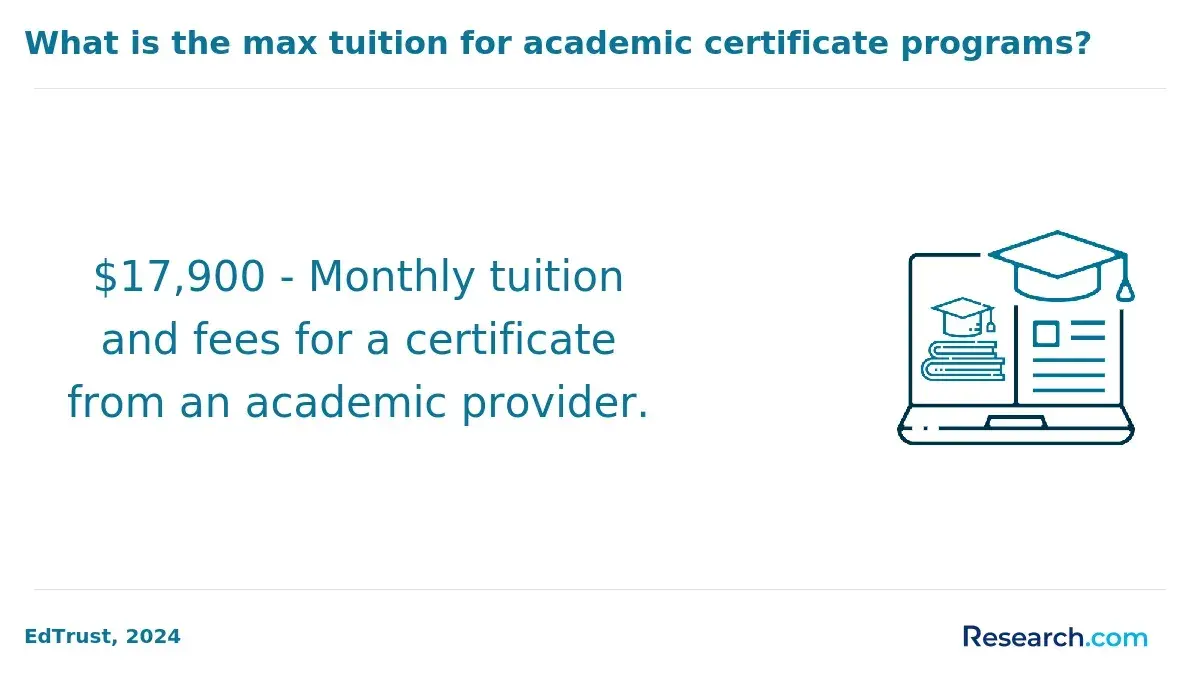
Professional certificates-often self-paced or instructor-led through providers like Coursera, Google, or industry groups-vary from weeks to months, generally costing a few hundred to a few thousand dollars. They provide flexibility but usually cover a narrower scope suitable for skill enhancement or supplementary knowledge.
While considering nurse midwifery degree cost and completion time comparison is essential, learners should also assess long-term value, employer recognition, and how each format fits individual learning styles. Working professionals exploring part-time routes may find certain options preferable-including those exploring supplemental credentials such as RN to BSN online with no clinicals. Additionally, comparing the time and expense of nurse midwifery bootcamps versus degree programs will clarify which path aligns best with one's career ambitions and lifestyle.
What Career Outcomes Can Nurse Midwifery Degree Graduates Expect Compared to Bootcamp and Certificate Completers?
Career outcomes for nurse midwifery degree graduates generally show stronger employment and salary metrics compared to bootcamp and certificate completers, based on labor market data from sources like the Bureau of Labor Statistics (BLS) and the NACE Early Career Salary Survey. Degree holders often access better job placement rates for nurse midwifery certification versus degree programs by combining higher starting salaries, more established job titles, and employment rates near or above 85% within six months of completion. Bootcamp and certificate pathways display more variable outcomes-employment rates typically range from 60% to 75%-though some bootcamp programs with robust employer networks and industry focus are narrowing this gap in specific urban or high-growth healthcare markets.
- Employment Rate: Degree graduates report employment rates near or above 85% within six months, reflecting traditional nursing and midwifery roles. Bootcamp and certificate outcomes vary but are improving in select regions.
- Median Starting Salary: According to the BLS, nurse midwifery degree holders start at salaries 15-30% higher than certificate completers, often exceeding $80,000 annually. Bootcamp completers' salaries tend to be more diverse but can approach degree-holder levels in skills-driven or tech-focused facilities.
- Job Title Level: Degree graduates usually enter roles classified as nurse midwives or advanced practice registered nurses, enabling quicker access to supervisory or specialized positions. Certificate and bootcamp completers often begin in supportive roles, which may limit immediate upward mobility.
- Employer Preferences and Hiring Trends:
- Many healthcare employers prioritize degree credentials due to regulatory standards and rigor.
- A growing number embrace skills-based hiring-especially in outpatient or under-resourced settings-benefiting bootcamp and certificate holders with clinical skills and flexible training.
- Data Considerations: Bootcamp outcome data is frequently self-reported and can be affected by survivorship bias or selective disclosure. Candidates should look for independently audited results or profiles verified by third parties like CIRR for clearer evaluation.
- Additional Influencing Factors: Career success depends on more than credentials alone; portfolio quality, professional networking, geographic location, and healthcare sector also shape outcomes, underlining the importance of individualized research.
This nuanced overview supports a realistic framework to compare distinct educational pathways, allowing students and professionals to align choices with their career goals rather than relying on marketing claims or assumptions. Those interested in nursing online programs may find strategically selected degree pathways particularly advantageous in terms of long-term growth and stability.
Which Nurse Midwifery Pathway - Degree, Bootcamp, or Certificate - Offers the Highest Starting Salary for Graduates?
Starting salaries for nurse midwifery graduates vary notably depending on the educational pathway-degree, bootcamp, or certificate-and are shaped by distinct factors. Those with master's or doctoral degrees often secure the highest entry-level pay, generally ranging from $85,000 to $95,000 annually. This advantage stems from employer preferences for comprehensive clinical training and necessary certifications for independent practice in many states.
Bootcamp graduates typically begin their careers with salaries between $60,000 and $75,000. These intensive, short-term programs emphasize practical skills but usually serve as supplements rather than full qualifications, limiting initial earning potential compared to degree holders.
Certificate earners, often registered nurses pursuing specialized expertise, report starting salaries between $70,000 and $80,000. While certificates can qualify candidates for specific roles, they rarely carry the same weight as degrees for autonomous midwifery positions.
- Employer Type: Large healthcare systems usually offer greater compensation-valuing degree-level expertise-while smaller clinics or startups may favor the flexible skills from bootcamps or certificates, often at a lower pay scale.
- Geographic and Sector Variability: Urban areas and high-cost regions pay more; women's health and outpatient specialties also influence salary differences.
- Role Specificity: Degree holders frequently qualify for advanced or managerial positions with higher remuneration than entry-level jobs common among bootcamp and certificate completers.
Over time, degree graduates tend to achieve faster salary growth and access to leadership tracks, which often require formal education credentials. Although some certificate and bootcamp participants may start with comparable earnings, their progression in higher-paying roles can be slower without further academic qualifications.
Salary benchmarks reflect median values influenced by experience, specialization, location, and program reputation-individual outcomes vary widely. For a detailed cost versus earnings analysis, refer to the ROI section.
A professional who completed a nurse midwifery master's degree shared that despite the rigorous coursework and clinical demands, the credential opened doors to higher-paying roles early on-"It was challenging balancing theory with practical hours, but knowing employers valued my advanced training kept me motivated." He noted that this pathway not only enhanced his starting salary but also increased his confidence when pursuing leadership opportunities not accessible to those with shorter certifications.
Employers in the US exhibit distinct preferences when evaluating nurse midwifery credentials-formal degree programs remain the primary credential in regulated healthcare settings such as hospitals, government agencies, and large enterprises. These environments emphasize accredited education due to licensure requirements and patient safety standards, making degrees both a key screening tool and a predictor of better salary and promotion opportunities, as documented in labor economics research.
- Degree Preference: Degree credentials command strong value in traditional clinical positions, often setting the benchmark for advancement and long-term career growth.
- Bootcamp and Certificate Roles: Conversely, sectors like startups, consulting firms, and community health providers increasingly consider candidates from bootcamps or certificate programs-particularly when practical skills and ongoing education complement these credentials.
- Skills-Based Hiring: Although major technology companies and some government bodies support skills-based hiring, this trend has yet to substantially shift hiring decisions for nurse midwifery roles, which remain tightly linked to formal credentials.
- Sector-Specific Variations: Highly regulated sectors maintain strict degree requirements due to licensing and reimbursement policies. Community-oriented and consulting settings may weigh portfolios and hands-on experience more heavily, allowing non-degree holders to compete effectively.
- Practical Advice: Prospective nurse midwifery professionals should target their education pathway to align with their desired work environment-degree programs safeguard eligibility in regulated fields, while alternatives like bootcamps offer flexible, skill-focused options well suited to emerging healthcare models. Exploring self paced college courses can also complement learning in these pathways.
Accredited nurse midwifery degree programs usually require a minimum GPA around 3.0 on a 4.0 scale, reflecting academic rigor. In contrast, bootcamps and certificate programs rarely have formal GPA thresholds. Degree applicants must often complete foundational classes-such as anatomy, physiology, microbiology, and statistics-before enrollment, while bootcamps and certificates tend to forgo these prerequisites.
Standardized Tests: Many degree programs request standardized test scores like the GRE, although some institutions are moving away from this mandate. Bootcamp and certificate admissions seldom require such exams.
Letters of Recommendation: These are generally a standard part of degree program applications, offering qualitative insights into candidates' potential. Bootcamps and certificate courses typically do not request recommendation letters, streamlining applications.
Application Timeline: Degree programs often operate on annual or biannual cycles, adding deadlines and competition. Bootcamps/certificates tend to offer rolling or open enrollment for faster access.
Selective admissions in degree programs function as both a barrier and a signal-signaling quality and diligence to employers by filtering for strong candidates. Meanwhile, bootcamps and certificates must demonstrate value through measurable outcomes, qualified instructors, curriculum relevance, and accreditation rather than selectivity. This openness in non-degree programs helps broaden access for career changers, working adults, and underrepresented groups who might face challenges like cost, location, family duties, or limited time to pause employment.
Evaluating personal academic background and circumstances is essential. For some, degree admissions reflect meaningful quality indicators and career advantage; for others, they may represent structural obstacles that don't define potential or learning capability.
A professional who built her career after graduating from a nurse midwifery degree shared that meeting strict academic and testing requirements was stressful but also gave her confidence in the program's rigor. She recalled, "The process felt daunting-balancing prerequisite courses, GRE prep, and recommendation requests was a juggle. Yet, completing those steps reassured me that I was well-prepared for the demands of clinical practice." She also appreciated how the structured timeline instilled discipline, though she acknowledged this path wasn't accessible to everyone she knew. Her story highlights how admission processes shape both opportunity and personal growth in distinct ways.
Degree programs offer a broad and structured curriculum incorporating general education, core nurse midwifery subjects, electives, and often a research or thesis requirement. Such comprehensive study covers essential sciences like anatomy, physiology, and pharmacology while nurturing critical thinking and evidence-based practice skills. The inclusion of diverse electives enhances adaptability, and clinical experiences spanning multiple semesters ensure practical competency. Although these programs extend the time before entering the workforce, their depth supports long-term career growth-including leadership and academic roles-by building a strong foundation in both theory and applied practice.
Bootcamps: Focused on rapid skill acquisition, bootcamps employ an intensive, project-centered approach emphasizing hands-on clinical abilities essential for entry-level positions. Their compressed timelines-often limited to weeks or months-prioritize immediate job readiness over comprehensive theoretical knowledge or broad electives. Capstone projects or portfolios typically demonstrate practical competencies rather than detailed research. While effective for quickly gaining key midwifery skills, these programs may lack the foundational breadth necessary for extensive career flexibility or advancement compared to full degree paths.
Certificate Programs: These vary widely, ranging from introductory certificates available through online platforms that cover basic principles and serve as gateways to the field, to advanced professional certifications provided by specialized industry bodies that validate specific skill sets or specializations. Entry-level certificates often prepare learners for support roles or further education, while advanced certifications usually require prior experience or education and focus on enhancing or renewing competencies. Their curricula are narrower than degrees and primarily boost employability; however, certificates rarely substitute for the comprehensive training offered by degree programs. Employer preferences and the learner's background strongly influence their labor market impact.
Return on investment (ROI) for nurse midwifery education depends on direct costs and opportunity costs-namely, the income not earned while studying. Degree programs usually take two to four years, incurring significant tuition and fees plus forgone salary, creating a substantial hidden cost. In contrast, bootcamps and certificate programs are shorter and less costly, reducing immediate expenses and income loss, resulting in faster initial ROI but often smaller long-term salary gains.
- Recent High School Graduate: With minimal opportunity costs due to no previous income, pursuing a degree can offer a larger cumulative salary premium-estimated between $40,000 and $60,000 over a decade compared to certificates or bootcamps. Although bootcamps allow quicker entry into the workforce, their smaller salary increases may yield lower ROI over ten years.
- Mid-Career Professional Leaving a $50,000/Year Job: For learners foregoing a full-time salary, opportunity cost drastically impacts ROI. Degree programs may result in income loss exceeding $100,000 during study, delaying break-even. Certificate or bootcamp pathways, which credential more rapidly, minimize income disruption and commonly reach positive ROI within five years despite smaller salary uplifts.
- Part-Time Learner Maintaining Employment: Part-time study mitigates opportunity costs, spreading tuition and effort while preserving income. Degree programs under these conditions improve ROI timelines, while bootcamps and certificates still offer faster credentialing but might lack certain employer recognitions or depth important for long-term career growth.
Individual circumstance-such as current income, study mode, and career goals-shapes ROI more than credential type alone. Shorter pathways often pay off sooner, but degrees may unlock specialized roles and higher salaries over time, essential for some nurse midwifery careers. This nuanced view aids learners in balancing financial realities with educational and professional priorities.
Job placement rates for nurse midwifery pathways-degree programs, bootcamps, and certificate programs-vary largely due to different reporting methods and definitions of placement. Degree programs generally provide independently audited data through sources like CIRR, IPEDS graduate outcome surveys, or institutional career services, presenting placement rates tied directly to nurse midwifery employment. This approach aligns with the graduate's credentials and offers more reliable statistics for evaluating outcomes.
In contrast, nurse midwifery job placement comparison degree vs certificate programs often reveals that bootcamps and certificate pathways rely on self-reported data without third-party verification. Many bootcamps count employment in a broadly adjacent healthcare role as a successful placement, inflating reported rates when compared to degree programs that track fitting clinical roles more strictly. Such differences complicate direct comparisons and call for careful scrutiny of reported outcomes.
- Reporting Transparency: Degree programs use third-party audits enhancing credibility; bootcamps usually lack independent verification, so students should request detailed methodology disclosures.
- Definition of Placement: Degree programs require employment directly related to nurse midwifery, while bootcamps may include diverse healthcare jobs, necessitating clarity on what counts as placement.
- Career Services Impact: Strong career services-including employer networks, resume coaching, and interview prep-play a critical role in improving placement rates across all pathways.
- Outcome Breakdown: Prospective students should ask for placement data by job role, salary range, and time-to-placement, as aggregated statistics can mask important variability.
Employment outcomes for nurse midwifery bootcamps versus degree pathways depend heavily on these distinctions, making it important to benchmark any program's claims against industry-wide averages. Exploring options like the best exercise science degree online can also provide insights into comparable healthcare education pathways and outcomes.
Networking benefits in nurse midwifery degree programs play a crucial role in shaping career outcomes-often surpassing formal instruction in long-term value. Degree programs typically provide the most comprehensive networking infrastructure, including established alumni associations, faculty with deep industry ties, career fairs, and connections to Greek or professional organizations. These networks are further amplified by the prestige and geographic reach of the institution, granting graduates access to influential healthcare employers. This breadth enhances job mobility and leadership opportunities within nurse midwifery careers.
- Degree Programs: These offer robust and well-established networks encompassing alumni groups, faculty contacts, career events, and employer partnerships. Graduates from renowned institutions benefit greatly from broader professional connections that impact salary outcomes and return on investment positively.
- Bootcamps: Typically smaller and newer than degree networks, bootcamps foster close-knit peer communities through cohort-based learning. Some well-established nurse midwifery bootcamps have developed strong alumni referral cultures and employer partnerships-especially within healthcare technology specializations-supporting meaningful hiring pipelines despite variability by program reputation.
- Certificate Programs: Credential providers often build professional communities around their offerings, such as industry association certifications relevant to nurse midwifery. These networks provide access to mentors, peer groups, and occasionally hiring managers. However, they tend to be less formalized and extensive compared to degree and bootcamp networks, which can limit long-term career growth but offer valuable entry points into specialized niches.
For adult learners evaluating pathways or current students supplementing studies, it's important to consider how these networking differences affect career trajectory and employer credential preferences. Insights into job placement rates and the impact of sustained alumni access often align with the program's network strength and industry engagement. Those interested in advanced nursing education might explore options such as BSN to MSN online programs to enhance credentials while accessing broader professional networks.
Geographic differences strongly influence career prospects for nurse midwifery pathways-degree programs, bootcamps, and professional certificates. Large metropolitan areas with dense employer networks tend to favor bootcamp and certificate graduates because many well-established programs are based in these cities, fostering close connections between graduates and local employers. Graduates remaining in these regions often experience higher job placement rates compared to those who move to less networked markets.
In contrast, traditional degree programs typically enjoy broader recognition across mid-sized and rural areas, where employers are more familiar with their legitimacy and regulatory standing. Candidates with degrees often find greater credential acceptance in these locations, leading to steadier career growth and better return on investment over time.
The rise of remote work has begun to blur these geographic advantages-remote roles usually offer pay aligned with metropolitan standards and allow all credential holders to compete nationally. While this opens wider opportunities, it also increases competition significantly.
Employer Density: Urban hubs provide concentrated hiring advantages for bootcamp and certificate alumni staying local.
Credential Recognition: Smaller and rural markets generally prefer degree credentials due to established trust.
Remote Work Impact: Equalizes salary and access but intensifies candidate competition.
Placement Variability: Bootcamp success relates closely to proximity within the program's employer ecosystem.
According to Course Report, bootcamp graduates in healthcare and tech zones within metro areas report placement rates exceeding 75%, while those relocating outside these hubs often face a 20% drop in outcomes.
Employer preferences for nurse midwifery candidates vary sharply depending on the organization's type and hiring approach. Large companies and government bodies frequently uphold strict degree requirements-using accredited nurse midwifery degrees as a primary screening tool due to regulatory and liability reasons. These employers tend to value formal education as a clear indicator of clinical knowledge and competence, a pattern supported by SHRM credentialing data.
- Skills-First Evaluation: Emerging healthcare startups and specialized agencies prioritize demonstrated abilities over formal credentials. These employers assess portfolios, technical tests, and prior clinical success, often accepting bootcamp or certificate holders on equal footing with degree graduates.
- Credential Trends Since 2020: Although many large employers announced removing degree mandates from job postings in 2020, Indeed research shows only a moderate rise in hires from non-degree pathways-bootcamp grads and certificate holders mainly-in non-traditional settings. Large enterprises remain dominated by candidates with formal degrees.
- Research Recommendations: Candidates should supplement publicly available hiring criteria by speaking directly with hiring managers through informational interviews. Analyzing LinkedIn profiles of recent hires in target roles reveals the real-world mix of credentials preferred by employers.
- Hybrid Advantage: Combining a formal degree with bootcamp certificates can enhance candidate competitiveness. This dual approach meets the expectations of degree-focused employers while showcasing practical skills valued by skills-driven organizations.
What Graduates Say About Which Path Leads to Better Career Outcomes: Nurse Midwifery Degree, Bootcamp, or Certificate
- Raphael: "Choosing the nurse midwifery degree was a game-changer for me-not only did it open doors to higher salaries compared to bootcamps or certificates, but employers clearly favored the depth of education it provided. The extensive networking opportunities embedded in the program helped me connect with experienced professionals who guided my career growth long after graduation. If you're looking for long-term advancement and a solid return on investment, the degree path is worth every effort."
- Russell: "Reflecting on my journey, I found that the bootcamp was the perfect fit for my fast-paced learning style and immediate career goals. While it might not offer the same employer credential preference as the nurse midwifery degree, the job placement rates were surprisingly strong-especially for those needing to enter the workforce quickly. For learners balancing work and study, the bootcamp provided a practical pathway with decent networking access and solid salary improvements."
- Hazel: "From a professional standpoint, pursuing the certificate program in nurse midwifery provided a strategic advantage for those already established in healthcare. It offered a focused credential that employers respected-especially in specialized settings-with a relatively low time and financial commitment. Although the certificate's salary outcomes may not rival the degree, its return on investment and suitability for busy professionals make it an excellent option for targeted career growth."
Other Things You Should Know About Nurse Midwifery Degrees
A nurse midwifery program must include supervised clinical practice; many U.S. accredited programs require about 1,000 to 1,250 clinical hours before graduation. Afterward, candidates apply for national certification through the American Midwifery Certification Board, which is required for licensure in most states.
During economic downturns or tight labor markets, nurse midwifery degree holders tend to be more resilient in maintaining employment and advancing careers. Their formal education and broader clinical preparation make them more competitive for scarce positions. Bootcamp and certificate holders may face greater job insecurity and limited advancement until they obtain higher qualifications.
Nurse midwifery degrees are accredited by recognized educational and professional bodies, which ensures standardized training and eligibility for certification exams. Bootcamps and certificates can vary widely in accreditation and often lack formal recognition from nursing boards. This affects their acceptance by employers and limits pathways for certification and licensing in nurse midwifery.
- DNP vs MSN for Midwifery: 2025 Complete Comparison Guide | Expert Analysis https://www.midwifeschooling.com/blog/dnp-vs-msn-for-midwifery/
- Explore Midwife Salary, Jobs, and Careers in Midwifery https://teach.com/online-ed/healthcare-degrees/online-midwifery-programs/midwife-career-and-salary/
- Five Career Paths in Nursing - StaffDNA https://staffdna.com/five-career-paths-in-nursing/
- Education You Need to Become a Nurse Midwife https://www.allnursingschools.com/nurse-midwife/degrees/
- Nurse Midwife - Explore Healthcare Careers - Mayo Clinic College of Medicine & Science https://college.mayo.edu/academics/explore-health-care-careers/careers-a-z/nurse-midwife/
- Top Online Nurse-Midwifery Programs | 2026 CNM Rankings https://www.npschools.com/rankings/all-online-nurse-midwifery-programs
- Midwifery Training Pathway for Registered Nurses - MedicsPro https://www.medicspro.com/blog/midwifery-training-pathway-for-registered-nurses
- Certified Nurse-Midwife (CNM) Career Guide | NursingEducation https://nursingeducation.org/careers/certified-nurse-midwife/
- Certification vs Degree: Which Advanced Nursing Route is Right For You? https://online.norwich.edu/online/about/resource-library/certification-vs-degree-which-advanced-nursing-route-right-you
- Nursing vs Nursing & Midwifery: Which Pathway Is Right for You? https://lcps.org.uk/nursing-vs-nursing-midwifery-whats-the-difference-between-these-2-pathways/