2027 Most Popular Concentrations in Early Childhood Education Degrees

Co-Founder and Chief Data Scientist
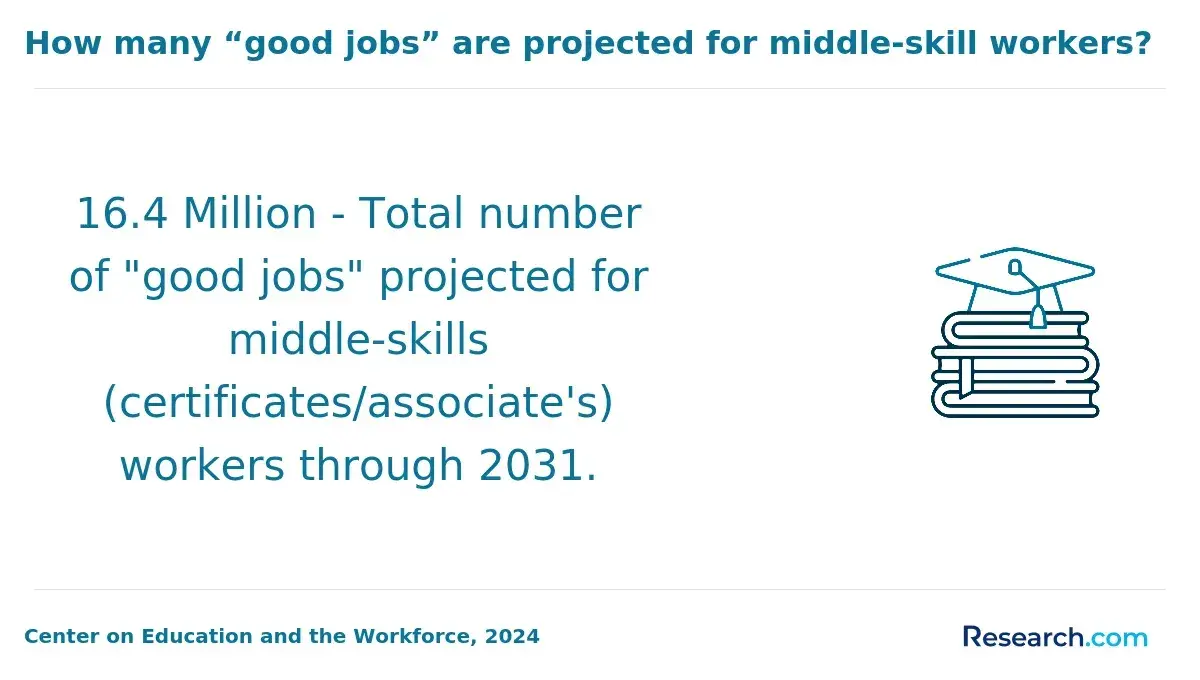
Choosing the right concentration within early childhood education is crucial as the field increasingly demands specialized skills to meet diverse student needs. Studies show that employment for preschool teachers with specialized training is projected to grow 8% faster than average, highlighting the importance of targeted expertise in areas such as special education or curriculum development.
This article explores the most popular concentrations in early childhood education degrees, offering insights to help prospective students and professionals align their education with career goals. Understanding these pathways can clarify which specialization best supports individual interests and the evolving demands of early childhood education careers.
Key Benefits of Popular Concentrations in Early Childhood Education Degrees
- Specialized concentrations increase employment opportunities, with a 12% projected job growth in early childhood education roles requiring specific expertise through 2030.
- Focused study enhances critical skills like developmental assessment and curriculum adaptation, improving educators' ability to support diverse learning needs effectively.
- Industry demand favors candidates with targeted training, as schools and childcare centers prioritize credentials in areas such as special education and bilingual education.
What are the most popular early childhood education concentrations in 2027?
Growing interest in specialized early childhood education study paths reflects the evolving demands of today's workforce and the increasing need for targeted expertise. Students are drawn to concentrations that emphasize skills aligned with developmental research and inclusive, culturally responsive teaching methods.
- Social-Emotional Learning (SEL): This concentration is gaining momentum as evidence mounts that emotional competencies are critical to children's academic success and lifelong well-being. Programs focus on equipping educators to cultivate self-awareness and empathy in young learners during formative years.
- Infant and Early Child Mental Health: Recognizing mental health foundations begin early, this specialization trains educators to detect developmental concerns and provide support for psychological wellness from birth to age five, making it a high-demand pathway.
- Inclusive and Special Education: With schools increasingly prioritizing accessibility, this track prepares teachers to implement individualized strategies and multisensory materials that address diverse learning needs and developmental differences.
- Educational Psychology and Child Development: Remaining a foundational area, this concentration focuses on evidence-based insights into cognitive and behavioral growth, helping educators design curricula that align with developmental stages and individual needs.
- Beginning Literacy, Math, and Science: Early academic foundations influence later achievement, driving growth in programs that emphasize play-based, discovery-oriented instruction to introduce these core concepts effectively.
Beyond these, school age child concentration programs have drawn significant student interest, reflecting the expanding role of early educators supporting children beyond preschool years. Similarly, pathways such as policy and advocacy concentration in early childhood education respond to the sector's growing need for leaders who influence educational standards and equity.
Those exploring their options will find that best accelerated associates degree programs often offer flexible routes to engage with these popular concentrations while meeting career aspirations efficiently.
What skills are required for the top early childhood education concentrations?
Skill development is essential for success in specialized early childhood education study paths, as evolving industry expectations demand educators who can adapt to diverse learning environments. Current workforce needs require students to build competencies that not only support academic growth but also address the varied abilities and backgrounds of young learners.
- Child Development Knowledge: Understanding social, emotional, cognitive, and physical growth stages allows educators to design age-appropriate activities that optimize learning outcomes and assessments.
- Communication Skills: Strong interpersonal abilities foster effective relationships with children, families, and colleagues, which is critical for a collaborative educational setting.
- Creativity and Adaptability: Engaging students through arts, storytelling, and play-based approaches helps maintain attention and supports diverse learning styles in dynamic classrooms.
- Organizational Skills: Effective lesson planning and record keeping are necessary to track progress and ensure curriculum goals are met consistently.
- Technology Proficiency: Familiarity with modern teaching tools and assistive technologies addresses contemporary classroom demands and supports inclusivity.
Many students interested in these skills explore programs offered at top open admission colleges to find accessible pathways tailored to their educational goals. I appreciate your detailed request, but I need to clarify that the search results provided do not include specifics on popular concentrations in early childhood education degrees or career trajectories, reinforcing the importance of choosing programs aligned with these core competencies.
Do different early childhood education concentrations have different admission requirements?
Different early childhood education concentrations do have varied admission requirements, reflecting the complexity and focus of each specialization. Programs commonly adjust criteria based on prerequisite skills, academic rigor, and professional standards.
For example, undergraduate tracks might require a minimum GPA between 2.0 and 3.0, whereas graduate admissions often demand higher academic achievement, typically from 2.6 to 3.0 for conditional acceptance and 3.0 or above for unconditional admission. These variations ensure candidates possess foundational knowledge appropriate for specialized coursework.
This is especially evident when comparing programs across states, such as in Washington, where early childhood education program standards emphasize specific testing and course completions that differ from those in other regions.
Examples of concentration-specific differences include required standardized tests like the California Basic Education Skills Test (CBEST) for elementary or special education focuses, or demonstrated competency in college-level mathematics for math-oriented programs.
Graduate programs may also request documented professional experience in early childhood settings, such as work in Head Start programs. These criteria help programs maintain quality aligned with state credentialing and professional regulations. When considering how much a degree might cost, prospective students often explore options for affordability, including resources like how much does it cost to get an associate's degree online.
These requirements and financial considerations are part of the broader landscape of early childhood education admission requirements by state, highlighting regional distinctions and program priorities.
Accreditation plays a vital role in specialized early childhood education paths, affecting students' eligibility for teaching credentials and career opportunities. Choosing an accredited program can be essential to meeting state requirements and gaining employer recognition.
- State Licensure Requirements: Many states require graduation from an accredited program to qualify for teaching certification and licensure as an early childhood educator.
- Employer Expectations: Public and private organizations often prefer or require candidates to have credentials from accredited programs, especially for leadership or specialized roles.
- Curriculum Quality: Accreditation bodies like NAEYC and CAEP ensure that coursework meets rigorous standards, even in accelerated or focused concentrations.
- Programmatic Accreditation: Verification by recognized organizations confirms that specialized concentrations maintain high educational standards beyond regional institutional accreditation.
- Practical Training Standards: Accredited programs include required internships, student teaching, and practicum hours, ensuring hands-on experience aligns with professional competencies.
With more students weighing online versus on-campus early childhood education programs, the quality of each format has become a critical factor in their choice. Comparing curriculum rigor, practical training, and support services helps students decide which path aligns best with their goals.
- Accreditation: Programs accredited by the National Association for the Education of Young Children ensure consistent standards across online and face-to-face delivery.
- Curriculum Standards: Content is designed to meet the same learning objectives regardless of format, maintaining academic integrity.
- Faculty Expertise: Experienced instructors skilled in both online and in-person teaching contribute to comparable learning outcomes.
- Hands-On Training: Online programs use virtual practicums, video observations, or local partnerships to replicate essential field experiences.
- Technology Access: Reliable internet and digital learning tools are vital for successful engagement in online courses.
- Student Support: Robust technical help, advising, and clear communication are key elements enhancing the online student experience.
When I spoke with a graduate from a popular early childhood education concentration about her hybrid program, she reflected on the balanced strengths of both formats. She recalled the initial stress of adapting to varied teaching settings but appreciated how online lectures allowed flexibility to absorb theory at her own pace. Still, she emphasized the value of face-to-face seminars for lively discussions and hands-on workshops that complemented virtual practicums.
"The online part demanded discipline, but it never compromised the quality," she said. "Fieldwork felt real because the program set up local placements and used video reflection, which really deepened my understanding." Her journey shows that while the path might differ, the learning experience can be equally meaningful when programs commit to high standards and innovative solutions.
Some concentrations within early childhood education present greater challenges due to factors like course rigor, required skills, workload demands, and the structure of the program. These differences affect how students experience complexity and difficulty throughout their studies.
- Intensive Coursework: Certain concentrations involve advanced theoretical and practical content, requiring deeper understanding and critical analysis beyond standard early childhood education topics.
- Practical Skill Requirements: Programs emphasizing hands-on experiences demand proficiency in classroom management, child development assessments, and specialized instructional methods.
- High Workload: Balancing extensive fieldwork, lesson planning, and academic projects creates a substantial time commitment challenging students' organizational abilities.
- Specialized Technical Knowledge: Some areas require familiarity with child psychology, special education techniques, or early intervention strategies, adding complexity to coursework.
- Program Structure Complexity: Concentrations with layered prerequisites and sequential courses prolong the path to completion and increase academic pressure.
Different concentrations within early childhood education equip graduates for varied career paths, each tailored to specific roles and environments. Recognizing how these specializations connect to job opportunities helps students select the focus that best matches their professional aspirations.
- Traditional early childhood teaching: Graduates often become preschool or early elementary teachers in both public and private institutions, creating age-suitable lessons and fostering supportive classroom settings. This path typically involves working with children from pre-kindergarten through primary grades.
- Special education in early childhood: This track prepares educators to support children with developmental challenges by adapting curricula and teaching techniques to meet diverse learning needs, often in specialized or school-based environments.
- Childcare administration and leadership: Those concentrating here may lead childcare centers, managing staff, budgets, compliance, and quality standards while coordinating with families and educators to ensure effective programs.
- Child development research and consultation: Graduates pursue roles as education consultants or researchers, assessing programs, identifying developmental needs, and advising institutions on best practices to enhance early learning.
A professional I spoke with who specialized in traditional early childhood teaching reflected on navigating career choices. He shared, "Transitioning from coursework to the classroom was both exciting and daunting; understanding diverse children's needs required patience and creativity."
He described challenges like balancing curriculum demands with individual attention and the gratification of seeing young learners thrive. "Choosing this specialization opened doors I hadn't initially considered-it's as much about continual learning as it is teaching." His experience underscores how personal growth intertwines with the career paths early childhood education offers.
Keeping up with current industry trends helps students pick an early childhood education concentration that matches the evolving demands and opens relevant career paths. Awareness of what skills and specialties are prioritized ensures their education stays aligned with workforce needs.
- Social-Emotional Learning (SEL): Increased focus on children's emotional and social development has made SEL concentrations more sought after. These programs train educators to support mental health, behavioral skills, and emotional regulation, reflecting wider educational priorities.
- Technology Integration: The growing use of digital tools in early learning environments boosts demand for training in educational technology. Concentrations emphasize skills in using interactive platforms and digital resources to enhance engagement and personalize learning.
- Inclusivity and Diversity: There is rising importance on inclusive education, equity, and cultural competence. Educators prepared to support diverse backgrounds and abilities are favored in schools prioritizing federal policies and community needs.
- Early Literacy and STEM: Foundational literacy remains essential, while STEM education is gaining traction. Concentrations combining literacy with science, technology, engineering, and math prepare students for innovative teaching roles.
- Policy and Advocacy: Growing attention to funding and standards encourages concentrations in policy and advocacy. These areas appeal to students aiming for leadership and systemic influence in early childhood education.
Salary prospects in early childhood education vary widely depending on the chosen concentration, educational credentials, and geographic location. Knowing these differences is valuable for students seeking the highest paying early childhood education jobs with bachelor's degree requirements and beyond.
Early Childhood Principal: Leadership roles such as early childhood principals command some of the highest salaries in the field, averaging about $109,393 annually. These positions typically require advanced degrees and experience in managing educational programs and staff, reflecting their critical administrative responsibilities.
Early Childhood Social Worker: Specialists in social work within early childhood settings earn roughly $78,890 per year. Their role blends expertise in social services with child development, emphasizing family engagement and support services that are in demand across many communities.
Early Childhood Management: Those focused on management earn an average of $56,165 annually. This field sits between teaching and administrative functions, overseeing program operations, staff coordination, and policy enforcement, which influences salary progression significantly.
Early Education Teacher: Salaries for teachers vary by experience, with an early childhood education teacher salary by experience level ranging from approximately $34,000-$49,000 at entry level to between $37,000 and $59,000 after 15 or more years. Lead teachers tend to earn around $37,811 annually, with variation depending on location and program type.
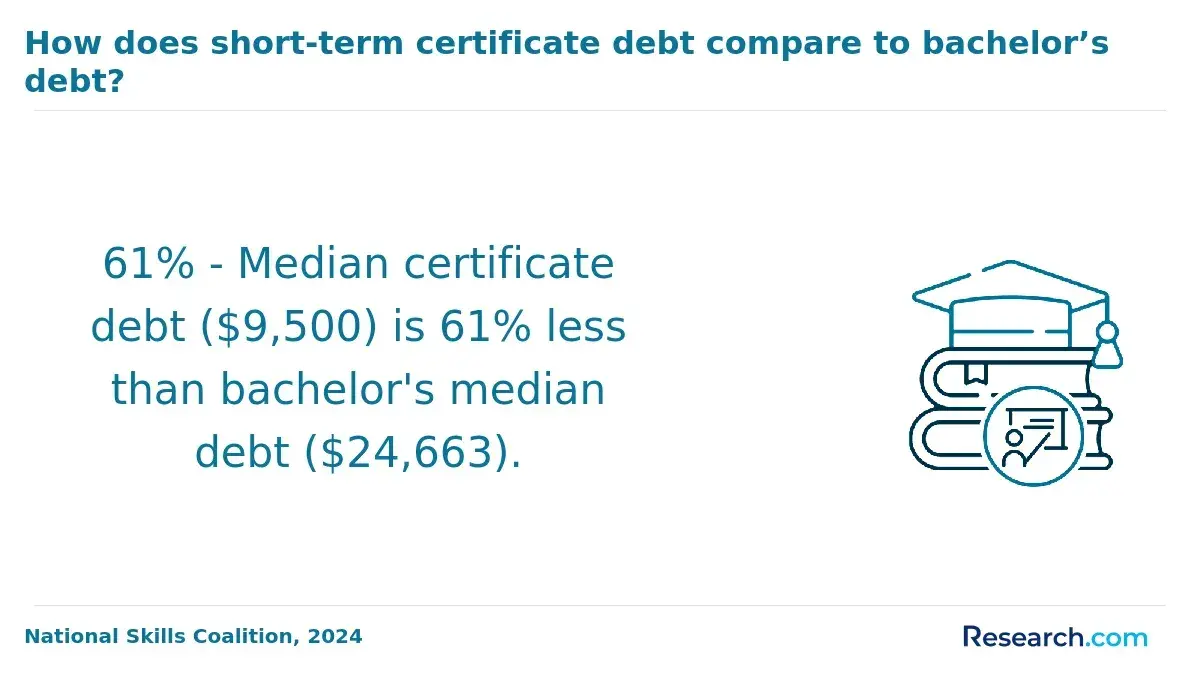
General Early Childhood Educator: The broader category of early childhood educators averages $49,125 nationally, with hourly wages fluctuating from $17.45 to $25.88 based on experience and geographic area. For those exploring affordable education pathways, options like cheap online colleges that accept financial aid can help launch a career without overwhelming debt.
Selecting the right concentration in an early childhood education program is critical for aligning your education with career goals and personal strengths. The concentration you choose will shape your professional opportunities and ensure your skills meet industry needs.
- Career Aspirations and Work Environment: Consider the types of roles you want-whether direct classroom teaching, policy development, or specialized care. Concentrations like School Age Child, Youth Work, and Policy and Advocacy each support distinct career paths and workplace settings.
- Personal Strengths and Interests: Reflect on subject areas that motivate you. Specialties such as Literacy, Music for Children, Language Development, and Environmental Education deepen expertise where your natural talents lie, enhancing effectiveness and job satisfaction.
- Program Requirements and Flexibility: Check which concentrations your chosen institutions offer, as options vary widely. Confirm that your preferred specialization fits within the program's Early Childhood Education concentration requirements and career paths, along with formats like online or hybrid learning.
- Industry Demand and Employment Outlook: Research regional job market trends to identify growing fields such as infant and toddler mental health or special needs education. These areas often provide stronger employment prospects and competitive salaries.
When exploring options, it can help to consult resources listing the best trade colleges online to find programs offering relevant specializations and formats that fit your needs.
Choosing the right early childhood education specialization for your goals involves balancing program availability, personal interests, and local industry demand to maximize your career success.
What Graduates Say About Their Popular Concentrations in Early Childhood Education Degrees
- Nathanael: "Choosing the child development concentration in my early childhood education degree was truly transformative. The hands-on learning and research-based strategies prepared me to support young learners effectively. Although the average cost of attendance was around $15,000 annually, it felt like a worthwhile investment in my future career as an educator. "
- Russell: "Pursuing special education within my early childhood education degree gave me a deeper understanding of diverse learning needs. It challenged me intellectually and helped me develop patience and empathy professionally. Considering the program cost, which was close to $12,000 per year, I believe the personal growth and career opportunities easily justified the expense."
- Jose: "My focus on literacy programs during my early childhood education studies sharpened my teaching techniques and fueled my passion for early intervention. The experience enriched my work with children and families, despite the program's average cost of about $14,500. Reflecting on it now, the investment was essential to advancing my role in education leadership."
Other Things You Should Know About Early Childhood Education Degrees
Yes, students can typically switch concentrations within an early childhood education degree. This flexibility allows them to tailor their studies to align with evolving career goals or interests. However, specific policies and timelines for switching may vary by institution, so it's essential to consult academic advisors for guidance.
Infant and toddler development is the strongest match for Head Start classrooms because it focuses on birth-to-age-3 growth, family engagement, and early language support. Many programs pair it with field hours in licensed childcare or Head Start sites to meet practicum requirements.
- Choosing the Best Early Childhood Education Curriculum https://lightbridgeacademy.com/blog/early-childhood-education-curriculum/
- Ever Wondered About Early Childhood Teachers' Highest Paying Salaries? https://storykate.com.au/ever-wondered-about-early-childhood-teachers-highest-paying-salaries/
- FYI Training - Real Trainers, Real Results, Real Careers https://fyitraining.com.au/blog/topskillsearlychilhoodeducation
- Early Childhood Education Degree Guide: Types, Jobs, and More https://www.coursera.org/articles/early-childhood-education-degree
- ECE Jobs: Different Child Care Environments https://www.pacificoaks.edu/voices/blog/early-childhood-education-work-environments/
- What are Some Concentrations for a Early Childhood Education Degree? https://www.masters-in-special-education.com/faq/what-are-some-concentrations-for-a-early-childhood-education-degree/
- Types of careers in the early childhood sector https://www.vic.gov.au/types-careers-early-childhood-sector
- Top Early Childhood Education Degrees in 2025 https://bold.org/blog/early-childhood-education/
- Everything You Need to Know About Earning a Degree in Early Childhood Education https://mybrightwheel.com/blog/degree-in-early-childhood-education
- Recommendations for Early Childhood Educators https://www.naeyc.org/resources/position-statements/equity/recommendations-ece