2027 Most Affordable Online Bachelor's Degrees for Management Careers

Co-Founder and Chief Data Scientist
Choosing an affordable online bachelor's degree for a management career means balancing tuition, flexibility, accreditation, and long-term earning potential. The stakes are real: the U. S. Bureau of Labor Statistics reported a May 2024 median annual wage of $122,090 for management occupations, far above the median for all occupations. This guide is for working adults, transfer students, and first-time college students comparing online degree paths. You'll learn which majors fit different management goals, how to evaluate cost and quality, and what red flags to avoid before enrolling.
Key Things You Should Know
- Management careers usually require a bachelor's degree plus industry experience; BLS May 2024 data places the median annual wage for management occupations at $122,090, but pay varies widely by field, location, and role.
- The most affordable online options are often public universities, degree-completion programs, transfer-friendly schools, and programs that price tuition by credit rather than charging higher out-of-state rates.
- Accreditation matters more than format: choose an institutionally accredited school, and check programmatic accreditation when your target field involves business, education, nursing, engineering, healthcare, or technology standards.
Top 10 Most Affordable Online Bachelor's Degrees for Management Careers
Business Degrees
A business administration, management, or organizational leadership degree is the most direct online route to general management roles. It fits students who want broad preparation in accounting, finance, marketing, operations, leadership, and business law. Choose this path if you want flexibility across industries rather than a highly regulated profession. For affordability, compare public online BSBA programs, transfer-credit limits, and whether the school charges online learners in-state-style tuition. Business degrees are also practical for students already working in retail, hospitality, sales, logistics, or office administration who want supervisory roles.
Healthcare Degrees
Healthcare administration, health services management, and public health degrees prepare students to manage clinics, hospital departments, long-term care facilities, insurance operations, and community health programs. This path makes sense if you want management work in a growing, highly regulated sector but do not want a clinical role. Look for coursework in healthcare finance, compliance, quality improvement, data reporting, and ethics. Some senior healthcare management jobs prefer a master's degree, but an online bachelor's can support entry-level coordinator, supervisor, and administrative analyst roles.
Information Technology Degrees
An online information technology degree can lead to management roles that connect technical teams with business needs. Students study networking, databases, systems administration, cloud tools, project planning, and IT service management. This degree is best for people who enjoy technology but want to supervise systems, vendors, support teams, or implementation projects instead of focusing only on coding. Affordable programs should include hands-on labs, recognized certification alignment, and transfer-friendly policies for students with prior technical coursework or military IT training.
Computer Science Degrees
Computer science is more technical than IT and can support future leadership in software development, product engineering, data systems, and AI-enabled teams. Students usually study programming, algorithms, software engineering, databases, operating systems, and discrete math. It is a strong choice if you want management options after gaining technical experience. It may be less ideal if you dislike math-heavy coursework. When comparing affordable online programs, check whether courses are asynchronous, whether tutoring is available, and whether the curriculum includes software projects that can become portfolio evidence.
Cybersecurity Degrees
Cybersecurity degrees can prepare students for security operations, risk management, compliance, incident response, and future security leadership. This option fits detail-oriented students who can keep up with changing threats, regulations, and tools. A management-focused cybersecurity path should include governance, risk, compliance, cloud security, and security policy, not only technical defense. Affordable programs with built-in certification preparation can be especially valuable because employers often value credentials alongside a degree. Students should also confirm lab access and whether coursework aligns with current security frameworks.
Psychology Degrees
Psychology is not a direct management major, but it can be useful for careers in human resources, training, workforce development, customer experience, and organizational leadership. Students study behavior, motivation, research methods, communication, and social psychology. This degree fits people interested in people-centered management rather than finance-heavy or technical roles. It does not qualify graduates to become licensed psychologists without graduate study, so students should choose electives in HR, business, analytics, or industrial-organizational psychology if their goal is management.
Nursing Degrees
Online nursing bachelor's programs, especially RN-to-BSN options, can support nurse manager, care coordination, quality improvement, and clinical leadership paths. This route is mainly for licensed registered nurses or students in approved pre-licensure pathways. Because nursing is regulated by state boards, affordability should never be the only deciding factor. Confirm state authorization, clinical requirements, NCLEX eligibility if applicable, and nursing accreditation. For working nurses, an online RN-to-BSN can be one of the most practical management-oriented degrees because it builds on existing clinical experience.
Education Degrees
Education degrees can lead to classroom leadership, instructional coordination, school operations, training management, and eventually administrative roles. Students who want licensed teaching positions must confirm that the online program meets their state's teacher certification requirements. A non-licensure education degree may still fit corporate training, educational technology, nonprofit programs, or childcare administration. Affordable programs should be judged by field-placement support, state approval, transfer policies, and whether student teaching can be completed locally. Future principals and administrators commonly need graduate education and state credentials.
Criminal Justice Degrees
Criminal justice degrees can support supervisory paths in law enforcement, corrections, emergency management, security operations, victim services, and public administration. Coursework usually covers criminal law, ethics, policing, corrections, research, homeland security, and leadership. This degree is most useful for students already working in public safety or security who want promotion eligibility. Before enrolling, check whether your target agency requires academy training, civil service exams, or specific experience beyond a degree. Affordable online programs with credit for prior training can reduce both cost and time.
Engineering Degrees
Engineering degrees can lead to project, operations, manufacturing, facilities, and technical management roles after professional experience. Online engineering bachelor's programs are less common than business or IT programs because labs and design projects are harder to deliver remotely. Students should prioritize ABET-accredited programs when licensure or engineering titles matter. This path is best for mathematically strong students who want technical credibility before moving into leadership. Engineering technology programs may be more applied and flexible, but they can lead to different career and licensure outcomes.
What management jobs can an online bachelor's degree prepare you for?
An online bachelor's degree can prepare you for management careers when it combines subject knowledge, communication skills, quantitative reasoning, and real work experience. Most graduates do not move directly into senior management; they typically start in coordinator, analyst, team lead, assistant manager, or specialist roles and advance as they prove results.
The table below shows common management-oriented career paths and the degree backgrounds that often fit them. Use it to match your major to the kind of team, budget, risk, or operation you want to manage.
| Career path | Relevant online bachelor's degrees | Typical responsibilities | Good fit for |
| General operations management | Business, management, organizational leadership | Coordinating staff, budgets, workflows, vendors, and performance goals | Students who want broad industry flexibility |
| Healthcare administration | Healthcare administration, public health, nursing | Managing scheduling, compliance, patient services, quality projects, or department operations | Students interested in healthcare systems rather than direct clinical practice |
| IT or systems management | Information technology, computer science, cybersecurity | Overseeing systems, help desks, implementation projects, security processes, or technical teams | Students who want business-facing technology leadership |
| Human resources management | Business, psychology, human resources, organizational leadership | Supporting hiring, employee relations, training, benefits, and workforce planning | Students who enjoy communication, policy, and employee development |
| Public safety or security management | Criminal justice, cybersecurity, public administration | Supervising teams, procedures, investigations support, risk controls, or emergency planning | Students with public service, law enforcement, military, or security interests |
AI and analytics are changing management work across these fields. Employers increasingly expect managers to interpret dashboards, use digital collaboration tools, understand data privacy, and guide teams through process automation without losing sight of ethics and human judgment.
How much do management graduates earn?
Management pay varies because "management" includes everything from small-team supervision to executive leadership. The clearest benchmark is the BLS May 2024 figure: the median annual wage for management occupations was $122,090. That number should be treated as a midpoint across many roles, not a promise for new bachelor's graduates.
The table below summarizes the major factors that influence earnings. It helps you estimate whether a degree path is likely to produce strong ROI based on your industry and career stage.
| Salary factor | Why it matters | How to use it when choosing a degree |
| Industry | Technology, finance, healthcare, engineering, and specialized operations roles often pay differently from retail, nonprofit, or small-business roles. | Choose a major aligned with the industry where you want to build experience. |
| Experience level | Many management roles require proven performance before promotion. | Look for internships, employer projects, and programs that let you apply learning at work. |
| Location | Large metro areas and high-cost labor markets may offer higher pay but also higher living costs. | Compare local job postings before assuming national salary data applies to you. |
| Technical depth | Managers who understand healthcare compliance, cybersecurity, software, analytics, or engineering may compete for specialized roles. | Consider a field-specific degree if you want to manage technical or regulated work. |
| Credentials | Certifications can signal skills in project management, HR, security, analytics, or quality improvement. | Pick programs that prepare you for credentials valued in your target field. |
For affordability decisions, compare expected early-career roles against total debt. A lower-cost accredited program may produce better financial flexibility than a higher-priced school if both lead to the same entry-level opportunities in your market.
What is the job outlook for management careers?
The job outlook for management careers is generally positive, but demand is not evenly distributed. BLS 2024-2034 projections place management occupations among fields expected to grow faster than the average for all occupations, with many openings driven by both growth and replacement needs. For readers, this means the degree can be useful, but specialization and experience still matter.
Current hiring trends favor managers who can lead hybrid teams, use analytics, communicate across departments, and evaluate AI-enabled workflows. Healthcare, cybersecurity, logistics, data operations, and technology implementation are especially influenced by regulation, automation, and digital transformation.
Before choosing a program, review recent job postings in your target city or remote-work market. Look for repeated requirements such as Excel, project management software, HRIS tools, electronic health records, SQL, cloud platforms, budgeting, compliance, or supervisory experience. Those requirements should shape your electives and certifications.
Which online management degrees are most affordable?
The most affordable online management degrees are usually not the programs with the lowest advertised tuition alone. The better question is total cost after transfer credits, fees, books, technology requirements, residency rules, financial aid, and time to completion.
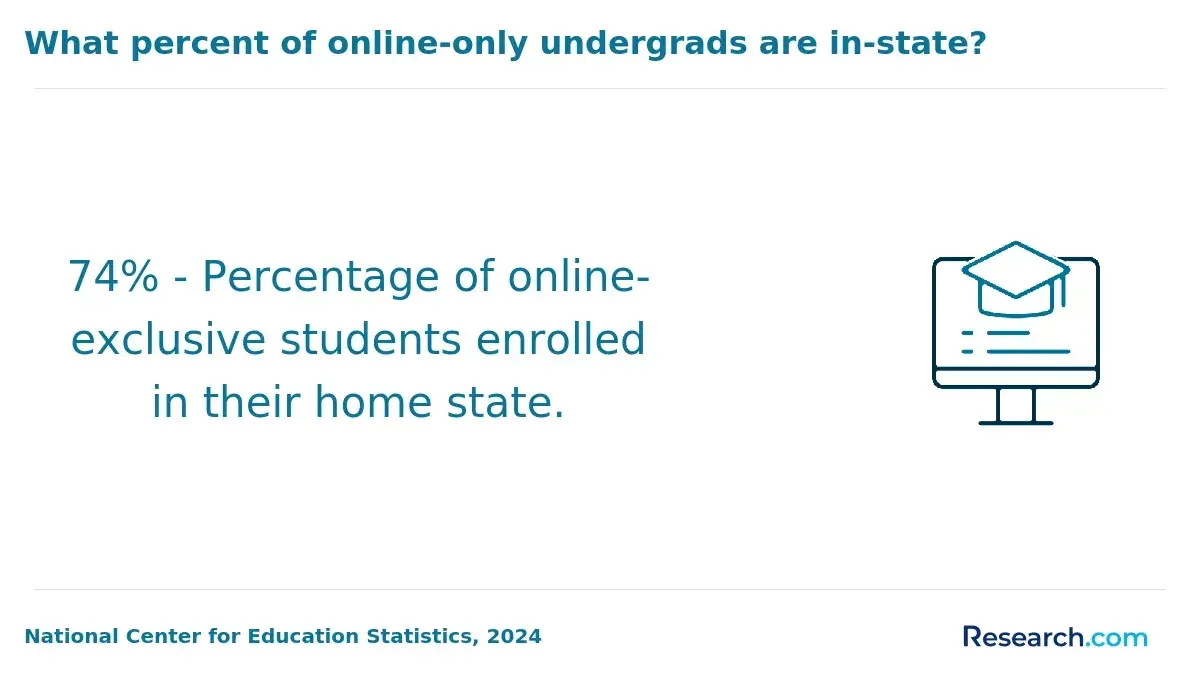
NCES data published in 2024 shows that average undergraduate tuition and fees were substantially lower at public four-year institutions for in-state students than at private nonprofit four-year institutions. For online learners, this makes public universities, statewide online systems, and community-college transfer pathways strong starting points.
Use the comparison below to identify affordable options without confusing low price with low value. A program is only a good deal if it is accredited, fits your schedule, and supports your career target.
| Affordable option | Why it can lower cost | Best for | Watch for |
| Public online university | May offer lower tuition, especially for residents or online-only cohorts | Students seeking a recognized bachelor's at a moderate cost | Out-of-state pricing, online fees, and limited course availability |
| Degree-completion program | Accepts prior college credits toward upper-division requirements | Transfer students and working adults | Minimum transfer-credit rules and major-specific prerequisites |
| Community college pathway | Lets students complete lower-division credits before transferring | Cost-conscious first-time students | Whether credits transfer cleanly into the bachelor's major |
| Competency-based program | May reduce time for students who can progress quickly | Experienced adults with strong self-direction | Employer recognition, pacing pressure, and financial aid structure |
| Employer-supported program | Tuition assistance can reduce out-of-pocket cost | Working adults whose employer partners with schools | Grade requirements, repayment clauses, and limited school choices |
Students who need federal aid should confirm that their school participates in Title IV aid programs and compare FAFSA approved online colleges before assuming a low-cost program is aid-eligible.
To avoid overpaying, follow a simple cost-check process before applying. These steps help reveal the real price, not just the tuition headline.
- Estimate total credits needed after official transfer evaluation, not before.
- Calculate tuition, mandatory fees, books, software, graduation fees, and any required campus visits.
- Ask whether online students pay in-state, out-of-state, flat-rate, or per-credit tuition.
- Compare the program's required courses with job postings for your target management role.
- Choose the least expensive accredited option that still matches your career plan and learning style.
What accreditation should an online management program have?
An online management program should be offered by an institutionally accredited college or university. Institutional accreditation is the baseline for federal financial aid eligibility, credit transfer, graduate school admission, and general employer acceptance. In the U.S., recognized institutional accreditors evaluate the entire school, including academic quality, governance, student support, and financial stability.
Programmatic accreditation can add value depending on the degree field. It is not always mandatory for general management jobs, but it can matter in business, engineering, nursing, education, and some healthcare pathways.
| Degree area | Accreditation or approval to check | Why it matters |
| Business and management | AACSB, ACBSP, or IACBE, when available | Signals business-school quality standards, though many employers mainly require an accredited bachelor's degree. |
| Nursing | CCNE or ACEN plus state board approval when applicable | Can affect licensure, graduate admission, and employer acceptance. |
| Education | State approval and educator-preparation accreditation where applicable | Teacher licensure requirements vary by state. |
| Engineering | ABET for many engineering pathways | Important for licensure eligibility and some technical employers. |
| Healthcare administration | Institutional accreditation; specialized accreditation may be more common at graduate levels | Helps students distinguish general administrative training from regulated clinical preparation. |
Common red flags include schools that avoid naming their accreditor, promise unusually fast completion without reviewing your credits, pressure you to enroll immediately, or claim that a bachelor's degree alone guarantees a management salary. Always verify accreditation directly through recognized accreditation databases and state authorization information.
How do online management degrees compare with campus programs?
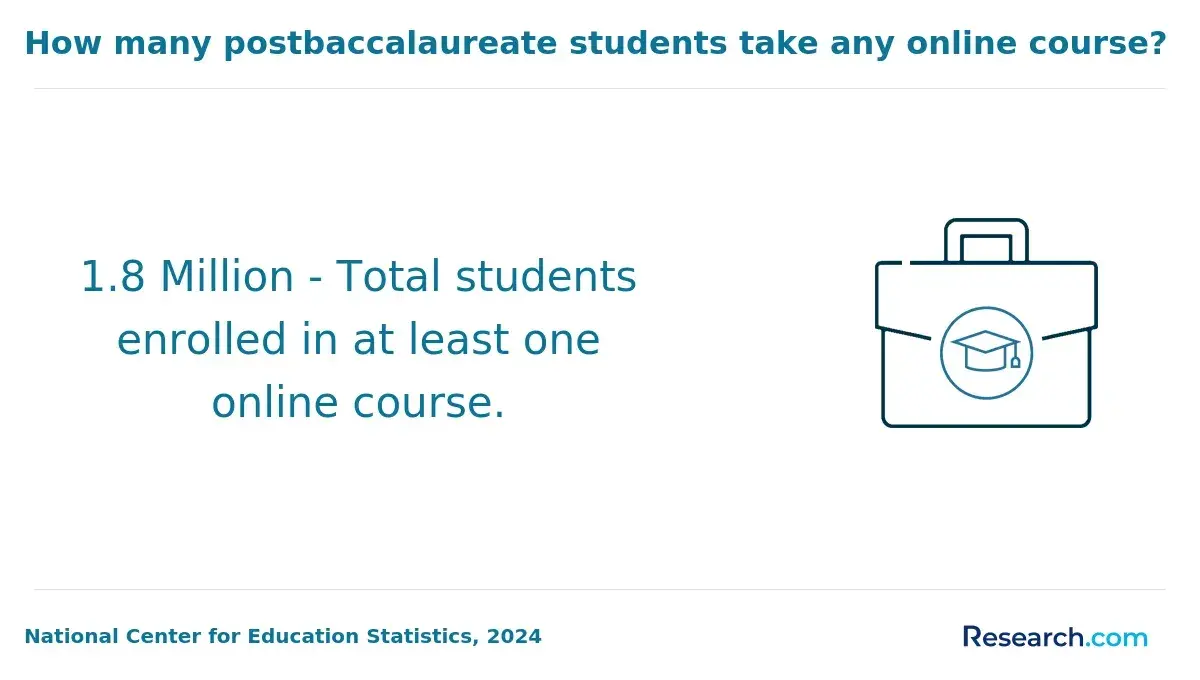
Online and campus management degrees can carry the same academic value when they come from the same accredited institution and use comparable curriculum standards. The bigger differences are schedule, student support, networking style, hands-on requirements, and how much structure you need to stay on track.
The table below compares the formats from a decision-making perspective. It can help you decide whether affordability, flexibility, accountability, or in-person access matters most.
| Factor | Online bachelor's degree | Campus bachelor's degree |
| Schedule | Often asynchronous or evening-friendly | Usually tied to fixed class times |
| Cost control | Can reduce commuting, housing, and relocation costs | May include more campus-based fees and living costs |
| Networking | Often built through discussion boards, group projects, virtual events, and employer-based projects | Often easier through clubs, campus recruiting, and face-to-face faculty contact |
| Learning style | Best for self-directed students who can manage deadlines | Best for students who want routine, in-person reminders, and immediate classroom interaction |
| Hands-on requirements | May use local placements, simulations, labs, or employer projects | May provide easier access to physical labs, studios, or campus facilities |
Students who need maximum flexibility should compare the best accredited self-paced online colleges, but self-paced study is not ideal for everyone. It works best when you are organized, comfortable learning independently, and able to maintain momentum without weekly classroom meetings.
The most common mistake is assuming online means easier. Strong online programs still require reading, writing, exams, projects, presentations, and group work. The advantage is flexibility, not lower academic expectations.
What courses are in a management bachelor's degree?
A management bachelor's degree usually combines general education, business foundations, leadership courses, quantitative skills, and electives tied to a specific industry. The best curriculum teaches students how organizations make decisions, manage people, use data, control costs, and operate ethically.
Most programs include a mix of the following course areas. Review the exact course list because two degrees with similar names can prepare students for very different careers.
- Principles of management, organizational behavior, and leadership
- Financial accounting, managerial accounting, budgeting, and business finance
- Marketing, operations management, supply chain, and business strategy
- Business law, ethics, human resources, and employment practices
- Statistics, analytics, information systems, and decision-making tools
- Project management, change management, communication, and capstone projects
Students with substantial transfer credit may also consider an accelerated bachelor's degree if the faster pace does not sacrifice support, accreditation, or course availability. Speed can improve ROI, but only when you can handle the workload without withdrawing or repeating courses.
What are the admission requirements for online management programs?
Admission requirements for online management programs vary by school, but most bachelor's programs ask for a high school diploma or equivalent, transcripts, an application, and sometimes a minimum GPA. Transfer and degree-completion programs may require prior college credits before admission to the major.
Applicants should prepare these materials early because missing documents can delay financial aid, transfer evaluation, and course registration. Requirements commonly include the following items.
- Official high school, GED, or college transcripts
- Minimum GPA documentation, though thresholds vary by school and applicant type
- Transfer-credit evaluation for prior college, military, AP, IB, CLEP, or workplace learning
- Personal statement or admissions essay for selective programs
- Proof of residency for tuition classification
- Program-specific prerequisites for nursing, education, engineering, or technology majors
Students worried about grades should not assume college is out of reach. Some online schools that accept low GPA use conditional admission, probationary terms, placement support, or transfer pathways to help applicants prove college readiness.
Before enrolling, ask admissions advisors whether admission to the university also means admission to the major. This is especially important in nursing, education, engineering, and competitive business programs where students may need to meet additional requirements after completing prerequisites.
What certifications help management graduates?
Certifications can strengthen a management graduate's profile when they match the target role. They do not replace an accredited bachelor's degree for jobs that require one, but they can show practical skill in project coordination, HR, analytics, security, or process improvement.
The certifications below are commonly relevant to management paths. Choose based on job postings in your field rather than collecting credentials without a plan.
| Certification area | Examples | Best aligned with |
| Project management | CAPM, PMP after meeting experience requirements | Operations, IT, healthcare projects, construction support, business transformation |
| Human resources | aPHR, PHR, SHRM-CP depending on eligibility | HR assistant, HR generalist, training, employee relations, workforce planning |
| Cybersecurity and IT | CompTIA Security+, Network+, ITIL Foundation | Security operations, IT service management, systems supervision, compliance support |
| Analytics | Data analytics certificates, software-specific credentials | Business analyst, operations analyst, reporting coordinator, performance management |
| Quality and process improvement | Lean Six Sigma Yellow, Green, or Black Belt | Manufacturing, healthcare quality, logistics, operations improvement |
A practical certification strategy is to earn one entry-level credential during the degree, apply it through a class or workplace project, and add more advanced credentials only after you know which management track you are pursuing.
Other Things You Should Know About
Yes, if it comes from an institutionally accredited college or university. Employers usually care more about accreditation, relevant skills, work experience, and the major's fit than whether the coursework was online or on campus.
The cheapest strong options are often public university programs, transfer-friendly degree-completion programs, and employer-supported online degrees. Always compare total cost after transfer credits, fees, books, and financial aid rather than tuition alone.
Some graduates qualify for assistant manager, coordinator, analyst, or team lead roles, but many management positions require experience. The degree is often a promotion tool when combined with proven performance and industry knowledge.
Business administration is the broadest choice, but the best major depends on your target industry. Healthcare administration, IT, cybersecurity, nursing, education, engineering, psychology, and criminal justice can be better for specialized management paths.
References
- Best Online Business Degrees - OnlineDegree.com https://www.onlinedegree.com/article/best-online-business-degrees/
- 2025 Most Affordable Online Management Degrees https://www.onlineu.com/most-affordable-colleges/management-degrees
- Top 50 Online and Distance Learning Universities 2026 | EUCDL Distance Accreditation Council https://www.eucdl.com/ranking-2026
- Financial Aid For Online College Students | LearnHowToBecome.org https://www.learnhowtobecome.org/career-resource-center/financial-aid-for-online-colleges/
- MBA Scholarships and Financial Aid Guide | OnlineMBA.com https://www.onlinemba.com/resources/mba-scholarships/
- Business and Management Degree Careers and Salary in Europe - StudyinEurope.eu https://www.studyineurope.eu/business/business-management-degree-careers-salary-europe/
- Financial Aid For Online Colleges https://www.affordablecollegesonline.org/financial-aid/financial-aid-for-online-colleges/
- Business Administration Degree Salary | UE Amsterdam https://www.ue-amsterdam.com/blog/business-administration-degree-salary-how-much-can-you-earn
- Financial Aid Guide for Online College Students | Onlinedegrees.com https://www.onlinedegrees.com/degree360/student-loans-scholarships/