
2027 Military-Friendly Online Education Leadership Doctorate Programs: Benefits, Accreditation, and Career Outcomes

Co-Founder and Chief Data Scientist
Choosing an online education leadership doctorate while serving, transitioning, or using military benefits is a high-stakes cost and flexibility decision. For the 2024-2025 academic year, the Post-9/11 GI Bill private-school tuition cap is $28,937.09, which can materially change the return on investment for doctoral study.
This guide is for active-duty members, veterans, Guard and Reserve members, and military-connected educators. You will learn how to compare programs, verify accreditation, use benefits wisely, avoid common red flags, and choose a doctorate that fits your service obligations and career goals.
Key Things You Should Know
- Military-friendly should mean more than a label: prioritize accredited online EdD programs with clear deployment policies, military benefit processing, transfer-credit rules, and realistic dissertation or capstone expectations.
- Federal Tuition Assistance commonly caps graduate coursework at $250 per semester hour and up to $4,500 per fiscal year, so doctoral students often need GI Bill, Yellow Ribbon, scholarships, employer aid, or out-of-pocket funding.
- Career value depends on your target role: BLS May 2024 data places the median annual wage for postsecondary education administrators at $103,960, but salaries vary by institution type, location, experience, and whether the role requires licensure.
Which Military-Friendly Online Education Leadership Doctorate Programs Offer the Best Benefits for Service Members?
The best military-friendly online education leadership doctorate program is not always the one with the largest advertised discount. For service members, the strongest options usually combine regional accreditation, online delivery that can survive deployments, staff trained in VA and Tuition Assistance rules, transparent total cost, and an education leadership curriculum aligned with K-12, higher education, training, policy, or organizational leadership goals.
The table below compares examples of online doctorate programs that military-connected students often evaluate. Treat this as a decision framework rather than a fixed ranking, because tuition, Yellow Ribbon participation, military discounts, residency rules, and benefit eligibility can change by catalog year.
| Program example | Doctorate type and focus | Military-friendly factors to verify | Best-fit student profile |
| Liberty University | Online EdD options in educational leadership and related education fields | Military tuition policies, GI Bill processing, Tuition Assistance support, online course pacing, dissertation requirements | Students who want a large online university with a dedicated military student infrastructure |
| University of the Cumberlands | Online EdD in educational leadership or related leadership pathways | Graduate tuition structure, military support office, transfer-credit policy, residency or synchronous expectations | Working educators and administrators seeking an applied leadership doctorate |
| National University | Online EdD pathways in educational leadership and organizational leadership-related areas | Military tuition assistance processing, veteran advising, course length, prior graduate credit review | Adult learners who need frequent starts and a flexible online format |
| Drexel University | Online EdD in educational leadership and management | Yellow Ribbon or veteran benefit participation, cohort requirements, dissertation-in-practice structure, tuition by credit | Students seeking a research-informed leadership doctorate with an urban and systems-change orientation |
| University of Southern California | Online EdD in organizational change and leadership | VA benefit processing, Yellow Ribbon participation, live-session requirements, total cost after benefits | Military leaders targeting higher education, organizational learning, consulting, or executive education roles |
| Arkansas State University | Online EdD in educational leadership | Public university tuition, military and veteran services, internship or fieldwork expectations, state licensure alignment | Educators who want a public-university route into district, school, or education systems leadership |
A practical way to identify the strongest option is to ask whether the program can support your least predictable semester, not just your best semester. If you may deploy, relocate, work irregular shifts, or transition from active duty during the program, policies on incompletes, leaves of absence, asynchronous participation, dissertation deadlines, and readmission matter as much as tuition discounts.
Students comparing accelerated pathways should also look at how speed affects workload. Some 1 year EdD programs online may appeal to experienced educators with substantial graduate preparation, but active-duty students should verify weekly time expectations before assuming a shorter calendar automatically means a better fit.
What Military Benefits Can Students Use for an Online Education Leadership Doctorate?
Military-connected doctoral students may be able to combine federal, institutional, and employer benefits, but each program and benefit has different rules. The key is to estimate the full cost of the degree before enrolling, then map each funding source to tuition, fees, books, technology costs, travel, and time away from work.
The table below summarizes common benefits and how they typically apply to an online education leadership doctorate. Always confirm current eligibility with your branch education office, VA, school certifying official, or employer before assuming a benefit will cover a doctoral course.
| Benefit or funding source | What it may cover | Important limitation for doctoral students |
| Military Tuition Assistance | Tuition for approved courses, usually within branch-specific caps | Commonly limited to $250 per semester hour and $4,500 per fiscal year; doctorate-level eligibility can vary by service branch and education goal |
| Post-9/11 GI Bill | Tuition and fees, housing allowance when eligible, and book stipend within VA rules | Benefit months are finite, and private-school tuition is subject to an annual cap unless other funding applies |
| Yellow Ribbon Program | Additional tuition support at participating schools for eligible students | Participation, award amounts, eligible programs, and seat limits vary by institution and academic year |
| Montgomery GI Bill and other VA education programs | Monthly education payments depending on benefit category | Payment structure may not align neatly with high doctoral tuition or short course terms |
| Vocational Rehabilitation and Employment | Education support when a program is approved as part of a rehabilitation plan | Approval depends on individual entitlement and career plan, not simply interest in a doctorate |
| Institutional military scholarship or discount | Reduced tuition or fee support for eligible military-connected students | May not stack with all VA benefits, employer aid, or other discounts |
| Employer tuition assistance | Tuition reimbursement or direct billing from a school district, college, agency, or company | Often requires continued employment, minimum grades, or repayment if you leave the employer |
The biggest mistake is assuming one benefit will cover the full doctorate. Doctoral programs often run beyond the annual Tuition Assistance cap, and dissertation or capstone enrollment may continue after coursework ends. A safer approach is to build a term-by-term funding plan that includes tuition, fees, benefit timing, and what happens if your enrollment status changes during deployment or transition.
How Does Military Tuition Assistance Work for Online Education Leadership Doctorate Programs?
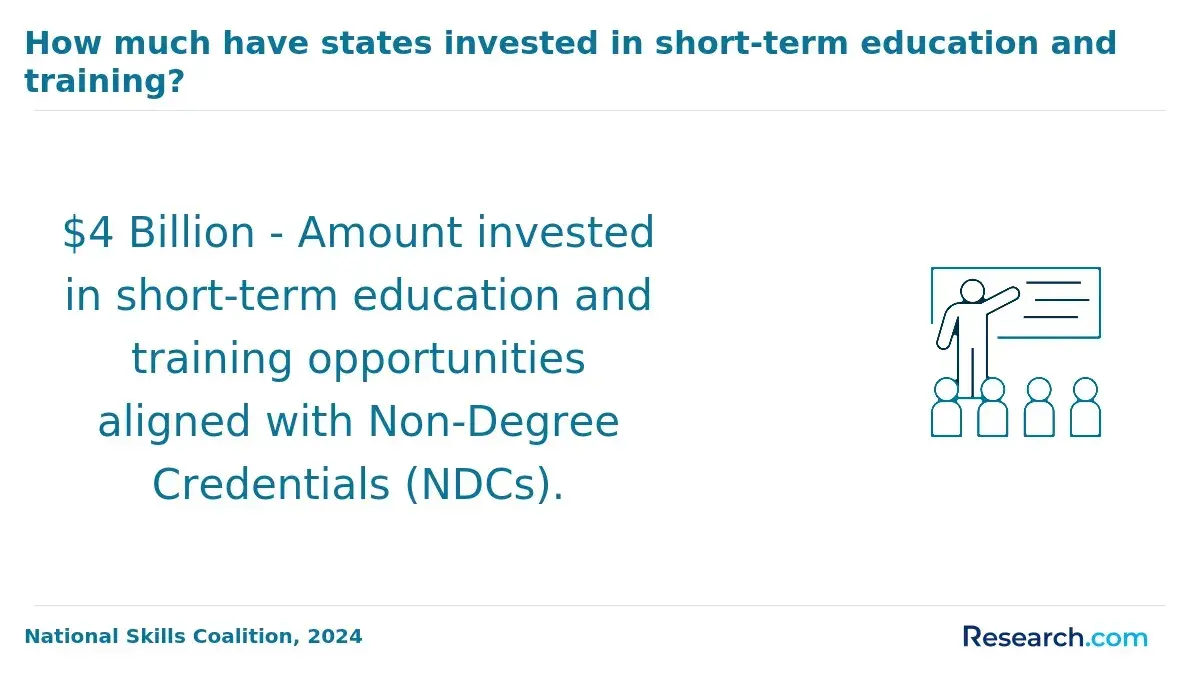
Military Tuition Assistance can reduce the cost of an online education leadership doctorate, but it is usually not designed to fully fund an entire doctoral program. For many branches, TA is approved course by course, must be requested before the class starts, and may require an education plan from an approved institution.
Use these steps before relying on TA for doctoral study. They help prevent rejected authorizations, unexpected balances, and problems caused by short online terms.
- Confirm with your branch education office whether doctoral-level coursework is eligible for TA under your current education status and service obligation.
- Ask the university whether it has a current DoD Memorandum of Understanding and whether the specific EdD program is approved for TA processing.
- Compare the program's per-credit tuition with the common $250 per-semester-hour TA cap, then identify any remaining balance before registering.
- Submit TA authorization before the course start date and keep copies of approvals, invoices, and degree-plan documents.
- Check grade and withdrawal rules, because unsuccessful completion or late withdrawal may create repayment obligations.
- Coordinate TA with GI Bill, Yellow Ribbon, scholarships, and employer aid so benefits do not conflict or reduce each other unexpectedly.
TA works best for students taking one course at a time at a school with predictable billing and experienced military finance staff. It is less effective when a program uses high per-credit tuition, bundled fees, or short doctoral terms that make authorization deadlines easy to miss.
Are Military-Friendly Online Education Leadership Doctorate Programs Accredited?
Yes, reputable military-friendly online education leadership doctorate programs should be offered by institutionally accredited colleges or universities. Accreditation is the baseline quality check that affects federal financial aid eligibility, transferability, employer recognition, doctoral credibility, and-in some cases-licensure pathways.
Military-connected students should understand the difference between institutional accreditation and programmatic approval. The table below shows what to verify and why it matters before applying.
| Accreditation or approval type | What it tells you | Why military students should care |
| Institutional accreditation | The college or university meets recognized academic and administrative standards | It is essential for federal aid, VA benefit use, employer acceptance, and doctoral legitimacy |
| State authorization for online learning | The school is allowed to enroll online students in your state or location | Important for students who relocate, live overseas, or change duty stations during the program |
| Educator preparation or leadership approval | The program may meet state requirements for principal, superintendent, or other administrator credentials | Required only if your career goal involves a regulated school leadership license |
| Professional recognition or specialized accreditation | The program aligns with external education, leadership, or preparation standards | Helpful for credibility, but it does not replace state licensure verification |
Do not treat "military-friendly" as a substitute for accreditation. A school can advertise veteran services while still offering a program that does not match your state's administrator licensure rules, your employer's doctoral requirements, or your transfer-credit expectations.
Before enrolling, verify accreditation in the U.S. Department of Education's recognized accreditor database, confirm the school's VA and TA participation with the appropriate offices, and ask the program director whether the doctorate is designed for licensure, career advancement, scholarly leadership, or organizational change. Those are different outcomes, and the right answer depends on your career plan.
How Do Online Education Leadership Doctorate Programs Support Active-Duty and Veteran Students?
Strong military student support is practical, not symbolic. For online doctoral students, the most valuable services are the ones that reduce administrative friction, protect academic progress during military disruption, and connect education leadership coursework to post-military career goals.
Look for support features that solve problems service members actually encounter. The following items are especially important when comparing schools that all claim to be military-friendly.
- A dedicated military or veteran education office that understands TA, GI Bill certification, Yellow Ribbon rules, and branch-specific documentation.
- Clear deployment, mobilization, and temporary duty policies that explain leaves of absence, incompletes, readmission, and tuition refunds.
- Academic advising that can build a degree plan around irregular course loads instead of assuming continuous full-time enrollment.
- Dissertation or capstone mentoring that allows research topics connected to military training, education systems, leadership development, workforce learning, or veteran-serving institutions.
- Career services with experience translating military leadership into education administration, higher education, training, policy, or organizational learning roles.
- Accessible technology support across time zones, especially for students stationed outside the continental U.S.
A helpful question to ask admissions is: "What happens if I receive orders during a doctoral term?" The quality of the answer usually reveals whether the school has a mature military support system or only a marketing page.
Can Military Training and Experience Transfer Into an Online Education Leadership Doctorate?
Military training and experience can strengthen your application and shape your doctoral research, but it does not automatically convert into doctoral credit. Education leadership doctorates usually require advanced graduate-level coursework, research methods, leadership theory, and dissertation or capstone credits, so schools are cautious about accepting nontraditional credit at the doctoral level.
Most transfer opportunities come from prior graduate coursework rather than military training alone. The table below shows the most common ways prior learning may affect an online EdD plan.
| Prior experience or credential | How it may be used | What to ask the school |
| Completed master's degree | May satisfy admission requirements and sometimes reduce foundational coursework | Is a master's required, and does the program require a minimum GPA or education-related background? |
| Education Specialist degree | May transfer into advanced standing in some EdS-to-EdD pathways | How many credits can transfer, and are they applied to electives, core courses, or research requirements? |
| Graduate certificates or post-master's credits | May apply if credits are recent, relevant, and earned at an accredited institution | What is the maximum transfer limit and credit age limit? |
| Military leadership courses | May support admissions, portfolio review, or research focus | Does the program award doctoral credit for evaluated military learning, or only consider it as professional experience? |
| Command, training, or instructional experience | May strengthen statements of purpose, interviews, and dissertation-in-practice topics | Can field-based projects be completed in military, federal, nonprofit, or higher education settings? |
If you already hold an Education Specialist credential, compare dedicated EDS to EdD programs because they may provide a more efficient route than starting a traditional EdD from the beginning. Even then, ask for a written transfer evaluation before committing.
A common red flag is a vague promise that "life experience" will sharply reduce doctoral requirements. Legitimate doctoral programs may value military leadership, but they should still require rigorous research, applied inquiry, and advanced leadership coursework.
How Flexible Are Military-Friendly Online Education Leadership Doctorate Programs for Service Members?
Online education leadership doctorates are generally more flexible than campus programs, but "online" does not always mean asynchronous, self-paced, or deployment-friendly. Many programs include live class meetings, cohort deadlines, summer residencies, synchronous dissertation seminars, field projects, or fixed course sequences.
The table below highlights flexibility features that matter most for active-duty, Guard, Reserve, and veteran students with unpredictable schedules.
| Flexibility feature | Why it matters | Potential red flag |
| Asynchronous coursework | Allows students to complete weekly work across shifts and time zones | Required live sessions that occur during duty hours with no alternative |
| Part-time pacing | Supports students balancing work, family, deployments, and transition planning | Lockstep cohorts that do not allow course-load changes |
| Short course terms | Can help students make steady progress one course at a time | Compressed doctoral writing expectations that are unrealistic during high-tempo assignments |
| No or limited campus residency | Reduces travel costs and avoids conflicts with military orders | Mandatory in-person sessions with narrow attendance windows |
| Flexible dissertation or capstone timeline | Helps students manage research delays, institutional approvals, and duty disruptions | Continuous enrollment fees that continue even when progress is paused |
For some students, program design matters more than calendar length. A fast program can be a poor fit if it requires heavy synchronous participation, while a longer program may be better if it allows part-time study and temporary pauses without financial penalties.
Students who want an applied doctorate but are concerned about traditional dissertation requirements can compare online EdD programs no dissertation to understand alternatives such as capstones or dissertations in practice. The key is to verify whether the final project is rigorous, employer-recognized, and manageable alongside military responsibilities.
How Much Do Military-Friendly Online Education Leadership Doctorate Programs Cost After Military Benefits?
The cost after military benefits depends on tuition, fees, number of credits, transfer credits, course load, residency requirements, and whether benefits stack. A lower tuition rate is useful, but the total cost can still rise if the program requires travel, extended dissertation enrollment, repeated courses, or fees not covered by a benefit.
These current benefit figures are useful starting points for cost planning, but they are not a substitute for a school-specific financial estimate.
- Military Tuition Assistance commonly pays up to $250 per semester hour and up to $4,500 per fiscal year, subject to branch rules and approval.
- For the 2024-2025 academic year, the Post-9/11 GI Bill private and foreign school tuition-and-fee cap is $28,937.09 for eligible students.
- At public institutions, eligible Post-9/11 GI Bill students may have in-state tuition and mandatory fees covered, but housing, enrollment status, and remaining entitlement still matter.
- Yellow Ribbon funding may reduce costs above the GI Bill cap at participating schools, but institutional contribution levels and eligibility rules vary.
To estimate your real cost, request a written cost breakdown from each school that separates tuition, mandatory fees, dissertation or capstone enrollment, technology fees, residency travel, books, and graduation fees. Then compare that total with the benefits you can actually use in the same academic year.
The most common cost mistake is comparing only per-credit tuition. A program with higher tuition but strong Yellow Ribbon funding, no residency travel, and generous transfer credit may cost less than a lower-tuition program with fees, travel, and a long dissertation continuation period.
What Career Outcomes Can Military Students Expect After an Online Education Leadership Doctorate?
An online education leadership doctorate can support advancement into roles that require advanced leadership, research, policy, assessment, organizational change, or executive decision-making skills. It is usually a stronger fit for people who already have education, training, military leadership, or administrative experience than for someone trying to enter education for the first time.
Career outcomes vary widely, so use salary data as context rather than a promise. BLS May 2024 data reports a median annual wage of $103,960 for postsecondary education administrators, which suggests that doctoral-level leadership roles can be financially meaningful, but compensation depends on sector, geography, institution size, bargaining agreements, and prior leadership experience.
The table below connects common post-doctoral paths with the value an EdD in education leadership may provide for military-connected students.
| Career path | Typical responsibilities | How the doctorate may help |
| K-12 district or school leadership | Instructional improvement, staff supervision, budgeting, compliance, school culture, strategic planning | Builds applied research, systems leadership, and evidence-based decision-making skills; licensure may still be required |
| Higher education administration | Student affairs, enrollment, academic operations, veteran services, institutional effectiveness, assessment | Signals advanced preparation for leadership roles and supports research-based institutional improvement |
| Military, federal, or workforce training leadership | Learning strategy, curriculum oversight, professional development, leadership programs, evaluation | Connects military training experience with education systems, adult learning, and organizational change |
| Education policy or nonprofit leadership | Program design, evaluation, advocacy, grant leadership, community partnerships | Strengthens research literacy, data use, equity analysis, and strategic communication |
| Consulting or organizational learning | Change management, leadership development, instructional improvement, executive coaching | Provides credibility and applied inquiry skills, especially when paired with strong professional experience |
The EdD is not the only route into education-related leadership. If your goal is instructional technology, learning design, or corporate training rather than executive education leadership, comparing best online instructional design master's programs may reveal a less expensive and faster credential with a clearer fit.
Military students should also consider how AI, learning analytics, and digital transformation are changing education leadership. Employers increasingly value leaders who can evaluate technology responsibly, use data to improve learning, manage online programs, and guide teams through change without treating tools as replacements for sound pedagogy and human judgment.
How Should Military Students Choose the Best Online Education Leadership Doctorate Program?
Military-connected students should choose an online education leadership doctorate by matching the program to a specific professional goal, not by choosing the school with the strongest military marketing. A good program should make sense academically, financially, logistically, and professionally.
Use the following process to compare programs before applying or accepting admission. It is designed to help you move from a broad shortlist to a defensible enrollment decision.
- Define the role you want after the doctorate, such as district administrator, higher education leader, training executive, policy specialist, or organizational learning consultant.
- Verify institutional accreditation, state authorization, VA participation, TA eligibility, and any licensure alignment required for your target state or employer.
- Request a written total-cost estimate that includes tuition, fees, residencies, books, dissertation enrollment, and expected time to completion.
- Ask how TA, GI Bill, Yellow Ribbon, scholarships, and employer reimbursement interact, and confirm whether discounts stack.
- Review the delivery model, including live sessions, course length, attendance rules, residency requirements, and time-zone expectations.
- Ask for the deployment, mobilization, withdrawal, incomplete, and readmission policies in writing.
- Request a preliminary transfer-credit review before enrolling if you have prior doctoral, EdS, certificate, or post-master's credits.
- Compare dissertation, capstone, or dissertation-in-practice expectations, including faculty support and continuous enrollment fees.
- Evaluate career services, alumni outcomes, employer recognition, and whether faculty expertise matches your research interests.
- Choose the program only if the academic plan still works during a difficult service year, not just during an ideal semester.
Watch for red flags that can turn a military-friendly doctorate into a poor investment. These include vague accreditation language, unclear total cost, pressure to enroll quickly, no written deployment policy, automatic promises of military credit, mandatory residencies that conflict with duty obligations, and career claims that sound guaranteed.
Finally, decide whether you need a traditional dissertation, an applied capstone, or another credential altogether. For experienced practitioners, applied doctoral models can be valuable when they align with the job you want; for others, a certificate, specialist degree, or master's may offer a better return with less time and cost.
Other Things You Should Know About Education Leadership
An EdD is usually practice-focused and designed for education, training, or organizational leaders who want to solve applied problems. A PhD is typically more research-intensive and often fits students pursuing academic research, policy research, or tenure-track faculty roles.
Many online EdD programs no longer require the GRE, but policies vary. Schools may instead emphasize a master's degree, GPA, professional experience, writing samples, recommendations, interviews, and a statement of purpose.
Often yes, if the topic fits the program's faculty expertise, research standards, and approval process. Students may still need institutional review board approval, access to participants or data, and permission from any military or government organization involved.
A cohort can provide structure and peer support, but it may be less flexible if courses must be taken in a fixed sequence. Military students should ask whether they can pause, rejoin a later cohort, or reduce course load without losing progress.
References
- Is An Ed.D. Worth It? Pros, Cons, and Considerations https://www.eddprograms.org/resources/is-an-edd-worth-it/
- Doctor of Education | UNE Online https://online.une.edu/program/doctor-of-education/
- Military & Veterans Program https://carolinau.edu/military
- Military-friendly Online Master’s Programs for Service Members https://www.onlinemastersdegrees.org/features/military-friendly-programs/
- What is a Doctor of Education (EdD) in Organizational Leadership? https://www.onlineeddprograms.com/faqs/what-is-an-edd-in-organizational-leadership
- Advance Your Leadership Career with a Doctorate in Organizational Leadership https://www.umassglobal.edu/blog-news/advance-your-leadership-career-a-doctorate-organizational-leadership
- Trident is a Military-Supportive Online School https://www.trident.edu/military-and-veteran/
- List of Online Colleges by Accreditation https://www.onlineu.com/resources/accreditation
- How to Advance Your Career with an Ed.D. in Educational Leadership - Graduate Programs for Educators https://www.graduateprogram.org/blog/how-to-advance-your-career-with-an-ed-d-in-educational-leadership/


