2027 Media Arts Degree Careers That Do Not Require Graduate School

Co-Founder and Chief Data Scientist
A recent Media Arts graduate quickly realizes that many entry-level roles-such as digital content creation and multimedia production-welcome applicants with a bachelor's degree alone. However, specialized fields like advanced animation direction or media research often demand graduate credentials or extensive portfolios. Industry data shows that over 60% of Media Arts employers prioritize hands-on experience and demonstrable skills over graduate degrees.
This article will examine career paths within Media Arts that provide strong employment opportunities without requiring graduate school, helping students plan their education and career strategies accordingly.
Key Things to Know About the Media Arts Careers That Do Not Require Graduate School
- Many media arts careers allow direct workforce entry with a bachelor's degree, bypassing the need for graduate-level study.
- Employers prioritize practical skills and relevant internships over advanced academic credentials when hiring for entry-level media arts roles.
- Strong portfolios, certifications, and hands-on experience often outweigh graduate degrees, enabling meaningful long-term growth in the media arts field.
What Career Paths Can You Pursue with a Media Arts Degree Without Graduate School?
Approximately 65% of media arts bachelor's degree holders secure full-time employment within six months of graduation, highlighting strong hiring trends for those entering the workforce without pursuing graduate school. Many media arts graduates find opportunities in various industries, though the availability of roles depends on specific job functions and current industry demand.
Several entry-level media arts jobs that don't require graduate school include the following:
- Graphic Designer: This role relies heavily on creativity and proficiency with digital and print media, making it a natural fit for media arts graduates. Many companies hire bachelor's graduates directly to fill these positions due to their versatile skills and portfolio development.
- Video Editor: Growing digital content markets maintain demand for editors skilled in assembling and enhancing footage. Bachelor's-level training equips candidates to handle technical requirements necessary for these jobs.
- Social Media Coordinator: Bachelor's graduates can effectively manage content creation and audience engagement on social platforms using the strategic and creative skills developed during their studies. This role typically welcomes applicants without advanced degrees.
- Production Assistant: Entry-level production roles serve as gateways into film, television, and advertising industries. Media arts programs provide organizational and technical skills that make bachelor's holders suitable for these positions.
- Photographer: Photography careers often start with portfolios and internships completed during undergraduate education. Bachelor's degrees in media arts support foundational skills valued more than postgraduate credentials in this field.
For students wondering what online college gives the most financial aid, exploring affordable options can further ease the path into these careers.
What Are the Highest-Paying Jobs for Media Arts Degree Graduates Without a Graduate Degree?
Many of the highest-paying careers available to media arts graduates can be pursued without attending graduate school, especially in fields where employers prioritize bachelor's-level education and practical experience. According to industry data, median annual earnings for media arts-related roles typically range from $50,000 to $90,000, reflecting strong demand and competitive compensation. These roles often combine creative talent with technical skills, making graduates valuable contributors to business success.
Below are some of the top-paying job options for media arts graduates holding a bachelor's degree:
- Art Director: Art directors lead the visual style and imagery across media like advertising, film, and publishing. Their ability to combine creativity with team leadership impacts brand perception, resulting in robust salaries without needing advanced degrees.
- Multimedia Designer: These professionals develop graphics, animations, and interactive digital content, meeting rising market demand for engaging online experiences. Their specialized skills drive competitive pay as businesses invest more in multimedia content.
- Video Producer/Editor: Video producers and editors play a crucial role in storytelling and marketing by overseeing or executing media production projects. Strong technical expertise and creative insight in these roles command attractive wages.
- UX/UI Designer: UX/UI designers enhance usability and visual appeal for digital products, with companies increasingly valuing user-centered design. This emphasis on customer experience translates into growing salary opportunities.
- Graphic Designer: While often viewed as entry-level, graphic designers with strong portfolios and niche skills in branding or digital illustration can secure higher salaries, especially within agencies and corporate environments.
What Skills Do You Gain from a Media Arts Degree That Employers Value?
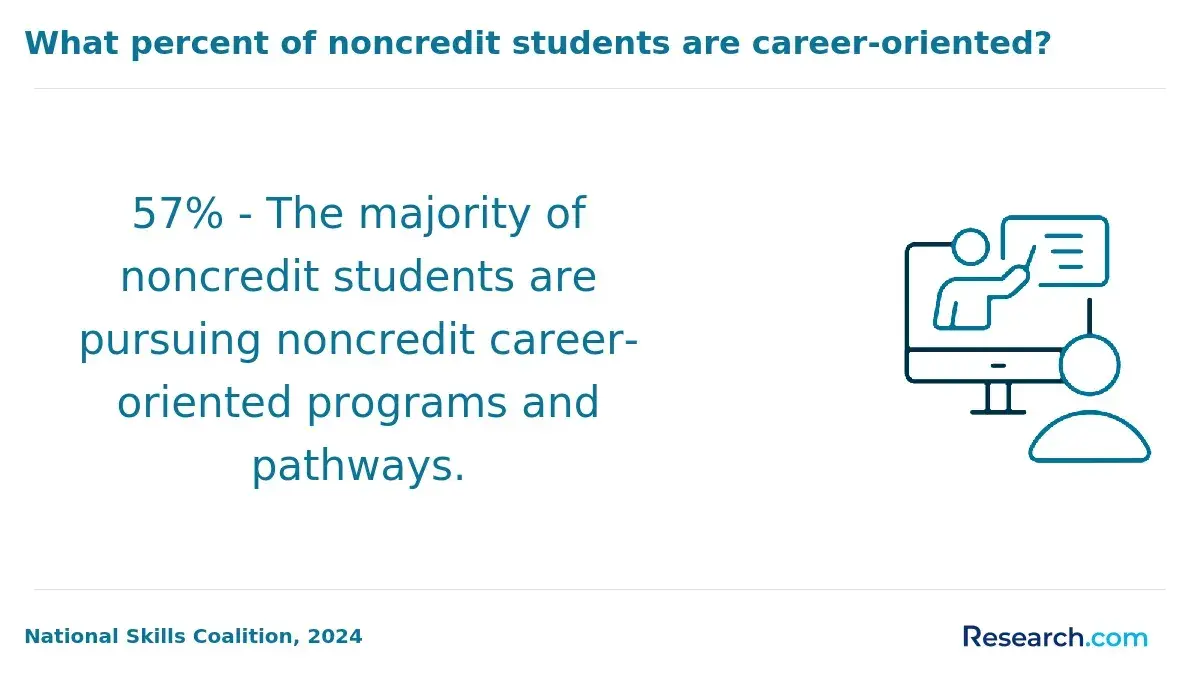
Media arts degree programs provide students with a versatile set of transferable skills that employers highly value, particularly for positions that do not require graduate education. A 2023 study by the National Association of Colleges and Employers found that over 90% of employers seek candidates with strong transferable skills like problem solving, communication, and creativity.
These programs cultivate essential abilities that prepare graduates to excel in diverse entry-level roles, including:
- Digital Literacy: Students gain hands-on experience with industry-standard software and digital tools for video, design, animation, and interactive media. This technical expertise enables immediate contributions to content creation projects, which is crucial in marketing and media production settings.
- Creative Problem Solving: Media arts curricula emphasize innovative thinking to overcome challenges in visual storytelling and user experience design. Such adaptability and initiative are prized traits in fast-paced workplaces.
- Effective Communication: Graduates develop skills in conveying ideas clearly through multimedia formats and collaborative teamwork. This ability helps ensure smooth project execution without the need for advanced academic credentials.
- Project Management: Managing deadlines, budgets, and complex media assignments builds responsibility and organizational skills that employers rely on for reliable performance.
- Critical Thinking: Analyzing media theories and audience behaviors sharpens decision-making and content innovation, supporting roles that require practical and strategic insight.
A media arts degree graduate shared that applying problem-solving and digital literacy skills during their first job helped them quickly adapt to evolving client needs and technical challenges. They noted, "Learning to think creatively and manage multiple project components was crucial in delivering effective results early on."
Many media arts graduates find opportunities to enter the workforce immediately after earning their bachelor's degrees, even without prior job experience. Employers in creative industries frequently develop entry-level roles tailored to recent graduates, making it possible to begin professional careers without graduate school. According to the National Association of Colleges and Employers, around 65% of media arts bachelor's holders secure relevant positions within six months of graduating, reflecting strong early career hiring in media arts field.
The following are common entry-level positions that media arts graduates with no experience often pursue:
- Production Assistant: This role is a common starting point in film, television, or digital media. It emphasizes enthusiasm and a foundational technical understanding, allowing new graduates to gain hands-on exposure and practical skills on the job.
- Graphic Design Coordinator: Entry-level openings in graphic design typically involve supporting senior designers and managing smaller projects. These positions capitalize on the versatile design abilities of media arts graduates and open doors to more specialized roles.
- Social Media Specialist: Organizations often hire recent graduates to handle social media content planning, community interaction, and basic data analysis. This job leverages communication skills without requiring extensive prior experience.
- Video Editor Assistant: Assisting senior editors with footage organization and simple editing tasks allows new entrants to develop technical proficiency within a structured workplace learning environment.
For those considering media arts bachelor's degree job opportunities, these roles provide accessible pathways to build experience and advance professionally, demonstrating how to get media arts jobs with no experience. To explore related fields, see what degree makes the most money.
Certifications and short courses provide media arts graduates with focused, practical skills that enhance employability and accelerate career growth without the commitment of graduate school. These credentials help candidates present themselves as job-ready by demonstrating specialized expertise aligned with industry demands. Industry data shows that more than 70% of employers in creative and technical sectors prioritize candidates with relevant certifications or short-term training.
Here are several valuable certifications and courses that can support media arts careers:
- Adobe Certified Expert: Validates proficiency in popular Adobe Creative Cloud tools such as Photoshop and Premiere Pro, proving competence in essential digital media software. This credential boosts candidacy in fields like graphic design, video production, and animation.
- Certified Digital Marketing Professional: Equips graduates with strategies and tools for digital marketing, opening pathways to roles involving content creation and social media while complementing media arts expertise with marketing knowledge.
- Apple Certified Pro: Confirms expertise in Final Cut Pro video editing, helping media artists who focus on film and video post-production stand out in competitive markets.
- UX/UI Design Certifications: Offer foundational skills in designing user-centered digital experiences, enhancing prospects in areas like web and mobile app design without requiring a lengthy academic program.
- Google Analytics Individual Qualification: Demonstrates ability to analyze audience data, supporting creative decision-making with measurable insights and expanding career potential in data-informed media projects.
A professional with a Media Arts degree shared how pursuing a UX/UI design certification transformed their skill set. Initially unfamiliar with design software and user research, they embraced the challenge by dedicating evenings to intensive coursework. The hands-on projects and expert feedback provided practical experience that noticeably improved their portfolio. This certification proved instrumental in securing freelance contracts focused on interactive media, validating how targeted credentials can bridge the gap between educational background and industry expectations without pursuing graduate school.
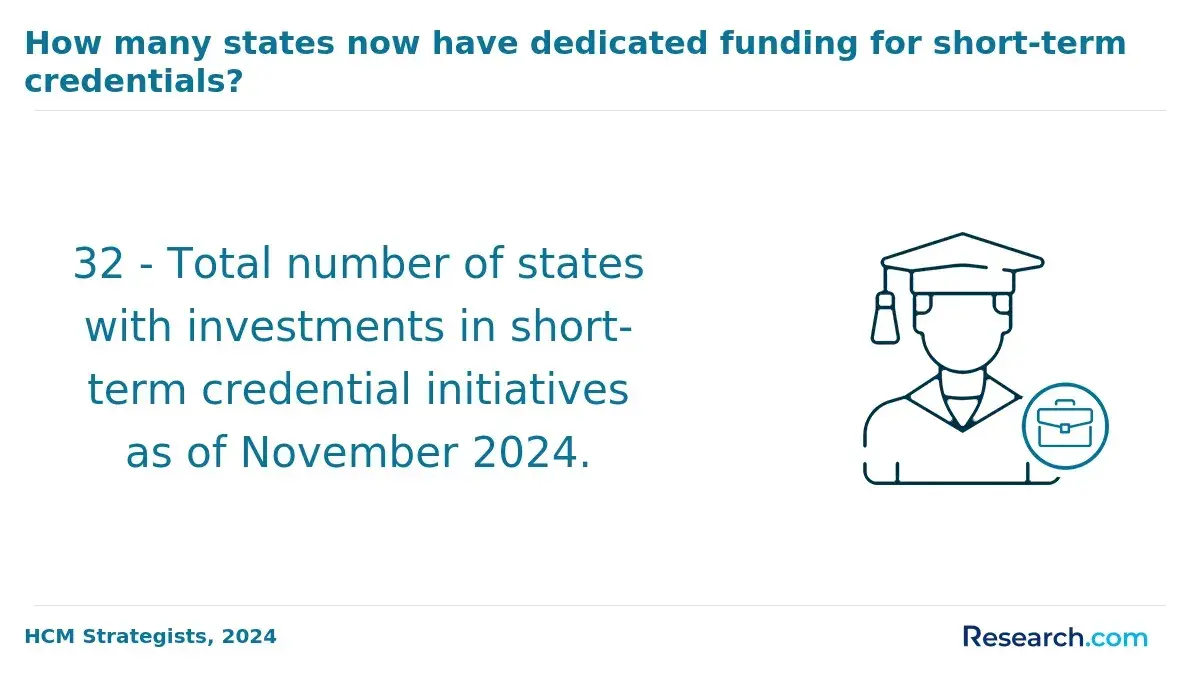
Opportunities for media arts graduates without graduate degrees vary widely across industries. Some sectors have broad hiring demands and prioritize practical skills, making them receptive to candidates holding only a bachelor's degree. Approximately 65% of media arts bachelor's graduates enter fields like digital marketing, broadcasting, and design, where undergraduate qualifications meet workforce needs.
The following industries are known for being particularly accessible to graduates without advanced academic credentials:
- Advertising and Digital Marketing: This rapidly expanding sector values creativity and versatility, often favoring project-based experience over graduate degrees. Agencies and corporate teams frequently recruit bachelor's graduates who can adapt to evolving digital platforms.
- Broadcasting and Multimedia Production: With ongoing content creation demands, broadcasters and multimedia firms typically offer entry-level roles requiring technical skills attainable at the bachelor's level. Workflow standardization supports broad recruitment of early-career professionals.
- Graphic and Web Design: Design firms and freelance markets seek creative generalists adept at various digital tools. The fast-paced nature of the industry encourages hiring graduates who demonstrate up-to-date digital competencies over advanced credentials.
- Corporate Communications: Businesses in many sectors rely on media arts graduates to handle social media, internal communications, and storytelling. The evolving communication landscape leads to consistent demand for bachelor's-level creative talent.
- Video Game and Interactive Media: While some specialized roles may require higher degrees, many game development studios prioritize portfolios and practical skills, making bachelor's graduates competitive for entry-level positions.
Non-traditional career structures significantly broaden opportunities for media arts degree holders by reducing dependence on conventional employment pathways. Digital platforms and independent work models create accessible entry points, allowing graduates to build careers without attending graduate school. In creative and media-related fields, around 38% of workers now engage in remote or location-independent roles, reflecting this expanding trend.
Several notable freelance, remote, and non-traditional work arrangements offer flexible and accessible formats for media arts graduates, including the following:
- Distributed Creative Teams: Many media companies assemble specialists who collaborate remotely from different locations, enabling graduates to contribute to projects like animation and graphic design without relocating.
- Digital-First Labor Markets: Online freelance platforms connect employers with global talent, allowing graduates to secure short- or long-term work in areas such as motion graphics and digital illustration while building a diverse portfolio.
- Project-Based Independent Work: Freelancers often work on a per-project basis, providing scheduling flexibility and enabling graduates to gain experience across multiple clients and creative ventures.
- Remote Content Creation and Social Media Management: Graduates can produce visual content for brands and manage digital presence remotely, combining creativity and communication skills suited for a distributed workforce.
Graduates with a media arts degree often begin building their careers by entering the workforce directly after completing a bachelor's degree. Many entry-level media arts jobs requiring no graduate degree allow new professionals to gain hands-on experience and learn industry workflows early. Approximately 68% of media arts graduates find employment in their field within six months of graduation, demonstrating strong early career momentum driven by practical skills and portfolios. Access to these roles provides valuable exposure to workplace environments that support continued growth without pursuing a graduate degree.
Long-term development in media arts careers typically depends on expanding responsibilities and evolving roles within organizations rather than further formal education. Professionals often advance by deepening their expertise through ongoing projects, workshops, and collaboration, which enhances their portfolios and opens opportunities across creative and technical positions. This experience-based progression varies across industries but consistently supports career growth without the need for a cybersecurity masters or other graduate degrees. Building a career using a media arts degree thus relies heavily on accumulating practical accomplishments and adapting to changing technologies over time.
Skipping graduate school is a common pathway for many media arts graduates who wish to enter the workforce quickly. This decision often allows earlier access to entry-level media arts jobs without graduate degree requirements but may also influence long-term career options depending on the target employers and roles. According to national employment data, bachelor's degree holders in media arts typically start working sooner, though advanced degrees can lead to higher average earnings over time.
Consider these key pros and cons of forgoing graduate education in media arts careers:
- Early Workforce Entry: Starting work immediately after earning a bachelor's degree can build practical skills and industry connections faster than spending additional years in school, which suits those eager to gain hands-on experience.
- Opportunity Cost: Avoiding graduate school reduces tuition expenses and lost income, which can be significant given the competitive applicant pools in media arts fields.
- Long-Term Limitations: Certain prestigious organizations and specialized roles may require or prefer graduate degrees, potentially restricting advancement for those without them.
- Flexibility in Career Exploration: Entering the job market earlier allows graduates to explore diverse roles and industries before committing to specialized graduate programs, such as a 6 month masters degree option for focused skill development later.
Graduates with a bachelor's degree in media arts typically find varied employment opportunities reflecting a broad demand within creative industries. Labor market data show that many enter the workforce successfully, with salary ranges often between $40,000 and $60,000 annually, although outcomes vary by location and sector. Workforce participation for media arts bachelor degree employment trends indicates moderate job placement rates, with many roles accessible without needing graduate education. This reflects steady industry growth, especially in areas like digital content creation and graphic design, where entry points remain relatively open.
Career outcomes for media arts graduates differ widely depending on the chosen path and labor market shifts. Some positions requiring specialized skills, such as advanced animation or interactive media, can offer higher pay but come with increased competition. Others remain more accessible but provide limited salary growth, demonstrating the influence of changing market demands and technological trends. Graduates exploring the job market demand for media arts graduates may also benefit from flexible options, including roles supported by ASHA accredited slpa programs online, which highlight the importance of adaptable skills across sectors.
What Graduates Say About Media Arts Careers Even Without Pursuing Graduate School
- Allison: "Graduating with a media arts degree gave me the practical skills and confidence I needed to jump straight into the workforce. I found that employers valued the hands-on experience I had with digital tools and storytelling, which helped me secure a role in content production almost immediately. It's rewarding to see how the projects I completed during my studies translated directly to tangible job opportunities without needing further graduate study."
- Edward: "Reflecting on my journey, the media arts degree proved to be a strong foundation for building a career in creative industries. I appreciated how the curriculum emphasized collaboration and real-world problem solving, which prepared me for diverse roles early on. While I chose not to pursue advanced degrees, the networking and internship experiences I gained were crucial to landing my first professional positions."
- Thiago: "From my perspective, a media arts degree was instrumental in developing a versatile skill set that employers look for today. The balance of technical proficiency and creative thinking boosted my ability to adapt in fast-paced environments, making the transition into the workforce smoother than I expected. Not pursuing graduate school allowed me to start accumulating work experience sooner, which I've found invaluable."
Other Things You Should Know About Media Arts Degrees
No. Most entry-level media arts jobs do not require a graduate degree or a license, but employers often want a strong portfolio and, for some roles, Adobe Certified Professional or Avid certification. Entry-level candidates should also show 1 to 2 completed projects that match the job description.
A strong, diverse portfolio is often more valuable than graduate education in media arts careers. It showcases an individual's technical skills, creativity, and range of work to potential employers and clients. Building a portfolio through personal projects, freelance work, or internships can significantly improve job prospects without the need for additional degrees.
For media arts professionals in 2027, networking is crucial. Building connections can lead to job opportunities, collaborations, and mentorships. Engaging in online media communities, attending industry conferences, and participating in local art events can significantly enhance career prospects, even without a graduate degree.
Yes, proficiency in software such as Adobe Creative Suite, Maya, Final Cut Pro, or Unity can greatly enhance job prospects. Skills in video editing, graphic design, animation, and sound production are highly sought after in many entry-level media arts roles. Staying updated with emerging tools and technologies helps graduates remain competitive without needing graduate-level study.
- Imagining a Career in Creative & Media Arts https://www.futuresforall.org/post/imagining-a-career-in-creative-media-arts
- Communications, Design & Media Arts Career Pathways — MT High Tech Business Alliance https://www.mthightech.org/communications-design-media-arts-career-pathways
- MEDIA JOBS: Entry-level opportunities https://www.themediamentor.info/post/graduate-media-opportunities
- 10 careers you can have with a media art degree - SMWC https://www.smwc.edu/10-careers-you-can-have-with-a-media-art-degree-blog-apr-21/
- Media Arts: Potential Careers https://www.mcad.edu/academics/undergraduate/majors/media-arts/media-arts-potential-careers
- Job opportunities with at Creative Media degree https://www.srh-haarlem-campus.com/news/2022/what-are-your-career-options-if-you-have-a-creative-media-degree/
- Careerpilot : Jobs by subject https://www.careerpilot.org.uk/job-sectors/subject/media-studies
- Mass Communication Career Guide 2025 | DBS - Blog https://dgu.ac/blog/the-most-in-demand-career-in-2025-and-beyond-mass-comm-and-media/
- Digital Arts Careers and Outlook - 2025 Guide https://www.uattech.com/digital-arts-careers-and-outlook
- Remote Entry Level Artist Jobs | Working Nomads https://www.workingnomads.com/remote-entry-level-artist-jobs