2027 Machine Learning Degree Completion Programs for Working Adults

Co-Founder and Chief Data Scientist
Many working adults face challenges completing a machine learning degree-balancing jobs, family, and financial limits can stall progress. High-quality degree completion programs address these hurdles through flexible scheduling, transfer-friendly credit policies, and proper accreditation that ensures employer recognition. Graduates of such programs see notable outcomes-a recent study found median early-career salaries exceed $90,000 annually in tech hubs, reflecting strong ROI.
Accreditation and alignment with industry certifications also enhance career prospects. This article explores how to evaluate machine learning degree completion programs based on structural features, accreditation, credit transfer, cost, and career impact, helping readers make informed choices aligned with their goals and obligations.
Key Things to Know About Machine Learning Degree Completion Programs for Working Adults
- Programs that accept military and ACE credits allow students to bypass up to 50% of coursework-accelerating machine learning degree completion and reducing tuition costs significantly.
- Employer- and licensure-recognized machine learning degrees often feature programmatic accreditation-ensuring credentials meet industry demands and improve job market prospects.
- Working adults should explore federal aid and employer tuition assistance-45% of machine learning students in 2023 utilized some form of financial support to offset living and education expenses.
What Are Machine Learning Degree Completion Programs, and Who Are They Designed For?
Machine learning degree completion programs offer streamlined academic pathways tailored for adults seeking to finish a bachelor's degree more flexibly and rapidly than traditional four-year routes. These programs differ significantly from graduate programs by focusing on undergraduate credit completion-appealing especially to working adults.
Key features of these programs include:
- Accelerated Pacing: Curricula are designed for faster completion through condensed courses or shortened semesters that fit the schedules of working adults.
- Credit-for-Prior-Learning Policies: Institutions award credit for previously earned college coursework, military training, professional certifications, or relevant work experience, minimizing redundant studies.
- Flexible Scheduling Formats: They offer online, hybrid, or evening/weekend classes-ideal for those balancing jobs and family commitments.
Primary audiences served include adults with some college but no degree, military veterans holding ACE-credited training, working professionals pursuing promotions, and career changers requiring credentialed qualifications in machine learning. These programs are purpose-built to accommodate the unique needs of these adult learners.
When selecting among online machine learning degree programs designed for adult learners, it's essential to maximize credit for prior learning, confirm that programs are employer- and licensure-recognized, and explore financial aid options tailored to your situation. Adults can also compare programs using objective quality metrics to find a credential pathway aligned with professional goals and personal circumstances. For additional options, consider exploring easy masters degrees in related fields to expand your educational possibilities.
How Do Machine Learning Degree Completion Programs Differ From Traditional On-Campus Degree Programs?
Machine learning degree completion programs for working adults offer flexibility that traditional on-campus programs cannot match, making them an attractive option for military veterans, mid-career professionals, and career changers. These programs typically feature Scheduling Formats such as evening, weekend, online, or hybrid classes that accommodate work and family commitments, unlike the fixed weekday schedules of traditional degrees.
- Pacing Options: Completion programs provide choices between accelerated cohort models-with set group timelines-and self-paced enrollment, allowing students to progress at their own speed. Traditional programs generally require a full-time, semester-based commitment.
- Residency Requirements: Completion pathways often minimize or eliminate on-campus presence, contrasting with traditional degrees that emphasize full-time, on-site participation.
- Asynchronous Coursework: A large share of coursework in degree completion is asynchronous, giving students greater control over when they study, unlike mostly synchronous, in-person classes in traditional programs.
- Structural Accommodations: Features such as rolling or multiple annual start dates, flexible credit transfer policies-including generous recognition of prior learning and military training-and streamlined advising tailored to adult schedules distinguish these programs. Traditional models typically have limited start dates and rigid credit acceptance guidelines.
- Enrollment Trends: NCES and IPEDS data show steady growth in degree completion enrollment for working adults over the past decade, reflecting rising demand for flexible, career-focused credentials, while traditional undergraduate attendance has slowed and seen decreasing full-time campus enrollment.
- Credential Equivalence: Despite different delivery methods, completion programs award the same credential-a Bachelor of Science or Bachelor of Arts in machine learning-as their traditional counterparts, ensuring employer and licensure recognition.
These differences are vital for those weighing machine learning completion programs and traditional campus degrees. Prospective students should consider how to maximize credit for prior learning, select programs with recognized accreditation, and access financial aid tailored to adults. Programs like the MSW online provide examples of flexible delivery aligned to working adults' needs. Choosing wisely ensures a pathway aligned with professional goals and life demands.
What Prior Credits and Experiences Count Toward a Machine Learning Degree Completion Program?
Transfer credit policies vary widely by institution and accreditation status of previous schools. Prospective students should obtain official transcripts and arrange a pre-enrollment credit evaluation to confirm transferable credits. Beware of schools that reject ACE-recommended military credits or place arbitrary limits on transfer without academic rationale. The American Association of Collegiate Registrars and Admissions Officers (AACRAO) guidelines provide a useful standard for fair credit acceptance.
Transfer Credits: Credits from regionally accredited colleges are generally accepted, with institutions reviewing course relevance, grades, and accreditation. Credits from nationally accredited or unaccredited schools often do not transfer.
Military Training Credits: Many programs grant credit through evaluations by the American Council on Education (ACE), enabling veterans to apply technical and leadership experience toward degree requirements.
Professional Certifications: Relevant industry certifications in data science, programming, or analytics may count as credit or electives, depending on program policies and curriculum alignment.
Prior Learning Assessment (PLA): Some schools award credit for workplace experience evaluated via portfolios or competency exams. Research by the Council for Adult and Experiential Learning (CAEL) indicates PLA can reduce time-to-degree by up to a year, offering significant savings for working adults.
Credit-by-Examination: Exams such as CLEP and DSST allow students to prove proficiency in foundational subjects, bypassing introductory courses to accelerate degree progress.
By leveraging prior learning recognition, working adults can minimize repeated coursework, shorten completion time, and reduce educational expenses-critical factors for those balancing careers and personal commitments.
A professional who recently completed a machine learning degree shared his experience: "I faced uncertainty waiting to see which of my past credits would count-especially my military training and certifications. The pre-enrollment evaluation took weeks, and I had to compile a detailed portfolio for PLA credits. It was challenging and sometimes frustrating, but knowing it could save me months of study kept me motivated. Ultimately, the recognition I received shortened my path significantly, helping me enter the workforce sooner and with confidence in my skills."
What Is the Minimum GPA Requirement for Machine Learning Degree Completion Programs?
Admission standards for minimum GPA in machine learning degree completion programs differ significantly based on institutional policies and accreditation. Typically, programs accredited by regional agencies such as the Higher Learning Commission require a minimum cumulative GPA from prior college work-usually between 2.0 and 2.5 on a 4.0 scale-to confirm a solid academic foundation for specialized study. These typical GPA criteria for finishing a machine learning degree act as a baseline for many applicants.
Minimum GPA Threshold: Most programs expect a cumulative GPA of at least 2.0, though more competitive options may require 2.5 or above.
Conditional Admission: Some institutions allow enrollment for students below standard GPA cutoffs, providing tailored academic support and progress oversight.
Experience-Based Entry: Several adult-focused programs welcome applicants with substantial professional experience or prior learning credits-even when academic records fall short of typical GPA requirements.
Holistic Review: Admissions committees often balance lower GPAs against other factors such as relevant work history, recommendation letters, and personal essays, ensuring a comprehensive evaluation.
Academic Forgiveness Policies: Returning adults with low GPAs may benefit from "fresh start" policies that reset GPA calculations after a pause in enrollment, offering a fair chance at admission.
Pre-Admission Evaluation: Prospective students should request formal academic reviews from each institution before applying to better understand eligibility and avoid unnecessary application efforts.
For those researching pathways into machine learning fields, exploring online masters in data science programs can also reveal flexible, adult-friendly options with varied GPA criteria and credit transfer opportunities.
How Are Machine Learning Degree Completion Programs Structured Around Full-Time Work Schedules?
Completion programs for machine learning degrees designed for full-time workers use flexible schedules-such as evening cohorts, weekend intensives, fully asynchronous online courses, or hybrid formats-to fit education around demanding jobs. Typically, they recommend a course load of six to nine credits per term, balancing steady progress with manageable workloads that prevent burnout for students working 40+ hours weekly.
Many programs adopt a cohort learning approach, where students move through the curriculum as a fixed group. This structure strengthens accountability and peer support, helping learners stay motivated. Cohorts also provide predictable schedules months in advance, allowing students to coordinate coursework with professional and family obligations and reducing unexpected disruptions.
Research from the National Student Clearinghouse Research Center shows students in cohort-based completion programs have higher persistence and graduation rates than those in traditional enrollment settings. This evidence highlights the benefits of structured peer communities combined with stable scheduling in sustaining adult student success.
A professional who completed a machine learning degree shared that balancing work, family, and study was initially overwhelming. However, progressing with a consistent cohort created a strong network that provided encouragement and accountability. Having clear schedules months ahead meant fewer surprises, and when unexpected work demands arose, dedicated advisors helped adjust timelines without falling behind. She reflected, "The structure wasn't just convenient-it was a critical factor that made completing the degree while working full-time genuinely achievable."
Is Online or Hybrid Delivery Available for Machine Learning Degree Completion Programs?
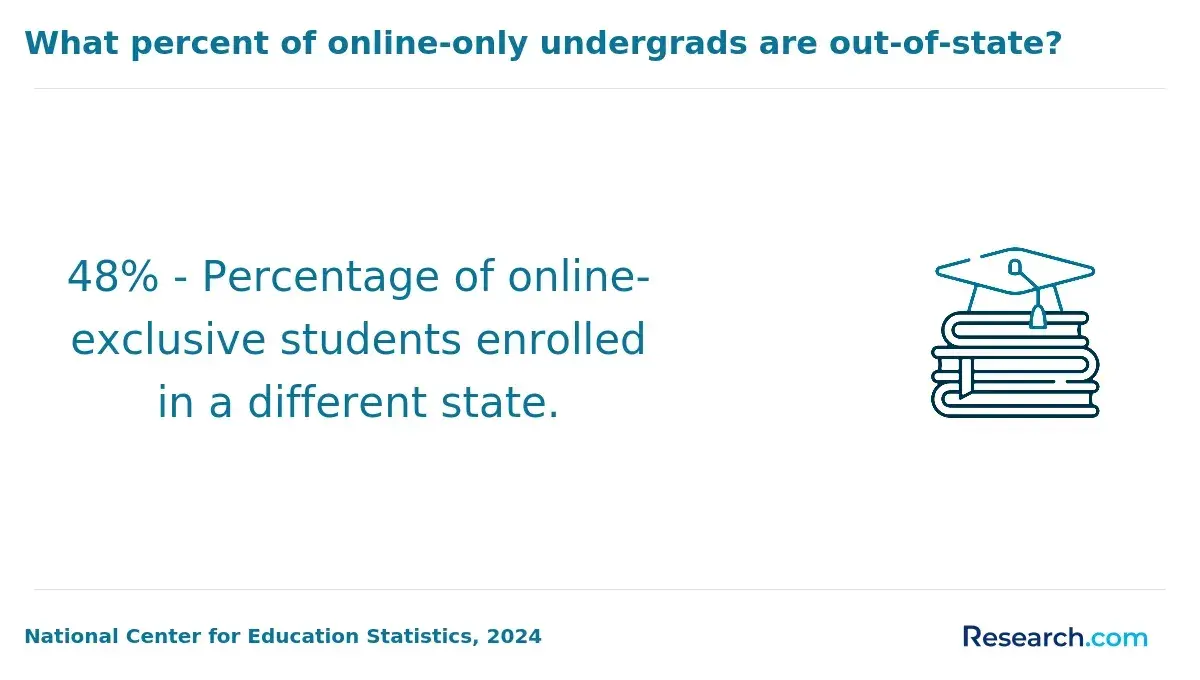
In 2023, roughly 65% of adult learners in degree completion programs selected fully online formats, while 25% preferred hybrid models that combine remote coursework with campus visits, according to data from the National Center for Education Statistics and the Online Learning Consortium. The COVID-19 pandemic hastened investments in online learning infrastructure, allowing institutions to offer robust machine learning curricula without sacrificing quality or interaction.
- Synchronous Live Sessions: These real-time video classes replicate traditional classrooms, benefiting those who value scheduled interaction but require flexible timing across time zones and work shifts.
- Asynchronous Recorded Lectures: Learners can progress at their convenience, ideal for adults balancing unpredictable workloads, though this demands self-discipline and may reduce immediate feedback.
- Hybrid Models: Combining online learning with in-person intensives-often during weekends-this option is suited for students near campus or those willing to travel periodically for networking and hands-on experience.
- Faculty Credentials: Look for instructors with advanced degrees and relevant machine learning expertise to ensure curriculum rigor.
- Student-to-Faculty Ratios: Smaller online classes usually enhance engagement and personalized support.
- Academic Support Services: Availability of virtual tutoring, career advising, and tech assistance is essential for online learners.
- Accreditation: Confirm that the online program's accreditation matches the on-campus equivalent to maintain degree validity.
Prospective students should ask enrollment advisors about the flexibility of synchronous session timings, the balance between asynchronous and live coursework, any required campus residencies, online support resources, and the possibility of credit for prior learning or ACE recommendations. Selecting the appropriate delivery method depends on individual learning preferences, job demands, and location-key factors for successful program completion.
How Long Does It Take to Complete a Machine Learning Degree Completion Program?
Completion times for machine learning degree completion programs vary based on prior credits, enrollment intensity, and program-specific requirements. Students entering with approximately 60 prior credits-commonly two years of college-typically need two to three additional years of study part-time.
Those with 90 credits generally finish within one to two years, reflecting their proximity to degree completion. Students with substantial prior learning assessment (PLA) credits-such as military veterans with ACE-credited training-may complete the degree faster, sometimes in as little as one year, depending on how many credits the institution accepts.
- Credit Transfer: The most decisive factor in shortening degree time is the number of credits awarded via transfer or PLA. Acceptance policies vary widely, so prospective students should verify credit eligibility early.
- Enrollment Intensity: Part-time versus accelerated course loads heavily influence completion speed. Many working adults balance study with other commitments, making part-time attendance more common-and extending timelines-while full-time accelerated tracks can reduce time.
- Fixed-Duration Components: Mandatory internships, capstone projects, or field experiences impose non-negotiable time requirements that cannot be shortened regardless of academic progress.
- Financial Implications: Faster completion reduces total tuition and opportunity costs from foregone earnings, allowing earlier entry into higher salary brackets-making accelerated programs a financially strategic choice.
- Advisory: Students should request in writing each program's average time-to-degree for individuals with a similar credit profile rather than relying on advertised minimums for maximally credited students under ideal circumstances.
What Accreditation Should a Machine Learning Degree Completion Program Hold?
Regional accreditation remains the most widely accepted standard for machine learning degree completion programs, ensuring recognition by employers, graduate schools, and eligibility for federal student aid. Agencies such as the Higher Learning Commission (HLC), the Middle States Commission on Higher Education, and the Southern Association of Colleges and Schools Commission on Colleges (SACSCOC) apply strict academic criteria. This accreditation is crucial for adults seeking an accredited machine learning degree program for working adults that supports further education or professional licensure.
National accreditation-offered by organizations like the Distance Education Accrediting Commission (DEAC)-is generally viewed as lower status. Often linked to vocational or career schools, this accreditation can limit credit transferability and may reduce acceptance by employers and graduate programs, creating obstacles for those aiming to maximize credit for prior learning.
Program-specific accreditation is important for programs in engineering, technology, or business fields related to machine learning. ABET accredits engineering and technology curricula vital to machine learning degree completion accreditation standards.Programs with business applications might hold accreditation from ACBSP or AACSB.These accreditations influence professional licensure eligibility, hiring outcomes, and graduate admission.
Some degree completion pathways are offered by institutions with only national accreditation or unrecognized accreditors. This poses reputational and financial risks-credentials may not be accepted by employers or licensing boards, potentially wasting time and resources.
Prospective students should verify any program's accreditation through the U.S. Department of Education's Database of Accredited Postsecondary Institutions and Programs (DAPIP). Relying solely on marketing claims risks enrolling in programs lacking genuine quality assurance.
Working adults evaluating their options must consider cost, scheduling, credit transfer policies, and career outcomes carefully. Resources covering affordable credential pathways include online colleges for real estate, demonstrating how cost-effective programs can support professional advancement in various fields.
How Much Do Machine Learning Degree Completion Programs Cost, and What Financial Aid Is Available?
Costs for machine learning degree completion programs vary widely by institution type. Public regional universities typically charge between $300 and $600 per credit hour for in-state students. Private nonprofit schools average $700 to $1,200 per credit hour, while for-profit institutions can exceed $1,000 per credit hour. In addition to tuition, mandatory fees, technology requirements, course materials, and any necessary residencies or intensives often add several hundred to a few thousand dollars annually-creating a fuller picture of total cost beyond base tuition.
Financial aid options cater specifically to working adults pursuing machine learning programs. Important resources include:
- Pell Grants: These benefit part-time adult learners demonstrating financial need, significantly lowering net attendance costs.
- Employer Tuition Reimbursement: Many companies support employees' education, offering partial to full coverage of degree-related costs.
- Military Benefits: Veterans and military-affiliated learners can utilize GI Bill or MyCAA educational benefits.
- Institutional Scholarships: Designed for non-traditional adult students, these scholarships enhance accessibility.
- FAFSA Guidance: Independent adult students should carefully file the FAFSA to maximize financial aid eligibility.
Adults paying out-of-pocket may also access tax advantages-such as the Lifetime Learning Credit and the employer-provided educational assistance exclusion under IRS Section 127. Consulting a tax professional is recommended to navigate individual eligibility and optimize benefits.
When evaluating programs, working adults should consider factors like credit transfer savings, employer tuition support, and net tuition after aid, since sticker prices often misrepresent true out-of-pocket expenses. These comprehensive evaluations help align educational investments with career goals.
For an expertly ranked overview of affordable programs, consider exploring data science programs which share similar cost structures and financial aid options.
What Career Outcomes Can Working Adults Expect After Completing a Machine Learning Degree?
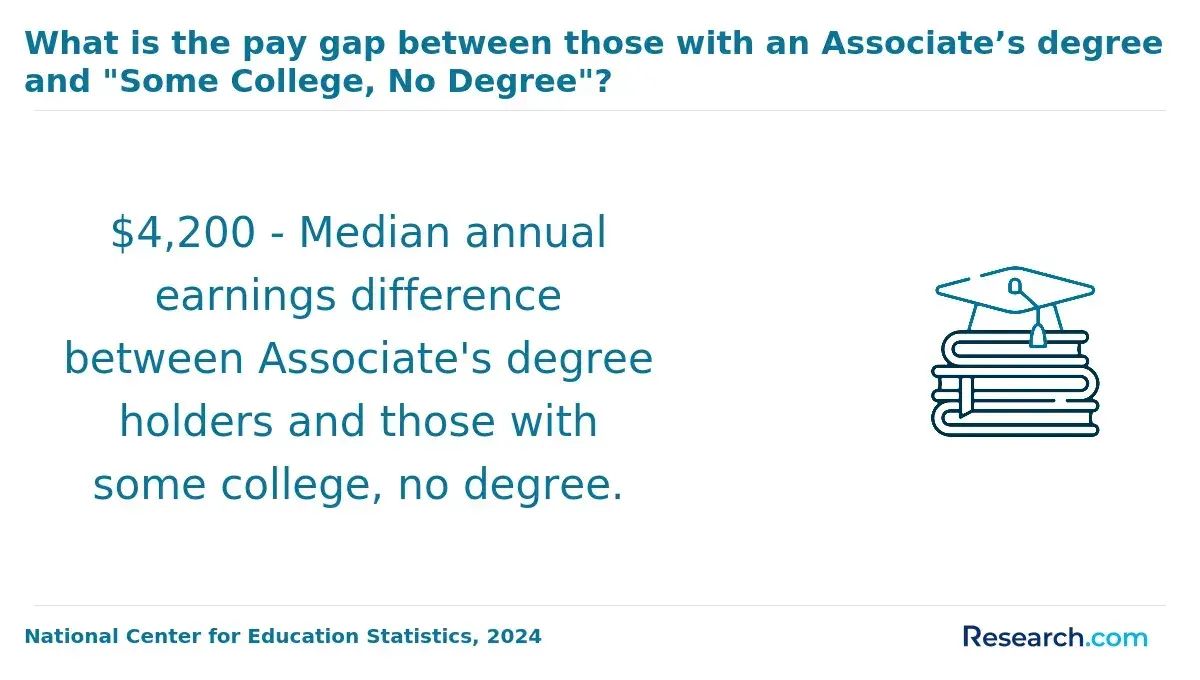
Working adults who complete a machine learning bachelor's degree often unlock significant career benefits backed by data from sources like College Scorecard and the Georgetown University Center on Education and the Workforce. Earnings data reveal that degree holders report notably higher wages than peers with some college but no degree-commonly a salary boost of over 20%-highlighting the economic value of finishing the credential.
- Promotion Eligibility: Earning the degree grants access to advanced roles and management tracks typically restricted to those with bachelor's credentials.
- Credential-Gated Jobs: Many specialized machine learning positions require a completed bachelor's degree, making degree completion essential for entry.
- Salary Premium: Employers reward degree holders with higher pay, reflecting the recognized combination of formal qualification and workplace experience.
- Professional Experience Advantage: Unlike traditional graduates entering the workforce, degree completers who are already employed leverage years of relevant experience, enabling them to target senior or specialized roles immediately upon graduation rather than starting entry-level.
- Graduate Program Access: Completion is often mandatory for admission into competitive graduate studies in advanced machine learning or related fields.
Prospective students should thoroughly assess whether their chosen machine learning degree program from an accredited institution aligns with their career targets-such as licensure, promotion criteria, or graduate study admission. Maximizing prior learning credit, confirming employer or licensure recognition, understanding flexible scheduling options, and exploring financial aid specifically available to working adults are all key steps to ensuring that the program chosen supports professional goals and life circumstances effectively.
How Do Employers View a Machine Learning Degree Completed Through a Completion Program?
Employer surveys conducted by organizations like the Society for Human Resource Management (SHRM) and the National Association of Colleges and Employers (NACE) indicate that hiring managers focus mainly on the accreditation and formal recognition of the institution granting a machine learning degree, rather than the student's enrollment path or credits earned through prior learning assessments (PLA). Degrees earned via completion programs from accredited schools typically appear identical on diplomas to those earned through traditional studies, ensuring equal legitimacy in the eyes of employers.
- Accreditation: The quality and acceptance of a machine learning credential hinge largely on whether the awarding institution holds regional or national accreditation, which signals program rigor.
- Credential Presentation: Candidates are best served by listing their degree straightforwardly on resumes without emphasizing the completion format. When discussing their education in interviews, highlighting the accelerated or adult-focused nature can underscore their commitment and time management skills.
- Employer Scrutiny Variance:
- Certain sectors-such as federal roles following Office of Personnel Management (OPM) guidelines or professions regulated by state licensing boards-may examine degree pathways more closely.
- Those entering licensed fields should confirm credential acceptance with relevant authorities before enrolling.
- Experience and Skills: For most private-sector machine learning roles, practical experience, proven competencies, and solid professional references carry more weight than the degree completion method.
- Credential Value: A machine learning degree from a reputable completion program should be viewed as equally valid and as a meaningful boost to qualifications rather than a second-tier alternative.
What Graduates Say About Machine Learning Degree Completion Programs for Working Adults
- Hazel: "Completing the online machine learning degree while working full-time was a game-changer for me. The program's flexible scheduling formats allowed me to study evenings and weekends without sacrificing my job performance. Plus, knowing the degree held proper accreditation gave me confidence that employers would value my credential in a competitive market."
- Arielle: "Reflecting on my experience, I appreciate how the credit transfer policies streamlined my path to graduation-allowing me to leverage previous coursework seamlessly. The cost considerations were transparent and reasonable compared to other options, which was crucial since I had to balance education expenses with family obligations. These aspects distinguish quality completion programs from generic undergrad degrees that often lack such thoughtful design."
- Anthony: "From a professional standpoint, the career outcomes tied to this machine learning degree truly set it apart. Graduates see tangible job placement and advancement opportunities that justified the investment of time and money. The structural features-like cohort-based learning and industry-relevant projects-helped prepare me thoroughly for real-world challenges, something many generic alternatives overlook."
Other Things You Should Know About Machine Learning Degrees
Many machine learning degree completion programs provide tailored support services to accommodate working adults. These often include academic advising, tutoring, career counseling, and access to online libraries and technical resources. Some programs also offer flexible scheduling and dedicated staff to assist with balancing coursework alongside job and family responsibilities.
Credits earned in a machine learning degree completion program can often be transferred toward graduate studies, but this varies by institution. It is important to verify in advance whether the program maintains articulation agreements with graduate schools or offers pathways specifically designed to facilitate credit transfer. Proper documentation and course equivalencies are essential to maximize credit applicability for future education.
Networking is a critical component of machine learning degree completion programs aimed at working adults. These programs frequently incorporate opportunities for students to connect with industry professionals through workshops, seminars, and collaborative projects. Building a professional network within the program can enhance job prospects and lead to mentorships critical for career advancement in the machine learning field.
In 2027, machine learning degree completion programs offer working adults flexible learning schedules, industry-relevant curricula, and opportunities to immediately apply new skills in their jobs. Additionally, these programs often incorporate the latest technologies, ensuring participants are equipped to handle current and future industry challenges effectively.
References
- How Long Does It Take to Complete Artificial Intelligence Online Training? https://www.h2kinfosys.com/blog/how-long-does-it-take-to-complete-artificial-intelligence-online-training/
- Can I Work Full-Time While Earning an Online Degree? https://www.athens.edu/online-degree-completion-programs-working-adults/can-i-work-full-time-while-earning-an-online-degree/
- Criteria for Accrediting Computing Programs, 2025 - 2026 - ABET https://www.abet.org/accreditation/accreditation-criteria/criteria-for-accrediting-computing-programs-2025-2026/
- Online Bachelor of Science (BSc) in Artificial Intelligence - Swiss School of Business and Management Geneva https://www.ssbm.ch/online-bachelor-of-science-bsc-in-artificial-intelligence/
- Career Opportunities After Completing AI & Data Science Degree https://dev.to/solamalai_college/career-opportunities-after-completing-ai-data-science-degree-3am1
- AI & Machine Learning Course Fees in 2026: Complete Guide https://www.almabetter.com/bytes/articles/ai-and-ml-course-fees-2026
- Online & Hybrid Degree Programs | Global Learning Opportunities | ERES https://eres.com/blog/online-hybrid-degree-programs-global-learning-opportunities
- What Are the Career Paths After a Bachelor of Science in AI https://tetr.com/blog/what-are-the-career-paths-after-a-bachelor-of-science-in-ai
- Machine Learning Degree: Different Program Types and Requirements - AI Degrees Online https://aidegreesonline.com/degrees/machine-learning-programs/
- Online Degree vs. Traditional | University of Arkansas Grantham https://www.uagrantham.edu/blog/pros-cons-online-degree-vs-traditional-university/