2027 Low-Cost Online ESL & TESOL Doctorate Programs with Financial Aid: Scholarships, Grants, and Employer Tuition Support

Co-Founder and Chief Data Scientist
Choosing an online ESL or TESOL doctorate is often a cost decision as much as an academic one. NCES reported in 2024 that English learners made up about 10.6% of public school students, keeping demand high for leaders in multilingual education.
This guide is for teachers, curriculum specialists, administrators, and language-program professionals comparing affordable doctoral options. You will learn how to evaluate total cost, financial aid, scholarships, employer tuition support, and career value so you can choose a program that fits your goals without taking on unnecessary debt.
Key Things You Should Know
- The lowest total cost usually comes from regionally accredited public universities with flat online tuition, limited residency requirements, and a doctorate in education, curriculum and instruction, applied linguistics, or literacy with an ESL, TESOL, bilingual education, or multilingual learner focus.
- Federal graduate borrowing can be substantial, but Direct Unsubsidized Loans are capped at $20,500 per academic year, so students should compare grants, scholarships, employer tuition assistance, and payment plans before using Grad PLUS loans.
- Employer tuition assistance can be one of the most predictable funding sources because up to $5,250 per year in qualifying educational assistance may be tax-free under federal rules, but repayment obligations and grade requirements vary by employer.
Which Online ESL & TESOL Doctorate Programs Offer the Lowest Total Cost?
The lowest-cost online ESL and TESOL doctorate is rarely labeled exactly "online PhD in TESOL." In the U.S., many affordable options are EdD or PhD programs in curriculum and instruction, educational leadership, literacy, applied linguistics, language education, or bilingual education that allow doctoral research in ESL, TESOL, multilingual learners, second-language acquisition, or teacher preparation.
For cost comparisons, the key number is not the advertised per-credit tuition. It is the total amount you will pay after required credits, mandatory fees, residencies, dissertation enrollment, transfer credit, and financial aid are included. The table below shows which program types tend to produce the lowest net cost and when each type makes sense.
| Program type | Typical cost position | Best fit | Main cost risk |
| Public online EdD or PhD with ESL, TESOL, bilingual education, or curriculum concentration | Often lowest before aid when online tuition is flat or in-state rates apply | Licensed teachers, district specialists, and community college instructors seeking leadership or applied research roles | Residency, dissertation, and out-of-state tuition rules can change the total cost |
| Public hybrid doctorate with mostly online coursework | Can be low if campus visits are short and local travel is possible | Students near a state university who can attend required weekends or summer institutes | Travel, lodging, parking, and time away from work can erase tuition savings |
| Private nonprofit online doctorate with institutional grants or employer partnerships | May be competitive after discounts, scholarships, or tuition reimbursement | Working educators who need flexible pacing and strong student support | Sticker price may be higher, and discounts may not renew automatically |
| Large national online university doctorate | Varies widely; can be affordable only with transfer credit, military benefits, employer support, or scholarships | Adults who need multiple start dates and asynchronous study | Long dissertation enrollment can increase total cost even when per-credit tuition appears manageable |
The most affordable program for one student may not be the cheapest for another. When comparing options, students should also consider factors such as program length, since a shortest EdD program online can potentially reduce overall tuition and other education-related expenses. A public university can be the best deal if you qualify for in-state or flat online tuition, while a private nonprofit may cost less after an employer discount, scholarship, or transfer-credit award.
A practical way to identify low-cost programs is to calculate the "finish-line price." Ask each school for a written estimate that includes all required doctoral credits, dissertation continuation charges, technology fees, assessment fees, residency expenses, and the cost of repeating or extending dissertation enrollment. Programs that cannot clearly explain these costs are harder to compare and may be a red flag.
What Financial Aid Is Available for Online ESL & TESOL Doctorate Students?
Online ESL and TESOL doctorate students may qualify for several types of aid, but eligibility depends on the institution, enrollment status, citizenship or eligible noncitizen status, academic progress, and whether the program is approved for federal aid. Graduate students usually do not receive the same need-based grant access as undergraduates, so the strongest financial plan often combines multiple smaller funding sources.
The most common aid categories work differently, and understanding the order of preference can help you reduce debt. The table below compares major funding sources based on how they affect out-of-pocket cost and borrowing.
| Funding source | Repayment required? | How it usually helps | What to verify |
| Institutional grants or scholarships | No, if renewal terms are met | Reduces tuition directly | Minimum GPA, enrollment load, renewal limit, and whether dissertation credits are covered |
| External scholarships | No, if award conditions are met | Offsets tuition, fees, books, travel, or research expenses | Eligibility by field, teaching role, membership, citizenship, and degree level |
| Employer tuition assistance | Usually no, unless service agreement is not met | Pays or reimburses part of tuition each year | Annual cap, required grade, approved-program rules, and repayment if you leave the job |
| Federal Direct Unsubsidized Loan | Yes | Provides federal borrowing up to the graduate annual limit | Interest accrual, origination fee, lifetime aggregate limit, and repayment plan options |
| Federal Grad PLUS Loan | Yes | Can cover remaining cost of attendance after other aid | Credit check, higher borrowing cost, and whether the degree's career payoff supports the debt |
| Payment plan | No loan repayment, but payments are due during enrollment | Spreads tuition across the term | Setup fees, late fees, and whether the monthly amount is realistic |
Federal Student Aid lists $20,500 as the annual Direct Unsubsidized Loan limit for graduate and professional students. That number matters because once students exceed it, they may need Grad PLUS loans, private loans, personal savings, or employer support to cover the rest of the cost.
The usual funding priority is simple: use gift aid first, employer support second, payment plans or savings third, and loans last. Borrowing can still be reasonable for students pursuing higher-level roles, but it should be based on a realistic career plan rather than the assumption that any doctorate automatically pays for itself.
Which Scholarships Help Reduce the Cost of an Online ESL & TESOL Doctorate?
Scholarships for online ESL and TESOL doctorate students may come from universities, professional associations, community foundations, school districts, unions, language-education organizations, and research centers. Doctoral awards are often competitive, but many applicants skip them because awards seem small; that is a mistake when a $1,000 or $2,000 award can reduce the need for interest-bearing debt.
Students should search beyond "TESOL doctorate scholarship" because relevant awards may use different labels. The list below shows scholarship categories that commonly match ESL and TESOL doctoral goals.
- University doctoral scholarships for education, curriculum and instruction, literacy, applied linguistics, bilingual education, or educational leadership students.
- TESOL, bilingual education, and language-teaching association awards for teachers, researchers, presenters, and graduate students.
- Dissertation research grants for studies involving multilingual learners, second-language acquisition, teacher preparation, assessment, or educational equity.
- Teacher organization, union, or district foundation scholarships for licensed educators pursuing advanced credentials.
- Community foundation awards for residents, first-generation graduate students, rural educators, or professionals serving high-need schools.
- Military, veteran, spouse, and dependent education benefits when the student meets service-related eligibility rules.
The strongest applications usually connect the doctorate to a specific service need. For example, an ESL teacher proposing research on multilingual learner literacy, teacher coaching, newcomer programs, AI-assisted language learning, or assessment equity can often make a clearer case than an applicant who simply states that they want a doctorate.
Common scholarship mistakes include applying only once, ignoring smaller local awards, missing renewal rules, and failing to ask whether awards can be used during dissertation enrollment. For students comparing the best online EdD programs, it is also helpful to ask the program director and financial aid office for a list of recent scholarships won by doctoral students in related concentrations before enrolling.
How Can Employer Tuition Assistance Help Pay for an Online ESL & TESOL Doctorate?
Employer tuition assistance can be especially valuable for online ESL and TESOL doctorate students because many are already working in K-12 districts, community colleges, universities, nonprofits, edtech companies, or language-training organizations. Unlike one-time scholarships, employer support may be available every year if the degree aligns with the employee's current or future role.
Under federal tax rules, up to $5,250 per year in qualifying employer-provided educational assistance may be excluded from taxable income. For a part-time doctoral student, that amount can meaningfully reduce annual tuition, especially when paired with a public online program or an institutional discount.
Before relying on employer support, students should review the policy carefully. These are the questions that matter most when estimating the real value of tuition assistance.
- Is the doctorate required to be directly related to my current job, or can it support a future role such as curriculum director, teacher educator, program administrator, or instructional designer?
- Does the employer pay the school directly, reimburse after grades are posted, or provide a fixed annual benefit?
- What is the yearly maximum, and does it reset by calendar year, fiscal year, or academic year?
- Are books, fees, residencies, dissertation credits, and research expenses covered, or only tuition?
- What grade or satisfactory academic progress standard is required for reimbursement?
- Will I have to repay the benefit if I resign, transfer, retire, or am laid off within a certain period?
Employer support works best for students who can study part time without delaying career goals too much. It may work poorly for students who need to leave their job, change employers soon, or enroll full time in a program that costs far more than the annual benefit.
How Do Assistantships, Fellowships, and Research Funding Work for Online ESL & TESOL Doctorate Students?
Assistantships, fellowships, and research funding are less predictable for fully online doctoral students than for on-campus PhD students, but they should not be ignored. Some universities reserve assistantships for residential students, while others offer remote research work, teaching support, graduate writing-center roles, online course development, or limited doctoral fellowships.
Funding availability often depends on whether the program is research-intensive, whether faculty have active grants, and whether online students are integrated into the department's research community. The table below explains the main funding types and how online students should evaluate them.
| Funding type | How it may apply online | Best use | Limitation |
| Teaching assistantship | May involve grading, discussion facilitation, tutoring, or teaching online sections | Students seeking college teaching experience | Often limited to full-time or campus-based doctoral students |
| Research assistantship | May allow remote data coding, literature reviews, survey work, or project coordination | Students interested in second-language acquisition, assessment, curriculum, or teacher development research | Depends on faculty grants and may not cover full tuition |
| Doctoral fellowship | May provide tuition support, stipend, or dissertation funding | Highly qualified applicants with a strong research agenda | Competitive and sometimes tied to full-time enrollment |
| Dissertation grant | May cover transcription, software, participant incentives, travel, or data access | Students in the dissertation phase | Usually does not cover all tuition or living expenses |
The most important step is to ask funding questions before admission, not after enrollment. Contact faculty whose research matches your interests and ask whether online doctoral students have recently worked on funded projects, received dissertation grants, or served as remote assistants.
Be cautious if a program advertises "funding opportunities" but cannot explain how many online doctoral students receive them, what the average award covers, or whether funding is guaranteed after the first year. A possibility is not the same as an award letter.
Which Program Features Have the Biggest Impact on the Total Cost of an Online ESL & TESOL Doctorate?
Program design can change the total cost more than the tuition rate itself. Two programs with similar per-credit prices can differ by thousands in final cost if one requires more credits, longer dissertation registration, expensive residencies, or fees that are not included in the advertised rate.
The following cost drivers deserve close review because they directly affect how much you pay before graduation.
- Total required credits: A lower per-credit price may not save money if the program requires substantially more credits than a competitor.
- Transfer-credit policy: Programs that accept relevant master's-level or post-master's doctoral credits can reduce both cost and time, but only if the transferred credits apply to required coursework.
- Dissertation enrollment rules: Some programs charge tuition or continuation fees every term until the dissertation is complete, which makes advising quality and milestone structure financially important.
- Residency requirements: Short residencies can add travel, lodging, meals, childcare, and unpaid time off, even when most coursework is online.
- Course format: Asynchronous courses may be easier to combine with full-time work, while synchronous evening courses may provide stronger interaction but less schedule flexibility.
- Fees and materials: Technology fees, assessment fees, graduation fees, software, research tools, and professional conference costs should be included in your budget.
- Accreditation and authorization: Regional accreditation is essential for federal aid eligibility, employer acceptance, transferability, and credibility in higher education hiring.
AI is also changing program value. Students exploring LPC online programs and related fields should consider how technology is influencing education and professional practice. ESL and TESOL doctoral students increasingly study technology-mediated language learning, AI-supported feedback, assessment validity, and digital curriculum design. A low-cost program may be a stronger investment if it lets you build current expertise rather than completing a dissertation disconnected from how language education is changing.
How Can Students Reduce Borrowing While Earning an Online ESL & TESOL Doctorate?
Reducing borrowing starts with planning the degree around cash flow, not just admission deadlines. Many online doctoral students work while enrolled, so the best strategy is often to slow the pace slightly, use employer benefits annually, and avoid taking loans for costs that could be covered by grants, scholarships, or payment plans.
Use this sequence before accepting loan funds. It helps prioritize money that does not have to be repaid and reduces the chance of borrowing more than necessary.
- Request a full cost-of-completion estimate from each school, including credits, fees, residencies, dissertation enrollment, and expected annual tuition increases.
- Submit the FAFSA if the program is eligible for federal aid, even if you hope not to borrow, because schools may use it to evaluate some institutional aid.
- Ask the program, graduate school, and college of education about doctoral scholarships, dissertation grants, and online-student eligibility.
- Apply for external scholarships tied to ESL, TESOL, bilingual education, literacy, teacher leadership, research, or community service.
- Confirm employer tuition assistance rules in writing before registering for the first term.
- Compare part-time and full-time enrollment based on aid eligibility, employer reimbursement timing, and dissertation momentum.
- Accept only the loan amount needed for the term instead of the maximum offered.
- Recalculate your remaining cost every academic year because fees, aid, and employment benefits can change.
One common mistake is assuming part-time study always saves money. It can reduce annual cash pressure and allow employer benefits to reset, but it can also extend dissertation fees if progress slows. The better choice is the enrollment pace that keeps you academically active while minimizing paid-but-unproductive terms.
Another mistake is ignoring opportunity cost. If a more flexible program lets you keep your full-time salary and use employer support, it may be cheaper in real life than a lower-tuition program that requires unpaid leave, frequent travel, or schedule changes that reduce income.
Does Paying Less for an Online ESL & TESOL Doctorate Affect Career Outcomes?
Paying less for an online ESL or TESOL doctorate does not automatically weaken career outcomes, but choosing only by price can. Employers usually care about accreditation, relevance of the specialization, evidence of research or leadership ability, teaching experience, and whether the doctorate fits the role.
BLS reported a May 2024 median annual wage of $83,980 for postsecondary teachers. That figure is not a promise for TESOL doctorate graduates, but it provides a useful benchmark for students considering college teaching, teacher education, or applied linguistics roles where a doctorate may strengthen competitiveness.
Career outcomes vary by goal. A doctorate may support advancement into roles such as faculty member, TESOL or bilingual education program director, district multilingual learner administrator, curriculum leader, instructional coordinator, assessment specialist, researcher, consultant, or nonprofit education leader. For K-12 teachers, however, salary increases often depend on district salary schedules, state rules, union agreements, and whether the doctorate moves the teacher to a higher lane.
Lower-cost programs are most likely to produce strong ROI when they meet these conditions: the university is regionally accredited, the specialization fits the student's target role, faculty expertise supports the dissertation topic, online students receive adequate advising, and the student can continue earning income while enrolled. A more expensive program may be worth considering if it offers stronger faculty match, funded research opportunities, a credible path to college teaching, or a schedule that prevents career disruption.
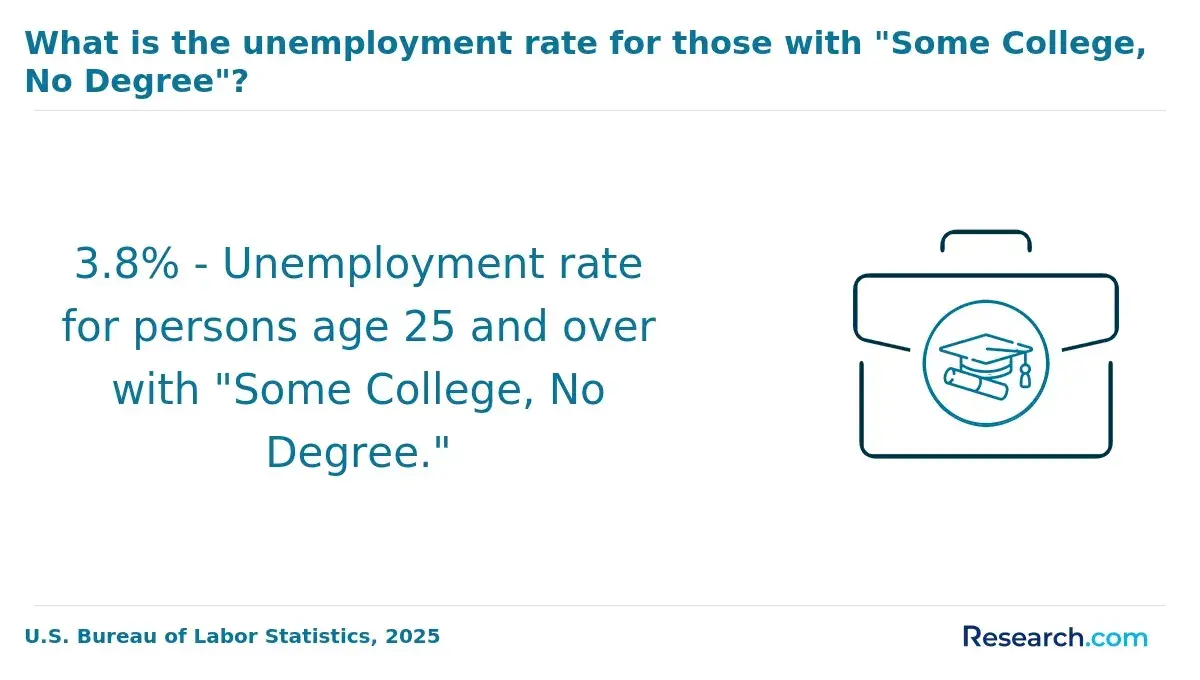
Red flags include unclear accreditation, vague dissertation support, poor transparency around graduation requirements, no evidence of faculty expertise in ESL or TESOL, and aggressive admissions claims that imply guaranteed promotions or salary increases. A low price is helpful only if the program can actually get you to completion with a credential your target employers respect.
Which Online ESL & TESOL Doctorate Programs Offer the Best Combination of Cost, Financial Aid, and Flexibility?
The best-value online ESL and TESOL doctorate is the one that balances cost, funding, flexibility, academic fit, and completion support. Because tuition and aid policies change, students should compare programs using a value profile rather than a simple "cheapest tuition" ranking.
The table below summarizes which program profile is often strongest for different student situations. Use it as a decision guide before narrowing your school list.
| Student situation | Best-value program profile | Why it can work | What to avoid |
| Full-time K-12 ESL or bilingual teacher | Part-time online EdD or PhD at a regionally accredited public or private nonprofit university with employer-compatible billing | Allows continued salary, tuition reimbursement, and dissertation research tied to classroom or district needs | Programs with frequent weekday residencies or unclear licensure relevance |
| District curriculum or multilingual learner specialist | Online doctorate in curriculum and instruction, educational leadership, or language education with strong applied research support | Aligns the degree with leadership, coaching, assessment, and program evaluation work | Programs without faculty expertise in multilingual learners or language policy |
| Aspiring college instructor or teacher educator | Research-oriented online or hybrid PhD or EdD with opportunities to publish, present, teach, or assist faculty | Builds academic evidence beyond the credential itself | Programs that offer flexibility but little research mentorship |
| Student with limited borrowing capacity | Lowest-credit regionally accredited program with flat online tuition, strong transfer policy, and annual employer or scholarship support | Reduces both direct cost and loan dependence | Long dissertation structures that require repeated paid enrollment |
| Career changer entering ESL or TESOL from another field | Program with clear prerequisites, applied linguistics foundation, and advising on teaching credentials or field experience | Helps fill background gaps before doctoral research begins | Doctorates that assume substantial prior language-teaching experience without support |
For many working educators, the strongest value is a regionally accredited online EdD with a TESOL-related dissertation pathway, predictable part-time pacing, and employer tuition support. For students pursuing tenure-track or research-heavy roles, a lower-cost PhD or research-intensive EdD with faculty mentorship may be more valuable than the cheapest flexible program.
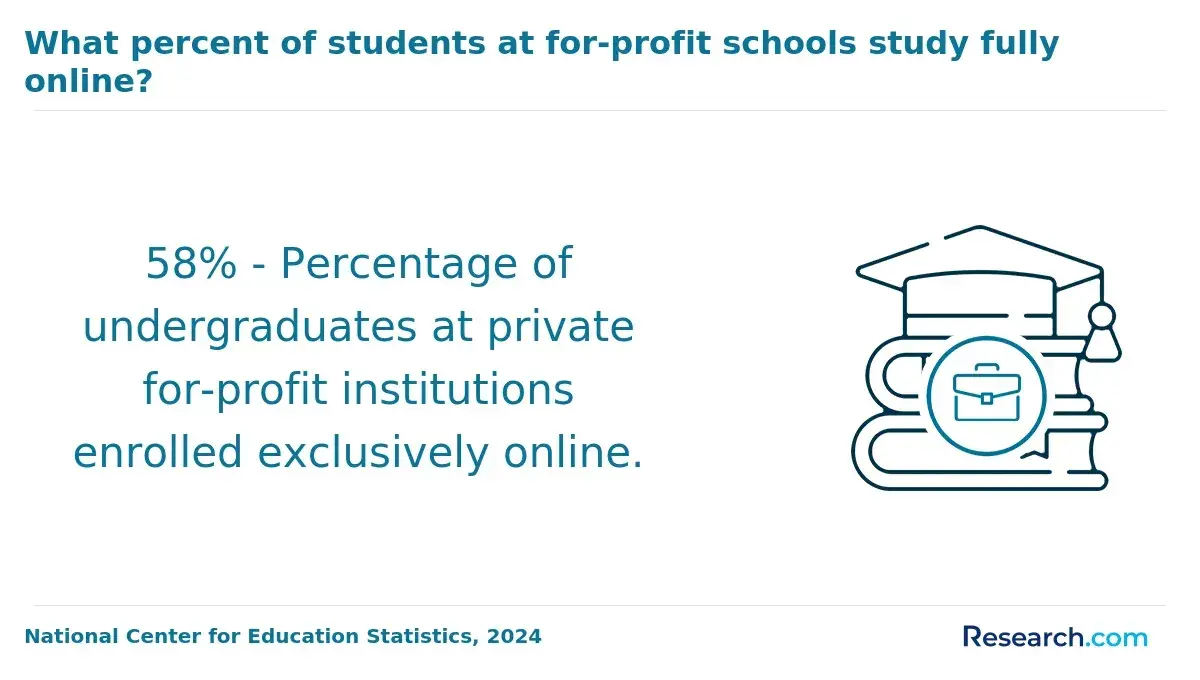
Do not treat public, private nonprofit, and private for-profit status as automatic indicators of quality or ROI. Institution type matters, but the better comparison is net cost, accreditation, student support, faculty match, funding access, and career alignment.
How Should Students Compare Low-Cost Online ESL & TESOL Doctorate Programs?
Comparing low-cost online ESL and TESOL doctorate programs requires a repeatable method. Start with your career goal, then test whether each program can help you reach it at a manageable cost.
Use the following checklist when contacting admissions offices, program directors, financial aid offices, and employer benefits teams.
- Confirm the exact degree title, concentration, and whether ESL, TESOL, bilingual education, multilingual education, or applied linguistics can be the focus of coursework and dissertation research.
- Verify regional accreditation and whether the program is approved for federal financial aid.
- Ask for a written total-cost estimate from entry to graduation, not just first-year tuition.
- Request details on dissertation enrollment, continuation fees, milestone timelines, and average advising structure.
- Ask whether online students qualify for the same scholarships, grants, assistantships, and dissertation funding as campus students.
- Compare how much employer tuition assistance can be used each year and whether the school's billing schedule supports reimbursement.
- Review faculty profiles for ESL, TESOL, bilingual education, second-language acquisition, literacy, assessment, or language-policy expertise.
- Ask about online student completion support, including research methods help, writing support, library access, statistics support, and dissertation chair availability.
- Check whether any residencies, internships, practicums, or campus visits are required and estimate their real cost.
- Compare career outcomes with your target role rather than relying on broad doctoral salary claims.
A strong final shortlist of online colleges with no application fee usually includes one lowest-cost option, one best-funded option, and one best-fit option. If the same program appears in all three categories, it is likely a strong value. If not, prioritize the program that you can finish, afford, and explain clearly to future employers.
The smartest financial decision is not always to choose the cheapest offer. It is to choose the lowest net-cost program that has credible accreditation, relevant faculty, realistic completion support, and a clear connection to the ESL or TESOL work you want to do next.
Other Things You Should Know About ESL & TESOL
An EdD is usually better for practitioners who want leadership, curriculum, teacher-training, or district-level roles. A PhD is usually better for students focused on research, university teaching, or applied linguistics scholarship. The right choice depends on career goal, not prestige alone.
Usually no. Doctoral programs are advanced academic or professional degrees and typically do not provide initial teacher licensure. Students who need ESL, TESOL, bilingual, or English learner endorsements should check state education agency and district requirements separately.
Many working adults take several years because coursework, comprehensive exams, proposal approval, research, and dissertation writing all take time. The dissertation stage is often the biggest variable, so advising quality and steady progress matter as much as the course schedule.
Often yes, especially when research uses interviews, surveys, classroom artifacts, online instruction data, curriculum analysis, or remote teacher participation. However, some studies require school-site approval, district permission, institutional review board approval, or in-person data collection.
References
- Employer Tuition Assistance Program / Employee Tuition Reimbursement - Finance | Learn & Work Ecosystem Library https://learnworkecosystemlibrary.com/topics/employer-tuition-assistance-program-employee-tuition-reimbursement-finance/
- Scholarships for Doctor of Education (EdD) Students | Teach.com https://teach.com/online-ed/education-degrees/online-edd-programs/scholarships/
- Can You Get Financial Aid for Doctoral Programs? - Graduate Programs for Educators https://www.graduateprogram.org/blog/can-you-get-financial-aid-for-doctoral-programs/
- Financial Aid For Online Colleges https://www.affordablecollegesonline.org/financial-aid/financial-aid-for-online-colleges/
- Online EdD Programs in TESOL and English Language Learning https://www.onlineeddprograms.com/faqs/edd-programs-tesol
- Educational Funding https://phdproject.org/educational-funding/
- Guide to Employers Who Subsidize Online Education https://www.onlineeducation.com/features/employers-who-subsidize-higher-ed
- Additional benefits for doctoral students | SGH | Szkoła Główna Handlowa w Warszawie https://www.sgh.waw.pl/en/additional-benefits-doctoral-students
- 2025 Most Affordable Online Master's Degrees in ESL https://www.onlineu.com/most-affordable-colleges/esl-masters-degrees
- Where to Find Scholarships for TESOL, ESL, and EFL Graduate Degrees https://mastersinesl.org/scholarships/