2027 Library Media Degree Jobs That Do Not Require Licensure

Co-Founder and Chief Data Scientist
What career options exist for graduates with a library media degree who prefer to avoid licensure requirements? Many recent graduates and career changers seek roles that capitalize on their skills without the delays and costs associated with certification. The Bureau of Labor Statistics notes that over 40% of library-related positions do not mandate a professional license, reflecting growing demand in public libraries, corporate archives, and digital resource management.
These non-licensed careers offer flexibility and practical application of information organization and technology expertise. This article explores library media degree jobs that do not require licensure and outlines the opportunities available to graduates in this evolving field.
Key Benefits of Library Media Degree Jobs That Do Not Require Licensure
- The absence of licensure enables quicker workforce entry, reducing delays by up to 18 months compared to licensed roles, enhancing early career momentum for library media graduates.
- Diverse industries such as corporate, nonprofit, and digital sectors offer roles unrestricted by licensing, expanding employment flexibility and broadening career pathways.
- Engagement in non-licensed positions facilitates development of transferable skills and early professional experience, laying a foundation for sustained long-term career advancement.
What Jobs Can You Get With a Library Media Degree Without Licensure?
Graduates with a library media degree can access numerous career opportunities that do not require professional licensure, making it easier to enter the workforce across various sectors. Approximately 22% of library and related information occupations offer roles that rely on core skills rather than formal certification.
Below are some common non-licensed career paths for those with a library media degree.
- Library Technician: Library technicians manage library materials and assist patrons by cataloging resources and maintaining databases. Their proficiency in information organization and resource management is directly supported by a library media degree, eliminating the need for licensure.
- Archival Assistant: Archival assistants focus on preserving historical records and digital archives, using research and organization skills learned during their studies. This role is well-suited for individuals seeking a career without licensure while contributing to document preservation and accessibility.
- Information Specialist: Information specialists provide critical support in managing data systems and curating resources tailored to specific user needs. The degree's emphasis on digital literacy and resource retrieval prepares graduates for this position without licensing requirements.
- Media Center Coordinator: Coordinators oversee daily functions in media centers, handling inventory, supporting technology use, and assisting users with multimedia tools. Their expertise in media and information literacy allows effective management without the necessity of certification.
- Research Assistant: Research assistants support various projects by collecting, organizing, and synthesizing information. The research methodologies taught in a library media program enable graduates to thrive in these roles without professional licensure.
For those interested in expanding their qualifications to improve job prospects, exploring easy certifications to get online may provide valuable options to complement a library media degree.
Which Industries Hire Library Media Graduates Without Licensure?
Several industries recognize the value of transferable skills and general academic preparation over formal licensure when hiring library media graduates. Employment in information and records management, for instance, is projected to grow 8% from 2022 to 2032 according to the U.S. Bureau of Labor Statistics. This demand highlights the opportunities for graduates to apply their expertise across various sectors.
Below are key industries that commonly hire library media graduates without requiring professional licensure.
- Corporate Sector: Companies, especially in knowledge management and information services, employ library media graduates to handle digital databases, develop efficient filing systems, and assist with internal research. Their ability to manage vast amounts of data and ensure streamlined access is highly valued.
- Publishing Industry: This sector hires graduates for roles focusing on content curation, editorial support, and metadata management. Library media skills improve the organization and accessibility of both print and digital publications, enhancing user experience.
- Nonprofit and Cultural Institutions: Organizations such as museums, archives, and historical societies utilize graduates for archival management, exhibit research, and educational programming. The preservation and presentation of information align closely with core library media competencies.
- Government Agencies: Local, state, and federal agencies recruit graduates for records management, managing public information services, and research functions. Their expertise supports compliance with regulations and improves public access to government documents.
What Entry-Level Jobs Are Available Without Library Media Licensure?
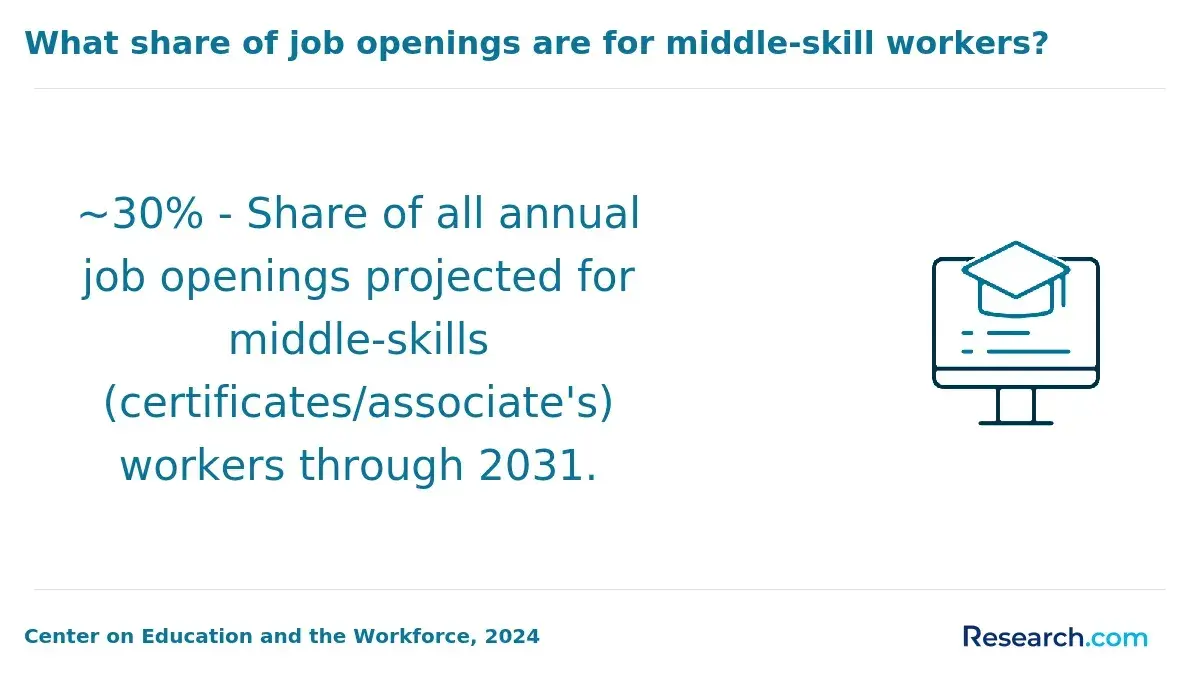
Many fields, including library media, offer entry-level roles that emphasize skills over licensure. A recent American Library Association survey found that nearly one-third of graduates start in support positions that don't require official credentials.
These opportunities allow new professionals to gain experience while applying their academic training.
- Library Assistant: This role involves typical daily tasks such as organizing collections, helping visitors find materials, and managing loan processes. Graduates with a library media degree are well-equipped with knowledge of classification systems and organizational techniques, enabling them to assist library operations effectively without needing certification.
- Archivist Technician: Technicians focus on preserving and digitizing historical documents, maintaining archives, and facilitating user access to collections. While advanced archivist roles may require licensing, this position relies mostly on attention to detail and a foundation in information preservation gained through library media studies.
- Research Assistant: Research assistants support various information-based projects by locating and compiling data. Training in database navigation and information retrieval helps graduates efficiently gather and organize research materials without the necessity of professional credentials.
- Technical Services Assistant: Workers in this position handle behind-the-scenes functions such as cataloging new acquisitions, preparing metadata, and managing digital resources. The technical subject matter covered in library media programs prepares graduates well for these specialized duties without requiring licensure.
A library media degree graduate shared that entering the workforce without licensure felt both liberating and challenging. "I appreciated that I could start working right away, but it was daunting to prove my capabilities without a formal license," he explained. He described spending extra time learning each library's unique system and building practical skills on the job.
"It was a trial-and-error process at first, but my academic background gave me a strong foundation to adapt and succeed."
Salary ranges for non-licensed library media roles vary due to factors like industry demand, technical expertise, and leadership duties. Bachelor's-level workers in this field earn median incomes generally between $45,000 and $75,000 annually, reflecting growing opportunities.
Below are some of the top-paying non-licensed library media jobs recognized for their earning potential.
- Digital Archivist: These experts oversee the preservation and organization of digital records for institutions, ensuring both security and easy access. The position's reliance on metadata skills and digital technology results in salaries typically from $55,000 to $80,000. A library media degree offers crucial knowledge in cataloging and digital asset management that supports success here.
- Information Specialist: Often employed by corporations or government entities, information specialists retrieve and manage critical data resources. Their roles combine analytical and research skills from a library media background, making $50,000 to $75,000 common annual wages.
- Corporate Librarian: These professionals serve businesses by maintaining knowledge bases and research services to guide decision-making. Expected salaries fall between $60,000 and $85,000, with a library media degree reinforcing their expertise in information management and user support.
- Knowledge Manager: Focused on capturing and distributing organizational knowledge, these roles pay around $65,000 to $90,000. The degree's emphasis on communication and information systems is vital to their strategic responsibilities.
- Research Analyst: Leveraging skills in data gathering and interpretation, research analysts earn roughly $50,000 to over $75,000. Their information systems and research methodology training stem from a library media education.
For those exploring library media jobs with the highest salaries without licensure, this list highlights valuable career paths. More insights on the topic of highest paying jobs reveal strong earning potential in these non-licensed fields.
Employers often prioritize practical skills and adaptability when hiring graduates without professional licensure, with studies showing that 87% value strong technical and interpersonal abilities over formal certifications in specialized information fields. These attributes help candidates stand out and succeed in diverse roles.
Below are key skills that enhance employability for library media graduates without licensure.
- Technical Proficiency: Mastery of digital cataloging software, database systems, and basic coding equips graduates to manage electronic resources efficiently. This expertise supports evolving library technologies and improves service delivery in digital environments.
- Research and Information Literacy: The ability to critically assess sources, organize data, and communicate accurate information remains crucial. These skills enable graduates to contribute effectively as archive assistants, content curators, or knowledge managers without relying on licensure.
- Effective Communication: Strong written and verbal communication fosters teamwork and enhances patron interactions. Being able to translate complex information into clear, understandable formats is highly valued by employers across various settings.
- Organizational and Project Management: Skills in coordinating collections, planning events, or leading initiatives improve operational efficiency. These transferable abilities broaden career options beyond traditional licensed roles.
- Adaptability and Lifelong Learning: Embracing new technologies and continuous skill development signals resilience and growth potential. This mindset positions graduates to thrive amid rapid changes in technology and user needs.
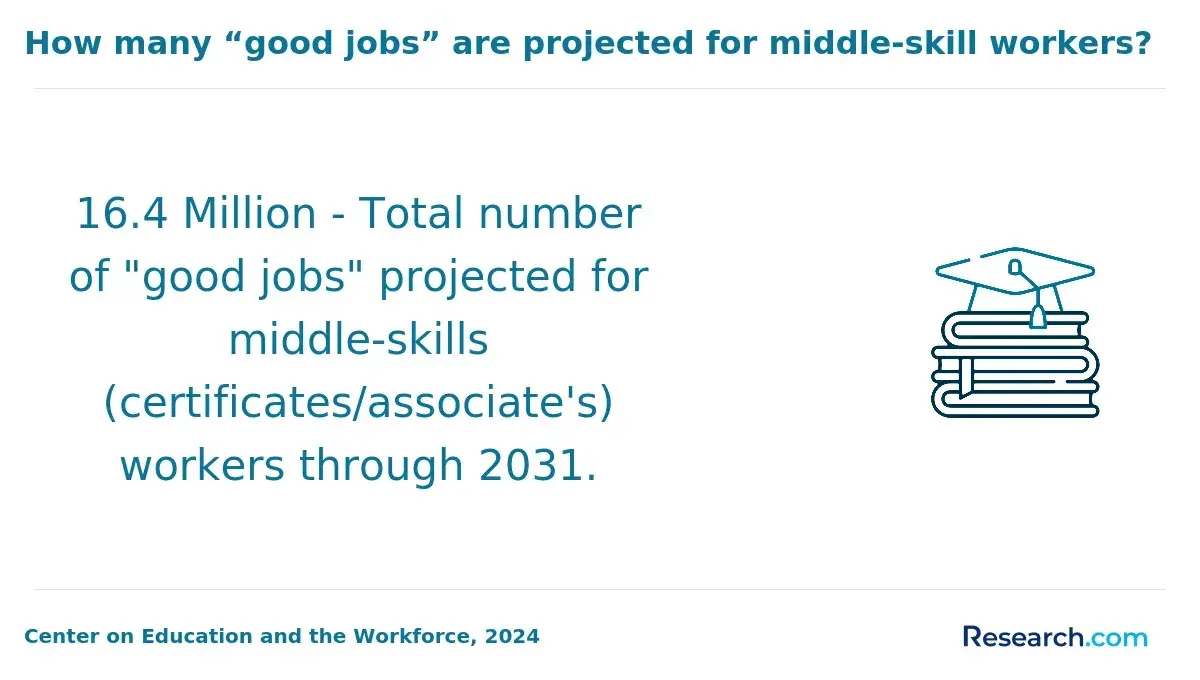
Certifications differ from licensure in that licensure is a state-mandated requirement granting legal authority to work in regulated professions, while certifications are typically voluntary credentials offered by professional organizations to demonstrate specialized skills. In some Library Media career paths, especially those outside strict regulatory environments, certifications can substitute for licensure.
According to a 2022 survey by the American Library Association, about 48% of employers in non-school library settings value professional certifications as much or more than licensure when making hiring decisions. This suggests certifications play a critical role in career advancement and acceptance even without formal licensure.
Certifications may be sufficient alternatives to licensure in roles within public, academic, and special libraries where legal mandates do not require a state license. For example, credentials like the Certified Library Technician (CLT) or certifications related to digital resource management validate relevant expertise and professional development.
However, these certifications do not carry the legal authority of licensure and cannot replace licenses in positions regulated by state education departments, such as school media specialists. Those exploring library media certification alternatives for non-licensed professionals should carefully assess job requirements and local regulations. For individuals seeking broader academic credentials that complement certifications, exploring the cheapest accredited online doctoral programs can support career growth and specialization.
The rise of digital technologies and virtual collaboration tools has significantly broadened remote work opportunities across many fields. According to recent data, remote job postings grew by over 40% in several knowledge-based sectors in the past two years. For graduates with a library media degree, this shift has opened doors to flexible, licensure-free roles in various organizations.
Common remote positions suited to their skills include:
- Digital Content Specialist: Responsible for managing and organizing digital assets, these specialists ensure that online collections and media remain easy to find and use. Their expertise in metadata and cataloging supports companies, nonprofits, or educational platforms without requiring formal certification.
- Information Specialist: In this role, graduates gather, analyze, and synthesize data to help businesses and institutions make informed decisions. Tasks often involve maintaining databases and creating detailed reports, leveraging research skills developed during their studies.
- Archivist Assistant: Focused on the preservation of digital archives, this position includes organizing and updating online repositories with historical or multimedia content. Knowledge of digital preservation methods enables these professionals to assist various organizations in adapting to changing technologies.
- Freelance Writer or Editor: Utilizing strong research and writing abilities, graduates can produce well-crafted content or edit materials remotely. This flexible role allows them to support clients with information organization and content accuracy without needing licensure.
- Information Organization Consultant: Consultants advise businesses on improving workflow related to data management and information systems. Their background in information science helps clients optimize remote operations efficiently.
A professional with a library media degree reflected on her experience navigating remote roles without licensure. She explained how shifting from traditional library work to digital content coordination involved learning new software independently and tailoring her resume to highlight relevant skills rather than credentials. Initially, the absence of formal certification felt like a barrier, but she found that employers valued her expertise in organizing and presenting information clearly.
She shared, "It was challenging at first to prove my capability without a license, but once I emphasized my practical experience and adaptability, remote positions became very accessible." Her journey underscores how persistence and skill matching can unlock fulfilling remote career options for library media graduates without a formal license.
Lacking professional licensure can significantly hinder job competitiveness in library media careers, especially within educational institutions. A 2021 survey by the American Library Association found that over 70% of school library job postings preferred or required state certification, demonstrating a clear employment barrier for non-licensed candidates.
Below are several common challenges faced by library media graduates without licensure.
- Employer Preference: Many districts prioritize candidates with official licensure due to regulatory policies and perceived reliability. This bias limits the job access of non-licensed applicants despite their qualifications.
- Credential Requirements: Although some positions legally do not require licensure, many employers still list certification as preferred or mandatory. This creates a practical barrier where non-licensed candidates compete at a disadvantage against credentialed peers.
- Experience Limitations: Non-licensed applicants often cannot participate in specialized practicum or internship programs tied to certification pathways. As a result, they may lack the practical experience that many job listings demand.
- Regulatory Restrictions: Some states enforce licensure mandates for school library media roles funded by public education, outright excluding non-licensed candidates from these jobs. This reduces opportunities in traditional school settings and creates employer uncertainty about hiring outside regulations.
Career limitations do exist for non-licensed library media professionals, particularly in roles that require formal certification. Approximately 30% of librarian positions mandate some form of professional licensing or certification, restricting eligibility for those without such credentials.
These requirements serve as entry barriers in regulated sectors, impacting job opportunities for non-licensed graduates. While many positions remain accessible, these restrictions reflect broader patterns in employment rather than isolated exceptions, highlighting real challenges in pursuing certain career paths without licensure.
The nature of these career limitations includes restricted access to regulated jobs and potential slower advancement in some organizations due to institutional preferences for licensed staff. Non-licensed library media graduates often need to rely on alternative qualifications or experience to demonstrate their expertise.
Despite these challenges, many continue to contribute meaningfully within the field. For individuals weighing options, exploring a MFT degree or other credentials may offer pathways that complement their career goals while navigating job advancement challenges without library media licensure.
Deciding whether to skip licensure is a significant step for library media graduates that can shape their professional futures. Nearly 80% of school librarian roles require certification, underscoring the importance of credentials in many employment settings.
Several key factors deserve careful consideration before making this choice.
- Career Goals: Licensure is often mandatory for traditional library media positions in schools and formal educational settings. Graduates should clarify if their target roles explicitly require certification or if alternative jobs align better with non-licensed pathways.
- Industry Requirements: Licensing criteria differ widely depending on state and employer type, affecting eligibility for various positions. Understanding these standards helps graduates avoid surprises during job searches and ensures informed alignment with professional expectations.
- Long-Term Growth: While some entry-level opportunities may be accessible without licensure, many career advancement options hinge on formal certification. Maintaining flexibility for promotion and leadership roles often requires meeting licensure mandates.
- Job Accessibility: Licensure can facilitate geographic mobility, enabling professionals to transfer credentials across districts or states recognizing similar standards. Skipping licensure may limit relocation opportunities and restrict sector transitions within the field.
- Personal Alignment: Graduates should weigh how skipping licensure fits their personal aspirations and professional values. This reflection can clarify the best path forward, balancing immediate employment with sustainable career growth in library media.
Considering these factors is a critical part of assessing the factors affecting career growth without licensure in library media. For broader insights on navigating degree choices, exploring what can you do with an environmental science degree provides useful perspectives applicable across disciplines.
What Graduates Say About Library Media Degree Jobs That Do Not Require Licensure
- Orlando: "Choosing not to pursue licensure allowed me to jump straight into the workforce and gain valuable hands-on experience. I found that many positions within library media degree careers emphasize skills and creativity over formal credentials, which opened doors I hadn't anticipated. It's rewarding to contribute directly to community services without the lengthy process of certification."
- Zion: "Reflecting on my journey, I realized that the absence of licensure requirements gave me flexibility to explore various roles in library media without being confined to a specific track. This freedom enabled me to develop a diverse skill set in digital archives and educational programming. My career has been enriched by the ability to adapt quickly and impact different audiences, which wouldn't have been possible otherwise."
- Wyatt: "From a professional standpoint, working in library media fields without the need for licensure lets you focus on the practical side of the job-curating resources, organizing information, and engaging with patrons directly. I chose this path because it aligned with my strengths, and it has been fulfilling to see the tangible difference my work makes every day. Not being tied to certification has also accelerated my career progress."
Other Things You Should Know About Library Media Degrees
No. Many support roles only require a bachelor’s degree in library science, education, information studies, or a related field. Some districts also accept 12–18 graduate credit hours in library media or school library coursework, plus experience with cataloging systems and student support.
Yes, specific technology proficiencies are often expected in non-licensed library media positions. Familiarity with digital catalog systems, e-resources management, and information literacy tools is crucial. Having skills in software like Adobe InDesign or platforms for digital archiving can also be advantageous for these roles.
Non-licensed roles often involve assisting with daily operations such as organizing materials, managing loans and returns, and providing basic patron support. Administrative tasks like data entry and inventory tracking are common. These positions contribute crucial support to licensed professionals and library workflows.
- Library Media Specialist vs. Librarian: Career Roles https://online.uwa.edu/news/library-media-specialist-vs-librarian-career/
- Here's What Students Miss Out on When Their Schools Lack Librarians https://www.edweek.org/teaching-learning/heres-what-students-miss-out-on-when-their-schools-lack-librarians/2023/11
- Do LIS Programs Prepare Future Librarians for Real-World Challenges? https://www.libraryjournal.com/story/do-lis-programs-prepare-future-librarians-for-real-world-challenges
- Making the Switch: Changing Careers in Librarianship | Virginia Libraries https://virginialibrariesjournal.org/articles/10.21061/valib.v65i1.602
- Entry Level Library Jobs: Everything You Need To Know! - Everything A Librarian Need https://librarianspace.com/entry-level-library-jobs-everything-you-need-to-know/
- Alternative Career Paths Utilizing Library Science Skills https://www.librariancertification.com/alternative-career-paths-utilizing-library-science-skills/
- Librarian or Library Media Specialist https://www.wes.org/resource-library/blog/career-pathway/librarian-or-library-media-specialist/
- Remote & Hybrid Library Media Specialist Jobs | iHireSchoolAdministrators https://www.ihireschooladministrators.com/t-library-media-specialist-remote-jobs.html
- 50+ Alternative Careers for Librarians https://bookriot.com/alternative-careers-for-librarians/
- Remote Library Jobs Online - Work From Home | Remote.co https://remote.co/remote-jobs/library