2027 Cheapest Library Media Degree Programs for Working Adults

Co-Founder and Chief Data Scientist
Is balancing a full-time job, family duties, and education expenses discouraging adults from pursuing a library media degree? Working professionals and parents often seek programs that provide affordable tuition, flexible asynchronous schedules, and generous transfer credit policies.
This demand aligns with data showing a 9% growth in librarian positions within schools and public institutions by 2030, emphasizing the need for accessible education pathways. Accredited library media degree programs designed with working adults in mind can ease financial and time constraints while maintaining career preparation.
This article explores the cheapest options for library media degrees and the key factors for evaluating affordability, flexibility, and long-term value.
Key Things to Know About the Cheapest Library Media Degree Programs for Working Adults
- Cheapest library media degree programs often feature low per-credit tuition, online formats, generous transfer credit policies, and flexible scheduling to accommodate working adults balancing multiple responsibilities.
- Low-cost options offer accessibility and accelerated timelines but may trade some features like extensive student support or nationwide employer recognition; accreditation remains essential for career legitimacy.
- Prospective students should evaluate total costs, financial aid, state eligibility, program accreditation, support services, and career outcomes to ensure the best long-term value and opportunities.
What Are the Cheapest Accredited Library Media Degree Programs Online?
Accredited online library media degree programs offer working adults affordable, flexible pathways to advance their careers without disrupting current work or family obligations. Factors such as tuition structure, transfer credit policies, and delivery format heavily influence both cost and convenience.
With nearly 6 million students enrolled in distance education courses, many adult learners are choosing online programs that fit their busy lifestyles and budget constraints.
Consider these important factors when comparing the cheapest accredited online library media degree programs:
- Accreditation Status: Ensuring a program is regionally or nationally accredited guarantees recognized educational quality, which can affect employer acceptance and eligibility for certifications. Unaccredited programs may be less expensive but often carry risks related to credit transfer and long-term career value.
- Tuition and Fee Structure: Some institutions charge per credit hour or semester with additional fees, while others offer flat-rate tuition based on enrollment or residency. Understanding the full cost, including hidden fees, is essential to accurately budgeting your education expenses.
- Transfer Credit Acceptance: Programs that evaluate prior college credits or related certifications allow students to shorten their time to degree completion and reduce overall costs. This flexibility is especially beneficial for adults with previous academic or professional experience.
- Scheduling Flexibility: Fully asynchronous coursework lets students access materials and submit assignments on their own time, accommodating work and family responsibilities. Some programs also feature accelerated courses or terms to help learners finish faster without added stress.
- Financial Aid Opportunities: Availability of scholarships, grants, employer tuition reimbursement, and advising services can offset costs and support student success in completing a library degree. These resources are pivotal in maintaining affordability while providing guidance suited to adult learners' unique needs.
How Much Does an Online Library Media Degree Cost for Working Adults?
Costs for an online library media degree for working adults can vary widely based on factors such as tuition models, school type, transfer credits, residency status, and program format. Affordability and scheduling flexibility are often key considerations for nontraditional students balancing work and family, as total expenses include more than just tuition.
According to recent data, about 38% of undergraduate students are enrolled exclusively in distance education courses, reflecting the growing demand for accessible online options.
Several important factors influence the overall cost of affordable online library media programs for adult learners, including:
- Tuition Models: Some programs charge per credit hour, while others use a flat-rate tuition for a term. Per-credit pricing can benefit part-time students, whereas flat rates might favor full-time enrollment but could lead to higher short-term costs.
- Transfer Credit Policies: Acceptance of prior college coursework or relevant certifications can shorten program length and reduce total tuition. This flexibility is especially valuable for adults returning to education.
- Financial Aid Opportunities: Grants, scholarships, and employer tuition reimbursement can significantly offset expenses. Checking whether a program is regionally accredited is critical for eligibility.
- Technology and Fees: Additional costs such as online platform access, course materials, and student services fees often accompany tuition charges. These should be budgeted carefully.
- Accelerated Programs and Enrollment Status: Some institutions offer accelerated pathways to reduce overall tuition by shortening program length. Part-time enrollment allows spreading costs over time but may extend completion.
Working adults seeking affordable online library media degrees should also consider cheap online nursing programs as a reference for cost structures in related fields when comparing options.
Are Cheap Library Media Degree Programs Legitimate and Respected by Employers?
Affordability does not always reflect the quality or legitimacy of a library media degree program. Factors like accreditation, institutional reputation, curriculum alignment, and workforce relevance significantly shape how employers view online or budget-friendly options.
Nearly 38% of postsecondary students take distance education courses, indicating increasing employer acknowledgement of accredited online degrees. Working adults often assess affordable programs based on career objectives, schedule flexibility, and credential needs.
Several aspects influence whether inexpensive library media degree programs gain respect and credibility with employers:
- Accreditation Status: Regional or national accreditation ensures a program meets recognized academic standards. This validation reassures employers about the rigor and legitimacy of the degree.
- Curriculum Alignment: Programs that update content to reflect current library media standards and digital resource trends better prepare students for modern workplace demands and demonstrate relevance.
- Faculty Expertise: Instructors with professional experience and strong qualifications contribute to the program's educational quality, fostering employer trust in graduates' capabilities.
- Transfer Credit Policies: Accepting prior coursework without compromising academic rigor supports degree completion while signaling program flexibility and value to employers.
- Employer Perceptions of Online Learning: Familiarity with reputable online education programs increases employer confidence in degrees earned through distance learning, especially from accredited institutions.
When asked about his experience, a library media degree graduate reflected on the soft skills gained through his program. He described how managing coursework alongside a full-time job required strong time management and adaptability.
"Balancing assignments with unexpected work demands was stressful, but it taught me resilience and effective communication," he said. He also highlighted how collaborative projects helped develop teamwork and problem-solving abilities essential in library settings. These personal growth aspects, often overlooked, shaped his confidence entering the professional world.
The best library media degree programs for working adults combine affordability with flexibility, strong accreditation, transfer credit options, effective student support, and career-focused curricula. The availability of online and hybrid learning pathways has made degree completion more accessible to adult learners balancing jobs and family.
Nearly 40% of postsecondary students in the U.S. are age 25 or older, reflecting the growing demand for flexible education formats suited to nontraditional students.
Key factors that often determine the quality of an affordable accredited online library media degree for adult learners include:
- Accreditation Standards: Programs with regional or specialized accreditation maintain academic rigor, which boosts degree credibility and facilitates acceptance by employers or graduate schools. Accreditation also ensures that transfer credits from previous coursework are more likely to be recognized.
- Scheduling Flexibility: Offering asynchronous or evening classes allows working adults to engage with coursework on their own time, accommodating diverse work schedules and family responsibilities without sacrificing progress.
- Transfer Credit Policies: Acceptance of prior college credits can shorten the time and cost needed to complete a degree. Programs that actively evaluate and award transfer credits support adult learners with prior educational experience.
- Affordability and Financial Aid: Reasonably priced tuition combined with options for scholarships, grants, or staggered payment plans enhances access for budget-conscious students seeking affordable accredited online library media degrees for adult learners.
- Student Support Services: Ready access to academic advising, library resources, and technical help improves retention and helps working adults overcome hurdles, making degree completion more manageable.
For adults exploring options, some states and institutions promote online schools no application fee, easing entry into quality library media education while reducing upfront costs.
Flexible scheduling options enable working adults to pursue a library media degree while managing jobs, family, and other commitments.
Online and hybrid learning models have broadened access to varied learning paths, though flexibility can differ depending on the institution, program design, and mode of course delivery. Nearly 45% of adult learners now engage in some form of online education, reflecting growing demand for adaptable higher education formats.
Key program features that enhance scheduling flexibility include:
- Asynchronous Coursework: Allowing students to complete lectures and assignments on their own schedule eliminates conflicts with work hours or family time, supporting learners who need to study at varying times throughout the day or week.
- Evening and Weekend Classes: Offering live or hybrid sessions outside regular business hours gives students who work daytime shifts the chance to participate without sacrificing employment.
- Transfer Credit Acceptance: Recognizing previously earned credits helps shorten degree timelines and reduce costs, easing progression for those who have paused their education.
- Multiple Start Dates: Providing several enrollment periods annually keeps students from waiting long periods to begin or return to their programs, maintaining academic momentum.
- Hybrid Delivery Models: Combining online learning with occasional in-person meetings balances flexibility with access to campus resources and direct faculty interaction.
A professional with a library media degree shared how juggling a full-time job and family initially made finding the right program daunting. She appreciated that her chosen program's asynchronous courses gave her the freedom to study late at night after work and on weekends.
The acceptance of prior credits accelerated her path, allowing her to finish more quickly than expected. She reflected, "Having options to start every few months meant I didn't have to put my goals on hold. It wasn't always easy, but the flexibility made earning my degree feel achievable while managing everything else in my life."
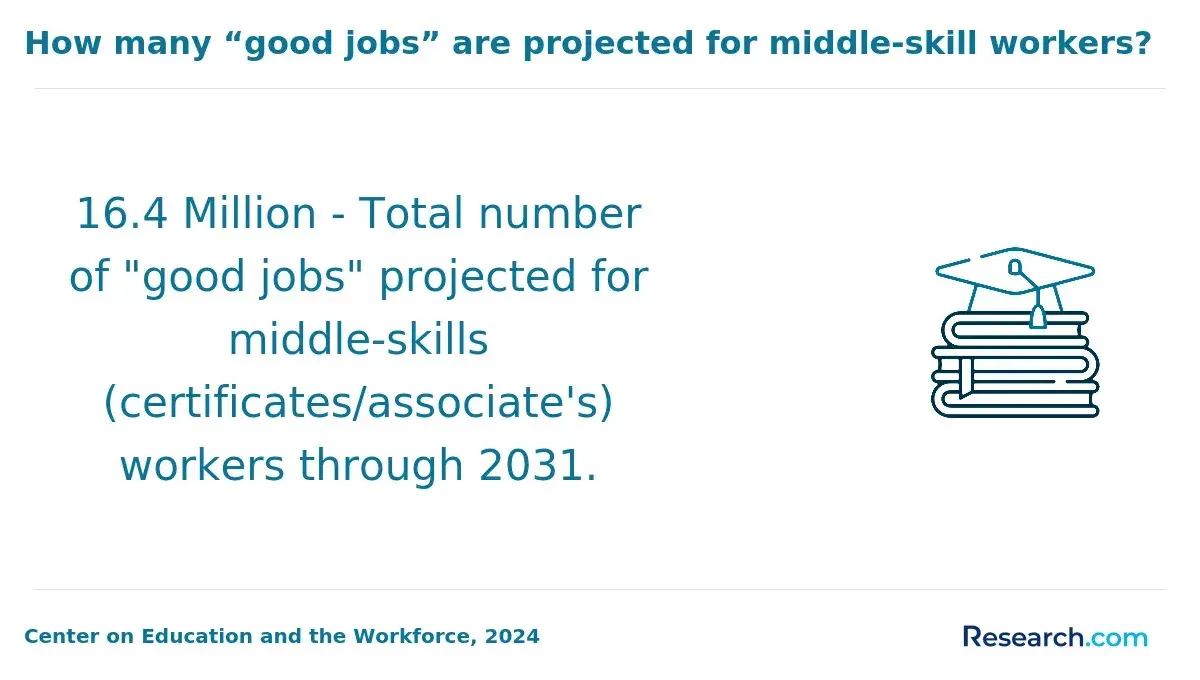
Many accredited library media degree programs are structured to support working adults in completing their degrees quickly and affordably by offering flexible scheduling, accelerated courses, transfer credit options, and fully online formats.
These factors help nontraditional learners balance cost, pace, and quality as they pursue their educational goals. Recent statistics show that online higher education enrollment continues to increase by more than 10% annually, reflecting growing interest in accessible learning models for adults.
Key program features that promote faster, more cost-effective completion include:
- Accelerated Course Formats: Shortened academic sessions, such as 6-8 week courses, allow students to earn credits at a quicker pace than traditional semesters, reducing total program duration without sacrificing content depth.
- Transfer Credit Acceptance: Many programs recognize prior coursework from accredited institutions or professional experience, helping learners avoid repeating material and lowering overall tuition costs.
- Asynchronous Scheduling Flexibility: Self-paced access to lectures and assignments enables students to fit studies around work and family commitments, supporting consistent progress even with busy schedules.
- Competency-Based Models: These frameworks focus on demonstrated mastery of skills rather than time spent in class, allowing experienced students to advance rapidly through familiar material while minimizing fees.
- Multiple Enrollment Periods: Offering several start dates throughout the year helps reduce wait times between terms, giving adult learners more opportunities to begin or continue coursework on their own timeline.
Transfer credit policies play a crucial role in helping working adults pursuing a library media degree save time and money by applying previously earned college coursework, military training, professional certifications, or other prior learning experiences toward their degree requirements.
However, transfer flexibility can vary widely depending on institutions, accreditation standards, and program structures. Nearly 60% of undergraduate students in the U.S. transfer at least once during their academic careers, underscoring the importance of understanding credit transfer options for adult learners.
Several key factors influence the extent to which schools accept transfer credits for library media degree programs:
- Accreditation Compatibility: Schools accredited by regional or specialized bodies often accept transfer credits more readily from similarly accredited institutions, ensuring transferred courses meet quality benchmarks and align with program goals, which can reduce time to graduation.
- Transfer Equivalency Evaluations: Institutions carefully review how previously completed courses correspond to their curriculum. Credits may fulfill specific degree requirements or count only as electives, impacting course load, length of study, and overall costs for working adults.
- Prior Learning Assessments (PLAs): Some programs award credit for professional certifications, military training, or experiential learning through PLAs. This recognition can accelerate degree completion without compromising academic standards, offering flexibility for learners with diverse backgrounds.
- Residency Requirements: Many library media programs mandate completing a minimum number of credits at the awarding institution, which limits how many transfer credits can apply but ensures students engage with core program content.
- Articulation Agreements: Formal partnerships between schools facilitate smoother credit transfers from community colleges or other universities, often increasing accepted credits and making scheduling easier for students balancing work and life.
Financial aid opportunities can help working adults reduce the cost of earning a library media degree through grants, scholarships, employer assistance, federal aid programs, or institutional support resources.
Affordability remains a primary concern for many adult learners returning to education, with nearly 60% of undergraduates receiving some form of financial aid nationwide. Eligibility and availability of these options vary by school, enrollment status, and accreditation, influencing the choices students make.
Common financial aid programs and resources accessible to library media students include:
- Federal Grants and Loans: Programs like the Pell Grant offer need-based aid that does not require repayment, helping to lower upfront costs. Federal student loans provide flexible repayment options and deferment during enrollment, improving affordability over time.
- Tuition Assistance and Scholarships for Library Media Students: Many institutions and nonprofits award merit- or goal-based scholarships designed specifically for adult learners and those in education-related fields. Applying early increases opportunities to secure these funds, which directly reduce tuition expenses.
- Employer Tuition Assistance: Partial or full tuition reimbursement programs from employers help working adults balance job responsibilities while advancing their education. These benefits can ease financial pressures and provide scheduling flexibility.
- Military and Veteran Education Benefits: Programs such as the GI Bill and Yellow Ribbon assist eligible active duty and veteran students in covering tuition and other education-related costs, which is valuable for those pursuing flexible or online library media degrees.
- Institutional Support Resources: Payment plans spread out tuition payments to reduce initial financial burden, while transfer credit and prior learning assessments recognize existing knowledge to shorten degree completion times.
Working adults looking for affordable, flexible programs may also explore options like a medical assistant course online to compare financial aid frameworks across fields.
Overall, leveraging these financial aid programs for online library media degrees helps students manage costs while progressing toward career goals.
A library media degree prepares working adults for a range of entry-level, mid-level, and specialized career opportunities by building foundational knowledge and skills in information management, technology, and communication.
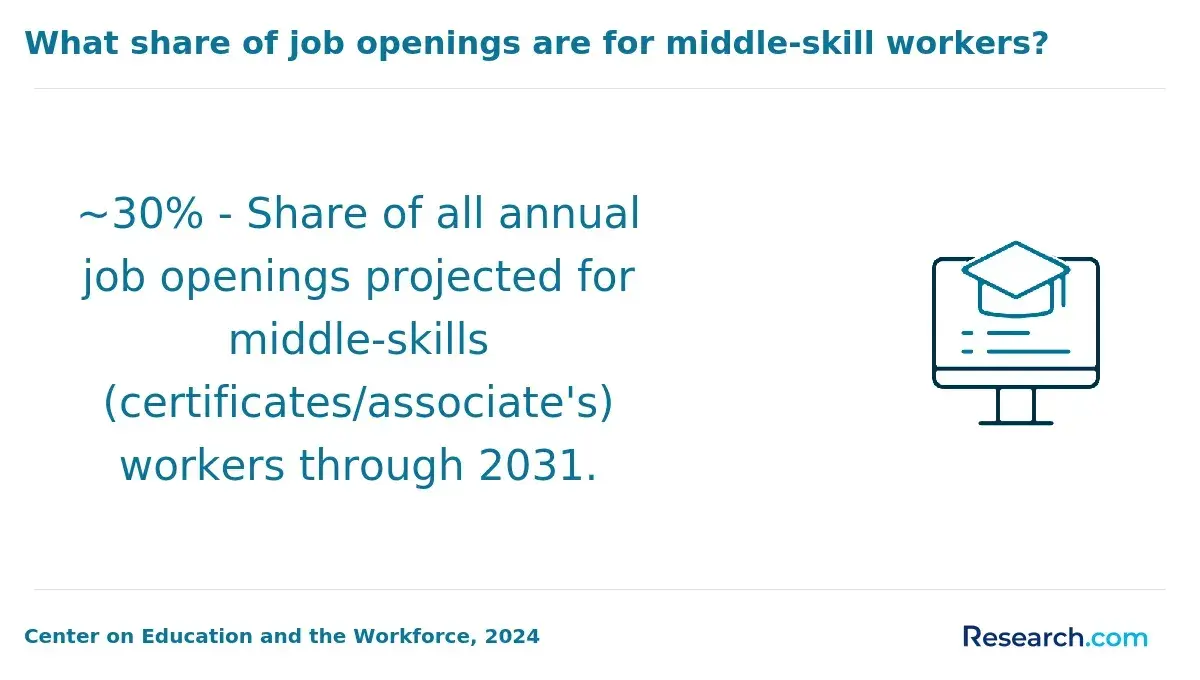
Affordable and flexible degree programs allow adult learners to tailor their education to fit busy schedules, transfer credits, and advance or shift their careers. Employment of librarians and media specialists is projected to grow 6% from 2022 to 2032, indicating steady demand in this field.
Common jobs available with an online library media degree include a variety of roles suited to diverse professional goals and experiences. These roles leverage transferable skills and support career mobility for adult learners.
- Support and Administrative Roles: Positions such as library assistants and paraprofessionals involve managing daily library operations and assisting patrons. These jobs usually require associate degrees or certificates and provide a stepping stone into the library media field.
- Technical and Specialized Positions: Archivists, digital asset managers, and catalogers focus on organizing digital collections and metadata. Courses emphasizing technical skills prepare graduates for these growing roles amidst the digital transformation of libraries.
- Management and Specialist Careers: Library media specialists and coordinators oversee library programs, staff, and resources. These positions often require advanced education and professional certifications, appealing to working adults aiming for leadership.
- Community Engagement Roles: Outreach coordinators and literacy program developers connect libraries with diverse communities. Graduates gain strong communication and organizational skills, enabling them to support community-based initiatives effectively.
Working adults considering a library media degree should explore affordable, accredited programs that offer flexibility and support long-term career goals.
For example, options like the shortest post master's FNP program online highlight the growing availability of accelerated and flexible educational pathways suited for busy students.
Working adults often weigh affordability, flexibility, accreditation, and long-term value when choosing a library media degree program. Balancing job demands, family, and personal obligations requires options like online or hybrid formats, which have broadened access for nontraditional students.
According to the National Center for Education Statistics, over 40% of adult learners prioritize cost when selecting educational programs.
Key aspects to consider include:
- Accreditation: An accredited program ensures the curriculum meets established standards, which supports professional credibility and enhances future job prospects within the library media field.
- Scheduling Flexibility: Options such as asynchronous courses and part-time enrollment help students balance education with work and home life, while accelerated tracks can shorten time to degree completion.
- Transfer Credits: Programs with generous policies for accepting prior coursework or certifications allow adults to avoid repeating material and can reduce both costs and time spent in school.
- Affordability and Financial Aid: Beyond tuition rates, prospective students should investigate scholarships, grants, and payment plans that make the program financially viable.
- Online Learning Support: Reliable digital platforms paired with tutoring, advising, and technical assistance contribute to better learning experiences and higher degree completion rates for remote learners.
What Do Students Say About Affordable Library Media Degree Programs?
- Adriana: "As a working adult balancing a full-time job and family commitments, I found it crucial to seek out Library media degree programs with flexible schedules that truly accommodated my availability. Affordable tuition was important, but I prioritized programs that were fully accredited to ensure my degree would be respected by future employers. Transferring my previous college credits saved me time and money, making the whole experience more manageable and aligned with my long-term career goals."
- Monica: "Reflecting on my journey, the most valuable insight I gained was the importance of thoroughly verifying whether cheaper Library media degree programs held legitimate accreditation. While affordability caught my eye initially, I realized that without proper recognition, the degree might not open the doors I hoped for. Flexible course formats allowed me to maintain my job while studying, and understanding transfer credit policies helped streamline my path efficiently."
- Wyatt: "Choosing the right Library media degree program as a nontraditional student taught me to carefully evaluate how well the curriculum fit with my specific career aspirations. I was impressed by programs offering asynchronous classes that worked around my unpredictable work hours. Moreover, I learned to distinguish between accredited and nonaccredited options to ensure my education was a wise investment that employers would value, all while keeping within my budget."
Other Things You Should Know About Library Media Degrees
Yes, many affordable library media degree programs designed for working adults offer part-time enrollment. This allows students to balance coursework with job and family responsibilities while progressing at a manageable pace. Such options often come with flexible deadlines and asynchronous classes to accommodate varied schedules.
While costs vary, reputable affordable programs still include essential practicum or internship components required for certification or licensure. These hands-on experiences are typically arranged in local schools or libraries, ensuring that working adults meet professional standards without incurring additional travel expenses.
Most affordable library media degree programs in 2027 offer flexibility regarding prerequisites. While some programs require foundational coursework in education or information science, many institutions provide online resources or bridging courses to ensure that working adults can meet prerequisite demands without hindering their progress.
Yes. Most library media programs require a supervised practicum or internship of 100 to 300 hours, completed in a school or library setting. Some states also require the placement site to be approved by a university supervisor and a licensed librarian or media specialist.
- Types of Library & Information Science Degree Programs https://www.librariancertification.com/types-of-library-information-science-degree-programs/
- Library Science Degrees | Best MLIS Programs, Updated for 2025 https://www.librarysciencedegrees.org/
- Most Affordable Library Science Degree Programs Online https://careerkarma.com/blog/cheapest-online-library-science-degree/
- 20 Best Affordable Master’s in Library Science - The Best Master's Degrees https://www.bestmastersdegrees.com/top/affordable-masters-in-library-science/
- Tuition + Finance https://www.ualberta.ca/en/school-of-library-and-information-studies/study/tuition-finance/index.html
- Library Education Scholarships - The Library Network https://tln.org/page/scholarships
- 2025's Most Affordable Library Science Degrees (MLIS) Online https://librarysciencedegreesonline.org/affordable-library-science-programs/