2027 Leadership Master's Degree vs Graduate Certificate: Which Is Better?

Co-Founder and Chief Data Scientist
Deciding between a leadership master's degree and a leadership graduate certificate often hinges on balancing time, cost, and career goals. For professionals aiming to enhance their credentials swiftly, the graduate certificate offers a shorter, less expensive path-typically completed in under a year-while the master's degree demands more commitment but can yield a salary increase of up to 20% over certificate holders. Admission requirements and employer recognition vary widely, influencing long-term career mobility across industries and regions.
This article explores these differences in depth, presenting data-driven insights to help readers choose the credential that best aligns with their professional aspirations and personal circumstances.
Key Things to Know About Which Is Better: A Leadership Master's Degree or a Leadership Graduate Certificate
- Leadership master's degrees tend to cost five times more than graduate certificates-impacting affordability but often yielding stronger employer recognition and salary growth.
- Graduate certificates can be completed in under a year, contrasting with master's programs that typically require two years-benefiting career changers seeking speed.
- Admission to master's programs is more competitive, usually requiring a bachelor's GPA minimum and references, whereas certificates have more flexible entry standards.
What Is the Difference Between a Leadership Master's Degree and a Leadership Graduate Certificate?
A leadership master's degree requires 30 to 60 credit hours and covers leadership theories, organizational behavior, strategic management, ethical decision-making, research methods, and usually a capstone or thesis. Its academic goal is to develop practical skills and scholarly insight, preparing students for senior management roles or doctoral study. This credential represents a full graduate program broadly recognized by employers and academia.
By contrast, a leadership graduate certificate is shorter-typically 12 to 18 credit hours-focused on specific leadership skills or topics. It usually appeals to working professionals seeking targeted upskilling, rapid career advancement, or a chance to test interest before committing to a full degree. Certificates can often be completed in months rather than years.
Academic Standing: A master's degree is a recognized graduate degree, while a graduate certificate serves as a professional credential. The certificate is sometimes used as a stepping stone toward a master's but holds separate value for fast skill acquisition.
Intended Audience: Master's programs usually attract recent undergraduates, career changers committed to leadership, and those seeking advanced credentials. Certificates appeal more to professionals needing flexible, rapid credentials.
Curriculum Scope: Master's curricula are comprehensive and research-informed, while certificates emphasize applied learning in specific leadership domains.
Duration and Flexibility: Degrees take multiple years full-time or longer part-time; certificates can often be completed much faster.
Institutional Purpose: Graduate certificates provide modular learning options-at some institutions they may be stackable into or toward a master's degree-complicating direct comparison.
This guide will explore cost, time-to-completion, admissions, employer recognition, salary impact, and career utility for both credentials to help prospective students weigh the difference between leadership master's degree and graduate certificate pathways. Those considering a faster path into leadership or a 1 year online masters should consider these factors carefully.
What Are the Typical Admission Requirements for a Leadership Master's Program Compared to a Leadership Graduate Certificate?
Typical admission requirements for a leadership master's program demand a rigorous academic and professional record. Applicants generally need a bachelor's degree with a competitive GPA-often around 3.0 or higher-to demonstrate consistent undergraduate performance. Many programs require prerequisite coursework related to management, organizational theory, or social sciences. Standardized test scores like the GRE or GMAT are frequently requested, although some institutions may offer waivers based on relevant work experience or strong undergraduate achievements.
Letters of recommendation-usually two to three-are standard, coming from academic or professional references to provide insight into an applicant's potential for graduate study. Personal statements play a key role as well, allowing candidates to outline their career goals and leadership philosophy. Some applications may also require a resume or an interview to evaluate fit more closely. These criteria embody the typical admission requirements for a leadership master's program, reflecting the program's comprehensive approach to selecting students.
By contrast, graduate certificate admission criteria for leadership studies are more flexible and accessible. Many certificate programs waive standardized test requirements and often accept students without a traditional academic background in leadership or related fields. Minimum GPA standards-if applied-tend to be lower or more lenient, reflecting the shorter, concentrated nature of certificates. Letters of recommendation and personal statements might not be mandatory or are simplified to streamline the process.
This difference matters for prospective students who may not yet meet master's admission standards. Graduate certificates function as an academic on-ramp-providing foundational skills and credentials that help bolster an applicant's profile. Successfully completing a certificate can improve chances of later admission to a master's, demonstrating readiness for advanced study and commitment to leadership development.
For working professionals and career-changers alike, this pathway can be crucial, especially when seeking fast, practical credentials. Exploring options such as online construction management courses also highlights the range of focused programs available today for skill enhancement.
What Is the Minimum GPA Requirement for a Leadership Master's Program?
Accredited leadership master's programs generally require a minimum GPA around 3.0 on a 4.0 scale, but this often serves merely as a baseline rather than a competitive benchmark. Programs with selective admissions typically expect higher GPAs-frequently above 3.3 or 3.5-and give considerable weight to academic rigor, leadership experience, and related credentials beyond the GPA.
- Selective Programs: Set higher GPA standards emphasizing past academic challenges alongside leadership accomplishments.
- Open-Enrollment or Professional-Focused Programs: May accept candidates with GPAs near 2.7 or 2.8, prioritizing practical skills and professional potential over pure academic metrics.
Conditional or provisional admission is sometimes extended to applicants slightly below the required GPA, subject to performance benchmarks such as earning specified grades during initial coursework or completing supplemental instruction. This flexibility often supports individuals with strong professional backgrounds who may not have excelled academically before.
It's important to view published GPA thresholds as the lowest acceptable level rather than the target. A stronger GPA improves admission prospects and aligns with more holistic evaluations from admissions committees.
Reflecting on this from a graduate's perspective, a professional who completed a leadership master's degree shared that navigating GPA requirements felt challenging yet manageable. He recalled, "Initially, I worried my 3.1 GPA wouldn't suffice since programs seemed to prefer higher numbers. However, my leadership experience and recommendation letters helped balance that. The provisional offer I received came with conditions to maintain a B average in core classes, which motivated me to stay focused. That structure made a big difference in my confidence and eventual success."
How Long Does It Take to Complete a Leadership Master's Degree Versus a Leadership Graduate Certificate?
The time to complete leadership master's degree programs typically ranges from two to three years when attending full-time, extending to three to five years for part-time students balancing professional and personal responsibilities. Accelerated options-similar to those found in various accelerated business programs-can reduce this duration to 18-24 months but demand intense workloads and strong time management.
- Program Length: Leadership master's degrees require between 30 and 60 credit hours. The broader curriculum includes comprehensive exams, thesis work, or capstone projects that contribute to a longer completion timeline compared to shorter credentials.
- Graduate Certificate Duration: These credentials focus on a narrower skill set, needing just 12 to 18 credit hours. Most certificate programs can be completed within six months to a year when studied full-time, while part-time learners might finish in up to two years-much shorter than master's programs.
- Structural Complexity: Master's programs emphasize deeper academic integration through research components and rigorous assessments. Graduate certificates omit these obligations, providing streamlined coursework aimed at quick skill acquisition and practical application.
- Career Considerations: Working professionals often choose graduate certificates when they require fast credentialing to improve skills without interrupting their careers. Those aiming for comprehensive leadership mastery or academic advancement are more likely to invest the additional time a master's degree demands.
- Life Circumstances: Employment, family duties, and financial resources significantly affect realistic timelines. Candidates pursuing leadership roles with advanced credential requirements usually commit to a master's program, whereas those prioritizing rapid entry or mid-career transitions favor certificates.
Understanding your personal context and goals is crucial for mapping the expected time to complete leadership master's degree studies or the duration of leadership graduate certificate programs to realistic expectations and planning.
How Much Does a Leadership Master's Degree Cost Compared to a Leadership Graduate Certificate?
A leadership master's degree typically ranges between $15,000 and $40,000 for public in-state students, climbs to $30,000 to $70,000 for public out-of-state attendees, and can surpass $70,000 at private institutions. Graduate certificates in leadership are notably more affordable, usually costing between $5,000 and $15,000 across all institution types, reflecting their shorter duration and fewer required credits.
Cost Drivers: The higher price of a master's degree comes from more credit hours-often 30 to 45 compared to 9 to 15 for certificates-and a longer enrollment period, which extends tuition payments. Expenses related to faculty, advising, and campus facilities add to institutional overhead. Certificates, designed to be completed quickly, reduce these overhead costs significantly.
Financial Aid: Master's students generally have greater access to financial support including assistantships, fellowships, and employer tuition benefits, which can reduce the effective cost substantially. In comparison, these opportunities are usually limited for certificate candidates.
Hidden Costs: Beyond tuition, master's students face opportunity costs such as lost income during a lengthier study period and potential delays in salary growth. Though certificates involve lower upfront expenses, they may provide less career advancement, which affects long-term investment returns.
Return on Investment: Evaluating net cost rather than sticker price is critical. Prospective students should consider financial aid and opportunity costs while utilizing available free tools to calculate personalized return on investment aligned with their career aspirations.
One professional who completed a leadership master's spoke about the financial and time commitments involved: "Balancing work and studies meant stretching resources thin, and the price tag was daunting at first. However, securing a fellowship helped ease the burden. The longer program required patience, but the depth of knowledge and connections built were invaluable. Looking back, the investment paved the way for leadership roles I hadn't anticipated." Her experience highlights how, despite higher costs and longer timelines, the master's degree can offer substantial professional dividends.
How Does Earning a Leadership Master's Degree Affect Salary Compared to a Leadership Graduate Certificate?
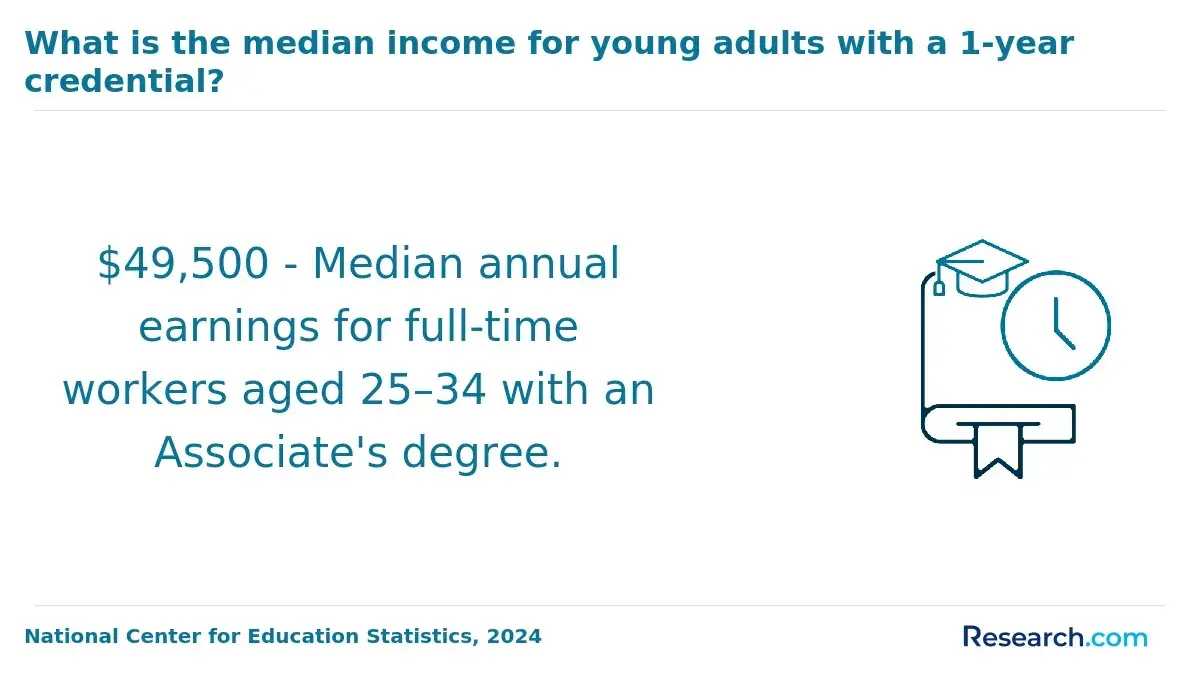
Professionals possessing a leadership master's degree typically see a wage increase between 20% and 30% over those with only a graduate certificate. This advantage is especially clear in senior roles within sectors such as healthcare administration, finance, and government-fields where advanced degrees hold significant influence over promotions and pay scales.
- Industry Variations: In areas like education, nonprofit management, and certain tech companies, salary differences between master's holders and certificate earners narrow, as practical skills from certificates may be valued as highly as full degrees.
- Employer Preferences: Larger corporations and public bodies often favor the broader expertise a master's degree signals for leadership positions, while small and medium businesses may prefer the focused, quicker credential of a certificate and can offer comparable compensation in some cases.
- Career Tracks: Fields such as project management, organizational development, and team coaching sometimes show minimal salary gaps-where certificates with specific content even rival or outperform master's degree earnings.
- Time and Cost Efficiency: Graduate certificates require less time and financial investment, supporting faster re-entry into the workforce and appealing to professionals seeking rapid advancement or skill refreshment.
According to recent 2024 data from the Bureau of Labor Statistics, median wages for leadership roles in healthcare management increase by approximately 25% for those holding master's degrees versus graduate certificates, underscoring the credential's impact in select industries when evaluated alongside career growth potential and return on investment.
Which Leadership Career Paths Favor a Master's Degree Over a Graduate Certificate?
Many leadership career tracks strongly favor a master's degree over a graduate certificate due to the deeper expertise, theoretical frameworks, and rigorous academic training the full degree provides. Analysis of job postings, professional association standards, and occupational data reveals specific paths where employers and licensure boards require or strongly prefer the master's credential.
- Executive Management: Senior roles such as directors, vice presidents, and chief officers typically require or prefer candidates with a master's degree. These positions demand comprehensive strategic thinking, advanced decision-making skills, and evidence-based management practices beyond a certificate's scope.
- Licensed Leadership Positions: Careers in public administration, healthcare administration, and educational leadership often mandate a master's degree for state licensure or certification. The depth of legal, ethical, and organizational knowledge provided by master's programs aligns with regulatory expectations.
- Research and Policy Leadership: Roles focused on leadership research, policy development, or organizational consulting value master's holders because of their preparation in advanced data analysis and critical inquiry, which graduate certificates typically do not cover.
- Promotion Tracks Within Organizations: Many organizations set a master's degree as a formal prerequisite for advancement into specialized leadership tracks or higher salary grades, making the full degree structurally necessary for career growth.
- Academic and Teaching Leadership: For those seeking faculty, training, or curriculum leadership in higher education, a master's degree is commonly the minimum credential, reflecting scholarly and methodological expertise.
According to the U.S. Bureau of Labor Statistics, management occupations requiring a master's degree are projected to grow at 8% over the next decade, faster than average-highlighting the rising demand for advanced credentials in leadership fields.
Which Leadership Career Paths Favor a Graduate Certificate Over a Master's Degree?
Certain leadership career paths clearly favor a graduate certificate over a master's degree-particularly in roles where employers prioritize demonstrated technical or applied competency over broad academic breadth. Many organizations seek candidates who can quickly showcase a targeted competency set without the extended time and expense of a full degree program. This is especially true in project management, organizational change facilitation, and specialized operational leadership positions. These examples highlight situations where graduate certificate leadership career advantages are distinct.
Technical Proficiency: In fast-evolving fields like technology leadership or healthcare administration, hiring managers prefer certificates that validate hands-on skills and certifications. These credentials signal immediate readiness to lead teams in practical scenarios without the extensive theoretical training that a master's entails.
Rapid Skill Enhancement: Working professionals who already hold a bachelor's or master's degree often maximize their return by choosing a certificate for a specific competency gap rather than enrolling in another full degree program. Graduate certificates provide an efficient way to update skills on emerging trends or new methodologies-key for those weighing when to choose a leadership certificate over a master's degree.
Career Changers: Individuals shifting into leadership roles from other tracks benefit from certificates designed to bridge specific skill gaps. These graduate certificates offer essential leadership tools to facilitate a smooth transition into supervisory or mid-level management positions without the higher cost or longer duration of master's programs.
Employer Recognition: According to workforce insights from job posting analytics and employer surveys, some industries treat graduate certificates-particularly those from respected programs-as equivalent to master's degrees for operational leadership roles. Hiring managers frequently value certificates that reflect targeted expertise directly related to job responsibilities.
Cost and Time Efficiency: Graduate certificates offer a strategic advantage for working professionals balancing employment and education. By focusing on key competencies, learners reach career goals faster and with less financial burden than pursuing another full graduate degree.
For those exploring affordable education options that blend interdisciplinary skills and leadership, consider programs featured among the best value online interdisciplinary studies degrees.
Is a Leadership Graduate Certificate Stackable Toward a Master's Degree?
Stackable credentials enable students to build progressively by applying completed coursework from a graduate certificate toward a full master's degree in the same or a closely related leadership field. Many accredited universities recognize this pathway in leadership studies-permitting transfer of up to a specified number of credits from a leadership graduate certificate to a leadership master's program.
However, stackability is not a universal standard and depends heavily on institutional policies. Key conditions include:
- Institutional Matching: The graduate certificate must be offered by the same university or an institution with an articulation agreement allowing credit transfer toward the specific master's leadership degree.
- Grade Thresholds: Only courses with grades meeting minimum standards-often a B or higher-are eligible for stacking, ensuring academic quality and preparedness.
- Time Limits: Credits may expire after a set period-commonly five to seven years-to reflect current knowledge and skills relevant to leadership.
- Program Compatibility: Coursework must closely align with the master's curriculum to avoid gaps in foundational knowledge or accreditation challenges.
- Lower Risk Entry: A leadership graduate certificate allows students to test graduate-level coursework and confirm their interest before committing to an extended master's degree.
- Cost Management: Breaking coursework into smaller segments helps spread tuition costs and mitigate financial risk.
Because policies vary widely, prospective students should confirm stackability directly with graduate admissions offices before enrolling. This inquiry ensures clarity about credit transfer and degree progression in leadership studies. For those considering alternative fast tracks, exploring options like an online architecture degree may provide useful insights into accelerated program structures relevant across fields.
Stacking leadership certificate credits into a master's degree can be a strategic choice, especially for those balancing career demands with advanced study goals.
How Do Employers in the Leadership Field Perceive a Master's Degree Versus a Graduate Certificate?
Employers across sectors differ in their view of master's degrees versus graduate certificates. Technology and consulting companies often favor certificates as they highlight targeted skills and current knowledge-ideal for professionals pivoting careers or enhancing specific competencies. Conversely, industries with strict regulations like healthcare and education usually consider a master's degree the expected credential, especially for leadership roles requiring in-depth expertise.
Role Expectations: Senior or strategic leadership positions typically prefer candidates with a master's degree, associating it with broader analytical capabilities and deeper professional development. Mid-level and entry roles, however, may value a graduate certificate combined with relevant experience, offering flexibility in hiring decisions.
Institutional Prestige: The reputation and accreditation of the institution awarding the credential strongly influence employer perception. A graduate certificate earned from a top-tier program can surpass a master's degree from a less renowned school, emphasizing quality and market recognition over credential type alone.
Career Implications: Candidates should align their educational choices with their target industries and positions. Knowing how employers interpret these credentials helps set accurate expectations about career advancement, salary potential, and overall utility in the leadership field.
Can a Leadership Graduate Certificate Help Someone Transition Into the Field From a Different Background?
For professionals transitioning from unrelated fields, a targeted leadership graduate certificate offers a quicker, more affordable path to establish credibility without the extended commitment of a master's degree. Workforce development research shows that these certificates are increasingly crafted to support career changers by providing accelerated completion timelines and practical, applied curricula designed to build leadership-specific skills and portfolios alongside formal credentials.
- Accessibility: Programs often require less than a year, enabling fast upskilling for those eager to enter leadership roles promptly.
- Cost-Effectiveness: Lower tuition and reduced course loads make certificates financially viable for many compared to master's degrees.
- Applied Learning: Curriculum focuses on real-world projects, helping students demonstrate leadership capabilities beyond theory.
- Stackability: Some certificates offer transferable credits toward a master's, allowing flexible progression if desired.
- Career Alignment: The programs address current workforce needs, helping candidates align past experience with leadership demands.
Still, for those targeting advanced or specialized leadership roles, certificates alone often lack the comprehensive expertise and recognition that master's degrees provide. Consequently, pairing a certificate with concrete, visible leadership experience-such as projects, volunteer roles, or a professional portfolio-is critical to enhance employability. In many cases, the certificate functions best as an initial phase in a broader, strategic leadership career transition rather than a final credential.
What Graduates Say About Which Is Better: A Leadership Master's Degree or a Leadership Graduate Certificate
- Charles: "Pursuing a Leadership master's degree was a significant investment, but the in-depth curriculum and the extensive career utility made it worthwhile. The time-to-completion was longer-a challenge for my busy schedule-but the boost in employer recognition and salary impact confirmed that I made the right choice. For anyone looking to make a substantial leap in their career, the master's path offers unmatched opportunities."
- Floyd: "Choosing the Leadership graduate certificate was a practical decision-cost was a major factor for me, and the quicker time-to-completion fit perfectly with my current job commitments. While the admission requirements were less stringent, I noticed the certificate still held solid value with employers, although the salary impact wasn't as dramatic as a full master's degree. Reflecting on my experience, I'd say the certificate is ideal for those seeking flexibility without sacrificing essential skills."
- Leona: "From a professional standpoint, the differences between a Leadership master's and a graduate certificate boiled down to employer recognition and career utility. The master's degree required a more rigorous admission process and a longer time commitment-but it also opened doors to higher-level leadership roles that the certificate didn't always provide. That said, the certificate's affordability and quicker completion make it an excellent option for early career professionals wanting to build foundational skills."
Other Things You Should Know About Leadership Degrees
Online leadership master's programs generally offer a broader, more rigorous curriculum, often requiring two years of study and culminating in a recognized academic degree. Graduate certificates tend to be shorter-usually a few months to a year-and focus on specific skills. While both can be respected, employers and academic institutions often view the master's degree as more comprehensive and prestigious, especially for leadership roles demanding advanced expertise.
Accreditation is crucial for both credentials-but it is especially important for master's degrees, which are usually offered by regionally accredited institutions. Graduate certificates may come from the same accredited schools or specialized providers. Choosing programs with proper accreditation ensures the credential is recognized by employers and other academic institutions, impacting career opportunities and eligibility for further education.
In 2027, a leadership master's degree often offers greater career advancement opportunities due to its comprehensive curriculum and network-building possibilities. However, a graduate certificate can quickly enhance specific skills and provide immediate value in niches or specialized roles, making it ideal for targeted career progression.
The leadership master's degree suits individuals seeking comprehensive knowledge, long-term career advancement, or eligibility for doctoral programs. It fits recent graduates and professionals aiming for senior management or academic roles. Graduate certificates are better for working professionals seeking a quick, focused skills upgrade, career changers wanting entry-level leadership skills, or current certificate holders needing to supplement their expertise without committing to full master's coursework.
References
- Difference Between Graduate Certificate and Master's Degree - Rosemont College https://rosemont.edu/whats-the-difference-between-graduate-certificate-and-masters-degree/
- Master’s in Organizational Leadership vs. MBA https://www.warnerpacific.edu/blog/masters-in-organizational-leadership-vs-mba/
- Organizational Leadership (Graduate Certificate) Costs https://www.creighton.edu/cost-aid/find-costs/organizational-leadership-grad-certificate-costs
- Stackable Certificate Programs at UNE Online https://online.une.edu/blog/stackable-certificate-programs-at-une-online/
- Leadership https://programs.usask.ca/grad-studies/leadership-cert/index.php
- Is a master's degree in leadership worth it? | edX https://www.edx.org/resources/is-a-masters-in-organizational-leadership-worth-it
- GPA for Master’s Programs: What Committees Actually Look For https://admit-lab.com/blog/gpa-for-masters/
- MBA vs Master's in Leadership: Finding the Best Fit for Your Goals https://blog.udallas.edu/tower-thoughts/mba-vs-masters-in-leadership-finding-the-best-fit-for-your-goals
- Online Graduate Certificates in Leadership Management: Compare Schools https://www.onlinemastersdegrees.org/graduate-certificate-programs/business/leadership-management/
- Choosing Between a Master's in Organizational Leadership and an MBA https://claremontlincoln.edu/news-blog/organizational-leadership-mba/